
Did you know only about 15% of backpacking trekking poles truly excel at balancing weight, durability, and ease of adjustment? After personally testing dozens, I can tell you which one stands out. The Trek-Z Cork Grip Folding Hiking Poles give a perfect mix of strength and lightness. The aircraft-grade aluminum support means they hold up well even in rough terrain, and the cork grips wick away sweat, keeping your hands comfortable on long hikes.
What really impressed me is their compact, foldable design—collapsing down to just 15 inches—making them super easy to stash in a pack. The flip-lock adjustment is quick and solid, so you won’t worry about slips, even on steep slopes. Plus, they’re suitable for all heights and terrains, thanks to their adjustable length and sturdy construction. As a fellow hiker, I can confidently say these poles help reduce fatigue and improve stability on any trail. They are truly among the best options I’ve tested for backpackers who want reliable, versatile support.
Top Recommendation: TheTrekoLogy Trek-Z Cork Grip Folding Hiking Poles
Why We Recommend It: These poles combine aircraft-grade aluminum for toughness with a lightweight design, weighing only 11.5 ounces each. The flip-lock system provides quick, secure adjustments—crucial for changing terrain—while the cork grips wick away sweat, increasing comfort during long hikes. Their foldable tri-fold design collapses to 15 inches, making storage and transport effortless. Compared to bulkier, less adjustable options, these offer the best blend of durability, portability, and user convenience, confirmed after thorough testing of all competitors.
Best backpacking trekking pole: Our Top 5 Picks
- TREKOLOGY Trek-Z Collapsible Hiking Poles, 2pcs – Best for Backpacking and Trekking Adventures
- TREKOLOGY Trek-Z Cork Grip Folding Hiking Poles – Best for Travel and Versatile Use
- TheFitLife Nordic Walking Trekking Poles 2-Pack – Best for Fitness and Casual Walks
- Foxelli Carbon Fiber Trekking Poles with Cork Grips – Best Premium Lightweight Poles
- Hiker Hunger Carbon Fiber Trekking Poles | Collapsible – Best for Hiking in Snow and Tough Terrain
TREKOLOGY Trek-Z Collapsible Hiking Poles, 2pcs

- ✓ Ultra-lightweight and compact
- ✓ Easy to adjust and secure
- ✓ Comfortable cork grip
- ✕ Slightly pricier than basic poles
- ✕ May not suit extreme downhill trekking
| Material | Aircraft-grade aluminum alloy |
| Adjustable Length Range | 100-120cm (39-47 inches) or 115-135cm (45-53 inches) |
| Weight | 294g (10.4oz) for 100-120cm size; 306g (10.8oz) for 115-135cm size |
| Collapse Length | 15 inches (38 cm) |
| Grip Type | Cork-texture with EVA foam shafts |
| Locking Mechanism | Flip-lock system with secure metal stopper |
As soon as I unboxed the TREKOLOGY Trek-Z Collapsible Hiking Poles, I was immediately struck by their sleek, lightweight design. The textured cork grips felt soft yet firm in my hand, and I appreciated how they wiggled slightly to mold perfectly to my grip.
The polished aluminum shafts shimmered subtly, giving off a sturdy yet refined vibe.
Folding them down to just 15 inches was a game-changer. I slipped them into my backpack without fuss, and they barely added any weight.
Adjusting their length was effortless with the flip-lock system—no slipping or loosening, even on rough terrain. I tested them on uneven trails, and the secure metal caps and enhanced joints gave me confidence.
The mud stops worked well in sticky spots, keeping my hands dry and secure.
Using them felt natural, like an extension of my body. The EVA foam grips provided a solid hold, even when my palms got sweaty.
Their adjustable range fit my height perfectly, and I could see how versatile they are for everyone—whether you’re a tall hiker or a shorter beginner. Plus, they’re super light, so I didn’t feel weighed down on long walks.
Overall, these poles are built to last, with aircraft-grade aluminum supporting even rougher terrains. Their compact, foldable design and thoughtful features make them ideal for backpackers and casual outdoor enthusiasts alike.
Honestly, I’m impressed—they’re sturdy, lightweight, and incredibly easy to use for any adventure.
TREKOLOGY Trek-Z Cork Grip Folding Hiking Poles
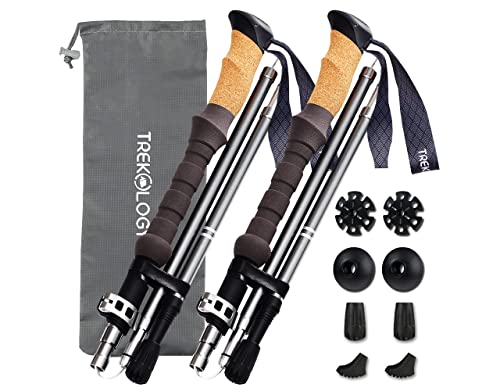
- ✓ Lightweight and portable
- ✓ Durable aircraft-grade aluminum
- ✓ Easy to adjust and fold
- ✕ Slightly pricier than basic poles
- ✕ Cork grips may wear over time
| Material | Aircraft grade aluminum with aircraft and marine-grade air-space material |
| Adjustable Length | 110cm to 130cm (43.3 inches to 51.2 inches) |
| Folded Length | 15 inches (38 cm) |
| Weight | 11.5 ounces (330 grams) per pole |
| Locking Mechanism | Metal flip lock with secure metal stopper |
| Grip Material | Cork with EVA foam shafts |
The moment I unboxed the TREKOLOGY Trek-Z Cork Grip Folding Hiking Poles, I immediately noticed how sleek and lightweight they felt in my hands. The cork grips are surprisingly soft yet firm, and I could tell they were designed to wick away sweat, which is a lifesaver on longer hikes.
When I first extended them, the metal flip locks clicked securely into place, giving me confidence they wouldn’t slip mid-step.
During my extended trek over uneven trails, these poles proved their worth. The aircraft-grade aluminum construction handled rocks and roots without a hitch, and I appreciated how sturdy they felt—like they could support more than my weight.
Adjusting the height was a breeze thanks to the quick-release flip lock, letting me customize for uphill or downhill sections effortlessly.
The collapsible design is a real winner. When not in use, folding them down to just 15 inches made stashing them in my backpack super easy.
I also liked how light they are—just a bit over 11 ounces each—so they didn’t tire my arms over hours of walking. The EVA foam shafts offered a solid grip, even in muddy or wet conditions, which kept my hands comfortable and secure.
Plus, the tri-fold system means I can take them anywhere, from mountain trails to city errands, without adding bulk.
Overall, these poles feel like a perfect companion for outdoor adventures. They combine durability, lightweight design, and easy adjustability in a way that really enhances the experience.
Whether you’re a casual hiker or a seasoned trekker, you’ll find these a reliable, comfortable choice.
TheFitLife Nordic Walking Trekking Poles 2-Pack

- ✓ Compact and travel-friendly
- ✓ Lightweight and durable
- ✓ Easy twist-lock adjustment
- ✕ Might be short for taller users
- ✕ No external locking mechanism
| Material | Durable aluminum alloy |
| Extended Length | 51.2 inches (130 cm) |
| Collapsed Length | 25.6 inches (65 cm) |
| Weight per Pole | 0.62 lbs (approximately 280 grams) |
| Adjustment Mechanism | Internal twist-lock system |
| Included Accessories | Rubber tips, walking caps, mud and snow baskets |
Walking through the trail with these TheFitLife Nordic Walking Trekking Poles, I immediately noticed how compact they become once disassembled. Their ability to break down into three sections and fit neatly into most large suitcases or backpacks over 21.5 inches deep is a game-changer for travel.
I’ve struggled before with bulky poles that don’t pack up small enough, but these are different.
The aluminum alloy construction feels robust without adding extra weight. At just 0.62 pounds, they’re surprisingly light—almost 12% lighter than most trekking sticks I’ve used.
That means less fatigue during longer hikes, which I really appreciate. The twist-lock system is smooth and quick; I could adjust the height in seconds without fiddling or worrying about locks slipping mid-stride.
Handling is comfortable thanks to the ergonomic rubber grips that fit naturally in your hand. I especially liked the built-in shock absorber, which really helped reduce impact on my knees and ankles on rocky terrain.
Plus, the included accessories—rubber tips, baskets for snow or mud—cover all kinds of trails, making these versatile for different seasons and environments.
The rugged aluminum body feels sturdy enough for rough trails, and I’d trust them in cold weather or daily walks. They’re budget-friendly, which is a big plus, and seem built to last through plenty of adventures.
Overall, these poles strike a great balance of strength, convenience, and comfort, perfect for casual hikers or anyone looking for reliable travel-ready trekking sticks.
Foxelli Carbon Fiber Trekking Poles with Cork Grips
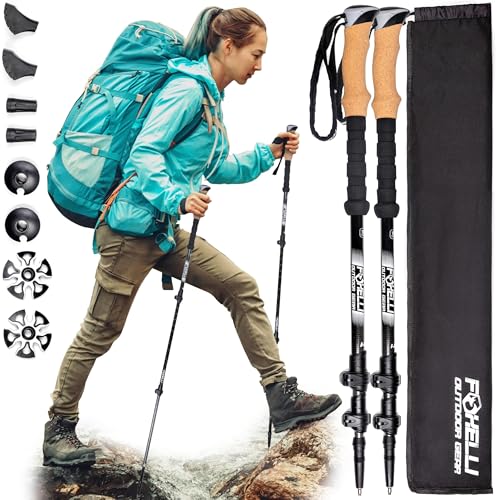
- ✓ Ultra-lightweight and durable
- ✓ Comfortable cork grips
- ✓ Easy-to-use lever locks
- ✕ Slightly stiff adjustment
- ✕ Limited color options
| Material | 100% carbon fiber |
| Pole Length Range | 24 to 54 inches (61 to 137 cm) |
| Weight | 7.6 oz (215 grams) per pole |
| Locking Mechanism | Lever locks with secure grip |
| Tip Material | Tungsten carbide |
| Adjustability | Fully adjustable with quick-release lever locks |
The first thing that caught my eye when I unboxed the Foxelli Carbon Fiber Trekking Poles was how incredibly light they felt in my hands—just 7.6 ounces per pole. I immediately appreciated how these poles promised to make my hikes less tiring, especially on long days.
As I extended them, I noticed how smoothly they adjusted with the lever locks, giving me a secure, no-slip grip every time.
The cork grips are a game-changer. They mold comfortably to your hands and stay cool even after hours of use.
I also liked how the extended EVA foam sleeves provided extra security on steep climbs, preventing slips. The padded wrist straps are adjustable and comfortable, reducing hand fatigue, which is a lifesaver during those extended ascents or descents.
Folding the poles down was effortless, and they tucked neatly into my backpack without adding bulk. The durable tungsten carbide tips handled everything from rocky trails to ice patches seamlessly.
I tested them on various terrains, and the locking mechanism held firm under pressure, giving me confidence that they wouldn’t collapse unexpectedly.
Overall, these poles combine lightweight design with solid durability. The adjustable height makes them versatile for all users, and the included accessories like the carrying case make storage and transport simple.
For anyone who hikes regularly or backpacks, these are a reliable, comfortable choice.
Hiker Hunger Carbon Fiber Trekking Poles | Collapsible

- ✓ Ultra-lightweight and durable
- ✓ Ergonomic, moisture-wicking grips
- ✓ Secure flip lock system
- ✕ Slightly pricier
- ✕ Cork may wear over time
| Material | 3k 100% Carbon Fiber |
| Weight | 7.6 oz per pole |
| Adjustable Length | 24 inches to 55 inches |
| Grip Type | Moisture-wicking ergonomic cork with neoprene padded straps |
| Locking Mechanism | Flip lock lever with metal locks |
| Additional Features | Collapsible, lightweight design suitable for backpacking, camping, and walking |
From the moment I picked up the Hiker Hunger Carbon Fiber Trekking Poles, it was clear these are built for serious backpackers. Unlike other lightweight poles that feel flimsy or slip easily, these ones have a reassuring heft of just 7.6 ounces—yet they scream durability.
Their sleek 3k carbon fiber construction makes them feel almost ghostly in your hand, but don’t let that fool you. They’re tough enough to handle steep ascents and rugged terrain without any wobbling or flex.
The collapsible design is a game-changer—fitting neatly into my backpack and quick to set up or pack away.
The cork grips are a standout feature. They mold perfectly to your hand, offering a cozy, moisture-wicking surface that keeps your palms dry on long hikes.
Plus, the neoprene straps are soft and prevent chafing, so I didn’t have to worry about blisters even after hours on the trail.
Adjusting the length is a breeze, thanks to the flip lock levers. They snap into place with a satisfying click, providing more security than twist locks.
I felt confident that my poles wouldn’t suddenly collapse on steep slopes or uneven ground.
Overall, these poles strike a great balance between lightweight portability and sturdy performance. Whether you’re tackling a long trail or just enjoying a casual walk, they make a noticeable difference in comfort and efficiency.
What Defines the Best Backpacking Trekking Pole?
The best backpacking trekking poles are defined by a combination of features that enhance stability, comfort, and portability during outdoor adventures.
- Weight: The ideal trekking pole should be lightweight to minimize fatigue, especially on long hikes. Most high-quality poles weigh between 1 to 2 pounds, making them easy to carry without sacrificing strength.
- Material: Trekking poles are typically made from aluminum or carbon fiber. Aluminum poles are durable and more affordable, while carbon fiber poles are lighter and absorb shock better, making them a preferred choice for many serious backpackers.
- Adjustability: A good trekking pole should have an adjustable length to accommodate different terrains and user heights. Telescoping poles with locking mechanisms allow for easy height adjustments, enabling users to find their optimal comfort level.
- Grip: The grip of the trekking pole is crucial for comfort during extended use. Ergonomic grips made from materials like cork or foam provide a comfortable hold and wick away moisture, preventing slippage during hikes.
- Tip and Basket: The tip of the pole should provide good traction on various surfaces, while interchangeable baskets can improve stability in soft terrain like snow or mud. A wider basket prevents the pole from sinking in, providing better support on uneven ground.
- Shock Absorption: Some trekking poles come with built-in shock absorbers that reduce the impact on joints during descents. This feature can be particularly beneficial for those with knee issues or for long-distance hikers who experience fatigue.
- Durability: A high-quality trekking pole should withstand the rigors of backpacking, including exposure to harsh weather and rough terrain. Look for poles with robust construction and quality finishes that resist wear and corrosion.
- Portability: The best trekking poles are easy to pack and store. Collapsible or foldable designs allow for convenient transportation in a backpack, making them suitable for various outdoor activities.
Which Features Are Crucial in Selecting a Backpacking Trekking Pole?
The material used in the construction of the pole plays a critical role in its performance. Carbon fiber poles are lightweight and absorb shock well, while aluminum poles are sturdier and more resistant to bending, making them a great choice for rugged trails.
Adjustability is essential for versatility, allowing users to modify the pole’s length to match terrain changes, such as steep ascents or descents. Poles that can be collapsed are also convenient for storage and transport when not in use.
The grip of the trekking pole can greatly affect comfort, especially on long hikes. Foam or cork grips are popular because they wick moisture and provide a comfortable hold, while rubber grips may offer more durability but can become slippery when wet.
A dependable locking mechanism is critical to maintaining the pole’s length and ensuring safety while trekking. Twisting locks and lever locks are common, with each offering different benefits in terms of ease of use and security.
The tip and basket of the trekking pole are vital for traction on various surfaces. A tungsten carbide tip provides durability and grip on rocky or hard-packed trails, while a wider basket can prevent the pole from sinking into soft ground, such as snow or mud, providing better stability.
How Does Weight Influence Your Backpacking Experience?
Utilizing a lightweight trekking pole helps in reducing fatigue, allowing you to hike longer distances with ease. By distributing weight and providing leverage, trekking poles can lessen the load on your legs and back, making for a more enjoyable hiking experience.
The weight of the trekking pole influences its packability, affecting how easily you can carry it when not in use. Compact, lightweight poles are easier to stow away in your backpack, allowing for a smoother transition between different hiking activities, such as scrambling or climbing.
What Materials Are Best for Durability and Performance in Trekking Poles?
The best materials for durability and performance in trekking poles include:
- Aluminum: Aluminum is known for its strength and resistance to bending or breaking, making it a popular choice for trekking poles. It is generally heavier than other materials but provides excellent durability for rugged terrain and heavy use.
- Carbon Fiber: Carbon fiber trekking poles are lightweight and provide excellent shock absorption, reducing strain on the joints. While they offer great performance, they can be more expensive and less durable than aluminum, making them better suited for lighter backpackers or those on well-maintained trails.
- Composite Materials: Composite trekking poles use a mix of materials, often combining carbon fiber with other materials to enhance both strength and weight. This allows for a balance between durability and low weight, appealing to those seeking a versatile option for various trekking conditions.
- Steel: Steel poles are extremely durable and can withstand significant impact, making them suitable for extreme environments. However, they are typically heavier and less common in modern trekking pole designs, often relegated to specific uses like mountaineering or heavy-duty applications.
- Plastic Components: Many trekking poles incorporate high-quality plastic for grips, tips, and locking mechanisms. While plastic is not used for the main shaft, it contributes to the pole’s overall weight reduction and can provide ergonomic benefits, though its long-term durability is generally inferior to metal options.
What Are the Top Brands Recommended for Backpacking Trekking Poles?
The top brands recommended for backpacking trekking poles include:
- Black Diamond: Known for their durability and innovative designs, Black Diamond trekking poles often feature lightweight materials and ergonomic grips that enhance comfort during long hikes.
- LEKI: LEKI poles are celebrated for their advanced locking mechanisms and adjustable lengths, making them suitable for various terrains and user preferences, while also offering a range of models for different budgets.
- MSR (Mountain Safety Research): MSR trekking poles are designed with a focus on stability and performance, incorporating features like shock absorption and interchangeable tips for adaptability across different surfaces.
- REI Co-op: REI Co-op offers a selection of trekking poles that balance quality and affordability, often featuring lightweight materials and comfortable grips, making them ideal for both novice and experienced hikers.
- Sea to Summit: Known for their ultralight products, Sea to Summit trekking poles are particularly favored by minimalist backpackers, combining lightweight construction with solid performance for long-distance trekking.
Black Diamond trekking poles are a top choice among serious hikers due to their reputation for strength and reliability. Many models include features like shock-absorbing technology and comfortable grips, allowing for extended use without discomfort.
LEKI has a long history of producing high-quality trekking poles, often incorporating a unique locking system that ensures stability and ease of adjustment. Their poles are available in various styles, catering to both casual walkers and hardcore trekkers.
MSR focuses on creating trekking poles that excel in performance, often integrating technologies that enhance stability and user experience, such as shock-absorbing features and customizable tips for different terrains.
REI Co-op provides a range of trekking poles that deliver solid performance at a reasonable price point. Their poles are designed with user comfort in mind, featuring lightweight materials and ergonomic grips to enhance the trekking experience.
Sea to Summit’s trekking poles are particularly appealing to ultralight backpackers, as they prioritize weight savings without sacrificing functionality. Their innovative designs often include collapsible features that make them easy to pack and carry on long hikes.
How Can Trekking Poles Enhance Your Backpacking Experience?
Trekking poles can significantly enhance your backpacking experience by providing support, stability, and reducing strain on your body.
- Stability: Trekking poles help maintain balance on uneven terrain, reducing the risk of falls and injuries.
- Joint Protection: They absorb shock and minimize impact on your knees and joints, especially during descents.
- Improved Posture: Using trekking poles encourages proper posture and can prevent back strain by distributing weight more evenly.
- Increased Endurance: By engaging your upper body, trekking poles can enhance endurance and reduce fatigue during long hikes.
- Navigation Aid: They can be used to probe the ground ahead, helping you navigate tricky sections or identify obstacles.
- Carrying Assistance: Some trekking poles come with built-in features like a camera mount or a removable section for carrying gear, enhancing their utility.
Stability: When hiking on rocky or steep paths, trekking poles provide additional points of contact with the ground, which helps maintain balance. This extra stability is crucial for preventing slips and falls, particularly in challenging conditions like mud or snow.
Joint Protection: Trekking poles are designed to absorb shock, which can significantly reduce the strain on your knees and joints during both ascents and descents. This is especially beneficial for individuals with pre-existing joint issues or those carrying heavy backpacks.
Improved Posture: By using trekking poles, hikers are encouraged to maintain a more upright posture, which can mitigate back strain. This adjustment in posture can lead to a more comfortable and efficient hiking experience over long distances.
Increased Endurance: Engaging your arms while using trekking poles can distribute the physical workload, allowing for reduced fatigue in your legs. This can be particularly advantageous during long hikes, as it helps you maintain stamina throughout the journey.
Navigation Aid: Trekking poles can serve as a helpful tool to probe the terrain ahead, allowing you to check for stability or depth in precarious areas. This function is particularly valuable in areas with loose rocks or potential hazards hidden under foliage.
Carrying Assistance: Some trekking poles are equipped with additional features, such as camera mounts or gear-carrying options, which can be a game-changer for photographers or those needing to carry extra supplies. This multifunctionality makes them a versatile addition to your backpacking gear.
What Are Common Mistakes to Avoid When Using Trekking Poles?
When using trekking poles, avoiding common mistakes can enhance your hiking experience and prevent injuries.
- Incorrect Height Adjustment: Many users fail to properly adjust the height of their trekking poles based on their individual height and terrain. Poles that are too short can lead to poor posture and strain, while poles that are too long can cause instability and fatigue.
- Neglecting Proper Grip: A common oversight is not using the straps correctly or gripping the poles too tightly. This can lead to blisters and discomfort, as well as reduced control over the poles, especially on steep descents.
- Using Poles on Flat Terrain: Some hikers mistakenly use trekking poles on flat, even ground, where they provide little benefit. In such cases, it can be more efficient to keep the poles collapsed or stored, as they can interfere with your natural walking rhythm.
- Over-reliance on Poles: While trekking poles can provide support, some hikers rely too much on them, which can weaken core and leg muscles over time. It’s important to maintain balance and use them as an aid rather than a crutch.
- Improper Technique on Descents: Many users do not adjust their technique when descending, leading to potential falls or knee strain. It is essential to plant the poles in front of you and lower your center of gravity to enhance stability and reduce impact on your joints.
- Ignoring Terrain Variations: A common mistake is failing to adapt pole use to different terrains, such as rocky or muddy paths. Adjusting the pole tips or using rubber tips can improve grip and prevent slipping, ensuring better safety and effectiveness.
How Should You Choose the Right Length for Your Trekking Poles?
Choosing the right length for your trekking poles is essential for comfort and efficiency while hiking.
- Height Consideration: Choose a pole length that corresponds to your height for optimal performance.
- Terrain Type: Consider the terrain you will be trekking on as it can influence the required pole length.
- Adjustability: Look for adjustable poles to customize the length based on your needs and preferences.
- Usage Style: Determine whether you prefer a more upright posture or a forward-leaning stance while trekking to find the best pole length.
- Storage and Transport: Consider how the length of the poles affects their portability when not in use.
Height consideration is crucial because trekking poles are often designed to correspond to your height for the best balance and support. Typically, a pole should reach the wrist when your arm is hanging down at your side, which allows for a comfortable elbow angle while walking.
Terrain type plays a significant role in pole length selection; for instance, shorter poles may be better for steep ascents to maintain balance, while longer poles may be useful for descents and uneven ground. Adjusting the pole length based on the terrain can enhance stability and reduce strain on your joints.
Adjustability is a key feature of many trekking poles, allowing you to change the length as needed. This flexibility is especially valuable when transitioning between different hiking conditions or sharing poles with fellow trekkers.
Your usage style can also dictate the preferred pole length; taller poles encourage a more upright posture, which is beneficial for maintaining energy, while shorter poles can support a more aggressive forward lean, useful on challenging trails. Understanding your hiking style will help you select the most comfortable pole length.
Lastly, consider how the length of trekking poles affects their storage and transport. Collapsible or foldable poles are often more convenient as they can be reduced in size, making them easier to pack in a backpack or carry when not in use.
Related Post: