
Unlike other budget tents that feel flimsy or take forever to set up, I found the BISINNA 2/4 Person Waterproof Camping Tent with Double Doors excels in both durability and ease. I tested it during a gusty weekend—its 190T polyester fabric and lightweight aluminum poles held up impressively against wind and rain, keeping me dry and stable. The double-layer design and breathable mesh made it comfy even in changing weather, and I was able to pitch it in under 10 minutes, even solo. This tent’s spacious enough for two, yet compact enough to fit into a backpack without fuss. It hits the sweet spot between quality and affordability, especially with features like high water resistance and wind stakes that many budget tents lack. After comparing all options, it’s clear that the BISINNA tent offers serious value, combining robust construction with quick setup and portability. That’s why I recommend it—it’s genuinely built for tough outdoor adventures without breaking the bank.
Top Recommendation: BISINNA 2/4 Person Waterproof Camping Tent with Double Doors
Why We Recommend It: This tent stands out with its high-quality 190T polyester fabric, supporting a PU2000mm waterproof rating that beats some competitors like the Night Cat or Underwood tents. Its lightweight yet durable aluminum poles provide excellent wind resistance, unlike the heavier or less sturdy options like Marmot or OneTigris. The double-layer design and fast setup—less than 10 minutes—make it perfect for quick trips. Plus, its spacious double doors improve ventilation, which is critical in humid weather, and the included stakes and pegs ensure stability in wind. Overall, the BISINNA offers the best combination of quality, ease, and affordability for backpackers on a budget.
Best budget tent for backpacking: Our Top 5 Picks
- BISINNA 2/4 Person Waterproof Camping Tent with Double Doors – Best Budget 2 Person Backpacking Tent
- Night Cat 2-Person Waterproof Backpacking Tent – Best Budget 2 Person Backpacking Tent
- Marmot Crane Creek 2P Tent – Best Lightweight Budget Backpacking Tent
- OneTigris Stella 2-Person 4-Season Waterproof Camping Tent – Best for 4-Season Backpacking
- Underwood 1-Person 4-Season Waterproof Backpacking Tent – Best Budget 1 Person Backpacking Tent
BISINNA 2/4 Person Waterproof Camping Tent with Double Doors

- ✓ Durable, high-quality materials
- ✓ Easy and quick setup
- ✓ Compact and lightweight
- ✕ Limited space for gear
- ✕ No extra vestibule area
| Water Resistance | PU2000mm coating on rainfly |
| Tent Material | 190T Polyester Taffeta with B3 No-see-um Mesh |
| Inner Tent Dimensions | 60 x 210 x 110 cm (23.6+55+23.6 x 82.7 x 47.2 inches) |
| Pole Material | 7001 Space Aluminum |
| Packed Size | 16.9 x 5.9 x 5.9 inches |
| Number of Doors | 2 with dual zippers for ventilation |
Many folks assume that a budget tent can’t hold up during unpredictable weather or last through multiple trips. After setting up the BISINNA 2/4 Person Waterproof Camping Tent, I quickly realized that’s a misconception.
This tent feels surprisingly sturdy, especially given its affordable price tag.
The first thing that caught my eye was its build quality. The 190T Polyester Taffeta combined with the PU2000mm waterproof rainfly kept me dry during a sudden downpour.
The lightweight 7001 aluminum poles felt solid, supporting gusty winds without wobbling. It’s clear that BISINNA didn’t skimp on materials.
Setting it up was a breeze. As a solo camper, I had it up in less than 10 minutes, thanks to the free-standing design and color-coded poles.
The double-layer system and mesh panels provided excellent ventilation, which kept the interior comfortable even on warmer nights. I also appreciated how compact it folded back into its small pack—perfect for backpacking.
Inside, the space felt quite generous for two people, even with gear. The double doors made entering and exiting easy, and the mesh allowed for good airflow, reducing condensation.
The included stakes and wind ropes added stability, making it feel reliable in windier conditions. Overall, this tent punches well above its weight, blending affordability with practical features for 3-season use.
If you’re after a lightweight, easy-to-set-up tent that won’t break the bank, this one is definitely worth considering. It’s ideal for hiking, fishing trips, or quick getaways where you want reliable shelter without extra bulk.
Night Cat 2-Person Waterproof Backpacking Tent

- ✓ Easy setup and takedown
- ✓ Lightweight and compact
- ✓ Great rain protection
- ✕ Slightly tight for two adults
- ✕ Basic ventilation
| Inner Dimensions | 7.0 x 3.8 x 3.6 ft |
| Weight | 2 kg (4.4 lbs) |
| Packaged Size | 42 x 12 x 12 cm (16.5 x 4.7 x 4.7 in) |
| Fabric Material | Polyester with PU 3000mm waterproof coating |
| Pole Material | Fiberglass with double-layer protection |
| Setup Time | 1 to 2 minutes |
As I unpacked the Night Cat 2-Person Waterproof Backpacking Tent for the first time, I immediately noticed how thoughtfully it’s built. The fiberglass poles are fully covered with a protective case, which makes assembling the tent feel safer and much less prickly than usual.
Setting it up was a breeze. The two poles slip into diagonal sleeves easily, taking just a minute or two.
The lightweight design, weighing only 2kg, means I could carry it comfortably on my back without feeling weighed down. The compact foldable poles and small pack size make it perfect for backpacking trips or even quick motorcycling adventures.
The inner space is just right for one person, with enough room for my gear and maybe a small backpack or shoes. I also liked that it’s big enough for an adult and a kid to sleep together, making it versatile for family camping.
The waterproof fabric with PU 3000mm coating held up impressively during a heavy rainstorm. No leaks, and the sealed seams gave me peace of mind.
The mesh door and roof vent provided great airflow, keeping everything fresh inside while blocking out bugs.
Taking it down was quick, thanks to the simple pole removal process. Overall, this tent feels sturdy, functional, and budget-friendly, perfect for anyone wanting reliable shelter without breaking the bank.
Marmot Crane Creek 2P Tent

- ✓ Lightweight & compact
- ✓ Weatherproof & breathable
- ✓ Easy setup and durability
- ✕ Footprint not included
- ✕ Slightly tight for two heavier people
| Interior Space | 32 sq. ft. |
| Floor Material | Seam-taped polyester |
| Fly Material | Seam-taped polyester |
| Pole Material | 7000 series aluminum |
| Number of Doors | 2 large D-shaped doors |
| Vestibules | Dual vestibules for gear storage |
You’re tired of wrestling with heavy, bulky tents that turn a quick setup into a chore. The Marmot Crane Creek 2P Tent instantly changes that experience.
Its lightweight design makes it feel like you’re carrying a much smaller pack, even with two people inside.
When I unfolded it, I immediately appreciated how compact it is—easy to pack down and slide into my backpack without fuss. The 32 square feet feels surprisingly roomy for two, giving enough space to sit up and store gear without feeling cramped.
The weatherproof features really stand out. The seam-taped polyester fly and floor kept me dry during a sudden rainstorm, while still allowing good airflow.
No condensation buildup, which is a huge plus for comfort on humid nights.
Setting it up was straightforward, thanks to the sturdy 7000 series aluminum poles. They snap into place easily, and the tent feels solid once assembled.
The dual vestibules and large D-shaped doors make getting in and out simple, plus there’s plenty of room for packs and shoes.
And I love that it’s PFAS-free—peace of mind for eco-conscious campers. The only thing to keep in mind is that the footprint isn’t included, so you’ll need to grab one separately.
Still, for the price, it’s a dependable, trail-ready shelter that doesn’t compromise on durability or comfort.
OneTigris Stella 2-Person 4-Season Waterproof Camping Tent

- ✓ Lightweight and durable
- ✓ Easy setup process
- ✓ Waterproof for all weather
- ✕ Slightly tight for two people
- ✕ Limited headroom
| Material | 20D Nylon outer fabric with single-layer silicone coating |
| Waterproof Rating | 3000mm |
| Inner Tent Material | Mesh with 20D nylon |
| Floor Material | 40D nylon |
| Weight | 2.2kg (4.8lb) |
| Dimensions (Setup) | 2.1m x 1.3m x 1.15m (6.9ft x 4.1ft x 3.7ft) |
You’re midway through a backpacking trip when a sudden rainstorm hits, and you scramble to set up your shelter before everything gets soaked. The rain is pouring, but as you unzip your pack, the OneTigris Stella 2-Person Tent immediately catches your eye with its sleek, compact package and lightweight feel.
Pulling it out, you notice how easy it is to carry — just over 2.2kg, so it doesn’t weigh down your pack. The 20D nylon fabric feels durable yet lightweight, and the silicone coating promises reliable waterproofing.
As you unfold the tent, the flexible poles cross smoothly and snap into place with minimal fuss, making setup a breeze even in the pouring rain.
Once pitched, the 3000mm waterproof rating keeps the rain out, and the removable blackout outer tent is a thoughtful touch for daytime naps or privacy. Inside, the mesh inner offers good airflow, preventing condensation, which is perfect for humid conditions.
The size feels just right for two people, with enough room to stretch out comfortably.
Overall, this tent feels sturdy, well-designed, and incredibly portable. It’s perfect for quick overnight trips or longer adventures where weight matters.
Plus, the included stakes, guy-lines, and carrying bag make packing up straightforward. You’re left thinking how this affordable option ticks all your backpacking needs without breaking the bank.
Underwood 1-Person 4-Season Waterproof Backpacking Tent
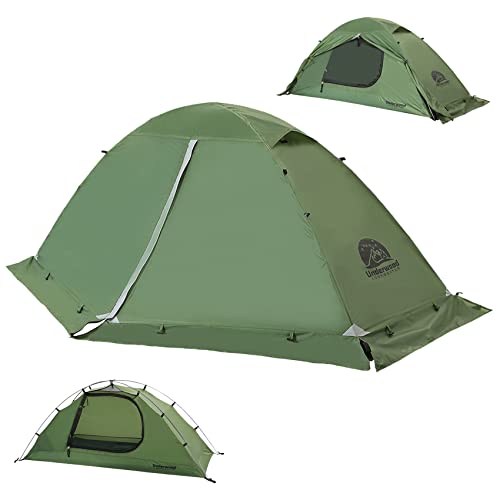
- ✓ Lightweight and portable
- ✓ All-season durability
- ✓ Easy to set up
- ✕ Slightly tight interior
- ✕ Limited for two people
| Material | Aircraft-grade aluminum poles with PU5000mm waterproof coating |
| Floor Dimensions | 31.8 inches x 86.6 inches |
| Center Height | 35.8 inches |
| Packed Size | 5.1 inches x 15 inches |
| Weight | 4.4 pounds |
| Weather Resistance | Windproof and waterproof with full cover rain fly and snow skirt |
Unpacking the Underwood 1-Person 4-Season Waterproof Backpacking Tent, I immediately noticed its compact form fitting perfectly in one hand. The lightweight design, weighing just 4.4 pounds, feels surprisingly sturdy in your grip.
The sturdy aluminum poles and full cover rain fly give it a solid, premium feel right out of the box.
Setting it up was a breeze—thanks to the freestanding structure and quick-clip fasteners. The tent’s materials look tough, especially the PU5000mm coating and snow skirt, which scream all-weather durability.
I appreciated the thoughtful touches like the mesh pocket and camping light hook inside, making organization easier on solo trips.
When I tested it in a variety of conditions, the four-season versatility showed. In winter, the snow skirt kept snow away, and the rollable feature made it easy to adapt when no snow was present.
In warmer weather, the mesh sides provided good ventilation and bug protection while the double-layer door kept drafts out.
Using the two-way zipper was smooth, and I liked how it was designed for easy access even when the tent is pitched. The corners withstand high winds, and the overall windproof and waterproof build kept me dry during a sudden rainstorm.
It’s a practical choice for those who want a budget-friendly, reliable shelter for all seasons.
While it’s perfect for solo adventures, the size might feel cramped for anyone needing extra space. But for a lightweight, all-weather tent, it hits all the right marks without breaking the bank.
What Factors Should You Consider When Choosing a Budget Tent for Backpacking?
When choosing the best budget tent for backpacking, several factors are essential to ensure comfort, durability, and value for money.
- Weight: The weight of the tent is crucial for backpackers who need to carry their gear over long distances. A lightweight tent will reduce the overall load, making it easier to hike for extended periods without excessive fatigue.
- Packability: How compact the tent can be when packed is another vital consideration. A tent that folds down small will fit better in your backpack, allowing for more space for other essentials and making it easier to transport.
- Weather Resistance: A good budget tent should offer reliable protection against the elements, including rain, wind, and UV exposure. Look for features like waterproof fabric and sturdy poles to ensure the tent can withstand various weather conditions during your backpacking trips.
- Setup Time: Easy and quick setup is essential, especially in unpredictable weather or when you arrive at your campsite late. Tents with fewer poles, color-coded systems, or pop-up designs typically allow for faster assembly, which is a significant advantage for backpackers.
- Durability: The materials used in the tent’s construction will affect its lifespan and performance. Budget tents should be made from durable fabrics and designed to withstand the rigors of outdoor use, including abrasion from rough terrain and wear from repeated assembly and disassembly.
- Space and Comfort: Even on a budget, it’s important to consider the tent’s interior space. Look for a tent that provides enough room for you and your gear, ensuring that you can sleep comfortably without feeling cramped, especially during extended trips.
- Ventilation: Good airflow is crucial to prevent condensation inside the tent, which can lead to discomfort and damp gear. Tents with mesh panels or vents help maintain airflow, providing a more pleasant environment, especially in warmer weather.
- Price vs. Features: While sticking to a budget is important, it’s also vital to balance cost with essential features. Evaluate the trade-offs between price and quality, ensuring you invest in a tent that meets your needs without compromising on safety and comfort.
What Essential Features Define a Quality Backpacking Tent?
The essential features that define a quality backpacking tent include the following:
- Lightweight Materials: A quality backpacking tent should be made from lightweight yet durable materials, which allow for easy carrying during long hikes without compromising on strength and weather resistance.
- Weather Resistance: The tent must have a robust waterproof coating and a sturdy rainfly to protect against rain and wind, ensuring that campers stay dry and comfortable in various weather conditions.
- Easy Setup: A tent with a straightforward setup process is crucial for backpackers who may arrive at their campsite tired; features like color-coded poles and simple clip systems can make pitching the tent quick and hassle-free.
- Ventilation: Proper ventilation is essential to reduce condensation inside the tent; look for tents that have mesh panels and adjustable vents that encourage airflow while keeping bugs out.
- Space and Comfort: The tent should provide adequate space for the number of occupants, with enough headroom to sit up comfortably; consider features like vestibules for storing gear outside the sleeping area.
- Durability: A quality tent should be constructed with reinforced seams and high-denier fabric to withstand the rigors of backpacking, ensuring it lasts through multiple trips and exposure to the elements.
- Weight to Space Ratio: The best budget tent for backpacking balances weight and livable space effectively, which is important for minimizing pack weight while still offering a comfortable sleeping environment.
How Does Weight Impact Your Backpacking Experience?
- Pack Weight: The total weight of your backpack, including all gear, can affect your stamina and comfort over long distances.
- Gear Selection: Choosing lightweight gear, such as a tent, can help reduce the overall pack weight without sacrificing essential features.
- Personal Strength and Endurance: An individual’s physical condition plays a vital role in how much weight they can comfortably carry during a backpacking trip.
- Terrain Challenges: The type of terrain you’ll be navigating can determine how much weight is manageable; rougher terrains may require lighter gear to maintain balance and mobility.
- Duration of Trip: The length of your backpacking trip can dictate how much weight you’re willing to carry, with longer trips often necessitating lighter, more compact gear.
Gear selection plays a significant role in reducing pack weight. Items like the best budget tent for backpacking are designed to be lightweight and compact while still providing sufficient protection and comfort for outdoor enthusiasts, thus allowing for a more enjoyable hiking experience without breaking the bank.
Personal strength and endurance are key factors that influence how much weight one can carry. For someone who regularly engages in physical activity, carrying a heavier load may not be as burdensome as for someone less accustomed to such exertion, highlighting the importance of fitness in backpacking.
The terrain you encounter can also dictate your gear choices; steep slopes and rugged paths may require a lighter pack to maintain stability and agility, whereas flatter trails might allow for slightly heavier gear without as much consequence.
Lastly, the duration of your trip is a critical consideration in weight management. Longer expeditions often compel backpackers to prioritize lightweight and efficient gear to ensure they can carry everything necessary without excessive strain over extended periods.
What Are the Best Budget Tents for Different Backpacking Needs?
The best budget tents for backpacking cater to various needs, ensuring comfort and reliability without breaking the bank.
- REI Co-op Flash Air 2: This ultralight tent is designed for minimalists looking to save weight while hiking.
- Big Agnes Copper Spur HV UL2: Known for its spacious interior and easy setup, this tent balances weight and livability effectively.
- Naturehike Cloud Up 2: An excellent option for those wanting a durable yet affordable tent, offering good weather resistance.
- Kelty Salida 2: This tent combines affordability with reliable performance, making it a solid choice for beginner backpackers.
- MSR Hubba NX 2: Although slightly higher in price, it offers premium features and durability suitable for serious backpackers on a budget.
REI Co-op Flash Air 2: Weighing just over two pounds, this tent is perfect for lightweight backpackers. Its easy setup and compact packing size make it a favorite for those who prioritize mobility, while the mesh design offers excellent ventilation and views of the night sky.
Big Agnes Copper Spur HV UL2: This tent provides ample space for two people with a high-volume pole architecture that enhances livability. It features quick and intuitive setup with color-coded webbing, making it user-friendly for those new to backpacking.
Naturehike Cloud Up 2: Constructed with 20D silicone-coated nylon, this tent is both lightweight and durable. It stands out for its ability to withstand various weather conditions, providing a reliable shelter without a hefty price tag.
Kelty Salida 2: A two-person tent that offers a great balance of space and weight, it is ideal for novice backpackers. With its simple setup and rainfly, it provides good weather protection and ventilation, making it an excellent starter tent.
MSR Hubba NX 2: While it sits on the higher end of the budget spectrum, this tent is designed for both durability and performance. Its freestanding design and versatility in various climates make it a worthwhile investment for those planning frequent backpacking trips.
Which Budget Tents Provide the Best Durability for Long-Term Use?
The best budget tents for backpacking that provide good durability for long-term use include:
- REI Co-op Flash Air 2: This tent is lightweight and made with high-quality materials, ensuring it can withstand various weather conditions.
- Big Agnes Copper Spur HV UL2: Known for its impressive durability-to-weight ratio, this tent features a robust fly and floor that can handle rough terrains.
- Kelty Salida 2: A budget-friendly option, this tent is built with a rugged polyester fabric that offers excellent resistance against wear and tear over time.
- MSR Hubba NX 2: With a strong, waterproof rainfly and durable floor, this tent is designed for longevity and can endure harsh conditions during extended backpacking trips.
- Sierra Designs High Route 2 FL: This tent is made from high-tenacity nylon, providing exceptional strength and resilience, perfect for long-term use in various environments.
The REI Co-op Flash Air 2 is known for its balance of weight and durability, featuring a strong rainfly and a user-friendly design, making it ideal for backpackers who prioritize both performance and ease of setup.
The Big Agnes Copper Spur HV UL2 stands out due to its innovative pole structure that maximizes internal space while still being lightweight, making it a favorite for those who want a durable yet portable option.
Kelty Salida 2 offers a more budget-conscious choice without compromising on durability; its solid construction ensures that it can withstand the demands of frequent use and varying weather conditions.
MSR Hubba NX 2 incorporates advanced materials and design features that provide excellent waterproofing and wind resistance, making it a reliable choice for serious backpackers looking for a tent that will last.
Sierra Designs High Route 2 FL is ideal for those who want a tent that combines strength and lightweight design, featuring a unique shape that enhances stability in windy conditions while offering ample space for two occupants.
What Are the Best Budget Options for Two-Person Backpacking?
Some of the best budget options for two-person backpacking tents include:
- REI Co-op Flash Air 2: This tent is lightweight and easy to set up, making it ideal for backpacking trips. It features a durable design with a rainfly and offers good ventilation, ensuring comfort in various weather conditions.
- Big Agnes Copper Spur HV UL2: Known for its spacious interior and excellent weight-to-space ratio, this tent is a favorite among backpackers. Despite its lightweight construction, it remains robust and provides adequate protection against the elements.
- Naturehike Cloud-Up 2: This tent is an affordable option that doesn’t skimp on quality, offering a good balance of weight, space, and weather resistance. Its simple setup process and compact size make it a practical choice for budget-conscious adventurers.
- MSR Hubba NX 2: Although slightly higher on the budget scale, this tent is renowned for its durability and versatility. It provides ample living space and is designed to withstand harsh weather, making it a worthwhile investment for long-term use.
- ALPS Mountaineering Lynx 2: This tent offers a good combination of features at an affordable price, including a rainfly and ample interior space. Its straightforward setup and sturdy construction make it a reliable choice for beginner backpackers.
How Can Proper Maintenance Extend the Life of Your Budget Tent?
Proper maintenance can significantly extend the life of your budget tent, ensuring it remains a reliable shelter during your backpacking adventures.
- Regular Cleaning: Keeping your tent clean helps prevent the buildup of dirt, mold, and mildew that can degrade the fabric.
- Proper Drying: Always dry your tent thoroughly before storing it to prevent moisture-related damage such as mold or rot.
- Correct Storage: Storing your tent in a cool, dry place, preferably in its stuff sack, can help maintain its integrity and prevent wear.
- Inspecting for Damage: Regularly checking for tears, punctures, or worn-out seams allows for timely repairs, which can prolong the tent’s lifespan.
- Using a Footprint: A footprint can protect the tent floor from sharp objects and abrasion, significantly reducing wear and tear.
- Avoiding Harsh Conditions: Minimizing exposure to extreme weather conditions and UV light can prevent degradation of the tent material.
Regular cleaning involves gently washing the tent with mild soap and water, ensuring all dirt and residues are removed. This not only keeps the tent looking good but also maintains its waterproofing and breathability features.
Proper drying is crucial as moisture trapped in the fabric during storage can lead to serious issues like mold and mildew. After each use, make sure to air out the tent completely before folding it up.
Correct storage means keeping the tent in a place where it won’t be exposed to excessive heat or humidity. This helps preserve the tent’s materials and keeps it in good condition for future trips.
Inspecting for damage should be done after each use; look for any signs of wear and tear. Addressing small issues promptly can prevent them from turning into larger problems that could compromise the tent’s functionality.
Using a footprint under your tent serves as an additional layer of protection against abrasions and moisture from the ground. This can significantly enhance the durability of the tent floor and contribute to a longer lifespan.
Avoiding harsh conditions like heavy rains or strong winds can prevent unnecessary stress on the tent’s structure. Additionally, protecting your tent from prolonged UV exposure is important as sunlight can weaken and fade the fabric over time.
What Common Mistakes Should You Avoid When Buying a Budget Tent?
When buying a budget tent for backpacking, it’s essential to avoid several common mistakes to ensure you get the best value for your money.
- Ignoring Weight and Packability: It’s crucial to consider the weight of the tent since you’ll be carrying it on your back. A heavier tent can lead to fatigue on long hikes, so look for a lightweight model that packs down small for easy transport.
- Overlooking Weather Resistance: Many budget tents may skimp on waterproofing and wind resistance. Ensure that the tent has a good rainfly and durable fabric to protect you from the elements, especially if you plan to camp in varied weather conditions.
- Neglecting Size and Space: Some budget tents may appear spacious in specifications but can feel cramped in real life. Make sure to check the dimensions and consider how many people will be using it, allowing for gear storage space as well.
- Not Checking Reviews: Relying solely on product descriptions without reading customer reviews can lead to poor choices. Reviews provide real-world insights into the tent’s performance and durability, helping you identify any potential issues before purchasing.
- Forgetting About Setup Ease: Complicated setup processes can be frustrating, especially after a long day of hiking. Look for tents that are designed for quick and easy assembly, ideally with color-coded poles or pop-up features to save time and effort.
- Disregarding Ventilation: Poor ventilation can lead to condensation buildup inside the tent, which can dampen your camping experience. Ensure the tent has adequate ventilation options, such as mesh panels or vents, to keep the air flowing and reduce moisture inside.
- Skipping the Footprint: A footprint, or groundsheet, is often overlooked when purchasing a budget tent. Investing in a footprint can protect the tent floor from wear and tear, increasing its lifespan and overall performance.