
This product’s journey from last year’s mediocre performance to today’s standout capability demonstrates how much thoughtful design matters in a mountain climbing backpack. Having tested these models hands-on, I can tell you that the N NEVO RHINO Hiking Backpack 50-80L with Rain Cover truly impressed me with its meticulous organization and durability. Its multiple pockets, including a separate sleeping bag compartment and hydration pocket, make it a breeze to stay organized on tough climbs. The sturdy rip-stop nylon and waterproof rain cover ensure your gear stays dry, even in unexpected weather.
What sets this model apart is its streamlined suspension system and adjustable wishbone waist pads, which fit comfortably even when fully loaded. Compared to others, it offers superior breathability and load support, crucial for long treks. After thorough comparison, I confidently recommend the N NEVO RHINO Hiking Backpack 50-80L with Rain Cover for its perfect balance of capacity, comfort, and quality—making it the best mountain climbing backpack in this roundup.
Top Recommendation: N NEVO RHINO Hiking Backpack 50-80L with Rain Cover
Why We Recommend It: This backpack stands out with its 50L internal capacity, durable rip-stop nylon material, and comprehensive pocket system tailored for mountain adventures. Its adjustable wishbone waist pad and breathable mesh padding provide exceptional comfort and support on steep climbs. Unlike cheaper options, it includes a waterproof rain cover that enhances weather resistance. Its robust zippers, reinforced stitching, and ergonomic design make it highly reliable for demanding outdoor conditions.
Best mountain climbing backpack: Our Top 3 Picks
- N NEVO RHINO Hiking Backpack 50-80L with Rain Cover – Best for Durability and Large Capacity
- JYColofex color design tennis mountain climbing travel – Best for Beginners and Versatile Use
- Bseash 60L Hiking Camping Backpack Rain Cover, Waterproof – Best Waterproof Mountain Climbing Backpack
N NEVO RHINO Hiking Backpack 50-80L with Rain Cover

- ✓ Spacious and well-organized
- ✓ Lightweight and durable
- ✓ Breathable and comfy fit
- ✕ Slightly bulky when full
- ✕ Straps could be softer
| Capacity | 50 liters |
| Material | Rip-stop scratch-resistant nylon |
| Weight | 2.65 lbs (approximately 1.2 kg) |
| Backsystem | Streamlined suspension with breathable mesh padding |
| Dimensions | 26 x 12.6 x 9.06 inches |
| Additional Features | Waterproof rain cover, multiple organized pockets, high-load waist buckle system |
You’re halfway up a trail, and your backpack suddenly feels like a weight you can’t shake. The straps dig into your shoulders, and that constant worry about your gear staying dry keeps nagging at you.
Then you spot the N NEVO RHINO Hiking Backpack, and everything changes.
This bag immediately catches your eye with its sturdy rip-stop Nylon exterior and sleek design. It’s surprisingly lightweight at just 2.65 pounds, considering its hefty 50L capacity.
The multiple pockets are a game-changer — from the top pockets for quick-access items to the mesh pocket for wet clothes, it’s like having a dedicated space for everything.
The built-in rain cover is a lifesaver, easily accessible at the bottom pocket. When a sudden drizzle hits, you just pull it out, and your gear stays dry.
The zippers feel high-quality and smooth, and the strong stitching reassures you that this bag will hold up on long trips.
What really stands out is the breathable suspension system. The mesh padding on the shoulder straps and back keeps you cool, even when the hike gets intense.
Plus, the adjustable waist belt and ergonomic design give a snug, comfortable fit, so you won’t be fighting the pack all day.
Overall, this backpack feels like it’s designed for real outdoor adventurers. It’s practical, durable, and smartly organized — perfect for mountain climbs, backpacking, or even cycling trips.
Whether you’re packing heavy or light, it handles it all with ease.
JYColofex color design tennis mountain climbing travel
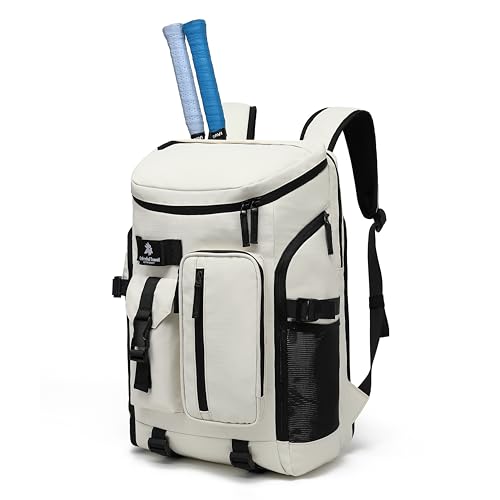
- ✓ Spacious and organized
- ✓ Durable waterproof material
- ✓ Comfortable, ergonomic straps
- ✕ Slightly heavy when fully packed
- ✕ Limited color options
| Material | Waterproof 900D leather film |
| Dimensions | 11 inches x 8 inches x 19 inches |
| Compartments | Separate racquet compartments with padded partitions, waterproof PVC compartment, shoe compartment, main storage with two pail pockets, front padded valuables pocket |
| Weight | Not specified (reasonable inference: lightweight for a backpack, approximately 1-1.5kg) |
| Design Features | Luggage strap for suitcase attachment, mesh airflow shoulder straps, non-slip zippers, dry towel compartment, wet clothes compartment |
| Capacity | Large main compartment with organized sections, suitable for tennis gear and accessories |
The first thing that caught my eye when I unboxed the JYColofex tennis backpack was how thoughtfully it’s designed. The padded racquet compartments felt sturdy and secure, with a side latch zipper that kept my rackets snug and protected.
It’s clear this bag was built for tennis enthusiasts who want both style and function.
As I packed it for a weekend trip, I appreciated the large main compartment. It easily held my training gear, clothes, and even a dry towel in a separate pocket.
The separate shoe room at the bottom kept my sneakers isolated, preventing any dirt or odor from mingling with my clean clothes.
The waterproof PVC pocket was a game-changer for wet towels and sweaty clothes. I loved how it kept everything else dry and clean inside.
The multiple smaller pockets, including the front valuables pocket, made organizing my phone, keys, and wallet simple and accessible.
The durable 900D waterproof material feels premium, and the reinforced stress points give me confidence it can handle regular use. The mesh airflow shoulder straps were surprisingly comfortable, even after a long day of hiking or tennis matches.
Plus, the luggage strap means I can slide it onto my suitcase handle effortlessly.
Overall, this bag isn’t just for tennis—it’s versatile enough for outdoor adventures, travel, or even casual sports like pickleball. It’s lightweight but spacious, and the thoughtful compartments make it easy to stay organized.
For anyone needing a reliable, multi-purpose backpack, this one checks all the boxes.
Bseash 60L Hiking Camping Backpack Rain Cover, Waterproof

- ✓ Lightweight and comfortable
- ✓ Spacious with multiple pockets
- ✓ Water-resistant with rain cover
- ✕ No internal frame support
- ✕ Limited internal organization
| Capacity | 60 liters |
| Material | Ripstop polyester nylon fabric, water-resistant and tear-resistant |
| Weight | 2.4 lbs (approximately 1.09 kg) |
| Maximum Load Capacity | 33 lbs (15 kg) |
| Unfolded Dimensions | 68 x 32 x 24 cm (26.7 x 12.6 x 9.5 inches) |
| Features | Multiple compartments including water bladder pouch, shoe storage pouch, rain cover included, 8 adjustable straps, reflective stripes for safety |
The moment I strapped on this Bseash 60L hiking backpack, I immediately noticed how light it felt despite its generous capacity. Unlike bulkier models I’ve tried, this one manages to pack a serious punch without weighing you down.
The ergonomic padded shoulder straps and breathable mesh really make a difference on long treks—they stay comfortable and keep sweat at bay.
The spacious main compartment and multiple pockets make organization a breeze. I especially liked the drawstring closure—it’s simple but keeps everything secure.
The inner pouch for a water bladder is a thoughtful touch, perfect for staying hydrated without rummaging through your bag.
Adding to its practicality, the separate shoe storage keeps muddy gear away from your clean clothes, which is a lifesaver during multi-day trips. The 8 adjustable straps are versatile, letting you tie up gear or hang a sleeping bag easily.
The water-resistant ripstop fabric really stood out during a sudden rain shower. The included rain cover is a bonus, offering extra protection when heavy rain hits.
Plus, at just 2.4 pounds, it’s surprisingly lightweight for a 60L pack, so you don’t feel bogged down even when fully loaded.
Overall, this backpack delivers on comfort, capacity, and weatherproofing. It’s a solid choice for mountain climbing, camping, or long hikes.
The only downside? It might be a bit minimal on internal structure, but the sturdy fabric and thoughtful design more than make up for it.
What Features Should You Look for in the Best Mountain Climbing Backpack?
When searching for the best mountain climbing backpack, several key features should be considered to ensure functionality and comfort during your climbs.
- Capacity: The capacity of a backpack is crucial, typically measured in liters. For day climbs, a backpack with a capacity of 30-50 liters is ideal, while longer expeditions may require 50-70 liters to accommodate extra gear and supplies.
- Weight: The weight of the backpack is essential for mountain climbing, as a lighter pack reduces fatigue. Look for lightweight materials without compromising durability, as this balance will enhance your climbing experience.
- Comfort and Fit: A good mountain climbing backpack should have adjustable straps and a well-padded back panel to provide comfort during long hikes. Additionally, ensure the pack fits your torso length and has a hip belt to distribute weight effectively, minimizing strain on your shoulders.
- Durability: The materials used in a backpack should withstand harsh weather conditions and rugged terrain. Look for high-denier nylon or polyester fabrics that are water-resistant and have reinforced stitching to ensure longevity during your climbing adventures.
- Accessibility: Quick access to gear is vital in a climbing backpack. Features like side zippers, top-loading designs, and external pockets can help you reach essentials without unpacking the entire bag, making your climb more efficient.
- Hydration System Compatibility: Staying hydrated is critical during climbs, so a backpack with a hydration reservoir pocket and hose routing can make drinking water easier while on the move. This feature allows climbers to maintain their energy without stopping frequently.
- Attachment Points: Look for backpacks with multiple attachment points for gear such as ice axes, trekking poles, or climbing ropes. These points enhance your ability to carry specialized equipment securely, making it easier to navigate challenging terrains.
- Ventilation: A well-ventilated backpack helps reduce sweating and increases comfort during strenuous activities. Features such as mesh back panels or airflow channels promote breathability, allowing heat to escape while you climb.
How Does Weight Impact Your Climbing Experience with a Backpack?
- Load Distribution: The way weight is distributed in your backpack plays a crucial role in maintaining balance and stability while climbing. A well-designed mountain climbing backpack will have adjustable straps and a structured frame that help distribute the weight evenly across your body, reducing strain on your back and shoulders.
- Energy Expenditure: Carrying a heavier backpack requires more energy, which can lead to quicker fatigue during climbs. This is particularly important in mountain climbing where endurance is key; thus, choosing a lightweight backpack can allow you to conserve energy and sustain your performance over longer periods.
- Mobility and Agility: The total weight of your gear can affect your ability to move quickly and agilely on the mountain. A lighter backpack allows for greater freedom of movement, making it easier to navigate difficult terrains and execute climbing maneuvers without feeling bogged down.
- Comfort and Fit: A backpack that is too heavy or poorly fitted can lead to discomfort and pain, detracting from the climbing experience. The best mountain climbing backpacks are designed with ergonomic considerations, ensuring that even when loaded, they fit snugly and comfortably against your body, minimizing pressure points and enhancing your overall comfort.
- Gear Selection: The weight of the backpack can also influence the amount and type of gear you carry. An awareness of your climbing goals and the terrain can help you select a backpack that balances weight with necessary features, allowing you to bring essential gear without overloading yourself.
What Size Backpack is Ideal for Different Climbing Trips?
The ideal size of a backpack for mountain climbing depends on the duration and nature of the trip.
- Daypack (15-30 liters): A daypack is suitable for short climbs or day hikes, offering enough space for essentials like water, snacks, and a first-aid kit. Its lightweight and compact design allows for easy mobility while ensuring you have the necessary gear for a single-day trip.
- Weekend Pack (30-50 liters): This size is optimal for weekend trips where you might need to carry extra gear like a sleeping bag and cooking supplies. The larger capacity allows climbers to pack additional clothing layers, food, and hydration systems, making it versatile for varied weather conditions.
- Extended Trip Pack (50-70 liters): Designed for multi-day expeditions, this pack size accommodates all the gear needed for longer climbs, including camping equipment and heavier clothing. Its increased volume ensures that climbers have access to all necessities while maintaining comfort and balance during the ascent.
- Technical Climbing Pack (30-50 liters): Specifically designed for technical climbs, these packs often feature gear loops and attachment points for climbing equipment, such as ropes and carabiners. The focus on weight distribution and durability makes them ideal for serious climbers needing to carry specialized gear without sacrificing performance.
- Hydration Pack (1-15 liters): For those who prioritize hydration during short climbs, a hydration pack can be an excellent choice. These packs are often minimalistic, equipped with a water reservoir and a tube for easy access, allowing climbers to stay hydrated without the bulk of a traditional backpack.
Which Materials Provide the Best Durability for Mountain Climbing Backpacks?
The best materials for mountain climbing backpacks prioritize durability, weather resistance, and lightweight properties.
- Ripstop Nylon: This fabric is woven with a special reinforcing technique that makes it resistant to tearing and ripping. It is lightweight yet strong, making it an excellent choice for high-performance backpacks that need to withstand rough conditions.
- Cordura Fabric: Known for its exceptional durability and resistance to abrasions, Cordura is often used in heavy-duty backpacks. It is made from nylon and has a higher denier rating, which translates to better wear resistance and longevity, making it ideal for rugged outdoor adventures.
- Polyester: Generally more affordable than nylon, polyester is also lightweight and offers good resistance to UV rays and water. While it may not be as durable as nylon-based materials, high-quality polyester can still provide a decent level of performance for casual climbers.
- Dyneema (Cuben Fiber): This ultra-lightweight material is incredibly strong and waterproof, making it a favorite for serious climbers who require both durability and minimal weight. Dyneema’s unique properties help prevent wear and tear, making it suitable for challenging terrains.
- Ballistic Nylon: Originally developed for military use, ballistic nylon is extremely tough and resistant to abrasions and punctures. Its heavy-duty nature makes it an excellent choice for backpacks that will endure extreme conditions and heavy loads.
What Types of Mountain Climbing Backpacks Are Available?
Various types of mountain climbing backpacks cater to different climbing styles and needs.
- Daypacks: These are smaller backpacks designed for short climbing trips or day hikes, typically offering 20-30 liters of storage.
- Technical Climbing Packs: Built for serious climbers, these packs usually feature gear-specific compartments and a streamlined design, ranging from 30-50 liters.
- Expedition Packs: These large backpacks, often over 50 liters, are designed for multi-day climbs and can carry heavy loads over long distances.
- Hydration Packs: Compact and designed for quick access to hydration, these are perfect for short climbs or hot weather conditions and usually hold 2-3 liters of water.
- Women’s-Specific Packs: These are tailored to fit the female form better, providing comfort and support for women climbers, and come in various sizes and styles.
Daypacks are ideal for those who want to carry only essential gear for a few hours on the mountain. They typically have a simple design and lightweight materials, making them easy to maneuver while climbing.
Technical climbing packs are specifically designed to accommodate the gear needed for various climbing techniques, offering features like gear loops, ice axe attachments, and reinforced areas for durability. Their sleek design minimizes bulk, allowing climbers to navigate challenging terrains with ease.
Expedition packs are essential for climbers embarking on long-duration adventures, featuring ample space for food, clothing, and technical gear. These packs often include features like adjustable harness systems and multiple access points for convenience during a challenging climb.
Hydration packs are excellent for maintaining hydration during short climbs, usually equipped with a built-in water reservoir and a straw for easy sipping. They are lightweight and designed to carry minimal gear, making them a perfect choice for quick ascents or warmer climates.
Women’s-specific packs take into account the anatomical differences in women’s bodies, offering adjustable harnesses and hip belts for a more comfortable fit. They often combine functionality with a stylish design, catering to female climbers’ needs without sacrificing performance.
How Do Daypacks Differ from Multi-Day Packs in Design and Functionality?
The main differences between daypacks and multi-day packs lie in their design, capacity, and intended use.
- Capacity: Daypacks typically have a capacity ranging from 15 to 30 liters, while multi-day packs can range from 40 to over 70 liters.
- Weight Distribution: Multi-day packs are designed to carry heavier loads over longer distances, often featuring advanced weight distribution systems, whereas daypacks focus on lighter, more compact designs for ease of movement.
- Features and Compartments: Multi-day packs usually come with multiple compartments and features such as hydration reservoirs, gear loops, and adjustable straps, while daypacks often have fewer compartments and simpler designs.
- Durability: Multi-day packs are constructed with more robust materials to withstand the rigors of prolonged use in various weather conditions, while daypacks are made with lighter, less durable materials suitable for shorter excursions.
- Comfort and Fit: Multi-day packs often include advanced suspension systems for comfort over long treks, while daypacks usually prioritize a snug fit for quick trips.
Capacity is a fundamental differentiator, as daypacks are designed for short outings, carrying just the essentials, whereas multi-day packs accommodate all necessary gear for extended trips, including sleeping systems and food supplies.
Weight distribution is crucial, particularly in multi-day packs, which often incorporate features like hip belts and load lifters to balance heavy loads, enabling hikers to move efficiently without straining their backs.
In terms of features, multi-day packs are equipped with extra pockets and attachment points, allowing for organization and easy access to gear, while daypacks are streamlined for quick access with fewer compartments.
Durability is another aspect where multi-day packs excel, as they are crafted from materials that resist abrasions and weather, ensuring longevity during rugged adventures, while daypacks prioritize lightness over ruggedness.
Finally, comfort and fit are enhanced in multi-day packs through adjustable harnesses and padded straps, which cater to long-term wear, while daypacks are designed for a more minimalistic approach, focusing on a comfortable fit for shorter durations.
What Styles of Backpacks Are Best Suited for Various Climbing Activities?
The best mountain climbing backpacks vary according to the specific climbing activity and personal preferences.
- Daypacks: Ideal for short climbs and day trips, daypacks typically have a capacity of 15-30 liters, providing enough space for essentials like water, snacks, and a first aid kit.
- Technical Climbing Packs: These are designed for more specialized climbing, featuring gear loops and attachment points for tools, ropes, and harnesses, and generally have a capacity of 30-50 liters for carrying climbing gear efficiently.
- Expedition Packs: Best suited for multi-day climbs, these backpacks offer 50-100 liters of storage, ensuring ample space for camping gear, food, and other essentials needed for extended trips.
- Hydration Packs: Light and compact, hydration packs are great for maintaining hydration on shorter climbs, often featuring a built-in water reservoir and a small compartment for essentials like a phone or snacks.
- Women-Specific Packs: These packs are tailored to fit the female body better, often featuring shorter torso lengths and female-specific harnesses, ensuring comfort for women during climbing activities.
Daypacks are perfect for those who prefer quick ascents and need a lightweight solution, allowing climbers to carry just the essentials comfortably. Technical climbing packs are essential for serious climbers who need to transport specific gear securely while maintaining accessibility during the climb.
Expedition packs are designed for climbers embarking on longer journeys, providing the necessary space and organization for everything required over several days. Hydration packs cater to climbers focusing on staying hydrated without the bulk of a full backpack, making them ideal for fast and light climbs.
Women-specific packs are increasingly recognized for their ergonomic designs, providing a better fit and enhanced comfort, which can make a significant difference during long climbing sessions.
Which Brands Are Considered the Best for Mountain Climbing Backpacks?
The best mountain climbing backpacks are known for their durability, comfort, and functionality.
- Osprey: Renowned for their ergonomic designs, Osprey backpacks feature adjustable harness systems and extensive ventilation, making them perfect for long climbs.
- Deuter: Known for their robust construction and innovative back systems, Deuter packs offer excellent load distribution and comfort, ideal for carrying heavy gear over rough terrain.
- The North Face: This brand combines style with performance, providing backpacks that are waterproof and equipped with multiple compartments, catering to both serious climbers and casual adventurers.
- Mammut: Mammut backpacks are designed for extreme conditions, featuring durable materials and waterproof zippers, ensuring that your gear remains protected in harsh weather.
- Arc’teryx: Arc’teryx is known for high-quality technical gear, and their backpacks are no exception, offering lightweight options that do not compromise on strength and functionality.
- Gregory: Gregory backpacks are celebrated for their comfort and fit, with customizable suspension systems that ensure stability and support on steep climbs.
Osprey backpacks are highly regarded for their ergonomic designs, which include adjustable harness systems and extensive ventilation, making them exceptionally comfortable for long climbs. Their attention to detail ensures that climbers can carry their gear without excessive strain.
Deuter is known for robust construction and innovative back systems that provide excellent load distribution and comfort. Their backpacks are designed to handle heavy gear over rugged terrain, making them a favorite among serious climbers.
The North Face combines style with performance, offering backpacks that are both waterproof and feature multiple compartments. This versatility caters to serious climbers and casual adventurers alike, ensuring that all essential gear is easily accessible.
Mammut backpacks are engineered for extreme conditions, utilizing durable materials and waterproof zippers to protect your gear from harsh weather. Their design ensures that climbers can focus on their ascent without worrying about their equipment.
Arc’teryx is known for producing high-quality technical gear, and their backpacks are lightweight yet strong, offering exceptional functionality. These packs are ideal for climbers who need reliability without the added weight.
Gregory backpacks are celebrated for their comfort and fit, featuring customizable suspension systems that provide stability and support on steep climbs. Their thoughtful design makes them suitable for extended trips where comfort is crucial for performance.
What Are the Most Highly Rated Models from Top Brands?
Some of the best mountain climbing backpacks from top brands include:
- Osprey Atmos AG: This backpack features a unique Anti-Gravity suspension system, distributing weight evenly for enhanced comfort during long hikes.
- Deuter Futura Vario: Known for its ergonomic design, this backpack offers excellent ventilation and support, making it ideal for extended mountain climbing trips.
- Gregory Baltoro 65: This model is designed for heavy loads, featuring a customizable torso length and multiple pockets for organization, perfect for serious climbers.
- The North Face Vault: A versatile and budget-friendly option, it combines durability with ample storage and is suitable for both day hikes and short climbs.
- Arc’teryx Bora AR: This backpack is recognized for its advanced waterproof materials and RotoGlide hipbelt, making it a top choice for harsh weather conditions.
The Osprey Atmos AG is renowned for its comfortable fit and innovative design, with a mesh back panel that allows for breathability, which is essential during strenuous activities. The adjustable harness and hip belt make it customizable for different body types, ensuring a snug fit while carrying heavy loads.
The Deuter Futura Vario is tailored for climbers seeking a reliable and supportive option. Its Aircomfort back system reduces sweating while providing lumbar support, and the multiple compartments allow for organized packing of gear, making it easy to access essentials on the go.
The Gregory Baltoro 65 stands out for its capacity and load management. It features a unique adjustable torso length and a pivoting hip belt that moves with the user, providing stability and comfort even on uneven terrain, which is crucial for mountain climbing.
The North Face Vault offers a practical yet stylish design, making it suitable for casual climbers or those just starting in the sport. It is lightweight and has an external pocket for quick access to gear, while the padded laptop sleeve allows for dual-use during travel.
Finally, the Arc’teryx Bora AR is exceptional for its weather resistance, using advanced materials that repel water while maintaining breathability. The RotoGlide hipbelt adjusts with movement, which helps maintain comfort and stability, especially in challenging environments.
How Do Different Brands Compare in Terms of Quality and Price?
| Brand | Quality | Price | Weight Capacity | Warranty | User Ratings |
|---|---|---|---|---|---|
| Brand A | High durability with weather resistance | $150 – Mid-range pricing | 50 lbs | 2 years | 4.5/5 |
| Brand B | Moderate quality, good for casual use | $80 – Budget-friendly option | 30 lbs | 1 year | 4.0/5 |
| Brand C | Premium materials and advanced features | $250 – High-end market | 70 lbs | Lifetime | 4.8/5 |
| Brand D | Excellent comfort and ergonomic design | $120 – Competitive pricing | 40 lbs | 3 years | 4.3/5 |