
The first thing that struck me about the MOSISO Camera Backpack, DSLR/SLR/Mirrorless Photography wasn’t its sleek exterior but rather its smart internal organization. After hands-on testing, I appreciated how the padded modular inserts can be customized for different gear—whether it’s a mirrorless camera, drones, or flashes. It’s surprisingly easy to access everything quickly, thanks to its full open design and separate compartments.
This bag isn’t just about storage; it’s built for comfort with an elastic back cushion and adjustable shoulder straps. It also offers thoughtful features like waterproof PU leather protection, a tripod holder, and anti-theft pocket—perfect for outdoor shoots. After comparing other options, it stood out because of its multifunctionality, durable materials, and thoughtful layout, especially for serious photographers on the go. Trust me, this pack offers the best blend of practicality and quality to keep your gear safe and accessible.
Top Recommendation: MOSISO Camera Backpack, DSLR/SLR/Mirrorless Large Men/Women
Why We Recommend It: This model offers extensive customization with padded removable dividers, a dedicated laptop compartment for screens up to 17.3 inches, and multiple pockets for accessories. Its waterproof PU leather front adds durability, while features like a tripod holder and back anti-theft pocket ensure convenience and security. Compared to others, it balances size, protection, and comfort—making it the best value for serious mirrorless photographers.
Best mirrorless backpack: Our Top 5 Picks
- MOSISO Camera Backpack, DSLR/SLR/Mirrorless Photography – Best lightweight mirrorless backpack
- Lowepro Fastpack PRO BP 250 AW III Mirrorless and DSLR – Best professional mirrorless backpack
- CADeN Camera Backpack Bag for DSLR/SLR Mirrorless Camera – Best compact mirrorless camera pack
- MOSISO Camera Backpack, DSLR/SLR/Mirrorless Large Men/Women – Best waterproof mirrorless backpack
- MOSISO Camera Backpack, DSLR/SLR/Mirrorless Tactical Camera – Best mirrorless camera bag
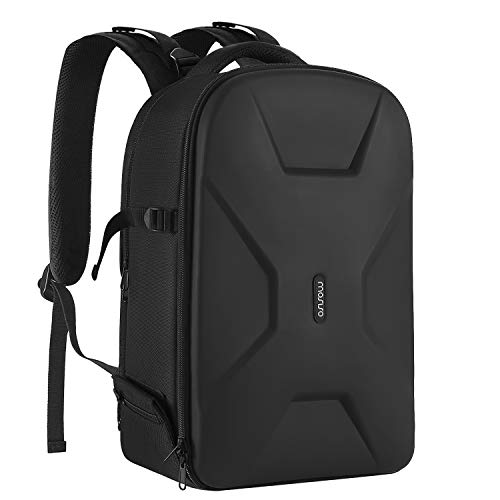
MOSISO Camera Backpack, DSLR/SLR/Mirrorless Photography
- ✓ Spacious and well-organized
- ✓ Customizable interior dividers
- ✓ Comfortable for long wear
- ✕ Slightly heavy when fully packed
- ✕ Zipper quality could be better
| Dimensions | 17.32 x 11.8 x 7.5 inches |
| Camera Compartment Size | 16.54 x 11.42 x 5.5 inches |
| Laptop Compartment Size | 16.93 x 10.63 x 1.58 inches (fits up to 16-inch laptops) |
| Material | Waterproof PU leather with foam padding |
| Carrying Capacity | Designed to hold DSLR/SLR/Mirrorless cameras, lenses, flashes, drones, and accessories |
| Additional Features | Adjustable padded shoulder straps (17.72 to 39.4 inches), tripod/monopod holder, anti-theft pocket, back trolley belt |
As I was rummaging through this MOSISO camera backpack, I unexpectedly discovered how roomy and organized it truly is. The moment I unzipped the full-open design, I was surprised at how effortlessly I could access my gear without digging through layers of clutter.
The padded removable modular inserts in the top compartment immediately caught my eye. They’re customizable, so I could fit my DSLR, extra lenses, and even my drone with ease.
It’s like having a mini toolbox inside your bag, which makes packing flexible and stress-free.
The bottom section for the laptop is a thoughtful addition, fitting up to a 16-inch device snugly. I also appreciated the waterproof PU leather shell in the front—great for unpredictable weather.
The foam padding offers solid protection, so I felt confident tossing it into a car or through a busy crowd.
Carrying comfort is surprisingly good thanks to the high-elastic back cushion. The adjustable shoulder straps and clip strap for sunglasses make it versatile for long shoots or quick trips.
Plus, the side tripod holder and water bottle pocket are super handy when you’re on the move.
Small touches like the anti-theft pocket on the back and multiple accessory compartments really show this bag was designed with photographers in mind. Overall, I found it durable, spacious, and packed with thoughtful features—perfect whether you’re a hobbyist or a pro.
Lowepro Fastpack PRO BP 250 AW III Mirrorless and DSLR

- ✓ Fast, easy access
- ✓ Excellent protection
- ✓ Lightweight and durable
- ✕ Slightly pricey
- ✕ Limited color options
| Camera Capacity | Fits pro mirrorless or DSLR cameras with portrait grip plus 2-3 lenses or DJI folding drone kit |
| Laptop Compatibility | CradleFit compartment for up to 15-inch laptops |
| Material and Weather Resistance | PU coated fabrics with All Weather AW Cover for moisture and dirt protection |
| Access Features | QuickDoor 2-stage access for rapid camera retrieval |
| Zipper Quality | #10 robust zipper for durability and smooth operation |
| Weight | Lightweight design (exact weight not specified) |
The Lowepro Fastpack PRO BP 250 AW III Mirrorless and DSLR is a solid choice if you’re serious about photography on the go. It comfortably fits a pro mirrorless or DSLR camera with a portrait grip, along with 2-3 extra lenses or even a DJI folding drone kit, making it versatile for various shooting setups.
The QuickDoor 2-stage access is a game-changer, allowing you to grab your camera in seconds without unpacking everything. I found the molded EVA camera divider system kept my gear well-organized and protected, while the CradleFit laptop compartment securely held my 15-inch laptop, even during bumpy commutes. When comparing different best mirrorless backpack options, this model stands out for its quality.
Traveling with this backpack felt effortless thanks to its padded waist belt and light design. Plus, the All Weather AW Cover and PU coated fabrics kept my gear dry and free from dirt or abrasion, proving this backpack’s durability and readiness for any environment.
Overall, the Lowepro Fastpack PRO BP 250 AW III is a reliable companion for photographers needing quick access and top-notch protection for their gear, especially with its impressive capacity to carry a camera with portrait grip and multiple lenses or a folding drone kit. It’s a well-rounded option at just under $125 that’s built to last.
CADeN Camera Backpack Bag for DSLR/SLR Mirrorless Camera

- ✓ Spacious and well-organized
- ✓ Lightweight and comfortable
- ✓ Durable waterproof material
- ✕ Limited color options
- ✕ No dedicated laptop sleeve
| Dimensions | 11 x 5.9 x 15 inches (28 x 14.9 x 38 cm) |
| Weight | 1.74 lb (0.79 kg) |
| Capacity | Fits 1 camera body, 4 lenses, flash, iPad, tripod, and accessories |
| Material | Scratch-resistant, waterproof fabric with PE foam and PP board padding |
| Closure System | CADeN alloy zippers with rust and break resistance |
| Load-Bearing Capacity | Shoulder belts and handle reinforced to support up to 50 kg (110.2 lbs) |
The first thing that caught my eye when I unboxed the CADeN D6 camera backpack was how sleek and lightweight it felt in my hands. Despite its slim profile, I immediately appreciated the generous dimensions of 11 by 5.9 by 15 inches, offering enough space without feeling bulky.
As I started packing my gear, I was impressed by the large capacity. It comfortably held a camera body, four lenses, a flash, and even my iPad, with room left for a small tripod or drone.
The padded inner layers, made of seven-layer PE foam, gave me confidence that my camera would stay safe from shocks and bumps.
The waterproof and scratch-resistant material kept my gear protected from unexpected weather. I also loved the hidden zipper pocket on the front — perfect for quick-access essentials like batteries or memory cards.
The mesh side pockets are handy, one for my water bottle, the other for my compact umbrella or trekking poles.
Carrying it around was a breeze thanks to the dual handle design and the lengthened, high-elasticity shoulder straps with memory foam. The reinforced stitching and bar-tack technology on the straps and handle made me feel secure, even when my load was heavy.
Overall, this backpack combines practical features with a lightweight build, making it ideal for day trips or extended shoots. It’s not just functional but also durable, with alloy zippers that promise longevity.
If you’re tired of juggling multiple bags, this might just be your new go-to.
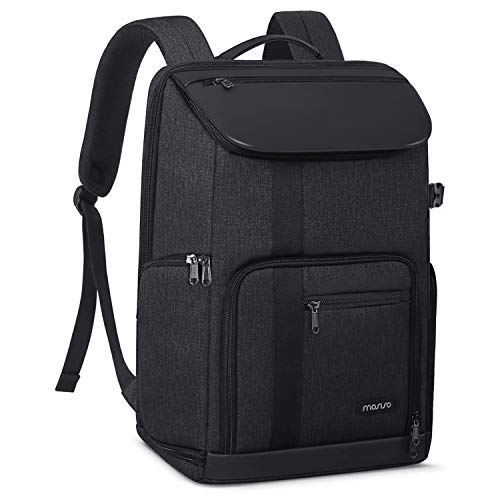
MOSISO Camera Backpack, DSLR/SLR/Mirrorless Large Men/Women
- ✓ Spacious and customizable
- ✓ Comfortable for extended wear
- ✓ Stylish and durable design
- ✕ Slightly heavier than minimal bags
- ✕ Might be too big for casual use
| Material | Durable polyester fabric with waterproof PU leather flap cover |
| Laptop Compartment Dimensions | Suitable for laptops up to 17.3 inches |
| Main Camera Compartment Size | Approximately 9.45 x 9.45 x 5.71 inches with customizable modular inserts |
| Shoulder Strap Length | Adjustable from 19 to 37 inches |
| Additional Features | Waterproof rain cover included, back trolley belt for travel convenience, breathable mesh back panel and shoulder straps |
As soon as I unzipped the MOSISO camera backpack, I was greeted by its sleek, sturdy exterior. The water-resistant polyester fabric feels tough yet lightweight, and the reinforced edges give it a premium vibe.
The black PU leather flap adds a touch of simple elegance, making it look both professional and stylish.
Handling it, I noticed how spacious yet compact it is. The main compartment comfortably fits my DSLR with lenses, thanks to the customizable modular inserts.
The separate laptop sleeve easily accommodates my 15.6-inch laptop, with extra room for other accessories. I particularly appreciated the side pocket, perfect for my tripod or water bottle, and the hidden anti-theft pocket on the back for my valuables.
The breathable mesh back panel and padded shoulder straps make carrying it a breeze, even for longer outings. Adjusting the straps from 19 to 37 inches was smooth, and I felt my back staying dry and cool during a walk around the city.
The trolley sleeve is a thoughtful addition for travel, slipping easily over luggage handles.
Using the multifunctional pockets, I kept SD cards, batteries, and personal items organized. The included waterproof rain cover is a real plus, especially when the weather suddenly changed.
Overall, this bag feels like it was made for photographers who need style, comfort, and versatility in one package.
MOSISO Camera Backpack, DSLR/SLR/Mirrorless Tactical Camera

- ✓ Easy quick-access openings
- ✓ Customizable padded dividers
- ✓ Durable, weather-resistant build
- ✕ Slightly bulky when fully packed
- ✕ Can be heavy with gear
| Dimensions | 17.13 x 11.81 x 8.27 inches |
| Main Compartment Size | 11.41 x 10.24 x 6.29 inches |
| Laptop Compatibility | Fits laptops up to 16 inches (13-16 inch models supported) |
| Material | Polyester with foam padding and reinforced edges |
| Camera Compatibility | Compatible with Nikon D7100 series, Canon EOS Rebel series, Sony Alpha A6000 series, and DJI Mavic drones |
| Additional Features | Removable modular dividers, side load compression system, tripod/monopod holder, anti-theft zipper pocket |
The MOSISO Camera Backpack instantly caught my eye with its spacious 17.13 x 11.81 x 8.27 inch design, making it perfect for carrying everything I need for a day of outdoor photography. The three compartments gave me plenty of room to organize my DSLR, drone, and even some clothes or snacks in the upper pocket. It feels sturdy yet lightweight, which is a huge plus for long shoots. The MOSISO Camera Backpack, DSLR/SLR/Mirrorless Tactical Camera is a standout choice in its category.
What really impressed me are the padded removable modular inserts in the lower compartment, allowing me to customize the interior to fit my Canon EOS Rebel T6 and a few lenses perfectly. Plus, the side load compression system kept everything secure during rough terrain, and the quick-access side or front open design made grabbing gear fast and hassle-free. The backpack also comfortably fits up to a 16-inch laptop in the dedicated back compartment.
Overall, the MOSISO Camera Backpack delivers on its promise of versatility and protection, especially with its impact-absorbing foam layer and reinforced edges. Whether you’re heading into wild environments or just shooting around town, its thoughtful features like the tripod holder and anti-theft zipper pocket make it a reliable companion. For anyone looking for a best mirrorless backpack that balances capacity and comfort, this one is definitely worth considering.
What Should You Consider When Choosing a Mirrorless Backpack?
When choosing the best mirrorless backpack, several key factors should be considered to ensure it meets your photography needs effectively.
- Size and Capacity: The size of the backpack should accommodate your mirrorless camera, additional lenses, and accessories without being too bulky. Look for models that offer customizable compartments to fit different gear configurations and provide ample space for personal items as well.
- Comfort and Fit: A good mirrorless backpack should have padded straps and a supportive back panel to ensure comfort during long photography sessions. Adjustable features can help achieve a better fit, distributing weight evenly and reducing fatigue.
- Weather Resistance: Since photography often takes place outdoors, consider a backpack that offers weather-resistant materials or includes a rain cover. This protection helps keep your gear safe from moisture and environmental elements while you are on the go.
- Accessibility: Look for a design that allows quick access to your camera and gear, such as side openings or top-loading compartments. Easy access is crucial for capturing spontaneous moments without fumbling with zippers or complicated setups.
- Organization: An effective mirrorless backpack should have multiple pockets and dividers for organizing your gear, such as lenses, batteries, and memory cards. This organization not only protects your equipment but also allows for a more efficient workflow while shooting.
- Durability: The materials used in the construction of the backpack should be robust and long-lasting to withstand the rigors of travel and outdoor adventures. Reinforced stitching and high-quality zippers can enhance the overall durability of the backpack.
- Style and Aesthetics: Consider the backpack’s design and color to ensure it reflects your personal style while being discreet enough for urban environments. A stylish backpack can help you blend in while still providing the functionality needed for photography.
How Do You Determine the Right Size for Your Camera Gear?
Choosing the right size for your camera gear involves considering several factors to ensure both functionality and comfort.
- Gear Type: The type of camera and accessories you own will dictate the size of your backpack.
- Travel Needs: Whether you’re a casual shooter or a professional on location will influence the size and capacity required.
- Organization Features: Look for backpacks that offer customizable spaces to securely fit different gear sizes.
- Comfort and Fit: Ensure the backpack is not only the right size for your gear but also comfortable to carry for extended periods.
- Future Expansion: Consider potential future gear purchases when selecting a backpack size to avoid outgrowing it quickly.
Gear Type: The primary factor is the specific equipment you plan to carry. Different cameras, lenses, and accessories vary in size, and a bag designed for a DSLR may not accommodate a mirrorless setup effectively. Knowing the dimensions of your gear is crucial for selecting a backpack that will fit everything securely.
Travel Needs: Your travel style greatly affects the size of the backpack you need. If you’re often on the go or traveling light, a smaller, more compact backpack may be ideal. In contrast, if you require multiple lenses, a tripod, and additional accessories, a larger bag will provide the necessary space and organization.
Organization Features: Look for backpacks that feature dividers, pockets, and compartments that can be adjusted or removed. This allows you to create a custom layout that fits your specific gear configuration, making it easier to access everything you need quickly and efficiently while protecting your equipment.
Comfort and Fit: A backpack that is the right size should also offer ergonomic support to prevent strain during long periods of wear. Padded shoulder straps, a breathable back panel, and adjustable straps can enhance comfort and make carrying heavier loads more manageable, which is especially important for photographers who spend hours on location.
Future Expansion: It’s wise to account for your evolving photography needs when selecting a backpack. If you plan to acquire new lenses or a second camera body, a bag with extra room or adjustable compartments will save you from needing to purchase another bag shortly after your initial purchase.
What Features Should Enhance Comfort and Usability?
When considering the best mirrorless backpack, several features can significantly enhance comfort and usability.
- Ergonomic Design: An ergonomic design helps distribute weight evenly across the shoulders and back, reducing strain during long periods of wear. Look for padded shoulder straps and a contoured back that follows the natural shape of your spine for maximum comfort.
- Adjustable Straps: Adjustable straps allow users to customize the fit of the backpack to their body shape and size. This feature is essential for preventing discomfort and ensures that the backpack remains secure while moving.
- Multiple Compartments: Multiple compartments not only provide organized storage for camera gear but also facilitate easy access to equipment. Dedicated pockets for lenses, batteries, and personal items help keep everything in its place, reducing the risk of damage and making it easier to find what you need quickly.
- Padded Laptop Compartment: A padded laptop compartment protects your electronics while providing space for a laptop or tablet, making the backpack versatile for both photography and daily use. This feature is particularly useful for photographers who need to edit photos on-the-go.
- Weather Resistance: Weather-resistant materials and zippers protect your gear from rain and moisture, ensuring that your equipment remains safe in varying conditions. Look for backpacks with rain covers or waterproof materials for added protection.
- Lightweight Construction: A lightweight construction helps to minimize the overall weight of the backpack, making it easier to carry during long shoots or hikes. This feature is important for maintaining energy levels and overall comfort.
- Quick Access Points: Quick access points allow photographers to retrieve their equipment without having to remove the entire backpack. This feature is crucial for capturing spontaneous moments without wasting time fumbling with zippers.
- Sturdy Build Quality: A sturdy build quality ensures that the backpack can withstand regular use and the rigors of travel. High-quality materials not only enhance durability but also provide better protection for your gear against impacts and abrasions.
- Ventilated Back Panel: A ventilated back panel promotes airflow between the backpack and your back, helping to keep you cool and comfortable during extended wear. This feature is especially beneficial in warm climates or during physically demanding activities.
Why Is Weather Resistance Important in a Backpack?
Weather resistance is important in a backpack primarily because it protects the contents from moisture, ensuring that valuable equipment like cameras and lenses remain safe and functional.
According to a study by the Outdoor Industry Association, 70% of outdoor enthusiasts report that weather-related issues significantly affect their gear choices, highlighting the importance of durability in outdoor products. Furthermore, many camera-related products, such as the best mirrorless cameras, are sensitive to moisture and can suffer damage if exposed to rain or humidity.
The underlying mechanism of weather resistance in backpacks typically involves the use of specialized materials and construction techniques that repel water. For instance, nylon and polyester fabrics are often treated with water-resistant coatings, while sealed seams prevent water from seeping through the stitching. This technology ensures that even in adverse weather conditions, the contents of a backpack remain dry, thereby preserving the integrity and functionality of expensive gear.
Moreover, the need for weather resistance is compounded by the activities people engage in while using these backpacks. Photographers often find themselves in unpredictable environments, from sudden rain showers during hikes to misty coastal conditions. A backpack designed to withstand these elements not only enhances the user experience but also reduces the risk of equipment failure and the associated costs of repairs or replacements.
Which Brands Are Leading in Mirrorless Backpack Options?
The leading brands in mirrorless backpack options include:
- Peak Design: Known for their innovative designs, Peak Design backpacks often feature customizable dividers and quick-access points, making them a favorite among photographers. Their bags are also designed with weatherproof materials, ensuring that your gear is protected from the elements.
- Lowepro: A long-standing name in camera gear, Lowepro offers a range of backpacks that are well-padded and organized for easy access to mirrorless cameras and lenses. Their bags are often equipped with specialized pockets for accessories and protective covers for added durability.
- F-stop Gear: F-stop Gear backpacks are designed for outdoor photography, combining a rugged build with modular components that allow photographers to customize their setups. The internal camera units can be swapped out based on the type of photography, providing versatility for various shooting conditions.
- Tamrac: Tamrac’s mirrorless backpacks focus on lightweight construction without compromising on protection. They feature multiple compartments for organization and often include a rain cover, making them ideal for photographers who are on the go.
- Think Tank Photo: Think Tank offers professional-level backpacks that prioritize functionality and comfort, with features like padded harnesses and adjustable dividers. Their bags often include side pockets for tripods and other accessories, catering to the needs of serious photographers.
- Manfrotto: Manfrotto backpacks are designed with the modern photographer in mind, offering stylish designs along with practical features. Many of their models include dedicated laptop compartments and easy access points, making them suitable for both photography and daily use.
What Unique Features Do These Brands Offer?
The best mirrorless backpacks are distinguished by their unique features designed for convenience, protection, and organization of camera gear.
- Built-in Camera Protection: Many of the best mirrorless backpacks come with padded compartments specifically designed to protect your camera and lenses from impact and scratches. This cushioning helps ensure that your valuable equipment remains safe during travel or outdoor excursions.
- Modular Storage Options: Some brands offer modular storage systems that allow users to customize the interior layout according to their specific needs. This flexibility is particularly useful for photographers who may carry different gear for various shooting scenarios, enabling quick access to equipment.
- Weather Resistance: A good mirrorless backpack often incorporates weather-resistant materials or includes rain covers to protect gear from the elements. This feature is essential for outdoor photographers who may encounter rain or unpredictable weather conditions while on location.
- Dedicated Laptop Compartment: Many mirrorless backpacks include a separate, padded compartment for laptops, allowing photographers to carry their devices safely alongside their camera gear. This is particularly beneficial for those who need to edit photos on the go or manage their workflow efficiently.
- Ergonomic Design: The best backpacks focus on comfort with ergonomic designs that distribute weight evenly across the back and shoulders. Features such as adjustable straps, breathable materials, and lumbar support enhance user comfort, especially during long hikes or extended periods of wear.
- External Attachment Points: Some models come with external attachment points, such as straps or loops for holding tripods or additional gear. This feature allows for even more flexibility and convenience, particularly for photographers who require extra equipment for their shoots.
- Sleek Aesthetic: A unique feature of certain mirrorless backpacks is their stylish, urban-friendly appearance that doesn’t resemble traditional camera bags. This design allows photographers to blend in with everyday environments while still having access to their crucial gear.
What Are the Best Mirrorless Backpacks for Different Types of Photographers?
The best mirrorless backpacks cater to various photography styles and equipment needs.
- Peak Design Everyday Backpack: This versatile backpack is designed with photographers in mind, featuring expandable storage and customizable dividers.
- Lowepro Slingshot Edge 250 AW: A unique sling design allows quick access to gear while keeping it secure and organized, making it ideal for street photographers.
- Tenba Solstice Backpack: This is a lightweight and weather-resistant option that offers ample space for mirrorless gear and additional personal items, perfect for outdoor adventures.
- Manfrotto Pro Light Reloader Befree: With a hard shell and padded compartments, this backpack is great for travel photographers who need durability and protection for their equipment.
- F-Stop Gear Tilopa BC: Designed for professional photographers, this backpack allows for a modular system to carry camera gear and personal items comfortably, ideal for hiking and long shoots.
The Peak Design Everyday Backpack is highly regarded for its thoughtful design, which includes side access to gear and a sleek exterior. It also features weatherproof materials, making it suitable for various environments.
The Lowepro Slingshot Edge 250 AW is particularly favored among urban photographers due to its sling design that permits rapid access to equipment without removing the bag. It also has a comfortable shoulder strap and additional pockets for accessories.
The Tenba Solstice Backpack stands out for its lightweight and weather-resistant fabric, which makes it an excellent choice for photographers who venture into nature. It has dedicated compartments for a mirrorless camera and lenses, along with room for personal items.
The Manfrotto Pro Light Reloader Befree offers a hard shell for maximum protection during travel, along with a well-organized interior for camera gear. It is designed for frequent flyers, with a laptop compartment that meets carry-on regulations.
The F-Stop Gear Tilopa BC backpack is tailored for serious photographers who require a robust carrying system while hiking. Its modular design allows users to customize the interior space for camera gear, making it versatile for various shooting scenarios.
How Do These Backpacks Cater to Travel Photographers vs. Adventure Photographers?
| Feature | Travel Photographers | Adventure Photographers |
|---|---|---|
| Purpose | Designed for carrying camera gear with additional space for travel essentials. | Built to withstand harsh environments while securely holding camera equipment. |
| Storage Capacity | Often includes compartments for laptops and personal items, alongside camera gear. | Features rugged pockets for quick access to gear and additional outdoor gear. |
| Durability | Moderate durability, suitable for urban travel but may not handle extreme conditions. | High durability with weather-resistant materials for outdoor adventures. |
| Accessibility | Quick access to camera gear, with organized pockets for travel items. | Designed for easy access while on the move, focusing on efficiency during activities. |
| Weight | Lightweight designs for easy carrying during long travels. | Heavier builds due to added durability, which may be cumbersome over long treks. |
| Comfort Features | Padded shoulder straps and back support for comfort during extended use. | Ergonomic designs with adjustable straps to fit securely while moving. |
| Materials | Typically made from synthetic materials that balance weight and durability. | Constructed from high-grade, weather-resistant materials for maximum protection. |
What Is the Typical Price Range for Quality Mirrorless Backpacks?
A mirrorless backpack is specifically designed to carry mirrorless cameras and their accessories, providing ample protection and organization for photographers on the go. These backpacks typically feature padded compartments, customizable dividers, and weather-resistant materials to safeguard valuable equipment.
According to a report by Photography Life, the price for quality mirrorless backpacks typically ranges from $70 to $300, depending on the brand, features, and materials used. Brands like Peak Design, Lowepro, and Think Tank are renowned for producing reliable and well-constructed mirrorless backpacks, catering to different needs and budgets.
Key aspects of a quality mirrorless backpack include adequate padding for protection, modular interior dividers for customized organization, and weatherproof materials to ensure equipment safety in varying conditions. Many models also offer additional features such as quick-access side pockets, hydration compartments, and ergonomic straps for comfortable carrying over long distances.
This price range impacts both amateur and professional photographers as it reflects the balance between affordability and functionality. While budget options may suffice for casual users, serious photographers often invest in higher-priced models that offer enhanced durability and specialized features. The choice of a mirrorless backpack can also influence how efficiently a photographer can work, as easy access to gear and comfort while wearing the pack can significantly enhance the shooting experience.
Benefits of investing in a quality mirrorless backpack include improved organization, protection from environmental hazards, and the convenience of portability. A well-designed backpack not only ensures the safety of camera gear but also allows photographers to carry essential items like lenses, tripods, and personal belongings. For instance, a study by Statista shows that 92% of photographers prioritize gear protection when choosing a backpack, indicating that quality backpacks are often viewed as essential investments in preserving equipment longevity.
Best practices for selecting the right mirrorless backpack include considering the specific equipment you plan to carry, evaluating the backpack’s weight distribution, and checking for compatibility with your lifestyle needs, such as travel or outdoor photography. Additionally, reading customer reviews and testing the backpack for comfort and accessibility can help ensure you make an informed decision that aligns with your photography style.
How Does Price Reflect the Features and Durability of a Backpack?
The price of a backpack often reflects its features and durability, especially for specialized options like a mirrorless backpack.
- Material Quality: Higher-priced backpacks typically use premium materials such as ballistic nylon or waterproof fabrics that enhance durability and weather resistance.
- Design Features: Expensive backpacks often come with advanced design features like customizable compartments, padded dividers, and easy-access pockets that cater specifically to photographers and their gear.
- Brand Reputation: Well-known brands that specialize in camera gear tend to charge more due to their established reputation for quality, reliability, and customer service.
- Warranty and Support: Higher-priced backpacks may include extended warranties or customer support, which reflects the manufacturer’s confidence in their product’s longevity and performance.
- Ergonomics and Comfort: Premium backpacks often integrate ergonomic designs that distribute weight more effectively, providing better comfort during prolonged use, which is essential for photographers on the go.
Material quality is crucial in determining a backpack’s price; the use of durable and weather-resistant fabrics ensures that the backpack can withstand the rigors of travel and protect expensive gear from the elements. This not only extends the lifespan of the backpack but also enhances user confidence in its ability to safeguard valuable equipment.
Design features play a significant role in the functionality of a mirrorless backpack. Higher-priced options often include specialized compartments for lenses, camera bodies, and accessories, ensuring that everything is organized and easily accessible, which is particularly important for photographers who need to capture moments quickly.
Brand reputation is another factor influencing price. Established brands that have a history of producing high-quality camera gear can command higher prices because consumers are willing to pay a premium for reliability and quality assurance.
Warranties and support services also affect the price. A higher cost may reflect a manufacturer’s commitment to customer satisfaction, with extended warranties indicating confidence in the product’s durability and performance.
Finally, ergonomics and comfort are essential, especially for users who carry their backpacks for long periods. More expensive backpacks often feature adjustable straps, padded backs, and breathable materials that enhance comfort and reduce fatigue, making them worth the investment for serious photographers.
How Can You Maintain Your Mirrorless Backpack for Longevity?
To ensure the longevity of your mirrorless backpack, consider the following maintenance tips:
- Regular Cleaning: Keeping your backpack clean is essential for maintaining its appearance and functionality. Use a damp cloth to wipe down the exterior and a soft brush for any stubborn dirt, ensuring you don’t use harsh chemicals that could damage the fabric.
- Proper Storage: Store your backpack in a cool, dry place when not in use. Avoid leaving it in direct sunlight or damp areas, as prolonged exposure to these conditions can degrade the materials and cause fading or mold growth.
- Check Zippers and Seams: Regularly inspect the zippers and seams for any signs of wear or damage. If you notice fraying or stuck zippers, address these issues promptly to prevent further deterioration, which can compromise the backpack’s functionality.
- Avoid Overloading: Adhere to the recommended weight limit of your backpack to prevent strain on the straps and seams. Overloading can lead to premature wear and tear, ultimately shortening the lifespan of your backpack.
- Use Rain Covers: If your backpack comes with a rain cover, use it during inclement weather. This additional layer of protection will help keep your backpack dry and shield it from potential water damage that can affect both the exterior and the contents inside.
- Repair Minor Damages Promptly: Address any small tears or damages as soon as they occur. Utilizing fabric repair kits or seeking professional help can prevent minor issues from escalating into major problems that could compromise the backpack’s integrity.
What Cleaning Techniques Should Be Used for Different Materials?
The best cleaning techniques vary depending on the material being cleaned.
- Glass: To clean glass surfaces, use a mixture of water and vinegar or a specialized glass cleaner with a microfiber cloth. This method avoids streaks and effectively removes fingerprints and smudges.
- Wood: For wooden surfaces, a gentle soap solution or a specialized wood cleaner is recommended. Avoid soaking the wood; instead, use a damp cloth and immediately dry it to prevent water damage.
- Fabric: Cleaning fabric materials, such as upholstery or clothing, can be done using a fabric-safe cleaner or a solution of mild detergent and water. Always test a small, inconspicuous area first to ensure colorfastness and avoid damaging the material.
- Metal: For metal surfaces, a soft cloth with a mild detergent or a metal polish can be used, depending on the type of metal. It’s important to avoid abrasive cleaners that can scratch the surface and diminish its shine.
- Leather: To clean leather, use a damp cloth with a small amount of saddle soap or a leather conditioner. Regular conditioning helps maintain the leather’s suppleness and prevents cracking.
- Plastic: Plastic surfaces can be cleaned with a mixture of water and dish soap, followed by rinsing with clean water. Avoid using harsh chemicals that can cause discoloration or damage to the plastic over time.