
When consulting with busy students and travelers about their backpack needs, one thing consistently tops their list: durability combined with smart organization. Having tested everything from budget models to premium options, I can tell you that a good backpack feels as good as it looks—especially when you’re juggling tech, books, and essentials daily. The MATEIN Travel Laptop Backpack, Business Anti Theft Slim impresses with its multiple compartments, padded laptop sleeve for up to 15.6 inches, and anti-theft pocket for peace of mind. Plus, the USB port makes charging on the go a breeze, perfect for those long commutes or international trips.
Compared to the others, this backpack offers a sleek, water-resistant fabric, sturdy zippers, and a comfy design with breathable straps. While the SHRRADOO offers larger capacity and more pockets, the Matein’s focus on security and tech features makes it a true winner for everyday professional use and travel. I recommend it confidently—trust me, it’s a versatile, well-made companion for all your needs.
Top Recommendation: MATEIN Travel Laptop Backpack, Business Anti Theft Slim
Why We Recommend It: This backpack stands out because of its dedicated laptop compartment fitting up to 15.6 inches, along with a hidden anti-theft pocket, providing security for valuables. Its water-resistant polyester fabric and sturdy zippers ensure long-lasting durability, while the built-in USB port offers easy device charging. The padded back and breathable straps are tested for comfort during extended wear, making it ideal for daily commutes and travel. Compared to the larger SHRRADOO, the Matein’s slimmer profile suits urban professionals better, without sacrificing organization and function.
Best kinds of backpack: Our Top 5 Picks
- MATEIN Travel Laptop Backpack, Business Anti Theft Slim – Best Travel Backpack with Security Features
- SHRRADOO 50L Travel Laptop Backpack with USB Port, Fits 17 – Best Large Capacity Travel Backpack
- JanSport SuperBreak One Backpack, Black – Best for Elementary School Students
- Trail Maker Classic 17-Inch Backpack with Padded Straps – Best for Middle School Students
- Bentgo Kids 14″ Backpack Rainbows – Best Kids Backpack for School
MATEIN Travel Laptop Backpack, Business Anti Theft Slim

- ✓ Lots of storage options
- ✓ Comfortable and supportive
- ✓ Built-in USB port
- ✕ No power bank included
- ✕ Slightly limited color options
| Laptop Compartment Size | Fits laptops up to 15.6 inches, including 15, 14, and 13 inches |
| Material | Water-resistant polyester fabric with metal zippers |
| Back Panel | Multi-panel ventilated padding for breathability and support |
| USB Charging Port | Built-in external USB port with internal charging cable (power bank not included) |
| Security Features | Hidden anti-theft pocket on the back |
| Additional Features | Luggage strap for suitcase attachment, foam padded top handle |
Many assume that slim backpacks can’t offer serious storage or security, but this MATEIN bag proved otherwise during my test. The moment I slipped my 15.6-inch laptop into its dedicated compartment, I realized how thoughtfully designed this backpack is.
The multiple pockets and compartments make organization a breeze. I could stash my tech gadgets, notebooks, and even small chargers without any clutter.
The front pocket with pen slots and a key fob hook kept my essentials easily accessible, which is a real time-saver when you’re rushing out.
What really stood out was the padded back panel and ventilated shoulder straps. Carrying it around all day felt surprisingly comfortable, even when fully loaded.
The luggage strap is a smart touch for travel, sliding right onto your suitcase handle, making airport navigation smooth.
The hidden anti-theft pocket on the back gave me peace of mind, especially in crowded places. Plus, the USB port feature is genuinely convenient—just connect your power bank inside, and you can charge your phone on the go without fiddling with cables.
Made from water-resistant polyester and sturdy zippers, this backpack feels solid and durable. It’s perfect for daily commutes, business trips, or even as a thoughtful gift.
The slim profile doesn’t bulge out, yet it packs a lot—definitely a versatile choice for tech-savvy travelers.
Overall, this backpack combines security, organization, and comfort in a sleek package. It’s a reliable companion for your busy days and travel adventures.
SHRRADOO 50L Travel Laptop Backpack with USB Port, Fits 17

- ✓ Large capacity with organization
- ✓ Comfortable and breathable
- ✓ USB charging port included
- ✕ Slightly heavy when empty
- ✕ Not suitable for children
| Capacity | 50 liters |
| Laptop Compartment Size | Fits laptops up to 17 inches, including 13, 14, 15, 15.6 inch models |
| Material | High-quality polyester fiber |
| Dimensions | 19.5 x 15 x 11 inches |
| Number of Pockets | 20 independent pockets |
| Features | USB charging port with built-in cable, password lock, 3 main compartments, ventilation design, water bottle side pockets |
You might think all large backpacks are just bulky and uncomfortable, but this SHRRADOO 50L travel backpack proved otherwise during my test. I was surprised by how well it balances size with comfort, especially considering its hefty capacity.
The first thing I noticed was its robust build. The high-quality polyester material feels durable without adding unnecessary weight.
The bag’s dimensions, 19.5x15x11 inches, make it feel spacious but not overwhelming.
As I packed it full of clothes, gadgets, and travel essentials, I appreciated the 20 organized pockets. There’s a dedicated padded compartment that fits my 17-inch laptop perfectly, plus tons of smaller compartments for chargers, notebooks, and accessories.
The USB port is a real game-changer. I was able to connect my power bank inside and charge my phone on the go without opening the bag.
The side elastic pockets held my water bottle and umbrella comfortably, adding to its practicality.
Comfort-wise, the breathable mesh straps and U-shaped back panel kept me from feeling overheated or strained, even after hours of use. The handle feels sturdy, and I liked the quick-access side zipper for essentials.
It’s clear this backpack is designed for versatile use—whether for travel, daily commuting, or outdoor adventures. The lock adds a layer of security, which is reassuring for airport security lines or busy streets.
Overall, this backpack delivers on its promises. It’s large, organized, and comfortable, making it a reliable choice for anyone needing serious capacity with a stylish touch.
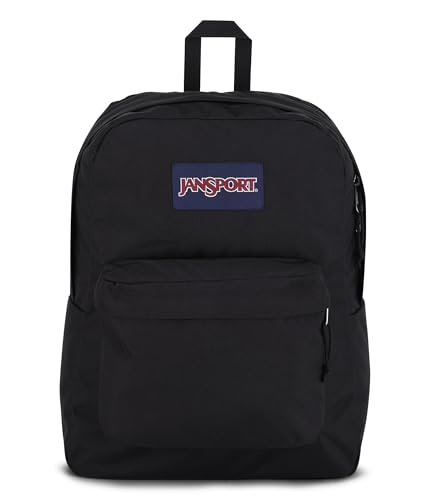
JanSport SuperBreak One Backpack, Black
- ✓ Lightweight and durable
- ✓ Classic, versatile style
- ✓ Comfortable straps
- ✕ Limited internal organization
- ✕ Not for heavy loads
| Material | 600 denier polyester fabric |
| Main Compartment Capacity | Approximately 20-25 liters |
| Backpack Dimensions | Approximately 16 x 12 x 5 inches |
| Strap Type | Padded, adjustable shoulder straps with 15-inch drop length |
| Water Resistance | Water-repellent coating and coated interior |
| Weight | Approximately 0.5 kg (1.1 lbs) |
As I unzipped the JanSport SuperBreak One Backpack, I immediately noticed how lightweight it felt in my hands, yet sturdy enough to give off a sense of reliability. The classic black color is sleek and versatile, making it easy to match with any outfit or style.
The first thing I did was load it up with my daily essentials—laptop, notebooks, water bottle—and it handled everything with surprising ease.
The main compartment opens smoothly, thanks to sturdy zippers that seem built to last. Inside, there’s enough room for your typical school or work gear without feeling bulky.
The front utility pocket with an organizer is a lifesaver for smaller items—pens, keys, phone—keeping everything accessible and tidy.
One thing I appreciated right away was how comfortable the padded shoulder straps felt, even when the bag was a bit heavy. The web haul handle is a nice bonus for quick grabs.
Plus, the water-repellent fabric handled a light drizzle without a fuss, which is perfect for unpredictable weather.
After a week of daily use, I found it’s just the right size—neither too big nor too small. It’s simple, no-fuss, and always looks good.
Whether I’m heading to class or running errands, this pack fits seamlessly into my routine. It’s a solid, timeless choice for anyone who needs a dependable, stylish backpack that won’t let you down.
Trail Maker Classic 17-Inch Backpack with Padded Straps

- ✓ Bright, fun color options
- ✓ Comfortable padded straps
- ✓ Plenty of organized pockets
- ✕ Limited internal padding
- ✕ Slightly small main compartment
| Dimensions | 17 x 12 x 5.5 inches (43.18 x 30.48 x 13.97 cm) |
| Material | Durable, smooth polyester |
| Capacity | 20 liters |
| Main Compartment Size | Fits laptop or tablet, books, notebooks, water bottle |
| Strap Type | Padded shoulder straps |
| Closure | Double-zipper with easy grip cloth and metal zippers |
As I unzipped the Trail Maker Classic 17-Inch Backpack for the first time, I was surprised by how lightweight it felt, yet it still seemed sturdy enough to hold a good amount of gear. I didn’t expect this kind of durability from a bag priced under $10, which immediately made me curious to see if it could handle daily use.
The first thing I noticed was the vibrant color options—especially the bright coral and navy—that instantly add personality to your look. The double zippers are a game-changer; they open smoothly and feel durable, making it easy to grab your essentials quickly.
Plus, the multiple pockets mean I could organize everything from my phone and keys to snacks and a small tablet without digging through a cluttered main compartment.
The padded straps are surprisingly comfortable, even when I packed the bag full. I appreciated the padding’s thickness and the way it distributes weight evenly across my shoulders.
The bag’s dimensions, 17 x 12 x 5.5 inches, fit my laptop perfectly, while the outer pocket kept my phone and pens within easy reach. Made of smooth polyester, it feels durable enough to withstand daily wear and tear.
Overall, it’s a simple, stylish backpack that ticks all the boxes for versatility and function without breaking the bank.
Bentgo Kids 14″ Backpack Rainbows

- ✓ Lightweight and durable
- ✓ Spacious and organized
- ✓ Stylish rainbow design
- ✕ Colors may fade over time
- ✕ Limited color options
| Material | Premium, non-toxic water-resistant fabric |
| Dimensions | 14 inches in height (approximate, based on product name) |
| Main Compartment Capacity | Fits a laptop, tablet, notebooks, and 3-ring binders (approximate volume: 15-20 liters) |
| Number of Compartments | Three zippered compartments (one large main, two outer pockets) |
| Straps | Adjustable padded shoulder straps |
| Additional Features | Side mesh pockets for water bottles, top loop for attaching lunch bag |
The first thing that catches your eye when you pick up the Bentgo Kids 14″ Rainbows backpack is how light yet sturdy it feels. It’s made from a smooth, water-resistant fabric that practically glides through your fingers, and the vibrant rainbow print instantly sparks joy.
As you sling it over your shoulder, you’ll notice how comfortable the padded straps are—they sit snug without digging in.
Stuffing it with your kid’s lunch box, a tablet, and some snacks reveals its surprisingly spacious main compartment. It easily fits a 13-inch laptop, so it’s perfect for older kids heading to school or after-school activities.
The outer zippered pockets are handy for smaller essentials like pens, a wallet, or a favorite toy.
The quick-to-open extended zipper pulls make grabbing things quick and fuss-free—no more struggling with tiny zippers. The top loop is sturdy enough to attach a matching lunch bag, which you’ll love for keeping everything coordinated.
Plus, the mesh side pockets are perfect for a water bottle or utensils, making it a real all-in-one pack.
After a few weeks of daily use, I appreciate how easy it is to clean—just a quick wipe, and it looks fresh again. It’s a good size for preschoolers and up, with a design that balances fun and function.
The only downside? The vibrant prints might fade slightly after heavy washing, but overall, it’s a reliable, cheerful backpack for your kid’s busy days.
What Types of Backpacks Are Available?
The best kinds of backpacks vary based on purpose and design, catering to different needs and activities.
- Daypack: A small backpack designed for short trips or daily use, typically ranging from 15 to 30 liters in capacity.
- Hiking Backpack: A larger, more rugged backpack intended for outdoor activities, usually equipped with features like hydration reservoirs and multiple compartments.
- Travel Backpack: A versatile backpack designed for travel, often featuring compartments for organization and easy access to essentials.
- School Backpack: Specifically designed for students, these backpacks often have padded compartments for laptops and books, along with ergonomic support.
- Camera Backpack: Tailored for photographers, these backpacks have padded compartments to safely store camera gear and accessories.
- Sport Backpack: Designed for athletes, these packs often include features like ventilated compartments for wet gear and adjustable straps for comfort during physical activity.
A daypack is perfect for commuting or a short hike, offering just enough space for essentials like a water bottle, snacks, and a light jacket. They are usually lightweight and designed for comfort, making them ideal for everyday use.
A hiking backpack is built for durability and functionality, featuring robust materials and specialized compartments for gear, food, and water. They often include a frame for support and ventilation to keep the user comfortable on longer treks.
A travel backpack focuses on convenience, typically designed with multiple compartments for easy organization of clothing, electronics, and travel documents. Many have features like lockable zippers and a laptop sleeve, catering to the needs of frequent travelers.
School backpacks are made to accommodate books, laptops, and other school supplies, often with additional padding for comfort and ergonomic design to support young students carrying heavy loads. They come in various styles and sizes to fit different ages and personal preferences.
Camera backpacks prioritize protection and organization for photography equipment, featuring customizable padded dividers to keep gear safe. They also often include additional pockets for personal items, making them versatile for both photography and everyday use.
Sport backpacks are designed with athletes in mind, featuring compartments that can handle wet clothing or shoes and have breathable materials to prevent odor buildup. They often include ergonomic features, making them comfortable to wear during active pursuits such as running or cycling.
What Is the Difference Between Daypacks and Hiking Backpacks?
| Aspect | Daypacks | Hiking Backpacks |
|---|---|---|
| Capacity | Typically 15-30 liters, suitable for short trips. | Ranges from 40-70 liters, designed for longer hikes. |
| Weight | Generally lighter, typically weighing 0.5-1.5 kg. | Heavier due to more durable materials, ranging from 1.5-3.5 kg. |
| Features | Basic compartments, hydration reservoir options; often use lighter materials, may have minimal padding. | Multiple pockets, gear loops, and support frames; made from more durable and weather-resistant materials, usually include padded straps and back panels for comfort and ventilation. |
| Intended Use | Ideal for day trips and casual use; usually priced between $30-$100. | Best for multi-day hikes and serious outdoor adventures; range from $100-$500 depending on features and brands. |
How Do Travel Backpacks Differ from Laptop Backpacks?
Travel backpacks and laptop backpacks cater to different needs, reflecting their distinct designs and functionalities.
Travel Backpacks:
– Size and Capacity: Typically larger to accommodate clothing, toiletries, and other travel essentials. They often feature a capacity ranging from 40 to 70 liters, suitable for both short trips and extended travel.
– Compartments: Equipped with multiple compartments for organized packing, including separate sections for shoes, laundry, and quick-access items.
– Comfort Features: Designed for comfort during long-distance travel, they often include padded shoulder straps, hip belts, and ergonomic back panels.
– Durability: Made from weather-resistant materials to withstand various environmental conditions, ensuring your belongings stay safe.
Laptop Backpacks:
– Size and Capacity: Generally smaller, usually ranging from 15 to 30 liters, designed primarily to carry laptops and work essentials.
– Padding and Protection: Feature a dedicated, padded laptop compartment to safeguard devices against impacts and scratches.
– Style and Ergonomics: Often designed with a sleek, professional appearance, suitable for office environments. They may include additional pockets for pens, chargers, and documents.
– Lightweight Materials: Constructed with lighter materials for ease of carry, prioritizing mobility over capacity.
Choosing between the two depends on specific usage scenarios: travel backpacks for adventures and longer trips, laptop backpacks for daily commuting and business-related activities.
What Features Should You Consider When Choosing a Backpack?
When choosing a backpack, there are several important features to consider to ensure it meets your needs.
- Size: The size of the backpack is crucial as it determines how much you can carry. Consider the dimensions and capacity in liters, ensuring it fits your belongings and is appropriate for its intended use, whether for daily commuting, travel, or hiking.
- Material: The material affects durability and weather resistance. Look for backpacks made from high-quality fabrics, such as nylon or polyester, which are both lightweight and resistant to wear and tear, as well as water-resistant options if you expect exposure to rain or moisture.
- Comfort: Comfort is key, especially for prolonged use. Features such as padded shoulder straps, a breathable back panel, and an adjustable hip belt can significantly enhance comfort, distributing weight evenly and reducing strain on your body.
- Compartments and Pockets: The organization of a backpack is important for easy access to your items. Multiple compartments and pockets allow for better organization of gear, electronics, and personal items, helping you locate essentials quickly without rummaging through the main compartment.
- Weight: The weight of the backpack itself can impact your overall carrying load. Lightweight backpacks are ideal for travel and hiking, as they allow you to carry more without adding unnecessary bulk, making your journey more manageable.
- Style: The style of the backpack should align with your personal taste and the occasions you plan to use it for. From sleek and professional designs for work to vibrant and sporty styles for outdoors, selecting a backpack that reflects your aesthetic will ensure you enjoy using it.
- Accessibility: Accessibility features, like side pockets or a front-loading design, enhance convenience. Quick-access pockets for items like water bottles, phones, and snacks can make it easier to grab essentials without having to take off the backpack.
- Price: Consider your budget, as backpacks come in a wide range of prices. Investing in a higher-quality backpack may save money in the long run if it proves to be more durable and functional than cheaper alternatives.
How Important Is Backpack Size for Your Needs?
The size of a backpack is crucial as it directly impacts functionality and comfort based on individual needs.
- Daypacks: These are typically 15-30 liters in capacity and are ideal for short trips or day hikes. They provide enough space for essentials like water, snacks, and a light jacket, making them perfect for daily use or short excursions.
- Weekend Packs: Ranging from 30-50 liters, these backpacks are designed for overnight trips. They offer a balance between capacity and portability, allowing you to carry additional gear such as a sleeping bag and a change of clothes without being overly cumbersome.
- Travel Backpacks: Generally between 40-70 liters, these packs are suited for extended travel and often come with features like multiple compartments and laptop sleeves. They are designed to be easy to carry around airports or on public transport, accommodating everything from clothing to travel documents.
- Hiking Backpacks: Usually 50-80 liters, these are built for multi-day hikes and come with specific features like hydration reservoirs and gear loops. Their larger size allows for more specialized equipment, catering to outdoor enthusiasts who need to carry camping gear and food supplies.
- School Backpacks: Typically around 20-30 liters, these are designed to carry books, laptops, and school supplies. They often come with padded compartments for electronics and are built for durability, catering to the daily needs of students.
- Camera Backpacks: These specialized packs can vary from 20-50 liters and are designed to protect camera equipment while providing space for additional gear. They feature padded compartments and customizable dividers, ensuring that sensitive equipment is safely stored during travel.
Why Does Comfort Matter in Backpack Selection?
According to a study published in the journal “Ergonomics,” discomfort from poorly designed backpacks can lead to musculoskeletal problems, affecting posture and mobility over time (Hagberg et al., 2002). The research highlights that factors such as weight distribution, strap design, and back support play crucial roles in determining how comfortable a backpack feels when worn for extended periods.
The underlying mechanism involves the interaction between the backpack’s design and the body’s biomechanics. A well-designed backpack evenly distributes weight across the shoulders and hips, reducing the strain on specific muscle groups and preventing discomfort. Conversely, a poorly fitted backpack can create pressure points, leading to fatigue and potential injury. This relationship emphasizes the importance of selecting a backpack that matches the user’s body type and intended use, ensuring that the load is manageable and comfortable throughout the duration of the activity.
What Should You Know About Durability and Weather Resistance?
Water-Resistant Features: Look for backpacks that incorporate water-resistant zippers, coatings, or integrated rain covers. These features are essential for keeping your belongings dry during unexpected rain or when crossing wet environments.
Weight and Load Capacity: A durable backpack should comfortably carry a significant weight without compromising its shape or functionality. It’s important to choose a backpack that can handle your intended use, be it hiking, travel, or everyday commuting.
Maintenance and Care: Regularly cleaning your backpack and storing it properly can significantly enhance its lifespan. Following the manufacturer’s care instructions, like spot cleaning or using waterproof sprays, helps maintain both its durability and weather resistance.
When Should You Use Different Kinds of Backpacks?
The best kinds of backpacks vary based on the purpose and activities you plan to engage in.
- Daypack: Ideal for short trips or daily use, daypacks typically have a capacity of 15 to 30 liters.
- Hiking Backpack: Designed for outdoor activities, these backpacks often feature extra support and compartments for hydration and gear.
- Travel Backpack: These are larger, usually between 40 to 70 liters, and are specifically designed for travelers needing to carry clothing and essentials for extended periods.
- School Backpack: Usually equipped with multiple compartments, these backpacks are tailored for students to carry books, laptops, and other supplies.
- Camera Backpack: Specifically designed for photographers, these backpacks provide padded compartments to protect camera gear and accessories during travel.
- Hydration Pack: These compact packs come with a reservoir for water and are often used in cycling, running, or hiking to keep the user hydrated hands-free.
Daypacks are perfect for individuals who need a lightweight option for errands or short hikes, providing enough space for essentials without being cumbersome.
Hiking backpacks are built for comfort and efficiency, often featuring padded hip belts and adjustable straps to distribute weight evenly, making them suitable for longer treks.
Travel backpacks emphasize versatility, often with features like removable daypacks or lockable zippers, making them great for extended trips and varied travel conditions.
School backpacks are designed with organizational pockets and a comfortable fit, ensuring students can carry their educational materials efficiently while being stylish.
Camera backpacks cater to photographers with specialized padding and customizable compartments, offering protection for their equipment while allowing for ease of transport.
Hydration packs are streamlined for active use, allowing for quick access to water while minimizing bulk, making them ideal for sports enthusiasts on the move.
When Is a Hiking Backpack the Best Choice?
The best kinds of backpacks for hiking include:
- Daypacks: Ideal for short hikes, daypacks typically range from 15 to 30 liters in capacity and offer enough space for essentials like water, snacks, and a first-aid kit.
- Hydration Packs: These are specialized daypacks that include a built-in water reservoir and a tube for easy drinking, making them perfect for active hikers who prioritize hydration.
- Weekend Backpacks: Ranging from 30 to 50 liters, these backpacks are designed for overnight trips, providing sufficient space for a sleeping bag, tent, and additional gear.
- Multi-Day Backpacks: With a capacity of 50 liters or more, these backpacks are suitable for extended hiking trips, offering ample room for food, cooking equipment, and extra clothing.
- Technical Backpacks: These are designed for specialized activities like climbing or skiing, featuring gear loops, reinforced areas, and compartments for tools and equipment, ensuring hikers have everything they need for challenging adventures.
Daypacks are perfect for short excursions, as they are lightweight and allow for easy access to necessary items without the bulk of larger packs. They usually come with features like side pockets for water bottles and compartments for organizing smaller gear.
Hydration packs are an essential choice for those who engage in high-energy activities, as they allow hikers to stay hydrated without needing to stop and pull out water bottles. Their compact design makes them less cumbersome, while the hydration system encourages regular water intake.
Weekend backpacks cater to hikers looking to spend a night outdoors, balancing capacity and comfort. They often include features such as a sleeping bag compartment and external straps for attaching gear like trekking poles or tents.
Multi-day backpacks are built for long treks, offering the necessary space and support for carrying heavier loads over extended periods. They typically come with advanced suspension systems to distribute weight evenly, making them more comfortable for prolonged use.
Technical backpacks are tailored for those involved in extreme sports or specific outdoor activities, providing specialized functionality. They often incorporate features such as reinforced areas for climbing gear and easily accessible pockets for quick gear retrieval, making them indispensable for serious adventurers.
What Are the Ideal Situations for Using a Travel Backpack?
The ideal situations for using a travel backpack include:
- Hiking and Outdoor Adventures: Travel backpacks are designed to carry camping gear and supplies, making them perfect for hiking trips. They often have features like hydration reservoirs, reinforced straps, and ample storage for outdoor necessities.
- Urban Travel: In cities, a travel backpack provides a hands-free option to carry essentials while exploring. Their sleek designs and multiple compartments help keep items organized and easily accessible, which is essential for navigating busy streets.
- Weekend Getaways: Travel backpacks are great for short trips where you need to pack light. They usually have enough space for a couple of days’ worth of clothes and personal items, allowing for easy transport without the bulk of a traditional suitcase.
- Traveling by Public Transport: When using buses, trains, or subways, a travel backpack is convenient due to its compact size and ease of movement. They fit well in overhead compartments or under seats, making them ideal for navigating crowded transportation systems.
- Adventure Sports: For activities like climbing, biking, or kayaking, a travel backpack often comes with specific features like water resistance and gear loops. These backpacks are built to withstand the elements and provide secure storage for specialized equipment.
- Long-Term Travel: For backpackers embarking on extended journeys, a travel backpack is essential for its versatility and durability. They are designed to be comfortable for long periods of wear and often include features like adjustable straps and padded backs for added comfort.
How Is a Commuter Backpack Different in Daily Use?
The best kinds of backpacks for daily use differ in design, functionality, and comfort, particularly for commuters.
- Size and Capacity: Commuter backpacks typically have a size that accommodates daily essentials without being overly bulky.
- Organization: These backpacks often feature multiple compartments and pockets to help keep items organized and easily accessible.
- Comfort and Fit: They are designed with ergonomic features such as padded straps and back panels to ensure comfort during long commutes.
- Durability and Weather Resistance: Many commuter backpacks are made from durable materials that can withstand daily wear and tear, as well as inclement weather.
- Technology Integration: Some models include specialized pockets for laptops and tablets, along with charging ports for electronic devices.
Commuter backpacks are generally optimized in size to hold essentials like a laptop, books, and personal items without adding unnecessary weight or bulk, making them ideal for navigating public transport or cycling.
Effective organization is a key feature, with dedicated compartments for laptops, water bottles, and smaller items like pens and chargers, allowing users to find what they need quickly and efficiently.
Comfort is paramount in commuter backpacks, which often incorporate adjustable padded straps and breathable back panels to reduce strain on the body during extended use.
Durability is a major consideration, as these backpacks are often made from water-resistant materials and reinforced stitching to ensure they last through daily use and various environmental conditions.
Many commuter backpacks also cater to modern technology needs, providing secure spaces for devices and often incorporating features like USB charging ports to keep gadgets powered on the go.
Which Brands Are Considered the Best for Backpacks?
The best kinds of backpacks are determined by their functionality, design, and brand reputation.
- Osprey: Known for their high-quality materials and ergonomic designs, Osprey backpacks are favored by hikers and travelers alike. They offer various models tailored for specific activities, such as the Osprey Atmos for backpacking and the Osprey Daylite for day trips, ensuring comfort and durability.
- North Face: The North Face combines style with functionality, making their backpacks popular among urban dwellers and adventurers. Their backpacks often feature innovative technologies, like the FlexVent suspension system, providing excellent support and ventilation for all-day wear.
- Patagonia: Renowned for their environmental consciousness, Patagonia backpacks are not only functional but also made from sustainable materials. They offer a range of products suitable for outdoor activities, with features like weather resistance and multiple compartments for organization.
- Deuter: Deuter backpacks are celebrated for their exceptional comfort and fit, especially for long hikes. The Aircomfort back system promotes airflow and reduces sweating, making them ideal for warm weather conditions and extended use.
- Arc’teryx: Arc’teryx is known for its premium quality and technical performance, appealing to serious outdoor enthusiasts. Their backpacks are engineered for specific sports, with features that enhance usability, such as removable hip belts and hydration reservoir compatibility.
- JanSport: A classic choice for students and casual users, JanSport backpacks are known for their simplicity and reliability. They offer a wide range of styles and colors, making them versatile for everyday use, while their lifetime warranty speaks to their durability.
- Herschel Supply Co: Herschel combines vintage aesthetics with modern functionality, making their backpacks a trendy choice for city life. With thoughtful design elements like padded laptop sleeves and multiple pockets, they cater to both fashion and utility needs.
- Columbia: Columbia’s backpacks are designed with outdoor activities in mind, featuring water-resistant materials and ample storage. Their focus on practicality makes them suitable for hiking, camping, and other adventures where gear protection is essential.
- SwissGear: Known for their travel-friendly design, SwissGear backpacks often include features such as padded laptop compartments and organizational pockets. They are particularly favored by commuters and travelers for their durability and functionality.
- Fjällräven: Fjällräven is recognized for their iconic Kånken backpack, which merges classic style with modern materials. Their products emphasize sustainability, using eco-friendly fabrics and production processes while offering practical solutions for daily use.
What Characteristics Define Quality in Popular Backpack Brands?
The characteristics that define quality in popular backpack brands include durability, comfort, functionality, and style.
- Durability: Quality backpacks are made from high-grade materials that can withstand wear and tear, including water-resistant fabrics and reinforced stitching. Brands often test their products for strength and longevity, ensuring they can handle various environments, whether for hiking, traveling, or daily use.
- Comfort: A well-designed backpack incorporates ergonomic features such as padded shoulder straps, adjustable waist belts, and ventilation systems. These elements are crucial for distributing weight evenly across the body, reducing strain during extended wear, and enhancing overall user experience.
- Functionality: The best backpacks come with multiple compartments and pockets for organized storage, making it easier to access items quickly. Features like laptop sleeves, hydration reservoirs, and external attachment points for gear enhance the backpack’s versatility, catering to different activities and preferences.
- Style: While functionality is essential, aesthetics also play a significant role in backpack quality. Popular brands often offer a range of designs and colors to appeal to diverse tastes, allowing users to express their personal style while enjoying the practicality of a well-constructed backpack.