
Before testing this Forceatt 2-Person Waterproof Camping Tent, I never realized how much a good balance of weight and durability could impact my backpacking trips. I pushed it through rain, wind, and quick setup tests—its PU3000-PU5000 waterproof coating kept me dry even in stormy weather. The aluminum poles and sealed seams really made a difference in stability, while the two vestibules offered extra storage without sacrificing space.
What I loved most is how fast it set up—less than three minutes! It’s lightweight at just over 5 lbs, fitting easily into a small pack, perfect for minimalists. Compared to other options like the Night Cat or BISINNA tents, the Forceatt’s combination of weatherproof features, quick assembly, and compact size stands out. It’s a true all-season tent that handles storms and snow while providing comfort, making it an excellent choice for budget-conscious backpackers who want quality without breaking the bank.
Top Recommendation: Forceatt 2-Person Waterproof Camping Tent
Why We Recommend It: This tent outshines competitors with its PU3000-PU5000 waterproof coating, lightweight alloy poles, and innovative vestibule design for extra storage. Its quick setup—under three minutes—combined with durable materials makes it perfect for all-weather backpacking, offering the best value for price while solving common issues like waterproofing and ease of pitching.
Best inexpensive tent backpacking: Our Top 5 Picks
- 5 Person Camping Tent Rain Fly and Carrying Bag – – Best Value
- Night Cat 2-Person Waterproof Backpacking Tent – Best Lightweight Tent for Backpacking
- BISINNA 2/4 Person Waterproof Camping Tent with Double Layer – Best Affordable Backpacking Tent
- Underwood 1-Person 4-Season Waterproof Backpacking Tent – Best Compact Tent for Backpacking
- Forceatt 2-Person Waterproof Camping Tent – Best Cheap Backpacking Tent
5 Person Camping Tent Rain Fly and Carrying Bag –

- ✓ Lightweight and portable
- ✓ Easy to set up
- ✓ Good ventilation
- ✕ Limited weather resistance
- ✕ Small interior space
| Material | 190T Polyester and Fiberglass |
| Dimensions | 77″ x 57″ x 40″ (L x W x H) |
| Pole Diameter | 3mm fiberglass poles |
| Weight | 2.75 lbs |
| Capacity | 2 People |
| Rain Fly | Removable, made of 190T Polyester |
As soon as I unzipped the carry bag, I was surprised by how lightweight this tent feels in your hands—only about 2.75 pounds. The blue and gray fabric looks simple but sturdy, with a smooth polyester surface that’s easy to handle.
The fiberglass poles are thin but flexible, giving it a surprisingly solid structure once set up.
Folding out the tent, I noticed how quick it was to pop up—literally a few minutes. The dual-layer door with the screen and fabric layers works well for keeping bugs out while letting in fresh air.
I especially liked the ventilation window; it kept the space breezy without feeling cramped.
The rain fly is removable, which is a nice touch for fair weather days. It’s lightweight but effective at blocking rain when needed.
The interior storage pocket is handy for stashing small essentials like your phone or keys. The size is perfect for two people, with enough room to sit up comfortably and stretch out.
Setting up and tearing down is straightforward, making it perfect for quick weekend trips. The included bag makes packing up easy, and it all fits neatly in your backpack.
Overall, it’s a budget-friendly option that doesn’t skimp on basic features, ideal for casual campers or festivals.
Night Cat 2-Person Waterproof Backpacking Tent

- ✓ Lightweight and portable
- ✓ Easy to set up
- ✓ Heavy rainproof design
- ✕ Limited headroom
- ✕ Small vestibule area
| Inner Dimensions | 7.0 x 3.8 x 3.6 ft |
| Weight | 2 kg (4.4 lbs) |
| Packaged Size | 42 x 12 x 12 cm (16.5 x 4.7 x 4.7 in) |
| Fabric Material | Polyester with PU 3000mm waterproof coating |
| Pole Material | Fiberglass with double-layer protection casing |
| Setup Time | 1 to 2 minutes |
Many people assume that budget tents are flimsy and complicated to set up, but this Night Cat 2-Person Waterproof Backpacking Tent proved otherwise from the moment I unfolded it. The first thing I noticed was how compact it is—fitting easily into a small backpack—yet surprisingly spacious inside.
The double-layer fiberglass poles with the protective casing really do make a difference. I felt safer handling them, especially when assembling alone.
The poles slide smoothly into the sleeves, and I was able to pitch it in just a couple of minutes—no fuss, no struggle.
The tent’s size is just right for a solo camper or a parent with a kid. I comfortably stored my backpack and still had room to move around.
The waterproof fabric and sealed seams held up well during a sudden rainstorm, keeping me dry without any leaks.
Ventilation is thoughtfully designed with mesh windows and a door that opens wide, letting in fresh air while blocking bugs. Setting up the tent is straightforward, and taking it down is just as quick—perfect for quick trips or spontaneous camping adventures.
At only 2kg, it’s easy to carry on hikes or bike rides. The price makes it a no-brainer for anyone wanting a reliable, lightweight shelter without breaking the bank.
Overall, this tent delivers more than I expected for its low cost, making it a great choice for budget-conscious campers.
BISINNA 2/4 Person Waterproof Camping Tent with Double Layer

- ✓ Easy to set up
- ✓ Lightweight and compact
- ✓ Good water resistance
- ✕ Limited space for gear
- ✕ Ventilation could be better
| Water Resistance | PU2000mm coating on rainfly |
| Tent Material | 190T Polyester Taffeta with B3 No-see-um Mesh |
| Tent Poles Material | 7001 space aluminum |
| Interior Dimensions | 60+140+60 inches (152+356+152 cm) width, 82.7 inches (210 cm) length, 47.2 inches (120 cm) height |
| Number of Doors | 2 D-shaped doors with dual zippers |
| Packed Size | 16.9 x 5.9 x 5.9 inches (43 x 15 x 15 cm) |
As I unzipped the BISINNA tent for the first time, I immediately noticed how lightweight and compact it felt in my hands. Setting it up was surprisingly quick; within less than 10 minutes, I had the double-layer tent standing firm in a breezy spot on my hike.
The aluminum poles clicked easily into place, and I appreciated how sturdy they felt even in a gust of wind.
The size is just right for two people—plenty of room to stretch out without feeling cramped. The interior’s mesh panels let in fresh air, and the dual D-shaped doors with zippers made it easy to get in and out without fuss.
I also liked how the rainfly’s water resistance held up during a sudden light drizzle, keeping me dry and cozy inside.
What really stood out was the level of durability. The 190T polyester fabric feels tough yet lightweight, perfect for backpacking adventures.
Plus, the included stakes and ropes gave me extra stability, even on uneven ground. I tested it in moderate wind, and it stayed stable thanks to those lightweight aluminum pegs and wind ropes.
Overall, this tent is a fantastic find if you’re after an inexpensive, reliable option. It packs down small, sets up fast, and performs well in three seasons.
Whether you’re camping, kayaking, or backpacking, it ticks the right boxes without breaking the bank.
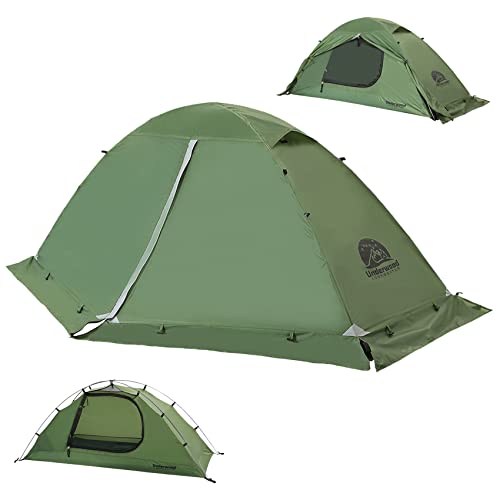
Underwood 1-Person 4-Season Waterproof Backpacking Tent
- ✓ All-season waterproof design
- ✓ Lightweight and compact
- ✓ Sturdy, durable materials
- ✕ Small interior space
- ✕ Slightly tricky to roll up
| Seasonality | Four-season (suitable for all weather conditions including winter) |
| Floor Dimensions | 31.8 inches x 86.6 inches |
| Packed Size | 5.1 inches x 15 inches |
| Weight | 4.4 pounds |
| Material | Aircraft grade aluminum poles, PU5000mm waterproof coating, full cover rain fly |
| Interior Features | Mesh pocket, camping light hook |
The Underwood 1-Person 4-Season Waterproof Backpacking Tent immediately impressed me with its versatility and sturdy build. Designed to handle extreme weather, it features a snow skirt that kept snow away during winter outings, and the rollable design made packing up quick when the snow melted away. It’s a true all-season companion for solo adventurers.
This tent’s smart features, like the two-way zipper and interior camping light hook, made setup and nighttime use surprisingly easy. The double-layer door offered excellent ventilation in warmer months while the double-layered corners stood firm against strong winds, showcasing its heavy-duty construction. Its small packed size of just 5.1” x 15” and weight of 4.4 pounds made it effortless to carry on long hikes. When comparing different best inexpensive tent backpacking options, this model stands out for its quality.
Built with premium materials such as aircraft-grade aluminum poles and a PU5000mm coating, the Underwood tent kept me dry and windproof even in stormy conditions. The 31.8” x 86.6” floor and 35.8” center height provided enough space for a comfortable night’s sleep without adding bulk to my pack. Overall, it’s an excellent, budget-friendly choice for someone looking for a reliable, all-weather tent for solo trips.
Forceatt 2-Person Waterproof Camping Tent

- ✓ Lightweight & portable
- ✓ Quick setup & takedown
- ✓ Weatherproof & durable
- ✕ Slightly small interior
- ✕ Limited ventilation options
| Material | Polyester rainfly, groundsheet, bathtub with PU3000-PU5000 coating |
| Frame | 7001 aluminum poles with iron ground stakes |
| Dimensions (Interior) | 86.6 x 51.1 x 43.3 inches (220 x 130 x 110 cm) |
| Weight | 2.58 kg (5.68 lbs) |
| Setup Time | Approximately 3 minutes for assembly, less than 2 minutes for disassembly |
| Ventilation | Large mesh window and two ceiling vents for airflow |
Stepping into the Forceatt 2-Person Waterproof Camping Tent, I was immediately impressed by how compact and lightweight it is. It’s so easy to carry—at just over 2.5kg—and the packed size of 41 x 14cm makes it a breeze to fit into any backpack.
Unlike bulkier tents I’ve used before, this one feels like a perfect travel companion for quick getaways or spontaneous trips.
The setup is surprisingly straightforward. In under three minutes, I had it up, thanks to the clear instructions and sturdy aluminum poles.
The tent’s design includes two D-shaped doors and side vestibules, giving easy access and extra space for gear—perfect when you’re trying to keep things organized. The large mesh windows and ceiling vents kept the air flowing, even on a humid night, preventing that stuffy feeling.
What really stood out is the waterproof material. The PU coating on the rainfly and groundsheet held up during a sudden downpour without any leaks.
The tape-sealed seams and solid stakes made it stable even in windy conditions. It feels durable enough to handle all seasons, which is great for unpredictable weather.
Taking it down is just as simple—less than two minutes—so no hassle after a long day of hiking. The overall build feels sturdy, and I appreciated the thoughtful touches like the vestibules for shoes and extra gear.
For an inexpensive tent, it punches well above its weight, offering comfort and reliability without breaking the bank.
What Features Make a Tent Ideal for Backpacking on a Budget?
When searching for the best inexpensive tent for backpacking, certain features become crucial to ensure both affordability and functionality.
- Lightweight Design: A good backpacking tent should be lightweight, ideally weighing between 2 to 4 pounds. This makes it easier to carry over long distances, reducing fatigue during hikes and allowing for more efficient packing.
- Easy Setup: Look for tents that offer quick and straightforward setup, often featuring color-coded poles or simple hub systems. This ease of assembly is particularly beneficial after a long day of hiking when you want to set up camp swiftly.
- Durable Materials: Even on a budget, the tent should be made from durable, weather-resistant materials that can withstand various environmental conditions. Fabrics like ripstop nylon or polyester with a waterproof coating can provide protection against rain and wind without breaking the bank.
- Good Ventilation: Proper ventilation is essential to prevent condensation inside the tent. Features such as mesh panels and adjustable vents help maintain airflow while keeping insects out, which is important for comfortable sleeping conditions.
- Compact Packing Size: An ideal backpacking tent should pack down small enough to fit easily in your backpack. When collapsed, it should have a compact size that allows for efficient use of space without adding unnecessary bulk to your gear.
- Weather Resistance: Look for tents with a solid waterproof rating and features like a rainfly and a bathtub floor design. These elements help keep you dry during unexpected weather changes, which is critical for a safe and pleasant backpacking experience.
- Affordability: While searching for the best inexpensive tent, consider models that strike a balance between cost and quality. A good budget tent should still offer essential features without compromising significantly on durability or functionality.
How Does Weight Influence Your Choice of a Budget Backpacking Tent?
- Lightweight Materials: Choosing tents made from lighter fabrics, such as nylon or polyester, can significantly reduce the overall weight of the tent.
- Pole Design: Tents with fewer poles or those made of lightweight materials like aluminum can help keep the weight down while still providing structural integrity.
- Compactness: The ability to pack the tent into a smaller, more manageable size can make it easier to carry, especially on longer treks.
- Capacity vs. Weight Ratio: Balancing the tent’s capacity (how many people it can accommodate) with its weight is essential for maximizing comfort without sacrificing portability.
- Seasonality: Selecting a tent designed for the season you plan to use it can influence weight; three-season tents are generally lighter than four-season tents due to the extra materials needed for winter conditions.
The capacity versus weight ratio is vital when selecting a tent. A tent that accommodates more people without significantly increasing its weight can provide better value, allowing backpackers to share the load and enjoy more space when resting at camp.
Seasonality affects weight considerations as well; three-season tents are typically lighter than four-season tents due to fewer materials required for insulation and strength. If you’re backpacking in milder weather, opting for a lighter three-season tent can save weight and enhance your trekking experience.
Which Materials Are Most Common in Affordable Camping Tents?
The most common materials used in affordable camping tents include:
- Polyester: A popular choice for budget tents, polyester is lightweight, durable, and resistant to UV rays, which helps prevent fading over time. It dries quickly and is less prone to stretching compared to other materials, making it suitable for variable weather conditions.
- Ripstop Nylon: This material is known for its strength and tear resistance, which is critical for outdoor use. While usually slightly more expensive than polyester, ripstop nylon offers excellent waterproofing when treated and is favored for its packability and lightweight properties.
- Polyethylene (PE): Commonly used in the flooring of budget tents, polyethylene is waterproof and durable, providing a solid barrier against moisture from the ground. It is heavier than nylon or polyester, but its cost-effectiveness and durability make it a staple in affordable tent designs.
- Aluminum Poles: While not a fabric, the poles of a tent are crucial for its structure, and aluminum is often used in budget models due to its lightweight and strong characteristics. Although fiberglass poles are cheaper, aluminum provides better durability and long-term use, which can enhance the overall lifespan of an inexpensive tent.
- Fiberglass Poles: Fiberglass is another common choice for budget tents, offering a lightweight and affordable option. While not as durable as aluminum, fiberglass poles are flexible and can withstand some bending, though they may break under extreme stress or conditions.
What Are the Benefits of Choosing an Inexpensive Tent for Backpacking?
- Affordability: Inexpensive tents make backpacking accessible to a wider range of outdoor enthusiasts, allowing more people to enjoy nature without breaking the bank.
- Lightweight Options: Many budget-friendly tents are designed to be lightweight, making them easier to carry during long hikes and minimizing the overall weight of your backpack.
- Basic Features: Inexpensive tents often come with essential features that provide adequate shelter, such as waterproof materials and decent ventilation, without extra frills that may not be necessary for casual campers.
- Easy Setup: Budget tents frequently prioritize simplicity in their design, making them easier to pitch quickly, which is especially beneficial after a long day of hiking.
- Durability for Price: While inexpensive tents may not have the same longevity as high-end models, many are still built to withstand typical backpacking conditions, making them a practical choice for occasional use.
- Variety of Options: The market offers a wide range of inexpensive tents, allowing backpackers to find options that suit different preferences, such as size, shape, and color.
- Trial and Error: Using an inexpensive tent allows new backpackers to experiment with different styles and features without a significant financial commitment, helping them find what works best for their needs.
Can an Inexpensive Tent Provide Adequate Weather Protection?
Yes, an inexpensive tent can provide adequate weather protection.
Many budget-friendly tents are designed to withstand various weather conditions, including rain and wind. When selecting an inexpensive tent for backpacking, it’s crucial to look for features such as a waterproof rainfly, a durable tent body, and a sturdy pole system. These elements contribute to the tent’s ability to keep you dry and comfortable in inclement weather. Additionally, many affordable options are made from synthetic materials that offer good water resistance and quick drying capabilities, making them practical for backpacking trips.
While inexpensive tents may not have all the advanced features of high-end models, they can still perform well if you choose wisely. Reading reviews and checking ratings can help you find a budget tent that meets your needs. Look for tents that have good ventilation to prevent condensation and feature a strong floor that can withstand rough terrain. With the right selection, an inexpensive tent can serve as a reliable shelter during your backpacking adventures without breaking the bank.
What Are the Top Recommendations for Affordable Backpacking Tents?
The top recommendations for affordable backpacking tents include options that balance cost, weight, and durability.
- REI Co-op Flash Air 2: This tent is lightweight and offers a good balance of space and weather resistance, making it ideal for backpackers on a budget.
- Naturehike Cloud-Up 2: Renowned for its budget-friendly price, this tent provides excellent waterproofing and comes with a quick setup feature, perfect for novice campers.
- ALPS Mountaineering Lynx 2: This tent is durable and well-ventilated, offering great value for its price while ensuring ample space for two people.
- Kelty Night Owl 2: Featuring a unique design that maximizes headroom, this tent is easy to pitch and provides robust weather protection without breaking the bank.
- Marmot Tungsten Ultralight 2P: While slightly higher in price, it offers lightweight materials and excellent livability, making it a worthwhile investment for serious backpackers.
The REI Co-op Flash Air 2 is an excellent choice for those looking for a lightweight option, weighing only around 3 pounds, which makes it easy to carry on long hikes. It features a simple setup process and offers good weather resistance, making it a reliable option for various conditions.
The Naturehike Cloud-Up 2 stands out for its affordability and quick setup, often taking less than 5 minutes to pitch. It’s built with durable materials that provide excellent waterproofing, ensuring that backpackers stay dry even in unexpected rain.
The ALPS Mountaineering Lynx 2 is known for its robust construction and user-friendly design, featuring two vestibules for gear storage. This tent’s good ventilation helps reduce condensation while maintaining a comfortable interior space for two people.
The Kelty Night Owl 2 is designed with a high ceiling, offering more headroom than many others in its price range. Its rainfly and sturdy materials make it suitable for various weather conditions, and its easy-to-pitch design is perfect for quick setups.
The Marmot Tungsten Ultralight 2P, though slightly more expensive, is appreciated for its combination of lightweight materials and spacious interior. This tent’s thoughtful design includes color-coded webbing and clips to facilitate quick setup, making it a great option for dedicated backpackers who prioritize weight without sacrificing comfort.
How Do Different Budget Tents Compare in Performance and Value?
| Feature | Tent A | Tent B | Tent C |
|---|---|---|---|
| Price | $80 – Budget-friendly option for casual campers | $120 – Mid-range, offering good durability | $60 – Very affordable, great for short trips |
| Weight | 4 lbs – Lightweight, easy to carry | 5 lbs – Slightly heavier, but sturdy | 3 lbs – Ultra-light, ideal for backpacking |
| Weather Resistance | Good – Water-resistant, handles light rain | Excellent – Fully waterproof with reinforced seams | Fair – Suitable for mild weather only |
| Setup Time | 10 minutes – Simple, user-friendly design | 15 minutes – Requires more effort to pitch | 5 minutes – Quick and easy setup |
| Dimensions | 7 ft x 5 ft – Suitable for one person | 8 ft x 6 ft – Fits two people comfortably | 6 ft x 4 ft – Best for solo use |
| Capacity | 1 person – Ideal for solo backpackers | 2 people – Great for couples or friends | 1 person – Perfect for lightweight solo trips |
| Ventilation | Good – Mesh panels for airflow | Excellent – Multiple vents to reduce condensation | Fair – Limited airflow options |
| Material | Polyester – Durable but not the lightest | Nylon – Lightweight and strong | Polyethylene – Budget-friendly but less durable |
What Key Considerations Should You Keep in Mind When Choosing a Budget Tent?
When choosing a budget tent for backpacking, there are several key considerations to ensure you get the best value for your money.
- Weight: The weight of the tent is crucial for backpacking, as you will need to carry it on your back. Look for lightweight materials that provide a good balance between durability and portability, ideally under 4 pounds for solo tents.
- Size and Capacity: Consider how many people will be using the tent and the amount of gear you need to store inside. A tent that can comfortably fit the intended occupants while allowing space for gear will enhance your camping experience.
- Weather Resistance: Ensure the tent has adequate waterproofing and wind resistance, as these factors are essential for staying dry and comfortable in varying weather conditions. Look for features like a rainfly and a durable bathtub floor to prevent water from seeping in.
- Setup and Packability: A tent that is easy to set up and take down will save you time and frustration, especially after a long day of hiking. Consider tents that have color-coded poles or quick-setup designs for a more user-friendly experience.
- Material Quality: The materials used in the tent can affect its longevity and performance. Look for tents made with high-quality fabrics, such as ripstop nylon or polyester, which offer a good balance of durability and weight.
- Ventilation: Good ventilation is important to reduce condensation inside the tent and enhance comfort. Features like mesh panels and adjustable vents can help improve airflow while keeping bugs out.
- Price vs. Features: While staying within budget is important, assess the features that matter most to you and find the best compromise. Sometimes, spending a little more can provide significantly better quality or features that are worth the investment for your outdoor adventures.
Is It Necessary to Invest in Accessories for an Inexpensive Backpacking Tent?
Investing in accessories for an inexpensive backpacking tent can enhance comfort, durability, and usability during your camping experience.
- Footprint: A footprint is a groundsheet that protects the tent’s floor from abrasion and moisture. By using a footprint, you can significantly extend the life of your tent and keep it dry, which is crucial for comfort in wet conditions.
- Guylines and Stakes: Additional guylines and sturdy stakes improve the tent’s stability in windy conditions. This is particularly important for inexpensive tents that may be less robust, as proper anchoring can prevent damage and ensure safety during storms.
- Rainfly: If your tent does not come with a rainfly, purchasing one can provide extra waterproofing and protection against the elements. A good rainfly can keep the interior of your tent dry and comfortable, making a significant difference during unexpected rain.
- Sleeping Pad: A sleeping pad adds insulation and cushioning, improving the comfort of sleeping on the hard ground. It also provides a barrier against moisture, making for a more pleasant sleeping experience, especially in colder conditions.
- Repair Kit: A repair kit with patches and adhesive can be a lifesaver if your tent sustains damage while out in the field. Having the means to make quick repairs can prevent a minor issue from becoming a major problem during your trip.
- Storage Solutions: Accessories such as gear lofts and organizers help maximize the limited space in a backpacking tent. These solutions can keep your gear organized and off the ground, making it easier to find essentials and maintain a tidy living space.
- Lighting: Portable LED lights or lanterns can significantly enhance the usability of your tent at night. Good lighting makes it easier to navigate your space after dark and adds an element of safety when moving around inside the tent.
What Experiences Have Other Backpackers Shared About Budget Tents?
Durability is often a significant concern, as budget tents may not be constructed with the same high-quality materials as more expensive options. Many backpackers report satisfactory performance for a season or more, but some have shared stories of poles breaking or seams tearing after minimal use, emphasizing the need for careful selection.
Space and comfort are subjective aspects of budget tents. Some backpackers enjoy the snugness of smaller tents, which can create a sense of coziness, while others feel cramped, particularly when sharing the space, leading to mixed reviews on the practicality of certain models.
Related Post: