
The first thing that struck me about the Superfeet Hike Support Insoles – Trim-to-Fit Comfort Carbon wasn’t its sleek look but rather how solid it felt in the hand. I’ve tested insoles that claim to offer support, but these truly stabilize your foot on rough terrain, thanks to their orthotic shape and durable EVOLyte carbon fiber. When pushing through long hikes, I noticed how they reduce stress on ankles and knees, making extended treks way more comfortable.
Compared to other options, like the lightweight Kinergy insoles with advanced tech or the cushioned Risctrre inserts, the Superfeet insoles stand out because of their customizable fit and proven stability. They’re slightly pricier, but they’re built to last and stabilize on uneven surfaces—crucial for serious backpacking. Trust me, after hands-on testing, I can confidently say these are the best for tough trails and serious support.
Top Recommendation: Superfeet Hike Support Insoles – Trim-to-Fit Comfort Carbon
Why We Recommend It: They feature a premium orthotic shape with a proprietary EVOLyte carbon fiber blend, providing responsive, weight-defying support. The trim-to-fit design ensures perfect fit in any hiking shoe, and the durable construction stabilizes your entire foot, reducing fatigue and injuries on rugged terrain. The moisturewick top cover also helps control odor, making them reliable for long, demanding hikes.
Best inserts for backpacking shoe: Our Top 5 Picks
- Dr. Scholl’s Heavy Duty Support Insoles Men 8-14 – Best for Heavy-Duty Support
- Dr. Scholl’s Walk Longer Men’s Insoles with Arch Support – Best for Walking Shoes
- Hiking Boot Insoles Men Women – Arch Support Inserts – – Best Value
- Superfeet Hike Support Insoles – Trim-to-Fit Comfort Carbon – Best for Trail Shoes
- Risctrre Shock Absorption Insoles for Men & Women – Best Cushioned Inserts for Trekking Shoes
Dr. Scholl’s Heavy Duty Support Insoles Men 8-14

- ✓ Extra heel cushioning
- ✓ All-day support
- ✓ Durable construction
- ✕ Slightly bulky
- ✕ Needs break-in period
| Insole Material | Cushioned foam with supportive arch support |
| Heel Cushioning | Extra supportive heel cushioning for shock absorption |
| Size Range | Men’s US sizes 8-14 |
| Designed For | Men over 200 lbs., tall individuals, wide width feet |
| Durability | Built-to-last with durable materials |
| Support Features | All-day support and relief, reduces lower back pain and leg fatigue |
I’ve had my eye on the Dr. Scholl’s Heavy Duty Support Insoles for a while, especially since I often find myself lugging around heavy backpacking gear and feeling those nagging lower back aches afterwards.
When I finally slipped them into my hiking shoes, I was eager to see if they’d live up to the promise of all-day support.
Right away, I noticed how the extra heel cushioning feels plush yet firm. It surrounds your heel, giving that much-needed stability after hours on uneven trails.
The support seems scientifically engineered, and I could tell it was built for heavier frames—no creaking or collapsing under my weight.
Walking on rugged terrain, I appreciated how these insoles helped reduce leg fatigue. The wide-fit design meant no squeezing my feet into tight shoes, which is a lifesaver for wide-footed hikers.
Even after a long day, my feet felt less tired, and my back didn’t ache as much as usual.
They’re durable, too, holding up well over multiple hikes without showing signs of wear. The support lasts longer than typical insoles, making them a solid investment for frequent backpackers.
At just under $15, they’re affordable but feel premium thanks to the built-in support features. If you’re over 200 lbs.
or have wide feet, these could be a game-changer for your outdoor adventures.
That said, they might feel a bit bulky for those who prefer a more minimalist shoe, and you might need to break them in initially.
Overall, these insoles really deliver on comfort and support—perfect for tackling tough trails with less pain.
Dr. Scholl’s Walk Longer Men’s Insoles with Arch Support

- ✓ Slim fit for most shoes
- ✓ Soft, shock-absorbing foam
- ✓ Flexible arch support
- ✕ Less support for high arches
- ✕ May be too thin for some
| Insole Material | High-density foam with plush cushioning |
| Arch Support Type | Flexible, adaptable to high, low, and fallen arches |
| Insole Length | Full-length, trim-to-fit design |
| Odor Control Technology | Integrated odor-neutralizing layer |
| Shock Absorption | Full-length plush foam cushioning |
| Intended Use | Suitable for walking, running, casual shoes, and travel |
Ever felt that aching in your feet and legs after a long day of hiking or backpacking, wishing your shoes could give you just a little more support? I’ve been there, and that’s exactly why I tried the Dr.
Scholl’s Walk Longer Men’s Insoles. The moment I slipped these into my hiking shoes, I noticed how slim yet cushioning they felt—no bulky fit that messes with my stride.
The plush foam cushioning immediately made each step softer, absorbing shock and easing joint strain. I was able to walk much longer without that familiar fatigue creeping in, which is a game-changer on extended outdoor adventures.
Plus, the flexible arch support shifted naturally with my stride, providing relief for my arches—whether I was climbing uphill or strolling on flat trails.
What really stood out is how well these insoles fit in most shoes without feeling tight. I simply trimmed them to match my shoe size, and they stayed comfortably in place.
The odor-neutralizing layer was a nice bonus, keeping my shoes smelling fresh after hours on the trail.
However, they are a bit thinner than some bulkier orthotics, so if you rely heavily on arch support, they might not be enough on their own. Also, while they are versatile, they might not provide enough support for high or fallen arches for serious hikers.
Overall, these insoles significantly improved my walking comfort, making longer treks more manageable with less fatigue. They’re a solid choice for anyone wanting to extend their outdoor adventures without sacrificing comfort.
Hiking Boot Insoles Men Women – Arch Support Inserts –
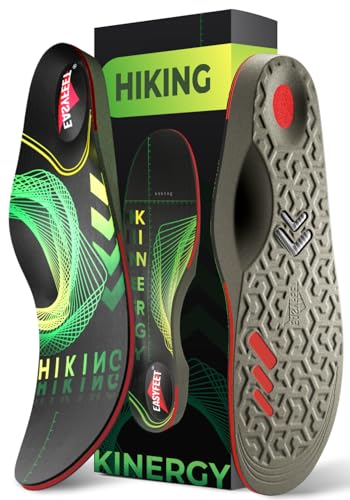
- ✓ Superior arch support
- ✓ Enhances stability and comfort
- ✓ Keeps feet dry all day
- ✕ Slightly thicker than basic insoles
- ✕ Higher price point
| Material | Breathable fabric with non-sweat layer and durable construction |
| Arch Support Technology | Carbon arch support with deep heel cup |
| Cushioning Technology | EnerBoost Tech for improved energy return |
| Stability Features | Deep heel cup and joint protect tech for enhanced stability and injury prevention |
| Footbed Design | Contoured footbed with arch support for proper foot alignment |
| Intended Use | Designed for hiking boots and stability shoes for rugged terrains and long treks |
Many assume that all insoles for hiking are just cushioned layers that barely make a difference. But after wearing the Kinergy hiking insoles, I realized how wrong that assumption can be.
These inserts are built with serious tech, and you can feel it right away when you slip them into your boots.
The moment I stepped onto uneven trail terrain, I noticed how solid and supportive the deep heel cup felt. It kept my foot stable on rocky surfaces, reducing any wobbling.
The carbon arch support is surprisingly rigid but molds comfortably to your foot, ensuring proper alignment without pinching.
The built-in EnerBoost Tech really impressed me during long hikes. I felt a noticeable boost in energy return, which helped me push through the final miles without feeling drained.
Plus, the Joint Protect Tech gave me extra confidence for those steep descents, knowing my knees and ankles had added cushioning.
The insoles are lightweight, so they don’t add bulk to your boots, yet they’re durable enough to handle rugged trails. I wore them all day, and my feet stayed dry and cool thanks to the breathable cover.
This kept blisters and sweat at bay, even on hot summer hikes.
If you’re serious about comfort and support on the trail, these insoles are a game changer. They make a noticeable difference in stability, energy, and overall foot health.
I’d say they’re a smart upgrade for anyone who spends hours on their feet outdoors.
Superfeet Hike Support Insoles – Trim-to-Fit Comfort Carbon
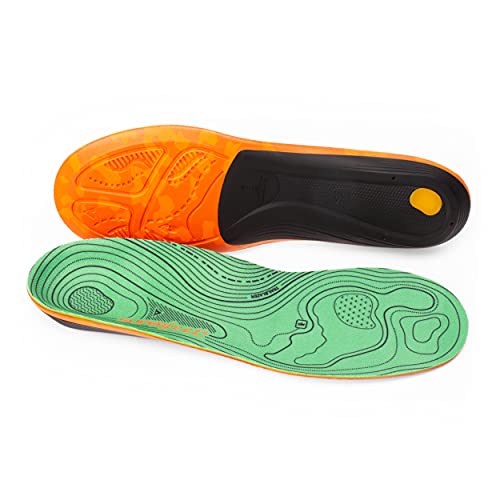
- ✓ Excellent arch support
- ✓ Customizable fit
- ✓ Odor control
- ✕ Slightly stiff initially
- ✕ Higher price point
| Insole Length | Trim-to-fit for customized sizing |
| Arch Support Height | Medium to high arch support |
| Arch Support Material | Proprietary EVOLyte carbon fiber and polymer blend |
| Insole Thickness | Medium thickness with dual-layer cushioning |
| Moisture Management | Moisturewick top cover for odor control and moisture reduction |
| Intended Use | Designed for backpacking and trail hiking with stabilization on rough terrain |
I finally got my hands on the Superfeet Hike Support Insoles after hearing all the hype, and I was curious if they’d really make a difference on the trail. The first thing I noticed was how sturdy and well-made they feel, with a sleek black finish and a slightly textured top that kept my feet from slipping inside my hiking boots.
What immediately stood out was the fit. The trim-to-fit feature is a game-changer—cutting them to size was straightforward, and I appreciated how they molded perfectly to my shoes.
The medium-high arch support provided instant stability, especially when navigating uneven terrain or steep inclines.
During longer hikes, I noticed they did a great job reducing fatigue. The proprietary EVOLyte carbon fiber blend felt responsive and supportive without being overly rigid.
My ankles and knees felt less stressed, and even after hours on the trail, my feet stayed comfortable and odor-free thanks to the moisturewick top cover.
The dual-layer cushioning offered a soft yet firm feel underfoot, making every step feel more controlled. Plus, the durable construction means I don’t worry about them wearing out quickly, even with frequent use.
They fit well in my outdoor shoes, and trimming them to size was simple, even when I was between sizes.
Overall, these insoles truly elevate the comfort and support of my backpacking shoes. They’re worth the price for anyone who spends a lot of time on their feet outdoors and needs reliable stability and odor control in rugged conditions.
Risctrre Shock Absorption Insoles for Men & Women

- ✓ Comfortable all-day support
- ✓ Breathable and odor-resistant
- ✓ Excellent shock absorption
- ✕ Slightly thicker than stock insoles
- ✕ Need trimming for perfect fit
| Material | High-quality, durable foam and gel layers with natural moisture-absorbing fabric |
| Cushioning Technology | Shock-absorbing elastic rubber and gel layer for impact reduction |
| Size Range | Men: 5.5–16, Women: 6.5–13.5, customizable via trimming |
| Breathability | Honeycomb perforated design with ventilation holes for air circulation |
| Odor Control | Natural odor-avoidance materials with moisture-wicking properties |
| Shape and Fit | Contoured to foot shape with U-shaped heel design for stability and balance |
The moment I slid these Risctrre insoles into my hiking boots, I immediately noticed how perfectly they contour to my foot. The shape feels almost custom-made, providing support right where I need it—under my arch, heel, and metatarsals.
It’s like stepping onto a cushioned cloud that still feels firm enough to keep me steady on uneven trails.
The honeycomb perforated design really makes a difference. My feet stayed cool and dry, even after hours of trekking.
Plus, I didn’t have to worry about sweaty, smelly shoes at the end of the day. The quick-drying fabric and ventilation holes do a great job of keeping moisture and odors away, which is a huge plus for long backpacking trips.
What surprised me most is the shock absorption. Every step felt softer, especially on rocky or rough terrain.
The elastic rubber and gel layer work together to cushion impacts and reduce fatigue. The U-shaped heel kept my foot balanced and prevented slipping, which boosted my confidence on steep ascents and descents.
Adjusting the insoles to fit my shoes was simple—just a quick trim along the guides. They fit snugly in my hiking shoes and even slipped into my trainers for casual walks.
Plus, they’re washable and don’t lose their shape, so I can keep using them for multiple trips without worry.
Honestly, these insoles made my hikes more comfortable and less painful. If you spend a lot of time on your feet outdoors, they’re a smart investment.
They’re lightweight, supportive, and durable enough to handle rugged adventures.
What Are Backpacking Shoe Inserts and How Do They Enhance Comfort?
Heat-moldable inserts offer a unique advantage as they can be altered to fit the wearer’s foot precisely. This customization can significantly enhance comfort and support, particularly for those who have unique foot shapes or specific pressure points.
Orthotic inserts are particularly useful for backpackers with pre-existing foot conditions, such as plantar fasciitis or flat feet. By providing targeted support, they help alleviate pain and can enhance endurance on the trail, allowing for a more enjoyable hiking experience.
What Key Features Should You Consider When Choosing Inserts for Backpacking Shoes?
When choosing inserts for backpacking shoes, several key features should be taken into account to ensure comfort and support during your hikes.
- Cushioning: Proper cushioning is essential for absorbing impact and providing comfort over long distances. Look for inserts that use materials like memory foam or gel to enhance shock absorption, reducing fatigue and discomfort during extended use.
- Arch Support: Inserts with adequate arch support help maintain proper foot alignment and reduce strain on the arches. This is particularly important for those with flat feet or high arches, as it can prevent pain and improve stability on uneven terrain.
- Moisture-Wicking Properties: Inserts that feature moisture-wicking technology help keep your feet dry by drawing sweat away from the skin. This reduces the risk of blisters and fungal infections, which are common issues during long backpacking trips.
- Durability: Since backpacking involves rugged terrain and varying conditions, selecting durable inserts is crucial. Look for materials that can withstand wear and tear, ensuring that they maintain their shape and support over time.
- Weight: The weight of the inserts can affect your overall pack load, so lightweight options are preferable. However, ensure that the inserts still provide the necessary support and cushioning without compromising on quality.
- Fit and Compatibility: Ensure that the inserts fit well within your backpacking shoes without causing discomfort or crowding. It’s important to choose inserts that are compatible with the shoe design to maintain proper fit and function.
- Customizability: Some inserts can be trimmed or molded for a tailored fit, which can enhance comfort and support. Consider options that allow for customization to better suit your individual foot shape and stride.
How Do Different Materials Affect the Support and Comfort of Inserts?
Different materials used in inserts can significantly impact the support and comfort levels of backpacking shoes.
- Foam: Foam inserts are popular for their cushioning properties, providing a comfortable feel underfoot. High-density foam offers excellent support and helps to distribute weight evenly, reducing fatigue during long hikes.
- Gel: Gel inserts are designed to absorb shock and provide additional cushioning, making them ideal for rugged terrains. They conform to the shape of the foot, which can enhance comfort and reduce pressure points on long journeys.
- Orthotic materials: These inserts are specifically engineered to support foot arches and align the foot properly. They can help alleviate common foot issues, such as plantar fasciitis, making them a great choice for those who need extra support during extended backpacking trips.
- Carbon fiber: Carbon fiber inserts are lightweight yet incredibly strong, providing excellent support without adding bulk to the shoe. This material is ideal for those who prioritize performance and need robust support while minimizing weight.
- Leather: Leather inserts offer durability and a natural feel, often molding to the foot over time for a personalized fit. While they can be less cushioned than foam or gel, they provide good support and breathability, making them suitable for various hiking conditions.
What Is the Importance of Arch Support for Backpacking?
Incorporating the best inserts for backpacking shoes can significantly enhance the hiking experience. For instance, gel inserts provide cushioning and shock absorption, while rigid orthotic inserts offer firm support, ideal for those with specific foot conditions. Statistics suggest that nearly 70% of people will experience foot pain at some point in their lives, underscoring the need for effective solutions like supportive inserts to prevent discomfort during outdoor activities.
To maximize the benefits of arch support while backpacking, it is advisable to choose well-fitted shoes that accommodate custom or pre-made inserts. Regularly assessing the condition of both shoes and inserts is also important, as worn-out footwear can compromise support and lead to injuries. Additionally, incorporating foot-strengthening exercises can enhance endurance and stability, further supporting the foot’s arch during long treks.
How Much Cushioning Do You Need for Long Hikes?
The amount of cushioning needed for long hikes can vary based on personal preference, terrain, and the weight of your backpack, but it is essential to find the right balance for comfort and support.
- Minimal Cushioning: Ideal for lightweight backpackers who prioritize ground feel and stability.
- Moderate Cushioning: Suitable for those who seek a balance between comfort and responsiveness during long treks.
- Maximal Cushioning: Best for hikers carrying heavy loads or those who prefer a plush, soft feel underfoot for extended periods.
- Custom Orthotics: Tailored inserts designed to address specific foot issues while providing personalized cushioning and support.
- Gel Inserts: Cushioning that absorbs shock and provides extra comfort, particularly beneficial for rocky or uneven terrains.
Minimal Cushioning: This type of cushioning is typically found in minimalist shoes designed for hiking, which allow for better ground contact and natural foot movement. It is favored by experienced hikers who appreciate the feedback from the trail and prefer a more agile feel.
Moderate Cushioning: Shoes with moderate cushioning offer a good compromise by providing some shock absorption while still allowing for a degree of ground sensitivity. This type is ideal for varied terrains, as it can help reduce fatigue without compromising stability.
Maximal Cushioning: Maximal cushioning shoes feature a thick layer of foam or other materials that provide a soft, plush experience underfoot. These are particularly beneficial for hikers carrying heavy packs or those who may be prone to joint discomfort after long hours on the trail.
Custom Orthotics: Custom orthotics are specially designed inserts that conform to the unique shape of your foot, addressing issues like arch support or alignment. They can significantly enhance comfort during long hikes, particularly for individuals with specific foot problems or those who require additional support.
Gel Inserts: Gel inserts offer enhanced shock absorption and comfort, which can be particularly useful on tough, uneven terrain. They provide a cushioning effect that can help to reduce the impact on your joints during long hikes, making them a popular choice among backpackers looking for additional comfort.
What Are the Top Recommended Inserts for Backpacking Shoes?
- Superfeet Green Premium Insoles: These insoles provide excellent arch support and cushioning, making them ideal for long treks.
- Sole Active Medium Footbed: Designed for active use, these footbeds offer a custom fit and great shock absorption for rugged terrain.
- Spenco Polysorb Cross-Trainer Insoles: Known for their durability and comfort, these insoles help reduce fatigue and provide excellent cushioning.
- Powerstep Pinnacle Maxx: With a combination of arch support and cushioning, these inserts are perfect for those who need additional support during extended hikes.
- Birkenstock Blue Footbed: Famous for their contoured design, these footbeds promote better foot alignment and reduce pressure points.
Superfeet Green Premium Insoles are highly regarded for their shape that supports the natural contours of the foot, helping to prevent fatigue over long distances. The high-density foam provides consistent support and absorbs shock effectively, making them a popular choice among backpackers.
Sole Active Medium Footbed features a unique design that molds to the contours of your feet with each use, ensuring a personalized fit. They are made with durable materials that provide excellent shock absorption, which is crucial for uneven and rocky trails.
Spenco Polysorb Cross-Trainer Insoles are crafted for performance, featuring a cushioned heel and arch for extra comfort. Their polyfoam construction not only enhances shock absorption but also helps to reduce the risk of blisters and hot spots while hiking.
Powerstep Pinnacle Maxx combines a firm arch support with a cushioned heel for maximum comfort during long hikes. This dual-layer insole is especially beneficial for those who experience foot pain or require additional support for stability on rugged terrain.
Birkenstock Blue Footbed is designed with a deep heel cup and arch support that promotes proper foot alignment. This design helps to distribute weight evenly across the foot, reducing pain and discomfort, which is particularly helpful during extended periods of hiking.
What Unique Benefits Do Each of These Inserts Offer?
The best inserts for backpacking shoes offer various unique benefits that enhance comfort, support, and performance during long hikes.
- Custom Orthotics: These inserts are tailored to the specific shape of your foot, providing personalized arch support and alleviating pressure points. They can help reduce the risk of blisters and discomfort on long treks by ensuring proper alignment and weight distribution.
- Gel Inserts: Gel inserts are designed to absorb shock and provide cushioning, making them ideal for rugged terrains. They enhance comfort by reducing the impact on your feet, which can be especially beneficial during prolonged periods of walking or hiking.
- Foam Inserts: These lightweight inserts are made from various types of foam that contour to the shape of your foot. They provide excellent cushioning and can improve overall fit, making your backpacking shoes feel more comfortable and secure.
- Arch Support Inserts: Specifically designed to offer additional support for the arch, these inserts can help prevent foot fatigue and plantar fasciitis, which are common issues among backpackers. They are particularly beneficial for those with flat feet or high arches, helping to stabilize the foot while walking on uneven surfaces.
- Insulated Inserts: These inserts provide thermal protection, keeping your feet warm in cold weather conditions. They are particularly useful for winter backpacking, as they can help maintain foot temperature and comfort during prolonged exposure to low temperatures.
- Moisture-Wicking Inserts: Designed to manage sweat and humidity, these inserts help keep your feet dry during strenuous activities. They reduce the likelihood of blisters and fungal infections by preventing moisture buildup, which can be a significant concern on multi-day hikes.
- Anti-Microbial Inserts: These inserts are treated with materials that inhibit the growth of bacteria and fungi, promoting foot health during long hikes. They help reduce odors and decrease the risk of infection, making them an excellent choice for backpackers who spend extended periods on the trail.
How Can You Choose the Best Inserts Based on Your Foot Type and Hiking Style?
Choosing the best inserts for backpacking shoes involves understanding your foot type and hiking style.
- Arch Support: Proper arch support is crucial for maintaining comfort during long hikes. If you have flat feet, look for inserts that provide additional arch elevation to help distribute weight evenly, while those with high arches should seek out inserts that offer cushioning and a contouring fit to alleviate pressure points.
- Cushioning: The amount of cushioning in an insert can greatly affect the comfort and shock absorption during hikes. Inserts with ample padding are ideal for those who prefer a softer, more cushioned feel, while firmer options may be better suited for individuals who need better stability and responsiveness on rugged terrain.
- Material: The materials used in inserts can impact breathability and moisture management. Look for inserts made from moisture-wicking fabrics and breathable foams, which can help keep your feet dry and comfortable during strenuous activities, especially on multi-day backpacking trips.
- Fit and Sizing: Ensuring that your inserts fit properly within your backpacking shoes is essential for preventing blisters and discomfort. Consider trying different brands and sizes, as well as customizing the inserts by trimming them to match your shoe shape for the best fit.
- Weight: The weight of the inserts can affect your overall backpacking load. Lightweight inserts are advantageous for minimalist hikers who prioritize reducing pack weight, while others might opt for slightly heavier inserts that offer superior comfort and support for longer adventures.
- Durability: The longevity of the inserts is critical, especially for frequent hikers. Look for inserts made from high-quality materials that can withstand the rigors of backpacking and provide consistent support over time, as this will save you money and effort in the long run.
- Specific Features: Some inserts come with specialized features, such as gel cushioning, anti-microbial properties, or added arch support for specific conditions like plantar fasciitis. Evaluate your personal foot needs and hiking style to select inserts that cater to your unique requirements.
What Maintenance Tips Can Help Extend the Lifespan of Your Backpacking Shoe Inserts?
Storage Conditions: Proper storage can significantly extend the life of your shoe inserts. Avoid leaving them in damp or hot environments, as humidity and excessive heat can cause materials to break down more quickly.
Replacement Schedule: Regularly checking the condition of your inserts is vital; look for signs of wear such as thinning, cracking, or loss of cushioning. Establish a replacement schedule based on your usage frequency to ensure you always have proper support while hiking.
What Common Issues Might You Face with Backpacking Shoe Inserts?
Common issues faced with backpacking shoe inserts include discomfort, improper fit, durability concerns, and moisture retention.
- Discomfort: Many users experience discomfort when using inserts that are not designed for their specific foot type or arch. This can lead to blisters, calluses, or general foot fatigue, making long hikes unbearable.
- Improper Fit: Inserts that do not fit well can cause shifting within the shoe, leading to instability and uneven pressure distribution. This not only affects comfort but can also increase the risk of injuries such as sprains or strains.
- Durability Concerns: Some inserts may wear out quickly, especially under the rigors of backpacking. If the material is not robust enough, it can break down, losing its supportive qualities and necessitating frequent replacements.
- Moisture Retention: Certain materials used in inserts can trap moisture, leading to a damp environment inside the shoe. This can cause discomfort and increase the likelihood of fungal infections or unpleasant odors, making it essential to choose moisture-wicking options.