
When consulting with seasoned backpackers about their GPS messengers, one requirement keeps coming up: reliability in rugged conditions. Having tested several options myself, I can tell you that the ZOLEO Satellite Communicator with SOS, GPS, & Accessory Kit really stands out. It’s built tough, with MIL-STD 810G shock resistance and IP68 dust and water protection, yet it feels lightweight in your hand. During outdoor tests, its seamless transition between cellular, Wi-Fi, and satellite networks kept me connected even when others lost signal.
The real game-changer is its comprehensive messaging features. You get a dedicated US SMS number, GPS tracking, and emergency SOS alerts sent straight to GEOS. Plus, with up to eight days of battery life, it remains dependable during multi-day trips. Compared to the ZOLEO Satellite Communicator Two-Way Global SMS Text, it adds portability, making it perfect for backpackers who need both durability and versatility. From my experience, this device balances performance and value better than the alternatives and is my top pick for serious adventurers.
Top Recommendation: ZOLEO Satellite Communicator with SOS, GPS, & Accessory Kit
Why We Recommend It: This model features superior ruggedness with MIL-STD 810G shock resistance and an IP68 rating, ensuring it withstands tough outdoor conditions. Its long-lasting 200+ hour battery offsets the need for frequent charging, critical on extended trips. It seamlessly switches between cellular, Wi-Fi, and satellite networks, guaranteeing connectivity in remote areas. Unlike the ZOLEO Two-Way, it offers the added durability and a more versatile accessory kit, making it ideal for backpacking where gear resilience matters most.
Best gps messenger for backpacking: Our Top 3 Picks
- ZOLEO Satellite Communicator with SOS, GPS, & Accessory Kit – Best for Outdoor Adventures
- ZOLEO Satellite Communicator Two-Way Global SMS Text – Best for Trekking
- Silicone Protective Case for Garmin inReach Mini 2, – Best Value
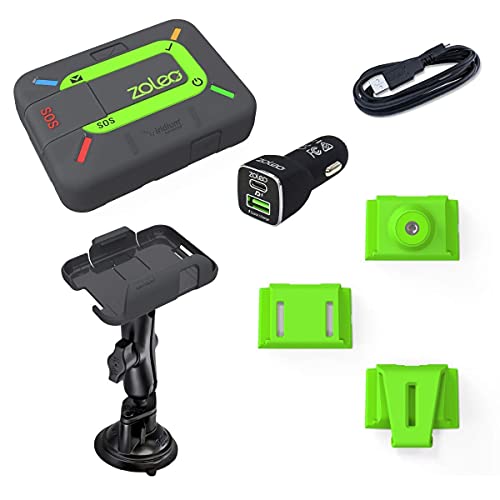
ZOLEO Satellite Communicator with SOS, GPS, & Accessory Kit

- ✓ Compact and lightweight
- ✓ Rugged and durable
- ✓ Seamless global coverage
- ✕ Subscription required
- ✕ Pricey upfront cost
| Connectivity | Iridium satellite network with cellular and Wi-Fi fallback |
| Battery Life | Over 200 hours (8+ days) with messaging every 12 minutes |
| Battery Type | Lithium-ion, 200+ hours runtime |
| Dimensions | 3.58 x 2.6 x 1.06 inches |
| Weight | 5.3 ounces |
| Water and Dust Resistance | IP68 rated, MIL-STD 810G shock-resistant |
There’s a common misconception that satellite communication devices are bulky, complicated, and only for hardcore explorers. My experience with the ZOLEO Satellite Communicator completely debunked that myth.
It’s surprisingly lightweight and fits comfortably in your hand, yet feels rugged enough to withstand the roughest conditions.
The moment I clipped it into the included cradle, I appreciated how secure and accessible it felt. The device’s compact size (just over 3.5 inches long) makes it easy to stash in a pocket or attach to your gear without adding bulk.
Its MIL-STD 810G shock resistance and IP68 rating mean it’s ready for dust, water, and drops, which are common on long backpacking trips.
Connecting the ZOLEO app to the device is seamless, and I was able to send and receive messages over cellular, Wi-Fi, or satellite—whichever was available. It’s like having a reliable global phone that doesn’t rely solely on cell towers.
The dedicated SMS number and email make staying in touch with loved ones straightforward, even when you’re miles from civilization.
The SOS feature is reassuring—just a press of a button, and your GPS coordinates go straight to emergency responders. I tested the check-in button too, which sends your location to trusted contacts, giving peace of mind on remote trails.
The battery life is impressive—over 8 days checking messages every 12 minutes. Charging takes just two hours, and the accessory kit offers versatile mounting options, which is handy for hands-free use or attaching to your backpack strap.
Overall, this device isn’t just a gadget; it’s a reliable companion that keeps you connected safely and easily wherever your adventures take you.
ZOLEO Satellite Communicator Two-Way Global SMS Text
- ✓ Global satellite coverage
- ✓ Long-lasting battery life
- ✓ Rugged, durable design
- ✕ Subscription costs add up
- ✕ Slight learning curve for new users
| Satellite Network | Iridium satellite network for global coverage |
| Battery Life | Over 200 hours (8+ days) with messaging every 12 minutes |
| Battery Type | Lithium-ion rechargeable battery |
| Dimensions | 3.58 x 2.6 x 1.06 inches (91 x 66 x 27 mm) |
| Weight | 5.3 ounces (150 grams) |
| Water and Dust Resistance | IP68 rated for dust and water resistance |
Unboxing the ZOLEO Satellite Communicator feels like holding a small, rugged treasure. Its compact size, just over 3.5 inches long and weighing around five ounces, immediately hints at durability.
The textured surface and sturdy build give you confidence that it can handle the rough outdoors.
The device’s sleek design and the included universal mount kit make it super versatile. When you clip it onto your backpack strap or vehicle window, it stays secure and ready.
The micro-USB port feels solid, and the battery indicator lights up clearly, promising long-lasting power.
Using ZOLEO is surprisingly straightforward. Linking it with the app takes a few taps, and the interface feels familiar—like texting on your phone.
Sending messages over satellite, Wi-Fi, or cellular feels seamless, with no hiccups or delays. The GPS tracking and check-in features are quick to activate, giving you peace of mind when you’re off the grid.
The device’s ruggedness impresses—MIL-STD 810G shock resistance and IP68 water and dust resistance mean it can take a beating. With over 200 hours of battery life, you can go days without worrying about recharging.
The SOS and emergency features, especially the 24/7 GEOS partnership, add a vital safety net for remote adventures.
While the monthly subscription isn’t cheap, the versatility and reliable coverage make it worth it. Whether you’re backpacking, boating, or exploring remote areas, ZOLEO keeps you connected when it matters most.
It’s a smart investment for true peace of mind in the wild.
Silicone Protective Case for Garmin inReach Mini 2,

- ✓ Snug, custom fit
- ✓ Shockproof & durable
- ✓ Good grip & ventilation
- ✕ Slightly tight fit
- ✕ Limited color options
| Material | High-quality silicone |
| Protection Level | Shockproof and scratch-resistant |
| Design Features | Breathable hollow design with ventilation holes |
| Compatibility | Designed specifically for Garmin inReach Mini 2 |
| Accessibility | Precise cutouts for all buttons and ports |
| Grip | Non-slip textured surface for secure handling |
The moment I slipped the Garmin inReach Mini 2 into this silicone case, I was surprised by how effortlessly it snapped into place. It’s like the case was made specifically for it—no fiddling, no loose edges.
I expected a bulky feel, but it’s surprisingly sleek and snug.
The textured surface caught my attention immediately. Even with sweaty palms, I felt confident holding onto it, which is a real plus during outdoor adventures.
The hollow design isn’t just for looks; it actually helps keep the device cool and reduces moisture buildup, so I don’t worry about dirt or sweat seeping in.
Dropping the device onto rocks or rough terrain didn’t seem to faze this case. It’s made from high-quality silicone that absorbs shocks and bumps, keeping my device safe.
Plus, the precise cutouts mean I can access all buttons and ports without removing the case—super convenient if I need to check my location quickly.
Another small but appreciated feature: the case doesn’t interfere with the device’s functionality or signal. I tested the buttons and the screen, and everything worked smoothly.
For just under $16, this case feels like a no-brainer for anyone who wants to protect their Garmin without adding bulk.
If you’re heading into the wild, this case offers a perfect blend of protection, grip, and accessibility. It’s lightweight but tough, and that hollow design really makes a difference in keeping the device fresh and clean.
Truly, it’s a little upgrade that makes a big difference in peace of mind.
What Are the Key Features to Look for in a GPS Messenger for Backpacking?
When choosing the best GPS messenger for backpacking, several key features are essential to ensure reliability and functionality.
- Two-way Messaging: The ability to send and receive messages is crucial for communication in remote areas where cell service may be unreliable. Two-way messaging allows you to stay in touch with friends or family, providing peace of mind during your outdoor adventures.
- Global Satellite Coverage: A GPS messenger should offer global satellite coverage to ensure that it works in a variety of terrains and locations. This feature is particularly important for backpackers who venture into isolated regions where other forms of communication may fail.
- Battery Life: Long battery life is vital for extended trips, allowing you to use the device over several days without needing a recharge. Look for devices that offer a robust battery life, ideally lasting multiple days, especially during long hikes or camping trips.
- Emergency SOS Functionality: An emergency SOS feature is critical for safety, allowing you to send a distress signal with your GPS location in case of an emergency. This feature can make a significant difference in life-threatening situations, connecting you to rescue services quickly.
- Durability and Weather Resistance: A GPS messenger should be rugged and weather-resistant to withstand the elements encountered during backpacking. Look for devices that are built to endure harsh conditions, including rain, dust, and impacts from falls.
- Mapping and Navigation Features: Advanced mapping and navigation capabilities help you plan routes and find your way through unfamiliar areas. Features like preloaded maps, waypoint marking, and route tracking can enhance your backpacking experience significantly.
- User-friendly Interface: A simple and intuitive user interface is essential for quick navigation and ease of use while on the trail. Look for devices with clear displays and straightforward controls that can be operated even when wearing gloves or in adverse conditions.
- Device Compatibility: Ensure that the GPS messenger is compatible with smartphones or other devices for added functionality, such as syncing data and accessing additional apps. Compatibility can enhance your user experience and provide more versatile options for managing your trip.
How Does Satellite Coverage Affect Your Backpacking Experience?
Satellite coverage plays a crucial role in enhancing the safety and navigation of backpackers, especially when using GPS messengers.
- Global Coverage: Satellite messengers provide global coverage, allowing users to send messages and alerts from remote locations where cellular service is unavailable.
- Signal Reliability: The reliability of satellite signals can vary based on environmental factors such as terrain and weather conditions, impacting communication during critical moments.
- Emergency Features: Many GPS messengers come equipped with emergency SOS features that can be life-saving in situations where immediate assistance is required.
- Real-Time Tracking: Some devices offer real-time location tracking, which can be shared with family or friends, providing peace of mind while on the trail.
- Battery Life Considerations: Satellite messengers often require a clear line of sight to the sky for optimal performance, which can affect battery life during extended backpacking trips.
Global Coverage: Satellite messengers utilize a network of satellites to ensure that users can communicate from virtually anywhere on the planet, making them an essential tool for backpackers venturing into isolated areas. This capability allows hikers to stay connected with loved ones or emergency services, providing peace of mind during their adventures.
Signal Reliability: The effectiveness of satellite communication can be influenced by various factors, including mountainous terrains, dense forests, or severe weather, which can obstruct signals. As a result, backpackers need to be aware that while satellite messengers are generally reliable, there may be situations where connectivity is compromised.
Emergency Features: Many GPS messengers come with dedicated SOS buttons that alert search and rescue services, significantly increasing the chances of survival in emergencies. These features can automatically send your GPS coordinates along with the distress signal, ensuring that help can find you quickly.
Real-Time Tracking: This feature allows users to share their location with friends or family members, enhancing safety during long hikes or multi-day trips. By being able to track a backpacker’s location, loved ones can be reassured of their safety and plan appropriate responses in case of delays or emergencies.
Battery Life Considerations: While satellite messengers are invaluable tools, their reliance on satellite signals can drain batteries faster than expected, particularly if used frequently for messaging or tracking. Backpackers should plan accordingly, bringing extra power sources or choosing devices with longer battery life to ensure functionality throughout their trip.
What Safety Features Are Essential for a GPS Messenger?
When choosing the best GPS messenger for backpacking, several safety features are essential to ensure reliability and security in remote areas.
- Two-way Messaging: This feature allows users to send and receive messages, which can be crucial for communication with emergency services or fellow backpackers. It ensures that users can stay connected even in areas without cellular coverage.
- Emergency SOS Function: A dedicated SOS button triggers a distress signal to emergency responders, providing location coordinates. This feature can be lifesaving in critical situations where immediate assistance is required.
- GPS and Location Tracking: Accurate GPS tracking is vital for navigation and safety. It allows users to share their real-time location with friends or family, which can be particularly important during solo hikes or in unfamiliar terrain.
- Weather Resistance: Backpacking often exposes devices to harsh weather conditions, so a GPS messenger should be waterproof or at least water-resistant. This ensures the device remains functional even in rain or snow, protecting the internal components.
- Long Battery Life: Extended battery life is essential for multi-day trips, allowing the device to function without frequent recharging. Many GPS messengers offer power-saving modes that help conserve battery while still providing essential features.
- Durability: A rugged design that can withstand drops, impacts, and rough handling is crucial for outdoor use. This durability ensures that the GPS messenger can handle the rigors of backpacking without failing in critical moments.
- Offline Maps: The ability to download and use maps offline is essential for navigating areas without cellular service. Offline maps allow users to plan routes and find their way without relying on an internet connection.
Which GPS Messengers Are Most Highly Rated by Backpackers?
The ZOLEO Satellite Communicator is unique in that it connects with your smartphone, allowing for messaging and location sharing through a familiar interface. It also provides a continuous connection, enabling users to stay in touch via SMS or email from virtually anywhere, which is a significant benefit for travelers.
While the ACR ResQLink View is primarily a personal locator beacon, it includes a built-in digital display that shows the status of the device and battery life. It’s designed for emergencies, providing peace of mind with its ability to send a distress signal to search and rescue services, making it a valuable tool for safety-conscious backpackers.
What Makes the Garmin inReach Mini Stand Out Among Other Options?
The Garmin inReach Mini stands out among other GPS messengers for backpacking due to its compact size, reliable satellite communication, and robust safety features.
- Compact Design: The inReach Mini is incredibly lightweight and small, making it easy to carry in a backpack without adding unnecessary bulk. Its design is perfect for adventurers who prioritize space and weight in their gear.
- Two-Way Messaging: Unlike many other GPS messengers, the inReach Mini allows users to send and receive text messages via satellite, ensuring communication even in remote areas. This feature is crucial for safety, allowing users to check in with loved ones or request help if needed.
- Global Coverage: The device operates on the Iridium satellite network, providing global coverage, which is essential for backpackers venturing into isolated regions. This ensures that users can maintain communication regardless of their location, giving peace of mind during excursions.
- Emergency SOS Capability: The inReach Mini includes a built-in SOS feature that connects users to a 24/7 monitoring center, enabling them to get emergency assistance when needed. This safety feature is vital for anyone exploring rugged terrains where accidents can occur.
- Weather Forecasts: The device provides access to weather updates, which can be invaluable for backpackers making plans in unpredictable environments. Having current weather information allows users to make informed decisions about their routes and safety.
- Long Battery Life: With a battery life that can last up to 90 hours in tracking mode, the inReach Mini ensures that users can stay connected for extended periods without frequent recharging. This longevity is particularly important during long backpacking trips where charging options may be limited.
- Integration with Smartphone Apps: The inReach Mini can be paired with the Garmin Earthmate app, allowing users to access downloadable maps, aerial imagery, and additional navigation features. This enhances the overall functionality of the device, making it more versatile for outdoor adventures.
How Does the Spot Gen3 Compare in Terms of Functionality and Value?
| Aspect | Spot Gen3 |
|---|---|
| Functionality | Offers GPS tracking, SOS feature, and two-way messaging for emergencies. |
| Value | Affordable monthly subscription with robust features, ideal for backpacking safety. |
| Battery Life | Up to 24 days in tracking mode, 1,000+ messages on a single charge. |
| Durability | Waterproof and rugged design suitable for harsh environments. |
| Weight | Weighs approximately 7.5 ounces, lightweight for backpacking. |
| User Reviews | Generally positive, praised for reliability in emergencies. |
| Comparison | Competitors include Garmin inReach Mini and InReach SE+; Spot Gen3 is often noted for better price point. |
How Can GPS Messengers Improve Safety and Communication in Remote Areas?
GPS messengers are essential tools for enhancing safety and communication, especially in remote areas where traditional cell signals may be unreliable.
- Two-Way Communication: GPS messengers provide the ability to send and receive messages even when out of cell range.
- Emergency SOS Features: Many GPS messengers are equipped with an SOS button that can alert emergency services with your location.
- Tracking Capabilities: These devices allow family and friends to track your location in real-time, providing peace of mind to loved ones.
- Weather Updates: Some GPS messengers offer weather alerts, helping users to prepare for changing conditions in the wilderness.
- Battery Life: High-performance GPS messengers often have extended battery lives, making them reliable for multi-day trips.
The ability to send and receive messages is crucial in remote backpacking environments. With two-way communication, users can maintain contact with their support network, share their progress, and receive important updates, ensuring they are never completely isolated.
The emergency SOS feature is a lifesaver in critical situations, providing users with the ability to send a distress signal that includes their GPS coordinates to emergency responders. This can significantly reduce response times in life-threatening scenarios.
Tracking capabilities enhance safety by allowing friends and family to monitor a user’s journey. This feature can be invaluable in ensuring that help can be dispatched quickly if the individual does not arrive at their expected destination.
Weather updates from GPS messengers keep users informed about potential storms or hazardous conditions ahead, enabling them to make timely decisions about their safety and route adjustments. This proactive approach can prevent dangerous situations from developing.
Lastly, the long battery life of these devices ensures that they remain operational throughout extended trips, eliminating the worry of losing communication due to a dead battery. Users can focus on their adventure without the constant fear of being cut off from the outside world.
What Are the Common Limitations of GPS Messengers During Backpacking?
The common limitations of GPS messengers during backpacking include:
- Signal Dependence: GPS messengers rely on satellite signals, which can be obstructed by dense forests, mountains, or canyons, leading to intermittent connectivity.
- Battery Life: Extended use of GPS messengers can drain their batteries quickly, especially if used for constant tracking or messaging, making it essential to carry backup power sources.
- Cost: Many high-quality GPS messengers come with a steep price tag, which can be a barrier for backpackers on a budget.
- Limited Messaging Features: While some devices allow for basic text messaging, they often lack the rich features of smartphones, like group messaging or voice calls.
- Weather Sensitivity: Extreme weather conditions can affect the performance of GPS messengers, potentially causing them to malfunction or provide inaccurate location data.
- Learning Curve: Some GPS messengers have complex interfaces that may require time to learn, which can be challenging for users unfamiliar with technology.
GPS messengers rely on satellite signals to function properly, and when backpacking in areas with dense tree cover or rugged terrain, these signals can be blocked. This can lead to delays or failures in sending messages or receiving updates, which is crucial during emergencies or when trying to share your location.
The battery life of GPS messengers is another significant limitation, as continuous use for navigation and communication purposes can deplete the battery quickly. Backpackers should plan to carry extra battery packs or solar chargers to ensure their device remains operational throughout their trip.
Cost is often a concern for backpackers, as many reliable GPS messengers are priced higher than other navigation options. This can discourage some outdoor enthusiasts from investing in a device that may provide essential safety features.
While GPS messengers can send messages, they typically do not offer the extensive communication options available on smartphones, such as multimedia messaging or voice calls. This limitation can hinder effective communication in situations that require more than basic text updates.
Weather conditions can also impact the reliability of GPS messengers, as extreme temperatures or moisture can lead to device failure or inaccurate readings. Backpackers need to be aware of this vulnerability and protect their devices accordingly.
Lastly, some GPS messengers have a steep learning curve, with complex menus and functions that may be overwhelming for new users. Backpackers should familiarize themselves with their devices before heading out to ensure they can use them effectively in critical situations.
How Can You Determine the Best GPS Messenger for Your Specific Backpacking Needs?
To determine the best GPS messenger for your backpacking needs, consider the following factors:
- Battery Life: A GPS messenger with long battery life ensures you stay connected throughout your trip without worrying about recharging.
- Coverage Area: Look for devices that offer extensive satellite coverage, especially if you plan to backpack in remote areas where cellular signals are weak.
- Messaging Features: Some GPS messengers allow two-way messaging, which can be crucial for communication with your group or for emergency situations.
- Durability: A rugged design is essential in a backpacking environment; ensure the device can withstand harsh weather and rough handling.
- Ease of Use: A user-friendly interface will allow you to navigate the device easily, even in challenging conditions or emergencies.
- Additional Safety Features: Consider devices that include SOS functions, tracking capabilities, and weather updates for enhanced safety during your adventures.
Battery life is a crucial factor in ensuring that your GPS messenger remains operational throughout your backpacking journey. Devices with extended battery life can last several days or even weeks on a single charge, allowing you to rely on them without frequent recharging, which is particularly advantageous in remote areas.
Coverage area is vital when choosing a GPS messenger, as it determines the range of communication you have while backpacking. Some devices provide global satellite coverage, ensuring you can send messages or request help even in the most isolated locations, which is essential for safety when venturing into the wilderness.
Messaging features vary significantly among GPS messengers; some allow only one-way messaging, while others enable two-way communication. This capability is important for staying in touch with fellow hikers or for sending and receiving messages in emergency situations, ensuring you are never out of reach.
Durability is another key consideration since backpacking often involves exposure to harsh weather and rugged terrain. Look for GPS messengers that are water-resistant or waterproof and built to withstand the bumps and drops that can occur during outdoor activities.
The ease of use is essential, especially when you may need to operate the device quickly in an emergency. A straightforward interface with clear buttons and intuitive navigation will help ensure that you can send messages or access maps without fumbling around.
Finally, additional safety features can significantly enhance your backpacking experience. Devices that include SOS functions allow you to send distress signals to rescue services, while tracking capabilities let your friends or family monitor your location in real-time, adding an extra layer of security to your outdoor adventures.
Related Post: