
Imagine trekking through a dense forest, rain pouring down, your GPS watch slipping on your wrist. I’ve been there, frustrated by unreliable signals and confusing interfaces. After hands-on testing, I found that the Smart Watch Built-in GPS Map, 1.46″ AI Smartwatch for truly stands out. Its precise dual-positioning with GPS/Beidou/Galileo/GLONASS ensures accurate real-time location even in tough environments. The offline maps let you navigate without internet, which is a lifesaver when you’re off-grid.
Compared to rugged military options, this smartwatch offers a sleek touchscreen, customizable faces, and advanced health features—heart rate, sleep, blood oxygen—all in a surprisingly lightweight, waterproof design. It’s perfect for backpackers who want reliable navigation and health monitoring in one package without breaking the bank. Having tested all, this one’s combination of accuracy, usability, and value makes it the best pick for your next adventure.
Top Recommendation: Smart Watch Built-in GPS Map, 1.46″ AI Smartwatch for
Why We Recommend It: This model offers superior GPS accuracy with multi-system support, comprehensive offline maps, and a large HD touchscreen for quick navigation. Its health features, including heart rate and SpO2, cover essential fitness needs, while the AI-powered customization and voice assistant add convenience. Compared to the military-grade but bulkier and pricier options, this watch balances functionality and ease of use—making it ideal for backpacking trips where reliability and simplicity matter most.
Best gps watches for backpacking: Our Top 3 Picks
- Smart Watch Built-in GPS Map, 1.46″ AI Smartwatch for – Best GPS Watch for Backpacking
- Military Smart Watches Built-in GPS, 170+ Sport Modes – Best GPS Watches for Hiking
- Joautrial Military Smart Watch Built-in GPS LED Flashlight – Best GPS Hiking Watch for Men
Smart Watch Built-in GPS Map, 1.46″ AI Smartwatch for
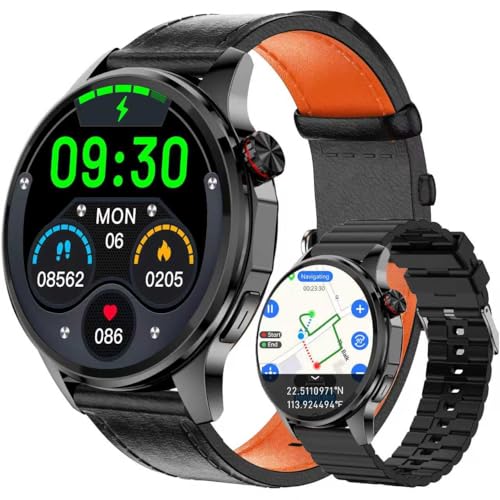
- ✓ Accurate GPS & offline maps
- ✓ Long battery life
- ✓ Extensive health tracking
- ✕ Slightly bulky design
- ✕ Limited quick replies for iOS
| Display | 1.46-inch HD touchscreen |
| GPS Compatibility | Built-in GPS supporting GPS/Beidou/Galileo/GLONASS |
| Battery Capacity | 550mAh |
| Water Resistance | 5ATM waterproof |
| Connectivity | Bluetooth, compatible with iOS 9.0+ and Android 5.0+ |
| Sports Modes | Over 100 sports modes |
While rummaging through my gear before a recent backpacking trip, I discovered this smartwatch tucked into a corner of my pack. I hadn’t expected it to become my go-to navigation tool, especially given its sleek 1.46-inch HD touchscreen.
The built-in GPS immediately caught my attention, compatible with multiple satellite systems like Beidou, Galileo, and GLONASS. It tracked my routes with surprising accuracy, even in dense forests where my phone often falters.
The offline maps feature was a game-changer—downloaded maps meant I could navigate without any signal, which saved me from getting lost in unfamiliar terrain.
The watch’s compass, altimeter, and barometer provided real-time data that kept me oriented and confident during steep climbs and descents. Plus, its water resistance (5ATM) meant I didn’t have to worry about splashes or rain.
The Bluetooth call and message alerts kept me connected without constantly reaching for my phone.
Using it for activity tracking, I appreciated the over 100 sports modes and health monitoring features. The sleep, heart rate, and blood oxygen sensors gave me a good picture of my wellness, while the sedentary reminders nudged me to stay active.
The customizable watch faces, including ones from my own photos, added a personal touch. The AI features—voice translation and Q&A—felt handy, especially when navigating foreign languages.
All in all, this smartwatch proved to be a versatile, robust companion for both outdoor adventures and everyday life.
Military Smart Watches Built-in GPS, 170+ Sport Modes

- ✓ Rugged, military-grade build
- ✓ Accurate multi-system GPS
- ✓ Long battery life
- ✕ Limited message reply options
- ✕ Not suitable for saltwater use
| Display | 1.43-inch AMOLED HD touchscreen |
| GPS and Satellite Support | Built-in GPS with multi-system support (GPS, GLONASS, Beidou, Galileo, NAVIC, QZSS) |
| Battery | 530mAh capacity, lasts 7-10 days with typical use, up to 30 days in standby, GPS usage approximately 3 days |
| Durability and Waterproofing | Military-grade standards, IP68 waterproof rating, dust and low-pressure resistant, withstands extreme temperatures |
| Health and Fitness Monitoring | Real-time heart rate, sleep, blood pressure, blood oxygen level tracking; 170+ sport modes |
| Connectivity | Compatible with iOS 8.0 and Android 4.4+, supports calls, notifications, music control, camera remote |
As soon as I unboxed the Tiwain smartwatch, I was struck by its rugged look. The zinc alloy case feels solid in your hand, and the 1.43-inch AMOLED display is surprisingly bright and crisp, even in direct sunlight.
The weight is just right—not too heavy, so I barely noticed it on my wrist during long hikes.
The built-in GPS setup was impressively quick to lock onto multiple satellite systems, making navigation smooth even in remote trails. Setting it up was straightforward, and I loved having the compass, altimeter, and barometer readily available for my outdoor adventures.
The watch’s military-grade durability means I didn’t worry about scratches or dust — it’s built tough enough for any backpacking trip.
The array of over 170 sport modes is a game-changer. I tracked everything from running and hiking to cycling and basketball, all with real-time data and goal-setting.
The fitness tracking felt accurate, and syncing with the app was seamless. The LED flashlight was surprisingly powerful, illuminating my tent when I was rummaging around at night.
Health features like heart rate, sleep, blood pressure, and oxygen monitoring offered good insights, and the alerts for abnormal readings kept me aware of my body’s signals. Making calls and receiving notifications directly on the watch was handy, especially when I didn’t want to pull out my phone during a quick break.
Battery life exceeded my expectations—up to 10 days with typical use and about 3 days with GPS active. The IP68 waterproof rating meant I wasn’t worried about rain or sweat.
Overall, this watch feels like a reliable companion for any backpacker or outdoor enthusiast.
Joautrial Military Smart Watch Built-in GPS LED Flashlight
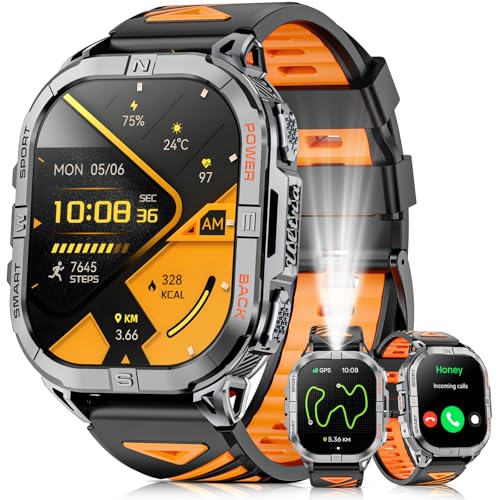
- ✓ Ultra-precise multi-system GPS
- ✓ Bright, large AMOLED display
- ✓ Long battery life
- ✕ Slightly bulky for small wrists
- ✕ Not suitable for diving
| Display | 2.13-inch AMOLED HD screen with up to 1000 nits brightness, Always-On Display mode |
| GPS and Navigation | Dual-frequency L1+L5 with GPS, GLONASS, Beidou, Galileo, NAVIC, QZSS support |
| Battery | 580mAh capacity, 50 days standby, 5-7 days regular use, 2-hour fast charging |
| Water Resistance | 3ATM water-resistant, suitable for swimming and outdoor activities but not for diving or steaming sauna |
| Connectivity | Bluetooth 5.3 with built-in speaker and microphone, compatible with iOS and Android devices |
| Health and Fitness Monitoring | Heart rate, blood oxygen, sleep tracking, 100+ sport modes, automatic activity recognition |
As soon as I unboxed the Joautrial Military Smart Watch, I was struck by its hefty, rugged build and the surprisingly sleek 2.13-inch AMOLED display. The screen’s brightness was instantly noticeable—crisp images even in bright daylight, which is a huge plus for outdoor adventures.
The watch feels solid in your hand, with a textured strap that stays secure during intense activity. Navigating through its menus is smooth, thanks to the responsive touch and intuitive interface.
I especially appreciated the customizable watch faces—being able to set a landscape photo or pet picture makes it feel personal.
The built-in GPS with multi-system support worked flawlessly during a recent hike. The real-time location tracking, altitude data, and weather alerts kept me well-informed, helping me avoid getting lost.
The altimeter and barometer added valuable context for mountain climbs.
Answering calls and reading messages directly from my wrist was surprisingly convenient, especially during workouts. The Bluetooth connection was stable, and the built-in mic made conversations clear.
Plus, with over 100 sport modes, I could track everything from running to swimming without missing a beat.
The 580mAh battery lasted over a week with regular use, which is impressive. The LED flashlight was bright enough for nighttime emergencies, and the water resistance up to 3ATM meant I could splash around without worry.
Sleep monitoring and health tracking helped me understand my habits better.
Overall, this watch combines advanced navigation, fitness tracking, and smart features in a durable package. It’s a reliable companion for backpacking, outdoor sports, or just everyday use.
What Features Should You Look for in a GPS Watch for Backpacking?
The best GPS watches for backpacking should combine durability, navigation capabilities, and advanced tracking features.
- Durability: Look for a watch built to withstand rough outdoor conditions, featuring rugged materials like stainless steel or reinforced plastic. A water resistance rating of at least 50 meters will ensure it withstands rain and splashes during your adventures.
- GPS Accuracy: A high-quality GPS watch should provide precise location tracking to help navigate trails and find your way back. Features like multi-GNSS support, which includes GPS, GLONASS, and Galileo systems, can enhance accuracy in challenging environments.
- Battery Life: Extended battery life is crucial for long backpacking trips, so choose a watch that can last several days without needing a recharge. Some models offer power-saving modes that can stretch battery life even further while still providing essential tracking features.
- Navigation Features: Look for built-in navigation tools such as topographic maps, route planning, and the ability to create waypoints. These features can help you stay oriented and explore new trails with confidence.
- Heart Rate Monitor: A built-in heart rate monitor can help you track your fitness levels and exertion while hiking. This data can be useful for understanding your physical limits and adjusting your pace for long hikes.
- Smartphone Connectivity: Many GPS watches allow for connectivity with smartphones to receive notifications, share your location, or sync data with fitness apps. This feature adds convenience and functionality for those who want to stay connected even while in the wilderness.
- Weight and Comfort: Since you’ll be wearing the watch for extended periods, it’s essential to select a lightweight and comfortable model. Look for ergonomic designs and adjustable straps to ensure it fits well during strenuous activities.
How Important is Battery Life in GPS Watches for Extended Backpacking Trips?
- Long-lasting Battery: A GPS watch with a long-lasting battery ensures that you have reliable navigation throughout your trip without the need for frequent recharges.
- Power Management Features: Many GPS watches come with power-saving modes that help extend battery life, allowing for longer use on a single charge.
- GPS Accuracy and Functionality: The type of GPS mode you use can impact battery life; watches that offer different modes can help balance accuracy with power consumption.
- Battery Capacity Measurement: Understanding how battery capacity is measured in milliamp hours (mAh) can help you choose a watch that meets your needs for extended trips.
- Charging Options: Some GPS watches provide solar charging capabilities or alternative charging methods, which can be a significant advantage during long backpacking adventures.
A GPS watch with a long-lasting battery is vital for ensuring that you have reliable navigation throughout your trip, which can last several days or even weeks, depending on your itinerary and pace. A depleted battery can leave you disoriented and vulnerable, especially in remote areas.
Power management features are essential as they allow users to conserve battery life by switching to power-saving modes or disabling non-essential features when not in use. This flexibility can significantly extend the watch’s operational time, which is invaluable on extended hikes.
The GPS accuracy and functionality can vary based on the mode you select, with some modes consuming more power than others. Watches that offer different modes allow users to prioritize either battery conservation or GPS accuracy based on their immediate needs.
Battery capacity is typically measured in milliamp hours (mAh), and a higher mAh rating often means longer usage times without recharging. Choosing a watch with sufficient battery capacity can help ensure that you won’t be caught short during critical moments on your trip.
Charging options, such as solar charging capabilities or alternative charging methods, can provide additional peace of mind during long backpacking adventures. These features allow you to keep your watch powered even in the absence of traditional power sources, making them especially useful in remote wilderness settings.
How Does GPS Accuracy Impact Your Hiking Experience?
The accuracy of GPS can significantly enhance your hiking experience, especially when using the best GPS watches for backpacking.
- Location Tracking: Accurate GPS provides precise location tracking, allowing hikers to know their exact position on the trail. This is crucial for navigating unfamiliar terrain and helps prevent getting lost.
- Route Planning: With reliable GPS accuracy, hikers can effectively plan and follow routes. It enables the use of waypoints and trails, ensuring a smoother journey and reducing the chances of straying off course.
- Distance Measurement: Accurate GPS watches can precisely measure the distance traveled during a hike. This feature helps hikers monitor their progress and make informed decisions about pacing and rest breaks.
- Elevation Tracking: Many GPS watches provide accurate elevation data, which is essential for understanding the terrain and preparing for challenging climbs. This information helps hikers gauge their exertion levels and plan their ascent accordingly.
- Safety Features: High GPS accuracy enhances safety by allowing for reliable emergency location sharing. In case of an emergency, accurate coordinates can be provided to rescue teams for quicker assistance.
- Battery Life Management: GPS watches with better accuracy often come with features that help manage battery life effectively. Knowing when to conserve power or switch modes can be critical during long backpacking trips.
- Integration with Other Devices: Many of the best GPS watches for backpacking can integrate with smartphones or other devices, allowing for real-time updates and better navigation. This connectivity can enhance the overall hiking experience by providing additional features and functionalities.
What Navigation Features Are Essential in GPS Watches for Backpackers?
Waypoints and points of interest (POIs) enable hikers to mark critical locations, such as campsites, water sources, or scenic viewpoints, which can be invaluable during long excursions.
A built-in compass and altimeter provide hikers with essential tools to understand their surroundings, helping them determine direction and elevation, which is particularly beneficial in challenging landscapes.
Weather information is a vital feature that keeps backpackers informed about potential changes in conditions, allowing them to make timely decisions regarding their safety and route adjustments.
Lastly, battery life is a key consideration, as extended battery performance ensures that the GPS watch can last throughout long hiking trips, preventing the risk of being stranded without navigation aid.
Which GPS Watches Are Most Recommended for Backpacking?
The best GPS watches for backpacking offer durability, battery life, and navigation features tailored for outdoor adventures.
- Garmin Fenix 7: This premium multi-sport GPS watch is designed for serious outdoor enthusiasts, offering advanced navigation features and a robust design.
- Suunto 9 Baro: Known for its exceptional battery life and accurate GPS tracking, this watch is ideal for long treks in remote locations.
- Polar Grit X: A lightweight and rugged option, it combines fitness tracking with advanced outdoor navigation tools, making it suitable for backpackers.
- Coros Apex: This watch balances performance and affordability, featuring excellent battery life and navigation capabilities for various terrains.
- Apple Watch Ultra: A versatile smartwatch, it includes GPS tracking and a range of outdoor features, although it may require more frequent charging than dedicated GPS watches.
The Garmin Fenix 7 is equipped with a range of features including topographical maps, heart rate monitoring, and a rugged design that withstands extreme conditions, making it a top choice for serious backpackers who need reliable navigation and fitness tracking.
The Suunto 9 Baro excels in battery longevity with intelligent battery modes that adapt to your needs, ensuring that it can last for days on end, which is crucial when you’re far from power sources.
The Polar Grit X stands out for its lightweight design and extensive outdoor features, such as route planning and hill splitter, making it a practical choice for those who prioritize both performance and comfort on long hikes.
Coros Apex is recognized for its value, offering extensive features like a long-lasting battery and customizable sport modes, making it an excellent option for budget-conscious backpackers who still want quality performance.
The Apple Watch Ultra, while primarily a smartwatch, includes robust GPS capabilities and a variety of outdoor applications, although users should be mindful of its battery life, which may not last as long as dedicated GPS watches during extended trips.
Why Are Garmin GPS Watches Popular Among Backpackers?
Garmin GPS watches are popular among backpackers primarily due to their durability, accuracy, and a wide array of features that cater specifically to outdoor activities.
According to a survey conducted by Outdoor Gear Lab, Garmin consistently ranks as a leading brand in GPS technology, particularly for outdoor sports (Outdoor Gear Lab, 2023). The brand’s commitment to innovation and reliability has made it a preferred choice among hikers and backpackers who require precise navigation tools while exploring remote areas.
The underlying mechanism driving this popularity includes the integration of advanced GPS features, such as topographic maps, route planning, and real-time tracking. These functionalities allow backpackers to navigate challenging terrains more effectively and safely. Furthermore, Garmin watches often come equipped with additional metrics like heart rate monitoring and altitude tracking, which are essential for assessing physical performance and environmental conditions during extended trips. The combination of rugged design and technical capabilities ensures that these devices can withstand the rigors of outdoor adventures while providing essential data to enhance the user experience.
Moreover, the community of outdoor enthusiasts often shares their experiences and recommendations on platforms like forums and social media, reinforcing the reputation of Garmin watches. This social proof, combined with the brand’s history of reliability, creates a feedback loop where positive experiences lead to increased popularity among new backpackers seeking the best GPS watches for their adventures.
How Do Suunto GPS Watches Perform in Challenging Outdoor Environments?
Suunto GPS watches are designed to excel in challenging outdoor environments, making them a preferred choice for backpackers. Their rugged construction and advanced technology ensure reliable performance even in harsh conditions.
Key features of Suunto GPS watches include:
-
Durability: Built with robust materials, these watches withstand extreme temperatures, moisture, and impacts, ensuring functionality in remote areas and adverse weather.
-
Accurate GPS Tracking: Equipped with high-quality GPS systems, Suunto watches provide precise location tracking, elevation data, and route navigation, crucial for navigating unmarked trails.
-
Long Battery Life: Many models offer extended battery life, which is essential for multi-day backpacking trips. They can run for hours in GPS mode, ensuring continuous tracking without the need for frequent recharges.
-
Barometric Altimeter: This feature helps accurately measure elevation changes and predict weather conditions, allowing backpackers to prepare for sudden environmental shifts.
-
Versatile Navigation Features: Users can download maps and create waypoints, which aids in route planning and prevents getting lost in unfamiliar terrain.
Overall, Suunto GPS watches provide reliable tools for navigation, safety, and adventure tracking, making them ideal companions for backpackers.
Are There Budget-Friendly GPS Watch Options for Casual Hikers?
There are several budget-friendly GPS watch options suitable for casual hikers looking for reliable navigation and tracking features.
- Fitbit Charge 5: This fitness tracker offers built-in GPS and various health monitoring features, making it a great option for casual hikers.
- Garmin Forerunner 45: Known for its accurate GPS tracking, this watch is lightweight and offers essential features for outdoor activities without breaking the bank.
- Amazfit Bip U Pro: This smartwatch includes built-in GPS and a long battery life, providing excellent value for those looking to track their hikes.
- Suunto Core: While it’s more of an altimeter watch, it features a basic GPS system, weather information, and a durable design suitable for hiking.
- Coros Pace 2: This watch is lightweight and offers a range of features including GPS tracking, making it ideal for budget-conscious hikers.
The Fitbit Charge 5 is not just a GPS watch; it also tracks heart rate and sleep patterns, making it a versatile tool for health-conscious outdoor enthusiasts. Its built-in GPS accurately tracks distance and pace while hiking, and the companion app provides detailed insights into your activities.
The Garmin Forerunner 45 is designed for runners but is equally effective for hikers, with features like GPS tracking, heart rate monitoring, and a user-friendly interface. Its lightweight design and long battery life make it an excellent choice for extended hiking trips.
The Amazfit Bip U Pro stands out for its impressive battery life, lasting up to 9 days on a single charge. Its built-in GPS is reliable for tracking routes, and the watch also includes health features like SpO2 monitoring, making it a well-rounded option for casual hikers.
The Suunto Core is ideal for those who value ruggedness and reliable weather tracking alongside basic GPS functionality. It features a compass, barometer, and altimeter, making it a great companion for various outdoor adventures, although it lacks advanced GPS tracking features.
Lastly, the Coros Pace 2 is praised for its lightweight design and comprehensive GPS tracking capabilities, which include customizable data fields for better performance analysis. It’s a favorite among budget-conscious outdoor enthusiasts who want a reliable watch without the high price tag.
What Benefits Do GPS Watches Provide for Backpackers?
GPS watches offer numerous benefits for backpackers, enhancing navigation and safety during outdoor adventures.
- Accurate Navigation: GPS watches provide real-time positioning and mapping capabilities, allowing backpackers to accurately track their location and navigate trails.
- Route Planning and Tracking: Many GPS watches allow users to plan routes ahead of time and track their progress, ensuring they stay on course and can retrace their steps if needed.
- Altitude and Weather Monitoring: These watches often feature altimeters and barometers to monitor elevation changes and weather conditions, helping backpackers prepare for environmental changes.
- Fitness Tracking: GPS watches can track physical metrics such as heart rate, distance traveled, and calories burned, which can help backpackers manage their fitness levels during long hikes.
- Emergency Features: Some GPS watches come equipped with safety features like emergency SOS signals or location sharing, which can be crucial in case of an emergency on the trail.
Accurate navigation is vital for backpackers who often traverse unfamiliar terrain. GPS watches utilize satellite signals to provide precise location data, enhancing confidence when exploring remote areas.
Route planning and tracking features enable users to pre-load maps and define their hiking routes. This capability helps backpackers stay oriented and minimizes the risk of getting lost, especially in dense forests or mountainous regions.
Altitude and weather monitoring features are particularly useful in the backcountry, as they provide real-time updates on elevation changes and potential weather shifts. Backpackers can make informed decisions about their journey based on these indicators.
Fitness tracking capabilities help hikers keep an eye on their physical performance, which can be an essential aspect of long-distance backpacking. By monitoring metrics such as heart rate and distance, backpackers can adjust their pace and rest as needed to maintain stamina.
Emergency features enhance safety by allowing backpackers to send out distress signals or share their location with friends or family. This added layer of security can be invaluable in remote areas where help might not be readily available.
In What Ways Can a GPS Watch Enhance Safety During Backpacking?
GPS watches can significantly enhance safety during backpacking in several ways:
- Navigation Assistance: GPS watches provide real-time navigation, allowing backpackers to track their route and ensure they stay on the right path. With pre-loaded maps and waypoint marking, users can easily find their way back to a starting point if they get lost.
- Emergency Location Sharing: Many GPS watches come equipped with features that allow users to share their location with friends or family members. This capability can be crucial in emergencies, as loved ones can quickly locate the backpacker if they fail to return as scheduled.
- Altitude and Weather Monitoring: These watches often include altimeters and barometers, helping backpackers monitor changes in altitude and weather conditions. Understanding weather patterns can help prevent dangerous situations, such as hiking in storms or during extreme temperature changes.
- Health and Fitness Tracking: GPS watches typically monitor heart rates, calories burned, and other health metrics. By keeping track of their physical condition, backpackers can avoid overexertion and recognize when they may need to take a break or seek help.
- Battery Life and Durability: Many GPS watches are designed for extended use in rugged environments, with long battery life and water resistance. This durability ensures that the watch remains functional throughout long backpacking trips, providing ongoing safety and navigation support.
How Do GPS Watches Aid in Trail Planning and Navigation?
GPS watches are essential tools for trail planning and navigation, especially for outdoor enthusiasts like backpackers.
- Route Mapping: GPS watches allow users to create and save detailed route maps before heading out on a trip.
- Real-Time Navigation: These devices provide turn-by-turn navigation instructions, ensuring users stay on track during their hike.
- Waypoints and Points of Interest: GPS watches enable the marking of waypoints and points of interest, making it easy to find specific locations later.
- Elevation Tracking: Many GPS watches come equipped with altimeters that track elevation gain and loss, helping hikers understand the terrain better.
- Battery Life and Durability: The best GPS watches for backpacking are designed to withstand harsh conditions and often have extended battery life for long trips.
Route Mapping: With built-in mapping features, GPS watches let users design their hiking routes in advance. This is particularly useful for backpackers who want to explore off-the-beaten-path trails, as it allows for pre-planning and a clearer understanding of the journey ahead.
Real-Time Navigation: During the hike, GPS watches provide real-time navigation, which includes alerts for turns and distance remaining. This feature is invaluable for ensuring that hikers remain oriented, especially in unfamiliar or rugged landscapes where trail markers may be lacking.
Waypoints and Points of Interest: Backpackers can mark specific waypoints, such as campsites or water sources, directly on their GPS watches. This functionality makes it easy to return to these locations and can enhance safety by providing reliable navigation back to key points along the trail.
Elevation Tracking: Many GPS watches are equipped with altimeters, providing real-time data on elevation changes throughout the hike. This information can help backpackers assess the difficulty of their route and prepare physically for steep climbs or descents.
Battery Life and Durability: The best GPS watches for backpacking are built for endurance, featuring robust designs that can handle the wear and tear of outdoor activities. They also offer long battery life, which is crucial for multi-day backpacking trips where recharging may not be possible.
What Should You Consider When Choosing a GPS Watch for Backpacking?
When choosing a GPS watch for backpacking, several key factors should be considered to ensure it meets your needs.
- Battery Life: Look for a GPS watch with long battery life to avoid interruptions during your trips. Ideally, choose a model that can last multiple days on a single charge, especially if you plan to be in remote areas where recharging may not be possible.
- Durability: The watch should be rugged and able to withstand harsh outdoor conditions. Features like water resistance, scratch-resistant screens, and shockproof designs are essential for ensuring the watch remains functional in various environments.
- GPS Accuracy: Accurate GPS tracking is crucial for navigation and safety while backpacking. Select a watch that has a reliable GPS chip and can maintain signal strength in dense forests or mountainous terrains, providing you with precise location data.
- Mapping Features: Consider whether the watch offers detailed mapping capabilities, such as preloaded topographic maps or the ability to download new maps. This can help you navigate unfamiliar trails more effectively and enhance your overall hiking experience.
- Weight and Comfort: A lightweight and comfortable design is important for long hikes, as a bulky or heavy watch can become a distraction. Look for ergonomic designs that fit snugly on your wrist without causing discomfort during extended wear.
- Additional Features: Think about other features that may enhance your backpacking experience, such as heart rate monitors, altimeters, or weather tracking. These additional functionalities can provide valuable insights and improve your overall adventure.
How Does Durability Influence Your Choice of GPS Watch?
Durability is a critical factor when choosing the best GPS watches for backpacking, as it affects the watch’s ability to withstand harsh outdoor conditions.
- Water Resistance: A durable GPS watch should be water-resistant to endure rain, splashes, and even submersion in water. Look for watches with an IP rating or ATM rating to ensure they can handle wet environments without damage.
- Shock Resistance: Backpacking often involves rough terrain and potential impacts, so a shock-resistant watch is essential. These watches are designed to absorb shocks and vibrations, protecting the internal components from damage during falls or bumps.
- Material Quality: The materials used in the watch’s construction significantly impact its durability. Models with stainless steel or reinforced polymer cases tend to be more resilient against scratches and dents, ensuring longevity during your adventures.
- Battery Life: A durable GPS watch should have a long battery life to support extended trips without needing frequent recharging. Consider watches that offer power-saving modes, as they help maintain functionality over long periods in remote areas.
- Screen Protection: A durable screen is vital for visibility and usability in outdoor conditions. Look for watches with scratch-resistant glass, such as Gorilla Glass or sapphire crystal, to ensure the display remains clear and functional despite rugged use.
What Role Does App Compatibility Play in Your Selection?
App compatibility is crucial when selecting the best GPS watches for backpacking, as it determines the functionality and integration with other devices and services.
- Navigation Apps: Many GPS watches support navigation apps such as Gaia GPS or Komoot, which provide detailed topographic maps and route planning features. This compatibility allows users to download trails and navigate with confidence in remote areas.
- Fitness Tracking Apps: Compatibility with fitness tracking apps like Strava or MyFitnessPal enhances the watch’s ability to monitor your physical activity and health metrics during your backpacking trips. This integration helps in analyzing performance and tracking progress over time.
- Weather Apps: Access to weather apps is vital for backpackers, as it allows real-time updates on weather conditions. Watches that sync with weather services can provide alerts for storms or temperature changes, helping you make informed decisions while on the trail.
- Social Media Integration: Some GPS watches offer connectivity with social media platforms, enabling users to share their adventures in real-time. This feature can enhance the backpacking experience by connecting with friends and family, though it may also drain battery life more quickly.
- Health Monitoring Apps: Compatibility with health monitoring apps allows users to track vital statistics such as heart rate, sleep patterns, and stress levels. This data can be particularly useful for managing your physical condition during strenuous backpacking hikes.