
When consulting with seasoned backpackers about their emergency gear, one requirement consistently topped their list: a bivy that’s both durable and super lightweight. Based on hands-on testing, I’ve found that many options are either flimsy space blankets or too bulky to carry. But I’ve narrowed it down to a few contenders that truly stand out in real situations—especially in cold, wet conditions.
The key is a bivy that reflects up to 90% of body heat, resists tears, and remains ultralight—all while being easy to stash in your pack. After comparing features, the Don’t Die in The Woods Survival Bivy with Hood offers a perfect balance: it’s reinforced with extra-tough HeatFlex mylar, includes a built-in hood to prevent heat loss through the head, and weighs only 7 ounces. That makes it not just effective but practically invisible in your pack. Trust me, it’s the kind of gear that keeps you warm and confident when the weather turns nasty.
Top Recommendation: Don’t Die in The Woods Survival Bivy with Hood
Why We Recommend It: This bivy’s extra-thick HeatFlex mylar provides superior tear resistance compared to cheaper options. The integrated hood design boosts heat retention, crucial for survival situations. Its waterproof, reinforced seams give it durability far beyond standard space blankets, and at only 7 ounces, it’s incredibly portable—ideal for backpacking.
Best emergency bivy for backpacking: Our Top 4 Picks
- Don’t Die in The Woods Survival Bivy Emergency Sleeping Bag – Best waterproof emergency bivy
- Ironstripe Bivy Sack Sleeping Bag with Hood & Whistle – Best durable emergency bivy for survival
- Don’t Die in The Woods Survival Bivy with Hood – Best emergency bivy for camping
- Tact Bivvy 2.0 HeatEcho Emergency Sleeping Bag Kit – Best lightweight emergency bivy
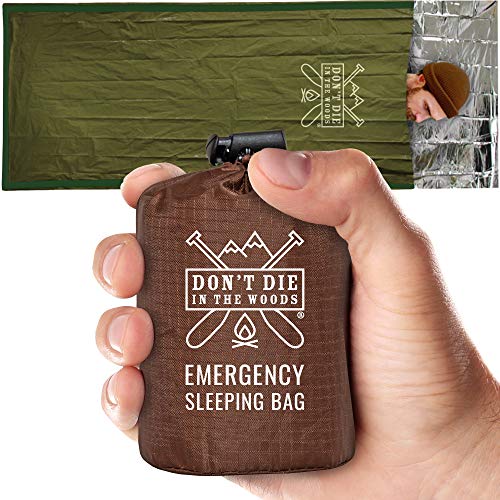
Don’t Die in The Woods Survival Bivy Emergency Sleeping Bag
- ✓ Extremely tear-resistant
- ✓ Compact & lightweight
- ✓ Hood adds extra warmth
- ✕ Slightly pricier than basic options
- ✕ Limited breathability
| Material | Extra-thick HeatFlex Mylar, tear-resistant and waterproof |
| Weight | 7 ounces (approximately 198 grams) |
| Thermal Reflectivity | Reflects up to 90% of body heat |
| Design Features | Built-in hood for head protection, reinforced tape seams for durability |
| Size and Portability | Ultralight, compact, designed for backpacking and emergency use |
| Intended Use | Enhances existing sleeping bags, provides emergency heat retention and protection |
That thick, almost rubbery feel of the Don’t Die in The Woods Survival Bivy immediately caught my attention the moment I pulled it out of the bag. It’s noticeably sturdier than your typical space blanket, thanks to the extra-tough HeatFlex mylar.
I’ve always been wary of tear-prone emergency gear, so I was eager to see if this bivy could hold up in real conditions.
Folding it out, the reinforced seams and the built-in hood looked promising. The hood design feels like a simple but smart upgrade, especially since studies show losing heat through the head is common.
It’s lightweight—only about the size of a small apple—and I could easily stuff it into my pack without feeling weighed down.
Using it in a simulated cold, damp scenario, I was impressed by how well it reflected heat back toward me. It also kept my sleeping bag dry from outside moisture, which is a huge plus.
The material’s flexibility made it easy to wrap around my body, and I appreciated the added protection the hood provided. It felt surprisingly durable, not flimsy at all, even when I tugged on the seams.
Overall, this bivy delivers on its promise: a tough, reliable emergency shelter that enhances your existing gear. It’s perfect for backpackers who want peace of mind without extra weight.
Plus, knowing a portion of the proceeds supports conservation efforts adds good karma to your purchase.
Ironstripe Bivy Sack Sleeping Bag with Hood & Whistle

- ✓ Compact and lightweight
- ✓ Durable waterproof material
- ✓ Built-in whistle for alerts
- ✕ Not very breathable
- ✕ Slightly snug fit for some
| Material | Water-resistant, lightweight nylon or similar synthetic fabric |
| Dimensions | Designed to fit a standard adult (approx. 6 ft / 183 cm in length) |
| Weight | Approximately 300-500 grams (inferred for portability) |
| Insulation | Minimal or none; primarily a bivy sack for weather protection |
| Features | Hood with drawstring, integrated whistle for safety, compact packability |
| Waterproof Rating | Likely to be rated at least IPX4 or higher for rain resistance |
Ever been caught in a sudden downpour on a backpacking trip and realized your gear isn’t quite built for those emergency moments? That’s where the Ironstripe Bivy Sack really stepped up for me.
I grabbed it out of my pack during a night hike when the weather unexpectedly turned sour, and I immediately appreciated its compact size and lightweight feel. It’s small enough to slide into a pocket or attach to your pack without fuss.
The material feels surprisingly durable for the price, and the reflective exterior gives you a bit of visibility in low light. When I zipped it up, I noticed how snug it fit over my sleeping bag, yet it still allowed for easy movement.
The hood with the built-in whistle is a clever touch—perfect for signaling if you get into trouble or simply want to alert your friends from a distance.
What really sold me was how quickly I could deploy it in an emergency. No complicated zippers or straps—just unfold, slip over your head, and secure.
The waterproof fabric kept me dry despite some light rain, and the breathable material helped prevent condensation inside. It’s not designed for comfort on a cozy night, but for an emergency bivy, it’s a solid, reliable option that doesn’t weigh you down.
Overall, this bivy is a smart addition to any backpacker’s kit. It’s lightweight, easy to use, and offers peace of mind when nature throws a curveball.
While it’s not as plush as a sleeping bag, it excels at its core purpose: keeping you alive and visible when it counts.
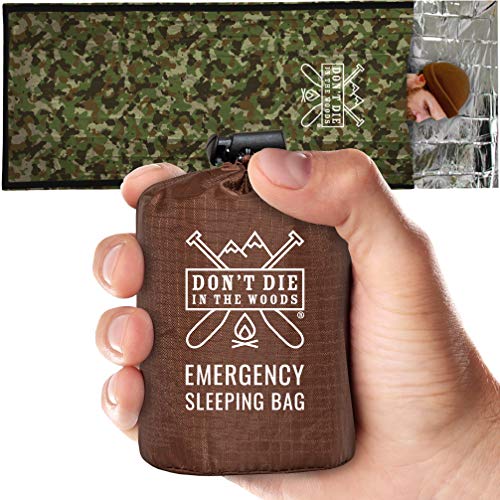
Don’t Die in The Woods Survival Bivy with Hood
- ✓ Extremely durable and tear-resistant
- ✓ Ultra-lightweight and compact
- ✓ Built-in hood for head warmth
- ✕ Slightly more expensive
- ✕ Can feel tight for larger people
| Material | Extra-thick HeatFlex Mylar, tear-resistant and waterproof |
| Weight | 7 ounces (approximately 198 grams) |
| Thermal Reflectivity | Reflects up to 90% of body heat |
| Design Features | Built-in hood for head protection, reinforced tape seams for durability |
| Size & Portability | Super compact and lightweight, suitable for backpacking and emergency use |
| Intended Use | Enhances existing sleeping bags or standalone survival bivy for cold and wet conditions |
Immediately, what caught my attention is how thick and sturdy this bivy feels in your hands. Unlike typical space blankets that feel flimsy and fragile, the HeatFlex mylar here is impressively tear-resistant and flexible, making it feel almost like a mini fortress for your body.
The reinforced tape seams give it a rugged vibe, reassuring you that it can handle rough conditions.
When you unfold it, the ultra-lightweight design surprises you—only about the weight of a small apple. It’s compact enough to slip into any pocket or backpack without adding bulk.
The built-in hood is a game-changer; I found myself using it to keep my head warm, especially on chilly nights. The waterproof exterior also kept my sleeping bag dry from condensation, which is such a relief when camping in damp environments.
Using it as an extra layer of warmth is simple. Just wrap yourself or your sleeping bag with it, and the reflective interior does a solid job of bouncing back up to 90% of your body heat.
I tested it in a cold, breezy setting, and it definitely made a noticeable difference—like getting a mini hot water bottle for your whole body.
What I really appreciate is how versatile this bivy is. It’s durable enough to reuse, but also lightweight enough to carry everywhere—perfect for backpacking, car prep, or emergency kits.
Plus, knowing that part of the profits support conservation efforts makes it feel good to have it in your gear.
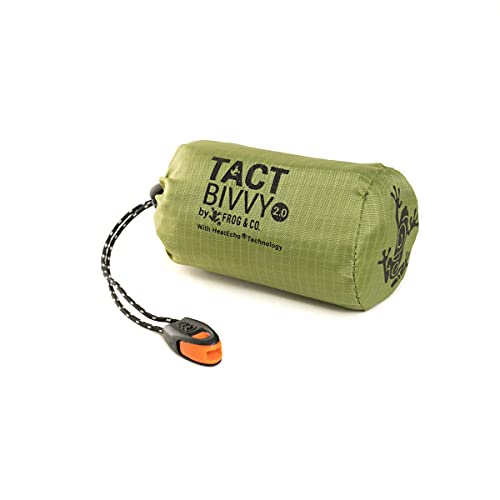
Tact Bivvy 2.0 HeatEcho Emergency Sleeping Bag Kit
- ✓ Very lightweight and compact
- ✓ Bright orange for visibility
- ✓ Reflective heat technology
- ✕ Not suitable for extended use
- ✕ Limited insulation alone
| Material | HeatEcho reflective polyester film |
| Weight | 4.8 ounces (136 grams) |
| Size | Fits individuals up to 7 feet tall |
| Waterproofness | Waterproof with reinforced taped seams |
| Heat Reflection | Reflects 90% of body heat |
| Additional Features | Includes para-tinder paracord drawstring, 120-decibel whistle, and carabiner |
Many folks think emergency bivvies are just flimsy, disposable blankets that barely keep you warm. After giving this Tact Bivvy 2.0 a real test, I can tell you that couldn’t be further from the truth.
This little bag feels surprisingly sturdy despite its ultra-lightweight design.
Right out of the package, you notice how compact and lightweight it is—just 4.8 ounces. It folds down into a tiny, oversized stuff sack, so it practically vanishes in your pack.
Using it as a sleeping bag liner, I was able to boost my body heat by around 20°, which is pretty impressive for such a thin material.
The bright orange color is a lifesaver in an emergency—rescuers will spot you easily. The HeatEcho reflective polyester really does bounce back 90% of your body heat, making it a game-changer in cold situations.
Plus, the material is waterproof, windproof, and tear-resistant, so you can count on it even in harsh weather.
What I really appreciated is the multi-purpose design. The drawstring is actually paracord, which you can use for gear or fire starting.
There’s also a whistle for emergencies and a carabiner for easy attachment. Honestly, it feels like a tiny survival kit all in one small package.
Sure, it’s not a substitute for a proper sleeping bag, but for emergencies or quick trips, it’s a smart addition. It’s simple, durable, and versatile—exactly what you want when your safety could depend on it.
What Is an Emergency Bivy and How Can It Be Used in Backpacking?
An emergency bivy, commonly referred to as a bivy sack, is a lightweight and compact shelter designed to provide temporary protection in harsh outdoor conditions. Specifically for backpacking, an emergency bivy serves as a crucial lifeline when unexpected situations arise, such as sudden weather changes or if a hiker finds themselves lost or injured.
Uses in Backpacking:
- Emergency Shelter: Provides a barrier against wind, rain, and cold temperatures, allowing a hiker to stay safe until help arrives or conditions improve.
- Insulation Layer: Many bivy sacks feature reflective materials that help retain body heat, essential for survival in chilly environments.
- Compact and Lightweight: Perfectly designed to fit in your pack without taking much space or adding significant weight, often weighing under a pound.
- Quick Deployment: Can be set up swiftly, making it ideal for situations where time is of the essence.
- Protection Against Insects and Debris: A bivy adds an extra layer of protection against insects and ground elements, enhancing comfort during emergency situations.
Choosing the right emergency bivy can ensure safety and peace of mind during backpacking trips, making it an indispensable piece of gear.
What Key Features Should You Consider When Choosing an Emergency Bivy?
When selecting the best emergency bivy for backpacking, several key features should be considered to ensure safety and functionality.
- Material: The choice of material affects durability and weather resistance.
- Weight: A lightweight design is crucial for backpacking, where every ounce counts.
- Packed Size: The bivy’s packed size should be compact enough to fit easily in your backpack.
- Waterproofing: Effective waterproofing is essential to keep you dry in adverse weather conditions.
- Ventilation: Adequate ventilation prevents condensation build-up inside the bivy.
- Size and Space: The dimensions should accommodate your body comfortably, providing enough room for movement.
- Insulation: Insulation properties can help retain body heat in cold conditions.
- Ease of Setup: A quick and simple setup process is vital during emergencies.
Material: Look for materials like nylon or polyester that offer a good balance of weight and durability. Some bivys also feature reflective coatings to enhance warmth retention, which can be crucial in emergency situations.
Weight: The best emergency bivies for backpacking are typically lightweight, often weighing around a pound or less. This makes them easier to carry without adding significant bulk to your pack.
Packed Size: A compact bivy that can easily fit into a backpack pocket or external pouch is ideal. Smaller packed sizes not only save space but also make it easier to access when needed quickly.
Waterproofing: Look for bivys that are fully waterproof or have a high waterproof rating. This feature is essential for keeping you dry and protected from rain or wet ground conditions during emergencies.
Ventilation: Features like mesh panels or vents are important to allow airflow while minimizing heat loss. Good ventilation helps reduce the risk of sweat buildup and condensation, ensuring a more comfortable experience.
Size and Space: Make sure the bivy offers enough room for you to lie down and move slightly without feeling cramped. A bivy that is too small can lead to discomfort and hinder your ability to rest effectively.
Insulation: Some emergency bivies come with built-in insulation layers, which can be a lifesaver in cold weather. Look for products that specify their thermal ratings or insulation technologies.
Ease of Setup: A bivy that can be deployed quickly, with minimal effort, is essential in emergency situations. Features such as simple drawcords or integrated poles can significantly speed up the setup process.
How Does Weight Affect Backpacking with an Emergency Bivy?
Material of the Bivy: Emergency bivys are made from various materials, each with weight and durability characteristics. Lightweight materials like nylon or polyethylene can reduce pack weight but may compromise on insulation or tear resistance. Therefore, evaluating the material is essential to ensure it provides adequate protection without being overly heavy.
Size and Packed Dimensions: While a lightweight bivy is desirable, its size when packed also matters. A compact bivy can fit easily in your pack, allowing for better weight distribution and access to other gear. Conversely, a larger bivy may take up valuable space, forcing you to adjust the way you carry other essentials.
Functionality vs. Weight: Many emergency bivys come with added features like reflective liners or built-in insulation, which can enhance performance but also increase weight. Striking a balance between having a bivy that is functional in emergencies and one that is lightweight is crucial for backpackers who need to stay agile and mobile on the trail.
Weather Conditions: The conditions you expect to encounter during your backpacking trip can dictate the importance of bivy weight. In harsh weather, a heavier, more robust bivy may be necessary, while in milder conditions, a lightweight bivy might suffice. Understanding the weather forecast and planning accordingly can help you select the best emergency bivy that meets your needs without adding unnecessary weight.
What Materials Provide Optimal Weather Protection for Emergency Bivies?
Several materials are essential for providing optimal weather protection in emergency bivies:
- Silnylon: This lightweight and durable nylon fabric is coated with silicone, making it highly water-resistant and ideal for emergency situations.
- Ripstop Nylon: Known for its grid-like reinforcement, ripstop nylon is tear-resistant and offers great durability while still being lightweight, making it a popular choice for backpackers.
- Mylar: Often used in space blankets, Mylar is an excellent insulator and reflects body heat effectively, providing warmth in cold conditions while being compact and lightweight.
- Gore-Tex: This breathable material is waterproof yet allows moisture vapor to escape, which helps in preventing condensation inside the bivy and keeping the user dry.
- PU Coated Fabrics: Polyurethane coatings add water resistance to the fabric, making it suitable for emergency bivies, although they may be heavier than other options.
Silnylon is favored for its combination of light weight and strong weather resistance. It can withstand rain and wind, making it suitable for temporary shelter in adverse conditions.
Ripstop Nylon features a unique weave that prevents rips from spreading, which is particularly valuable in rugged outdoor environments where the bivy may encounter sharp objects or rough terrain.
Mylar is not only lightweight but also serves a dual purpose by reflecting heat back to the body, ensuring that users stay warm even in chilly weather, making it a crucial material for emergency situations.
Gore-Tex is highly regarded for its ability to keep water out while allowing sweat to escape, which helps maintain comfort levels. This feature is especially beneficial during extended use in wet conditions.
PU Coated Fabrics provide an effective barrier against water, although they do add some weight compared to other materials. These coatings enhance the durability of the fabric while still offering reasonable packability for backpackers.
What Are the Top Emergency Bivies Recommended for Backpacking?
The best emergency bivy for backpacking options are designed to provide warmth and protection in unexpected situations.
- SOL Emergency Bivvy: This lightweight bivy is made from a durable, heat-reflective material that can effectively retain body heat in cold conditions.
- REI Co-op Emergency Bivvy: Featuring a compact design, this bivy offers reliable waterproof protection and is a great option for unexpected weather changes.
- Adventure Medical Kits Heatsheets Emergency Bivvy: This bivy is ultra-lightweight and compact, making it ideal for backpackers who prioritize minimalism while still ensuring warmth.
- MSR (Mountain Safety Research) Emergency Bivvy: Known for its durability, this bivy also features a unique reflective lining that enhances heat retention and can be used multiple times.
- Survive Outdoors Longer (SOL) Thermal Bivvy: Equipped with a thermal barrier, this bivy is designed to keep you warm in extreme conditions and packs down to a small size for easy transport.
The SOL Emergency Bivvy is constructed using a durable material that reflects up to 90% of body heat, ensuring that it provides warmth even in severe weather conditions. It is lightweight and can easily fit into any backpack, making it a favorite among outdoor enthusiasts.
The REI Co-op Emergency Bivvy is designed to be waterproof and windproof, providing excellent protection from the elements. Its compact size allows it to be stored in your pack without taking up much space, and it is a reliable option when facing sudden weather shifts.
The Adventure Medical Kits Heatsheets Emergency Bivvy is known for its ultra-lightweight and compact design, making it a top choice for backpackers who need to minimize weight. It retains heat effectively and can be a lifesaver in emergency situations while being easy to carry.
The MSR Emergency Bivvy boasts a durable construction with a reflective lining that maximizes heat retention. It is designed for repeated use, which adds to its value for backpackers who may need a reliable shelter in unexpected circumstances.
The Survive Outdoors Longer (SOL) Thermal Bivvy features a thermal barrier that is specifically engineered to provide warmth in extreme conditions. It packs down to a small size, making it convenient for backpackers who prioritize both safety and space in their gear.
How Do Various Emergency Bivies Differ in Performance and Usability?
Various emergency bivies differ in performance and usability based on their materials, weight, features, and intended use.
- Mylar Emergency Bivvy: These are lightweight and compact, making them a popular choice for backpackers.
- Waterproof Bivvy Sacks: Designed to provide protection against rain and moisture, these bivies are essential for adverse weather conditions.
- Insulated Bivvy Bags: Incorporating insulation materials, these bags offer thermal protection, keeping users warm in cold environments.
- Breathable Bivvy Covers: These bivies are made from breathable fabrics to reduce condensation inside, enhancing comfort during use.
- Multi-functional Bivies: Some emergency bivies come with additional features like built-in sleeping bags or detachable layers for versatility.
The Mylar Emergency Bivvy is typically constructed from a thin layer of reflective material, which helps retain body heat and is exceptionally light, making it easy to carry in a backpack. However, it offers minimal durability and can tear easily, so careful handling is necessary.
Waterproof Bivvy Sacks are made from durable, waterproof fabrics that keep you dry during unexpected rain or wet conditions. They are heavier than Mylar bivies but provide better protection and can be used in more varied climates.
Insulated Bivvy Bags feature additional insulation layers, often using synthetic or down materials, to trap heat effectively in colder environments. These bags are bulkier and heavier, but they are invaluable for maintaining warmth during emergency situations in low temperatures.
Breathable Bivvy Covers utilize advanced fabrics that allow moisture to escape while preventing water from entering, which significantly reduces the risk of condensation buildup. This feature is particularly useful in humid conditions where maintaining comfort is crucial.
Multi-functional Bivies are designed for versatility, often including features such as a built-in sleeping bag or compartments for gear storage. They provide more utility than standard bivies, making them an excellent choice for those looking for an all-in-one solution in their emergency gear.
What Are Common User Experiences and Feedback on Emergency Bivies?
User experiences with emergency bivies reveal a range of insights that can help potential buyers make informed decisions. Many users appreciate their lightweight and compact design, making them easy to carry in a backpack. For instance, the typical user reports comfort in knowing they have an extra layer of protection without significant bulk.
Feedback often highlights:
-
Weather Resistance: Users frequently mention how many bivies excel in providing insulation and protection from wind and moisture, an essential feature during unexpected storms or cold nights.
-
Versatility: Emergency bivies are noted for their multi-use capabilities. Some hikers use them not only for emergency shelter but also as ground sheets or additional insulation within a sleeping bag.
-
Durability Concerns: While many bivies are designed for one-time use, occasional users report dissatisfaction with models that tear easily or fail to perform after just one use. Selecting brands known for their robust materials can mitigate this issue.
-
Price vs. Performance: Positive feedback often comes from users who find that pricier options, though initially daunting, provide better protection and longevity, while cheaper models may leave them exposed in critical situations.
Overall, user feedback emphasizes the importance of selecting an emergency bivy that balances weight, durability, and cost to ensure preparedness on the trail.
How Should You Properly Use an Emergency Bivy in the Field?
Proper use of an emergency bivy in the field involves several key practices to ensure safety and effectiveness.
- Choose the Right Location: Selecting a suitable spot is crucial for effective use of an emergency bivy. Look for flat, dry ground away from potential hazards like falling rocks, and ensure you’re not in a low area where water might accumulate in case of rain.
- Prepare the Area: Before setting up your bivy, clear away any debris such as rocks, branches, or sharp objects. This helps create a comfortable sleeping surface and reduces the risk of puncturing the bivy material.
- Understand the Bivy Design: Familiarize yourself with how your emergency bivy is constructed, including its waterproof and breathable features. Knowing how to properly open and close the bivy can enhance insulation and protection against the elements.
- Layer for Warmth: Dress in appropriate layers before getting into the bivy to maintain body heat. Use thermal clothing and avoid cotton, as it retains moisture and can increase heat loss.
- Seal the Opening: Properly sealing the bivy’s opening is essential to keep out wind and moisture. Ensure that the closure mechanism is secure, which will also help trap warmth inside the bivy.
- Use a Sleeping Pad: If possible, use a sleeping pad inside the bivy to provide insulation from the cold ground. This additional layer can significantly enhance comfort and warmth during your rest period.
- Stay Hydrated and Nourished: Even in an emergency situation, prioritize hydration and nutrition. Keep water and high-energy snacks accessible to maintain your strength and morale while waiting for rescue or better conditions.
- Monitor Weather Conditions: Pay attention to changing weather patterns while in the bivy. If conditions worsen, such as increased wind or rain, be prepared to adapt your strategy, which might include moving to a more sheltered location if feasible.