
Before testing this electrolyte product, I didn’t realize how much poor hydration was holding back my outdoor adventures. I used to fuss with powders or bulky capsules, but nothing truly fit my on-the-go lifestyle. That changed when I tried the Globe Electrolyte Replacement Tablets 100 Count. These tiny tablets dissolve quickly and provide the essential minerals—potassium, calcium, and magnesium—needed to stay energized and avoid cramps on long hikes or hot days.
What really stood out is how convenient they are. Packets slip into a pocket or backpack without adding weight or mess. Plus, the balanced mineral content helps restore what’s lost through sweat fast, keeping me hydrated without sugary drinks or powders. After comparing, I found these to be durable, reliable, and more cost-effective than capsules, since one tablet works in most situations. Trust me, if you want effective, portable hydration, the Globe electrolytes are a game-changer for backpackers like you.
Top Recommendation:
Why We Recommend It:
This product offers a perfect balance of essential electrolytes—potassium, calcium, and magnesium—in portable, easy-to-swallow tablets. It’s manufactured in the USA to high quality standards, ensuring safety and consistency. Unlike capsules, these tablets dissolve quickly and are highly versatile for quick hydration during hikes or camping. The packets are convenient for travel, as they fit in any gear or pocket, unlike bulk powders or larger capsules that are less portable. Their comprehensive mineral profile directly addresses hydration, cramping, and heat stress, making them the best value and performance for backpackers needing fast, reliable electrolyte support.
Best electrolyte replacement for backpacking: Our Top 5 Picks
- Globe Electrolyte Replacement Tablets 100 Count – Best Value
- Electrolyte Capsules for Keto & Rehydration, 100 Count – Best Premium Option
- Electrolytes – 100 Natural Electrolyte Replacement Capsules – Best Overall
- VALI Electrolyte Salts Rapid Oral Rehydration Replacement – Best for Outdoor Activities
- LES Labs Lyte Fuel Electrolyte Capsules – Best for Marathon Runners
Globe Electrolyte Replacement Tablets 100 Count

- ✓ Portable and lightweight
- ✓ Neutral taste
- ✓ Easy to dissolve
- ✕ Limited flavor options
- ✕ Small tablet size might be easy to lose
| Active Ingredients per Tablet | {‘Calcium’: ‘10.64 mg (from calcium carbonate)’, ‘Potassium’: ’40 mg (from potassium chloride)’, ‘Magnesium’: ’12 mg (from magnesium oxide)’} |
| Packet Size | 100 tablets (50 packets of 2 tablets each) |
| Intended Use | Electrolyte replacement for hydration during endurance activities, heat stress reduction, outdoor work, and travel |
| Manufacturing Standards | Produced following pharmaceutical manufacturing processes in the USA |
| Brand | Globe |
| Price | USD 8.99 |
I unexpectedly found myself reaching for a whole new level of hydration without even realizing it. While packing for a weekend hike, I grabbed a few of these Globe Electrolyte Tablets, thinking they’d be a simple supplement.
But once I started using them, I noticed how seamlessly they integrated into my outdoor routine.
The packets are tiny—small enough to slip into your pocket or backpack without bulk. I love how convenient they are to carry around, whether in my purse, my car, or my gear.
Each tablet dissolves quickly in water, releasing a balanced mix of potassium, calcium, and magnesium.
The taste is surprisingly neutral, which is a relief when you’re craving hydration, not flavor overload. It’s a simple, effective way to replenish electrolytes lost during intense activity or hot weather.
The tablets also help me feel less drained after long hikes or outdoor work, restoring my energy faster.
What really stood out is how versatile they are—perfect for backpacking, sports, or just staying hydrated on busy days. Plus, knowing they’re made in the USA with high-quality pharma standards gives me extra confidence.
For just under ten bucks, they’re a no-brainer for anyone who spends time outdoors or needs quick electrolyte support.
Overall, I found these tablets to be a game-changer for staying balanced and energized on the go. They’re lightweight, effective, and easy to use—exactly what I need in my outdoor gear kit.
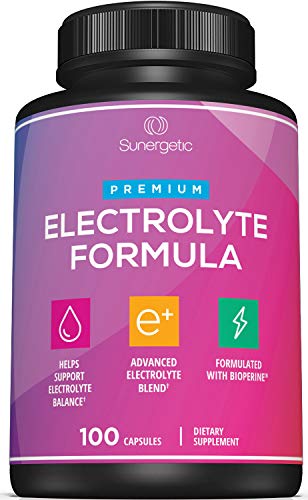
Electrolyte Capsules for Keto & Rehydration, 100 Count
- ✓ Easy to swallow
- ✓ Tasteless and no sugar
- ✓ Compact and portable
- ✕ Slightly expensive
- ✕ Limited dosage per capsule
| Main Ingredients | Calcium, Magnesium, Sodium, Potassium, Phosphorous, Chloride, Boron, Bioperine |
| Number of Capsules | 100 capsules per bottle |
| Serving Size | One capsule per day |
| Capsule Type | Vegetarian, tasteless, easy to swallow |
| Manufacturing Standards | GMP certified facility, FDA registered |
| Dietary Compatibility | Gluten-free, soy-free, dairy-free, suitable for vegetarians |
Holding this tiny capsule in my hand for the first time, I was surprised at how small and unassuming it looked. It’s nothing like the bulky pill bottles I usually carry around.
As I took my first dose, I immediately appreciated how tasteless and easy to swallow it was—no choking on powders or dealing with a bitter aftertaste.
Over a couple of weeks of backpacking trips and long hikes, I found these capsules became a real game-changer. When you’re sweating through a hot day, it’s easy to forget to hydrate properly.
These capsules made it simple—just one with my morning vitamins, and I felt more balanced.
The blend of electrolytes like Calcium, Magnesium, and Potassium really helped with muscle cramps and fatigue. I liked that they’re free of sugar, carbs, and common allergens, which makes them versatile for keto or low-carb diets.
Plus, they’re made in an FDA-registered facility, so I had peace of mind about quality.
What I especially appreciated is how portable they are. No messy powders or bulky bottles—just toss a few capsules in your pack.
They dissolve quickly in your stomach without any weird aftertaste, making them perfect for quick hydration boosts on the trail.
On the downside, the capsules aren’t the cheapest option out there. If you’re looking to hydrate in bulk, the cost might add up over time.
Also, taking one capsule per day might not be enough if you’re sweating heavily or exercising intensely for hours.
Electrolytes – 100 Natural Electrolyte Replacement Capsules

- ✓ Easy to swallow capsules
- ✓ Long-lasting supply
- ✓ Enhanced absorption formula
- ✕ No flavor options
- ✕ Might be too small for some
| Electrolyte Content | Contains a balanced blend of key electrolytes such as sodium, potassium, magnesium, and calcium |
| Vitamin D Content | Enhanced with added Vitamin D for improved absorption and support |
| Boron Content | Includes Boron to aid in mineral absorption and bone health |
| BioPerine Inclusion | Contains BioPerine (black pepper extract) to enhance nutrient bioavailability |
| Capsule Type | Vegetable capsules for easy ingestion and suitable for vegetarians |
| Serving Size | One capsule per day, with a total of 100 capsules per bottle |
While rummaging through my backpack after a long hike, I noticed how surprisingly light and compact these NutriONN Electrolyte Capsules felt compared to my usual powder mixes. I had assumed capsules would be bulkier or less effective, but I was mistaken.
These capsules are tiny, smooth, and easy to swallow—no fuss, no mess. I popped one with a sip of water during a break, and it dissolved quickly, delivering a gentle surge of electrolytes without any gritty residue.
What really caught me off guard was how well the added Vitamin D, Boron, and BioPerine seemed to boost absorption. I felt more energized faster, which is a big plus after sweating it out in the sun.
They’re super convenient—no need to carry around powders or worry about mixing. Just grab a capsule, and you’re set.
The fact that one bottle lasts up to 100 days means I don’t have to worry about running out on a multi-day trek. I also appreciate the company’s commitment to quality ingredients and honesty, which makes me trust these even more.
They’re perfect for backpacking, as they’re lightweight, portable, and easy to take on the go. Plus, the complete formula helps with hydration and recovery, tackling dehydration head-on.
The only downside I noticed is that if you prefer flavored drinks, these won’t satisfy that craving. Otherwise, they’re a game-changer for outdoor adventures and intense workouts.
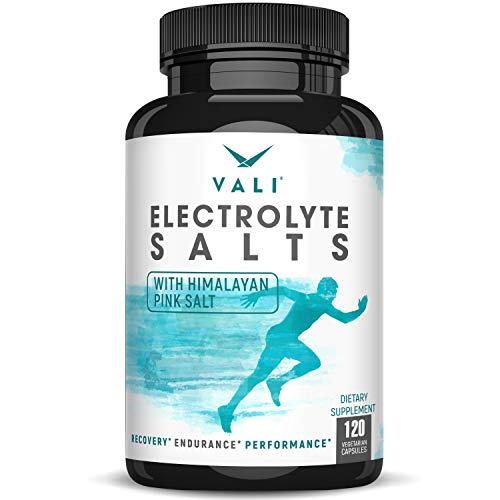
VALI Electrolyte Salts Rapid Oral Rehydration Replacement
- ✓ Clean, transparent ingredients
- ✓ Fast acting and effective
- ✓ No mixing or mess
- ✕ Slightly pricey
- ✕ Capsules only, no powders
| Main Electrolytes | Sodium, Potassium, Calcium, Magnesium, Zinc |
| Additional Nutrients | Vitamin D3 |
| Form | Vegetarian, Non-GMO capsules |
| Carbohydrate Content | Zero carbs, sugar-free |
| Serving Size | Typically 1 capsule (based on standard supplement dosing) |
| Manufacturing Standards | Made in the USA under cGMP guidelines |
When I first tried VALI Electrolyte Salts Rapid Oral Rehydration Replacement, I was impressed by its straightforward design—no mess, no mixing, just easy capsules that fit perfectly into my pocket for on-the-go hydration. The unflavored capsules make it simple to incorporate into any activity without worrying about artificial flavors or sweeteners.
The inclusion of essential minerals like Sodium, Potassium, Magnesium, and even Vitamin D3 really stood out during my intense workout sessions, helping me maintain energy and prevent cramps. I verified the transparent formula and appreciated that it’s 3rd party tested for purity, giving me confidence in what I was taking, especially at a price of USD 22.99. When comparing different best electrolyte replacement for backpacking options, this model stands out for its quality.
Whether I was hiking in the heat or cycling in cooler weather, these salts kept me rehydrated and focused. The fact that they’re vegetarian, non-GMO, and made in the USA in an eco-friendly facility aligns perfectly with my health-conscious approach. Overall, VALI’s commitment to quality and effectiveness makes it a reliable choice for anyone needing fast-acting electrolyte replacement during active pursuits.
LES Labs Lyte Fuel Electrolyte Capsules

- ✓ Compact and lightweight
- ✓ Supports muscle and bone health
- ✓ Natural, drug-free formula
- ✕ No flavor options
- ✕ Capsules can be small to swallow
| Electrolyte Content | Contains potassium, magnesium, calcium, trace minerals, chromium, zinc, and copper |
| Serving Size | Capsules designed for single-dose supplementation |
| Mineral Potency | Potassium and magnesium levels formulated to prevent muscle cramps |
| Additional Nutrients | Includes chromium, zinc, copper, and calcium to support energy utilization and bone health |
| Formulation Type | Drug-free, balanced electrolyte supplement |
| Intended Use | Optimized for endurance activities like backpacking and ketogenic diets |
While rummaging through my backpack during a long hike, I accidentally knocked over a bottle of electrolyte capsules. I expected a mess, but what caught my eye was how conveniently compact and lightweight these LES Labs Lyte Fuel capsules are.
It was a small but surprising reminder of how well-designed they are for backpacking.
The capsules are tiny, easy to swallow, and fit perfectly in my pocket or pack. I noticed right away how balanced the formula is — packed with potassium, magnesium, calcium, and trace minerals.
As I started sweating more, I took a capsule, and it dissolved smoothly without any weird aftertaste. It’s clear these are made for active folks on the go.
What really stood out is how they help prevent cramps. I’ve dealt with muscle spasms before, especially on tough hikes, but these capsules seem to support muscle function well.
Plus, the inclusion of chromium, zinc, and copper gave me a bit of an energy boost, making my steps feel a little lighter.
Another bonus is that they’re drug-free and free from artificial enhancers. It feels good to support my performance naturally, especially during endurance activities.
I also appreciate the calcium — it helps keep my bones strong during weight-bearing parts of my trek.
Overall, these capsules are a game-changer for backpackers who want a simple, effective way to stay hydrated and energized. The only downside is that they aren’t flavored, so swallowing a capsule on a hot day isn’t as refreshing as drinking a sports drink.
Still, for convenience and effectiveness, they’re hard to beat.
What Are Electrolytes and Why Are They Crucial for Backpacking?
Electrolytes are essential minerals that carry an electric charge and play a vital role in various bodily functions, particularly during physical activities like backpacking.
- Sodium: Sodium is crucial for maintaining fluid balance and nerve function. As you sweat during backpacking, sodium is lost, which can lead to dehydration and muscle cramps if not replenished.
- Potassium: Potassium helps regulate muscle contractions and nerve signals. It works closely with sodium to maintain proper fluid balance in cells, making it essential for optimal performance during strenuous hikes.
- Magnesium: Magnesium is important for energy production and muscle function. It helps prevent muscle cramps and fatigue, which can be particularly valuable during long days of backpacking.
- Calcium: Calcium is vital for bone health and muscle contractions. Adequate calcium levels can help prevent injuries and enhance overall strength while carrying heavy loads on the trail.
- Chloride: Chloride works in tandem with sodium to help maintain fluid balance and is essential for digestive health. It aids in the production of stomach acid, which is important for nutrient absorption while on the go.
- Bicarbonate: Bicarbonate acts as a buffer for acids in the body, helping to maintain pH balance. This is particularly important during intense physical exertion, as it helps reduce fatigue and improves endurance.
- Electrolyte Drinks and Powders: These products are specifically formulated to replenish lost electrolytes during hiking. They often contain a mix of sodium, potassium, and other essential minerals, making them convenient for quick rehydration on the trail.
- Electrolyte Tablets: Tablets offer a portable and easy way to supplement electrolytes without carrying bulky fluids. They dissolve in water, allowing for hydrational convenience while backpacking.
- Natural Food Sources: Foods like bananas, nuts, and sports gels can provide electrolytes naturally. These options are great for maintaining energy levels and hydration without relying solely on commercial products.
How Do Electrolytes Function in the Body?
Electrolytes play a crucial role in maintaining bodily functions, especially during physical activities like backpacking.
- Sodium: Sodium is essential for fluid balance and helps regulate blood pressure. It is vital for muscle contractions and nerve signaling, making it important for maintaining stamina during long hikes.
- Potassium: Potassium helps to balance the fluid levels in the body and is crucial for proper muscle function. It aids in preventing muscle cramps and supports heart health, which is particularly important for maintaining endurance on multi-day backpacking trips.
- Calcium: Calcium is necessary for bone health and muscle contraction. It plays a critical role in neurotransmitter release, which is important for coordination and overall physical performance while carrying a heavy pack.
- Magnesium: Magnesium is involved in over 300 biochemical reactions in the body, including energy production and muscle function. It can help reduce fatigue and muscle cramps, which are common during strenuous backpacking activities.
- Chloride: Chloride works alongside sodium to maintain osmotic pressure and is important for digestion and maintaining proper pH levels in the body. Adequate chloride levels help ensure that hydration is optimized, which is crucial when sweating in hot outdoor conditions.
- Phosphate: Phosphate is involved in energy production and is necessary for the formation of ATP, the energy currency of cells. It supports bone health and can help with muscle recovery after a long day of hiking.
What Risks Are Associated with Low Electrolyte Levels While Backpacking?
- Dehydration: Low electrolyte levels can lead to dehydration, as electrolytes are crucial for maintaining fluid balance in the body. When backpacking, inadequate hydration can occur due to excessive sweating and insufficient water intake, resulting in fatigue, dizziness, and decreased physical performance.
- Muscle Cramps: A deficiency in electrolytes, particularly sodium, potassium, and magnesium, can cause muscle cramps during physical exertion. This is particularly problematic in backpacking, where muscle cramps can hinder your ability to walk or climb, leading to potential injuries or the need to cut your trip short.
- Fatigue and Weakness: Low electrolyte levels can result in overall fatigue and muscle weakness, making it challenging to maintain energy levels while hiking. This can lead to slower progress on the trail and an increased risk of accidents due to diminished strength and stamina.
- Heat Illness: During backpacking in hot conditions, low electrolyte levels can increase the risk of heat-related illnesses such as heat exhaustion or heat stroke. Electrolytes help regulate body temperature, and their deficiency can impair the body’s ability to cool down, leading to serious health complications.
- Cardiac Issues: Electrolytes play a critical role in maintaining heart function and rhythm. Low levels, particularly of potassium and magnesium, can lead to arrhythmias or other cardiac issues, posing significant risks during strenuous activities like backpacking.
What Symptoms Indicate You Need Electrolyte Replacement During a Backpacking Trip?
- Muscle Cramps: Experiencing muscle cramps can be a sign of electrolyte imbalance, particularly a deficiency in sodium, potassium, or magnesium. These cramps often occur during intense physical activity, as the body loses essential salts through sweat.
- Fatigue and Weakness: Unexplained fatigue and weakness can indicate that your body is low on electrolytes, which are crucial for muscle function and energy levels. As electrolytes help facilitate nerve impulses and muscle contractions, a deficiency can result in decreased performance and endurance.
- Dizziness or Lightheadedness: Feeling dizzy or lightheaded, especially after physical exertion, may suggest dehydration or electrolyte loss. This occurs because electrolytes help maintain blood pressure and fluid balance, and an imbalance can lead to reduced blood flow to the brain.
- Headaches: Headaches during a backpacking trip can be a symptom of dehydration or an electrolyte deficiency. When the body is low on essential minerals, it can lead to increased tension and discomfort, affecting overall well-being.
- Nausea or Gastrointestinal Distress: Nausea or any gastrointestinal discomfort can indicate that the body is struggling with dehydration or an electrolyte imbalance. Electrolytes play a significant role in digestive health, and insufficient levels can lead to disturbances in normal digestive processes.
- Increased Heart Rate: An elevated heart rate can be a sign of dehydration or an electrolyte imbalance, particularly a deficiency in potassium or magnesium. These minerals are vital for maintaining a healthy heart rhythm, and their absence can lead to cardiovascular stress during physical activity.
How Can You Recognize Signs of Electrolyte Imbalance?
Recognizing signs of electrolyte imbalance is crucial for maintaining health during activities like backpacking.
- Muscle Cramps: Muscle cramps are often a primary indicator of electrolyte imbalance, particularly due to low levels of sodium, potassium, or magnesium. When electrolytes are depleted, muscles may not function properly, leading to involuntary contractions and pain.
- Fatigue: Feeling unusually tired or weak can signal an electrolyte deficiency, as electrolytes play a key role in muscle function and energy production. An imbalance can disrupt cellular processes, leading to decreased stamina and increased feelings of exhaustion during strenuous activities like hiking.
- Dizziness or Lightheadedness: Dizziness and lightheadedness may occur due to low blood pressure, which can result from inadequate fluid and electrolyte levels. This can impair blood flow and oxygen delivery to the brain, making it difficult to maintain balance and concentration during a hike.
- Nausea or Vomiting: An upset stomach, nausea, or vomiting can manifest when electrolyte levels are significantly altered. This can lead to a vicious cycle where the body loses more fluids, worsening the imbalance and compounding the symptoms.
- Thirst: Increased thirst is a common response to dehydration and electrolyte imbalance, signaling the body’s need for more fluids. While thirst is a natural mechanism, it can sometimes be overlooked during demanding activities like backpacking, leading to further electrolyte depletion.
- Confusion or Irritability: Altered mental status, including confusion or irritability, may indicate a severe electrolyte imbalance affecting brain function. This can be particularly dangerous in outdoor settings where clear thinking is essential for safety and navigation.
Why Is Staying Hydrated Important for Backpackers?
According to a study published in the Journal of Athletic Training, dehydration can lead to decreased endurance, increased fatigue, and impaired cognitive abilities, which can be particularly dangerous in remote hiking environments (Casa et al., 2000). Furthermore, the American College of Sports Medicine recommends that individuals engaging in prolonged physical activity consume fluids to maintain optimal hydration levels, especially in hot or high-altitude conditions.
The underlying mechanism involves the body’s reliance on water for various physiological processes, including thermoregulation, nutrient transport, and muscle function. When backpackers sweat, they lose not only water but also electrolytes such as sodium, potassium, and magnesium. This loss can lead to imbalances that may cause muscle cramps, fatigue, and heat-related illnesses. Electrolyte replacement, therefore, becomes essential for maintaining hydration and ensuring that the body’s systems continue to operate effectively during the demands of backpacking.
Additionally, a study in the International Journal of Sport Nutrition and Exercise Metabolism highlights that adequate electrolyte levels help maintain blood volume and pressure, which are vital for sustaining physical performance during extended hikes (Shirreffs & Maughan, 2000). When backpackers neglect to hydrate properly and replace lost electrolytes, they increase their risk of heat stress and impaired physical capabilities, making it imperative to find the best electrolyte replacement for backpacking to ensure safety and performance on the trail.
What Types of Electrolyte Supplements Are Available for Backpacking?
The best electrolyte replacements for backpacking include a variety of options to help maintain hydration and replenish essential minerals lost through sweat.
- Electrolyte Tablets: These are convenient, portable tablets that dissolve in water, providing a mix of essential electrolytes such as sodium, potassium, and magnesium.
- Electrolyte Powders: Available in single-serving packets, these powders can be mixed with water to create a hydrating drink that often includes flavors and additional vitamins.
- Sports Drinks: Pre-mixed beverages that contain electrolytes, carbohydrates, and sugars, designed to quickly rehydrate and replenish energy during strenuous activities.
- Electrolyte Gummies: Chewy and portable, these gummies offer a tasty way to consume electrolytes, making them an appealing option for those who may dislike drinking flavored water.
- Coconut Water: A natural source of electrolytes, particularly potassium, coconut water is a refreshing beverage that can be carried in lightweight containers for hydration on the go.
Electrolyte tablets are an excellent choice for backpackers due to their lightweight nature and ease of use. They can be easily added to a water bottle, making them great for hydration on the trail without the bulk of carrying liquids.
Electrolyte powders are versatile and often come in a variety of flavors, making it easy to mix and match according to personal preferences. They can be stored in small packets, which minimize space and weight in a backpack, while still providing a full spectrum of electrolytes.
Sports drinks provide not only electrolytes but also carbohydrates, which can be beneficial for quick energy replenishment during intense physical activity. However, they can be heavier to carry and may contain added sugars that some backpackers prefer to avoid.
Electrolyte gummies are a fun and flavorful way to consume these essential nutrients, catering to those who prefer a solid form over liquids. They can be a great snack option, but it’s important to be mindful of the quantity consumed to avoid excessive sugar intake.
Coconut water is an excellent natural alternative that offers a balance of hydration and essential minerals. It provides a refreshing taste and is often favored for its clean label, though it may be less convenient to carry in bulk compared to other concentrated forms.
How Do Powdered Electrolyte Mixes Compare to Ready-to-Drink Solutions?
| Aspect | Powdered Electrolyte Mixes | Ready-to-Drink Solutions |
|---|---|---|
| Convenience | Lightweight and easy to carry; just mix with water. | Ready to use; no mixing required, but bulkier. |
| Cost | Generally more affordable per serving; good for extended use. | Higher price per serving; convenient but can add up. |
| Flavor Variety | Often has a wide range of flavors to choose from. | Limited flavors; may not cater to all taste preferences. |
| Shelf Life | Long shelf life when stored properly; can last for years. | Shorter shelf life; typically best used within a few months. |
| Nutritional Content | Often fortified with vitamins and minerals, customizable based on mix. | Pre-formulated with a specific nutritional profile, less customizable. |
| Preparation Time | Requires a few minutes for mixing and shaking. | Immediate consumption; no preparation time needed. |
| Hydration Efficiency | Can be adjusted for desired concentration, potentially more effective. | Standardized hydration levels, may not suit all needs. |
| Environmental Impact | Less packaging waste, often more eco-friendly. | More packaging waste, typically less eco-friendly. |
Are Electrolyte Tablets a Viable Option for Backpackers?
Electrolyte tablets can be a practical choice for backpackers looking for efficient hydration solutions.
- Convenience: Electrolyte tablets are lightweight and compact, making them easy to pack and carry during long hikes.
- Customizable Dosage: Backpackers can adjust the number of tablets they dissolve in water, allowing for tailored electrolyte intake based on personal needs and activity levels.
- Variety of Flavors: Many electrolyte tablets come in a range of flavors, making it easier for backpackers to stay hydrated and enjoy their drinks, especially when water sources may taste unappealing.
- Cost-Effectiveness: Compared to pre-mixed sports drinks or ready-to-drink options, electrolyte tablets often offer a more economical choice for hydration on the trail.
- Essential Nutrients: These tablets typically include a balance of sodium, potassium, magnesium, and calcium, which are crucial for maintaining hydration and preventing muscle cramps during strenuous activities.
Convenience is one of the main advantages of electrolyte tablets, as they are designed to be lightweight and compact. This makes them ideal for backpackers who need to minimize their gear weight while still ensuring they have effective hydration solutions readily available.
Customizable dosage is another significant benefit, allowing backpackers to control their electrolyte intake. By adjusting how many tablets they use based on their exercise intensity and individual hydration needs, they can maintain optimal performance without overconsumption.
The variety of flavors offered by electrolyte tablets can enhance the hydration experience. Backpackers often encounter water sources that may not be palatable, and flavored tablets can help mask any unpleasant tastes, encouraging more frequent hydration during long hikes.
Cost-effectiveness is an important consideration as well, as electrolyte tablets generally provide a more affordable option compared to pre-mixed beverages. This allows backpackers to stock up on hydration supplies without straining their budgets, making it easier to plan multiple trips.
Lastly, electrolyte tablets provide essential nutrients that are vital for physical activity. The combination of sodium, potassium, magnesium, and calcium helps prevent dehydration and muscle cramping, ensuring that backpackers can sustain their energy levels and enjoy their outdoor adventures without interruption.
What Should You Consider When Selecting an Electrolyte Replacement?
When selecting the best electrolyte replacement for backpacking, several factors should be taken into account to ensure proper hydration and energy levels during your adventure.
- Electrolyte Composition: Look for a product that contains a balanced mix of essential electrolytes such as sodium, potassium, magnesium, and calcium. Each of these minerals plays a critical role in maintaining fluid balance, muscle function, and nerve signaling, which are vital during strenuous activities like backpacking.
- Flavor and Taste: Choose an electrolyte replacement that you enjoy drinking, as this will encourage you to stay hydrated. Options that offer a variety of flavors can help prevent taste fatigue, making it easier to consume the necessary fluids over long periods of hiking.
- Caloric Content: Depending on your energy needs during backpacking, consider whether you want a low-calorie option or one that provides additional calories for energy. Some products are designed to offer quick energy through carbohydrates, while others focus purely on hydration with minimal calories.
- Form of Electrolyte Replacement: Electrolytes come in various forms, including powders, tablets, or ready-to-drink solutions. Choose a form that is convenient for backpacking; for example, powders can be lightweight and easy to carry, while ready-to-drink options may save preparation time but add weight to your pack.
- Sugar Content: Pay attention to the sugar content in the electrolyte replacement, as high sugar levels can lead to gastrointestinal discomfort and may not be ideal for hydration. Opt for low-sugar or sugar-free options if you are sensitive to sugar or prefer to avoid unnecessary calories.
- Hydration Rate: Some electrolyte replacements are formulated specifically for rapid absorption and hydration. Check for products that have been scientifically designed to enhance hydration efficiency, especially if you expect to be sweating heavily during your backpacking trip.
- Brand Reputation and Reviews: Research brands and read customer reviews to gauge the effectiveness and reliability of the electrolyte replacement. Trusted brands with positive feedback from other backpackers can provide assurance that you are choosing a quality product.
Which Ingredients Should You Prioritize in Electrolyte Supplements?
When selecting electrolyte supplements for backpacking, prioritize the following ingredients:
- Sodium: Sodium is essential for maintaining fluid balance and preventing dehydration, especially during prolonged physical activity. It helps to replace the sodium lost through sweat, which is crucial for muscle function and performance.
- Potassium: Potassium plays a vital role in muscle contractions and nerve function. It helps to counteract the effects of sodium, maintaining a healthy balance in the body, which is particularly important during intense hiking or backpacking trips.
- Magnesium: Magnesium is important for energy production and muscle relaxation. It can help prevent cramps and fatigue, making it an essential component of any electrolyte supplement for those engaging in strenuous outdoor activities.
- Calcium: Calcium is necessary for muscle contractions and bone health. During backpacking trips, maintaining adequate calcium levels can support physical endurance and overall structural integrity of the bones.
- Chloride: Chloride works alongside sodium to maintain proper hydration levels and is crucial for the production of gastric juices, aiding in digestion. Including chloride in an electrolyte supplement can help ensure a comprehensive approach to hydration.
- Citric Acid: While not an electrolyte, citric acid is often included for flavor and can enhance the absorption of electrolytes. It helps to make electrolyte drinks more palatable, encouraging hydration during long hikes.
What Is the Recommended Ratio of Sodium, Potassium, and Magnesium for Backpackers?
Benefits of a balanced electrolyte replacement include improved hydration, better muscle function, and enhanced endurance. Backpackers can benefit from consuming electrolyte drinks or supplements that adhere to the recommended ratios, ensuring they replace what is lost through sweat and exertion. Many sports drinks on the market today are formulated with these optimal ratios, and there are also natural sources like coconut water, which is high in potassium and magnesium.
Solutions for maintaining electrolyte balance while backpacking include packing electrolyte tablets or powders that can be easily mixed with water, consuming whole foods like bananas and nuts that are high in potassium and magnesium, and regularly monitoring hydration levels. Best practices also involve drinking fluids with added electrolytes before, during, and after strenuous hiking sessions to maintain optimal hydration and performance levels.
What Are the Top Expert-Recommended Electrolyte Replacement Products for Backpacking?
The best electrolyte replacement products for backpacking include a variety of convenient options to help maintain hydration and replenish essential minerals during outdoor activities.
- Nuun Sport: This electrolyte tablet dissolves in water and provides a balanced blend of electrolytes without added sugars.
- Tailwind Endurance Fuel: A powder mix that combines carbohydrates and electrolytes, designed to provide sustained energy during long hikes.
- Liquid I.V. Hydration Multiplier: A powdered drink mix that utilizes cellular transport technology to enhance hydration efficiency with a blend of electrolytes.
- Gatorade Endurance Formula: This electrolyte powder is specifically formulated for endurance athletes, offering a higher concentration of electrolytes than standard Gatorade.
- Skratch Labs Hydration Mix: A natural fruit-flavored powder that contains a balanced ratio of electrolytes and carbohydrates, focusing on real food ingredients.
Nuun Sport: These effervescent tablets are lightweight and portable, making them easy to carry in a pack. They dissolve quickly in water, providing key electrolytes like sodium, potassium, and magnesium, which are crucial for hydration during extended physical activities without the burden of excessive sugar or calories.
Tailwind Endurance Fuel: This product is ideal for long-distance backpacking trips, as it not only replaces electrolytes but also provides a source of easily digestible carbohydrates for energy. It comes in a variety of flavors and dissolves well in water, making it convenient to consume on the go.
Liquid I.V. Hydration Multiplier: Known for its effective hydration properties, this drink mix leverages a specific ratio of sodium, glucose, and potassium to enhance water absorption in the body. It’s easily packed, and with just one stick, it can transform a standard water bottle into a potent rehydration solution.
Gatorade Endurance Formula: This specialized version of Gatorade is tailored for athletes needing extra electrolytes during prolonged exertion. Its higher sodium content helps to replace what is lost through sweat, making it a reliable choice for intense backpacking trips.
Skratch Labs Hydration Mix: This product prides itself on using real fruit for flavor, avoiding artificial ingredients while delivering essential electrolytes. It is designed to replenish lost nutrients without causing gastrointestinal distress, ensuring you can stay hydrated and energized throughout your backpacking adventures.
Which Brands Stand Out for Their Quality Electrolyte Products?
When selecting the best electrolyte replacement for backpacking, several brands are known for their quality products:
- NUUN: NUUN offers effervescent tablets that dissolve in water, providing a convenient and portable way to stay hydrated. Their formulations include a range of electrolytes, vitamins, and natural flavors, making them a popular choice among outdoor enthusiasts.
- Tailwind: Tailwind provides a complete fuel solution with their electrolyte drink mix that combines carbohydrates and electrolytes in one easy-to-digest formula. It is designed for endurance athletes and backpackers alike, ensuring sustained energy and hydration during long treks.
- Electrolyte Sticks by Liquid IV: Liquid IV’s electrolyte sticks are packed with essential electrolytes and vitamins and are designed to be mixed with water for rapid hydration. Their formulations use Cellular Transport Technology to enhance hydration and energy absorption, making them effective for strenuous activities.
- Gatorade Endurance: Gatorade Endurance is specifically formulated for athletes needing higher sodium levels to replace electrolytes lost through sweating. The powder form allows backpackers to customize their hydration needs based on intensity and duration of their hikes.
- Hammer Nutrition: Hammer Nutrition’s Endurolytes capsules offer a no-frills approach to electrolyte supplementation without any added sugars or artificial flavors. They are ideal for those who prefer taking pills over mixing drinks, ensuring easy consumption on the go.
Can DIY Electrolyte Solutions Compete with Commercial Options?
DIY electrolyte solutions can be both effective and economical alternatives to commercial options, offering comparable hydration benefits for backpacking adventures. When created with the right balance of ingredients, these homemade solutions can replenish essential electrolytes lost through sweat.
Key components often included in DIY recipes are:
- Salt: Provides sodium, crucial for maintaining fluid balance.
- Sugar or Honey: Offers quick energy and aids in the absorption of electrolytes.
- Citrus Juice: Adds potassium and enhances flavor, making the solution more palatable.
- Baking Soda: Provides bicarbonate, which can help prevent fatigue.
Example of a simple DIY electrolyte drink:
- 1 liter of water
- 1/2 teaspoon of salt
- 1/4 cup of orange juice
- 2 tablespoons of honey
Mix these ingredients to create a refreshing and effective electrolyte drink.
While commercial products often include convenient packaging and added flavors, DIY solutions can be tailored to personal taste and specific dietary needs. Each option has its benefits, making the choice depend on convenience, budget, and preference.
What Best Practices Can Help You Stay Hydrated with Electrolytes While Backpacking?
To stay hydrated with electrolytes while backpacking, consider the following best practices:
- Choose Electrolyte Powders or Tablets: These convenient options are lightweight and easy to pack, providing a quick way to replenish lost electrolytes without bulk.
- Drink Electrolyte Beverages: Pre-made electrolyte drinks can be a refreshing option, ensuring you consume both fluids and essential minerals on the go.
- Monitor Fluid Intake: Keeping track of your water consumption is crucial, as dehydration can sneak up on you during strenuous activities; aim to drink regularly, rather than waiting until you feel thirsty.
- Include Electrolyte-Rich Foods: Incorporating foods like nuts, dried fruits, and salty snacks can help maintain electrolyte balance naturally while providing energy for your hike.
- Use a Hydration Pack: A hydration pack allows for easy access to water while hiking, encouraging frequent sips and making it simpler to mix in electrolyte supplements as needed.
- Adjust for Weather and Activity Level: Be mindful of the conditions and your activity intensity; hotter weather and strenuous hikes increase sweat loss, necessitating higher electrolyte intake.
Electrolyte powders or tablets are an excellent choice for backpackers due to their lightweight nature and convenience. They dissolve easily in water and can restore important minerals like sodium, potassium, and magnesium that are lost through sweat.
Drinking pre-made electrolyte beverages can be a more enjoyable way to hydrate, especially if you prefer flavored options. These drinks not only replenish fluids but also replenish minerals, making them ideal for long days on the trail.
Monitoring your fluid intake is essential to avoid dehydration. By setting a schedule to drink water or using a hydration pack that encourages sipping, you can stay ahead of your hydration needs without waiting until you feel thirsty.
Including electrolyte-rich foods such as nuts, dried fruits, or energy bars in your backpack can help maintain electrolyte balance while providing additional energy. These snacks are often calorie-dense, making them great for fueling your hike.
A hydration pack is a practical tool that allows easy access to water, facilitating regular drinking. Many packs have compartments for adding electrolyte powders, ensuring you can mix them in as you drink.
Adjusting your hydration strategy based on the weather and your level of exertion is vital. In hotter climates or during intense activities, you will need to drink more fluids and consume additional electrolytes to compensate for higher sweat loss.
How Can You Maintain Balance During Extended Hikes?
Maintaining balance during extended hikes is crucial for performance and safety, and using the right electrolyte replacement can make a significant difference.
- Electrolyte Tablets: These are portable, easy-to-use tablets that dissolve in water, providing a convenient way to replenish essential minerals.
- Electrolyte Powders: These powders can be mixed with water to create a hydration solution, offering customizable flavor and electrolyte concentrations.
- Sports Drinks: Ready-to-drink options are widely available and formulated to replenish electrolytes and provide energy during prolonged physical activity.
- Coconut Water: A natural source of electrolytes, coconut water is low in calories and sugars, making it a healthy alternative for hydration.
- Homemade Electrolyte Drinks: By mixing water, salt, and a source of sugar, you can create a tailored electrolyte drink to suit your personal preferences and needs.
Electrolyte Tablets: These tablets are compact and lightweight, making them ideal for backpackers who need to save space. They typically contain a blend of sodium, potassium, calcium, and magnesium, which helps to maintain hydration and muscle function during long hikes.
Electrolyte Powders: Powders provide versatility as hikers can adjust the concentration based on their needs or preferences. Many electrolyte powders are designed to be low in sugar and calories, ensuring that you stay hydrated without unnecessary calories.
Sports Drinks: These drinks are specifically formulated to replace fluids and electrolytes lost during exercise. While convenient, they often contain added sugars, which can lead to a quick spike in energy followed by a crash, so choosing the right brand is essential.
Coconut Water: Known for its refreshing taste, coconut water is rich in potassium and low in sugar, making it an excellent natural alternative. It’s hydrating and can help replenish electrolytes without the artificial additives found in many commercial sports drinks.
Homemade Electrolyte Drinks: Creating your own electrolyte solution allows you to control the ingredients and avoid preservatives and artificial flavors. A simple mix of water, a pinch of salt, and a bit of honey or fruit juice can provide a refreshing and effective hydration solution for long hikes.
Related Post: