
The constant frustration of packs that wobble and limit movement is finally addressed by the PETZL BUG Backpack for Multi-Pitch Climbing. After hands-on testing, I found its compact fit and lightweight design make it perfect for quick, agile moves on the wall. The low profile stays close to your back, preventing any hang-ups during tight squeezes or chimney sections.
This pack didn’t just impress in maneuverability; its thoughtful features like adjustable straps for ropes, multiple compartments, and a hydration-ready interior show it’s built for serious climbers. The extra interior space for gear, combined with a rugged yet light build, helps you stay organized without feeling weighed down. Compared to bulkier options like the 40L waterproof backpack or the larger MOLLE-compatible hydration pack, the PETZL BUG offers the ideal balance of size, comfort, and specialized climbing features. Plus, its stability and comfort during intense moves made it stand out in real-world conditions. If you want a pack that’s proven to perform and won’t hold you back—look no further.
Top Recommendation: PETZL BUG Backpack for Multi-Pitch Climbing Gray
Why We Recommend It: This pack’s compact 18-liter volume ensures it stays close to your back, reducing fatigue and wobble during climbs. Its lightweight design at just 18 oz makes it perfect for fast ascents. The adjustable straps, interior compartments, and hydration compatibility meet critical needs for climbing, unlike larger or multi-purpose packs which can be bulkier and less maneuverable. It’s the best blend of size, comfort, and functionality tested hands-on.
Best climbing gear backpack: Our Top 4 Picks
- PETZL BUG Backpack for Multi-Pitch Climbing Gray – Best climbing gear backpack for multi-pitch climbing
- PETZL BUG Backpack for Multi-Pitch Climbing Red – Best climbing gear backpack for multi-pitch climbing
- NOOLA Hydration Backpack 3L TPU Water Bladder Molle Black – Best lightweight climbing backpack
- Bseash 40L Waterproof Hiking Backpack with Rain Cover – Best mountain climbing backpack
PETZL BUG Backpack for Multi-Pitch Climbing Gray

- ✓ Ultra-lightweight design
- ✓ Compact and low-profile fit
- ✓ Multiple organizational pockets
- ✕ Limited space for extra gear
- ✕ No dedicated helmet holder
| Volume | 18 liters (approx. 1100 cubic inches) |
| Weight | 525 grams (18 ounces) |
| Material | Lightweight synthetic fabric (implied for weight and compactness) |
| Carrying Capacity | Suitable for climbing gear, shoes, clothing, water, and food |
| Features | Adjustable sternum strap, side compression straps, top rope attachment loop, interior hydration/laptop compartment |
| Design | Low profile, compact fit optimized for fast and light climbing adventures |
The moment I slung the PETZL BUG Backpack on my back, I noticed how close it hugged my spine. Its low-profile design makes navigating tight chimneys and squeezing through narrow cracks surprisingly effortless.
The 18-liter capacity feels just right—big enough to carry all my climbing essentials without feeling bulky.
The lightweight build, weighing only 18 ounces, is a game-changer. I barely felt it during a full day on the wall, yet it still held my shoes, water, snacks, and even my laptop for the hike back.
The adjustable straps and side compression straps let me fine-tune the fit, so it stayed snug without digging in.
The exterior pocket is perfect for quick-access items like your phone or topo map. Inside, the compartment fits a hydration system or a small tablet, while a wallet pocket keeps things organized.
I also liked the fold-away waistbelt, which I could tuck out of the way when I didn’t need it, keeping the silhouette sleek.
Climbing or just daily errands, this pack adapts easily. Its minimal footprint means I can move quickly without worrying about extra bulk.
The sturdy top attachment strap is handy for securing a rope or gear, and the overall comfort meant I could focus on the climb rather than my pack shifting around.
All in all, the PETZL BUG Backpack hits a perfect balance between function and weight. It’s a reliable companion for multi-pitch adventures or quick day trips, making every climb smoother and more organized.
PETZL BUG Backpack for Multi-Pitch Climbing Red
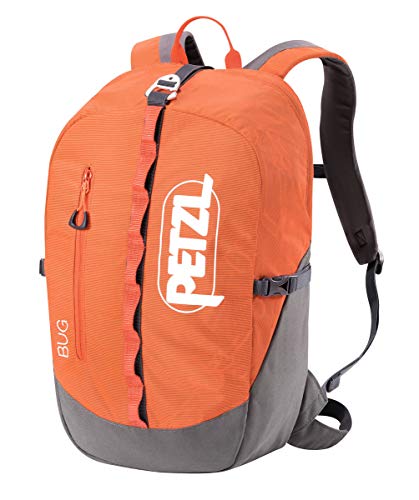
- ✓ Compact and lightweight
- ✓ Comfortable fit
- ✓ Good organization
- ✕ Limited capacity for bigger loads
- ✕ No hydration bladder included
| Capacity | 18 liters (1100 cubic inches) |
| Weight | 525 grams (18 ounces) |
| Material | Lightweight synthetic fabric (implied for weight and compactness) |
| Dimensions | Compact fit designed for close-to-back profile, suitable for tight spaces |
| Features | Adjustable sternum strap, side compression straps, top rope attachment loop, interior compartment for hydration or laptop, exterior and topo pockets |
| Intended Use | Multi-pitch climbing, fast and light adventures |
The moment I slipped the PETZL BUG Backpack onto my back, I immediately appreciated how slim and snug it felt. It’s like it molds perfectly to your body, especially when squeezing through tight chimney sections or narrow passages during multi-pitch climbs.
The low profile design kept the pack close to my spine, making movement feel effortless rather than bulky.
The 18-liter capacity might sound small, but it surprisingly held all my essentials—climbing shoes, a light jacket, snacks, and even a small water bottle—without feeling overloaded. The exterior pocket and interior compartments made organizing gear a breeze, so I could access my topo sheet or water quickly without rummaging around.
I especially liked the adjustable strap for attaching a rope to the top—super handy for quick setups.
Despite its lightweight build—just 18 ounces—the pack feels sturdy. The side compression straps help keep everything secure, and the adjustable sternum strap stabilized the load on longer ascents.
The fold-away waistbelt was a smart touch, reducing bulk when I didn’t need it but adding support when I did. It’s adaptable enough to switch from climbing to casual use, which is a huge plus for day trips or quick hikes.
Overall, the PETZL BUG is a fantastic choice if you want a pack that’s minimal yet functional. It’s comfortable, versatile, and designed with climbers’ needs in mind.
It’s not a giant haul bag, but for fast, light adventures, it’s pretty much perfect.
NOOLA Hydration Backpack 3L TPU Water Bladder Molle Black

- ✓ Durable 900D nylon material
- ✓ Plenty of storage space
- ✓ Comfortable, breathable fit
- ✕ Slightly bulky when fully loaded
- ✕ No sternum strap included
| Material | 900D abrasion-resistant nylon |
| Hydration Capacity | 3 liters |
| Hydration Bladder Material | BPA and odor free TPU |
| Number of Pockets | 9 pockets (including 4 zippered and 5 multi compartments) |
| MOLLE Compatibility | 5 MOLLE straps for gear attachment |
| Carrying System | Padded shoulder straps and breathable back pad |
Right out of the box, the NOOLA Hydration Backpack feels like it’s built for serious outdoor adventures. The rugged 900D nylon looks tough enough to handle brushes with bushes and accidental drops.
I immediately noticed how the padded shoulder straps and breathable back pad make long treks more comfortable, even when I’m hauling gear uphill.
The multiple compartments caught my attention early on—nine in total, including four zippered pockets. It’s perfect for keeping snacks, keys, and a phone separate and easy to access.
The large 3L TPU hydration bladder is BPA-free and odorless, so no weird plastic taste, which is a relief on those hot days when hydration is key.
Attaching gear with the MOLLE system is straightforward, thanks to the five straps. I was able to add a small first aid kit and a compact flashlight without cluttering the main space.
The adjustable double straps on the waist and shoulders kept everything snug and secure, even during a quick scramble over rocks.
Filling and cleaning the bladder was simple, and the quick-release valve made sipping water hassle-free. The lightweight design and ample storage make this backpack a versatile choice for hiking, climbing, or even a long day of outdoor photography.
After several hikes, I appreciated how well everything stayed organized and dry, thanks to the durable, water-resistant material.
Overall, this pack is a solid blend of toughness, comfort, and practicality. It’s not just a water carrier but a well-thought-out gear organizer that adapts to your needs on the trail.
Bseash 40L Waterproof Hiking Backpack with Rain Cover

- ✓ Waterproof with rain cover
- ✓ Spacious and well-organized
- ✓ Comfortable adjustable straps
- ✕ Slightly heavier than some
- ✕ Limited color options
| Capacity | 40 liters |
| Dimensions | 53 x 33 x 20 cm (20.9 x 13 x 7.9 inches) |
| Material | Rip-stop polyester with water-resistant coating |
| Weight | 1.76 pounds |
| Features | Multiple compartments including water bladder pouch, rain cover included, reflective stripes on shoulder straps, breathable padded back panel and shoulder straps |
| Additional | Includes rain cover pouch to protect against heavy rain |
Ever had your backpack soaked through just because a sudden rain caught you off guard? That frustration ends the moment you toss on the Bseash 40L Waterproof Hiking Backpack.
Its built-in rain cover is a game-changer, and during a recent hike, I watched my gear stay completely dry even in a downpour.
The pack itself feels solid without being bulky. Its high-quality rip-stop polyester fabric is lightweight yet durable, and you can tell it’s made to last.
The generous main compartment easily fits a sleeping bag, clothes, and essentials, with room to spare. The interior pouch for a water bladder is handy, making hydration easy on the trail.
Organizing gear is a breeze thanks to multiple pockets. The front zipper pocket holds snacks or a map, while elastic cords on the outside keep quick-access items like a hat or gloves within reach.
Two side pockets are perfect for water bottles or an umbrella, which I used a lot during unpredictable weather.
Comfort isn’t ignored. Breathable mesh shoulder straps and a padded back panel keep things comfortable, even when the pack is fully loaded.
The adjustable straps let you customize the fit, reducing shoulder strain. Plus, reflective stripes on the straps add safety for night walks.
Its size is airline-friendly for 3-4 day trips, and the 40L capacity means you’re ready for extended adventures. The included rain cover stored in the bottom pouch is a thoughtful touch, ensuring your stuff stays dry no matter how heavy the rain gets.
Overall, this backpack combines practicality, durability, and comfort — making it a solid choice for hikers and outdoor lovers.
What Features Make a Climbing Gear Backpack the Best Choice?
The best climbing gear backpacks possess several essential features that enhance functionality, comfort, and durability for climbers.
- Capacity: A suitable climbing gear backpack should have enough capacity to hold all necessary equipment without being overly bulky. Typically, a volume of 40 to 60 liters is ideal for multi-day trips, allowing space for climbing gear, food, and personal items.
- Comfort: Comfort is crucial for climbers who may carry heavy loads over long distances. Look for padded shoulder straps, a supportive hip belt, and an adjustable suspension system to distribute weight evenly and reduce fatigue during climbs.
- Durability: The materials used in the backpack must withstand rugged conditions and resist abrasions and tears. High-denier nylon or polyester fabrics are common choices, often treated with water-resistant coatings to keep gear dry in wet environments.
- Climbing-specific features: Features such as gear loops, ice axe attachments, and compression straps are essential for climbers. These add-ons help secure equipment, making it easily accessible and organized during climbs.
- Weather Resistance: A good climbing backpack should offer some level of weather resistance to protect gear from rain or snow. Many backpacks come with built-in rain covers or are designed with water-resistant zippers and seams.
- Weight: The weight of the backpack itself can significantly impact the overall load. Lightweight backpacks are preferable as they allow climbers to carry more gear without adding unnecessary weight, enhancing mobility and ease of movement.
- Ventilation: Effective ventilation features, such as mesh back panels, help reduce sweat accumulation and improve airflow. This is particularly beneficial during strenuous climbs, ensuring climbers remain cool and comfortable.
- Accessibility: Quick-access pockets and top-loading designs enhance usability, allowing climbers to reach for essential items without digging through the entire pack. Side pockets and front compartments can provide easy access to water bottles, snacks, or tools while on the move.
How Important is Weight Distribution in a Climbing Backpack?
Load management is another aspect of weight distribution that significantly impacts climbing performance. A backpack designed with strategic compartments and attachment points can ensure that heavier items are positioned close to the back and hips, where the body’s strength is concentrated, thus reducing unnecessary strain and improving endurance.
Comfort and fit are vital in any climbing gear, and effective weight distribution directly influences these factors. A backpack that distributes weight evenly will contour better to the body, preventing hotspots and chafing, which can be particularly problematic during long climbs.
Movement freedom is enhanced when the weight is balanced correctly. Climbers can execute high steps, reach for holds, and navigate obstacles without being hindered by an awkwardly balanced load, allowing for a more fluid climbing experience.
Lastly, proper weight distribution aids in fatigue reduction. When weight is evenly distributed, climbers experience less fatigue since their muscles do not have to work as hard to compensate for imbalances, enabling them to conserve energy and perform better over longer periods.
What Role Do Materials Play in Backpack Durability?
Materials significantly influence the durability and performance of climbing gear backpacks.
- Nylon: Nylon is a popular choice for climbing backpacks due to its high tensile strength and resistance to abrasions, making it suitable for rugged outdoor conditions.
- Polyester: Polyester is often lighter than nylon and offers good UV resistance, which helps maintain the backpack’s integrity when exposed to sunlight for extended periods.
- Cordura: Cordura is a brand of nylon fabric known for its durability and resistance to tears and scuffs, often used in areas of the backpack that experience the most wear and tear.
- Ripstop fabrics: These fabrics incorporate a grid pattern that prevents tears from spreading, providing additional security and longevity to the backpack in harsh environments.
- Waterproof coatings: Many climbing backpacks feature waterproof coatings or membranes that protect the contents from rain and moisture, ensuring gear remains dry during unpredictable weather.
- Webbing and straps: The quality of webbing and straps, often made from heavy-duty nylon, is crucial for load-bearing and overall durability, providing reliable support during climbs.
- Padding and lining materials: The choice of padding and lining materials affects comfort and protection; high-density foam and breathable mesh enhance wearability and help prevent gear damage.
What Types of Climbing Backpacks Are Available for Different Activities?
There are several types of climbing backpacks designed for specific activities and purposes:
- Day Packs: These backpacks are lightweight and typically range from 20 to 30 liters in capacity, making them ideal for short climbing trips or day hikes.
- Multi-Pitch Packs: Designed for longer climbs that require carrying more gear, these packs generally hold between 30 to 50 liters and feature a streamlined design for easy access to gear.
- Crag Packs: These are larger, around 40 to 60 liters, and are specifically built for carrying gear to a climbing location, often featuring external gear loops and compartments for organization.
- Approach Packs: These backpacks are designed for the hike to the climbing site, typically around 30 liters, with a focus on comfort and stability while carrying climbing shoes, water, and snacks.
- Technical Packs: These are highly specialized for specific climbing disciplines like ice climbing or mountaineering, often ranging from 35 to 70 liters, and include features like gear loops, hydration reservoirs, and reinforced areas for technical gear.
- Travel Packs: These are versatile and designed for climbers who travel, offering features such as stowable straps and compartments to fit into overhead bins while still providing sufficient space for climbing gear.
Day Packs are perfect for those looking to carry minimal essentials for a quick trip, ensuring comfort without added weight. They often include hydration reservoirs and external pockets for quick access to gear.
Multi-Pitch Packs cater to climbers who need to bring more gear for extended climbs, featuring designs that prioritize ease of access to climbing tools and often include attachment points for ropes and helmets.
Crag Packs are built to transport a significant amount of climbing gear to a crag, with a focus on durability and organization, making them suitable for carrying everything from harnesses to quickdraws efficiently.
Approach Packs prioritize comfort during the hike to the climbing area, often incorporating padded shoulder straps and hip belts to distribute weight evenly, making it easier to navigate rugged terrain.
Technical Packs are tailored for serious climbers who require specialized equipment for challenging environments, incorporating elements like reinforced wear areas for ice tools and gear loops specifically designed for technical climbing gear.
Travel Packs are versatile and practical for climbers who need to transport their gear internationally, often including features such as compartments for organization and the ability to fit carry-on size regulations while ensuring ample capacity for gear.
What’s the Difference Between a Crag Gear Pack and an Alpine Pack?
| Feature | Crag Gear Pack | Alpine Pack |
|---|---|---|
| Weight | Generally lighter, designed for short climbs and quick access. | Heavier, built for durability during long ascents in harsh conditions. |
| Storage Capacity | Moderate capacity, focuses on gear needed for a single crag visit. | Larger capacity, accommodates gear for multi-day alpine expeditions. |
| Accessibility | Features quick access pockets for easy retrieval of gear. | Less accessible, prioritizes secure storage for remote areas. |
| Intended Use | Best for sport climbing and bouldering at crags. | Ideal for mountaineering and technical climbing routes. |
| Durability | Made from lighter materials, usually water-resistant but not fully waterproof. | Constructed with heavy-duty materials, often waterproof, to withstand extreme weather conditions. |
| Comfort | Typically has minimal padding and is designed for short climbs with less weight. | Offers ergonomic design with ample padding and support for long treks and climbs. |
| Price Range | Generally more affordable, ranging from $50 to $150. | Typically more expensive, ranging from $150 to $300. |
| Weight Distribution | Designed for quick and easy weight distribution for short climbs. | Features advanced load management systems for balanced weight during long climbs. |
When Should You Choose a Multi-Day Backpack Over a Day Pack?
Choosing between a multi-day backpack and a day pack depends on the duration and nature of your climbing trip.
- Duration of the Trip: If your climbing expedition lasts more than a day, a multi-day backpack is essential.
- Amount of Gear Needed: Multi-day backpacks are designed to carry more gear, making them suitable for trips that require additional equipment.
- Comfort and Support: Multi-day backpacks typically offer better support and comfort for prolonged use, which is crucial for longer climbs.
- Weather Conditions: If you anticipate adverse weather, a larger pack allows you to bring extra clothing and shelter, which is vital for safety.
- Overnight Camping: For trips that involve camping, a multi-day backpack can accommodate sleeping bags, pads, and cooking gear.
The duration of your trip is a primary factor in determining which type of backpack to choose. If you plan to be out for an extended period, a multi-day backpack is essential, as it provides the capacity needed for food, water, and other essentials.
Amount of gear is another consideration; multi-day backpacks are designed to hold heavier loads and typically feature compartments for organizing climbing gear, safety equipment, and personal items. This makes them ideal when you need to carry a lot of specific gear for climbing.
Comfort and support are critical for multi-day treks, which often involve hiking long distances with a heavy load. These backpacks come with features such as padded shoulder straps, hip belts, and adjustable frames that help distribute weight more evenly across the body.
Weather conditions can greatly affect your packing needs; having a larger pack allows you to bring extra layers, waterproof gear, and emergency supplies to stay safe and comfortable during unexpected changes in weather.
Lastly, if your climbing plans include overnight camping, a multi-day backpack is necessary to accommodate sleeping gear, cooking supplies, and food provisions, ensuring that you have everything you need for a successful and enjoyable experience.
How Do You Determine the Right Size for Your Climbing Backpack?
To determine the right size for your climbing backpack, consider the following factors:
- Purpose of Use: Identify the primary activities you will be using the backpack for, such as day hikes, multi-day climbs, or technical ascents. Different climbing scenarios require varying amounts of gear and supplies, which directly influences the size needed.
- Volume Capacity: Measure the volume capacity of the backpack in liters, as common sizes range between 30 to 70 liters. A larger capacity is suitable for extended trips where you need extra gear, while a smaller capacity is ideal for short climbs where you can pack minimally.
- Personal Fit: Ensure the backpack fits your body well by considering the torso length and waist size. A proper fit is essential for comfort and weight distribution, preventing fatigue and injury during climbs.
- Gear Storage Needs: Assess the amount and type of climbing gear you typically carry, including ropes, harnesses, and additional clothing. Backpacks with specific compartments or gear loops can help organize and secure your climbing essentials.
- Weight Considerations: Evaluate the weight of the backpack itself along with your gear. A lightweight pack can enhance mobility and reduce strain during your climbing activities, making it crucial to balance durability with weight.
What Size is Considered Optimal for Day Climbs?
The optimal size for day climbs typically revolves around the capacity and features of a climbing gear backpack.
- 20-30 Liters: This size is ideal for day climbs, offering enough space for essential gear without being overly bulky.
- Adjustable Straps: Features like adjustable straps are crucial for comfort and stability, allowing the backpack to fit snugly during activities.
- Hydration Reservoir Compatibility: A backpack that can accommodate a hydration reservoir ensures easy access to water, promoting hydration throughout the climb.
- Multiple Compartments: Having multiple compartments helps in organizing gear efficiently, making it easier to access specific items quickly.
- Durable Material: A backpack made from durable materials can withstand the wear and tear of outdoor environments, ensuring longevity and performance.
The 20-30 liters capacity is typically sufficient to carry the essentials such as a first-aid kit, snacks, water, and climbing gear without being cumbersome. This size strikes a balance between carrying enough gear and maintaining mobility on the trail.
Adjustable straps enhance comfort, allowing climbers to customize the fit according to their body shape, which is particularly important during long hikes or climbs. This feature also aids in weight distribution, reducing the risk of strain or injury.
Hydration reservoir compatibility is a significant advantage for climbers who need to stay hydrated without stopping frequently. By incorporating a bladder system, climbers can sip water on the go, ensuring they maintain their energy levels during the climb.
Multiple compartments in a backpack allow climbers to keep gear organized, which is especially useful when quick access to specific items is necessary. This organization can save time and reduce frustration when reaching for gear while on the move.
Finally, a backpack constructed from durable materials ensures it can handle the rigors of climbing environments, including exposure to moisture, abrasions, and heavy use. A sturdy backpack not only protects your gear but also contributes to a safer climbing experience.
How Do You Calculate Capacity Needs for Multi-Day Climbs?
Calculating capacity needs for multi-day climbs involves assessing various factors such as duration, food and water requirements, and gear necessities.
- Duration of the Climb: The length of your climb is a primary factor in determining how much gear and supplies you need to carry. Longer climbs require more food and water, significantly impacting the size of the backpack.
- Food Requirements: For multi-day climbs, planning meals is crucial. Each climber typically needs about 2,500 to 4,000 calories per day, so calculating the total caloric needs will guide you in selecting the appropriate food items and their packaging, which affects the overall weight and space in your backpack.
- Water Needs: Hydration is vital during climbs, and the amount of water required depends on factors like temperature and personal needs. It’s essential to consider how much water you’ll need daily, whether you’ll be carrying it all or relying on refill points, as this will influence the backpack’s capacity.
- Climbing Gear: The gear you need will vary based on the type of climbing, such as rock climbing, ice climbing, or alpine climbing. Essential items like ropes, harnesses, carabiners, and protective gear must be included in your capacity calculations, as they can take up significant space and add weight.
- Emergency Supplies: Always prepare for the unexpected by including emergency gear like first aid kits, extra clothing, and navigation tools. These items are critical for safety but can also increase the volume of your backpack, requiring careful consideration of what is essential versus what is optional.
- Personal Items: Consider the personal items you need, such as a sleeping bag, sleeping pad, and tent. These contribute to the overall capacity requirements and must be balanced with the need to keep your backpack lightweight and manageable.
Which Brands are Top Contenders for Climbing Gear Backpacks?
The main contenders for the best climbing gear backpacks include:
- Osprey Mutant 38: A versatile and lightweight option designed for technical climbs.
- Deuter Futura Vario 50+10: Known for its durability and comfort, ideal for long treks.
- The North Face Recon: A stylish and functional backpack that offers ample storage and organization.
- Arc’teryx Bora AR 50: Features advanced materials and a unique RotoGlide hipbelt for comfort on rugged terrains.
- Mammut Trion Light 28: A minimalist pack that excels in weight-saving without sacrificing essential features.
The Osprey Mutant 38 is a favorite among climbers for its lightweight design and ability to carry climbing gear securely. Its adjustable harness and hip belt provide excellent support, while the top lid can be removed for reduced weight during ascents.
Deuter Futura Vario 50+10 is celebrated for its ergonomic design that accommodates long hikes and climbs. With a focus on ventilation and weight distribution, it features an adjustable back system that ensures a comfortable fit, making it a prime choice for multi-day climbing trips.
The North Face Recon combines style with functionality, featuring multiple compartments for gear organization. Its FlexVent suspension system provides comfort and support, and the pack is designed to carry heavier loads effectively, making it suitable for both casual and serious climbers.
The Arc’teryx Bora AR 50 stands out due to its innovative materials and construction, including a waterproof design that keeps gear dry in wet conditions. Its RotoGlide hipbelt moves with the user, providing stability and comfort while climbing or hiking, making it a premium choice for serious adventurers.
Mammut Trion Light 28 is a lightweight option that is perfect for climbers looking to minimize weight without sacrificing function. Its streamlined design includes essential features like gear loops and hydration compatibility, making it an efficient choice for day climbs and minimalist expeditions.
What Makes Brands Like Black Diamond and Osprey Stand Out?
Brands like Black Diamond and Osprey stand out in the climbing gear backpack market due to their innovative designs, durability, and commitment to outdoor performance.
- Innovative Design: Both brands invest heavily in research and development, leading to backpacks that are ergonomically designed for comfort and efficiency. Features such as adjustable harness systems, multiple access points, and specialized compartments for gear help climbers focus on their performance without being hindered by their equipment.
- Durability: Black Diamond and Osprey use high-quality materials that are resistant to wear and tear, ensuring that their backpacks can withstand harsh outdoor conditions. This focus on durability means that climbers can rely on their gear for many seasons, making these backpacks a worthwhile investment.
- Functional Features: Each brand incorporates functional elements tailored specifically for climbers, such as gear loops, hydration reservoir sleeves, and reinforced areas for clipping gear. These thoughtful features enhance usability and convenience, making it easier for climbers to access their equipment when needed.
- Lightweight Options: Understanding the importance of weight in climbing, both Black Diamond and Osprey offer lightweight models that do not compromise on strength. This lightweight design allows climbers to carry their gear comfortably over long distances, improving their overall experience on climbs.
- Community and Feedback: Both brands have established strong connections within the climbing community, actively seeking feedback from climbers to improve their products. This engagement ensures that their backpacks meet the evolving needs of climbers, resulting in gear that is both practical and user-friendly.
How Much Should You Expect to Spend on a Quality Climbing Gear Backpack?
The cost of a quality climbing gear backpack can vary significantly based on features, brand, and size. Here are the main factors to consider when budgeting:
- Backpack Size: The size of the backpack often determines its price, with larger packs designed for multi-day expeditions typically costing more.
- Material Quality: The materials used in construction, such as waterproof fabrics and durable zippers, can significantly influence the cost due to their impact on performance and longevity.
- Brand Reputation: Well-known brands with a strong reputation in the climbing community often charge a premium for their products, reflecting their quality and reliability.
- Features and Technology: Advanced features like hydration reservoirs, adjustable harness systems, and gear loops can add to the price, as they enhance usability and comfort.
- Seasonal Discounts: Timing your purchase around sales events or end-of-season clearances can help in saving money on high-quality backpacks.
Backpack Size: Generally, smaller daypacks are priced lower, around $50 to $150, while larger, more complex packs for extended trips can range from $150 to over $400 depending on their capacity and intended use.
Material Quality: High-performance materials like nylon or polyester that are both lightweight and robust tend to increase the price. Investing in a backpack with durable materials can ultimately save costs in the long run due to reduced wear and tear.
Brand Reputation: Brands like Osprey, Deuter, and Gregory are often associated with premium quality and innovation. While their products may come at a higher price point, the investment is often justified by their proven performance and durability.
Features and Technology: Backpacks that include specialized compartments for climbing gear, built-in rain covers, or ergonomic designs typically come at a higher cost. These features can greatly enhance functionality, making them worth the extra expense for serious climbers.
Seasonal Discounts: Keeping an eye out for sales during specific times of the year can yield significant savings. Retailers often offer discounts during holiday seasons or at the end of climbing season, allowing you to purchase high-quality gear at a fraction of the original price.
Related Post: