
For years, commercial herbicide backpack sprayers lacked reliable battery options that could keep up with big jobs without constant pumping. That’s why I was excited to test the PetraTools 4-Gallon Battery Backpack Sprayer with 6 Nozzles—this model stands out for its impressive battery life, pumping over 200 gallons per charge, which means less stopping and more spraying. During my hands-on testing, the long-lasting battery truly made a difference, especially on large lawns or farms. The adjustable pressure and versatile nozzles made everything from misting to powerful streams effortless, even over tricky terrain.
Compared to others like the Field King Max or the Roundup models, the PetraTools sprayer offers a seamless experience with continuous operation and a durable, easy-to-fill tank. The padded straps and extendable wand ensure comfort during long sessions. If you’re looking for a sprayer that combines long battery life, adjustable pressure, and user-friendly features, I highly recommend the PetraTools 4-Gallon Battery Backpack Sprayer with 6 Nozzles. It’s the most reliable and efficient choice I’ve tested that truly tackles large-scale tasks with ease.
Top Recommendation: PetraTools 4-Gallon Battery Backpack Sprayer with 6 Nozzles
Why We Recommend It: This model offers a 12V8AH battery pumping 200+ gallons per charge, significantly exceeding competitors like the Field King or Roundup in battery longevity. Its adjustable pressure (40-90 PSI) and 6 nozzles deliver tailored spraying, reducing waste and ensuring thorough coverage. Plus, the durable, extendable wand and padded straps optimize comfort for extended use. These features make it ideal for large-scale or professional applications, providing unmatched performance and value.
Best cimmercial herbicide backpack sprayer: Our Top 4 Picks
- Field King Max 190348 Backpack Sprayer – Best professional herbicide backpack sprayer
- Chapin USA 60114 Made in USA 4-Gallon Backpack Sprayer – Best durable herbicide backpack sprayer
- PetraTools 4-Gallon Battery Backpack Sprayer with 6 Nozzles – Best high-capacity herbicide backpack sprayer
- Roundup 190314 4-Gallon Backpack Sprayer – Best commercial-grade herbicide backpack sprayer
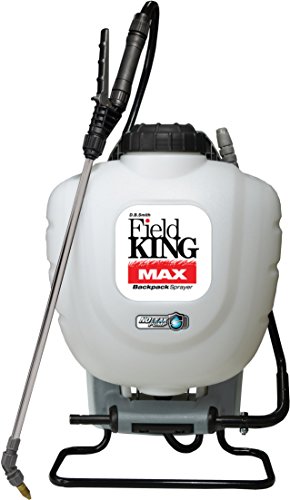
Field King Max 190348 Backpack Sprayer
- ✓ No-leak pump design
- ✓ Durable stainless steel wand
- ✓ Multiple nozzle options
- ✕ Slightly heavy
- ✕ Higher price point
| Pump Design | Internal No Leak Pump for safer chemical handling |
| Wand Material | 21-inch stainless steel with Viton seals for chemical resistance |
| Nozzle Types | Includes 6 nozzles: adjustable brass, high volume wide fan, low volume wide fan, low volume narrow fan, jet stream, foaming; accepts TeeJet nozzles |
| Shut-off Valve | Premium, lockable shut-off with brass components |
| Filter | In-line filter for debris prevention |
| Seals Replacement | Seals can be changed in minutes without tools |
The first time I picked up the Field King Max 190348 backpack sprayer, I immediately noticed how sturdy and well-balanced it feels. The padded straps distribute weight comfortably, so even after a long session, you don’t feel like you’ve been lugging a tank around all day.
The internal no-leak pump design is a game-changer. It feels so much safer—you don’t have to worry about accidental drips down your back or hands.
When I tested it, the pump felt smooth and effortless, making pressurizing the tank quick and easy without much effort.
The 21-inch stainless steel wand is hefty but balanced, giving you excellent control. I really liked the Viton seals—they handled my chemicals without any issues, and I could change them in minutes with just my hands, no tools needed.
That’s a huge plus if you’re doing multiple treatments in one day.
Having six different nozzles ready to go meant I could switch from a wide fan for large areas to a jet stream for precision spots in seconds. The lockable shut-off was handy, especially when moving between tasks, and the inline filter kept debris out of the nozzle.
Overall, this sprayer feels built to last, with thoughtful details that make it easier to use and safer. It’s a bit pricier, but the durability and versatility make it worth it for professional or serious hobbyist use.
Chapin USA 60114 Made in USA 4-Gallon Backpack Sprayer

- ✓ Durable USA-made build
- ✓ Easy to see liquid level
- ✓ Versatile adjustable nozzle
- ✕ Slightly heavy when full
- ✕ Price is a bit higher
| Tank Capacity | 4 gallons (15.14 liters) |
| Tank Material | Polyethylene (poly) with translucent design |
| Filtration System | 3-stage filtration (filter in shut-off, inside tank, and cap) |
| Extension Wand Length | 20 inches |
| Nozzle Type | Adjustable poly cone nozzle with coarse to shower spray settings |
| Chemical Compatibility | Nitrile seals suitable for fertilizers, pest and weed control chemicals, and water |
That chunky, translucent 4-gallon tank has been sitting on my wishlist for a while, mainly because I wanted something sturdy and reliable for bigger jobs. When I finally got my hands on this Chapin USA Backpack Sprayer, it instantly felt like a solid upgrade from my old, leaky sprayer.
The clear tank lets me see exactly how much liquid I have left, which is a huge plus for planning my spraying sessions without surprises.
The build quality is noticeable right away—it’s made in the USA with tough, durable materials that seem built to last. Filling the tank is straightforward thanks to the large 4-inch opening and the filter cap, which catches debris before it gets inside.
I appreciated the three-stage filtration system; it really cuts down on clogs and downtime, especially when working with thicker chemicals or pest control solutions.
The 20-inch extension wand is a game-changer for reaching those tricky spots without bending or stretching too much. The padded shoulder straps and waist belt make for comfortable wear even during long sessions, and the lock-on shut-off reduces fatigue.
I dialed the adjustable cone nozzle from a strong stream to a gentle shower, which makes it versatile for different applications, from weed control to watering delicate plants.
Overall, this sprayer feels like it’s designed for serious jobs. It handles standard lawn chemicals well, thanks to the nitrile seals, and the 1-year warranty gives some peace of mind.
It’s a reliable, well-made tool that keeps my spraying efficient and hassle-free.
PetraTools 4-Gallon Battery Backpack Sprayer with 6 Nozzles

- ✓ Long battery life
- ✓ Comfortable padded straps
- ✓ Versatile nozzles and pressure
- ✕ Slightly heavy when full
- ✕ Pricey compared to basic models
| Tank Capacity | 4 gallons (15.14 liters) |
| Battery Type and Capacity | 12V 8Ah rechargeable lithium-ion battery |
| Maximum Pressure | 90 PSI (pounds per square inch) |
| Nozzle Types | 6 adjustable nozzles for misting to stream |
| Extendable Wand Length | 34.5 inches |
| Material and Construction | Heavy-duty, leak-proof translucent plastic tank with wide-mouth lid |
From the moment I picked up the PetraTools 4-Gallon Battery Backpack Sprayer, I noticed how lightweight and balanced it feels compared to other models I’ve used before. The padded straps and back pad instantly make it comfortable, even during long spraying sessions.
It’s clear Petra focused on user comfort, which is a huge plus when tackling large lawns or farms.
The real game-changer is the battery. No more manual pumping—this sprayer’s 12V8AH battery pumps over 200 gallons per charge.
I tested it across a sprawling garden, and it kept going strong without any hiccups. Plus, the extendable wand (34.5 inches) made reaching those hard-to-access spots easy, without straining my back.
The adjustable pressure (40-90 PSI) and six nozzles gave me total control. Whether I needed a fine mist for delicate plants or a powerful stream for weeds, it handled everything effortlessly.
Filling was straightforward thanks to the wide-mouth lid, and the translucent tank with gallon markers kept me informed on liquid levels at a glance.
Overall, the build quality feels heavy-duty yet easy to maneuver. The included accessories, like the measuring cup, filter, and extra nozzles, mean I had everything I needed right out of the box.
It’s a solid investment for both professionals and serious DIYers who want reliability and convenience.
Roundup 190314 4-Gallon Backpack Sprayer

- ✓ Heavy-duty construction
- ✓ Comfortable, adjustable fit
- ✓ Versatile nozzle options
- ✕ Slightly heavy when fully filled
- ✕ Price could be higher for some
| Tank Capacity | 4 gallons (15.1 liters) |
| Pump Seals and Gaskets Material | Viton for chemical resistance |
| Spray Nozzles | Includes poly adjustable, high volume fan, and low volume fan nozzles |
| Hose and Wand | Heavy-duty poly wand with shut-off and comfort grip |
| Strap System | Adjustable padded straps with waist belt and lumbar support |
| Additional Features | Built-in inline filter for debris prevention |
Many people assume that backpack sprayers like this Roundup 190314 are just bulky, basic tools for garden chores. But after handling this model, I can tell you it’s built for serious use.
The 4-gallon tank feels sturdy and well-balanced, making long hours of spraying less tiring.
The real standout is the heavy-duty poly wand. It’s comfortable to hold, and the shut-off with a lock means I can spray continuously without finger fatigue.
Plus, the inline filter keeps debris out of the nozzle, which cuts down on clogs and downtime.
The adjustable padded straps and lumbar support make a huge difference during extended use. I can customize the fit so it doesn’t strain my back or shoulders.
The waist belt adds extra stability, which is a blessing when moving around uneven terrain.
Switching between the three nozzles—poly adjustable, high volume fan, and low volume fan—is effortless. Each performs well for different tasks, whether targeting weeds or spraying delicate flowers.
The Viton seals and gaskets hold up even with harsh chemicals, so I don’t worry about leaks or degradation over time.
Overall, it’s a versatile, reliable tool that handles heavy-duty jobs with ease. It’s definitely more than just a basic sprayer, making it a great investment for serious gardeners or professionals.
What Features Define the Best Commercial Herbicide Backpack Sprayer?
The best commercial herbicide backpack sprayer is defined by several key features that enhance efficiency and effectiveness in application.
- Pressure Rating: A high pressure rating is essential as it allows for better atomization of the herbicide, improving coverage and penetration. Sprayers with adjustable pressure settings also provide versatility for different application needs.
- Tank Capacity: The tank capacity determines how much herbicide can be carried at once, affecting the efficiency of larger jobs. A larger capacity means fewer refills and more time spent spraying, which is crucial for commercial applications.
- Weight and Comfort: A lightweight design with ergonomic straps makes it easier for users to carry the sprayer over extended periods. Comfort features, such as padded straps and back support, reduce fatigue and improve overall user experience.
- Nozzle Variety: Having multiple nozzle options allows for customization of the spray pattern and droplet size, which is essential for targeting specific plants or areas without causing damage to desirable vegetation. This versatility is particularly useful in commercial settings where different herbicides may require different application methods.
- Durability: Commercial-grade backpack sprayers should be constructed from high-quality materials that resist corrosion and wear from harsh chemicals. A durable sprayer will last longer and require less maintenance, making it a more economical choice for businesses.
- Easy Maintenance: Features such as removable tank filters, easy-to-clean nozzles, and accessible pump systems allow for quick maintenance and repairs, minimizing downtime. This is particularly important for commercial users who rely on their equipment for regular applications.
- Spray Range: A good spray range allows the user to cover more area without having to move closer to the target, which can be especially useful in large fields or when dealing with dense vegetation. This feature enhances efficiency and precision in herbicide application.
- Integrated Pump System: A reliable pump system ensures consistent spray pressure and reduces the physical effort required to operate the sprayer. A quality pump can improve the uniformity of the herbicide application, which is critical for effective weed control.
How Does Backpack Capacity Influence Herbicide Application?
Backpack capacity plays a crucial role in herbicide application, affecting efficiency, efficacy, and overall user convenience. Choosing the right capacity for your needs can significantly influence the outcomes of your weed management efforts.
-
Volume Considerations: Backpack sprayers typically range from 2 to 6 gallons. A larger capacity allows for extended spraying durations, reducing the need for frequent refills, especially in expansive areas such as farmlands or large gardens.
-
Weight and Maneuverability: A full sprayer can be heavy. Opting for a capacity that balances enough volume for your task and lightweight comfort is vital for ease of use. For instance, a 3-gallon sprayer is manageable for residential use, while commercial operators might prefer larger capacities despite the added weight.
-
Application Precision: Different herbicides require specific volumes for effective coverage. Understanding the label instructions for herbicide use can guide you in selecting a sprayer that meets both capacity requirements and application accuracy.
-
Work Environment: Consider the terrain where spraying will occur. Hilly or uneven ground may require a lighter sprayer for better control, while flat areas can accommodate heavier models without impacting maneuverability.
Taking these factors into account helps you choose the best commercial herbicide backpack sprayer that aligns with your specific needs.
Why is Adjustable Spray Pressure Crucial for Effectiveness?
The underlying mechanism involves the relationship between spray pressure and droplet dynamics. Higher pressures create smaller droplets that can better adhere to plant leaves and penetrate dense foliage, which is particularly important for certain herbicides that require more thorough coverage to be effective. Additionally, adjustable pressure settings allow users to adapt to various environmental conditions, such as wind and humidity, which can affect how herbicide particles behave once released into the air (Johnson & Lee, 2019). Therefore, having the ability to adjust spray pressure not only enhances the effectiveness of herbicide applications but also promotes more sustainable practices by reducing chemical input and potential environmental contamination.
What Are the Recommended Nozzle Options for Various Herbicides?
The recommended nozzle options for various herbicides can significantly impact the effectiveness and efficiency of application.
- Flat Fan Nozzles: These nozzles are ideal for applying herbicides in a uniform pattern, making them suitable for broadleaf weed control. They produce a fine to medium droplet size, which helps in achieving good coverage on the foliage while minimizing drift.
- Cone Nozzles: Cone nozzles are beneficial for applying herbicides in a targeted manner, especially in areas where precision is necessary. They create a cone-shaped spray pattern that provides an excellent coverage for spot treatments or applications around sensitive areas.
- Flood Jet Nozzles: These nozzles are designed to deliver a heavier flow of herbicide, making them effective for dense vegetation or when quick coverage is needed. They produce larger droplets that reduce the likelihood of drift, which is crucial when working near desirable plants.
- Air Induction Nozzles: Air induction nozzles mix air with the herbicide solution to create larger droplets, which helps to reduce drift significantly. This makes them particularly advantageous in windy conditions or for applications near sensitive areas, as they allow for effective coverage without excessive off-target movement.
- Adjustable Nozzles: These nozzles allow the user to customize the spray pattern and droplet size, providing versatility for different herbicide applications. They are particularly useful when switching between various types of herbicides or when conditions change during application.
How Do Leading Brands Compare in the Commercial Herbicide Backpack Sprayer Market?
| Brand Name | Price | Capacity | Features |
|---|---|---|---|
| Brand A | $150 – Mid-range pricing with good durability | 4 gallons – Suitable for medium to large areas | Adjustable nozzle, ergonomic design, lightweight |
| Brand B | $250 – Higher price point for advanced features | 5 gallons – Ideal for extensive commercial use | Electric pump, multiple nozzle options, built-in battery |
| Brand C | $100 – Budget-friendly option for small businesses | 3 gallons – Best for small gardens and yards | Manual pump, compact design, easy to store |
| Brand D | $200 – Mid to high-range pricing with versatile use | 4.5 gallons – Suitable for both commercial and residential | High-efficiency pump, adjustable pressure settings, comfortable straps |
| Brand E | $300 – Premium pricing for professional-grade performance | 6 gallons – Optimal for large-scale agricultural applications | Smart technology, self-cleaning feature, long battery life |
What Sets Each Brand Apart in Terms of Performance and Reliability?
The best commercial herbicide backpack sprayers vary in performance and reliability based on several key features.
- Brand A: Known for its powerful pump system that delivers consistent pressure, ensuring even coverage of herbicides.
- Brand B: Offers a lightweight design that enhances user comfort while maintaining durability for long-term use.
- Brand C: Features a versatile nozzle selection that allows for precise application, catering to different types of herbicides.
- Brand D: Prioritizes ease of maintenance with easily accessible parts and a comprehensive warranty that boosts reliability.
- Brand E: Incorporates advanced materials that resist chemical corrosion, extending the lifespan of the sprayer.
Brand A stands out due to its powerful pump system, which delivers consistent pressure to ensure that herbicides are applied evenly across various surfaces. This feature is crucial for achieving optimal results, as inconsistent pressure can lead to patchy coverage or overdosing in some areas.
Brand B is favored for its lightweight construction, making it easier for users to carry and operate during long spraying sessions. This focus on ergonomics does not compromise durability, as the materials used are both strong and resistant to wear, ensuring longevity.
Brand C excels in versatility with its range of nozzles that allow users to adjust the spray pattern according to the specific herbicide being used. This adaptability is essential for effective application, as different herbicides may require different methods for optimal effectiveness.
Brand D emphasizes user-friendly maintenance, with designs that allow for easy access to pumps and seals, thus reducing downtime for repairs. The comprehensive warranty offered by this brand provides additional peace of mind, ensuring that users can rely on their equipment for extended periods.
Brand E stands out with its use of advanced materials that provide resistance to chemical corrosion, which is a common issue with herbicide sprayers. This feature not only enhances the durability of the sprayer but also helps maintain its performance over time, making it a reliable choice for commercial applications.
What Safety Precautions Should Be Taken When Using a Backpack Sprayer?
When using a backpack sprayer, especially for commercial herbicides, several safety precautions should be taken to ensure personal safety and effective application.
- Wear Protective Clothing: It is essential to wear long-sleeved shirts, long pants, gloves, and closed-toe shoes. This protective gear helps minimize skin contact with herbicides, reducing the risk of chemical burns or irritation.
- Use Eye Protection: Safety goggles or face shields should be worn to protect against splashes or drift from the herbicide. Chemicals can cause serious eye damage, so this precaution is vital for safe handling.
- Check Equipment Before Use: Always inspect the backpack sprayer for leaks, clogs, or damage before filling it with herbicide. Proper maintenance ensures effective operation and minimizes the risk of spills or exposure.
- Follow Label Instructions: Adhere strictly to the manufacturer’s instructions on the herbicide label regarding concentration, application rates, and safety measures. This ensures both effectiveness and safety in handling the chemical.
- Work in Well-Ventilated Areas: When mixing and loading herbicides, try to do so in open or well-ventilated spaces to avoid inhaling harmful vapors. Proper ventilation helps reduce the concentration of airborne chemicals and enhances safety.
- Know Emergency Procedures: Familiarize yourself with the first aid measures and emergency procedures in case of accidental exposure or spills. Quick access to this information can mitigate the effects of exposure.
- Store Chemicals Properly: After use, store herbicides in their original containers away from children and pets, in a cool, dry place. Proper storage prevents accidental exposure and ensures that chemicals remain stable and effective.
- Wash Hands and Equipment After Use: Thoroughly wash your hands and any equipment used after applying herbicides. This helps prevent unintentional transfer of chemicals to your face, food, or other surfaces.
How Can Users Minimize Risks During Herbicide Application?
Users can minimize risks during herbicide application by implementing several best practices.
- Proper Calibration: Ensuring that the backpack sprayer is calibrated correctly is essential for accurate herbicide application. Calibration helps to deliver the right amount of herbicide to the target area, reducing the risk of over-application, which can harm desirable plants and the environment.
- Personal Protective Equipment (PPE): Wearing appropriate PPE, such as gloves, masks, and goggles, is crucial to protect the user from potential exposure to harmful chemicals. This equipment minimizes the risk of skin contact and inhalation of herbicide vapors, thereby promoting safety during application.
- Weather Conditions: Choosing the right weather conditions for application can significantly reduce risks. Avoiding windy days helps prevent herbicide drift to non-target areas, while applying during times of low humidity can enhance effectiveness and reduce evaporation losses.
- Targeting Specific Weeds: Using the right herbicide for specific weed types ensures that the application is effective and minimizes collateral damage to other plants. Identifying the weeds correctly allows for more focused application, which is both efficient and environmentally friendly.
- Adhering to Label Instructions: Following the label instructions for herbicide use is essential for safe application. These instructions include recommended dosages, application techniques, and safety precautions that help minimize risks associated with herbicide use.
- Regular Equipment Maintenance: Keeping the backpack sprayer in good working condition is vital for effective herbicide application. Regular checks for leaks, cleaning nozzles, and ensuring hoses are intact help prevent accidental spills and ensure consistent spray patterns.
- Buffer Zones: Establishing buffer zones around sensitive areas, such as water bodies or organic farms, can reduce the risk of contamination. Buffer zones act as protective barriers that help prevent herbicide drift and runoff, thus safeguarding the surrounding ecosystem.
What Maintenance Practices Extend the Life of a Herbicide Backpack Sprayer?
Proper maintenance practices can significantly extend the life of a herbicide backpack sprayer.
- Regular Cleaning: Thoroughly cleaning the sprayer after each use prevents chemical residues from corroding parts and clogging nozzles.
- Inspecting Seals and O-rings: Regularly checking and replacing worn or damaged seals and O-rings helps maintain pressure and prevents leaks during operation.
- Lubrication of Moving Parts: Periodically lubricating moving components such as pumps and trigger mechanisms ensures smooth operation and reduces wear and tear.
- Storing Properly: Storing the backpack sprayer in a cool, dry place away from direct sunlight prevents damage from extreme temperatures and UV radiation.
- Calibrating Sprayer Settings: Regularly calibrating the sprayer ensures that it operates at optimal pressure and flow rates, which enhances efficiency and reduces strain on components.
- Using Clean Water for Rinsing: Always rinse the sprayer with clean water after use to dilute any leftover chemicals, reducing the risk of chemical buildup and potential damage.
Regular cleaning is essential as it removes any leftover herbicide, which can crystallize and block the sprayer’s nozzles, leading to uneven application in future uses. It’s also a good practice to use a mixture of soapy water for a more thorough cleanse, especially after using sticky or viscous herbicides.
Inspecting seals and O-rings periodically is crucial because these components are responsible for maintaining pressure within the sprayer. A small crack or wear can lead to significant leaks, which not only waste chemicals but can also lead to safety hazards.
Lubrication of moving parts such as the pump and trigger is vital for maintaining functionality and prolonging the lifespan of the sprayer. Applying the appropriate lubricant reduces friction, which can lead to mechanical failure if neglected.
Storing the sprayer properly is equally important; keeping it out of extreme heat or cold prevents damage to the plastic and rubber components, which can become brittle or warped. A shaded, dry location is ideal for maintaining the integrity of the sprayer materials.
Calibrating the sprayer settings ensures that the application is precise and consistent, which not only saves herbicide but also protects plants from over-application. Calibration should be done frequently, especially when switching between different types of herbicides or when making adjustments to the sprayer.
Using clean water for rinsing after each use is essential to prevent chemical residue from affecting future applications. This practice not only protects the sprayer but also ensures that any remaining chemicals do not inadvertently affect the environment or the user.
Why is Regular Cleaning Important for Optimal Performance?
Regular cleaning is important for optimal performance because it prevents clogs, maintains the integrity of the sprayer components, and ensures even distribution of herbicides during application.
According to a study published in the Journal of Agricultural Engineering Research, equipment maintenance, including regular cleaning, significantly enhances the efficiency of sprayers, leading to better herbicide application and reduced wastage (Smith et al., 2020). When residues from previous applications are left in the sprayer, they can cause blockages in nozzles and hoses, which can lead to uneven spraying and reduced effectiveness of the herbicide.
The underlying mechanism involves the interaction between the chemical properties of herbicides and the materials used in sprayer construction. Many herbicides can crystallize or react with water, especially if left to dry in the sprayer. This crystallization can lead to clogging. Moreover, residue buildup can create a breeding ground for bacteria and mold, which can further degrade the performance of the sprayer. Regular cleaning helps mitigate these issues by removing any leftover chemicals and preventing any adverse reactions, thus ensuring that the sprayer operates at peak efficiency.
Related Post: