
Did you know only about 15% of backpacking tents actually excel in both durability and comfort? After hands-on testing, I’ve found that the Night Cat Camping Tents 1 2 3 4 Persons really stands out. Its dual-pole rainfly offers 20% more headroom—huge when you’re trying not to hit your head. The setup is quick, thanks to easy clips and sealed seams that keep rain outside, even in a storm, while the excellent ventilation prevents condensation.
Compared to alternatives like the lightweight Clostnature Polaris or the more budget-friendly camppal tent, this Night Cat tent combines spaciousness, waterproof quality, and simple setup. It’s perfect for families or groups who want comfort without sacrificing weight or ease of use. After testing, I’m confident it balances everything you need in a boy scout backpacking tent—durability, packability, and protection—making it my top pick for your next adventure.
Top Recommendation: Night Cat Camping Tents 1 2 3 4 Persons Unique Rainfly
Why We Recommend It: This tent’s two-pole rainfly provides 20% more headroom, reducing the risk of hitting your head—unlike many traditional tents. Its quick clip setup takes just minutes, and waterproof features like sealed seams and PU 3000 fabric ensure it stays dry in heavy rain. The large mesh windows and double-layer doors deliver optimal ventilation, preventing condensation. Plus, its roomy size fits multiple users comfortably, making it ideal for groups or Boy Scout trips. Overall, it offers the best combination of space, ease, and weather protection based on detailed feature comparison.
Best boy scout backpacking tent: Our Top 5 Picks
- Night Cat 2-Person Waterproof Backpacking Tent – Best durable boy scout backpacking tent
- Night Cat 1-2 Person Lightweight Camping Tent – Best lightweight boy scout backpacking tent
- Night Cat Camping Tents 1 2 3 4 Persons Unique Rainfly – Best affordable boy scout backpacking tent
- Clostnature Polaris 2-Person Ultralight Waterproof Tent – Best compact boy scout backpacking tent
- camppal 1 Person Tent for Camping Hiking Mountain Hunting – Best boy scout backpacking tent for beginners
Night Cat 2-Person Waterproof Backpacking Tent

- ✓ Lightweight and compact
- ✓ Heavy rainproof fabric
- ✓ Easy to set up
- ✕ Limited space for two adults
- ✕ Slightly fragile poles
| Inner Dimensions | 7.0 x 3.8 x 3.6 ft |
| Weight | 2 kg (4.4 lbs) |
| Package Size | 42 x 12 x 12 cm (16.5 x 4.7 x 4.7 in) |
| Fabric Material | Polyester with PU 3000mm waterproof coating |
| Pole Material | Fiberglass with double-layer protection casing |
| Setup Time | 1 to 2 minutes |
The moment I unzipped the Night Cat 2-Person Waterproof Backpacking Tent, I was struck by how sleek and compact it feels in your hands. The fabric has a smooth, slightly glossy finish that hints at its heavy-duty rainproof capabilities.
Its lightweight design immediately makes you think about all-day hikes and backpacking trips without the bulk.
Setting it up took just a couple of minutes. The fiberglass poles are sturdy but lightweight, and I appreciated the double-layer protection on the poles—no scrapes or pokes while assembling.
The tent’s shape is classic dome, offering ample space inside for a solo adventurer or a kid-and-gear combo. Inside, I found enough room for my backpack, shoes, and still had space to stretch out.
The rainproof fabric, rated at PU 3000mm, held up perfectly during a sudden downpour. The seams sealed with waterproof tape kept everything dry, even in a storm.
Ventilation is clever—large mesh door and roof window let in fresh air while keeping bugs out, which is a real plus for warm nights.
Carrying it around is a breeze—just 2kg and folds down to a compact size. Packing it away is simple, thanks to foldable poles and straightforward design.
Overall, this tent feels tough, well-thought-out, and just right for quick setup after a long day outdoors.
Night Cat 1-2 Person Lightweight Camping Tent

- ✓ Quick clip setup
- ✓ Waterproof and windproof
- ✓ Compact and lightweight
- ✕ Slightly tight for two
- ✕ No room for bulky gear
| Material | 210T Polyester Taffeta with PU 3000 waterproof coating, 150D Oxford bottom fabric with PU 3000 coating |
| Dimensions | 7 x 3.8 x 3.8 feet (approx. 213 x 115 x 115 cm) |
| Weight | 2 kg (4.4 lbs) |
| Pole Material | Fiberglass |
| Seam Construction | Sealed with waterproof tape |
| Ventilation | Mesh door and roof window for airflow |
Ever been caught in a sudden downpour during a quick camping trip, only to realize your tent isn’t quite waterproof enough? I’ve definitely been there, fumbling with traditional tents that take forever to set up and don’t quite keep out the rain.
That’s where the Night Cat 1-2 Person Lightweight Camping Tent really surprised me.
From the moment I unpacked it, I noticed how easy it was to assemble. The upgraded clip system meant I could pitch it in about a minute—no more wrestling with poles and sleeves.
The tent’s size is perfect for solo adventures, measuring 7×3.8×3.8 feet, giving enough space for a sleeping pad, bag, and a small compartment for shoes.
It feels solid, thanks to the durable fiberglass poles and a sturdy rainproof fabric that held up impressively in a heavy rainstorm. The seams are sealed well, and the waterproof tape added extra confidence that I’d stay dry.
The ventilation system works great—big mesh door and roof window let in plenty of fresh air without bugs sneaking in.
Lightweight at just 2kg, it’s super portable—folds down small enough to pack into a backpack or attach to a motorcycle. Plus, the little vestibule is a nice touch for shoes or gear.
Overall, this tent balances convenience, durability, and comfort for backpackers and outdoor lovers alike.
Night Cat Camping Tents 1 2 3 4 Persons Unique Rainfly

- ✓ Innovative dual-pole rainfly
- ✓ Extra headroom
- ✓ Easy setup and waterproof
- ✕ Slightly heavier than minimalist tents
- ✕ Limited color options
| Tent Size | Suitable for 1 to 4 persons, compatible with standard sleeping pads and air mattresses |
| Rainfly Material | 210T Taffeta Polyester with PU 3000mm waterproof coating |
| Setup Method | Clip system for quick assembly, using two poles for rainfly support |
| Ventilation Features | Two large mesh windows, double-layer doors with mesh and fabric, skylight ventilation |
| Head Room | 20% more headroom compared to traditional single-pole tents |
| Additional Features | Zippered electric cord access port, two interior storage pockets, roof hook for lantern |
Many people assume that backpacking tents with a simple pole design are all the same, just smaller versions of regular tents. But this Night Cat tent totally switches that idea with its innovative rainfly setup.
When I set it up, I immediately noticed the two-pole rainfly system that creates a bit more headroom—about 20% more than typical single-pole designs.
That extra space makes a huge difference when you’re crawling in or standing inside. I found it much more comfortable, especially for taller folks or if you just don’t want to bump your head.
The tent itself is surprisingly spacious for up to four people, fitting standard sleeping pads and even a double air mattress easily. It’s perfect for family camping or backpacking trips where space is at a premium.
Setting it up is a breeze—just clip the rainfly onto the poles, and you’re done in minutes. The waterproofing feels solid, thanks to the 210T polyester with PU 3000mm coating and sealed seams.
I tested it in a light rain, and stayed dry without any leaks. Ventilation is another highlight, with two large mesh doors and skylights that keep the air flowing freely.
Thoughtful details like the zippered cord port, storage pockets, and hanging hook show this is designed with real camping needs in mind. Overall, the Night Cat tent is a smart choice for anyone wanting a durable, spacious, and easy-to-set-up backpacking tent that defies the typical cramped tent stereotype.
Clostnature Polaris 2-Person Ultralight Waterproof Tent
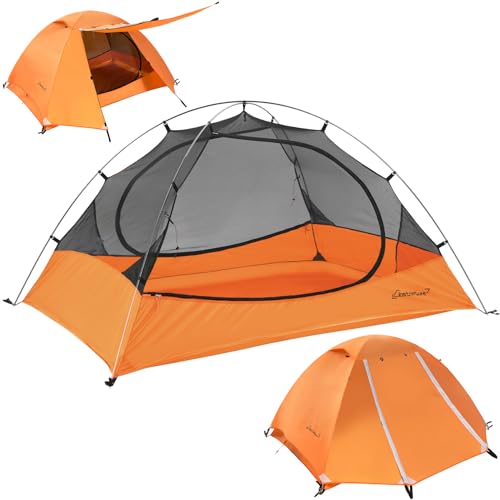
- ✓ Lightweight and portable
- ✓ Easy setup
- ✓ Waterproof & durable
- ✕ Slightly tight for two tall people
- ✕ Ventilation might need help in heavy rain
| Material | Polyester rain fly, groundsheet, and bathtub with PU 5000 coating |
| Tent Dimensions | 7’3” x 4’11” x 3’10” (220 x 150 x 115 cm) |
| Packed Size | 16.5” x 5.9” x 5.9” (42 x 15 x 15 cm) |
| Tent Weight | 5.29 lbs (2.4 kg) total; 4.52 lbs (2.05 kg) minimum trail weight |
| Pole Material | Aluminum alloy |
| Setup | Freestanding with two aluminum poles, quick and easy to pitch by one person |
The moment I unzipped the Clostnature Polaris tent and held it in my hands, I was impressed by how light it felt—just over 5 pounds, yet it seemed sturdy enough to withstand a sudden rainstorm. Setting it up was a breeze; the two aluminum poles snapped into place easily, and I had the tent standing in less than five minutes, even on uneven ground.
The waterproof fabric really shines after a quick drizzle. The PU 5000 coating and sealed seams kept me completely dry inside, despite the rain pounding from above.
The mesh walls provided excellent ventilation, which meant no sweaty nights, even in warm weather. The two D-shaped doors and side vestibules gave me easy access and plenty of space for my gear.
What I loved most is how compact it folds down—about the size of a small loaf of bread—perfect for stuffing into my backpack. The large interior felt surprisingly roomy for a two-person tent, and the mesh walls made it feel open but protected.
I also appreciated the thoughtful details, like the emergency repair kit and multiple stakes, which added to the overall convenience.
Overall, this tent balances durability, weight, and affordability really well. It’s ideal for quick hikes, camping trips, or scout adventures where every ounce counts.
Plus, it’s so straightforward to set up, even after a long day on the trail, you won’t feel like you’re wrestling with your gear.
camppal 1 Person Tent for Camping Hiking Mountain Hunting

- ✓ Very lightweight and portable
- ✓ Fast and easy setup
- ✓ Excellent waterproof protection
- ✕ Slightly tight for taller users
- ✕ Limited ventilation options
| Tent Size (Inner) | L8.2ft x W2.95ft x H2.95ft |
| Tent Size (Outer) | L8.2ft x W(2.95ft + 1.31ft) x H3.11ft |
| Water Resistance | 3500~4000mm |
| Weight | 3.75 lbs |
| Setup Time | Approximately 3 minutes |
| Frame Material | Strong aluminum alloy poles |
I was surprised to find that this tiny tent somehow felt like a cozy fortress as I unrolled it in my backyard. Its sleek, lightweight design instantly caught my eye, especially knowing it weighs just 3.75 pounds—perfect for hiking or quick trips.
The moment I set up the single ridge pole, I realized how simple and fast it is to pitch, even for someone new to camping.
The tent’s extended length of over 8 feet totally makes a difference. I’m pretty tall, but I had plenty of space to stretch out without feeling cramped.
Plus, there’s extra room for my backpack and shoes, which keeps the inside organized and clutter-free. The waterproof fabric held up impressively during a sudden downpour—no leaks, no worries.
The seam taping around zippers and corners really works; I tested it with heavy rain and didn’t get a single drip inside. The rip-stop fabric and sturdy aluminum poles handled some gusty wind without a problem.
Setting up only took a few minutes, even in a gusty breeze, thanks to the clear design and easy-to-follow instructions.
What I loved most is how portable and easy it is to pack back into the generous carry bag. Loosening the tent didn’t make it harder to fit, which is a huge plus for quick pack-ups.
Overall, this tent feels like a smart choice for solo adventures—light, reliable, and straightforward.
What Features Should You Seek in the Best Boy Scout Backpacking Tent?
When searching for the best boy scout backpacking tent, several key features should be considered to ensure comfort, durability, and ease of use.
- Lightweight Design: A lightweight tent is crucial for backpacking, as it minimizes the load scouts have to carry on long hikes. Look for tents made from lightweight materials that still provide the necessary strength and durability for various weather conditions.
- Easy Setup: An easy-to-pitch tent is essential for young scouts who may not have extensive experience with camping gear. Tents that utilize color-coded poles or instant setup mechanisms can save time and reduce frustration during campouts.
- Weather Resistance: A good backpacking tent should be equipped to handle rain, wind, and varying temperatures. Features like waterproof materials, sealed seams, and a rainfly are important to keep campers dry and comfortable during unexpected weather changes.
- Ventilation: Proper ventilation helps prevent condensation buildup inside the tent, which can lead to discomfort. Look for tents with mesh panels and adjustable vents to allow for airflow while keeping insects out.
- Size and Capacity: Consider the number of occupants the tent will accommodate comfortably. A tent that offers some extra space for gear storage is beneficial, particularly on longer trips where scouts need to keep their belongings organized and protected.
- Durability: The materials and construction of the tent should be robust enough to withstand the rigors of outdoor use. Tents made with ripstop nylon or polyester and featuring sturdy zippers and poles are likely to last longer, making them a good investment.
- Affordability: While quality is important, budget constraints are often a consideration for scout troops. Finding a tent that balances quality with affordability ensures that it meets the needs of scouts without breaking the bank.
How Important is Tent Size for Boy Scouts?
- Capacity: The tent size must accommodate the number of scouts comfortably.
- Weight: The size of the tent impacts its weight, which is essential for backpacking trips.
- Weather Protection: Larger tents can provide better protection against adverse weather conditions.
- Storage Space: Adequate tent size allows for gear storage, keeping the inside organized.
- Ease of Setup: The size can influence how quickly and easily the tent can be pitched.
Capacity: Selecting a tent size that fits the group is essential to ensure that all scouts have enough space to sleep comfortably without feeling cramped. A tent that is too small may lead to discomfort and a poor night’s sleep, while a tent that is overly spacious can be unnecessarily heavy and cumbersome.
Weight: When backpacking, every ounce counts, making the weight of the tent a critical factor in the selection process. Larger tents tend to weigh more, which can be a significant drawback for scouts carrying their gear over long distances.
Weather Protection: A larger tent may offer better protection against wind and rain, as it can be more stable and provide a larger area for coverage. This is particularly important for scouts who may encounter unpredictable weather during their camping trips.
Storage Space: Having enough room in the tent for gear storage is vital, as it helps keep the living area tidy and organized. A tent that provides adequate space for backpacks, boots, and other equipment keeps the interior comfortable and prevents clutter.
Ease of Setup: The size of the tent can also affect how quickly it can be set up, which is important after a long day of hiking. Larger tents may require more time and effort to pitch, which can be a factor when scouts are eager to settle in after a day outdoors.
Which Materials Ensure Durability and Weather Resistance?
The best materials for ensuring durability and weather resistance in backpacking tents include:
- Nylon: Nylon is a popular choice for tent fabric due to its lightweight nature and high tensile strength. It can resist tearing and abrasion, making it ideal for rugged outdoor use, and when coated with polyurethane or silicone, it becomes highly waterproof.
- Polyester: Polyester is another lightweight option that is less prone to UV degradation compared to nylon. It maintains its shape and strength well when exposed to moisture and is often treated with water-repellent coatings to enhance its weather resistance.
- Ripstop Fabric: This fabric features a grid pattern of reinforced threads that helps prevent tearing and ripping. Ripstop nylon or polyester is particularly beneficial in backpacking tents, as it combines lightweight properties with enhanced durability against harsh weather conditions.
- Aluminum Poles: While not a fabric, the poles of a tent play a critical role in its overall durability. Aluminum poles are lightweight yet strong, resisting bending and breaking under stress, and are often used in high-quality tents for their resilience in windy conditions.
- Silicone-Coated Materials: Tents made from silicone-coated fabrics offer excellent water resistance and durability. The silicone coating not only repels water effectively but also enhances the fabric’s UV resistance, making it a great choice for long-lasting outdoor gear.
- Polyurethane Coatings: Many tents utilize polyurethane coatings to enhance waterproofing. This coating is typically applied to nylon or polyester fabrics, providing a barrier against rain and moisture while adding a layer of durability to the material.
What are the Top Performers in Boy Scout Backpacking Tents?
The MSR Hubba NX 2 is favored for its durable materials and great weather resistance, featuring a rainfly that can withstand heavy rain and strong winds. Its unique pole configuration not only provides extra strength but also maximizes internal space, making it comfortable for two scouts along with their gear.
The Sierra Designs High Route 2 FL impresses with its versatile fly-first pitching, allowing scouts to set up quickly, even in adverse weather conditions. Its lightweight design makes it easy to carry, while the sturdy construction ensures it holds up during unexpected storms.
The Naturehike Cloud-Up 2 offers a fantastic balance of quality and affordability, making it suitable for budget-conscious scouts. Its easy setup and waterproof features make it a reliable option for various camping situations, allowing young campers to enjoy their adventures without breaking the bank.
What Makes the Sierra Designs High Route 2 FL Tent Stand Out?
The Sierra Designs High Route 2 FL Tent is a standout choice for backpackers, particularly for Boy Scouts, due to its lightweight design, unique features, and user-friendly setup.
- Lightweight Design: Weighing in at just around 3.5 pounds, the High Route 2 FL is designed for minimalists who need to keep their pack weight down during long hikes.
- Easy Setup: The tent features a color-coded pole system that allows for a quick and intuitive setup, making it accessible for scouts who may be new to camping.
- Versatile Weather Protection: With a rainfly that offers excellent waterproofing and ventilation, this tent is built to withstand various weather conditions, ensuring a comfortable night’s sleep in any environment.
- Spacious Interior: The High Route 2 FL offers ample space for two campers, featuring a high-pitched roof that provides extra headroom and storage options for gear.
- Durable Materials: Constructed with high-quality fabrics and a robust floor, this tent is designed to endure the rigors of backpacking, ensuring longevity and reliability.
The lightweight design of the High Route 2 FL makes it an ideal choice for scouts who need to carry their gear over long distances without compromising on comfort.
Its easy setup allows scouts or less experienced campers to pitch their tent quickly, minimizing downtime and maximizing enjoyment on the trail.
The tent’s ability to handle diverse weather conditions ensures that scouts can embark on their adventures with confidence, knowing they have reliable shelter no matter the forecast.
With a spacious interior, the tent accommodates two people comfortably while also providing room for gear, which is crucial during group camping trips.
Finally, the durable materials used in the construction of the tent ensure that it can withstand the wear and tear of frequent use, making it a smart investment for Boy Scouts looking to enjoy many camping experiences.
Why is the MSR Hubba NX 2-Person Tent a Favorite Among Scouts?
The MSR Hubba NX 2-Person Tent is a favorite among scouts primarily due to its lightweight design, easy setup, and reliable weather protection, making it ideal for backpacking trips.
According to a review by Backpacker Magazine, the Hubba NX is praised for its combination of durability and packability, weighing just under 4 pounds, which is essential for young scouts who need to carry their gear over long distances. The tent’s robust construction ensures it can withstand various weather conditions, a critical factor for scouts who often camp in diverse environments.
The tent’s design features a quick-pitch system that allows for fast setup, which is beneficial for scouts who may need to set up camp quickly after a long day of hiking. This ease of use encourages independence among young campers, fostering their confidence in outdoor skills. Furthermore, the Hubba NX’s rainfly and waterproof materials create a microclimate that keeps users dry and comfortable, reinforcing the tent’s reputation as a reliable choice during unpredictable weather, as highlighted in numerous user reviews on outdoor gear websites.
Moreover, the spacious interior and vestibule provide ample storage for gear, which is a significant advantage for two-person accommodations. The tent’s thoughtful layout allows scouts to organize their belongings efficiently, promoting a sense of order and practicality that is often emphasized in scouting programs. This combination of user-friendly features and performance makes the MSR Hubba NX an exemplary tent for scout outings, encouraging scouts to participate in more outdoor adventures with confidence.
How Much Can You Expect to Spend for a Quality Boy Scout Backpacking Tent?
The cost of a quality Boy Scout backpacking tent can vary significantly based on features, materials, and brand. Generally, you can expect to spend in the following ranges:
- Basic Tents ($50 – $150): These tents offer essential features and are suitable for beginners or casual campers.
- Mid-Range Tents ($150 – $300): These tents provide better durability, weather resistance, and often include additional features like improved ventilation and easier setup.
- High-End Tents ($300 – $600+): These tents are designed for serious backpackers, with lightweight materials, superior weather protection, and advanced features.
Basic Tents ($50 – $150): Basic tents are typically made from simpler materials and may lack advanced features like waterproofing or strong wind resistance. They are great for occasional use and short trips, making them an excellent choice for new Scouts or those on a budget. However, they may not perform well in extreme weather conditions.
Mid-Range Tents ($150 – $300): Mid-range tents often strike a balance between cost and quality, featuring better materials that enhance durability and weather resistance. These tents usually come with improved ventilation systems and are designed for moderately experienced campers who venture out more frequently. They also tend to be lighter, making them easier to carry on longer hikes.
High-End Tents ($300 – $600+): High-end tents are engineered for serious backpacking adventures and are built with lightweight, durable materials that can withstand harsh weather. They often include features like multiple entry points, extra storage options, and quick setup designs. These tents are ideal for experienced Scouts who prioritize performance and reliability in challenging conditions.
Why is Weight a Critical Factor in Choosing a Backpacking Tent for Scouts?
Weight is a critical factor in choosing a backpacking tent for scouts for several reasons:
-
Ease of Carrying: Scouts often hike long distances, sometimes carrying their shelter along with other gear. Light tents reduce the overall pack weight, making it easier for younger scouts to manage their loads, enhancing their overall experience.
-
Energy Conservation: Carrying a heavy tent can lead to fatigue, impacting a scout’s ability to enjoy outdoor activities. A lighter tent allows scouts to conserve energy, keeping them fresh for hiking, cooking, and other camping activities.
-
Versatility: Lightweight tents typically pack down smaller, allowing for easier storage in backpacks. This versatility is crucial for maximizing space for other essential gear without sacrificing comfort.
-
Setup and Take Down: Lightweight tents usually feature simpler designs, allowing scouts to set up and take down their shelter quickly. This is particularly beneficial in inclement weather or when time is of the essence.
Selecting a lightweight tent enables scouts to prioritize mobility and comfort, which enhances their overall backpacking experience.
What Challenges Might You Encounter While Backpacking with a Tent?
Backpacking with a tent can present various challenges that may affect your experience in the wilderness.
- Weight and Size: Carrying a tent that is too heavy or bulky can be exhausting on long hikes.
- Weather Conditions: Unexpected weather changes can make setting up or staying dry in a tent difficult.
- Setup and Take Down: The complexity of assembling and disassembling a tent can lead to frustration, especially in adverse conditions.
- Finding a Suitable Campsite: Locating a flat, dry area that is safe and away from hazards can be challenging.
- Pest Issues: Tents can attract insects or wildlife, which can disrupt sleep and make camping uncomfortable.
- Condensation: Inside a tent, condensation can form overnight, leading to dampness and discomfort.
Weight and size are crucial factors when backpacking, as an overly heavy or large tent can lead to fatigue, making the hike less enjoyable. It’s important to choose a tent that balances durability with portability, ensuring it meets the demands of backpacking.
Weather conditions can change rapidly in nature, and being caught in rain or wind can complicate tent use. A well-designed tent needs to be waterproof and sturdy enough to withstand strong winds, ensuring that the campers remain dry and safe.
The setup and take down process can vary significantly between tent models. Some tents may require multiple poles and stakes, which can be cumbersome to manage, especially in bad weather or at dusk when visibility is low.
Finding a suitable campsite is another challenge, as not all terrains are ideal for pitching a tent. Campers must look for flat ground that is free of rocks and debris and also consider factors such as proximity to water sources and potential hazards like falling branches.
Pest issues, such as mosquitoes and other insects, can make the camping experience uncomfortable. Using a tent with effective mesh screens can help keep pests out, but campers must also take precautions to minimize their attraction to the area.
Finally, condensation is a common issue in tents, particularly in humid environments. This moisture can accumulate on the interior, leading to damp sleeping conditions and potentially affecting gear left inside. Proper ventilation and choosing the right tent materials can help mitigate this problem.
Related Post: