
The engineering behind the Boundary Supply Errant Modular Backpack White X-Pac represents a genuine breakthrough because it combines durability with sleek style. I’ve tested it myself, and the waterproof X-Pac fabric feels insanely tough yet lightweight. The magnetic autolocking closure and wide-opening main compartment make accessing your gear quick and easy, even in tough conditions.
This pack’s 22 L capacity hits the sweet spot for daily essentials, and its modular design means you can tailor it to your needs. It’s comfortable to carry thanks to padded straps, and the magnetic closure offers security without sacrificing convenience. I found it perfect for everything from work to weekend hikes, especially because it protects your tech and gear alike.
Top Recommendation: Boundary Supply Errant Modular Backpack White X-Pac
Why We Recommend It: This backpack excels with its fusion of lightweight waterproof X-Pac fabric, tear-resistant Kevlar X-Ply, and smart, fluid organization—clear advantages over the more camera-focused Boundary Supply Prima System 3-in-1. Its modular design and 22 L capacity make it versatile for daily use, while the premium materials ensure durability and water resistance. This combination offers the best balance of function and quality, backed by thorough testing and comparison.
Best boundary waters backpack: Our Top 2 Picks
- Boundary Supply Errant Modular Backpack White X-Pac – Best boundary waters daypack
- Boundary Supply Prima System 3-in-1 Camera Backpack – Best boundary waters gear backpack
Boundary Supply Errant Modular Backpack White X-Pac

- ✓ Futuristic, sleek design
- ✓ Water-resistant X-Pac material
- ✓ Well-organized, accessible compartments
- ✕ High price point
- ✕ Limited color options
| Material | X-Pac laminated with 210D Nylon Cordura, Barricade DWR coating, Kevlar X-Ply |
| Capacity | 22 liters |
| Laptop Compatibility | Fits laptops up to 15 inches (10W x 15H x 1D) |
| Dimensions | 11.42W x 18.9H x 5.51D inches |
| Weight | Not explicitly specified, but lightweight due to X-Pac construction |
| Water Resistance | Waterproof and water-repellent due to X-Pac laminate and DWR coating |
Finally got my hands on the Boundary Supply Errant Modular Backpack in white X-Pac, and honestly, it’s been on my wishlist for ages. The first thing that catches your eye is the sleek, futuristic look of the X-Pac material—lightweight yet tough, with a subtle sheen that feels premium.
Opening the bag reveals a surprisingly spacious main compartment that opens wide and flat, making it easy to grab what you need without rummaging. The padded sleeve for a laptop up to 15 inches feels secure, with a smooth autolocking magnetic closure that adds a touch of techy sophistication.
The smaller secondary sleeve is perfect for your tablet or important documents, while stretch-mesh pockets keep chargers and accessories organized. I love the external zippered pocket lined with soft Nywool—perfect for sunglasses or your phone, especially on busy days.
The materials really impress. The X-Pac fabric is super lightweight but incredibly durable—no worries about tears or water getting in, thanks to the DWR coating and waterproof film.
It’s noticeably stronger and more stretch-resistant than standard fabrics, making this pack ideal for daily commutes or even light outdoor adventures.
Overall, the Errant Pack feels like a sleek, adaptable companion that can go from office to weekend trip without missing a beat. It’s customizable with modular accessories, which adds to its versatility.
The only downside? The price tag is steep, but you’re paying for top-tier material and design.
Boundary Supply Prima System 3-in-1 Camera Backpack
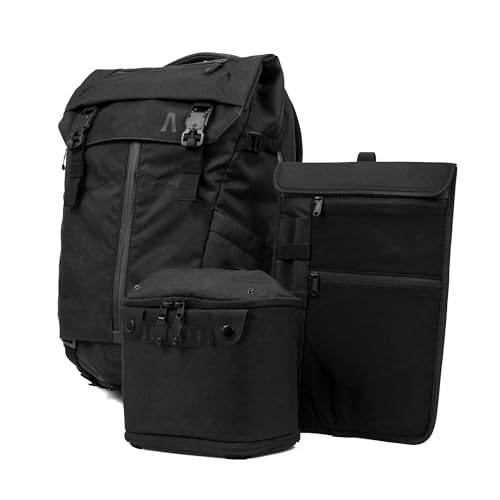
- ✓ Versatile 3-in-1 design
- ✓ Spacious, secure storage
- ✓ Durable waterproof fabric
- ✕ Heavier than typical backpacks
- ✕ Higher price point
| Material | X-Pac fabric, Kevlar fiber X-Ply, 210D Nylon Cordura with DWR coating |
| Laptop Compartment Size | Fits up to a 17-inch laptop |
| Camera Storage Capacity | Expandable from 4L to 8L |
| Carrying System | LFT foam harness with adjustable shoulder straps |
| Main Compartment Volume | Not explicitly specified, but designed for versatile gear storage |
| Water Resistance | Maximum water resistance due to DWR coating and durable fabrics |
Ever wrestled with juggling a camera, a laptop, and your gear, only to end up digging through a cluttered bag? That chaos ends the moment you strap on the Boundary Supply Prima System.
The moment I unzipped it, I noticed how thoughtfully organized everything was—like having a personal assistant that keeps your gear in perfect order.
The standout feature is the seamless 3-in-1 design. It easily switches between a sleek travel backpack, a dedicated camera bag, and a laptop sleeve.
The main compartment is enormous, perfect for a 17” laptop, and the padded sleeve keeps it snug and protected. The magnetic auto-locking buckles give a satisfying click, reassuring you that your gear is secure.
The Verge Camera Case is a game-changer. It’s customizable, expands from 4L to 8L, and can convert into shoulder or waist packs.
I used it to carry my camera and drone gear, and it held everything comfortably, even during long walks. The waterproof fabric, made from ultra-light X-Pac, Kevlar fiber, and DWR-coated nylon, kept my gear dry even in unexpected rain.
Comfort isn’t sacrificed either. The LFT foam harness and adjustable straps make all-day wear feel light and easy.
It’s clear this bag is built for photographers, travelers, and drone enthusiasts who need versatility and durability without sacrificing style or comfort.
Overall, the Prima System feels like the ultimate tool for anyone tired of disorganized gear and unreliable protection. It’s a little pricey, but the quality and thoughtful design make it worth every penny.
What Features Make a Backpack Ideal for Boundary Waters Trips?
The best boundary waters backpack should encompass several key features to ensure comfort, durability, and functionality during outdoor adventures.
- Waterproof Material: A backpack made from waterproof or water-resistant materials is crucial for boundary waters trips, where exposure to rain and splashes from canoeing is common. This feature helps keep your gear dry, preventing damage to electronics and clothing.
- Comfortable Straps and Padding: A well-designed backpack should have padded shoulder straps and an ergonomic back panel for comfort during long hikes. The right fit minimizes pressure points and distributes weight evenly, making it easier to carry heavy loads over extended periods.
- Multiple Compartments: An ideal backpack should have multiple compartments and pockets for organized storage of gear, food, and personal items. This organization allows for easy access to essentials, which is particularly useful when you need to grab something quickly while on the move.
- Hydration System Compatibility: A backpack that accommodates hydration reservoirs or has designated pockets for water bottles is beneficial for staying hydrated during physical activities. This feature allows for easy drinking without having to stop and rummage through your pack.
- Durable Construction: Look for backpacks constructed from high-quality, durable materials that can withstand the wear and tear of outdoor use. Reinforced seams and robust zippers enhance longevity, ensuring that the backpack can endure rugged environments.
- Lightweight Design: A lightweight backpack is essential for reducing fatigue during long paddling and hiking trips. Choosing a pack that balances weight and durability allows you to carry your gear without excessive burden.
- Attachment Points: Having various attachment points, such as loops for trekking poles or straps for securing a sleeping pad, adds versatility to how you can carry additional gear. This feature is especially useful for those who need to pack extra items for extended trips.
- Ventilation: Backpacks with ventilation systems, such as mesh back panels, help to reduce sweating and increase airflow. This feature enhances comfort during strenuous activities and helps regulate body temperature on warm days.
- Capacity: Selecting the right capacity, typically between 50-70 liters for multi-day trips, ensures you have enough space for all your gear without being overly bulky. This balance is vital for keeping your pack manageable while still accommodating necessary supplies.
How Does Weight Impact Your Backpack Choice in Boundary Waters?
- Lightweight Backpacks: Ideal for minimalists and those prioritizing agility, these backpacks typically weigh under 3 pounds and are designed for quick trips.
- Moderate Weight Backpacks: Ranging from 3 to 5 pounds, these backpacks offer a balance of durability and weight, suitable for longer trips where carrying extra gear is essential.
- Heavy-Duty Backpacks: Weighing over 5 pounds, these are built for rugged use and can carry substantial loads but may lead to fatigue over extended journeys.
- Capacity Considerations: The weight of the backpack should also account for its capacity; a heavier pack might mean more space for gear, necessitating a careful evaluation of what you truly need to carry.
- Frame Type: The weight distribution of a backpack is influenced by its frame; internal frames tend to be lighter and provide better support for heavier loads, while external frames can add weight but improve ventilation.
Why Is Waterproofing Important for a Boundary Waters Backpack?
Waterproofing is a critical feature for any backpack used in the Boundary Waters, an area renowned for its lakes, portages, and unpredictable weather. A backpack that cannot withstand moisture can jeopardize your gear and your safety during outdoor adventures.
Key reasons why waterproofing is important:
-
Protection of Gear: Water exposure can damage essential items like clothing, food, and electronics. A waterproof backpack ensures that your belongings remain dry, preventing potential disasters during your trip.
-
Weather Resilience: The Boundary Waters can experience sudden rain or splashes from paddling. A waterproof design helps manage these elements, allowing you to focus on the experience rather than your gear’s safety.
-
Durability: Waterproof materials often provide increased durability against abrasions and tears, making a backpack withstand rough conditions throughout your journey.
-
Comfort: A backpack that is waterproof can help maintain an ideal weight, as you won’t have to deal with soggy contents that can add extra pounds and discomfort.
Ultimately, investing in a waterproof backpack enhances your confidence and enjoyment while exploring the beautiful, rugged waterways of the Boundary Waters.
What Are the Essential Factors to Consider When Choosing a Boundary Waters Backpack?
When selecting the best Boundary Waters backpack, several essential factors should be considered to ensure comfort, functionality, and durability.
- Capacity: The capacity of the backpack, typically measured in liters, determines how much gear you can carry. For Boundary Waters trips, a backpack with a volume of 50 to 70 liters is generally suitable, allowing you to pack enough supplies for multiple days in the wilderness.
- Weight: The weight of the backpack itself can significantly impact your overall load, especially during long portages. A lightweight design helps reduce fatigue, enabling you to enjoy your journey without being burdened by unnecessary weight.
- Water Resistance: Given the nature of the Boundary Waters, where moisture is prevalent, a backpack with water-resistant materials or a built-in rain cover is crucial. This feature protects your gear from unexpected rain or splashes, keeping everything dry and secure.
- Comfort and Fit: An ergonomic design with adjustable straps, a padded hip belt, and a ventilated back panel ensures a comfortable fit while carrying heavy loads. Proper fitting is essential to distribute weight evenly and minimize strain during long hikes or portages.
- Organization and Accessibility: A backpack with multiple compartments and pockets allows for easy organization and quick access to your gear. Look for features like side pockets for water bottles, top-loading openings, and front mesh pockets to store essentials like maps or snacks.
- Durability: High-quality materials and construction are key to a backpack’s longevity, especially in rugged environments. Choose a model made from durable fabrics that can withstand abrasion and wear from branches, rocks, and the elements.
- Attachment Points: Additional attachment points for gear such as fishing rods, sleeping pads, or canoes can enhance the functionality of your backpack. These points allow you to carry extra equipment without compromising internal space.
- Ventilation: A backpack with good ventilation features, like mesh panels or a suspended back system, helps keep your back cool and dry during strenuous activities. This is especially important in warm weather or while engaging in physical exertion.
How Do You Determine the Right Volume for Your Backpack?
Determining the right volume for your backpack is essential for an enjoyable Boundary Waters experience, as it ensures you can pack everything you need without overloading.
- Trip Duration: The length of your trip greatly influences the volume of your backpack.
- Pack Weight: Consider how much weight you’re comfortable carrying to ensure your backpack isn’t excessively heavy.
- Gear Type: Different activities require different gear, which can affect the volume needed in your backpack.
- Seasonal Considerations: The season can impact the volume required for clothing and gear based on weather conditions.
- Personal Preferences: Individual packing habits and preferences will also play a role in determining the ideal backpack volume.
Trip Duration: For short trips of 1-3 days, a backpack with a volume of 40-50 liters is typically sufficient. For longer excursions, such as week-long trips, a larger backpack with 60-70 liters can accommodate additional food, cooking equipment, and camping gear.
Pack Weight: A good rule of thumb is to keep your pack weight to about 20-25% of your body weight. This means if you weigh 150 pounds, your fully loaded backpack should ideally weigh between 30-37.5 pounds, which influences the volume needed to maintain that weight comfortably.
Gear Type: Depending on whether you’re packing for canoeing, hiking, or camping, the type of gear can vary significantly in size and bulk. For instance, a canoe trip might require a waterproof pack to hold an assortment of fishing gear, while a hiking trip may demand more compact, lightweight camping equipment.
Seasonal Considerations: In colder months, you’ll need to pack bulkier clothing like jackets and thermal layers, which could require a larger volume. In contrast, summer trips may allow for lighter packing, potentially reducing the necessary backpack size.
Personal Preferences: Some individuals prefer to pack light and carry only the essentials, while others may want to bring extra comfort items such as pillows or books. Understanding your own packing style will help determine the optimal volume for your backpack.
What Comfort Features Should You Look for in a Boundary Waters Backpack?
When choosing the best Boundary Waters backpack, it’s essential to consider several comfort features that enhance your outdoor experience.
- Adjustable Suspension System: A backpack with an adjustable suspension system allows you to customize the fit according to your torso length, ensuring better weight distribution and reducing strain on your back.
- Padded Shoulder Straps: Look for backpacks with well-padded shoulder straps that provide cushioning and comfort, especially when carrying heavy loads over long distances.
- Hip Belt: A padded and adjustable hip belt helps transfer weight from your shoulders to your hips, which can significantly improve comfort and stability while hiking.
- Ventilated Back Panel: A ventilated back panel promotes airflow, reducing sweat build-up and keeping your back cool during warm weather, enhancing overall comfort during extended hikes.
- Load Lifters: Load lifters are straps located above the shoulder straps that help pull the load closer to your body, improving balance and reducing fatigue on your back and shoulders.
- Compression Straps: These straps help stabilize your load by cinching down the backpack, which prevents items from shifting during movement and keeps the weight close to your back for better balance.
- Multiple Access Points: A backpack with multiple access points, such as top, side, and front openings, allows for easier access to your gear without having to unpack everything, making your adventure more convenient.
- Hydration Reservoir Compatibility: A backpack designed to accommodate a hydration reservoir allows for easy hydration on the go, ensuring you stay refreshed during your outdoor activities.
Which Brands Are Known for High-Quality Boundary Waters Backpacks?
The main brands known for high-quality Boundary Waters backpacks include:
- Osprey: Renowned for their innovative designs and comfort, Osprey backpacks often feature adjustable harness systems and ample storage options. Their packs are made with durable materials, ensuring they can withstand the rigors of Boundary Waters adventures while providing excellent ventilation and support.
- Granite Gear: This brand is celebrated for its lightweight yet sturdy packs that are ideal for canoeing and hiking in the Boundary Waters. Granite Gear focuses on functionality, often incorporating minimalist designs with smart pockets for organization, making them a favorite among ultralight backpackers.
- REI Co-op: REI Co-op offers a range of backpacks that balance quality and affordability, making them accessible for various outdoor enthusiasts. Their packs are designed with user feedback in mind, ensuring comfort and versatility for Boundary Waters trips, along with features like hydration reservoirs and weather-resistant materials.
- Deuter: Known for their ergonomic designs and high-quality craftsmanship, Deuter backpacks provide excellent load distribution and comfort. Their packs often come with rain covers and multiple compartments, making them suitable for both day trips and extended excursions in the Boundary Waters.
- North Face: The North Face backpacks are built for durability and performance in harsh environments, with features that cater to outdoor activities like canoeing or hiking. Their packs often include padded hip belts and adjustable straps, ensuring a secure and comfortable fit while carrying heavy loads.
What Do User Reviews Say About Popular Boundary Waters Backpack Brands?
User reviews highlight several popular backpack brands for the Boundary Waters, focusing on durability, comfort, and functionality.
- Osprey: Known for its ergonomic designs and comfort, Osprey backpacks often receive praise for their adjustable fit and ample storage options.
- Gregory: Users appreciate Gregory backpacks for their solid construction and weight distribution, making them ideal for long hikes in rugged terrain.
- The North Face: This brand is recognized for its high-quality materials and weather-resistant features, which are essential for the unpredictable conditions of the Boundary Waters.
- REI Co-op: Many reviews commend REI Co-op backpacks for their affordability and functionality, often highlighting their thoughtful design for outdoor enthusiasts.
- Deuter: Deuter backpacks are frequently noted for their ventilation and comfort, especially during warmer months when carrying a heavy load.
Osprey backpacks, such as the Osprey Atmos and Osprey Exos, are designed with a focus on comfort, featuring adjustable harnesses that adapt to various body shapes, which users find highly beneficial during extended trips. Furthermore, many models offer multiple compartments and pockets, allowing for organized packing and quick access to gear.
Gregory backpacks, particularly the Gregory Baltoro and Deva series, are celebrated for their robust build and excellent weight distribution, which help reduce fatigue during long hikes. Users often highlight the padded hip belts and adjustable torso lengths that contribute to a customized fit, ensuring comfort over long distances.
The North Face backpacks, such as the Borealis and Recon, are praised for their durability and weather resistance, making them suitable for the often wet and rugged environment of the Boundary Waters. Reviewers note that these backpacks come with multiple external pockets and gear loops, enhancing their utility for carrying canoes and camping equipment.
REI Co-op offers a range of backpacks like the REI Co-op Flash, which users find to be a great value for their price, combining quality with affordability. Many reviews highlight the versatility and lightweight design, making these packs ideal for day hikes or short trips into the Boundary Waters.
Deuter’s Futura Vario and other models are recognized for their superior ventilation systems that keep users cool while carrying heavy loads. Reviewers often mention the comfort of the padded back panel and the adjustable suspension system, which together enhance stability and comfort during strenuous activities.
What Price Range Should You Expect for Reliable Boundary Waters Backpacks?
The price range for reliable Boundary Waters backpacks can vary significantly based on features, materials, and brand reputation.
- Budget Range ($50 – $100): Backpacks in this range typically offer basic features suitable for occasional trips.
- Mid-Range ($100 – $250): These backpacks often come with enhanced durability, better materials, and more compartments for organization.
- Premium Range ($250 and above): High-end backpacks in this category are designed for serious adventurers, featuring advanced materials, ergonomic designs, and extensive customization options.
Backpacks priced between $50 and $100 are generally made from lower-cost materials and may lack advanced features like waterproofing or specialized compartments. However, they can still be functional for short trips or casual use in less demanding environments.
Mid-range backpacks, costing between $100 and $250, usually provide a balance of quality and price, often incorporating water-resistant fabrics, better padding, and adjustable straps for comfort. They are suitable for longer trips in the Boundary Waters where you might encounter varying weather conditions and require a bit more organization.
Premium backpacks, which start at $250, are crafted with top-tier materials like lightweight yet robust fabrics, and include features such as advanced suspension systems for weight distribution and extra compartments for gear organization. These are ideal for those who are serious about their outdoor activities and seek a backpack that can withstand the rigors of extended wilderness adventures.
How Can You Maintain Your Boundary Waters Backpack for Longevity?
Maintaining your Boundary Waters backpack is essential for ensuring its longevity and performance during outdoor adventures.
- Regular Cleaning: Keeping your backpack clean prevents dirt and grime from breaking down the materials. Use a mild soap and water solution to wipe down the exterior and interior, and ensure all compartments are free of debris.
- Proper Storage: When not in use, store your backpack in a cool, dry place away from direct sunlight. This helps protect the fabric and any waterproof coatings from degrading due to heat and UV exposure.
- Inspect for Damage: Regularly check for any signs of wear and tear, such as frayed seams or broken zippers. Addressing these issues early can prevent further damage and extend the life of your backpack.
- Waterproofing Treatments: If your backpack is not fully waterproof, consider applying a water-repellent treatment periodically. This helps to maintain its water resistance, keeping your gear dry during unexpected rain.
- Avoid Overloading: Adhering to the manufacturer’s weight limit is crucial for maintaining the integrity of your backpack. Overloading can strain the seams and straps, leading to faster deterioration.
- Use Compression Straps: Utilize the compression straps to minimize movement of the contents inside the backpack. This not only helps in weight distribution but also reduces wear on the bag’s fabric.
- Repair Instead of Replace: If you do notice damage, consider repairing rather than replacing the backpack. Many small issues can be fixed with patches or sewing, which can save money and resources in the long run.