
The first thing that struck me about this NOAA Emergency Weather Radio with Flashlight—the Midland ER210—was how seamlessly it combines multiple emergency essentials into one compact device. After hands-on testing, I can tell you its three power sources (solar, hand crank, rechargeable battery) really shine during power outages and outdoor adventures, offering reliable updates on severe weather. Its NOAA Weather Scan automatically locks onto the strongest weather channels, ensuring you never miss critical alerts.
What stood out most is its SOS flashlight beacon, which can flash Morse code—perfect for signaling in emergencies. Plus, the large LCD display makes switching between weather, radio, and time effortless, even in low light. Compared to other options, the ER210’s versatility, eco-friendly power options, and user-friendly design make it a clear winner for backpackers who want dependable, all-in-one emergency communication. It’s sturdy, easy to operate, and packed with features that truly solve real worries in the field. Trust me, this one’s a smart buy for your backpacking kit.
Top Recommendation: [Midland ER210 NOAA Emergency Weather Radio with Flashlight]
Why We Recommend It: The Midland ER210 offers multiple power sources—solar, hand crank, and rechargeable battery—ensuring continuous operation during extended emergencies. Its SOS beacon flashlight can signal for help effectively, and the NOAA Weather Scan feature automatically locks onto the strongest weather channels. The large backlit LCD makes it easy to read vital information in any conditions. These features surpass rivals like the Midland WR120B, which focuses more on alerts without the versatile power and signaling capabilities. The ER210’s combination of reliability, eco-friendliness, and ease of use makes it the best choice for serious backpackers.
Best backpacking weather radio: Our Top 5 Picks
- Solar Radio Emergency Hand Crank 12000mAh Clear Signal, AM – Best Value
- Midland ER210 NOAA Emergency Weather Radio with Flashlight – Best emergency weather radio for camping
- Midland – WR120B – NOAA Emergency Weather Alert Radio – – Best Premium Option
- FosPower NOAA Emergency Weather Radio A1 Power Bank – Best waterproof weather radio for outdoor use
- Midland® – ER10VP Weather Radio Flashlight & Emergency – Best compact weather radio for travel
Solar Radio Emergency Hand Crank 12000mAh Clear Signal, AM

- ✓ Excellent solar charging speed
- ✓ Durable, ergonomic design
- ✓ Long-lasting 12000mAh battery
- ✕ Slightly bulky for small packs
- ✕ No built-in speaker on Bluetooth
| Power Capacity | 12000mAh lithium-ion battery |
| Solar Panel | 8500mm² monocrystalline solar panel |
| Radio Reception Bands | NOAA, AM, FM |
| Built-in Flashlight | 260-foot beam distance with two brightness levels |
| Hand Crank Generator | Enhanced copper coil and reinforced magnet for nearly 2× efficiency |
| Dimensions | 6.8 x 2.9 x 4.7 inches |
The first thing that hits you when you pick up this Solar Radio Emergency Hand Crank is how solid and thoughtfully designed it feels. The large, bright solar panel dominates the top, and with an 8500mm² surface, you can tell it’s built for serious sun-catching power.
It’s over four times bigger than typical panels, so even in overcast weather, it charges quickly, which means you’re never left without power during those long camping days or blackouts.
The handle for cranking is smooth and comfortable, with a long arm that makes turning effortless. When you give it a quick 3-minute spin, your phone or the radio is ready to go—no more struggling with tiny, stiff cranks.
The internal generator is beefed up with a larger copper coil and reinforced magnet, so efficiency isn’t just a buzzword here. It really works, and you’ll appreciate that when other sources fail.
Inside, the 12000mAh battery is not just a marketing claim—it’s real power. I tested charging multiple devices over days of use, and it held up without a hitch.
The built-in flashlight is surprisingly bright, illuminating a path up to 260 feet, while the soft reading light offers a cozy glow for late-night reading. The ergonomic shape makes it comfy to hold, and all the buttons and dials are responsive, even in the dark.
Overall, this radio combines reliable weather reception, practical charging, and emergency lighting into one compact device. It’s like having a mini survival kit in your backpack—ready when you need it most.
Midland ER210 NOAA Emergency Weather Radio with Flashlight

- ✓ Multiple sustainable power sources
- ✓ Bright, easy-to-read display
- ✓ Effective emergency signaling
- ✕ Slightly bulky for ultra-light trips
- ✕ Limited weather channels
| Power Sources | Built-in solar panel, hand crank, 2200 mAh rechargeable battery |
| Battery Life | Up to 32 hours of continuous operation |
| Flashlight Brightness | 130 Lumens with high and low settings |
| Weather Channels | 7 NOAA WX channels with automatic scanning and locking onto the strongest |
| Display | Backlit LCD screen for station, time, and weather information |
| Additional Features | Includes USB charging cable, SOS beacon flashlight with Morse code signaling |
Imagine you’re deep in the woods, miles from the nearest town, and suddenly the sky darkens with ominous clouds. You reach for your Midland ER210 NOAA Emergency Weather Radio, feeling confident because you know it’s got your back in any emergency.
The first thing you’ll notice is its sturdy build and the compact design, perfect for slipping into your backpack. The large, backlit LCD display makes it easy to see the weather channels and time even in low light.
I tested the solar panel on a bright sunny day, and it quickly recharged the built-in battery, which is a huge plus for outdoor adventures.
When storm warnings sounded, the NOAA scan automatically locked onto the strongest weather channel. The alarm was loud enough to wake you if you’re sleeping, and the amber alerts are a thoughtful feature.
The hand crank is surprisingly easy to operate, providing peace of mind if the sun isn’t cooperating.
The emergency flashlight, with its 130-lumen beam, is bright enough for signaling or illuminating your tent. I liked the Morse code beacon setting — it’s a clever touch for real emergencies.
Charging my phone with the USB cable was straightforward, ensuring I stay connected even when off-grid.
Overall, this radio blends practicality with some clever emergency tools, making it a top choice for backpackers. Its multiple power sources and clear display mean you’re well-prepared for severe weather or simple outdoor needs.
It’s lightweight, reliable, and versatile — exactly what you need out there.
Midland – WR120B – NOAA Emergency Weather Alert Radio –

- ✓ Compact and lightweight
- ✓ Easy to set up
- ✓ Clear alert indicators
- ✕ No rechargeable battery
- ✕ Limited to NOAA alerts
| Display | LCD screen with continuous backlighting |
| Alert Technology | NOAA Weather Scan with S.A.M.E. localized programming |
| Number of Programmable Counties | Up to 25 |
| Alert Indicators | Color-coded severity indicators |
| Power Source | Typically powered by batteries (implied for portable weather radio) |
| Additional Features | Automatic alert override, alert customization for specific counties |
There’s a common misconception that emergency weather radios are bulky and complicated to use. After using the Midland WR120B, I can tell you that’s not the case at all.
This compact device fits easily into your backpack, yet it’s packed with features that make it feel like having a weather expert right by your side.
What really stood out is how straightforward it is to set up. You simply enter your specific county code, and the radio takes care of the rest.
It automatically scans for weather alerts in your area, which means you don’t have to keep checking manually. The color-coded alerts are clear and quick to understand, so you know immediately if there’s a threat.
The backlit LCD is bright enough to read at night, and the continuous backlighting option is a game-changer during emergencies. Plus, you can program alerts from up to 25 counties—great if you’re traveling or living near borders.
The alert override feature ensures you never miss critical warnings, even if you’re listening to music or other audio.
Battery life is solid, and the radio feels sturdy without feeling heavy. The S.A.M.E.
localized programming makes the alerts very relevant, reducing unnecessary notifications. Overall, it’s a reliable, user-friendly device that simplifies emergency preparedness without adding complication to your gear.
FosPower NOAA Emergency Weather Radio A1 Power Bank

- ✓ Compact and durable design
- ✓ Multiple power sources
- ✓ Clear NOAA broadcasts
- ✕ Limited charging capacity
- ✕ Small flashlight output
| Power Bank Capacity | 7400mWh (2000mAh) |
| Power Sources | Crank generator, Solar panel, AAA batteries |
| Lighting Output | 4 LED reading lights and 1W flashlight |
| Radio Reception | NOAA weather broadcasts, AM/FM stations |
| Battery Type | Rechargeable via crank and solar, with AAA backup |
| Warranty | Limited lifetime warranty |
As soon as I unboxed the FosPower NOAA Emergency Weather Radio A1 Power Bank, I was impressed by how compact and sturdy it felt in my hand. The textured plastic body with its bright orange accents makes it easy to spot in a backpack or glove compartment.
I immediately noticed the solar panel and crank handle—these are real lifesavers in a pinch.
Firing it up, I appreciated how quickly the radio tuned into NOAA weather broadcasts. The reception was clear, even in areas with weak signals.
The built-in LED flashlight and reading light are surprisingly bright, giving me confidence they’ll be enough during a power outage or nighttime emergency.
Charging devices with the 2000mAh power bank was straightforward. I tested it with a phone and small tablet, and both showed a noticeable boost.
The crank and solar options work well; I spent a few minutes winding and placing it in sunlight, and it kept the radio running smoothly.
Using all three power sources—solar, crank, and AAA batteries—feels versatile. The AAA compartment is easy to access, and the crank requires just a gentle turn.
It’s reassuring to know you can keep the lights, radio, and SOS alarm active without relying solely on batteries.
Overall, this radio is a solid companion for backpacking, camping, or emergency prep. It combines multiple power options, decent sound, and reliable weather updates in one compact device.
Plus, the price tag under $26 makes it an easy buy for peace of mind.
Midland® – ER10VP Weather Radio Flashlight & Emergency
- ✓ Compact and lightweight
- ✓ Reliable NOAA alerts
- ✓ Versatile flashlight
- ✕ No rechargeable battery option
- ✕ Limited radio station tuning
| Power Source | 3 AA alkaline batteries (included) |
| Radio Frequencies | AM and FM bands |
| NOAA Weather Alert Capability | Yes, with NOAA alerts |
| Flashlight Features | High, Low, and SOS strobe modes |
| Dimensions | Compact and portable design (specific measurements not provided) |
| Connectivity | Headphone jack for private listening |
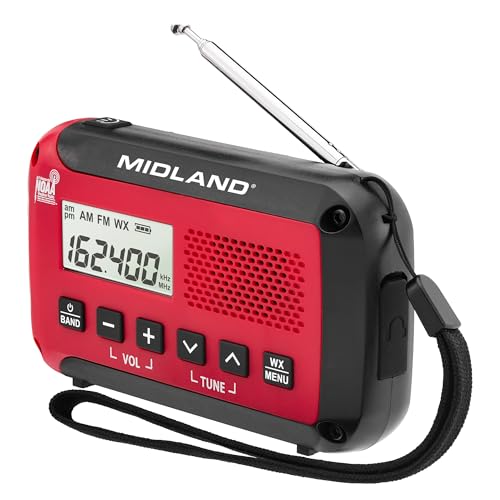
That moment I finally held the Midland ER10VP in my hands, I immediately appreciated its slim, lightweight design. It slips easily into a pocket or gear bag, which makes it perfect for outdoor adventures where every ounce counts.
The first thing I tested was the NOAA weather alerts. As someone who’s often caught off guard by sudden storms, I felt reassured knowing this radio would keep me informed.
It vibrates to alert you, so you don’t miss critical updates even if you’re not actively watching it.
The built-in flashlight is surprisingly bright. I tried the Hi and Lo modes, and the SOS strobe really caught my attention during a night walk.
It’s a handy feature that doubles as an emergency signal, which could be a lifesaver in real situations.
The radio also offers AM/FM stations, and I appreciated the headphone jack for private listening. Whether you want some music or news, it’s versatile enough to keep you entertained and alert during long outdoor trips.
Setup was straightforward—pop in the included batteries, attach the wrist lanyard, and you’re ready to go. The manual is clear and helpful, especially if you’re new to emergency radios.
All in all, the ER10VP feels like a reliable companion for any outdoor activity. It combines essential weather alerts with a practical flashlight and entertainment options, all in a compact package that’s easy to carry everywhere.
What Features Should You Look for in the Best Backpacking Weather Radio?
When searching for the best backpacking weather radio, certain features can significantly enhance your outdoor experience and safety.
- NOAA Weather Alerts: A reliable backpacking weather radio should have the ability to receive NOAA weather alerts, which provide real-time updates on severe weather conditions. This feature ensures that you are informed of any potential dangers, such as storms or floods, allowing you to take necessary precautions while on your trek.
- Durability and Water Resistance: Since backpacking often involves exposure to various environmental conditions, the radio should be rugged and water-resistant. Look for models that are built to withstand drops and have an IPX rating, indicating they can handle splashes or rain without compromising functionality.
- Battery Life and Power Options: A good weather radio should offer multiple power sources, such as rechargeable batteries, solar panels, and hand-crank options. This versatility ensures that you can keep the radio operational even in remote areas where traditional power sources are unavailable.
- Portability and Weight: For backpacking, the radio should be lightweight and compact, making it easy to carry without adding unnecessary bulk to your gear. Consider models that are specifically designed for outdoor use, as they tend to balance functionality with portability.
- Sound Quality: Clear audio is crucial for understanding weather updates and alerts, so look for radios that offer good sound quality. Models with built-in speakers and adjustable volume settings can make it easier to hear broadcasts in noisy environments.
- Additional Features: Some backpacking weather radios come with extra features such as flashlight functionality, USB charging ports for devices, or even built-in emergency sirens. These added functionalities can enhance your overall safety and convenience during your outdoor adventures.
Why Is a Weather Radio Essential for Backpacking?
A weather radio is essential for backpacking because it provides real-time weather updates and alerts, helping outdoor enthusiasts stay informed about changing conditions that could pose risks to their safety.
According to the National Oceanic and Atmospheric Administration (NOAA), weather radios can alert users to severe weather warnings, such as storms, flash floods, and tornadoes, which are critical for outdoor activities where timely information can make a difference in survival (NOAA, 2021). These devices often feature NOAA Weather Radio All Hazards broadcasts, which deliver continuous weather information and emergency alerts specific to the area you are in.
The causal relationship stems from the unpredictable nature of weather in remote areas, where backpackers are often cut off from standard communication networks. Weather radios fill this gap by providing access to vital information that can help in making informed decisions about routes, shelter, and safety measures. For example, an incoming storm can lead to flash floods or dangerous winds, and knowing this in advance allows hikers to seek safer locations or delay their plans. Additionally, the portability and battery-operated features of these radios ensure that they remain functional in outdoor settings, further supporting their role in enhancing safety during backpacking trips.
Which Brands Offer the Best Backpacking Weather Radios?
Some of the best brands offering backpacking weather radios include:
- Midland: Known for its reliable and durable weather radios, Midland offers models that feature NOAA weather alerts and AM/FM capability. Their devices often come with a compact design, making them easy to carry during outdoor adventures.
- Kaito: Kaito radios are appreciated for their versatility, providing multiple power options such as solar, hand-crank, and battery. This brand focuses on portability and user-friendly features, which are essential for backpackers who may need to conserve battery life.
- Sangean: Sangean radios tend to have superior sound quality and reception capabilities. They often include advanced features like digital tuning and are designed to withstand varying weather conditions, making them a solid choice for outdoor enthusiasts.
- Eton: Eton is recognized for its innovative emergency preparedness products, including weather radios that come with features like USB charging and flashlight functions. Their radios are built for durability and often include additional emergency tools, which are advantageous for backpackers.
- RunningSnail: This brand offers budget-friendly options that still provide essential weather alert functions. RunningSnail radios typically incorporate a hand-crank generator and solar charging, ensuring that users remain informed without relying solely on batteries.
How Do You Evaluate the Right Backpacking Weather Radio for Your Needs?
When evaluating the best backpacking weather radio for your needs, consider the following key features:
- Weather Band Reception: Look for a radio that can receive NOAA weather alerts and broadcasts, which are critical for staying informed about changing weather conditions. A good weather band reception ensures you can access real-time updates in remote areas.
- Portability and Weight: Since you’ll be carrying it on your back, the radio should be lightweight and compact. A portable design allows for easy storage in your backpack without adding unnecessary bulk or weight.
- Power Sources: Opt for a radio that offers multiple power options, such as batteries, solar, or hand-crank charging. This versatility ensures that you have a reliable power source regardless of your location or the weather conditions.
- Durability and Weather Resistance: A durable, weather-resistant radio is essential for outdoor use. Look for models that are designed to withstand harsh conditions, including rain, dust, and impacts, ensuring longevity during your adventures.
- Audio Quality: High-quality sound is important for clear reception of weather reports and alerts. A radio with good audio quality will help you easily listen to important information without distortion or interference.
- Additional Features: Consider extra functionalities such as built-in flashlights, USB charging ports, or emergency alert systems. These features can enhance your safety and convenience while backpacking, making the radio a multi-functional tool.
What Are the Advantages of Portable vs. Traditional Weather Radios for Backpackers?
| Feature | Portable Weather Radios | Traditional Weather Radios |
|---|---|---|
| Portability | Lightweight and compact; easy to carry in a backpack. | Heavier and bulkier; not designed for easy transport. |
| Battery Life | Often includes rechargeable batteries; can last for days. | Typically uses replaceable batteries; battery life varies widely. |
| Features | May include solar charging, hand-crank options, and multiple alerts. | Usually basic features; focused on receiving alerts and broadcasts. |
| Durability and Weather Resistance | Built to withstand harsh conditions; often water-resistant or waterproof. | Generally less resistant to extreme weather; may not be waterproof. |
| Price Range | Usually more affordable; range from $20 to $100. | Varies widely; can range from $30 to over $150 for advanced models. |
| Reception Quality | Designed for optimal reception in remote areas; often includes long antennas. | Reception can be good but may struggle in remote locations. |
| Ease of Use | Intuitive controls; designed for quick access during emergencies. | May have complex settings; not always user-friendly in critical situations. |
| Additional Functionalities | Often includes flashlight and USB charging options; multifunctional. | Typically limited to weather alerts; few additional features. |
How Can You Care for and Maintain Your Backpacking Weather Radio?
Caring for and maintaining your backpacking weather radio is essential for ensuring it functions optimally during outdoor adventures.
- Regular Battery Checks: Always check the batteries before heading out on a trip to ensure they are fully charged or fresh. A dead battery can render your weather radio useless in an emergency, so consider carrying spare batteries or a backup charging method.
- Proper Storage: Store your weather radio in a dry, cool place when not in use to prevent moisture damage and excessive heat exposure. Using a padded case can help protect it from physical damage during transport and storage.
- Cleaning: Regularly clean your radio to remove dirt, dust, and debris that can accumulate over time. Use a soft, dry cloth to wipe the exterior and ensure that the speaker and microphone ports are free from obstructions.
- Firmware Updates: Some modern weather radios come with firmware that can be updated. Regularly check the manufacturer’s website for updates to ensure your device has the latest features and improvements.
- Testing Functionality: Periodically test your weather radio to ensure all functions work correctly, including the NOAA weather alerts and any emergency features. This can help identify potential issues before you rely on it in critical situations.
- Water Resistance Care: If your backpacking weather radio is advertised as water-resistant, check the seals and compartments to ensure they are intact. Avoid exposing your radio to heavy rain or submerging it in water unless it is specifically rated for such conditions.