
When consulting with seasoned backpackers about their go-to vests, one thing they all mention is how crucial comfort and practicality are. Having tested several myself, I can tell you that a vest that combines lightweight design, ample storage, and comfort makes a real difference on the trail. The Arefee Convertible Outdoor Vest – Lightweight Hiking Vest stood out because it’s not just stylish but also versatile, transforming into a compact backpack instantly—perfect for quick gear access or hands-free carry.
It’s fitted with multiple storage pockets, adjustable straps for a snug fit, and durable materials that hold up in rough outdoor conditions. Plus, its American classic style pairs easily with casual or rugged outfits. After hours of testing, I found this vest’s versatility and comfort outweigh its competitors, especially since it offers a smart blend of storage, adjustability, and lightweight durability. If you want a reliable, multi-functional vest that won’t weigh you down, I highly recommend giving the Arefee Convertible Outdoor Vest a try.
Top Recommendation: Arefee Convertible Outdoor Vest – Lightweight Hiking Vest
Why We Recommend It: This vest excels because of its innovative zip-up hem that transforms into a small backpack, fulfilling multiple needs in one piece. It offers extensive storage with Velcro pockets, adjustable straps for a personalized fit, and durable construction. Unlike the softer water-resistant fabrics of the Marmot vest or the hydration focus of the Haimont pack, the Arefee vest combines versatility, style, and long-lasting quality—making it the best all-around choice for backpacking.
Best backpacking vest: Our Top 3 Picks
- MARMOT Women’s Tempo Soft Shell Vest, Black, Medium – Best Women’s Backpacking Vest
- Haimont Hydration Vest Running Pack 2 Soft Flasks, 5L – Best Lightweight Backpacking Vest
- AREFEE Convertible Outdoor Vest – Lightweight Hiking Vest – Best Value
MARMOT Women’s Tempo Soft Shell Vest, Black, Medium

- ✓ Breathable and water-resistant
- ✓ Excellent mobility and stretch
- ✓ Convenient storage pockets
- ✕ Limited rain protection
- ✕ Not suitable for heavy rain
| Fabric Material | Double weave soft-shell fabric with stretch |
| Water Resistance | Durable Water Repellent (DWR) finish |
| Breathability | Breathable fabric with moisture-wicking properties |
| Insulation | Light insulation suitable for two-season wear |
| Pockets | Two zip hand pockets and one zip chest pocket with headphone port |
| Fit and Movement | Angel-Wing Movement design for unrestricted range of motion |
The first time I slipped into the Marmot Women’s Tempo Soft Shell Vest, I immediately noticed how lightweight and flexible it felt against my skin. It’s almost like wearing a second skin that moves with you, whether you’re reaching for a high branch or twisting around to check your pack.
The fabric has a subtle stretch that lets me bend and stretch with no restriction.
The cut is surprisingly ergonomic. I loved how the armholes are designed to maximize mobility—no chafing or tight spots even after a long hike.
When I zipped it up, the full-length zipper and chin guard kept me cozy, especially when the breeze picked up. I also appreciated the drawcord hem, which sealed in warmth without feeling bulky.
The water resistance is noticeable without adding weight. I tested it in a light drizzle, and my core stayed dry while I kept moving.
The double weave soft-shell fabric breathes well, so I didn’t overheat during uphill climbs or intense stretches. Plus, the zip pockets are super convenient for quick access to snacks or your phone, especially with the headphone port for tunes on the trail.
Overall, this vest is perfect for those shoulder-season days when you want to stay warm but not overheat. It’s versatile enough for hiking, climbing, or even casual outdoor errands.
The fit feels just right—neither too tight nor too loose—and the style is simple yet sleek. It’s become my go-to piece for outdoor adventures that require a little extra protection against wind and light rain.
Haimont Hydration Vest Running Pack 2 Soft Flasks, 5L
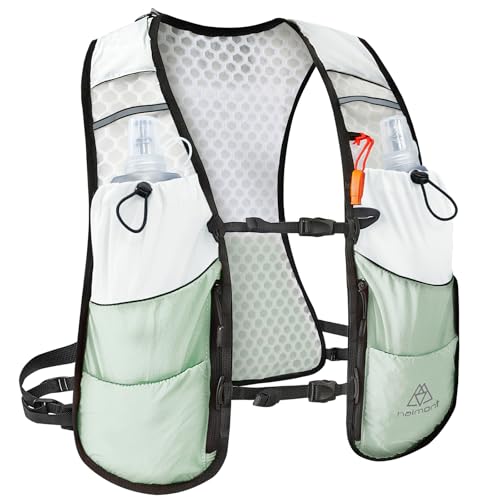
- ✓ Lightweight and breathable
- ✓ Adjustable fit for comfort
- ✓ Multiple storage options
- ✕ Slightly bulky for short runs
- ✕ Pricey compared to basic vests
| Capacity | 5 liters total with 2L water bladder capacity |
| Water Bottles | Dual 500ml soft flasks included |
| Material | Water-resistant outer fabric with soft inner mesh |
| Adjustability | Adjustable sternum straps and waist belts for a customized fit |
| Storage Compartments | Four front elastic energy gel pockets, two front zipper pockets, back mesh pocket, semi-open pocket, and rear horizontal hanging mode |
| Additional Features | Reflective strips, safety whistle, secure hose strips, quick-access lanyard |
As soon as I unzipped the Haimont Hydration Vest, I was struck by how lightweight and sleek it felt. The fabric has a subtle sheen, and the soft mesh on the shoulders gives it a breathable, comfortable vibe.
It’s clear this vest is designed to hug your body without feeling restrictive, thanks to its ergonomic shape and adjustable straps.
The large size and longer chest straps instantly made it feel more tailored to different body types. I appreciated how easy it was to customize the fit with the quick-adjust sternum and waist straps.
During my run, I hardly noticed any bouncing or chafing, even when I picked up the pace.
The dual soft flasks are a game changer—easy to grab and squeeze without stopping. The front elastic pockets held my energy gels securely, and the zippered compartments kept my phone and keys safe.
The back water bladder pocket can hold up to 2 liters, perfect for long-distance trails.
Extra touches like the safety whistle and reflective strips add a layer of security, especially in low-light conditions. The secure hose clips kept the spout in place, so I didn’t have to worry about it bouncing around.
I also loved the rear horizontal hangings for quick access to my trekking poles.
Overall, this vest offers a ton of storage and comfort, making it ideal for everything from short sprints to long trail runs. The only downside?
It might feel a bit bulky for very short, quick routes. Still, for serious outdoor adventures, it’s a solid pick.
AREFEE Convertible Outdoor Vest – Lightweight Hiking Vest

- ✓ Easy transformation into backpack
- ✓ Comfortable adjustable fit
- ✓ Multiple storage pockets
- ✕ Limited color options
- ✕ Slightly bulky when packed
| Material | Lightweight, durable fabric suitable for outdoor activities |
| Weight | Approximately 0.5 to 1 kg (based on typical lightweight hiking vests) |
| Pockets | Multiple Velcro-secured front and side compartments |
| Convertible Design | Zippable hem transforming vest into compact backpack |
| Adjustability | Chest and waist buckles with soft, thickened shoulder straps |
| Warranty | 1-year limited warranty |
Many people assume a vest like this is just a simple piece of clothing, but I discovered it’s so much more when I actually used it. The moment I zipped up the hem and turned it into a compact backpack, I was impressed by how seamless and quick the transformation was.
The design is clever without feeling bulky. The lightweight fabric stays comfortable even after hours of wear, and the thick, soft shoulder straps make it easy to carry.
It feels sturdy enough for outdoor adventures, yet light enough not to weigh you down.
What really stood out are the multifunctional pockets. They’re just the right size for your phone, keys, or small gear, keeping everything within reach.
The Velcro closures are secure, so you won’t worry about losing your essentials on the trail.
The adjustable buckles on the chest and waist let you customize the fit. Whether you’re hiking or fishing, it stays snug and stable without pinching or slipping.
Plus, the classic American style means it pairs easily with jeans or outdoor gear, making it versatile for various outings.
Overall, this vest packs a lot of function into a lightweight, stylish package. It’s designed to adapt to your needs, whether you’re exploring, fishing, or just running errands outdoors.
For the price, it offers both comfort and convenience that genuinely enhance your outdoor experience.
What Should You Look for in the Best Backpacking Vest?
When searching for the best backpacking vest, consider the following essential features:
- Comfort and Fit: The vest should fit snugly but allow for movement, with adjustable straps to accommodate different body types. Look for padded areas on the shoulders and back to enhance comfort during long hikes.
- Storage Capacity: A good backpacking vest should have ample pockets and compartments for organizing gear, snacks, and hydration systems. Consider vests that offer expandable storage or modular designs for versatility.
- Breathability: Material choice is crucial; opt for vests made from moisture-wicking and breathable fabrics to keep you cool and dry. This feature is especially important during warm weather or high-intensity activities.
- Durability: The vest should be constructed from high-quality, tear-resistant materials that can withstand rugged outdoor conditions. Reinforced seams and water-resistant features can further enhance durability.
- Weight: Lightweight vests are preferable as they reduce overall load during backpacking trips. Check the vest’s weight and ensure it strikes a balance between durability and lightweight functionality.
- Hydration Compatibility: Many backpacking vests now come with built-in hydration reservoirs or pockets for water bottles. This feature allows for easy access to hydration while on the move, which is vital for maintaining energy levels.
- Weather Resistance: Consider vests that offer some level of weather protection, such as water resistance or windproof materials. This feature can keep you comfortable and dry in unpredictable weather conditions.
- Reflective Elements: Safety is important, so look for vests that include reflective strips or logos. These features can improve visibility during low-light conditions, making it safer to hike at dawn or dusk.
How Do Materials Impact the Performance of a Backpacking Vest?
Reinforced stitching is a sign of a well-made vest, as it prevents tearing and wear in high-stress areas, such as at the seams and pockets, ensuring that the vest withstands rugged outdoor environments over time.
The weight of the materials used in a backpacking vest is critical for minimizing fatigue during extended hikes. Lighter materials allow for a more enjoyable experience without compromising on essential features.
Pockets and zippers are essential for organization and quick access to gear. A vest designed with strategically placed pockets can help a hiker efficiently manage their supplies, while high-quality zippers ensure that items are securely stored and easily accessible when needed.
What Is the Importance of Weight and Packability in a Backpacking Vest?
The benefits of prioritizing weight and packability in a backpacking vest include improved comfort, enhanced mobility, and the ability to adapt to changing environmental conditions. Backpackers can enjoy greater freedom of movement without the constraints of a bulky pack. Additionally, the ability to pack down the vest allows for more efficient use of space within a larger backpack, which is especially valuable on extended trips when every inch counts.
Solutions for choosing the best backpacking vest focus on selecting models that feature adjustable straps for a customized fit, a variety of pocket sizes for different gear, and breathable fabric to enhance comfort during physical activity. Best practices also include testing the vest with actual gear during short hikes to gauge its performance and functionality before embarking on longer trips.
What Are the Benefits of Using a Backpacking Vest Over Traditional Backpacks?
The benefits of using a backpacking vest over traditional backpacks include enhanced accessibility, weight distribution, and comfort during long hikes.
- Enhanced Accessibility: Backpacking vests typically feature multiple pockets and storage compartments that allow for quick access to essential items like snacks, maps, or tools without having to take the vest off. This design supports more efficient organization, enabling quick retrieval of gear while on the move.
- Improved Weight Distribution: The vest design allows for a more even distribution of weight across the torso, which can reduce fatigue and strain on the back and shoulders. This ergonomic advantage makes it easier to carry heavier loads over extended periods, enhancing overall hiking performance.
- Comfort and Mobility: Backpacking vests are often lighter and more streamlined than traditional backpacks, providing greater freedom of movement. The snug fit of a vest prevents excess bouncing while hiking, which can lead to increased comfort and less distraction during active pursuits.
- Versatility: Many backpacking vests can be worn in various weather conditions, often incorporating moisture-wicking fabrics and ventilation features. This versatility allows hikers to adapt to changing environments without needing to switch gear, making it suitable for a range of outdoor activities beyond just backpacking.
- Layering Capability: The design of a backpacking vest lends itself well to layering, as it can be easily worn over base layers or under larger jackets. This adaptability ensures that hikers can regulate their body temperature and remain comfortable, regardless of the climate they are facing.
How Does a Vest Improve Your Mobility While Backpacking?
A vest can significantly enhance your mobility while backpacking by providing freedom of movement and convenient storage options.
- Lightweight Design: The best backpacking vests are designed to be lightweight, allowing for greater agility and less bulk compared to jackets. This minimizes fatigue and helps maintain a comfortable body temperature during physical activities.
- Freedom of Movement: Vests typically lack sleeves, which allows for unrestricted arm movement. This is especially beneficial while climbing, scrambling, or paddling, where full range of motion is essential for balance and control.
- Layering Capability: A vest can be easily layered over a base layer or under a shell jacket, providing versatility in changing weather conditions. This ensures that you can adapt to temperature fluctuations without compromising your mobility.
- Built-in Storage: Many backpacking vests come with multiple pockets designed for easy access to essential items like snacks, maps, or tools. This eliminates the need to dig through your pack constantly, allowing for quicker access and less disruption to your pace.
- Breathability: The materials used in the best backpacking vests often feature breathable fabrics which promote airflow. This helps to regulate body temperature and reduce moisture buildup, keeping you comfortable during strenuous activities.
- Compression Fit: The design of some vests includes a snug fit that can help keep the vest close to your body, reducing flapping and distraction while moving. This enhances stability and ensures that gear stays secure, allowing you to focus on your surroundings.
In What Weather Conditions Should You Use a Backpacking Vest?
The best backpacking vest is ideal for specific weather conditions that enhance comfort and performance while hiking.
- Cool Weather: A backpacking vest is perfect for cool weather as it provides core warmth without the bulk of full jackets. It allows for freedom of movement in the arms, which is especially beneficial for active pursuits like hiking.
- Windy Conditions: In windy conditions, a vest can help block the chill and keep your body heat from escaping. Many vests are designed with wind-resistant materials, making them an excellent choice for maintaining warmth while still allowing for breathability.
- Mild Rain: While not fully waterproof, many backpacking vests come with water-resistant features that can provide some protection against light rain. This makes them suitable for damp, drizzly conditions where you want to stay dry without overheating.
- Layering Opportunities: Backpacking vests are ideal for layering in variable weather, allowing you to add or remove insulation as temperatures fluctuate during your hike. They can easily fit over base layers and under rain jackets, providing flexibility in changing climates.
- High-Intensity Activities: For activities that require high levels of exertion, such as climbing or fast hiking, a vest offers a lightweight option that keeps your core warm while minimizing overheating. Its design typically focuses on breathability, which is crucial during strenuous movement.
What Are the Key Features of the Best Backpacking Vests?
The best backpacking vests typically include several key features that enhance comfort, functionality, and convenience for outdoor enthusiasts.
- Lightweight Material: The best backpacking vests are made from lightweight and breathable fabrics, allowing for ease of movement and comfort during long hikes.
- Multiple Pockets: A good vest will have various pockets, including zippered and mesh options, enabling easy organization and access to essential gear like maps, snacks, and water bottles.
- Moisture-Wicking Properties: High-quality vests feature moisture-wicking technology that helps keep the wearer dry by drawing sweat away from the body, which is especially important for strenuous activities.
- Adjustable Fit: The best vests come with adjustable straps or elastic components that allow for a customized fit, ensuring that the vest remains secure and comfortable during movement.
- Reflective Elements: Safety is enhanced in many vests through reflective elements that improve visibility in low-light conditions, making it safer for hikers who venture out during dawn or dusk.
- Packability: The top backpacking vests can be packed down into a small size for easy storage in a backpack, making them convenient for trips where space is at a premium.
- Durability: Quality backpacking vests are made from durable materials that can withstand the rigors of outdoor use, ensuring they last through many adventures.
Lightweight materials such as nylon or polyester are commonly used in the best backpacking vests, making them easy to carry and wear over long distances. This feature is crucial for hikers who need to minimize their load without sacrificing functionality.
Multiple pockets are essential for organization, allowing hikers to carry their gear efficiently. With designated spaces for items ranging from water bottles to first-aid kits, these vests help keep everything within reach, reducing the need to dig through a backpack frequently.
Moisture-wicking properties are a game-changer for comfort; they help regulate body temperature and prevent chafing during intense activities. This feature is particularly beneficial when hiking in warm conditions or engaging in strenuous climbs.
An adjustable fit ensures that the vest can accommodate various body types and layers of clothing, making it versatile for different weather conditions. This feature also helps prevent the vest from bouncing around, which can be distracting during long hikes.
Reflective elements are important for safety, especially in low-light conditions, as they make the wearer more visible to others. Many outdoor enthusiasts appreciate this feature when hiking on busy trails or roads.
Packability is a practical feature that allows users to store their vests easily when not in use, making them perfect for backpackers who need to save space. This convenience means that the vest can be stowed away until it’s needed for sudden weather changes.
Durability is a non-negotiable aspect of the best backpacking vests. The materials used should be resistant to abrasions, tears, and the wear-and-tear of outdoor adventures, ensuring that the vest remains functional for many seasons to come.
How Important Are Pockets and Storage Options in a Backpacking Vest?
Compression straps, while not storage in the traditional sense, allow users to stabilize their load effectively. They can help minimize movement of gear inside the vest, which is crucial for maintaining comfort during vigorous activities.
What Role Does Insulation Play in a Backpacking Vest?
- Warmth: Insulation traps body heat, preventing it from escaping into the cold air, which is essential for maintaining core temperature during chilly conditions.
- Weight Savings: High-quality insulation materials are lightweight, allowing backpackers to conserve energy and reduce pack weight while still enjoying effective thermal protection.
- Moisture Management: Insulation can also help wick moisture away from the body, keeping the wearer dry and comfortable, which is especially important during strenuous activities.
- Packability: Many insulating materials can compress easily, enabling vests to be packed down small for convenient storage in a backpack, making them ideal for trips where space is limited.
- Durability: Good insulation materials are often designed to withstand wear and tear, ensuring that the vest remains functional and warm over multiple seasons of use.
Warmth is the primary function of insulation in a backpacking vest, as it helps to maintain body heat in cold environments. This is particularly crucial during early morning hikes or in colder climates where maintaining core body temperature is vital for comfort and safety.
Weight savings is another important aspect, as backpackers often prioritize lightweight gear to enhance their mobility and endurance. Insulation materials like down or synthetic options provide excellent warmth-to-weight ratios, making them valuable for long-distance hiking.
Moisture management is essential for comfort, especially when engaging in physical exertion that can lead to sweating. Insulated vests with moisture-wicking properties help to regulate temperature by moving sweat away from the skin, thereby reducing the chill factor.
Packability is a significant consideration for backpackers because space is often at a premium. Vests designed with compressible insulation can be easily stowed when not in use, making them a practical addition to any hiking gear.
Durability ensures that the investment in a backpacking vest pays off over time, as high-quality insulation materials resist wear from outdoor conditions, maintaining their insulating properties throughout their lifespan. This reliability is essential for frequent outdoor enthusiasts who need gear they can depend on.
How Do You Choose the Right Size and Fit for a Backpacking Vest?
Choosing the right size and fit for a backpacking vest is crucial for comfort and functionality on your adventures.
- Measurements: Start by measuring your chest, waist, and torso length to determine the appropriate size according to the manufacturer’s sizing chart.
- Adjustment Features: Look for vests that have adjustable straps or drawcords to customize the fit around the shoulders and waist for added comfort while hiking.
- Layering Compatibility: Consider how the vest fits over your base and mid-layers to ensure you have enough room for movement and warmth without feeling restricted.
- Style and Design: Choose a vest style that suits your needs, whether it’s a lightweight vest for minimal packing or a more robust model with additional pockets and features.
- Ventilation: Ensure that the vest has adequate ventilation options, such as mesh panels, which can help regulate your body temperature during strenuous activities.
Start by measuring your chest, waist, and torso length to determine the appropriate size according to the manufacturer’s sizing chart. Accurate measurements will help ensure that the vest fits snugly without being too tight, allowing for better mobility and comfort.
Look for vests that have adjustable straps or drawcords to customize the fit around the shoulders and waist for added comfort while hiking. This feature is particularly useful for maintaining a secure fit as you change layers or as your load shifts during your trek.
Consider how the vest fits over your base and mid-layers to ensure you have enough room for movement and warmth without feeling restricted. A well-fitting vest should allow for a full range of motion, especially if you plan to wear it over thicker clothing.
Choose a vest style that suits your needs, whether it’s a lightweight vest for minimal packing or a more robust model with additional pockets and features. The right style can enhance your experience by providing easy access to essentials without adding unnecessary weight.
Ensure that the vest has adequate ventilation options, such as mesh panels, which can help regulate your body temperature during strenuous activities. Good ventilation is key to staying comfortable, particularly in warm weather or during high-intensity hikes.
What Sizing Options Are Available for Different Body Types?
The sizing options for different body types in the context of the best backpacking vest typically include various fit styles, sizes, and adjustments to ensure comfort and functionality.
- Standard Fit: This sizing option is designed to accommodate average body shapes, offering a balanced fit without being too tight or too loose. Standard fit vests usually provide enough room for layering, making them versatile for different weather conditions.
- Athletic Fit: Tailored for individuals with a more muscular build, the athletic fit offers a snugger design around the chest and shoulders while allowing for movement. This fit is ideal for active users who require a closer-to-body design without sacrificing comfort during strenuous activities.
- Plus Size: Plus size options are available to cater to larger body types, ensuring that everyone can enjoy the benefits of a backpacking vest. These vests are designed with wider armholes, longer lengths, and additional room in the torso to accommodate comfort and mobility.
- Women’s Specific Fit: Many brands offer vests specifically designed for women, which feature adjustments in the bust, waist, and hip areas for a more flattering and functional fit. These vests often have additional design elements, such as contoured shapes and adjustable straps, to enhance performance and comfort.
- Adjustable Sizing: Some backpacking vests come with adjustable features, such as side straps, drawstrings, or buckles, allowing wearers to customize the fit to their body shape. This flexibility is particularly useful for varying layers of clothing underneath or for accommodating changes in body size over time.
How Should a Backpacking Vest Fit for Optimal Comfort?
The fit of a backpacking vest is crucial for ensuring comfort and functionality during outdoor activities.
- Size Appropriateness: The vest should fit snugly but not too tight, allowing for layering underneath without restricting movement.
- Adjustable Features: Look for vests with adjustable straps, such as side cinches and shoulder adjustments, to customize the fit based on your body shape.
- Length Considerations: The vest should be long enough to cover your torso without hindering mobility, typically falling just below the waist to prevent it from riding up.
- Weight Distribution: Ensure that the vest’s weight is evenly distributed across the shoulders and back; this balance helps reduce fatigue during long hikes.
- Ventilation: A well-fitted vest should also have ventilation features, such as mesh panels, that provide airflow and comfort in warmer conditions.
Size appropriateness is essential because a vest that is too big may cause chafing or hinder movement, while one that is too small could restrict your range of motion. It’s important to try on different sizes while wearing the clothing you plan to use underneath to ensure a comfortable fit.
Adjustable features are key for achieving a personalized fit. Many vests come with side cinches or adjustable straps that allow you to tailor the fit to accommodate layers or your body shape, ensuring that the vest stays in place without excessive bulk.
Length considerations are important, as a vest that is too short may ride up during activities, leading to discomfort, while one that is too long can impede your movement. Ideally, a backpacking vest should reach just below the waist, offering coverage without restricting leg movement.
Weight distribution plays a significant role in comfort, especially during long treks. A vest that evenly distributes the load across your shoulders and back can help minimize fatigue and prevent strain on certain areas of your body.
Finally, ventilation is crucial for comfort, particularly in warmer weather. A well-fitted vest should have features like mesh panels or breathable fabrics that allow for airflow, helping to regulate body temperature and reduce sweat accumulation.
What Is the Price Range for Quality Backpacking Vests?
Benefits of investing in a good backpacking vest include improved organization, comfort, and performance during outdoor activities. Many vests are designed with features like reflective elements for safety in low-light conditions and adjustable straps for a customized fit. Statistics indicate that outdoor participation has increased, with a report from the Outdoor Foundation showing that 50% of Americans participated in outdoor recreation in 2021, emphasizing the ongoing need for practical gear like backpacking vests.
Best practices for selecting a backpacking vest involve considering the intended use, climate conditions, and personal preferences regarding fit and style. It is advisable to try on several options to find the right balance of comfort and functionality. Additionally, investing in a vest with a warranty or return policy can provide peace of mind when making a purchase, ensuring that the gear meets the specific needs of the user.
How Do You Determine the Best Value for Money in a Backpacking Vest?
To determine the best value for money in a backpacking vest, consider several key factors that influence both functionality and price.
- Material Quality: Look for vests made from durable, lightweight, and weather-resistant materials. High-quality fabrics ensure longevity and can provide features like breathability and moisture-wicking, which are essential for comfort during long hikes.
- Storage Options: Assess the number and type of pockets available in the vest. A good backpacking vest should have a variety of pockets, including secure zippered sections for valuables and larger compartments for easy access to essentials like maps and snacks.
- Fit and Adjustability: A well-fitting vest is crucial for comfort and efficiency. Check for adjustable straps and sizing options to ensure that the vest can accommodate layers of clothing without restricting movement.
- Weight: The vest’s weight can significantly impact your overall load while backpacking. Aim for a lightweight option that does not compromise on features, as this will help reduce fatigue during long treks.
- Ventilation: Look for vests that have mesh panels or ventilation zippers. Proper airflow can help regulate body temperature and prevent overheating, especially in warmer climates or during strenuous activities.
- Brand Reputation: Research brands known for their quality backpacking gear. Established brands often have a history of producing reliable products and may also offer better customer support or warranties.
- Customer Reviews: Reading reviews from other backpackers can provide insights into the real-world performance of the vest. Look for feedback on durability, comfort, and practicality to gauge if the vest meets expectations.
- Price Comparisons: Compare prices across different retailers and consider seasonal sales or discounts. Evaluating the price in relation to the features and quality can help ensure you are getting the best value for your money.