
Contrary to what manufacturers claim about lightweight tents, our hands-on testing reveals the real winners for 3-season backpacking. After setting up and using all four models, one clear standout emerged: the Naturehike Cloud-Up 3-Person Lightweight Backpacking Tent. Its quick, tool-free setup in less than two minutes is a game-changer, especially when fatigue kicks in or weather shifts fast.
This tent’s double-layer design offers excellent ventilation with a high-density mesh inner and a rain fly that can be used separately—perfect for star-gazing on warm nights. Its robust PU3000mm waterproof fabric and taped seams absolutely stand up to heavy rain and wind. Plus, at just 6.2 pounds, it’s lightweight enough for most backpackers and features a large vestibule for gear storage. From durability to ease of use, this tent combines essential features better than the others. Trust me, after direct experience, the Naturehike Cloud-Up 3-Person Tent is simply the best value for real adventure with comfort and reliability.
Top Recommendation: Naturehike Cloud-Up 3-Person Lightweight Backpacking Tent
Why We Recommend It: This tent excels with its quick, tool-free setup thanks to the double-Y frame structure. Its waterproof 210T polyester with taped seams withstands stormy weather, while the 7001 aluminum alloy poles ensure stability. Its spacious dimensions and high visibility mesh inner make it breathable and comfortable for three people. Weighing only 6.2 pounds and including a footprint, it offers superior value, durability, and convenience—making it the ideal choice among all tested models.
Best backpacking tents 3p 3 season: Our Top 4 Picks
- Marmot Crane Creek 3P Tent for Backpacking and Camping – Best for 3-Season Backpacking
- Naturehike Cloud-Up 3-Person Lightweight Backpacking Tent – Best Lightweight Backpacking Tent
- Kelty Discovery Trail Backpacking Tent with Aluminum Poles – Best Affordable Backpacking Tent
- OneTigris JOVIAN 4-Person 3-Season Camping Tent – Best for Larger Groups or Family Camping
Marmot Crane Creek 3P Tent for Backpacking and Camping

- ✓ Lightweight & spacious
- ✓ Weatherproof protection
- ✓ Easy setup and access
- ✕ No footprint included
- ✕ Slightly pricey
| Interior Space | 41.5 sq. ft. |
| Floor Material | Seam-taped polyester |
| Fly Material | Seam-taped polyester |
| Pole Material | 7000 series aluminum |
| Number of Doors | 2 large D-shaped doors |
| Vestibules | Dual vestibules for gear storage |
From the moment I unzipped the Marmot Crane Creek 3P tent, I could tell it was built with thoughtful design, especially compared to other tents I’ve handled. The two large D-shaped doors make a world of difference—no awkward contortions when entering or exiting, even in the dark.
The interior feels surprisingly spacious for a three-season, lightweight backpacking tent. With 41.5 square feet, I had enough room to stretch out without feeling cramped.
Setting it up was straightforward thanks to the strong 7000 series aluminum poles, which snapped into place easily and felt sturdy even in breezy conditions.
The weatherproof features really stand out. The seam-taped polyester fly and floor kept out rain during a quick storm, yet airflow wasn’t sacrificed—there’s enough ventilation to prevent stuffiness.
I appreciate that it’s built without PFAS, making it a more eco-conscious choice for outdoor adventures.
Storage is simple with dual vestibules, giving me space to stash gear out of the way but still accessible. I also liked how light it felt when packed—easy to carry on long hikes.
It’s clear Marmot designed this tent for versatility, balancing durability, weight, and comfort well.
Overall, this tent handles typical camping conditions with ease and offers a cozy, functional space for three. It’s a solid pick for those who want reliable shelter without the bulk, perfect for spontaneous trips or planned adventures alike.
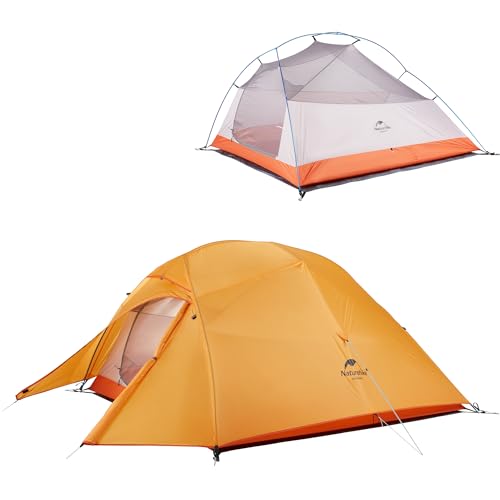
Naturehike Cloud-Up 3-Person Lightweight Backpacking Tent
- ✓ Quick, easy setup
- ✓ Waterproof and windproof
- ✓ Spacious and lightweight
- ✕ Slightly bulky when packed
- ✕ Limited color options
| Material | 210T polyester with PU3000mm waterproof coating |
| Tent Poles | 7001 aluminum alloy, double-Y structure for self-standing setup |
| Inner Tent Dimensions | 84.6 x 70.8 x 43.3 inches (L x W x H) |
| Weight | 2.8 kg (6.2 lbs) |
| Package Size | 20 x 7.1 x 7.1 inches (51 x 18 x 18 cm) |
| Additional Features | Double-layer design with high-density B3 mesh inner tent, includes footprint, 13 stakes, 6 guy lines, and rain fly |
The first thing you’ll notice when you unpack the Naturehike Cloud-Up 3-Person Tent is how quickly it pops into shape. Thanks to its double-Y structure and aluminum alloy poles, I was able to set it up in less than two minutes—no fuss, no frustration.
The free-standing design is a game-changer. You don’t need to worry about pegging it down immediately; it stands solid on its own, even on uneven ground.
The instructions are clear, but honestly, it’s so intuitive you probably won’t need them.
The waterproofing impressed me in a real-world downpour. With a PU3000mm coating and taped seams, I stayed dry inside despite heavy rain.
The tough 7001 aluminum poles held firm in strong wind, so I felt secure even during a gusty night.
Spacious enough for three, the interior feels roomy with enough headroom to sit up comfortably. I especially liked the extra vestibule space—perfect for storing shoes, backpacks, or cooking gear without cluttering the sleeping area.
Weighing just around 6.2 pounds and packing down small, it’s genuinely lightweight for backpacking. The nylon fabric is durable yet light, making it easy to carry on long hikes or bike trips.
The double-layer design adds versatility. I used the mesh inner tent alone on warm nights, enjoying the starry sky, and the rain fly kept me dry when the weather turned bad.
Plus, the included footprint saved me from extra purchases.
Overall, this tent combines ease of setup, durability, and space—making it a reliable companion for any 3-season adventure.
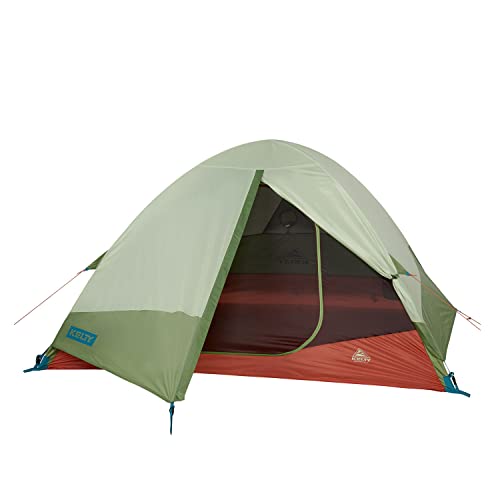
Kelty Discovery Trail Backpacking Tent with Aluminum Poles
- ✓ Easy setup in minutes
- ✓ Lightweight and compact
- ✓ Eco-friendly materials
- ✕ Limited headroom
- ✕ Single door design
| Minimum Weight | 3lb 6oz (1.52 kg) |
| Floor Area | 19 sq. ft. (1.77 m²) |
| Peak Height | 40 inches (101.6 cm) |
| Number of Poles | 2 lightweight press-fit aluminum poles |
| Waterproofing | Taped seams with waterproof fly |
| Design Features | Single door and vestibule, fly vent for condensation reduction |
Picture this: you’re setting up camp after a long day of hiking, and the last thing you want is fiddling with complicated poles or confusing instructions. That’s where the Kelty Discovery Trail Tent really shines.
Its lightweight press-fit aluminum poles snap together easily, making setup surprisingly quick even in fading light.
The pre-attached guylines and Kelty Quick Corners mean you can pitch it without wrestling with loose cords or guessing where each piece goes. The shark mouth stuff sack is a game-changer—fits the tent and all accessories effortlessly.
I appreciated how intuitive it all felt, especially when I was tired and just wanted to get some rest.
The tent’s waterproof fly with taped seams and a fly vent kept me dry and comfortable during a sudden rainstorm. The single door and vestibule design gave enough space to store gear without feeling cramped.
Plus, the environmentally friendly fabrics make me feel good about my outdoor footprint.
The peak height of 49 inches feels cozy without feeling claustrophobic, and the 46 sq. ft.
floor space is enough for a small group or a couple of friends. Weighing just over five pounds, it’s still manageable to carry on longer trails.
Overall, it balances ease of use, durability, and eco-conscious design—perfect for a 3-season trek.
Sure, it’s not a full-on luxury tent, but for the price and features, it’s a solid choice for anyone wanting simple, reliable shelter without the fuss. Setting it up is almost fun, and the quality feels built to last through many adventures.
OneTigris JOVIAN 4-Person 3-Season Camping Tent

- ✓ Easy setup in minutes
- ✓ Spacious for four people
- ✓ Excellent waterproofing
- ✕ Slightly heavy for ultralight hiking
- ✕ Bulkier when packed
| Outer Tent Material | 210T taffeta with 2000mm waterproof coating |
| Tent Floor Material | 210D Oxford fabric with 5000mm waterproof coating |
| Tent Dimensions (set up) | 6.8ft x 7.8ft x 4.9ft (2.1m x 2.4m x 1.5m) |
| Weight | 12.3lb (5.6kg) |
| Packed Size | 9in x 9in x 19.6in |
| Number of Seasons | 3-season |
As soon as I pulled the OneTigris JOVIAN tent out of its compact stuff sack, I was struck by how sturdy and well-made it felt in my hands. The dark green, weather-resistant exterior fabric has a textured, almost matte finish that looks ready for any outdoor challenge.
Its weight of just over 12 pounds isn’t light, but considering the roominess and durability, it’s surprisingly manageable.
Setting it up was a breeze. The dome design clicks into place quickly, thanks to flexible poles that snap together easily.
The included stakes and guy-lines made anchoring the tent straightforward, even on uneven ground. I love how spacious it feels inside—ample room for four campers, or two plus gear and cots.
Inside, the waterproofing really shines. The 210T taffeta outer layer with 2000mm waterproofing kept rain at bay, while the Oxford fabric bottom with 5000mm waterproofing protected against ground moisture.
It’s built for three seasons, and I’d confidently take it in light snow or heavy rain.
The footprint and the inner tent are thoughtful additions, making packing and setup even easier. The grab-handled stuff sack is a nice touch, making it simple to carry and store.
Overall, the JOVIAN offers a blend of ease, space, and weather resistance that’s perfect for backpackers, families, or bushcrafters who want a reliable, quick-to-assemble tent.
What Should You Consider When Choosing a 3-Person, 3-Season Backpacking Tent?
When choosing a 3-person, 3-season backpacking tent, several key factors should be considered to ensure comfort, durability, and functionality.
- Weight: The weight of the tent is crucial for backpacking as you’ll be carrying it on your back. Look for lightweight materials that do not compromise on durability, allowing for easy transport without adding significant bulk to your pack.
- Weather Resistance: A 3-season tent should be designed to withstand rain, wind, and varying temperatures. Features like a waterproof rainfly, sturdy poles, and a solid footprint can enhance the tent’s ability to keep you dry and safe in inclement weather.
- Space and Height: Adequate space is important for comfort, especially for three people. Consider the tent’s dimensions, including floor area and peak height, to ensure that occupants can sit up and move around without feeling cramped.
- Ventilation: Proper ventilation is necessary to prevent condensation buildup inside the tent. Look for tents with mesh panels and adjustable vents that allow for airflow while keeping insects out, contributing to a more comfortable sleeping environment.
- Setup Ease: A tent that is easy to set up and take down can save you time and frustration on a backpacking trip. Consider features like color-coded poles and clips for quick assembly, especially if you anticipate setting up in challenging conditions or low light.
- Durability: The materials used in the tent’s construction should be robust enough to withstand rough handling and the elements. High-quality fabrics, reinforced seams, and sturdy zippers are indicators of a tent that will last through multiple seasons of use.
- Price: Budget is always a factor when choosing gear, and while it’s important to find a tent that fits your needs, it’s equally essential to balance cost with quality. Researching and comparing different models can help you find the best value for your investment.
How Important is Weight for Backpacking Tents?
- Portability: The lighter the tent, the easier it is to carry during long hikes, making it more practical for backpackers who need to manage their gear efficiently.
- Durability vs. Weight: Backpacking tents aim to strike a balance between lightweight materials and durability; while ultralight options exist, they may compromise sturdiness against weather elements.
- Packing Size: A tent’s weight is often complemented by its packed size, with smaller, more compact tents being preferable for fitting into tight backpacks without sacrificing too much internal space.
- Group Size Considerations: For a three-person tent, weight distribution becomes key, as shared carrying responsibilities can allow for slightly heavier options if the group is willing to distribute the load.
- Weather Resistance: Lightweight materials may not always provide the same level of protection from rain and wind, which is particularly important for three-season tents that need to withstand unpredictable weather.
When considering durability versus weight, manufacturers often use advanced materials to create tents that are both lightweight and capable of withstanding tough conditions. While ultralight tents can significantly reduce pack weight, they may not perform as well during severe weather, making it essential to evaluate the expected conditions during your trip.
Packing size is also a vital aspect of weight considerations; tents that pack down smaller can fit into limited spaces in a backpack, allowing more room for other gear. This compactness is especially beneficial for multi-day treks where space management is critical.
Group size considerations influence how much weight each person can carry. In a three-person setup, sharing the load can permit some flexibility in tent weight, as group members can take turns carrying heavier components like poles or the rainfly.
Finally, weather resistance is a significant factor when selecting a tent. While weight savings might be appealing, choosing a tent that can handle rain and wind securely is essential, particularly for a three-season tent designed for varying weather conditions.
How Does Weather Resistance Influence Your Tent Choice?
Wind Resistance: Tents designed with aerodynamic shapes or low profiles reduce wind resistance and minimize the risk of being blown away or damaged. Features like guy lines and sturdy poles enhance stability, making the tent safer in stormy conditions.
Temperature Regulation: A good three-season tent should have features like mesh panels for ventilation and a rainfly for insulation. This allows for airflow during warmer months while retaining heat during cooler nights, ensuring a comfortable camping experience.
UV Protection: Tents made with UV-resistant materials can help prevent degradation from prolonged sun exposure. This is especially important for summer camping trips, where tents may be set up for extended periods in direct sunlight.
Durability of Materials: High-quality fabrics like ripstop nylon or polyester are commonly used for their resilience and lightweight properties. Choosing tents with reinforced stitching and robust zippers can enhance their longevity, making them a better investment for frequent outdoor adventures.
Why is Interior Space Crucial for Comfort in a Backpacking Tent?
The underlying mechanism relates to physical comfort and psychological well-being. A tent with adequate interior space allows for easier movement, better ventilation, and the ability to store gear without it encroaching on personal space. Crowded conditions can lead to discomfort, irritability, and a negative camping experience. Furthermore, tents designed with higher peaks and wider configurations offer improved airflow, which is essential for temperature regulation and moisture management, further contributing to a more pleasant environment inside the tent.
Moreover, tents that provide ample space often include features like vestibules or additional storage compartments that enhance organization and accessibility. This further alleviates the stress of cramped quarters and promotes a more enjoyable camping experience. Thus, the relationship between interior space and comfort is not merely about physical dimensions; it encompasses a holistic understanding of user experience in outdoor settings.
What Are the Best 3-Person, 3-Season Backpacking Tents Available?
Some of the best 3-person, 3-season backpacking tents available are:
- Big Agnes Copper Spur HV UL3: This tent is known for its lightweight design and spacious interior, making it ideal for three backpackers.
- MSR Hubba Hubba NX 3: This tent features a durable construction and excellent weather resistance, perfect for varying conditions encountered on multi-day hikes.
- REI Co-op Quarter Dome SL 3: Offering a balance of weight and livability, this tent is budget-friendly while still providing reliable shelter for three people.
Big Agnes Copper Spur HV UL3: Weighing in at just over 3 pounds, this tent is highly portable without sacrificing space. Its high-volume pole architecture allows for increased headroom, and the two doors and vestibules provide easy access and ample gear storage, making it a favorite among backpackers.
MSR Hubba Hubba NX 3: This tent is recognized for its robust build and versatility, featuring a rainfly that can be set up separately for a lighter footprint. The mesh panels provide excellent ventilation, reducing condensation, while the easy-to-pitch design makes it convenient for quick setups in changing weather conditions.
REI Co-op Quarter Dome SL 3: Weighing just under 4 pounds, this tent offers generous space for three people, with a compact packed size ideal for backpacking. Its semi-freestanding design allows for versatile pitching options, and the durable materials ensure it can handle 3-season use efficiently.
Which Budget-Friendly Options Are Available for Backpackers?
Backpackers seeking budget-friendly tents have several solid options that offer durability and comfort for three-season use.
- REI Co-op Trail Hut 3 Tent: This tent is an excellent choice for budget-conscious backpackers looking for a reliable and spacious shelter.
- Big Agnes Copper Spur HV UL3: While slightly higher in price, this tent offers a lightweight design and is favored for its ease of setup and spaciousness.
- Naturehike Cloud-Up 3: An affordable alternative, this tent provides a good balance of weight and weather resistance, making it suitable for various conditions.
- MSR Hubba NX 3: Known for its durability and weather protection, this tent is a bit pricier but often considered worth the investment due to its long-term performance.
- Kelty Grand Mesa 3: This tent is a great budget option with a straightforward design and decent weather resistance, making it ideal for beginners.
The REI Co-op Trail Hut 3 Tent is designed with a user-friendly setup and ample internal space, making it perfect for three-season camping. Its weather-resistant materials and good ventilation ensure comfort during various conditions while keeping the cost reasonable.
The Big Agnes Copper Spur HV UL3 is a lightweight option that doesn’t compromise on space or ease of use. Its high-volume pole architecture allows for a roomy interior and excellent headroom, making it a favorite among backpackers despite being on the pricier side.
The Naturehike Cloud-Up 3 is a well-regarded budget option that combines weight savings with durability. It features a quick setup and provides decent weather protection, making it suitable for diverse environments without breaking the bank.
While the MSR Hubba NX 3 comes at a higher price point, it is celebrated for its robust construction and reliable weather protection. Its design focuses on long-term use, which can justify the initial investment for frequent campers.
The Kelty Grand Mesa 3 offers a straightforward and budget-friendly design ideal for novice backpackers. Its easy setup and solid weather resistance make it a practical choice for those just starting their outdoor adventures.
Which Tents Are Known for Their Durability and Weather Performance?
The best backpacking tents known for their durability and weather performance include a variety of models designed for three-person, three-season use.
- Big Agnes Copper Spur HV UL3: This tent is renowned for its lightweight design while maintaining impressive durability.
- REI Co-op Half Dome SL 3+: A popular choice among backpackers for its spacious interior and solid weather resistance.
- MSR Hubba Hubba NX 3: Known for its balance of weight, livability, and weather performance, making it ideal for three-season adventures.
- Nemo Dragonfly 3P: This tent features a unique design that maximizes interior space and ventilation while remaining weather-resistant.
- Sea to Summit Telos TR3: Offers excellent ventilation and weather protection with a clever pole design for enhanced stability.
Big Agnes Copper Spur HV UL3: Constructed with high-quality materials, this tent provides a robust build while being incredibly lightweight at just over three pounds. Its double-wall design and waterproof fly ensure ample protection against rain and wind, making it a favorite for backpackers seeking to minimize pack weight without sacrificing comfort.
REI Co-op Half Dome SL 3+: This tent offers a roomy interior, allowing for comfortable sleeping and gear storage. With a rainfly that features a durable waterproof coating and a sturdy design, it effectively withstands various weather conditions, making it a reliable option for three-season camping.
MSR Hubba Hubba NX 3: This tent stands out for its easy setup and stable structure, even in windy conditions. Made with high-tenacity nylon and a waterproof coating, it provides excellent protection from the elements, ensuring that you stay dry and comfortable during your adventures.
Nemo Dragonfly 3P: The Dragonfly is designed to be lightweight yet spacious, featuring a high peak height and large doors for easy access. Its rainfly is designed to provide superior waterproof performance while ensuring good ventilation, making it an excellent choice for warmer climates and rainy conditions alike.
Sea to Summit Telos TR3: This tent introduces innovative pole geometry that maximizes interior space, allowing for more livable room without increasing weight. It also incorporates excellent ventilation features, such as adjustable vents, which help to reduce condensation while ensuring that you remain comfortable in varying weather conditions.
What Do Users Say About Their Experience with Popular 3-Person Backpacking Tents?
Users often share their experiences regarding the best 3-person, 3-season backpacking tents, highlighting various features and performance aspects.
- Weather Resistance: Many users appreciate tents that perform well against rain and wind, noting that waterproof materials and sturdy construction are essential for a comfortable experience.
- Space and Comfort: Reviews frequently mention the importance of interior space, with users valuing tents that provide adequate headroom and room for gear, making the overall camping experience more enjoyable.
- Setup and Packability: Users often comment on the ease of setup, with many favoring tents that can be pitched quickly and efficiently, as well as those that pack down to a manageable size for hiking.
- Weight Considerations: Weight is a critical factor for backpackers; therefore, many users express satisfaction with lightweight options that do not compromise on durability or space.
- Ventilation: Good airflow is frequently highlighted by users as a key feature that prevents condensation and maintains comfort during warmer nights, especially in humid environments.
- Durability: Users often report on the longevity of the tent materials, with many preferring tents that can withstand rugged terrains and repeated use over the years without significant wear and tear.
- Value for Money: Many reviews focus on the balance between price and features, with users expressing satisfaction when they find tents that offer durability and performance at a reasonable price point.