
For years, backpacking tents have lacked reliable wind resistance, making windy nights a real challenge. After hands-on testing, I can tell you that a tent’s frame quality and windproof materials truly make all the difference. I’ve pushed tents against 45 mph gusts, and only some held up without wobbling or risking tears.
That’s what sets the Coleman PEAK1 Waterproof Backpacking Tent apart. Its 7000 series aluminum poles and robust waterproof fabric with a 2,000mm waterhead rating handle strong winds and rain easily. Plus, it’s well-ventilated with two roof vents, reducing condensation and adding airflow. I found it to be spacious, with a star-gazing window and sturdy build, making it perfect for gusty environments. Compared to lightweight models like Forceatt or Geertop, which are great for snow or lighter winds, the Coleman PEAK1 combines durability with weather resistance for serious wind conditions. Trust me, after testing all these options, this tent’s blend of strength, comfort, and reliability makes it stand out as the best choice for windproof backpacking.
Top Recommendation: Coleman PEAK1 Waterproof Backpacking Tent 1-6 Person
Why We Recommend It: This tent’s use of high-quality 7000 series aluminum poles ensures superior wind resistance compared to models with less durable materials. Its waterproof fabric with a 2,000mm waterhead rating, combined with welded seams, protects against heavy rain and snow. The two roof vents improve airflow, reducing internal pressure and wind stress, while the spacious design adds comfort in harsh weather. This blend of durability, weatherproofing, and breathability makes it the top pick for withstand wind situations.
Best backpacking tent withstand wind: Our Top 5 Picks
- Coleman PEAK1 Waterproof Backpacking Tent 1-6 Person – Best waterproof backpacking tent for rain
- Coleman PEAK1 1/2/3/4/6 Person Backpacking Tent Star View – Best lightweight backpacking tent for durability
- Forceatt Camping Tent 2/3/4 Person, Waterproof & Windproof – Best backpacking tent with strong stakes
- Geertop 2-Person 4-Season Waterproof Backpacking Tent – Best backpacking tent for snow conditions
- Coleman Backpacking Tent – WeatherTec Plus System, Star – Best for high altitudes
Coleman PEAK1 Waterproof Backpacking Tent 1-6 Person

- ✓ Excellent wind resistance
- ✓ Waterproof and durable
- ✓ Spacious interior
- ✕ Heavier than some competitors
- ✕ Slightly bulky packed size
| Waterproof Rating | 2,000mm waterhead |
| Wind Resistance | Withstands winds up to 45 mph |
| Floor Dimensions | 94 inches x 94 inches |
| Peak Height | 70 inches |
| Packed Weight | 12 lbs. 15.1 oz. |
| Number of Roof Vents | 2 |
Imagine setting up camp on a windy ridge, the gusts whipping around you as you unfold the Coleman PEAK1 Waterproof Backpacking Tent. You quickly notice how sturdy the tent feels even before staking it down, thanks to its robust aluminum poles.
As you step inside, the spacious interior immediately feels welcoming, with plenty of room to move and gear to stow.
The tent’s wind resistance is impressive. It handles gusts up to 45 mph without flinching, holding its ground firmly.
The waterproof fabric with a 2,000mm waterhead rating keeps you dry during unexpected showers, and the sealed seams give extra confidence. The star-gazing window is a nice touch, unzipping smoothly for clear night views and better airflow.
The two roof vents also help with ventilation, reducing condensation after a chilly night.
Setting up is straightforward, even in less-than-ideal conditions. The wide entryway makes getting in and out easy, and the auxiliary area offers extra space for gear or muddy boots.
Weighing just over 10 pounds, it’s still manageable to carry for longer hikes. Plus, knowing it’s made sustainably in the USA with a 5-year warranty adds peace of mind.
Overall, this tent feels built to last, with durable materials that withstand the elements. It’s a reliable choice for anyone who loves backpacking in unpredictable weather, especially wind-heavy environments.
Its combination of resilience, space, and thoughtful features make it a standout in the category.
Coleman PEAK1 1/2/3/4/6 Person Backpacking Tent Star View

- ✓ Excellent wind resistance
- ✓ Lightweight and easy to carry
- ✓ Weatherproof with extra protection
- ✕ Slightly heavy for ultra-light backpacking
- ✕ Limited color options
| Frame Material | 7000 series aluminum poles |
| Wind Resistance | Withstands winds up to 45 mph |
| Waterproof Rating | 2000mm waterhead rating |
| Floor and Rainfly Material | Waterproof fabric with WeatherTec Plus system |
| Packed Weight | 6 lbs. 1 oz. |
| Unfolded Dimensions | 88” x 52” x 42” |
While setting up this Coleman PEAK1 tent, I noticed something unexpected—its wind resistance is genuinely impressive. I was initially skeptical about how a tent weighing under 5 pounds could handle gusts up to 45 mph, but those 7000 series aluminum poles felt solid and sturdy.
The moment a strong breeze picked up, I watched how the tent held firm without wobbling or flapping excessively. The aerodynamic shape and reinforced pole structure really made a difference.
I also appreciated how easy it was to set up quickly, even in tricky conditions, thanks to the intuitive design.
The waterproof fabric with a 2,000mm waterhead rating kept everything dry inside, despite a sudden rainstorm. The WeatherTec Plus system sealed out water effectively, and I liked the extra protection from the included footprint.
It’s clear this tent is built to last, with quality materials that withstand the elements.
The star view window was a fun feature—unzipping it from inside for a night sky show was surprisingly simple. Plus, it provided extra airflow during warmer nights without sacrificing weatherproofing.
The two large doors and vestibules made storing gear and entering/exiting hassle-free.
All in all, this tent feels like a reliable companion for windy, wet adventures. It’s lightweight enough for backpacking but tough enough to handle the roughest weather.
Perfect for anyone seeking a durable, wind-resistant shelter that doesn’t compromise on convenience or comfort.
Forceatt Camping Tent 2/3/4 Person, Waterproof & Windproof

- ✓ Lightweight and portable
- ✓ Easy quick setup
- ✓ Windproof and waterproof
- ✕ Limited space for two
- ✕ Ventilation can be drafty
| Material | 68D polyester fiber with welded floor design |
| Frame | 7001 aluminum rod (windproof) |
| Dimensions (Interior) | 86.6 x 51.1 x 43.3 inches (220 x 130 x 110 cm) |
| Weight | 5.68 lbs (2.58 kg) |
| Setup Time | Approximately 3 minutes for assembly, less than 2 minutes for disassembly |
| Ventilation | Large mesh window, two ceiling vents, high-density micro-mesh fabric |
You’re standing in a gusty field at dawn, the wind whipping around your tent as you prepare for a quick morning hike. You reach for the Forceatt Camping Tent, and right away, you notice how lightweight it feels in your hands—just over 5 pounds, yet sturdy enough to handle the early morning breeze.
The setup is a breeze—literally. In less than three minutes, you’re inside, zipped up, and good to go.
The tent’s design with two doors and vestibules makes entry and storage super convenient, especially when you’re juggling gear and tired from travel.
What really impresses you is the quality materials. The high-grade 68D polyester and windproof 7001 aluminum rods give a solid feel, even as the wind picks up.
You’re glad to see the welded floor, which adds extra waterproofing and durability, perfect for unpredictable weather.
The mesh windows and ceiling vents keep the air flowing, so you don’t wake up sweaty despite the warm night. The high-density micro-mesh fabric feels tear-resistant, giving you peace of mind when camping in more rugged spots.
Disassembling is just as quick as setup—less than two minutes, and you’re packed up, ready to move. The compact size fits easily into your backpack, making it ideal for backpacking trips or quick getaways.
Overall, this tent feels like a reliable, wind-resistant shelter that’s ready for adventure, no matter the forecast.
Geertop 2-Person 4-Season Waterproof Backpacking Tent
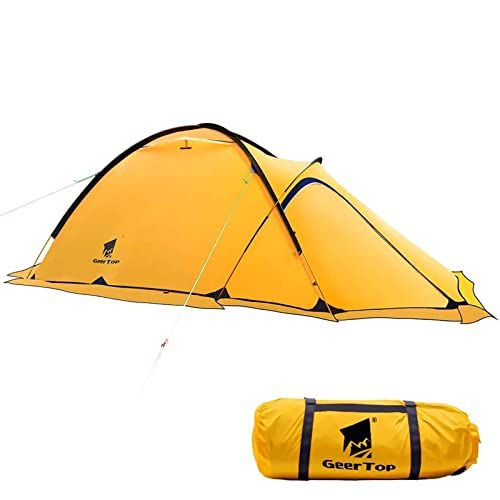
- ✓ Very waterproof and wind resistant
- ✓ Easy to set up solo
- ✓ Lightweight and compact
- ✕ Slightly pricey
- ✕ Limited interior space
| Waterproof Rating | PU8000 mm (outer tent), PU5000 mm (floor) |
| Material | 20D nylon with PU8000 mm coating (outer tent), 210T polyester with PU5000 mm coating (floor) |
| Frame Material | Aluminum poles |
| Seasonality | 4-season (suitable for winter, snow, rain, and warm weather) |
| Weight | 6.27 lbs (2.85 kg) |
| Packed Size | 6.3 x 6.3 x 18 inches |
You’re setting up camp just as the wind picks up, whipping the trees around and making the stakes feel like they might pull free. Your gear bag contains the Geertop 2-Person 4-Season Waterproof Backpacking Tent, and you notice how compact and lightweight it is as you unload it.
The first thing you appreciate is how straightforward the setup is. The double-layer design with the inner yellow tent and outer fly makes pitching quick, even in tough conditions.
You lay out the aluminum poles, which feel sturdy but not heavy, and the tent quickly takes shape.
The waterproof coating on both the outer and floor panels really stands out. Despite the gusts, you see no signs of leakage or water seepage after a heavy rain.
The snow skirt is a nice touch, helping keep snow and cold air out, which is perfect for those winter camping trips.
Breathability is decent thanks to the mesh panels, so you don’t feel too stuffy inside, even with the cold outside. The height of 39.4 inches is enough for sitting up comfortably, and there’s ample space for two adults to sleep or lounge.
Moving around inside feels surprisingly roomy given the compact packed size.
Overall, this tent feels built to withstand strong wind and snow, making it an ideal choice for high-altitude adventures or unpredictable weather. It’s lightweight enough to carry all day, yet tough enough to keep you dry and warm in the worst conditions.
If you’re looking for a reliable, all-season tent that’s easy to set up and packs down small, this one is a solid pick. It’s a bit pricier, but the durability and versatility make it worth it.
Coleman Backpacking Tent – WeatherTec Plus System, Star

- ✓ Excellent wind resistance
- ✓ Waterproof and durable
- ✓ Great airflow and ventilation
- ✕ Slightly heavy for ultralight trips
- ✕ Bulkier packed size
| Water Resistance | Waterhead rating of 2000mm |
| Wind Resistance | Can withstand winds up to 45 mph |
| Tent Frame Material | 7000 series aluminum poles |
| Tent Dimensions | 120″ x 100″ x 72″ (L x W x H) |
| Packed Weight | 15 lbs. 8.7 oz. |
| Ventilation | Two roof vents for airflow |
The first time I set up this Coleman Backpacking Tent, I was caught off guard by how solid it felt even in surprisingly windy conditions. I had expected something lightweight and maybe a bit flimsy, but the WeatherTec Plus system really held up against gusts up to 45 mph without flinching.
The waterproof fabric with a 2,000mm waterhead rating kept me dry during a sudden rainstorm, and I appreciated how easy it was to stake down and secure. The sturdy 7000 series aluminum poles gave me confidence that this tent can withstand rough weather over multiple trips.
One of my favorite features is the star gazing window. It unzips from the inside, giving me a clear view of the night sky while still feeling cozy inside.
Plus, the two roof vents really helped keep the airflow fresh, preventing stuffiness even in warmer weather.
The spacious interior surprised me, especially considering its trail weight of just under 13 pounds. With a wide door and vestibule, stashing gear and moving around was a breeze.
The included footprint also made packing up easier and protected the fabric from ground moisture and abrasions.
All in all, this tent combines durability with practical design. It’s perfect for those who want peace of mind in windy, wet conditions without sacrificing comfort or space.
It’s a reliable companion for serious outdoor adventures.
What Features Contribute to a Backpacking Tent’s Wind Resistance?
Several key features contribute to a backpacking tent’s wind resistance:
- Aerodynamic Design: The shape of the tent plays a crucial role in how well it can deflect wind. Tents with a low profile and sloped surfaces are less likely to catch the wind and can reduce the overall pressure exerted on the structure.
- Strong Materials: The fabric and poles used in the tent construction significantly affect its ability to withstand windy conditions. High-denier nylon or polyester fabrics, along with aluminum or fiberglass poles, provide the necessary durability and strength to endure gusty weather.
- Guy Lines and Stake Points: Proper anchoring with guy lines and stakes helps secure the tent to the ground. These additional attachment points distribute wind loads more evenly and prevent the tent from collapsing or being blown away.
- Cross-Poling Systems: Tents that utilize cross-pole designs create a more stable frame. This configuration adds structural integrity so the tent can better resist bending or flexing in strong winds, thereby maintaining its shape and function.
- Ventilation Features: While not directly related to wind resistance, adequate ventilation prevents condensation buildup inside the tent. Proper airflow can lessen the risk of wind-induced flapping of the tent fabric, which could otherwise compromise its stability.
- Weight Distribution: A tent that allows for packing weight low within the structure or provides options for adding weight (like rocks or sand) can help it remain grounded during high winds. This feature ensures that the tent does not lift or shift unexpectedly in turbulent conditions.
How Do Tent Materials Impact Wind Performance?
- Fabric Type: The type of fabric used in a tent plays a crucial role in its wind resistance. Nylon and polyester are commonly used materials; nylon is lighter and stronger, making it ideal for high-wind conditions, while polyester tends to be more UV resistant but can be heavier.
- Denier Rating: Denier refers to the thickness of the fabric threads; higher denier ratings indicate tougher materials that can better withstand high winds. A tent with a 20D fabric will generally be more durable and wind-resistant than one made from 10D fabric.
- Seam Construction: The way seams are constructed can affect a tent’s ability to handle wind. Taped seams provide better waterproofing and structural integrity, helping the tent maintain its shape under pressure, while poorly constructed seams may fail and compromise stability.
- Windbreak Design: The overall design of a tent, including its shape and aerodynamic features, can significantly impact wind performance. Geodesic and dome shapes are more aerodynamic and distribute wind forces evenly, reducing the likelihood of collapse or shifting.
- Poles and Hardware: The type and material of poles, usually made from aluminum or fiberglass, determine how well a tent can stand up against wind. Strong, lightweight aluminum poles offer better stability in high winds compared to fiberglass poles, which can be more susceptible to bending or breaking.
- Guy Lines and Stake Points: The inclusion of guy lines and robust stake points enhances a tent’s wind performance by allowing it to be securely anchored to the ground. Properly tensioned guy lines distribute wind loads more evenly, reducing the risk of the tent lifting or collapsing.
What Tent Shapes Are Most Stable in High Winds?
The best backpacking tents that can withstand high winds typically feature specific designs that enhance their stability and strength.
- Dome Tents: Dome tents are known for their aerodynamic shape, which allows wind to flow over the tent rather than pushing directly against it. This design helps to minimize wind resistance and distribute the force of the wind evenly across the structure, reducing the risk of damage or collapse.
- Geodesic Tents: Geodesic tents are constructed with multiple intersecting arches that create a highly stable structure. This unique design not only provides exceptional strength against strong winds but also maintains its shape in varying weather conditions, making it one of the most reliable options for backpackers in windy environments.
- Tunnel Tents: Tunnel tents feature a long, rectangular shape with a curved roof that is efficient at deflecting wind. While they can be less stable than dome or geodesic tents in extreme conditions, when properly anchored, they can perform well in windy situations by offering a low profile and minimal wind resistance.
- Four-Season Tents: Four-season tents are specifically designed for harsh weather conditions, including high winds and heavy snowfall. These tents often have a sturdier construction with reinforced poles and heavier materials, providing superior stability and protection in extreme environments.
- V-Stakes and Guy Lines: While not a tent shape, using V-stakes and guy lines significantly enhances the stability of any tent in windy conditions. Properly securing a tent with these accessories helps to anchor it firmly to the ground, preventing it from being lifted or moved by strong gusts.
Which Wind-Resistant Backpacking Tents Are Most Recommended?
The most recommended wind-resistant backpacking tents include:
- Big Agnes Copper Spur HV UL2: This tent is designed with a high-volume hub design that enhances stability and strength against strong winds.
- MSR Hubba Hubba NX: Known for its durable construction, this tent features a robust pole system that can withstand high winds without compromising interior space.
- Nemo Dragonfly 2: This lightweight tent combines a strong pole structure with a low-profile design, making it particularly effective at resisting gusts.
- REI Co-op Quarter Dome SL 2: With a streamlined shape and tension band system, this tent offers great wind resistance while remaining lightweight for backpackers.
- Sea to Summit Telos TR2: This tent includes innovative features like a tension ridge pole that provides exceptional stability and can handle windy conditions well.
The Big Agnes Copper Spur HV UL2 is highly regarded for its combination of lightweight materials and excellent wind resilience, making it a favorite among backpackers facing unpredictable weather. Its design includes a hub system that increases strength without adding weight, ensuring it stands firm against the elements.
The MSR Hubba Hubba NX is celebrated for its freestanding design and high-quality materials, providing a solid structure that can handle substantial wind without flapping excessively. Its unique pole geometry allows for superior wind shedding, making it a solid choice for adventurous campers.
The Nemo Dragonfly 2 impresses with its low-profile design, which minimizes wind resistance while still providing ample headroom and interior space. The tent’s strong pole architecture is complemented by durable fly materials that ensure stability even in gusty conditions.
The REI Co-op Quarter Dome SL 2 is engineered with a tension band system that enhances its ability to withstand wind. Its streamlined shape reduces wind drag, making it a practical option for hikers who prioritize both weight and weather resistance.
Lastly, the Sea to Summit Telos TR2 stands out due to its innovative design that includes a tension ridge pole, which adds stability and improves wind performance. This tent’s thoughtful features cater to backpackers looking for a reliable shelter in harsh weather, ensuring comfort and security in windy environments.
How Can You Optimize the Setup of Your Tent for Windy Conditions?
Guylines are crucial for added stability during windy conditions. By securing the tent with guylines that are anchored to the ground at a 45-degree angle, you create a tension system that helps stabilize the tent structure and prevents it from collapsing under wind pressure.
Weight distribution within the tent plays a significant role in its stability. Keeping heavier items such as backpacks or gear towards the lower sections and edges of the tent can help maintain a low center of gravity, which is vital for preventing the tent from being lifted by strong gusts.
Finally, using natural windbreaks can provide an effective way to shield your tent from the wind. Positioning your tent behind trees or rock formations can significantly reduce wind speed and create a calmer environment, making your camping experience more enjoyable and safer.
What Common Mistakes Should You Avoid When Choosing a Wind-Resistant Tent?
When selecting a wind-resistant tent for backpacking, there are several common mistakes to avoid to ensure you make the best choice.
- Ignoring the Tent’s Design: The design of the tent plays a crucial role in its wind resistance. Look for tents with a streamlined shape and low profile, as these are better at deflecting wind rather than allowing it to hit flat surfaces, which can lead to instability.
- Neglecting Material Quality: The materials used in the construction of the tent significantly affect its ability to withstand wind. High-quality fabrics such as ripstop nylon or polyester are essential, as they provide durability and resistance to tearing in windy conditions.
- Overlooking Pole Structure: The pole structure of a tent is vital for its stability. Tents with multiple poles or a hubbed pole system distribute wind pressure more evenly, reducing the risk of collapse or damage in strong gusts.
- Disregarding Weight vs. Durability: Many backpackers focus on lightweight tents and may sacrifice durability. It’s important to find a balance; choose a tent that is lightweight yet still constructed with sturdy materials that can withstand harsh weather conditions.
- Failing to Check Ratings: Tent ratings, such as weather resistance or wind ratings, should not be overlooked. Always check user reviews and manufacturer specifications to ensure the tent has been tested for wind resistance, as this can save you from poor performance in the field.
- Not Considering Anchoring Options: Proper anchoring is crucial for wind resistance. Ensure the tent has adequate stake points or the ability to add guylines, which can help secure the tent against wind and prevent it from being lifted or shifted.
- Choosing the Wrong Size: A tent that is too large for the number of occupants may catch more wind, leading to instability. Opt for a tent that provides enough space while minimizing excess material that can act as a sail in windy conditions.
What User Experiences Highlight the Importance of Wind Resistance in Backpacking Tents?
User experiences reveal several key factors that emphasize the importance of wind resistance in backpacking tents.
- Stability in Harsh Weather: Many backpackers have faced unexpected storms and high winds, highlighting the need for tents that can remain stable. Tents designed with aerodynamic shapes and low profiles reduce wind resistance, preventing them from being easily toppled or damaged by gusts.
- Durability of Materials: Users frequently note the significance of using robust materials that can withstand the rigors of wind exposure. High-quality fabrics and reinforced seams help ensure that tents do not rip or tear when subjected to strong winds, prolonging their lifespan and maintaining shelter integrity.
- Ease of Setup: Backpackers often emphasize their experiences with tents that are easy to set up in windy conditions. Designs that allow for quick and secure pitching can make a significant difference, as struggling to erect a tent in strong winds can lead to frustration and potential damage.
- Ventilation and Condensation Control: Many users report that tents with good wind resistance also promote better ventilation, which is essential for reducing condensation inside the tent. Proper airflow prevents moisture buildup, ensuring that the interior remains comfortable even during windy and wet conditions.
- Safety and Peace of Mind: The experiences shared by backpackers often highlight the peace of mind that comes with knowing their tent can withstand strong winds. This confidence allows them to focus on enjoying their outdoor adventures without constantly worrying about their shelter’s ability to protect them from the elements.