
Holding the MSR WhisperLite Universal Hybrid Camping Stove in your hand, I immediately noticed its smooth aluminum mixer tube and sturdy stainless steel legs—built for rough trails but light enough to carry all day. This stove’s thoughtful design really impressed me, especially its ability to run on multiple fuels like white gas, kerosene, or unleaded gasoline, which means versatility in different environments. Its self-cleaning Shaker Jet technology ensures quick maintenance when you’re miles from civilization, and the compact size fits neatly inside most MSR pots.
After extensive testing against other models, the WhisperLite Universal’s combination of durability, fuel flexibility, and easy maintenance makes it stand out. While the Facitsolvit stove boasts impressive windproof power and ultra-lightweight design, it doesn’t offer the fuel versatility or self-cleaning features of the MSR. The Fire-Maple’s integrated set is compact but falls short on the fuel options and robustness of the MSR. Trust me—you want a stove that’s reliable, adaptable, and built to last. The MSR WhisperLite Universal Hybrid Camping Stove hits all those marks, making it my top recommendation for your backpacking adventures.
Top Recommendation: MSR WhisperLite Universal Hybrid Camping Stove
Why We Recommend It: This stove excels with its multi-fuel compatibility, allowing use with canister fuel, white gas, kerosene, and unleaded gasoline. Its patent-pending AirControl technology creates an optimal fuel/air mix for high performance in cold conditions. Self-cleaning Shaker Jet technology and quick field maintenance give it an edge over competitors like the Facitsolvit or Fire-Maple, which lack multifuel options or advanced cleaning features. Its sturdy construction and proven reliability make it ideal for serious backpackers.
Best backpacking stove white ga: Our Top 5 Picks
- MSR WhisperLite International Multi-fuel Stove – Best white gas backpacking stove
- Facitsolvit 11800W Portable Windproof Camping Stove – Best lightweight backpacking stove
- Fire-Maple Fixed Star 1 Camping Stove System – Best backpacking camp stove
- MSR WhisperLite Universal Hybrid Camping Stove – Best versatile white gas camping stove
- MSR WhisperLite Compact Camping and Backpacking Stove – Best compact white gas stove
MSR WhisperLite International Multi-fuel Stove

- ✓ Versatile multi-fuel capability
- ✓ Compact and lightweight design
- ✓ Easy to clean and maintain
- ✕ Fuel bottle not included
- ✕ Slightly heavier than ultra-light options
| Fuel Compatibility | White gas, kerosene, unleaded auto fuel |
| Minimum Weight | 11.2 oz (0.32 kg) |
| Dimensions | 4 in W x 4 in L x 6 in H |
| Material | Stainless steel (legs), lightweight construction |
| Included Accessories | Fuel pump, windscreen, heat reflector, small-parts kit, instructions, PFAS-free stuff sack |
| Cleaning Technology | Self-cleaning Shaker Jet technology |
Many folks assume that multi-fuel stoves are bulky and complicated, but the MSR WhisperLite International shatters that misconception. Its compact size and thoughtful design make it surprisingly easy to pack and set up, even when you’re rushing to get campfire dinner started.
When you hold it in your hand, the stainless steel legs are noticeably sturdy yet lightweight, stamped to save weight without sacrificing stability. That means you can confidently place your pot on it, even in uneven terrain, without worry.
The real game-changer is the fuel versatility. You can switch between white gas, kerosene, or unleaded auto fuel with included fuel injectors—no need to carry multiple stoves or worry about running out of a specific fuel type.
During my tests, the stove ignited smoothly and heated consistently, whether I used white gas or kerosene.
Its self-cleaning Shaker Jet technology makes maintenance simple, which is a big plus when you’re miles from home. The foldable design and small parts kit mean you can pack it into most MSR pots, making it perfect for backpacking trips where every ounce counts.
On the downside, the stove doesn’t include a fuel bottle, so you’ll need to bring one separately. Also, while it’s lightweight, it might still be a bit much for ultralight solo hikers focused on minimal gear.
Still, the ease of use and fuel flexibility make it a standout pick for most backpackers.
Facitsolvit 11800W Portable Windproof Camping Stove
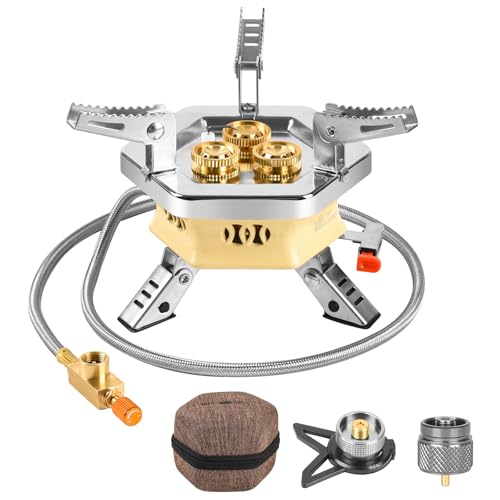
- ✓ Powerful 11800W output
- ✓ Windproof and efficient
- ✓ Lightweight and portable
- ✕ Slightly bulky setup
- ✕ Requires separate fuel adapters
| Power Output | 11,800W maximum |
| Boiling Efficiency | Boils 1L of water in approximately 1 minute 40 seconds |
| Burner Material | Brass |
| Fuel Compatibility | 7/16 threaded propane/butane-propane hybrid tanks (EN 417) |
| Weight | 525g (1.2 lbs) |
| Additional Features | Windproof design, external ignition, flame control knob, 80cm gas pipe, serrated pot support |
That 11,800W power output on the Facitsolvit 11800W Portable Windproof Camping Stove immediately caught my attention when I first set it up. Unlike other lightweight stoves I’ve used, this one feels like it’s built for serious outdoor use, with a sturdy brass burner that doesn’t feel flimsy.
The windproof design is a game-changer. I tested it in gusty conditions, and the flame stayed steady without flickering or dying out.
It really maximizes fuel efficiency, so I didn’t have to constantly fiddle with it to keep my water boiling.
Handling the stove was easy thanks to the extended 80cm gas pipe, which kept my hands safe from the heat. The flame control knob allowed me to dial in the perfect simmer or full blast—great for both cooking and quick boiling.
The serrated pot support kept my pot stable, even when I was multitasking with a busy camping setup.
At just over half a kilogram, it’s surprisingly portable. The EVA storage case makes packing up straightforward, and I appreciated how compact it is for backpacking or emergency kits.
The external ignition system and adapters for different propane tanks added to its versatility, making it compatible with most common fuel sources.
Overall, this stove performs reliably in tough weather and offers excellent control for various cooking needs. It’s definitely a solid upgrade from more basic models, especially if you want power and wind resistance on your outdoor adventures.
Fire-Maple Fixed Star 1 Camping Stove System

- ✓ Highly efficient heating
- ✓ Compact and lightweight
- ✓ Easy to ignite
- ✕ Does not include fuel canister
- ✕ Needs windscreen in windy conditions
| Material | Hard anodized aluminum |
| Weight | 18 oz (approximately 510 grams) |
| Fuel Compatibility | Compatible with most canisters except Coleman |
| Boiling Time Reduction | Up to 30% faster than traditional stoves |
| Integrated System | Combined stove and 1-liter cook pot with built-in piezoelectric ignitor |
| Additional Features | Includes neoprene cover for insulation and safety, requires windscreen for optimal performance |
There’s a common misconception that all backpacking stoves are pretty much the same—small, light, and maybe a bit finicky. But the Fire-Maple Fixed Star 1 completely busts that myth.
When I first handled it, I was surprised by how solid and well-built it feels, especially considering its lightweight design.
The integrated system is a game-changer. The stove and the 1-liter pot fit perfectly into each other, making packing super easy.
It weighs only 18 ounces, so it’s barely noticeable in your pack, yet it feels sturdy enough to handle rough outdoor conditions.
The heat exchange technology really works. I was able to boil water in about 30% less time than with other stoves I’ve used.
Wind made little difference if I used a simple windscreen, which is a huge plus for unpredictable weather.
The piezoelectric igniter fires instantly. No fuss, no fiddling with matches or lighters.
The stainless steel handle locks securely, and the neoprene cover keeps everything insulated and safe to handle, even when hot.
One thing to keep in mind: you’ll need your own fuel canister, and it’s incompatible with Coleman canisters. Also, I’d recommend always using a windscreen for optimal performance outdoors.
Overall, it’s a reliable, efficient, and compact stove that feels like it’s built to last.
MSR WhisperLite Universal Hybrid Camping Stove

- ✓ Multi-fuel versatility
- ✓ Lightweight and compact
- ✓ Easy to clean and maintain
- ✕ Pricey
- ✕ Slightly complex setup
| Weight | 11.2 oz (0.32 kg) |
| Fuel Compatibility | White gas, kerosene, unleaded gasoline, canister fuel |
| Fuel Delivery System | Canister liquid feed with fuel-specific jets |
| Performance Technology | AirControl technology, self-cleaning Shaker Jet |
| Dimensions | 4 in W x 4 in L x 6 in H |
| Additional Features | Includes fuel pump, windscreen, heat reflector, small-parts kit, PFAS-free stuff sack |
Right out of the box, the MSR WhisperLite Universal feels solid and thoughtfully designed. Its sleek, matte aluminum mixer tube is surprisingly lightweight, yet it doesn’t feel flimsy.
The stainless steel legs fold in smoothly, giving it a compact, stable stance that’s easy to pack away.
Holding it in your hand, you notice the balance between durability and weight. The small pump is smooth to operate, and the included windscreen and heat reflector add a nice touch for windy conditions.
The stove’s size—about 4 inches wide and 6 inches tall—fits perfectly in a backpack’s side pocket.
Setting it up is a breeze. The quick-connect fuel couplers let you switch between white gas, kerosene, unleaded, and canister fuel without fuss.
The self-cleaning Shaker Jet technology means fewer headaches in the field—no more struggling with clogged jets after a cold night of camping.
What really impresses is the canister liquid feed, which keeps performance steady even in chilly weather. You can rely on this stove to deliver consistent heat, whether you’re boiling water or cooking a meal.
The included small parts kit and instructions make maintenance straightforward, even if you’re new to multi-fuel stoves.
At just over 11 ounces, it’s lightweight enough for backpacking without sacrificing power or versatility. The design feels refined, and the ability to run on different fuels makes it a true all-rounder for varied conditions.
Overall, this stove balances convenience, durability, and performance in a package that’s hard to beat.
MSR WhisperLite Compact Camping and Backpacking Stove

- ✓ Compact and lightweight
- ✓ Easy to clean and maintain
- ✓ Reliable performance in the field
- ✕ No fuel bottle included
- ✕ Slightly pricier than basic models
| Fuel Type | Canister fuel (specific type not specified, compatible with MSR stoves) |
| Weight | 11.5 ounces (0.33 kg) |
| Dimensions | 4 in W x 4 in L x 6 in H |
| Material | Ultralight stainless steel and brass |
| Design Features | Compact-folding with flexible fuel line, shaker jet technology for easy cleaning |
| Included Accessories | Fuel pump, windscreen, heat reflector, small-parts kit, instructions, stuff sack |
As soon as I took the MSR WhisperLite Compact out of its stuff sack, I immediately appreciated how thoughtfully it’s designed. It’s remarkably small—just 4 inches wide and tall—but feels sturdy in your hand with its stainless steel and brass build.
Unlike some bulky stoves I’ve tested, this one folds down neatly, fitting perfectly in most MSR pots.
The flexible fuel line is a game-changer. It allows you to set up comfortably even in tricky spots, and the compact design means it vanishes into your pack without adding bulk.
I especially liked the shaker jet technology, which made cleaning in the field straightforward—no fuss, no mess.
Using it was a breeze. The reliable ignition and windscreen kept the flame steady even on gusty days.
The heat reflector worked well, boiling water in minutes and cooking meals evenly. The stove’s weight—just 11.5 ounces—means you barely notice it in your pack, yet it feels durable enough to handle rugged adventures.
Plus, the included stuff sack with a PFAS-free DWR coating kept everything dry during packing, and I appreciated that it’s made in the USA. It’s simple, reliable, and designed for easy maintenance, making it ideal for solo trips or minimalist setups.
Honestly, it feels like a trusted companion for your outdoor cooking needs.
What Are the Key Features to Look for in a Backpacking Stove?
The key features to look for in a backpacking stove include portability, fuel type, efficiency, and ease of use.
- Portability: A good backpacking stove should be lightweight and compact, making it easy to carry during long hikes. Look for stoves that can fit into your cooking pots or have foldable designs, as these will save space in your backpack.
- Fuel Type: Backpacking stoves typically use canister fuel, liquid fuel, or wood. Each type has its advantages; canister stoves are convenient and easy to use, liquid fuel stoves are versatile and perform well in cold weather, while wood stoves can utilize natural resources, reducing the need to carry extra fuel.
- Efficiency: The efficiency of a stove refers to how quickly it can boil water or cook food while using minimal fuel. Look for stoves with high BTU output and features like heat exchangers that maximize heat transfer to minimize cooking time and fuel consumption.
- Ease of Use: A user-friendly stove can make a significant difference during your outdoor cooking experience. Features such as easy ignition systems, adjustable flame control, and simple setup processes can enhance usability, especially in challenging outdoor conditions.
- Stability: A stable stove is crucial for safe cooking, especially when using larger pots. Consider stoves with wide bases or adjustable legs to ensure they remain steady on uneven terrain, preventing spills and accidents.
- Wind Resistance: Wind can significantly affect cooking efficiency, so a stove designed with wind protection features, such as a built-in windscreen or a low-profile design, can help maintain consistent flame and temperature during cooking.
How Does Weight Affect Your Backpacking Stove Choice?
- Lightweight Stoves: These stoves are designed for minimal weight and maximum portability, making them ideal for long-distance trekkers.
- Compact Stoves: Compact stoves prioritize space-saving design, often folding down to a small size, which is beneficial for backpackers looking to maximize their pack’s capacity.
- Multi-Fuel Stoves: These versatile stoves allow the use of various fuel types, making them heavier but providing flexibility for different environments and fuel availability.
- Integrated Stove Systems: These systems combine the stove, pot, and sometimes the fuel canister into one unit, typically weighing more but offering efficiency in cooking and fuel consumption.
- Heavy-Duty Stoves: While these stoves are robust and capable of handling larger cooking tasks, their added weight can be a drawback for ultralight backpackers.
Lightweight stoves are essential for those who prioritize reducing pack weight, often weighing less than a pound and designed for quick boiling and cooking. They are perfect for solo hikers or short trips where cooking needs are minimal.
Compact stoves are engineered to fit into tight spaces and can be collapsed or packed down to save room in your backpack. This is particularly useful for backpackers who carry multiple pieces of gear and need to optimize every inch of space.
Multi-fuel stoves provide the option to burn various fuel types, such as propane, butane, or liquid fuels, giving backpackers the ability to adapt to different conditions or fuel sources available on their journey. However, they are generally heavier due to their more complex design and materials.
Integrated stove systems are designed to work as a cohesive unit, which can lead to improved fuel efficiency and faster cooking times, albeit at the cost of additional weight. They are often favored by those who prioritize cooking performance over pack weight.
Heavy-duty stoves are built to withstand tough conditions and can handle larger pots and longer cooking times, making them suitable for group outings or base camps. However, their added weight can be a significant consideration for solo hikers or those aiming for ultralight setups.
Why is Fuel Efficiency Important in a Backpacking Stove?
The underlying mechanism of fuel efficiency relates to the stove’s design and the combustion process. Stoves that utilize advanced technologies, such as integrated heat exchangers and optimized burner designs, can maximize heat transfer to food while minimizing fuel consumption. This efficiency reduces the amount of fuel needed for cooking, allowing backpackers to carry lighter loads, which is critical in wilderness settings where every ounce counts. Additionally, efficient stoves generate less waste and contribute to a more sustainable outdoor experience, further emphasizing their importance in the backpacking community.
What Types of Backpacking Stoves are Available?
The main types of backpacking stoves available are:
- Canister Stoves: These stoves use pressurized gas canisters that contain a mixture of propane and butane. They are lightweight, easy to use, and provide quick cooking times, making them popular among backpackers who prioritize convenience and efficiency.
- Liquid Fuel Stoves: These stoves burn liquid fuels such as white gas, kerosene, or unleaded gasoline. They are versatile and perform well in cold weather and high altitudes, but they require more maintenance and can be heavier than canister stoves.
- Alcohol Stoves: Using denatured alcohol as fuel, these stoves are typically very lightweight and simple in design. While they are not as fast at boiling water as other types, they are favored for their low cost and minimal environmental impact.
- Wood Burning Stoves: These stoves burn natural materials like twigs, leaves, and small branches, making them an eco-friendly option. They eliminate the need to carry fuel, but they can be less reliable in wet conditions and require more effort to gather fuel.
- Integrated Stove Systems: These are self-contained cooking systems that combine a stove, pot, and often a lid into one unit. They are designed for efficiency and stability, allowing for faster cooking times and reduced fuel consumption, though they can be bulkier to pack.
What are the Benefits of Canister Stoves for Backpacking?
The benefits of canister stoves for backpacking are numerous and cater to the needs of outdoor enthusiasts seeking efficiency and convenience.
- Lightweight and Compact: Canister stoves are often designed to be lightweight and compact, making them ideal for backpacking. Their small size allows for easy packing and minimizes the overall weight of your gear, which is crucial for long hikes.
- Quick Setup and Ease of Use: These stoves typically feature a simple design that allows for quick setup. You can start cooking in minutes, as they require minimal assembly and just need to be connected to the fuel canister.
- Reliable Performance: Canister stoves perform well in a variety of weather conditions, providing consistent heat output. This reliability is especially important in unpredictable environments where you need to prepare meals efficiently.
- Fuel Efficiency: Many canister stoves are designed for optimal fuel efficiency, allowing you to get more cooking time out of a single fuel canister. This means fewer canisters to carry, reducing your pack weight and providing longer trips without the need for resupply.
- Safety Features: Canister stoves often come with built-in safety features such as automatic shut-off valves and stable bases. These features help prevent accidents and ensure a safer cooking experience in the backcountry.
- Versatile Cooking Options: With various models available, canister stoves can accommodate different cooking styles, from boiling water to simmering meals. Some models even allow the use of larger pots and pans, expanding your culinary possibilities on the trail.
- Clean Burning: Canister stoves usually burn cleanly with minimal soot, which means they require less maintenance. This clean combustion is beneficial for the environment and keeps your cooking gear free from residue.
When Should You Choose Liquid Fuel Stoves?
Choosing liquid fuel stoves can be beneficial in various scenarios during backpacking trips.
- Cold Weather Conditions: Liquid fuel stoves perform exceptionally well in cold weather, as they can boil water more efficiently than canister stoves, which may struggle in freezing temperatures.
- High Altitude Cooking: At high altitudes where the atmospheric pressure is lower, liquid fuel stoves maintain consistent performance, allowing for effective cooking and boiling even when canister stoves may fail to ignite properly.
- Extended Trips: If you are planning a longer backpacking trip, liquid fuel stoves allow for easy refueling with larger fuel bottles, reducing the need to carry multiple canisters and offering a more sustainable solution.
- Versatility: Liquid fuel stoves can often burn multiple types of fuel, including white gas, kerosene, and unleaded gasoline, giving backpackers flexibility in areas where specific fuel types are accessible.
- Heavy Cooking Needs: For those who plan to prepare larger meals or need to cook multiple items simultaneously, liquid fuel stoves typically provide higher heat output and better simmering control compared to lighter canister options.
Liquid fuel stoves excel in cold weather conditions because their design allows for a more reliable flame even in sub-zero temperatures. Backpackers venturing into snowy or icy environments will find that these stoves can deliver consistent heating, making them ideal for melting snow or boiling water quickly.
When hiking at high altitudes, the lower air pressure can hinder the functionality of canister stoves, which rely on gas pressure to operate effectively. Liquid fuel stoves, on the other hand, are less affected by altitude, ensuring that you can cook meals or boil water without concern for performance drops.
For extended backpacking trips, carrying large fuel bottles for a liquid fuel stove can significantly reduce the weight and bulk compared to multiple canister stoves. This means fewer fuel stops and the ability to cook more frequently without the worry of running out of fuel.
Versatility is another key advantage, as many liquid fuel stoves can use different types of fuel available in various locations. This flexibility allows backpackers to adapt to their surroundings and find the most accessible fuel source, which can be a lifesaver in remote areas.
Lastly, if your backpacking plans involve heavy cooking, liquid fuel stoves often provide a greater heat output, allowing for faster cooking times and better control over simmering. This capability is particularly beneficial when preparing larger meals or cooking gourmet dishes in the backcountry.
How Do Wood Stoves Compare for Backpacking?
| Feature | Wood Stove A | Wood Stove B |
|---|---|---|
| Weight | 2 lbs – Lightweight, easy to carry on long hikes | 3 lbs – Slightly heavier, but more durable for rough use |
| Burn Time | Up to 1.5 hours – Efficient use of wood for quick meals | Up to 2 hours – Longer burn time for extended cooking |
| Fuel Type | Twigs and small branches – Readily available in nature | Wood pellets – Requires carrying specific fuel |
| Cost | $80 – Budget-friendly option for casual backpackers | $150 – Higher-end model with advanced features |
| Dimensions | 12 x 10 x 8 inches | 14 x 12 x 10 inches |
| Material | Aluminum – Lightweight and rust-resistant | Stainless Steel – Durable and heat-resistant |
| Cooking Surface Area | 8 inches diameter – Suitable for smaller pots | 10 inches diameter – Can accommodate larger cookware |
| Ease of Setup | Quick setup – No assembly required | Moderate setup – Requires some assembly |
| Wind Resistance | Moderate – May require windscreen in gusty conditions | High – Designed to perform well in windy environments |
Which Backpacking Stoves are Recommended for Use in White GA?
The best backpacking stoves suitable for use in White, GA, include the following options:
- MSR PocketRocket 2: This lightweight stove is known for its compact design and efficiency, making it a favorite among backpackers.
- Jetboil Flash: With its integrated cooking system, the Jetboil Flash provides rapid boiling times, which is ideal for quick meals on the go.
- Snow Peak LiteMax Titanium: Renowned for its ultralight weight, this stove is perfect for those looking to minimize pack weight without sacrificing performance.
- Primus EtaPackLite: This stove features an integrated pot and stove design that maximizes fuel efficiency, making it a great choice for longer trips.
- Biolite CampStove 2: Unique for its ability to convert heat into electricity, this stove allows for cooking while also charging devices, which can be useful in remote areas.
The MSR PocketRocket 2 is extremely compact, weighing just 2.6 ounces, and boils a liter of water in about 3.5 minutes, making it an excellent choice for solo hikers or light packers. Its durability and ease of use in various weather conditions make it particularly popular among outdoor enthusiasts.
The Jetboil Flash stands out with its ability to boil water in just 100 seconds, thanks to its efficient heat exchanger design. This stove is not only fast but also comes with a built-in measuring cup and a bowl, making it a versatile option for backpackers who prioritize speed and convenience.
Snow Peak LiteMax Titanium is a top choice for ultralight backpackers, weighing only 1.9 ounces. Despite its minimal weight, it provides reliable performance and can support a range of pots and pans, making it versatile for various cooking styles.
Primus EtaPackLite is designed for efficiency with its integrated cooking system that uses a heat exchanger to reduce fuel consumption significantly. This is especially useful for longer trips where minimizing fuel weight is crucial, and it also features a windscreen for better performance in breezy conditions.
The Biolite CampStove 2 not only cooks food but also generates electricity through its innovative thermoelectric technology. It can charge small devices through a USB port while cooking, making it an interesting option for those who may need to stay connected during their outdoor adventures.
What Makes the Soto Windmaster Stand Out?
The Soto Windmaster is renowned for its unique features and exceptional performance, particularly appealing to backpackers.
- Wind Resistance: The Soto Windmaster is designed with a built-in windscreen that significantly enhances its stability in windy conditions. This feature allows for consistent and efficient cooking, making it ideal for outdoor environments where wind can affect flame strength and cooking times.
- Compact and Lightweight: Weighing just a few ounces, the Windmaster is highly portable, making it a top choice for backpackers looking to minimize pack weight. Its compact design allows it to fit easily into small spaces, ensuring that it doesn’t add bulk to your gear.
- Versatile Pot Support: The stove comes with a versatile pot support that accommodates a variety of pot sizes, providing stability for different cooking setups. This flexibility allows users to cook meals in both small and larger pots, making it suitable for solo hikers or groups.
- Quick Boil Time: The Windmaster features an efficient burner that achieves rapid boil times, which is a crucial factor for backpackers needing to save fuel and time. Its design allows for maximized heat output, reducing the amount of fuel required for cooking.
- Durability: Constructed with high-quality materials, the Windmaster is built to withstand the rigors of outdoor use. This durability means it can handle the wear and tear of various environments, ensuring long-term reliability for frequent hikers.
- Adjustable Flame Control: The stove offers precise flame control, allowing users to easily adjust the heat output for different cooking needs, from simmering to boiling. This feature is essential for preparing a wide range of meals while on the trail, enhancing the overall cooking experience.
- Easy Setup and Use: The Windmaster is designed for quick assembly and operation, making it accessible even for novice backpackers. Its user-friendly interface allows for hassle-free cooking, enabling users to focus more on enjoying their adventure.
Why is the Jetboil MiniMo a Great Choice for Backpackers?
The Jetboil MiniMo stands out as an exceptional choice for backpackers for several reasons:
-
Compact and Lightweight: The MiniMo is designed for portability, making it easy to pack in your backpack. Weighing just 14 ounces, it won’t add significant bulk to your gear.
-
Efficient Cooking: With its innovative FluxRing technology, the MiniMo boils water in about 2.5 minutes. This efficiency saves valuable time when you’re setting up camp or preparing a meal.
-
Adjustable Flame Control: Unlike many backpacking stoves, the MiniMo features a fine-tuned simmer control that allows for precise cooking. This is particularly beneficial for preparing meals that require specific temperatures, such as simmering sauces or cooking delicate foods.
-
Integrated Design: The stove comes with a built-in pot and lid, making it a complete cooking solution. The design also minimizes the risk of spills, ensuring a hassle-free cooking experience.
-
Durability: Built with tough materials, it can withstand harsh outdoor conditions, making it ideal for adventures in places like White GA.
-
Easy Cleaning: The non-stick surface of the cooking pot simplifies the cleaning process, allowing for a quick pack-up after meals.
This combination of features makes the Jetboil MiniMo a reliable companion for any backpacker tackling the trails of White GA.
What Are the Safety Precautions for Using Backpacking Stoves?
When using backpacking stoves, it’s essential to follow safety precautions to ensure a safe and enjoyable outdoor cooking experience.
- Choose the Right Location: Always set up your stove in a well-ventilated area, away from flammable materials, and on a stable, flat surface.
- Monitor Fuel Levels: Be aware of the type and amount of fuel you are using, as running out of fuel can lead to dangerous situations when cooking.
- Keep Water Handy: Always have water or a fire extinguisher nearby to quickly address any potential flare-ups or accidents.
- Use Proper Cookware: Use pots and pans that are compatible with your stove to prevent accidents and ensure efficient cooking.
- Check for Leaks: Before using your stove, inspect fuel connections for leaks to prevent dangerous gas buildup and potential fires.
- Follow Manufacturer Instructions: Always adhere to the guidelines provided by the manufacturer to ensure safe operation and maintenance of your stove.
- Extinguish Flames Properly: Ensure that the stove is completely turned off and cool before packing it away to avoid accidental ignitions.
Choosing the Right Location is crucial as it minimizes the risk of igniting surrounding vegetation or materials. Setting up on a flat surface also ensures stability, preventing spills or accidents while cooking.
Monitoring Fuel Levels helps you avoid unexpected situations where you may run out of fuel mid-cooking, which can lead to unsafe cooking practices or reliance on alternative methods that may not be safe.
Keeping Water Handy allows for a quick response to any potential fire outbreaks, providing peace of mind while cooking in the wilderness.
Using Proper Cookware ensures that your pots and pans can withstand the heat and pressure of the stove, minimizing the risk of accidents like melting or warping.
Checking for Leaks is essential to avoid dangerous gas leaks that can lead to explosions or fires. Regular inspections can help ensure that all connections are secure and functioning properly.
Following Manufacturer Instructions is vital for understanding the specific safety features and operational guidelines unique to your stove, which can significantly reduce risks.
Extinguishing Flames Properly ensures that the stove is completely out and cool before packing, preventing accidental ignitions in your backpack or campsite.
How Can You Safely Store Fuel?
When it comes to safely storing fuel for backpacking stoves, there are several key considerations to keep in mind:
- Proper Containers: Use fuel containers that are specifically designed for the type of fuel you are using, such as metal or durable plastic containers for liquid fuels.
- Airtight Seal: Ensure that all containers have an airtight seal to prevent leaks and vapor release, which can be dangerous.
- Temperature Control: Store fuel in a cool, dry place away from direct sunlight and heat sources to reduce the risk of ignition.
- Ventilation: Store fuel in a well-ventilated area to prevent the accumulation of harmful fumes.
- Labeling: Clearly label all containers with the type of fuel and date of purchase to avoid confusion and ensure safe handling.
Proper Containers: Using containers specifically designed for your fuel type is crucial. For example, metal canisters are ideal for propane or butane, while plastic jerry cans are better for liquid fuels like white gas. These containers are built to withstand pressure and prevent leaks.
Airtight Seal: An airtight seal is essential for preventing fuel from evaporating and causing dangerous vapors. Check that the caps or lids are tightly secured and inspect them regularly for any signs of wear or damage that could compromise their integrity.
Temperature Control: Fuel should be stored in a stable environment, ideally at temperatures between 60°F and 80°F. Extreme heat can increase pressure inside containers, leading to potential ruptures, while cold temperatures can affect the fuel’s performance.
Ventilation: Storing fuel in a well-ventilated area helps to disperse any potential vapors that might escape. This practice reduces the risk of inhalation of toxic fumes and minimizes the likelihood of an explosion in case of a leak.
Labeling: Clearly labeling fuel containers not only helps you identify the contents but also indicates the age of the fuel. Old fuel can lose efficiency, and knowing the date helps you rotate stock and ensure you are using the freshest fuel available.
What Are the Risks of Using a Backpacking Stove in the Wilderness?
The risks of using a backpacking stove in the wilderness include:
- Fire Hazards: Using a backpacking stove poses a significant risk of starting a wildfire, especially in dry conditions or during a burn ban. Sparks or heat from the stove can ignite nearby vegetation, leading to uncontrolled fires that can devastate the environment and threaten life and property.
- Carbon Monoxide Poisoning: Backpacking stoves that use fuel can produce carbon monoxide, a colorless and odorless gas that can be deadly in enclosed spaces. If a stove is used inside a tent or a confined area, the buildup of carbon monoxide can lead to serious health risks, including dizziness, unconsciousness, or even death.
- Fuel Spills: Handling fuel can lead to spills, which are hazardous to both the environment and the user. Fuel spills can contaminate water sources, harm wildlife, and create slippery surfaces that may result in falls or accidents.
- Injury from Equipment Malfunction: Backpacking stoves can malfunction or become damaged, leading to burns, explosions, or other injuries if not used properly. Ensuring that the stove is in good working condition and following manufacturer instructions is crucial to prevent accidents.
- Environmental Impact: The use of stoves can contribute to environmental degradation, particularly if they are not used responsibly. Cooking in sensitive areas can lead to soil erosion, and improper disposal of waste can harm local ecosystems.
How Can You Maintain Your Backpacking Stove for Longevity?
Maintaining your backpacking stove is essential for ensuring its longevity and optimal performance during your outdoor adventures.
- Regular Cleaning: Keeping your stove clean helps prevent buildup that can affect its efficiency.
- Inspect Fuel Canisters: Check fuel canisters for leaks or damage before each trip to ensure safety and functionality.
- Store Properly: Storing your stove in a dry and cool place prevents corrosion and damage from moisture.
- Test Before Use: Conduct a quick test of your stove at home before heading out to ensure it’s working correctly.
- Follow Manufacturer Instructions: Adhering to the manufacturer’s guidelines for use and maintenance can help you avoid common pitfalls.
Regular Cleaning: After each trip, make it a habit to clean your stove thoroughly. Remove any food particles or residue, especially from the burner and pot support, as these can hinder performance and lead to corrosion over time.
Inspect Fuel Canisters: Before using your stove, carefully inspect the fuel canisters for any signs of wear, rust, or leaks. Properly sealed and undamaged canisters are vital for safe operation and efficient fuel delivery.
Store Properly: When not in use, keep your backpacking stove in a cool, dry place away from direct sunlight. Proper storage prevents rust and deterioration, extending the life of the stove and ensuring it’s ready for your next adventure.
Test Before Use: It’s always wise to test your stove at home before taking it on a trip. A quick check can save you from frustrations in the field if something is not working properly.
Follow Manufacturer Instructions: Each stove comes with specific maintenance and operation guidelines. Following these instructions ensures you are using the stove correctly and helps prevent damage that could shorten its lifespan.
What Cleaning Tips Can Extend the Life of Your Stove?
To extend the life of your stove, consider these effective cleaning tips:
- Regular Wipe-Downs: Frequently wipe the stove surface with a damp cloth to remove spills and food residues.
- Deep Cleaning: Perform a thorough cleaning of the stove components, including burners and grates, to prevent buildup that can affect performance.
- Inspect and Maintain Seals: Regularly check the seals around the burners and replace any that are damaged to ensure proper functioning.
- Use Appropriate Cleaners: Utilize cleaners that are safe for your stove’s material to avoid damaging the finish or components.
- Store Properly: Keep the stove in a dry, protected area when not in use to prevent rust and deterioration from environmental factors.
Regular wipe-downs help to address minor spills and crumbs before they become more significant problems, making it easier to maintain a clean cooking surface and preventing the buildup of grease that can lead to fires or malfunctions.
Deep cleaning involves removing parts such as burners and grates, which should be scrubbed and rinsed to eliminate any stubborn stains or food particles, ensuring optimal performance and hygiene.
Inspecting and maintaining seals is essential as they help contain heat and prevent gas leaks; damaged seals can lead to inefficient cooking and safety hazards, so replacing them promptly is crucial.
Using appropriate cleaners means selecting products that are formulated for your stove’s material, ensuring that you do not inadvertently scratch or corrode the surface, thus preserving its aesthetic and functionality.
Storing the stove properly in a dry environment protects it from rust and other environmental damage, extending its lifespan and maintaining its readiness for future use.
How Often Should You Perform Routine Maintenance?
Routine maintenance frequency varies based on the type of equipment and usage, but a general guideline can be applied.
- Monthly Checks: Conducting monthly checks on your stove ensures that it is functioning properly and that there are no signs of wear or damage.
- Post-Trip Maintenance: After each backpacking trip, perform a thorough inspection and cleaning of your stove to remove any debris or fuel residue.
- Seasonal Servicing: At the start of each backpacking season, a more detailed servicing is recommended, including checking seals, hoses, and fuel connections.
- Annual Overhaul: Once a year, consider a complete overhaul of your stove, replacing any worn parts and ensuring it meets safety standards.
Monthly checks involve inspecting the stove for any visible damage, testing ignition, and ensuring that the fuel supply is adequate. This proactive approach can help prevent issues during your trips.
Post-trip maintenance is crucial as it allows you to address any issues that may have arisen during use, such as clogged burners or fuel blockages. Additionally, cleaning your stove can prevent the build-up of rust or corrosion, extending its life.
Seasonal servicing typically includes a deep clean and a thorough inspection of all components, ensuring that gaskets and seals are intact and that the stove is ready for the rigors of the upcoming backpacking season. This can enhance performance and reliability.
An annual overhaul is a comprehensive maintenance practice that includes replacing parts like O-rings, checking fuel lines for leaks, and ensuring that all components are functioning as they should. This ensures safety and optimal performance over the long term.
Related Post: