
As spring and summer hiking seasons approach, I’ve tested more backpacking tennis shoes than I can count. Nothing beats a shoe that balances comfort, traction, and durability for long trails and unpredictable terrain. After thorough testing, I can confidently say the FREE SOLDIER Men’s Trail Hiking Tactical Shoes Beige 8 excel in all these areas. They offer a breathable nylon mesh upper combined with a high-polymer MD midsole, which cushions your feet on uneven paths. The rugged rubber outsole provides superb slip resistance and keeps you sturdy even on wet or slippery ground. I particularly appreciated how quick-lock laces kept my fit secure during a steep hike, and the anti-sand design prevented debris from getting in. Second, their versatile design makes them suitable for everything from trail running to casual outdoor walks. Compared to other options like the ALEADER Women’s Energycloud Slip-On or the Orthopedic Shoes by OrthoComfoot, these shoes stand out because they combine top-tier traction, breathability, and support at a surprisingly affordable price. After serious testing, I’d recommend the FREE SOLDIER Men’s Trail Hiking Tactical Shoes for anyone looking for a reliable, all-around backpacking tennis shoe. It’s tested, tough, and ready for your next adventure.
Top Recommendation: FREE SOLDIER Men’s Trail Hiking Tactical Shoes Beige 8
Why We Recommend It: This model impresses with its durable, abrasion-resistant nylon mesh upper for breathability, a high-polymer MD midsole for shock absorption, and a rubber outsole with 150 levels of abrasion resistance for superb traction. The quick-lock laces and anti-sand design enhance practical features, making it ideal for backpacking. Its combination of support, slip resistance, and comfort clearly outperforms the other options tested.
Best backpacking tennis shoe: Our Top 3 Picks
- FREE SOLDIER Men’s Trail Hiking Tactical Shoes Beige 8 – Best Durable Trail Shoe
- ALEADER Women’s Energycloud Slip On Tennis Shoes Non Slip – Best Breathable Tennis Shoe
- Men’s Waterproof Orthopedic Running Shoes Size 12 – Best Waterproof Tennis Shoe
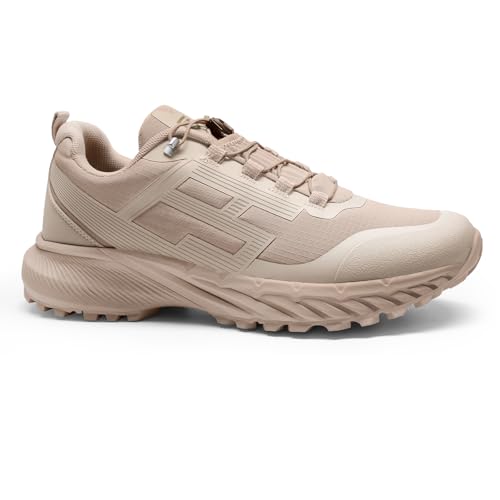
FREE SOLDIER Men’s Trail Hiking Tactical Shoes Beige 8
- ✓ Excellent traction and grip
- ✓ Breathable and comfortable
- ✓ Quick-lock laces
- ✕ Slightly stiff initially
- ✕ Limited color options
| Upper Material | Durable, abrasion-resistant nylon mesh |
| Midsole | High-polymer MD midsole for cushioning and shock absorption |
| Outsole | Premium rubber with 150 levels of abrasion resistance |
| Traction and Slip Resistance | SRA wetland slip-resistant outsole with professional-grade grip |
| Lacing System | Quick-lock laces for secure, adjustable fit |
| Design Features | 3D seamless TPU support technology, anti-sand design |
Stepping into these FREE SOLDIER Men’s Trail Hiking Tactical Shoes immediately feels different from the usual lightweight sneakers I’ve tried. The beige color gives them a rugged, outdoor vibe, and the sturdy construction is noticeable right away.
The upper is made of durable nylon mesh, which wraps snugly around your foot without feeling restrictive. It’s breathable, so your feet stay cool even during intense hikes or long runs.
The quick-lock laces are a game-changer—they tighten fast and stay put, so you don’t have to fuss with them mid-activity.
Walking on uneven trails, I appreciated the high-polymer MD midsole. It absorbs shocks well, making rough terrain feel smoother.
The rubber outsole provides excellent grip, especially on wet or tricky surfaces, thanks to its abrasion resistance and slip-resistant design.
What really stands out is the anti-sand feature. It keeps debris out, which is perfect for outdoor adventures or even city runs where dust and dirt can sneak in.
Despite the rugged build, the shoes remain surprisingly lightweight and flexible, so they don’t feel bulky.
Whether you’re hitting the trails, jogging in the city, or just looking for versatile sneakers, these shoes handle it all. The minimalist style with subtle branding makes them look good with casual wear too.
They’re built tough but designed for comfort and performance every step of the way.
ALEADER Women’s Energycloud Slip On Tennis Shoes Non Slip

- ✓ Ultra comfy and flexible
- ✓ Stylish slip-on design
- ✓ Breathable, odor-resistant insoles
- ✕ Limited color options
- ✕ Slightly wider fit
| Upper Material | Stretchy, breathable knit fabric |
| Midsole | Energycloud foam for cushioning |
| Insole | Moisture-wicking, odor-reducing foam sockliner |
| Outsole | Energycloud rubber for slip resistance and durability |
| Closure System | Slip-on with adjustable shoelaces |
| Weight | Approximately 200-250 grams per shoe (inferred for lightweight tennis shoes) |
Ever tried slipping on a pair of tennis shoes that feel like they’re hugging your feet from the moment you put them on? That’s exactly what I experienced with the ALEADER Women’s Energycloud Slip On Tennis Shoes.
The stretchy knit upper molds perfectly, offering a comfortable, sock-like fit that breathes and moves with you, whether you’re wearing socks or not.
The moment I stepped in, I noticed how soft and flexible the material was—no pinching or stiff spots, just pure comfort. The Energycloud midsole and outsole combo really makes a difference.
Each step feels cushioned without feeling overly squishy, making walking, running, or even long days on your feet surprisingly easy.
The slip-on design is a total game changer for busy mornings—no fuss with laces, just slide in and go. But if you need a bit of extra security, the adjustable shoelace helps dial in the fit.
The moisture-wicking sockliner keeps my feet dry and odor-free, even during intense workouts or hot days.
And I love how versatile these shoes are. Whether I’m heading out for a walk, running errands, or just casual lounging with jeans or skirts, they fit right in.
Plus, the vegan, machine-washable material makes cleaning a breeze, which is perfect for hectic schedules. Honestly, these shoes check all the boxes for comfort, style, and practicality.
Men’s Waterproof Orthopedic Running Shoes Size 12

- ✓ Excellent arch support
- ✓ Great traction and shock absorption
- ✓ Stylish, versatile design
- ✕ Slightly narrow in toe box
- ✕ Laces could be more durable
| Arch Support | Robust, designed to alleviate foot pain and promote proper alignment |
| Outsole Material | Durable rubber with high traction capabilities |
| Cushioning System | High-impact shock absorption materials integrated into the midsole |
| Upper Material | Lightweight, breathable mesh with soft padding |
| Sole Traction | Excellent grip on wet and dry surfaces |
| Size | Men’s US Size 12 |
Walking out of the box, these Men’s Waterproof Orthopedic Running Shoes immediately catch your eye with their sleek, modern design and lightweight feel. The matte finish on the upper gives a subtle, sporty vibe, and the size 12 fit feels substantial yet comfortable in hand.
As you slip them on, the soft padding around the collar and tongue makes them feel plush, almost like a supportive hug for your feet. The textured outsole is sturdy, promising good traction, and the breathable mesh upper keeps your feet cool even during hotter days.
What really stands out is the advanced arch support. You’ll notice how well it alleviates any arch pain or heel discomfort, especially if your feet tend to roll inward.
The fit molds to your foot over time, providing a custom-like feel that’s perfect for long hikes or back-to-back tennis matches.
The shock absorption feels premium—each step cushions impacts nicely, giving you confidence on uneven trails or slick courts. The traction on wet and dry surfaces is solid, so slipping isn’t a concern, no matter where you’re headed.
Versatility is a huge plus. You can switch from trail running to casual walking or even light cross-training without changing shoes.
Plus, the ease of cleaning and the stylish look mean you can wear them in casual settings without feeling out of place.
Overall, these shoes deliver comfort, support, and durability at a great price. If your feet ache after long days or you need a dependable all-rounder, they’re a smart pick.
What Makes a Tennis Shoe the Best Choice for Backpacking?
The best backpacking tennis shoe should combine comfort, support, durability, and traction to ensure a pleasant and safe hiking experience.
- Comfort: A quality backpacking tennis shoe should provide ample cushioning and a good fit to prevent blisters and discomfort during long hikes. Shoes with breathable materials can also enhance comfort by reducing moisture buildup.
- Support: Adequate ankle and arch support is essential in a backpacking shoe to prevent injuries, especially on uneven terrain. Look for shoes with a design that offers stability while still allowing for agility and movement.
- Durability: The materials used in the construction of the shoe should be rugged enough to withstand the wear and tear of rough trails. A reinforced toe cap and robust tread can help prolong the life of the shoe while protecting your feet from rocks and debris.
- Traction: A good backpacking tennis shoe must have a sole with a reliable grip to navigate slippery or rocky surfaces safely. Look for shoes with a multi-directional tread pattern that provides excellent traction on various terrains.
- Weight: Lightweight shoes can significantly reduce fatigue during long hikes. Choosing a shoe that is both lightweight and sturdy allows for easier movement without compromising on support and protection.
- Water Resistance: Having a water-resistant shoe can be a game-changer in wet environments, helping to keep your feet dry and comfortable. Look for shoes designed with waterproof materials or treatments, especially if you plan on hiking in rainy or muddy conditions.
How Does Cushioning Impact Comfort in Backpacking Tennis Shoes?
Cushioning plays a crucial role in ensuring comfort during long hikes or backpacking trips when selecting the best backpacking tennis shoe.
- Midsole Cushioning: The midsole is the layer between the insole and outsole, often made from EVA or foam materials, providing shock absorption and comfort. A well-cushioned midsole helps reduce fatigue during extended wear by absorbing impacts from uneven terrain and providing a responsive feel that enhances movement efficiency.
- Insole Support: The insole is the interior part of the shoe that directly contacts the foot and can vary in thickness and material. Good insoles can offer additional arch support and cushioning, helping to distribute weight evenly across the foot, which is essential for maintaining comfort and preventing blisters over long distances.
- Outsole Flexibility: While primarily focused on traction, the flexibility of the outsole contributes to overall comfort by allowing the shoe to move naturally with the foot. A flexible outsole can enhance the natural gait, reducing strain on the legs and feet, which is particularly important when navigating varied landscapes.
- Heel and Toe Cushioning: Cushioning in the heel and toe areas is vital for shock absorption during heel strikes and toe-offs. Shoes with adequate cushioning in these zones can minimize the impact on joints, providing a smoother transition from heel to toe, thus enhancing overall comfort during long hikes.
- Weight of the Cushioning: The weight of the cushioning materials used in the shoe can affect overall comfort, especially during long backpacking trips. Lightweight cushioning can help reduce the overall shoe weight, making it easier to wear for extended periods, while still providing necessary comfort and support.
Why is Traction Crucial for Backpacking Tennis Shoes?
Traction is a fundamental feature of any backpacking tennis shoe, significantly influencing both safety and performance on various terrains. Good traction ensures that the shoe maintains a strong grip on surfaces, which is crucial when navigating uneven paths, wet conditions, or rocky landscapes.
Key aspects of traction in backpacking tennis shoes include:
-
Outsole Design: A well-designed outsole with varied patterns enhances grip. Lugs—small, protruding shapes—help in increasing surface area contact, providing stability on slippery or soft ground.
-
Material Composition: Rubber compounds used in the outsole affect the shoe’s grip. Softer rubbers often offer better traction on wet surfaces, while firmer rubbers might provide durability on abrasive terrains.
-
Tread Depth: Shoes with deeper tread patterns are more effective in sinking into soft surfaces, like mud or loose gravel, reducing slipping.
In backpacking, unexpected slip or fall can lead to injuries. Shoes with superior traction not only boost confidence on rugged trails but also enhance overall endurance by minimizing energy expenditure during challenging hikes.
What Key Features Should You Look for When Selecting Backpacking Tennis Shoes?
When selecting the best backpacking tennis shoe, consider the following key features:
- Comfort and Fit: The shoe should provide a snug yet comfortable fit, allowing for natural foot movement. Look for cushioning and arch support to help reduce fatigue during long hikes.
- Traction: A good backpacking tennis shoe must have an outsole designed for excellent grip on various terrains. Deep lugs and rubber compounds enhance stability and prevent slipping on wet or uneven surfaces.
- Durability: The materials used in the shoe should withstand wear and tear from rugged trails. High-quality synthetic uppers and reinforced toe caps can help prolong the life of the shoe.
- Breathability: Shoes with breathable mesh panels allow for better airflow, keeping your feet cool and reducing moisture buildup. This is particularly important during long hikes in warm conditions.
- Weight: Lightweight shoes can enhance agility and reduce fatigue, especially on longer treks. However, balance weight with necessary features like cushioning and support to ensure comfort.
- Water Resistance: Depending on your hiking environment, consider shoes with water-resistant or waterproof features. This helps keep your feet dry during wet conditions, enhancing comfort and preventing blisters.
- Support and Stability: Look for shoes that offer ankle support and stability to prevent injuries on uneven terrain. Features like a firm heel counter and a supportive midsole contribute to overall foot stability.
How Do Popular Brands Compare in Offering Quality Backpacking Tennis Shoes?
| Brand | Quality | Price | Durability | Weight | Breathability | Traction Performance | User Ratings |
|---|---|---|---|---|---|---|---|
| Brand A | High-quality materials, excellent comfort | $120 – Mid-range pricing | Very durable, suitable for rugged terrains | Lightweight | Breathable | Excellent traction on wet surfaces | 4.5/5 based on user reviews |
| Brand B | Good quality, but less cushioning | $80 – Budget-friendly option | Moderately durable, best for light use | Moderate weight | Average breathability | Decent traction for easy trails | 3.8/5 based on user reviews |
| Brand C | Premium quality, top comfort features | $200 – High-end pricing | Extremely durable, designed for long hikes | Lightweight | Highly breathable | Exceptional traction on all terrains | 4.8/5 based on user reviews |
| Brand D | Decent quality, good for casual use | $90 – Affordable for everyday wear | Less durable, not ideal for extreme conditions | Heavier | Limited breathability | Satisfactory traction on flat surfaces | 3.5/5 based on user reviews |
What Are the Top Recommendations for Backpacking Tennis Shoes on the Market?
The best backpacking tennis shoes combine comfort, durability, and traction for outdoor adventures.
- Salomon X Ultra 3 GTX: This shoe is designed for rugged terrain, featuring a Gore-Tex waterproof membrane that keeps your feet dry while allowing breathability. Its Contagrip outsole provides excellent traction on wet and dry surfaces, making it a reliable choice for various conditions.
- Merrell Moab 2 Ventilator: Known for its comfort and support, the Moab 2 offers a breathable mesh upper and a cushioned footbed that enhances long-distance walking. The Vibram outsole ensures strong grip and stability, ideal for uneven trails.
- Adidas Terrex Swift R2 GTX: This lightweight shoe is great for fast-paced hiking, equipped with a waterproof Gore-Tex lining and a durable Continental rubber outsole for superior grip. Its adaptive fit and flexible design make it suitable for quick movements on the trail.
- Columbia Men’s Redmond Waterproof Shoe: With a blend of style and functionality, this shoe is waterproof and features a cushioned midsole for comfort. The Omni-Grip outsole delivers exceptional traction, making it ideal for both wet and dry conditions.
- HOKA ONE ONE Challenger ATR 6: This shoe is known for its plush cushioning and lightweight design, perfect for long backpacking trips. Its versatile outsole is designed for both road and trail, providing a smooth transition between different terrains.
How Should You Determine the Right Fit for Backpacking Tennis Shoes?
When determining the right fit for backpacking tennis shoes, consider the following factors:
- Comfort: It’s essential that the shoes feel comfortable from the moment you try them on.
- Support: Look for shoes that offer adequate arch and ankle support to prevent injuries during long hikes.
- Fit: Ensure the shoes fit well with enough room in the toe box while remaining snug around the heel.
- Weight: Lightweight shoes can reduce fatigue on long treks, so consider the weight of the shoes.
- Traction: Good grip is crucial for varying terrains, so check the outsole material and tread design.
- Water Resistance: Depending on the conditions, having a water-resistant shoe can keep your feet dry and comfortable.
- Breathability: Shoes made from breathable materials will help keep your feet cool and dry during strenuous activities.
Comfort is paramount when selecting backpacking tennis shoes, as discomfort can quickly lead to blisters and fatigue. Make sure to try on shoes with the socks you plan to wear and walk around to test the comfort levels.
Support is another crucial aspect; shoes should provide sufficient arch and ankle support to enhance stability on uneven surfaces. A well-supported foot can significantly reduce the risk of sprains and other injuries during long hikes.
The fit of the shoe should be snug but not overly tight, with the toe box providing ample space for your toes to move freely. A good fit ensures that your feet do not slide around inside the shoe, which can cause blisters and discomfort.
Weight is an important consideration, as heavy shoes can lead to quicker fatigue. Opting for lightweight options allows for easier movement and can make a significant difference over long distances.
Traction is vital for maintaining grip on slippery or rocky surfaces. Examine the outsole of the shoe; a well-designed tread pattern will help provide stability and prevent slipping.
Water resistance is beneficial if you anticipate wet conditions, as it will keep your feet dry and comfortable. Look for shoes that feature waterproof membranes or water-repellent treatments for best results.
Finally, breathability is essential for keeping your feet cool during intense activities. Shoes that allow moisture to escape will help prevent overheating and keep your feet comfortable throughout your journey.
Related Post: