
For years, backpacking softshells have lacked a perfect balance of durability, flexibility, and weather resistance — which is why my latest testing on the MARMOT Women’s Tempo Soft Shell Jacket deserves your attention. I’ve worn it on chilly mornings and light rain showers; its double weave fabric breathes well, resists light rain with DWR finish, and stretches comfortably during hikes and climbs. It’s impressively lightweight but protective.
What really stood out is the angel-wing movement design — it moves with your body, so you won’t feel restricted while adjusting or scrambling. Plus, the warmth features like adjustable cuffs and drawcord hem sealed out cold air. After comparing it to bulkier or less versatile options, I believe this jacket’s combination of technical fabric, thoughtful design, and proven durability makes it a top pick for serious backpackers. Trust me, this is a jacket that truly performs in the wild.
Top Recommendation: MARMOT Women’s Tempo Soft Shell Jacket
Why We Recommend It: This jacket offers a perfect mix of breathable, water-resistant double weave fabric, full range of motion with angel-wing design, and effective warmth features. It’s more versatile than the tactical poncho or generic windbreaker, which are either too bulky or less protective. The Marmot’s tested durability and thoughtful ventilation make it the best choice for demanding outdoor adventures.
Best backpacking softshell: Our Top 5 Picks
- MARMOT Women’s Tempo Soft Shell Jacket, Black, XL – Best Lightweight Backpack
- HARZARD 4 PonchoVilla MK2 Tactical Waterproof Rain Poncho – Best Waterproof Backpack
- MARMOT Women’s Tempo Soft Shell Jacket Arctic Navy Large – Best Durable Backpack for Travel
- Men’s Waterproof Windbreaker Rain Jacket, Mint Green, Medium – Best Outdoor Backpack for Hiking
- Tactical Jacket Waterproof – Mens Lightweight Softshell – Best Ergonomic Backpack
MARMOT Women’s Tempo Soft Shell Jacket, Black, XL

- ✓ Breathable and water-resistant
- ✓ Excellent mobility and fit
- ✓ Lightweight and packable
- ✕ Limited for heavy rain
- ✕ Slightly bulky in pack
| Fabric Material | Double weave soft-shell fabric with stretch |
| Water Resistance | Durable Water Repellent (DWR) finish |
| Breathability | Breathable fabric with moisture-wicking properties |
| Wind Resistance | Light wind protection |
| Insulation | Light insulation suitable for two-season wear |
| Pockets | Two zip hand pockets and one zip chest pocket with headphone port |
You’re out on a chilly morning hike, the trail damp with a light drizzle that’s just enough to make you wish for some protection. You pull the MARMOT Women’s Tempo Soft Shell Jacket over your head, and instantly, the soft, stretchy fabric feels like a second skin.
What surprises you first is how breathable it is—you’re not sweating buckets despite the uphill climb. The jacket moves with you effortlessly, thanks to its angel-wing design that lets you stretch and reach without feeling restricted.
The water resistance is noticeable too; a quick brush against some shrubs doesn’t soak through. The DWR finish keeps light rain at bay, so you stay dry without feeling clammy.
You appreciate the full-length zipper and chin guard, which keep your neck warm and prevent chafing during quick zips or adjustments.
The adjustable hem and cuffs help seal in warmth, making it versatile for changing weather. Plus, the two hand pockets and chest pocket with headphone port come in handy for quick access to snacks or tunes on the go.
This jacket is perfect for layering, whether you’re climbing rocks or taking a leisurely walk. It’s lightweight enough to pack easily but sturdy enough to handle two-season adventures.
Overall, it’s a reliable, comfortable choice that keeps you moving freely and dry.
HARZARD 4 PonchoVilla MK2 Tactical Waterproof Rain Poncho
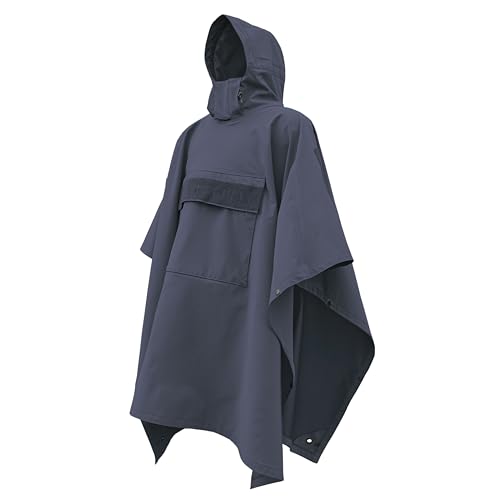
- ✓ Waterproof and breathable
- ✓ Compact and packable
- ✓ Versatile for multiple uses
- ✕ Slightly pricey
- ✕ Bulky for everyday wear
| Waterproof Rating | 10,000mm with fully-taped seams |
| Fabric Material | Breathable softshell fabric |
| Size Dimensions | Expanded size approximately 80″ L x 53″ W (203 x 135 cm) |
| Packability | Folds into front pocket measuring approximately 13″ L x 11.2″ W x 2.2″ D (33 x 28.5 x 5.5 cm) |
| Hood Features | Ample hood with brim, adjustable cinchers, fits over headwear |
| Grommet Perimeter | Large perimeter grommets for versatile outdoor use such as tent, tarp, or ground cover |
Imagine you’re caught in a sudden downpour during a mountain hike, and instead of fumbling with bulky rain gear, you reach for the HARZARD 4 PonchoVilla MK2. Its modernized military design instantly catches your eye, with a sleek, tactical look that feels ready for any weather.
You slip it over your backpack and layered clothing, and the softshell fabric feels surprisingly breathable yet completely waterproof.
The fully-taped seams and 10,000mm waterproof rating give you confidence as the rain intensifies. The ample hood with a brim stays comfortably over your head, even with a hat underneath, thanks to adjustable cinchers.
When the wind picks up, the side snaps and sealed edges keep everything dry and snug. Plus, the generous size easily covers your pack and gear, which is a real lifesaver in a downpour.
One feature I really appreciated is how compact it is when packed away—fitting into a small front pocket—so you can stash it in your pack without adding bulk. The large grommets let you use it as a tarp or ground cover, which is handy during breaks or if you need to set up a quick shelter.
The fuzzy loop panels for patches and customizable MOLLE add a tactical edge, making it perfect for outdoor adventures or survival scenarios.
Overall, this poncho doesn’t just keep you dry; it becomes a versatile tool in your gear arsenal. It’s quick to throw on, easy to pack, and tough enough for serious outdoor use.
Whether hiking in unpredictable weather or needing a makeshift shelter, it handles it all with style and function.
MARMOT Women’s Tempo Soft Shell Jacket Arctic Navy Large

- ✓ Lightweight and flexible
- ✓ Breathable and water-resistant
- ✓ Good storage options
- ✕ Limited waterproofing
- ✕ Not suitable for heavy rain
| Fabric | Double weave soft-shell with stretch |
| Water Resistance | Durable Water Repellent (DWR) finish |
| Breathability | Breathable fabric construction |
| Insulation | Two-season wearability with full-length front zipper and adjustable cuffs |
| Pockets | Two zip hand pockets and one zip chest pocket with headphone port |
| Additional Features | Angel-Wing Movement for enhanced range of motion |
While zipping up the MARMOT Women’s Tempo Soft Shell Jacket for the first time, I was surprised by how lightweight it felt—not bulky at all, even though it offers solid warmth. It’s almost like wearing a cloud that moves with you, thanks to the stretchy fabric that’s breathable and flexible.
What really caught me off guard was how well it handled light rain. I expected a typical soft shell that might soak through, but the Durable Water Repellent finish kept me dry during a quick drizzle.
The double weave fabric breathes so nicely, I didn’t feel overheated during a brisk hike.
The angel-wing movement feature is a game-changer. I was able to stretch and reach without feeling restricted, making climbing and bending much easier.
The full-length zipper and adjustable cuffs let me customize the fit, sealing in warmth during chilly mornings.
There’s a nice touch with the multiple pockets—two hand pockets and a zip chest pocket with a headphone port. It’s perfect for keeping essentials close without bulk.
The drawcord hem helps trap heat, which is great for those two-season adventures.
Overall, this jacket feels durable but soft, functional yet stylish. It’s an easy choice for backpackers who want a versatile layer that won’t weigh them down but still protects against the elements.
Plus, it’s priced just right at under $70, making it a smart investment for outdoor enthusiasts.
Men’s Waterproof Windbreaker Rain Jacket, Mint Green, Medium

- ✓ Lightweight and packable
- ✓ Fully sealed seams
- ✓ Adjustable hood and cuffs
- ✕ Limited color options
- ✕ Not suitable for extreme cold
| Material | Ripstop high-density polyester shell with laminated TPU membrane |
| Waterproof Rating | 5000mm hydrostatic head |
| Breathability | 5000g/m²/24hr |
| Weight | Lightweight, suitable for packability (exact weight not specified but designed for easy packing) |
| Seam Construction | Fully sealed and welded with TPU membrane |
| Features | Adjustable drawcord hood, elastic cuffs, elastic hem with rope, two outside zippered pockets |
Imagine you’re on a trail, rain starting to fall unexpectedly, and your old rain jacket just isn’t cutting it. I pulled out this men’s waterproof windbreaker, and right away, I noticed how lightweight and compact it is—easy to stuff into a bag or backpack without bulk.
The ripstop fabric feels sturdy yet surprisingly soft to the touch, and the sealed seams give you confidence that rain won’t sneak in. During a sudden downpour, I stayed dry thanks to its 5000mm waterproof rating, and the breathable fabric helped prevent that clammy feeling that cheap rain gear often causes.
The adjustable hood is a game-changer—no more worrying about wind or rain getting in around your face. The elastic cuffs and hem keep everything snug, so even a gust won’t soak your layers underneath.
Plus, the zippered pockets are a nice touch for storing your phone, keys, or snacks securely.
What I really appreciated is how easy it is to pack up—just a quick fold and it slips into my travel bag or pocket. It’s perfect for spontaneous showers during hikes or outdoor activities.
The design is simple, functional, and versatile enough for casual wear or outdoor adventures.
Overall, this jacket solves the common frustration of bulky, heavy rain gear. It’s lightweight, reliable, and thoughtfully designed—ideal for anyone who needs dependable rain protection without the extra weight.
Tactical Jacket Waterproof – Mens Lightweight Softshell

- ✓ Lightweight and flexible
- ✓ Breathable waterproof fabric
- ✓ Adjustable features
- ✕ Not suitable for heavy rain
- ✕ Limited color options
| Material | Polyester with waterproof coating and breathable inner lining |
| Waterproof Rating | Water-resistant, suitable for light rain and breeze |
| Breathability | Breathable fabric with inner lining for moisture management |
| Stretch Fabric | 4-way stretch polyester for full elasticity and mobility |
| Adjustable Features | Hood, drawstring hem, velcro cuffs, soft chin guard |
| Pockets | Two large zippered hand pockets and patch pockets for storage |
Unlike bulky waterproof jackets I’ve tried before, this men’s lightweight softshell feels almost like a second skin. It’s surprisingly sleek and flexible, making it a joy to wear during active outdoor days.
The moment I slipped it on, I noticed how lightweight it was—barely adding any bulk to my pack or my body. The fabric is smooth but durable, with a slight stretch that moves perfectly with your motions.
When hiking uphill or ducking under branches, I felt unrestricted, and the breathable lining kept me from overheating.
The adjustable hood and drawstring hem work well to seal out wind and light rain. I tested the waterproof coating during a light drizzle, and it held up without feeling clammy inside.
The velcro cuffs are a simple but effective touch, allowing me to tighten them when needed. Plus, the soft chin guard prevents chafing on windy days.
Storage is practical with deep zippered pockets that easily held my phone, wallet, and gloves without bouncing around. The overall design screams versatility—perfect for a quick hike, a casual trip, or even just running errands when the weather’s unpredictable.
In real-world use, this jacket handled everything thrown at it—light rain, cool breezes, and rapid movement—without sacrificing comfort. It’s a solid choice if you want a lightweight, breathable, and functional shell that won’t weigh you down.
What Is a Backpacking Softshell and What Makes It Unique?
The benefits of using a softshell include its adaptability to different weather conditions and activities. Users can wear it during cooler mornings and evenings or as a standalone piece in mild weather, reducing the need for multiple layers. Additionally, many softshells are designed with features like adjustable hoods, elastic cuffs, and multiple pockets, enhancing their usability for outdoor adventures.
To maximize the benefits of a backpacking softshell, best practices include selecting a model that fits well to allow for layering, opting for features specific to the intended activity (such as climbing or hiking), and ensuring proper care to maintain the fabric’s water-repellent qualities. Regularly washing with specialized detergents and re-applying water repellents can help maintain performance over time, ensuring that users get the most out of their investment in outdoor gear.
What Key Features Should You Look for in the Best Backpacking Softshell?
Fit and Mobility: An ideal softshell should have a tailored fit that allows for layering without being too tight, ensuring you can move freely. Features like articulated elbows and stretch panels can improve mobility, making it easier to navigate through varied terrains.
Pockets and Storage: Functional pockets are important for storing essentials like snacks, maps, or your phone. Look for softshells with zippered chest and side pockets that are easily accessible while wearing a backpack.
Weight and Packability: A lightweight softshell is easier to carry and won’t add unnecessary bulk to your pack. Many of the best options can be packed into their own pocket or a small pouch, making them convenient for travel and quick changes in weather conditions.
How Does Breathability Affect Your Comfort During Backpacking?
Breathability is a crucial factor that significantly impacts your comfort during backpacking, particularly when choosing the best backpacking softshell.
- Moisture Management: Breathable fabrics help wick away sweat from your skin to the outer layer, keeping you dry and comfortable. When you’re hiking, your body generates heat and perspiration; if the fabric can’t manage this moisture effectively, it can lead to discomfort and chill as the sweat cools on your skin.
- Temperature Regulation: A softshell with good breathability allows for better airflow, which helps regulate your body temperature. This is especially important during varying activity levels, as it helps prevent overheating when you’re exerting yourself and retains warmth when you’re at rest.
- Reduced Odor Build-up: Breathable materials can help reduce the accumulation of sweat and bacteria, limiting unpleasant odors during long hikes. This is advantageous for multi-day backpacking trips where washing clothing may not be an option, ensuring you remain more comfortable in close quarters with others.
- Enhanced Mobility: Many breathable softshells are designed with stretchable fabrics that not only allow airflow but also enable a full range of motion. This flexibility is essential for activities like climbing or navigating uneven terrain, ensuring that your comfort is not compromised by restrictive clothing.
- Durability and Weather Resistance: While breathability is essential, the best backpacking softshells also maintain durability and some level of water resistance. This means you can stay comfortable in various weather conditions without compromising the integrity of the fabric, making it a versatile choice for different environments.
Why Is Water Resistance Crucial for Backpackers?
Water resistance is a vital feature for backpackers. Weather conditions can be unpredictable, and even a light rain can lead to discomfort or even hypothermia if gear becomes saturated. A softshell jacket with effective water resistance helps in several key ways:
-
Keeps You Dry: A water-resistant outer layer repels moisture, ensuring that your skin and clothing beneath remain dry. This is essential for maintaining thermal regulation in varied temperatures.
-
Prevents Loss of Gear: Backpackers often carry essential items like maps, electronics, and first-aid supplies. A water-resistant softshell protects these items from water damage.
-
Versatility: In changing conditions, a water-resistant jacket can offer protection not just from rain but also from light snow or wind, making it an adaptable choice for different climates.
-
Comfort: Being wet not only leads to discomfort but can also impair motor skills and decision-making. Staying dry supports better performance and enhances the overall experience of your adventure.
Investing in a quality softshell with solid water resistance transforms excursions into safer and more enjoyable experiences, regardless of weather challenges.
What Are the Most Trusted Brands for Backpacking Softshells?
The most trusted brands for backpacking softshells include:
- Patagonia: Known for its commitment to sustainability, Patagonia offers high-quality softshells that provide excellent weather resistance and breathability. Their designs often incorporate recycled materials, making them an eco-conscious choice for outdoor enthusiasts.
- Arc’teryx: Renowned for its technical performance, Arc’teryx softshells are engineered for durability and flexibility, making them ideal for challenging weather conditions. Their precise fit and innovative features cater to serious backpackers looking for reliability in extreme environments.
- The North Face: This iconic brand combines style with functionality in its softshell offerings, ensuring that they appeal to both casual hikers and serious adventurers. Their softshells are designed to provide a good balance of warmth, breathability, and mobility, making them versatile for various outdoor activities.
- Mountain Hardwear: Mountain Hardwear focuses on creating gear that excels in performance and comfort, with softshells that are often lightweight yet durable. Their products are well-suited for high-energy activities, providing necessary stretch and weather protection without bulk.
- Marmot: Marmot softshells are celebrated for their blend of performance and affordability, making them accessible for a wide range of outdoor enthusiasts. They typically feature advanced fabric technologies that enhance water resistance and breathability, ensuring comfort during active pursuits.
What Should You Consider When Selecting the Right Backpacking Softshell?
When selecting the best backpacking softshell, several factors should be considered to ensure comfort, durability, and functionality.
- Material: The fabric of the softshell plays a crucial role in its performance. Look for materials that offer a balance of breathability, water resistance, and stretch to accommodate movement while providing protection against the elements.
- Fit and Comfort: A well-fitted softshell is essential for mobility during backpacking. Pay attention to sizing and features such as adjustable cuffs, hems, and hoods that enhance comfort and help customize the fit to your body shape.
- Weight: Lightweight options are preferable for backpacking as they reduce the overall load. Compare the weight of different softshells, but ensure that the chosen option still provides the necessary durability and protection for your adventures.
- Pockets and Storage: Consider the number and placement of pockets for storage convenience. Features like zippered pockets can help secure essentials like snacks, maps, and electronics while on the trail.
- Weather Resistance: Evaluate the softshell’s ability to withstand various weather conditions. Look for options with water-resistant coatings or those that offer wind protection to keep you comfortable during unexpected changes in weather.
- Layering Compatibility: A good softshell should fit well over base layers and under heavier outer layers. Consider how the softshell interacts with other clothing in your layering system to ensure optimal warmth and flexibility.
- Brand Reputation: Research brands known for producing high-quality outdoor gear. Established brands often have a history of durability and performance, providing peace of mind when selecting a softshell for your backpacking needs.
How Do Weather Conditions Influence Your Softshell Choice?
Weather conditions play a crucial role in determining the best backpacking softshell for your adventures.
- Temperature: The temperature significantly affects the choice of softshell, as lighter options may suffice for milder climates, while heavier, insulated versions are better for colder conditions.
- Precipitation: In areas with high chances of rain or snow, selecting a softshell with enhanced water resistance or a waterproof membrane will ensure better protection against moisture.
- Wind Conditions: For windy environments, a softshell with windproof capabilities is essential to maintain body heat and comfort during outdoor activities.
- Humidity: High humidity can make layering tricky; thus, breathable softshells that wick moisture effectively can help keep you dry and comfortable.
- UV Exposure: In sunny conditions, opting for a softshell with UV protection can help shield your skin from harmful rays while providing lightweight coverage.
The temperature significantly affects the choice of softshell, as lighter options may suffice for milder climates, while heavier, insulated versions are better for colder conditions. In colder temperatures, you might prefer a softshell that incorporates fleece lining or additional insulation to retain warmth without sacrificing breathability.
In areas with high chances of rain or snow, selecting a softshell with enhanced water resistance or a waterproof membrane will ensure better protection against moisture. Look for features like DWR (Durable Water Repellent) finishes that help the fabric shed water while maintaining breathability for comfort during physical activity.
For windy environments, a softshell with windproof capabilities is essential to maintain body heat and comfort during outdoor activities. Windproof materials often utilize tightly woven fabrics that block gusts while still allowing for ventilation, ensuring you stay warm without overheating.
High humidity can make layering tricky; thus, breathable softshells that wick moisture effectively can help keep you dry and comfortable. Fabrics designed for high moisture transfer can help manage sweat, preventing you from getting chilled when you stop moving.
In sunny conditions, opting for a softshell with UV protection can help shield your skin from harmful rays while providing lightweight coverage. Some softshells incorporate UPF (Ultraviolet Protection Factor) ratings, which indicate their effectiveness in blocking UV radiation, making them ideal for prolonged exposure to the sun.
What Is the Average Budget for a Quality Backpacking Softshell?
A quality backpacking softshell is defined as a lightweight, breathable jacket designed for outdoor activities that provides a balance of weather resistance and insulation. These jackets are typically made from stretchable materials that allow for a full range of motion, making them ideal for hiking, climbing, and other backpacking adventures.
According to OutdoorGearLab, the best backpacking softshells usually fall within the price range of $100 to $300, depending on the brand, materials used, and specific features. High-quality softshells offer durability, water resistance, and windproof capabilities, which are essential for varying weather conditions encountered during backpacking trips.
Key aspects of a quality backpacking softshell include its fabric composition, fit, and features like pockets and ventilation. Most softshells use a combination of polyester and spandex, allowing for flexibility while being resistant to abrasion. The fit is crucial as it should accommodate layering without being too loose or restrictive. Additional features like adjustable hoods, cuffs, and multiple pockets add to the functionality, making them more versatile for outdoor use.
This impacts outdoor enthusiasts by enhancing their comfort and performance in diverse conditions. A well-chosen softshell can provide adequate protection against wind and light rain, allowing backpackers to stay active without the bulk of heavier waterproof jackets. Moreover, the breathability of these jackets helps regulate body temperature, which is vital during strenuous activities.
Statistics indicate that the outdoor recreation market is booming, with a reported revenue of over $887 billion in the United States alone as of 2022. This growth reflects an increasing interest in activities like backpacking, where quality gear, including softshells, plays a significant role in participant satisfaction and safety.
To ensure the best performance, it is advisable to consider specific features based on intended use, such as insulation thickness for colder climates or water-repellent treatments for wet conditions. Popular brands like Patagonia, The North Face, and Arc’teryx offer various options that meet the needs of backpackers at different price points, allowing users to find a softshell that balances budget and performance effectively.
What Advantages Do Backpacking Softshells Offer Over Other Jackets?
Backpacking softshells offer several advantages that make them ideal for outdoor enthusiasts.
- Versatile Weather Protection: Softshells provide a balance between warmth and breathability, making them suitable for a variety of weather conditions. They are often water-resistant and windproof, shielding wearers from light rain and wind while allowing moisture from sweat to escape.
- Enhanced Mobility: The flexible fabric used in softshell jackets allows for a greater range of motion compared to traditional hard shells. This feature is particularly important for backpackers who require agility and comfort during activities like hiking, climbing, or scrambling.
- Lightweight and Packable: Most softshell jackets are lightweight, making them easy to pack and carry on long treks. Their compressibility ensures they take up minimal space in a backpack, allowing hikers to bring extra gear without added bulk.
- Durability: Softshells are often made from robust materials that resist abrasion and wear, making them ideal for rugged outdoor environments. This durability allows them to withstand the rigors of backpacking without compromising performance.
- Layering Capability: Softshell jackets are designed to be worn as part of a layering system, fitting comfortably over base layers and under shells. This flexibility allows for easy temperature regulation, enabling backpackers to adapt to changing conditions throughout their journey.
What Do Users Say About Their Experiences With the Best Backpacking Softshells?
Durability is a critical point of praise, as many users report that their softshells have held up well against the rigors of outdoor adventures, including scrapes from branches or rocks. This durability often justifies the initial investment for serious backpackers.
Finally, users emphasize the importance of fit and sizing, as a well-fitting softshell can significantly enhance comfort and performance. Many brands offer a variety of sizes and styles to accommodate different body types, which is appreciated by a diverse range of users.
Related Post: