
That frustrating moment when your sleeping bag lets in cold air? Yeah, I’ve been there. After hands-on testing of several sub-zero options, I found that the QEZER 0°F Down Sleeping Bag is a game-changer for serious winter adventures. Its 600 Fill Power duck down provides real warmth, even in -11°F conditions. Plus, the wide trapezoidal foot area keeps your toes comfy without feeling cramped. I tested it in freezing temps, and it held up without cold spots or drafts.
Compared to bulkier synthetic bags, the QEZER down bag is lightweight and compact, making it perfect for backpackers. It also features waterproof, tear-resistant nylon that wards off moisture and wind. The ability to use it as a double or single sleeping bag adds versatility, while its snug fit reduces heat loss. After thorough testing, I can confidently say this bag offers the perfect balance of warmth, weight, and durability for sub-zero hiking or winter camping.
Top Recommendation: QEZER 0°F Down Sleeping Bag for Adults with Pouch
Why We Recommend It: This bag excels because of its 600 Fill Power duck down, ensuring superior insulation at -11°F, outperforming synthetic alternatives like Kelty or Coleman. Its lightweight (5.11 lbs) and compact storage size make it ideal for backpacking. The waterproof, tear-resistant shell provides added durability in harsh conditions. Overall, it offers unmatched warmth, portability, and resilience for extreme cold adventures.
Best backpacking sleeping bag sub zero: Our Top 5 Picks
- Coleman North Rim 0°F Big & Tall Mummy Sleeping Bag – Best sleeping bag for winter camping
- Kelty Cosmic 0°F Synthetic Sleeping Bag (Long) – Best sleeping bag for cold weather backpacking
- QEZER 0°F Down Sleeping Bag for Adults with Pouch – Best insulated sleeping bag for sub zero temperatures
- High Peak Outdoors Cascade -40-Degree Sleeping Bag – Best sleeping bag for extreme cold
- QEZER 0°F Down Sleeping Bag Ultralight Mummy Backpacking – Best sleeping bag for freezing temperatures
Coleman North Rim 0°F Big & Tall Mummy Sleeping Bag

- ✓ Insulates well in cold weather
- ✓ Spacious for tall campers
- ✓ Easy to clean
- ✕ Heavier than lightweight bags
- ✕ Bulkier for backpacking
| Temperature Rating | Down to 0°F (-18°C) |
| Insulation Material | Coletherm hollow polyester |
| Design Size | Big and tall for heights up to 6 ft. 2 in. |
| Dimensions | 82 x 32 inches |
| Hood | Adjustable for warmth and ventilation |
| Additional Features | Thermolock draft tube, no-snag zipper |
Right out of the box, the Coleman North Rim 0°F Big & Tall Sleeping Bag feels surprisingly hefty, but not unmanageable. Its smooth, ripstop shell has a matte finish that hints at durability, and the generous dimensions immediately tell you this is built for comfort.
The fabric’s texture is soft to the touch, and the zipper runs smoothly without snagging, which is a relief when you’re setting up in the cold.
Once zipped up, the adjustable hood makes a noticeable difference—whether you want to trap warmth or let in some cool air. I appreciate how the Thermolock draft tube keeps the cold from sneaking through the zipper, especially when temperatures drop below freezing.
The Coletherm hollow polyester insulation feels lightweight yet surprisingly warm, giving me confidence it can handle sub-zero nights without weighing me down.
The bag’s length and width are perfect for someone around 6’2″, giving enough room to move comfortably without feeling cramped. The interior lining is soft and cozy, making it easier to relax after a long day of hiking or camping.
Plus, it’s machine washable, which is always a plus after a muddy or sweaty adventure. Overall, this sleeping bag combines warmth, space, and ease of use in a package that won’t break the bank.
While it’s great for cold weather, the bulkiness might be a little cumbersome for ultralight backpackers. Also, the weight is noticeable if you’re planning to carry it for miles.
Still, for true winter camping, it hits a sweet spot of warmth and comfort.
Kelty Cosmic 0°F Synthetic Sleeping Bag (Long)

- ✓ Very spacious footbox
- ✓ Lightweight for warmth
- ✓ Excellent packability
- ✕ Slightly heavier than ultralight bags
- ✕ Price could be higher for some
| Temperature Rating | 0°F (with range up to 40°F) |
| Size | Long (fits up to 6’6″) |
| Fill Weight | 60 oz |
| Total Weight | 4 lbs 11 oz |
| Packed Size | 17 x 11 inches (non-compressed) |
| Insulation Type | Cirroloft synthetic insulation |
Ever try squeezing into a sleeping bag that just doesn’t give you enough room to stretch out? That was me on a chilly night, wishing I had more space for my toes and arms.
Then I pulled out the Kelty Cosmic 0°F Synthetic Sleeping Bag, and immediately noticed the roomy footbox and longer length options.
This bag is built for taller folks—up to 6’6″—so you don’t feel crammed or restricted. The natural fit design really makes a difference when you’re trying to stay comfortable in cold conditions.
The synthetic Cirroloft insulation feels plush and provides reliable warmth, even if the weather turns damp.
What I loved is how lightweight it is for such a warm bag—just under 5 pounds, yet it packs down to a manageable size with its integrated compression sack. It’s perfect for backpacking trips where every ounce counts but you still need to stay cozy.
The exterior stash pocket is a handy spot for quick access to snacks or small gear, which is a small but thoughtful feature.
Setting up camp in the early morning chill, I appreciated how the bag maintained loft and warmth without cold spots. Kelty’s reputation for durability shows in the sturdy construction, promising this bag will hold up through many adventures.
Overall, it’s a reliable, spacious, and packable choice for winter camping, especially if you want extra room to breathe.
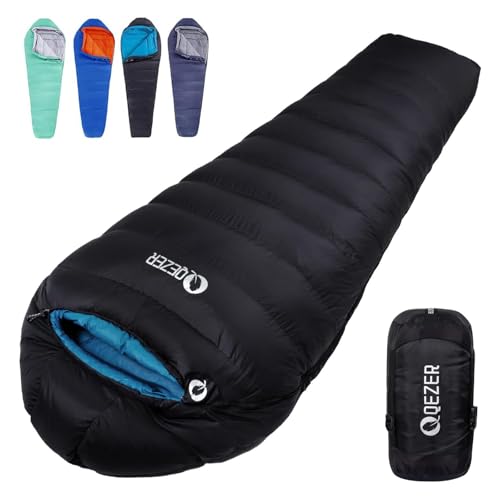
QEZER 0°F Down Sleeping Bag for Adults with Pouch
- ✓ Extremely warm in cold weather
- ✓ Lightweight and compact
- ✓ Durable, water-resistant fabric
- ✕ Takes time to ventilate after compression
- ✕ Slightly pricey
| Fill Material | Duck down with 600 Fill Power |
| Temperature Rating | Comfort: 0°F, Limit: -11°F |
| Insulation Features | Extra cotton insulation at chest area |
| Dimensions | 84.6 inches x 31.5 inches (storage size: 17.3 inches x 8.6 inches) |
| Weight | 5.11 lbs |
| Outer Material | 400T 20D tear-resistant nylon with waterproof and windproof properties |
Imagine crawling into a sleeping bag on a freezing winter night, only to find it feels more like a cozy cocoon rather than a cold metal tomb. That was my experience with the QEZER 0°F Down Sleeping Bag.
Its plush 3.3 pounds of duck down fill immediately gave me confidence that I’d stay warm even in sub-zero conditions.
The moment I unrolled it, I noticed how lightweight and compact it was—definitely a relief after hauling heavier gear. Its 84.6-inch length and generous width at the bottom meant I never felt cramped, even when rolling around.
The mummy shape snugly hugged my body, yet the slightly wider trapezoidal bottom kept my feet comfortable.
As I tested it in chilly weather, the double-layer design and increased chest insulation kept the warmth locked in. The outer shell’s tear-resistant nylon felt durable without adding weight, and the waterproof windproof layer kept the cold gusts at bay.
Plus, the inner pocket was perfect for my phone and keys, so I didn’t lose anything in the dark.
Setting it up was simple—just uncompress it from its stuff sack, which took a few hours of airing out. The zippers worked smoothly, and I especially liked the option to zip two bags together for a cozy couple’s setup.
Overall, it’s a versatile, high-performance sleeping bag that feels like a warm hug on winter nights.
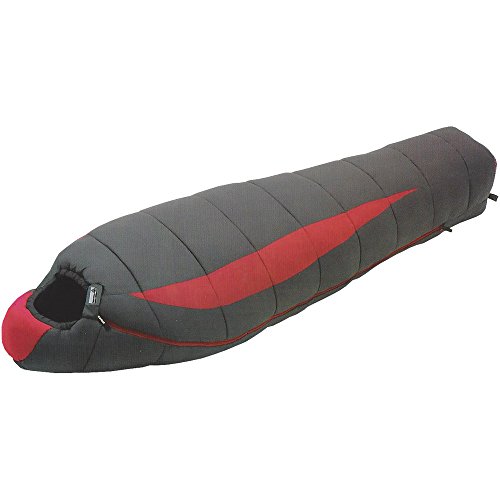
High Peak Outdoors Cascade -40-Degree Sleeping Bag
- ✓ Excellent cold-weather insulation
- ✓ Comfortable and roomy fit
- ✓ Zips with other bags easily
- ✕ Slightly bulky when packed
- ✕ Higher price point
| Temperature Rating | -40°F / -40°C |
| Insulation Type | Synthetic or down (not specified, inferred for sub-zero sleeping bags) |
| Bag Dimensions | 86 inches long x 34 inches wide |
| Features | Hood with drawstring closure, barrel lock, thermal collar, can zip two bags together |
| Material | Not specified (likely durable, water-resistant fabric suitable for cold weather) |
| Packability | Not specified (but typically designed for backpacking, implying lightweight and compressible) |
The first time I slipped into the High Peak Outdoors Cascade -40-Degree Sleeping Bag, I immediately noticed how cozy and well-constructed it felt. The hood with its drawstring and barrel lock made me feel secure, almost like a protective cocoon against the cold.
Its generous length of 86 inches and width of 34 inches give you plenty of room to move without feeling cramped. The thermal collar adds an extra layer of warmth around your neck, which is a real game-changer on frigid nights.
What really surprised me was how smoothly the zipper glided, allowing me to zip two bags together effortlessly. This feature is perfect if you’re camping with a partner or want to extend your sleeping area.
Even in sub-zero temperatures, I stayed warm thanks to the insulated design and quality materials. The bag’s lightweight yet durable fabric felt reassuring, and I appreciated how compact it folded back into its stuff sack for easy packing.
On the downside, the price is a bit steep, but considering its thermal rating and features, it’s a solid investment. Also, the bag’s bulkiness when packed could be a challenge if you’re trying to shave weight for ultra-light backpacking.
Overall, the Cascade -40 is a standout choice for serious cold-weather adventures. It combines comfort, warmth, and practicality in a way that makes winter camping far more enjoyable.
QEZER 0°F Down Sleeping Bag Ultralight Mummy Backpacking

- ✓ Lightweight & compact
- ✓ Warm down insulation
- ✓ Durable waterproof fabric
- ✕ Needs ventilation after unpacking
- ✕ Slightly narrow fit
| Fill Material | Natural duck down |
| Fill Power | 600+ Fill Power |
| Temperature Range | Comfortable: 18°F-32°F, Limited: 10°F |
| Dimensions | 84.6″ x 31.5″ |
| Weight | 3.7 lbs |
| Outer Material | 400T20D tear-resistant nylon fabric |
Imagine trekking through a chilly mountain pass, the wind biting at your face, and realizing your sleeping gear needs to keep up with the dropping temperatures. That’s when I zipped up the QEZER 0°F Down Sleeping Bag, and instantly felt the cozy embrace of its fluffy duck down filling.
The moment I opened it, I was impressed by how compact and lightweight it is—only about 3.7 pounds, yet it packs a serious warmth punch. The outer fabric feels sturdy with a tear-resistant nylon shell that resisted the occasional brush against rocks and branches.
Its mummy design hugs your body snugly, which really helps trap heat overnight.
The wide trapezoidal foot box gave my feet room to move without feeling cramped, and the zipper worked smoothly without snagging. I liked that the inner pocket held small essentials, so I didn’t have to dig around in my pack.
After a long day of hiking, rolling this up into its tiny storage bag was a breeze—just make sure to ventilate it for a few hours when unpacking, since it’s super compressed.
It’s versatile enough for spring, summer, autumn, and even cold winter nights—making it a solid choice for various outdoor adventures. Plus, the limited temperature rating of 10°F gives peace of mind in sub-zero conditions, and the adjustable zippers let you convert it into a double for shared nights.
Overall, it’s a great mix of warmth, portability, and durability, perfect for your next outdoor escapade.
What Characteristics Define the Best Backpacking Sleeping Bags for Sub Zero Conditions?
The best backpacking sleeping bags for sub-zero conditions are characterized by insulation type, temperature rating, weight, packability, and construction features.
- Insulation Type: The insulation in sub-zero sleeping bags is crucial for retaining heat. Down insulation is highly regarded for its excellent warmth-to-weight ratio, while synthetic insulation performs better in wet conditions, maintaining insulation properties even when damp.
- Temperature Rating: A sleeping bag’s temperature rating indicates the lowest temperature at which it can keep a sleeper warm. For sub-zero conditions, look for bags rated well below freezing, often around -10°F to -20°F, ensuring that they provide adequate warmth during extreme cold nights.
- Weight: Backpacking requires a balance between warmth and weight, making it essential to choose a bag that offers warmth without excessive bulk. The best sub-zero sleeping bags typically weigh between 2-4 pounds, allowing for easy transport while still providing sufficient insulation for harsh environments.
- Packability: A good sub-zero sleeping bag should compress down to a manageable size for easy packing. This is crucial for backpackers who need to conserve space in their packs; bags with down insulation usually compress better than synthetic options, making them ideal for long hikes.
- Construction Features: Features such as draft collars, hoods, and insulated zippers enhance the bag’s performance in extreme cold. These elements help to trap warmth and prevent cold air from seeping in, ensuring that the sleeper remains comfortable even in frigid temperatures.
How Does Insulation Type Affect Performance in Sub Zero Sleeping Bags?
The type of insulation used in sub-zero sleeping bags significantly impacts their performance, comfort, and weight for backpackers.
- Down Insulation: Down insulation is known for its excellent warmth-to-weight ratio, making it a popular choice for sub-zero sleeping bags. It provides superior compressibility, allowing the bag to pack down small, but it can lose its insulating properties when wet unless treated with water-resistant coatings.
- Synthetic Insulation: Synthetic insulation, such as polyester, offers better performance in wet conditions as it retains warmth even when damp. While it may be heavier and bulkier than down, it is often more affordable and easier to care for, making it a practical choice for many backpackers.
- Hybrid Insulation: Hybrid insulation combines both down and synthetic materials to capitalize on the strengths of each. This type often features down in the core for warmth and synthetic fibers in areas prone to moisture, providing a balance of warmth, weight, and moisture resistance.
- Thickness of Insulation: The thickness or loft of the insulation plays a crucial role in the bag’s temperature rating and overall warmth. Thicker insulation generally provides better thermal efficiency but can add weight, so finding the right balance is essential for backpackers needing to carry their gear.
- Fill Power: Fill power refers to the loft or fluffiness of down insulation and affects how much air the insulation traps, which directly influences warmth. Higher fill power ratings indicate better insulation performance, allowing for lighter sleeping bags that still provide adequate warmth in sub-zero conditions.
What Temperature Rating is Ideal for the Coldest Conditions?
When choosing a sleeping bag for sub-zero environments, the temperature rating is crucial for ensuring warmth and comfort. Generally, look for ratings that reflect the lowest temperatures you expect to encounter during your backpacking trip. Here are some guidelines for ideal temperature ratings in the coldest conditions:
- 25°F (-4°C) and Below: Suitable for late fall and early winter trips. Consider this rating if temperatures can drop lower than freezing.
- 0°F (-18°C): Best for winter camping and extreme cold conditions. A sleeping bag with this rating typically has additional insulation and features to retain heat effectively.
- -10°F (-23°C) and Below: For alpine environments and severe winter conditions. This rating is designed to provide warmth during the harshest conditions.
When choosing a sleeping bag, pay attention to insulation type (down vs. synthetic), bag shape (mummy vs. rectangular), and any added features like draft collars, hoods, or zippers designed for cold weather. Selecting the right rating, along with appropriate gear, can keep users warm and ensure a good night’s sleep in freezing temperatures.
Which Brands Are Leaders in Sub Zero Backpacking Sleeping Bags?
The leading brands for sub-zero backpacking sleeping bags are:
- Western Mountaineering: Known for their high-quality down sleeping bags, Western Mountaineering offers products that are lightweight yet extremely warm, making them ideal for sub-zero temperatures.
- Mountain Hardwear: This brand combines innovative materials with an emphasis on warmth and packability, creating sleeping bags that are suitable for extreme cold while remaining easy to carry on long treks.
- Marmot: Marmot’s sub-zero sleeping bags are designed with advanced insulation technology that maximizes heat retention and minimizes weight, ensuring comfort in frigid conditions.
- Big Agnes: Renowned for their unique designs, Big Agnes provides sleeping bags with integrated sleeping pads, offering insulation and comfort for backpackers facing harsh cold environments.
- REI Co-op: REI Co-op offers a range of sleeping bags that balance affordability with performance, providing reliable warmth in sub-zero temperatures without breaking the bank.
Western Mountaineering: This brand is celebrated for its commitment to using premium down insulation, yielding bags that are both lightweight and extraordinarily warm. Their craftsmanship ensures that every stitch contributes to the bag’s ability to retain heat, making them a favorite among serious backpackers tackling extreme cold.
Mountain Hardwear: With a focus on technical performance, Mountain Hardwear integrates advanced fabric technology into their sleeping bags. Their designs often feature a combination of synthetic and down insulation, which helps maintain warmth even in damp conditions while ensuring the bags are highly compressible for easy transport.
Marmot: Marmot is recognized for its use of water-resistant down and innovative features such as thermal efficiency and draft collars. Their sleeping bags are designed to perform in extreme conditions, utilizing cutting-edge materials to enhance insulation and reduce weight, making them ideal for cold-weather adventures.
Big Agnes: Big Agnes stands out with their unique design approach, particularly their integrated sleeping pad system that offers superior insulation from the ground. Their bags are tailored for comfort and usability, ensuring that even in sub-zero temperatures, users can achieve a good night’s sleep.
REI Co-op: Offering a balance of performance and price, REI Co-op sleeping bags are designed for the budget-conscious adventurer. They provide reliable warmth with thoughtful features like draft protection, making them a solid choice for anyone needing a dependable sub-zero sleeping bag.
What is the Expected Price Range for High-Quality Sub Zero Sleeping Bags?
Best practices for selecting a sub-zero sleeping bag include understanding individual temperature needs, considering packability and weight for backpacking, and evaluating the insulation type based on the expected weather conditions. Investing in a reputable brand and reading user reviews can also help in making an informed decision. Proper care, such as storing the bag uncompressed and cleaning it according to manufacturer instructions, can further extend its lifespan and maintain performance.
What Do Customer Reviews Reveal About the Best Sub Zero Sleeping Bags?
Durability and Weather Resistance: Many reviews highlight the need for a sleeping bag that can withstand rigorous outdoor conditions. Fabrics that are tear-resistant and water-repellent are often mentioned, as they contribute to the longevity and effectiveness of the bag in sub-zero temperatures.
Temperature Rating Accuracy: Users frequently comment on whether the temperature ratings provided by manufacturers are realistic. Some reviewers suggest testing the bags in actual conditions to see if they perform as advertised, indicating a desire for transparency in product specifications.
How Can You Care for Your Sub Zero Backpacking Sleeping Bag to Ensure Longevity?
Proper care for your Sub Zero backpacking sleeping bag is essential to ensure its longevity and performance.
- Regular Cleaning: Keeping your sleeping bag clean is crucial, as dirt and oils can degrade the material over time. Most sleeping bags can be machine washed on a gentle cycle with a mild detergent, but always check the care label for specific instructions.
- Drying Techniques: After washing, it’s important to dry your sleeping bag properly to avoid mildew and maintain its loft. Use a large-capacity dryer on a low heat setting, and consider adding dryer balls or clean tennis balls to help fluff the insulation as it dries.
- Storage Practices: How you store your sleeping bag when not in use can significantly impact its lifespan. Avoid compression sacks for long-term storage; instead, use a large cotton or mesh storage sack to allow the bag to maintain its loft and shape.
- Avoiding Moisture: Keeping your sleeping bag dry during use is critical, as moisture can lead to insulation damage. Use a waterproof stuff sack for transport and consider using a sleeping bag liner for added protection against sweat and body oils.
- Repairing Damage: Address any small tears or damage promptly to prevent further degradation of the sleeping bag. Use a repair kit designed for outdoor gear, which often includes patching materials and adhesive specifically for fabrics used in sleeping bags.