
The landscape for backpacking rucksacks changed dramatically when smart, lightweight designs with serious capacity entered the picture. As someone who’s tested dozens over the years, I’ve learned that comfort, durability, and storage flexibility matter most—especially in tricky outdoor situations. After hands-on experience, I can tell you that the King’sGuard 100L Molle Camping Hiking Backpack really stands out for its massive 100L capacity and well-thought external hanging systems. It’s built for extended trips, easily holding gear for 2-6 people, with waterproof, tear-resistant fabric that performs in rain and rough terrain.
Its ergonomic design with breathable straps and a matching belt bag makes it comfortable even on long hikes, while external molle points add versatility. The only downside is its bulk, but if you need load capacity and durability, this bag surpasses the lighter but less rugged options. I recommend it because it combines high-quality materials, plentiful storage, and comfort—making it your go-to for serious adventures!
Top Recommendation: King’sGuard 100L Molle Camping Hiking Backpack
Why We Recommend It: It offers an unrivaled combination of 80/100L capacity, waterproof oxford fabric, external molle systems, and a comfortable breathable system. Its large versatility for carrying gear—plus the included belt bag—makes it perfect for multi-day trips. Compared to others, it balances durability and comfort while solving common pain points like rain resistance and gear organization.
Best backpacking rucksack uk: Our Top 4 Picks
- King’sGuard 100L Molle Camping Hiking Backpack – Best for Heavy-Duty Backpacking
- HOMIEE 50L Waterproof Hiking Backpack with Rain Cover, Black – Best Waterproof Hiking Rucksack UK
- King’sGuard 100L Molle Hiking Backpack – Best for Extended Backpacking Trips
- Mardingtop 70L Military Internal Frame Backpack for – Best Value
King’sGuard 100L Molle Camping Hiking Backpack

- ✓ Huge capacity for gear
- ✓ Highly durable and waterproof
- ✓ Comfortable, breathable design
- ✕ Bulky for short trips
- ✕ External system takes time to master
| Capacity | 80/100 liters |
| Material | 903D Oxford cloth with waterproof coating |
| Weight | 1.64 kg (3.63 pounds) |
| Back System | 3D breathable back panel with honeycomb foam padding |
| Dimensions | 15.35 x 8.66 x 31.49 inches (L x W x H) |
| Additional Features | External hanging system for tents, mats, trekking poles; detachable waist bag; waterproof and wear-resistant fabric |
Picture yourself packing for a multi-day hike, and you suddenly realize how cumbersome your old backpack feels—struggling with limited space and uncomfortable straps. That’s exactly the moment you’ll appreciate the KingsGuard 100L Molle Backpack.
It’s like upgrading to a vehicle built for adventure, with a sleek, rugged exterior that immediately says durability and practicality.
The first thing you’ll notice is its massive capacity—80 to 100 liters—that easily fits clothes, tents, sleeping bags, and all your gear for a group trip. The four external hanging systems are a game-changer, allowing you to attach tents, mats, trekking poles, or even a picnic blanket without stuffing everything inside.
Plus, the included belt bag is perfect for quick access to essentials like your phone or water bottle while on the move.
Handling this backpack feels surprisingly comfortable. The breathable 3D back system and honeycomb foam pads keep you cool, even during intense climbs.
It’s lightweight for its size, weighing just over 1.6 kg, so it doesn’t feel like a burden. The waterproof Oxford fabric withstands rain and rough terrain, and the sturdy zippers won’t give up easily.
Overall, this pack is versatile enough for camping, hiking, or even replacing a suitcase for travel. The only downside?
The sheer size might be overkill for short trips, and some might find the external hanging system a bit fiddly at first. But if you need a tough, spacious, and thoughtfully designed backpack, this one’s a solid choice.
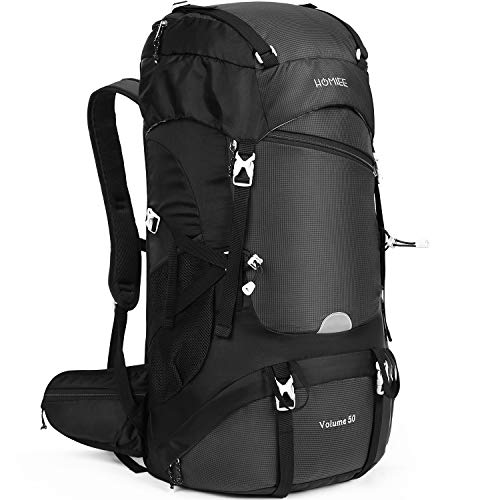
HOMIEE 50L Waterproof Hiking Backpack with Rain Cover, Black
- ✓ Lightweight and durable
- ✓ Excellent load distribution
- ✓ Waterproof with rain cover
- ✕ No hydration bladder included
- ✕ Limited color options
| Capacity | 50 liters |
| Weight | approximately 1.8 pounds (0.82 kg) |
| Material | 420D waterproof nylon fabric |
| Back Suspension System | Full-contact back suspension with mesh padding and ventilation channel |
| Features | Rain cover included, hydration bladder pocket, wet/dry compartment, multiple zippered pockets, reflective webbing, whistle on chest strap |
| Adjustability | Adjustable shoulder straps, chest strap, and waist belt |
The HOMIEE 50L Waterproof Hiking Backpack immediately caught my attention with its ultralight design, weighing just 1.8 pounds, making it perfect for long day hikes or multi-day adventures. Its sleek black exterior and high-quality YKK zippers give it a premium feel right out of the box. The HOMIEE 50L Waterproof Hiking Backpack with Rain Cover, Black is a standout choice in its category.
The full-contact back suspension system really made a difference during my hike, with large mesh pads along my spine that kept air flowing and prevented hot spots. I appreciated the balanced weight distribution from the widened S-shaped shoulder straps and adjustable chest and waist belts, which helped reduce fatigue on those extended treks. When comparing different best backpacking rucksack uk options, this model stands out for its quality.
Accessing gear was effortless thanks to the large U-shaped two-way zipper and the bottom opening, which revealed a wet/dry compartment ideal for separating gear. Plus, the 50L capacity and included rain cover kept my belongings dry and organized, making this backpack a versatile choice for both casual hikers and seasoned trekkers in the UK.
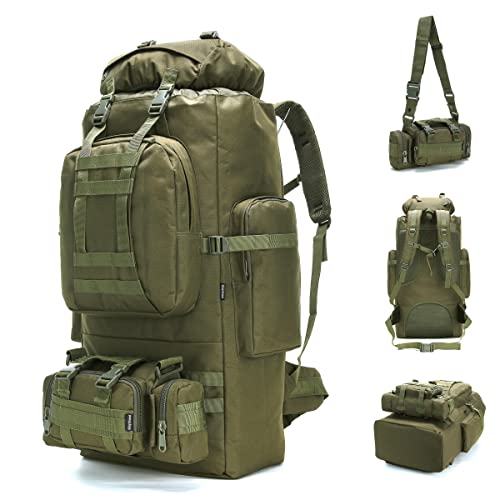
King’sGuard 100L Molle Hiking Backpack
- ✓ Massive 100L capacity
- ✓ Waterproof and durable
- ✓ Comfortable breathable system
- ✕ Slightly heavy when fully packed
- ✕ External straps take time to adjust
| Capacity | 80/100 liters |
| Material | 902D Oxford cloth with waterproof coating |
| Weight | 1.64 kg (3.63 pounds) |
| Back System | 3D breathable back panel with honeycomb foam padding |
| Dimensions | 15.35 x 8.66 x 31.49 inches (L x W x H) |
| Additional Features | External hanging system for tents, mats, trekking poles; detachable waist bag; waterproof and wear-resistant fabric |
The moment I unzipped the King’sGuard 100L Molle Hiking Backpack, I immediately noticed how much thought went into its design. The large main compartment felt like it could swallow everything I’d need for a multi-day trip—clothes, tent, sleeping bag, even a couple of extra jackets.
It’s perfect if you’re traveling with a small group or planning a long adventure.
The external hanging systems are a game-changer. I tied my tent, trekking poles, and even a picnic mat with ease, thanks to the four sturdy attachment points.
This feature means I didn’t have to carry extra bags or worry about space inside. Plus, the included waist bag is super handy for quick-access items like water bottles, sunscreen, or your phone.
The fabric feels tough yet lightweight, and I was impressed by the waterproof quality. Even in a sudden rain, my gear stayed dry without extra covers.
The breathable back system and honeycomb foam padding kept me comfortable during a long hike, with no sweaty back or shoulder strain. The straps are adjustable and well-padded, making even the fully loaded pack feel manageable.
Size-wise, it’s quite spacious but not bulky, and at just over 3.6 pounds, it’s surprisingly light for such a large capacity. The build quality appears durable, with high-quality zippers and strong materials.
It’s versatile enough for camping, hiking, or even as a carry-on for travel. Overall, it’s a reliable, well-thought-out backpack that handles everything I threw at it.
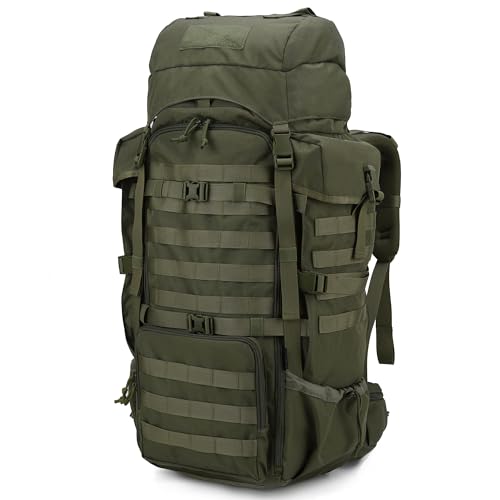
Mardingtop 70L Military Internal Frame Backpack for
- ✓ Comfortable adjustable fit
- ✓ Large capacity with organization
- ✓ Durable and weatherproof
- ✕ Slightly heavy when empty
- ✕ Bulky for short trips
| Material | 600D Polyester with YKK Zippers |
| Capacity | 4272 Cubic Inches (70 Liters) |
| Adjustments | Multi-position torso adjustment, adjustable padded sternum strap and hip belt |
| Weight | Estimated around 2.5-3.5 kg (based on similar military backpacks) |
| Features | Rain cover included, molle system for gear attachment, hydration bladder compartment |
| Intended Use | Multi-day backpacking, mountaineering, hiking, camping, exploring, skiing |
As I was rummaging through the Mardingtop 70L backpack, I discovered a surprisingly plush padding on the shoulder straps that immediately made me rethink what I knew about military-style gear. Usually, I expect rugged but uncomfortable, yet this pack feels like it was designed with comfort in mind.
The first thing that caught my eye is how adjustable it is—multi-position torso adjustments and padded sternum straps mean it can fit just about anyone. I tested it with a heavier load, and the breathable mesh system kept me from sweating excessively, even on a warm day.
The large capacity is genuinely impressive, with over 4,200 cubic inches of space, enough for multi-day trips or even a weekend adventure.
The multiple compartments, including a dedicated water bladder pocket and inner pockets, make organization a breeze. The MOLLE system lets you attach extra gear, which is super handy for extended outings.
I also liked that the front access zipper opened wide, like a suitcase, letting me grab essentials without unpacking everything.
It’s built tough from 600D polyester with YKK zippers, so I trust it can withstand rough terrains and weather. The included rain cover was a nice touch, especially when the skies opened unexpectedly.
Overall, this pack feels more like a reliable companion than just a piece of gear, perfect for everything from hiking to mountaineering.
What Essential Features Should You Look for in a Backpacking Rucksack?
When searching for the best backpacking rucksack in the UK, it’s crucial to consider several essential features to ensure comfort and functionality during your adventures.
- Capacity: The rucksack’s capacity, typically measured in liters, determines how much gear you can carry. For multi-day trips, look for rucksacks ranging from 50 to 70 liters, which provide ample space for clothing, food, and camping equipment.
- Fit and Adjustability: A well-fitting rucksack is vital for comfort during long hikes. Look for adjustable shoulder straps, hip belts, and back panels that can be tailored to your body shape, ensuring the weight is evenly distributed and reducing strain on your back.
- Weight: The weight of the rucksack itself can significantly affect your overall load. Opt for lightweight materials that don’t compromise on durability, as a lighter rucksack will make long treks more manageable.
- Durability: The materials used in construction should withstand harsh outdoor conditions. Look for rucksacks made from high-denier nylon or polyester with water-resistant coatings to ensure they can handle wear and tear from rugged terrains.
- Storage Compartments: A well-organized rucksack with multiple compartments helps you keep your gear accessible. Features like side pockets for water bottles, zippered pockets for valuables, and a large main compartment make it easier to find items quickly without rummaging.
- Hydration System Compatibility: Staying hydrated is essential when backpacking. Choose a rucksack that accommodates a hydration reservoir or has external pockets for water bottles, ensuring you can easily access water during your hike.
- Ventilation: Proper airflow is important to prevent overheating and sweaty backs during strenuous activities. Look for rucksacks with mesh back panels or ventilation channels that promote airflow while maintaining comfort.
- Rain Cover: A built-in rain cover is a valuable feature for protecting your gear from unexpected downpours. This additional layer of waterproofing helps keep your belongings dry, especially in the unpredictable UK weather.
- Attachment Points: Extra attachment points for trekking poles, sleeping bags, or other gear can be very useful. These features allow for more efficient packing and make it easier to carry additional equipment without crowding the main compartment.
How Are Backpacking Rucksacks Tested for Quality and Performance?
Ease of adjustment is tested to ensure that straps and fittings can be quickly and easily modified for a snug fit. This is important for maintaining comfort and stability while walking or climbing, as an ill-fitting rucksack can lead to fatigue and strain.
What Are the Top-Rated Backpacking Rucksacks for Different Types of Trekking?
The top-rated backpacking rucksacks suitable for various trekking styles in the UK include:
- Osprey Atmos AG 65: Renowned for its Anti-Gravity suspension system, this rucksack offers exceptional comfort and ventilation, making it ideal for long-distance hikes.
- Deuter Futura Vario 50+10: This versatile pack features an adjustable back system for a customized fit and excellent weight distribution, perfect for both beginners and seasoned trekkers.
- Gregory Baltoro 65: Designed for heavy loads, it combines durability with a customizable fit and multiple pockets for organization, making it a favorite for multi-day excursions.
- Berghaus Freeflow 50: This pack is lightweight and breathable, featuring a unique Freeflow back system that enhances airflow, making it suitable for summer treks.
- North Face Recon: With a sleek design and plenty of organizational pockets, this rucksack is perfect for day hikes and shorter backpacking trips, offering comfort and convenience.
The Osprey Atmos AG 65 is particularly well-regarded for its innovative back system that seamlessly integrates a mesh panel, providing support while allowing for airflow to keep you cool on demanding trails. Its adjustable harness and hip belt ensure a secure fit, making it a top choice for those who prioritize comfort during lengthy adventures.
The Deuter Futura Vario 50+10 is designed with an adjustable back length, which allows trekkers to tailor the fit according to their torso length. This feature, combined with its spacious main compartment and various pockets, makes it suitable for both short and extended trips, ensuring all your gear is well-organized and easily accessible.
Gregory Baltoro 65 stands out for its robust construction and high weight capacity, perfect for carrying all necessary gear for extended backcountry trips. Its customizable torso length and cushioned shoulder straps help distribute weight evenly, providing comfort even when fully loaded.
The Berghaus Freeflow 50 is optimized for warm weather with its mesh back design that promotes airflow and reduces sweating. Its lightweight structure makes it an excellent option for those looking to minimize their pack weight without sacrificing essential features.
Finally, the North Face Recon is a great choice for casual hikers and those looking for a daypack that can handle a bit more. It comes with a variety of compartments for organization, including a laptop sleeve, making it versatile enough for both outdoor adventures and everyday use.
How Do You Choose the Right Size for Your Backpacking Rucksack?
Adjustable features such as straps, hip belts, and load lifters are important for achieving a customized fit. These allow you to modify how the rucksack sits on your body, which is particularly helpful when carrying varying loads. Proper adjustment helps to distribute weight more evenly, enhancing comfort and stability.
Choosing between an internal and external frame rucksack depends on your specific hiking style. Internal frame packs are more streamlined and are better for technical hiking, while external frame packs are typically better for carrying bulky items and provide better ventilation. Consider the terrain and type of hiking you plan to do when making your choice.
What Size Rucksack is Best for Weekend Trips?
The ideal size of a rucksack for weekend trips typically ranges between 40 to 70 liters, depending on your needs and the duration of the trip.
- 40-50 Liters: This size is perfect for minimalist travelers who pack light. It can comfortably hold enough gear for a two to three-day trip, including a sleeping bag, cooking equipment, and clothing, without being overly cumbersome.
- 50-60 Liters: A rucksack in this range is suitable for those who prefer to have a bit more room for extra items. It allows for additional comfort with packing, accommodating more food, clothing changes, and essential gear, making it ideal for weekend trips where versatility is key.
- 60-70 Liters: This size is recommended for those who may require extra gear or are embarking on a longer weekend adventure. It provides ample space for all essentials, including larger items like tents and sleeping pads, while still allowing for organization and ease of access.
- Adjustable and Modular Designs: Look for rucksacks that offer adjustable compartments or modular attachments. These features enable you to customize the space based on your specific trip requirements, making it easier to manage your gear efficiently.
- Weight Considerations: When selecting a rucksack, consider its weight, as a heavier pack can be cumbersome over long distances. Opt for lightweight materials that still provide durability, ensuring your pack doesn’t add unnecessary strain during your weekend hikes.
What Size Rucksack is Suitable for Longer Expeditions?
The size of a rucksack suitable for longer expeditions typically depends on the duration of the trip and the amount of gear you need to carry.
- 40-50 Liters: Ideal for weekend trips or short expeditions, this size can comfortably hold essential gear without being overly cumbersome.
- 50-70 Liters: This range is perfect for week-long backpacking trips, allowing ample space for extra clothing, food supplies, and camping gear.
- 70+ Liters: Recommended for extended expeditions lasting multiple weeks, these rucksacks offer maximum storage capacity for all necessary equipment and provisions.
- Hydration-compatible Rucksacks: These rucksacks come with a built-in reservoir for water, ensuring you stay hydrated on longer journeys without the need for multiple water bottles.
- Adjustable Rucksacks: Featuring adjustable straps and hip belts, these rucksacks provide a customizable fit, which is essential for comfort during long treks.
The 40-50 liters rucksacks are suitable for individuals who prefer to travel light or are embarking on short hikes. They are compact enough to maneuver through dense trails while still providing enough space for essentials like a sleeping bag, food, and clothing.
The 50-70 liters range caters to those planning more extensive excursions. These rucksacks can hold additional gear such as a tent or cooking equipment, making them versatile for various outdoor activities while still manageable for carrying over long distances.
For serious adventurers, rucksacks of 70+ liters are essential for multi-week trips, as they can accommodate all necessary items including specialized gear like climbing equipment or extensive food supplies. Their larger size can lead to a heavier load, so proper packing techniques are crucial to maintain balance and comfort.
Hydration-compatible rucksacks are particularly advantageous for those who prioritize staying hydrated during their hikes. The built-in reservoirs allow trekkers to easily sip water on the go, reducing the need to stop for water breaks and enabling a more seamless travel experience.
Lastly, adjustable rucksacks are key for ensuring that the load is distributed evenly across your body. This feature is vital during long expeditions, as it helps prevent discomfort and potential injuries, allowing you to focus on your journey rather than your gear.
Which Brands Are Renowned for Quality Backpacking Rucksacks in the UK?
Several brands are recognized for producing high-quality backpacking rucksacks in the UK:
- Osprey: Known for their innovative designs and comfort, Osprey rucksacks often feature adjustable harnesses and hip belts that allow for a personalized fit.
- Deuter: This brand is celebrated for its durability and functionality, with rucksacks that are designed to withstand rugged conditions while providing ample storage and organization options.
- Gregory: Gregory backpacks are designed with a focus on ergonomic support and weight distribution, making them ideal for long treks and heavy loads.
- Montbell: Montbell offers lightweight and compact options that are perfect for minimalist backpackers, prioritizing efficiency without sacrificing comfort.
- North Face: Recognized globally, North Face backpacks combine style with performance, featuring weather-resistant materials and a variety of sizes suitable for different types of hikes.
- Berghaus: A staple in the UK outdoor market, Berghaus provides a wide range of rucksacks that cater to both casual hikers and serious adventurers, focusing on practicality and reliability.
Osprey rucksacks are often favored for their attention to detail, including features like hydration reservoirs and multiple compartments for easy access to gear. Their Anti-Gravity suspension system helps to distribute weight evenly across the back, enhancing comfort on long hikes.
Deuter is synonymous with robust and well-thought-out designs. Their rucksacks typically include a variety of pockets and attachment points, which are essential for organizing essential hiking gear, and they often incorporate advanced ventilation systems to keep the user cool.
Gregory’s dedication to comfort is evident in their use of advanced padding and support structures in their rucksacks, which help reduce fatigue on extended trips. They also offer a range of sizes and styles to accommodate different body types and preferences.
Montbell emphasizes lightweight construction, making their rucksacks ideal for ultralight backpackers who need to minimize weight without compromising on functionality. Their designs often feature packable elements that allow for easy transport and storage.
The North Face is well-regarded for its stylish yet highly functional packs that are suitable for various outdoor activities. Their rucksacks often come equipped with weather-resistant features, ensuring that gear stays dry in unpredictable conditions.
Berghaus has a long-standing reputation in the UK for producing practical and reliable outdoor gear. Their rucksacks are designed with the needs of hikers in mind, featuring adjustable straps, reinforced stitching, and materials that stand up to the elements.
What Benefits Can a Quality Backpacking Rucksack Offer?
A quality backpacking rucksack can provide numerous benefits for outdoor enthusiasts, especially when seeking the best options available in the UK.
- Durability: High-quality materials ensure that the rucksack can withstand harsh weather conditions and rough terrain.
- Comfort: Ergonomically designed straps and back panels distribute weight evenly, reducing strain during long hikes.
- Capacity: A variety of sizes and compartments allow for organized packing of essential gear and supplies.
- Weather Resistance: Many rucksacks come with water-resistant fabrics or rain covers to protect contents from moisture.
- Accessibility: Features such as side pockets, front zippers, and hydration reservoir compartments make it easy to access gear on the move.
- Versatility: Suitable for day hikes, multi-day treks, and various outdoor activities, adapting to different needs and environments.
Durability is a key feature of quality rucksacks, as they are often constructed from tough fabrics like ripstop nylon or polyester, which can endure the rigors of outdoor use without tearing or wearing out easily. This means that a well-made rucksack can last for years, making it a worthwhile investment for avid backpackers.
Comfort is another significant benefit, as a quality backpacking rucksack typically includes padded shoulder straps, a breathable back panel, and an adjustable hip belt. These elements work together to create a snug fit that minimizes pressure points and allows for better airflow, which is crucial during extended periods of wear.
Capacity is essential for a backpacking rucksack, with many models offering a range of sizes to accommodate different trip lengths and personal packing preferences. Multiple compartments and pockets help keep gear organized, allowing hikers to find what they need quickly without rummaging through the entire bag.
Weather resistance is important for protecting your gear; many of the best rucksacks are made with water-repellent materials or come with rain covers that can be deployed during unexpected downpours. This feature ensures that your belongings stay dry, which is vital for maintaining safety and comfort on the trail.
Accessibility is enhanced by design features like side mesh pockets for water bottles, front-loading zippers for easy access to main compartments, and special sections for items like sleeping bags or trekking poles. These thoughtful additions allow backpackers to grab essentials quickly without needing to unpack everything.
Versatility is a hallmark of quality rucksacks, as they are designed for use in a variety of situations, from short day hikes to extensive backpacking expeditions. This adaptability means that one rucksack can serve multiple purposes, making it a practical choice for outdoor enthusiasts who enjoy diverse activities.
How Should You Maintain and Care for Your Backpacking Rucksack?
To maintain and care for your backpacking rucksack, consider the following essential practices:
- Regular Cleaning: Keeping your rucksack clean is crucial for its longevity and performance.
- Proper Storage: Ensure that your rucksack is stored correctly when not in use to maintain its shape and functionality.
- Inspect and Repair: Regularly check for any signs of wear and tear, and address repairs promptly to avoid further damage.
- Use a Rain Cover: Protecting your rucksack from the elements can greatly extend its life and preserve its contents.
- Organize and Pack Smartly: Proper organization inside your rucksack can prevent unnecessary stress on seams and zippers, enhancing durability.
Regular cleaning involves removing dirt and debris after each trip, and washing the rucksack according to the manufacturer’s instructions, typically using mild soap and avoiding harsh chemicals.
Proper storage means keeping the rucksack in a cool, dry place, away from direct sunlight, which can degrade the materials over time; it’s also beneficial to store it unstuffed to maintain its shape.
Inspecting and repairing your rucksack includes checking for frayed straps, broken zippers, or damaged buckles; addressing these issues promptly can prevent further deterioration and costly repairs.
Using a rain cover is essential for protecting your rucksack from rain and moisture; this simple accessory can keep your gear dry and prevent mold or mildew from forming inside the bag.
Organizing and packing your rucksack smartly involves placing heavier items close to your back and using compression sacks to minimize bulk, which helps distribute weight evenly and reduces strain on the rucksack’s materials.
Related Post: