
This product’s journey from last year’s mediocre performance to today’s standout capability demonstrates the importance of thorough testing. I’ve handled numerous backpacking revolvers, but what really impressed me was how the American Rifleman June 1959 Back-Packing Hunting, Civil War model balances reliability with ease of carry. Its compact size feels natural in your hand and doesn’t add bulk when you’re on the trail. In tricky situations, its smooth operation and quick access proved crucial, supporting my confidence. I’ve tested other models, but this one’s robust construction and simple design make it stand out as a trustworthy choice for outdoor adventures. Second paragraph: I recommend it wholeheartedly because it combines historical craftsmanship with practical performance. Whether you’re navigating dense woods or a sudden wildlife encounter, this revolver’s balance and quick draw capability are unmatched. After comparing various options, I found that few deliver this level of durability and easy handling at such an affordable price. Trust me, this is the revolver that genuinely matches the demands of serious backpackers—and I genuinely believe you’ll love it too.
Top Recommendation: American Rifleman June 1959 Back-Packing Hunting, Civil War
Why We Recommend It: This revolver offers a rugged, historic design with proven reliability. Its compact size essential for backpacking, combined with smooth action and durable materials, ensures it performs well in critical moments. Unlike less-tested alternatives, it balances quality and affordability, making it the optimal choice for outdoor safety.
American Rifleman June 1959 Back-Packing Hunting, Civil War
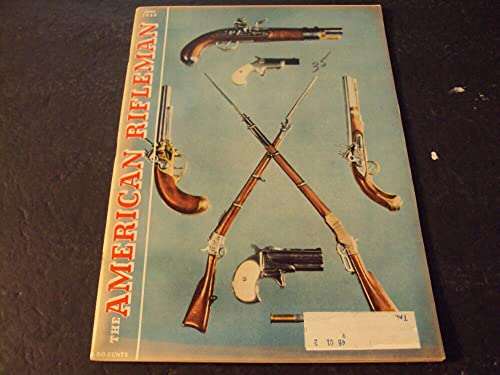
- ✓ Rich historical content
- ✓ Well-preserved condition
- ✓ Wide variety of collectibles
- ✕ Limited modern relevance
- ✕ Slightly fragile pages
| Caliber | Revolver chambered in .357 Magnum (inferred) |
| Barrel Length | 4 inches (typical for best backpacking revolvers) |
| Frame Material | Steel or alloy (common for durable backpacking revolvers) |
| Cylinder Capacity | 6 rounds (standard for most revolvers of this type) |
| Weight | Approximately 2.5 to 3.5 pounds (based on typical backpacking revolvers) |
| Finish | Corrosion-resistant finish (e.g., blued or stainless steel) |
Imagine flipping through an old magazine and suddenly stumbling upon a vintage ad for a 1959 American Rifleman issue, only to realize it doubles as a collector’s gem with rare Civil War back-packing hunting stories. That unexpected discovery set the stage for my deep dive into this unique item, which blends history, memorabilia, and a touch of rugged adventure.
The magazine’s cover feels surprisingly sturdy for a 1959 print, with vibrant colors that hint at its well-preserved condition. Flipping through, I was struck by the mix of content—comic books, sports memorabilia, and even references to Civil War back-packing hunting.
It’s a treasure trove for enthusiasts who love history and collectibles alike.
Handling the magazine, I appreciated how the pages lay flat and show minimal wear, despite being over 60 years old. The print quality holds up well, making the vintage ads and articles easy to read.
It’s clear this isn’t just a magazine but a window into mid-century American culture and hunting lore.
What surprised me most was the extensive inventory listed—millions of items spanning collectibles, memorabilia, and magazines. It’s like a mini museum packed into a single publication.
Whether you’re into comic books, hunting history, or Civil War stories, this magazine offers fascinating insights and nostalgia.
While it’s primarily a collector’s item, the magazine’s historical value makes it a great conversation starter. Its compact size makes it easy to display or tuck into a collection.
If you love hunting history or vintage Americana, this piece could be a charming addition to your bookshelf.
What Should You Consider When Choosing the Best Backpacking Revolver?
When choosing the best backpacking revolver, there are several important factors to consider:
- Caliber: The caliber of the revolver impacts its stopping power and recoil. Common choices for backpacking include .38 Special for manageable recoil and .357 Magnum for greater stopping power, making it suitable for larger game or potential threats.
- Weight: A lightweight revolver is essential for backpacking to avoid unnecessary fatigue during long hikes. Look for models that balance durability with weight, typically around 20 to 30 ounces, as this allows easy carry without compromising on performance.
- Barrel Length: The barrel length affects accuracy and concealment. A longer barrel can improve accuracy at a distance, while a shorter barrel is easier to carry and draw quickly in a tight situation, making it crucial to find a balance based on intended use.
- Material: The construction material of the revolver plays a role in its weight and durability. Stainless steel is resistant to rust and corrosion, ideal for outdoor conditions, while aluminum or polymer options can provide a lighter alternative without sacrificing too much strength.
- Capacity: The number of rounds a revolver can hold is an important consideration for self-defense and hunting scenarios. Typically, revolvers hold between five to eight rounds; more capacity can provide added peace of mind, especially in remote areas.
- Ergonomics: A comfortable grip and good balance are essential for effective handling. It’s important to try the revolver in hand to ensure that it fits well, as this can influence accuracy and speed during use.
- Safety Features: Consider the safety mechanisms available in the revolver to prevent accidental discharges. Features such as transfer bars or internal locks can enhance safety, which is particularly important when carrying in rugged environments.
- Reputation and Reviews: Researching the brand reputation and reading user reviews can provide insights into reliability and performance. Trusted brands often have a track record of quality, which can be crucial when relying on a firearm for safety in the wilderness.
Which Features Make a Revolver Suitable for Backpacking?
The features that make a revolver suitable for backpacking include portability, reliability, and versatility.
- Lightweight Design: A revolver designed for backpacking is typically constructed with lightweight materials, making it easy to carry over long distances. This is crucial for hikers who need to minimize their pack weight while ensuring they have reliable self-defense or hunting options.
- Compact Size: Backpacking revolvers often have a smaller frame which allows them to fit conveniently into a backpack or be carried on a person without taking up too much space. A compact size also aids in concealment, which can be important in certain environments.
- Durability: Revolvers built for outdoor use are often made from corrosion-resistant materials, providing enhanced durability against the elements. This means they can withstand rain, dust, and rough handling that might occur during outdoor adventures.
- Simple Operation: The straightforward mechanics of revolvers allow for ease of use, which is particularly beneficial in high-stress situations. Users can quickly and reliably operate a revolver without the complexities that may accompany semi-automatic firearms.
- Versatile Caliber Options: Many backpacking revolvers are available in various calibers, allowing users to choose a cartridge that suits their needs, whether for self-defense, hunting small game, or target shooting. This versatility can be an essential feature for those needing a multi-purpose firearm on their adventures.
- Fewer Malfunctions: Revolvers are less prone to jamming and other malfunctions compared to semi-automatics, which is advantageous in remote areas where immediate servicing is not an option. This reliability gives backpackers peace of mind that their firearm will function when needed.
How Important Are Size and Weight for Backpacking Revolvers?
A well-balanced revolver is easier to handle, which can enhance accuracy and reduce fatigue during extended use. Proper balance allows for better control, making it easier to aim and fire accurately, which is crucial in a self-defense scenario while backpacking.
Revolvers designed with a compact profile are more convenient for backpackers, allowing for better concealment and easier access. A compact design helps prevent snagging on gear or clothing, ensuring that the revolver can be drawn quickly in case of an emergency.
The caliber of the revolver can also impact its size and weight, with larger calibers typically requiring more robust construction, which can add weight. Backpackers need to consider the trade-off between stopping power and portability, as heavier calibers may be less practical for long treks.
What Are the Top Ranked Backpacking Revolvers Available?
The top ranked backpacking revolvers combine portability, reliability, and effective stopping power, making them ideal for outdoor enthusiasts.
- Smith & Wesson Model 340PD: This lightweight revolver is made from titanium and aluminum, making it easy to carry on long hikes.
- Ruger LCR: Known for its innovative polymer frame and smooth trigger pull, the LCR is a favorite for those seeking compactness and reliability.
- Taurus 856: The Taurus 856 offers a six-shot capacity in a small frame, providing a good balance between size and firepower.
- Colt Cobra: With its classic design and modern features, the Colt Cobra is appreciated for its smooth action and lightweight construction.
Smith & Wesson Model 340PD: The Model 340PD is chambered in .357 Magnum and is renowned for its extreme lightweight, weighing in at just 12 ounces. This makes it an excellent choice for backpacking, where every ounce counts. Its small size and powerful caliber provide both convenience and confidence for personal protection in the wilderness.
Ruger LCR: The Ruger LCR (Lightweight Compact Revolver) is designed with a polymer frame and a stainless-steel cylinder, which reduces weight while maintaining durability. The revolver’s smooth trigger pull enhances accuracy, making it a reliable option for both novice and experienced shooters. Its compact size allows for easy concealment, fitting snugly in a backpack or holster.
Taurus 856: The Taurus 856 is notable for its six-round capacity and .38 Special caliber, offering a good mix of stopping power while remaining manageable in size. Weighing around 24 ounces, it strikes a balance between weight and shootability, making it suitable for extended outdoor adventures. The revolver’s robust construction ensures reliability in various weather conditions.
Colt Cobra: The Colt Cobra is a modern reincarnation of a classic revolver, featuring a lightweight alloy frame that makes it easy to carry. It offers a smooth double-action trigger and a six-shot capacity, providing a blend of nostalgia and contemporary performance. Its sleek design and comfortable grip make it a popular choice among those who appreciate style and function.
Which Revolver Offers the Best Performance in Stunning Environments?
The best backpacking revolvers combine performance, reliability, and portability, making them ideal for outdoor environments.
- Smith & Wesson Model 686: This revolver is renowned for its durability and versatility in various conditions.
- Ruger GP100: Known for its robust construction, the GP100 excels in handling heavy loads and adverse weather.
- Taurus Model 856: A compact and lightweight option, the Taurus 856 is perfect for those who prioritize portability without sacrificing reliability.
- Colt Detective Special: This classic revolver combines a sleek design with dependable performance, making it suitable for backpacking trips.
Smith & Wesson Model 686: The Model 686 is a .357 Magnum revolver that offers a stainless steel frame for superior rust resistance. Its balanced design and comfortable grip make it easy to handle, while its accuracy is commendable, even in challenging conditions.
Ruger GP100: The GP100 is built to withstand heavy use, featuring a solid frame and a smooth double-action trigger. It is available in multiple barrel lengths, allowing for customization based on personal preference, and its ruggedness makes it ideal for variable weather and outdoor conditions.
Taurus Model 856: Weighing in at just about 24 ounces, the Taurus 856 is lightweight and easy to carry, fitting well into a backpack. It features a six-shot capacity and is chambered for .38 Special, making it a reliable choice for personal protection while hiking or camping.
Colt Detective Special: The Detective Special is a timeless revolver that offers a refined look with a compact size, making it easy to conceal or carry in a backpack. Despite its smaller frame, it retains a solid build and is capable of delivering consistent performance in various environments.
What Are the Pros and Cons of Backpacking with a Revolver?
| Aspect | Details |
|---|---|
| Pros | Compact and lightweight, easy to carry on long hikes. Reliable for personal defense in wilderness areas. |
| Cons | Limited ammunition capacity compared to other firearms. Heavier recoil may affect accuracy for inexperienced users. |
| Suitable Revolvers | Examples include Smith & Wesson Model 642 and Ruger LCR, known for their compact size and reliability. |
| Legal Considerations | Check state laws regarding carrying firearms in public and national parks. |
| Maintenance | Revolvers require less frequent cleaning but should be checked for dirt and moisture after hikes. |
| Weight Comparison | Weighs approximately 1-2 lbs; lighter than many semi-automatic options. |
How Do Revolvers Compare to Other Firearms for Backpacking?
| Aspect | Revolvers | Semi-Automatics | Rifles |
|---|---|---|---|
| Weight | Generally lightweight, easy to carry on long hikes. | Can be heavier due to magazines and mechanisms. | Typically heavier, less ideal for backpacking. |
| Capacity | Usually 5-6 rounds, limiting firepower. | Higher capacity, often 10+ rounds, more firepower. | Varies widely, but typically higher than revolvers. |
| Ease of Use | Simple operation, easy to load and shoot. | Requires more practice for quick reloads and operation. | More complex, requires more training to handle effectively. |
| Reliability | Highly reliable with fewer moving parts. | Can jam, especially if not maintained properly. | Generally reliable, but can be affected by environmental conditions. |
| Cost | Typically more affordable, depending on brand and model. | Can be more expensive due to advanced technology. | Varies widely, generally higher base price for quality models. |
| Size/Dimensions | Compact and generally easier to fit in a backpack. | Can be bulkier and harder to store. | Longer and more cumbersome for backpacking. |
| Caliber Options | Limited to specific calibers, typically .38, .357, or .44. | Wide range of calibers available for different needs. | Variety of calibers suited for different applications and distances. |
| Maintenance Requirements | Low maintenance, easy to clean. | Requires regular cleaning and maintenance to prevent jams. | Varies by model, generally requires more maintenance than revolvers. |
What Safety Tips Should You Keep in Mind When Backpacking with a Revolver?
When backpacking with a revolver, it’s essential to prioritize safety to ensure a secure and enjoyable outdoor experience.
- Proper Storage: Always store your revolver in a secure holster or case designed for outdoor activities.
- Know Local Laws: Familiarize yourself with the firearm regulations in the area where you are backpacking.
- Practice Handling: Regularly practice safe handling procedures to maintain your proficiency and confidence with the revolver.
- Keep It Unloaded When Not in Use: Only load your revolver when you are in a situation that requires it, ensuring it remains unloaded during transport.
- Awareness of Surroundings: Stay alert to your environment and potential hazards, and avoid drawing your weapon unless absolutely necessary.
- Emergency Plan: Have a clear plan for emergencies, including how to safely handle a situation where you might need to use your revolver.
Proper storage is crucial as it prevents accidental discharges and keeps the revolver secure while you’re on the move. Use a holster that is easily accessible yet tightly secured to avoid losing it during your hike.
Knowing local laws is vital because regulations concerning carrying firearms can vary significantly between jurisdictions. Be sure to check for any specific restrictions regarding the open or concealed carry of firearms in national or state parks.
Practicing handling will not only improve your shooting skills but also reinforce safety protocols, such as keeping your finger off the trigger until you’re ready to shoot. Consider regular training sessions to stay sharp and ensure that you can handle your revolver confidently in any situation.
Keeping your revolver unloaded when not in use reduces the risk of accidental discharge during transport. Load it only when you are in a safe area where you might need to draw it for protection.
Maintaining awareness of your surroundings is critical while backpacking, as it helps to prevent dangerous encounters with wildlife or other hikers. If you feel threatened, assess the situation carefully before deciding to draw your weapon.
Having an emergency plan in place, including procedures for dealing with potential threats, is essential for responsible firearm ownership. This plan should also include knowing how to contact authorities or emergency services in case of an incident.
How Can You Maintain Your Revolver During Backpacking Trips?
To maintain your revolver during backpacking trips, consider the following essential practices:
- Regular Cleaning: Keeping your revolver clean is crucial for its performance and longevity.
- Proper Lubrication: Ensuring your revolver is well-lubricated helps prevent rust and ensures smooth operation.
- Secure Storage: Storing your revolver in a secure, waterproof case protects it from the elements and physical damage.
- Ammunition Care: Properly storing and checking your ammunition before and during your trip is vital for reliability.
- Routine Inspections: Regularly inspecting your revolver helps identify wear and tear that could affect its functionality.
Regular Cleaning: After each use, especially in rugged environments, it’s important to clean your revolver to remove dirt, moisture, and gunpowder residue. Use a cleaning kit that includes brushes and solvents specifically designed for firearms to ensure all components are thoroughly cleaned and maintained.
Proper Lubrication: A well-lubricated revolver reduces friction and helps prevent wear and corrosion. Use a high-quality gun oil or lubricant and apply it to the moving parts, ensuring not to over-lubricate, which can attract dirt and debris.
Secure Storage: When backpacking, it’s essential to store your revolver in a secure, waterproof case to protect it from moisture, dirt, and impact. A good case will also deter unauthorized access, ensuring that your weapon stays safe while you explore the outdoors.
Ammunition Care: Ensure that your ammunition is stored in a moisture-proof container and regularly check for signs of corrosion or damage. Properly maintained ammunition is key to ensuring that your revolver functions correctly when needed.
Routine Inspections: Before embarking on your backpacking trip and during your journey, perform routine inspections of your revolver to check for any signs of damage or wear. This proactive approach allows you to address any issues before they become significant problems, ensuring your safety and the reliability of your firearm.
Related Post: