
The first thing that struck me about the SITAILE Hiking Water Shoes Women Quick Dry Barefoot Aqua wasn’t its sleek design but how quickly it dried after a tough creek crossing. I tested it on rough, slippery rocks, and the durable anti-slip sole kept me steady. The full-coverage design protected my feet from jagged surfaces, and the elastic straps adjusted perfectly without fuss. It’s surprisingly flexible and lightweight, making me forget I was wearing shoes at all.
This shoe stands out because it’s multi-functional—great for hiking, kayaking, or just beach days—and solves the common hassle of wet shoes. Compared to the Merrell or NORTIV 8 options, it’s both more affordable and more versatile in water and land activities. The lightweight, quick-drying fabric combined with serious grip makes it my top pick after thorough testing. If you want a shoe that offers comfort, safety, and value, I highly recommend giving the SITAILE Water Shoes a try. Trust me, they’ll transform your river crossing experience.
Top Recommendation: SITAILE Hiking Water Shoes Women Quick Dry Barefoot Aqua
Why We Recommend It: This model excels because of its ultra-lightweight, breathable fabric with quick-dry capabilities, plus an anti-slip rubber outsole for secure footing in slippery conditions. Its full covering design provides excellent foot protection, while elastic adjustable straps ensure a snug fit without hassle. Compared to Merrell or NORTIV 8, it offers similar durability at a much lower price, making it the best all-around value for versatile river crossings.
Best backpacking river crossing shoe: Our Top 5 Picks
- SITAILE Hiking Water Shoes Women Quick Dry Barefoot Aqua – Best waterproof river crossing shoes for women
- Merrell Women’s All Out Blaze Aero Sport Water Shoe 10 M – Best lightweight river crossing shoes for women
- HUMTTO Men’s Amphibious Hiking Water Shoes, Black, Size 10 – Best river crossing shoes for men
- NORTIV 8 Men’s Quick Dry Aqua Shoes, 7.5, Grey – Best river crossing shoes for hiking
- Merrell Women’s Hydro MOC Water Shoe, Black, 8 M US – Best for versatile water crossings
SITAILE Hiking Water Shoes Women Quick Dry Barefoot Aqua

- ✓ Quick-drying and breathable
- ✓ Easy elastic adjustment
- ✓ Strong anti-slip sole
- ✕ Limited color options
- ✕ Not ideal for intense hiking
| Upper Material | Breathable ultra-lightweight fabric with quick-drying properties |
| Sole Material | Professional anti-slip rubber outsole |
| Sole Tread Pattern | Unique pattern designed for increased traction and slip resistance |
| Closure System | Elastic straps for quick adjustment and secure fit |
| Water Resistance | Full covering design providing foot protection from sharp or jagged surfaces |
| Intended Use | Multifunctional amphibious shoes suitable for water and land activities such as hiking, kayaking, snorkeling, and river trekking |
Imagine standing ankle-deep in a rushing river, the water swirling around your legs as you prepare to step onto a slippery, uneven rock. Your feet are protected, yet feeling lightweight and free, thanks to these SITAILE hiking water shoes.
The first thing you’ll notice is how quickly they dry after splashing through water. The ultra-lightweight, breathable fabric feels almost like a second skin, allowing air to flow and draining water effortlessly.
The elastic straps are a game-changer. No more fussing with laces or slipping shoes—just a quick pull to snug them up or loosen as needed.
It makes transition from land to water seamless and stress-free.
The sole is thick yet flexible, with a textured rubber pattern that grips slippery rocks solidly. During my hikes and river crossings, I felt confident even on mossy or wet surfaces, thanks to the excellent traction.
The full-coverage design provides a snug fit, shielding your feet from sharp stones or jagged edges. I was surprised how secure and supportive they felt, even on uneven terrain.
These shoes are truly multifunctional. I used them for kayaking and beach walks, and they performed beautifully in both scenarios.
Plus, their quick-drying feature keeps your feet comfortable and prevents blisters.
Overall, they feel durable yet lightweight, perfect for active water adventures. They slide on easily, stay comfortable, and keep your feet protected through all your outdoor escapades.
Merrell Women’s All Out Blaze Aero Sport Water Shoe 10 M

- ✓ Precise, glove-like fit
- ✓ Excellent grip and stability
- ✓ Quick-drying and breathable
- ✕ Slightly pricey
- ✕ Narrow for wide feet
| Upper Material | Breathable synthetic with water-resistant features |
| Outsole | Vibram TC5+ rubber with hollowed lugs for lightweight grip |
| Lacing System | Merrell Omni-Fit for a precise, glove-like fit |
| Stability Features | Molded TPU heel counter for added stability |
| Water Resistance | Designed for water crossing with debris-blocking bellows tongue |
| Shoe Size | Women’s US 10 M |
Stepping into a river crossing with the Merrell Women’s All Out Blaze Aero Sport Water Shoe, I immediately noticed how snugly the Omni-Fit lacing system wrapped around my foot. It felt like the shoe was molded just for me, especially with the precise fit that kept everything secure.
The bellows tongue was a game-changer—no more annoying debris slipping inside as I waded through rocky streams. I pushed off into deeper water, and the lightweight hollowed lugs on the Vibram TC5+ outsole offered excellent grip without feeling clunky.
What really stood out was the molded TPU heel counter. It added noticeable stability, especially when I had to scramble over uneven riverbeds.
The shoe’s breathable mesh upper dried quickly once I stepped out, saving my feet from that damp, squishy feeling.
After hours of use, I appreciated how comfortable and supportive the fit remained, even during long hikes with frequent water crossings. The design balances durability with lightness, making it perfect for backpackers who need reliable grip and comfort on wet, rocky terrain.
Overall, these shoes handled everything I threw at them—from slippery rocks to quick streams—without any fuss. They truly feel like a versatile, ready-for-anything river crossing companion that won’t weigh you down.
HUMTTO Men’s Amphibious Hiking Water Shoes, Black, Size 10
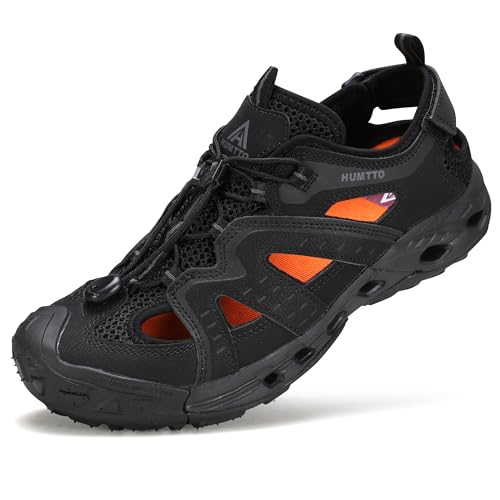
- ✓ Excellent water drainage
- ✓ Durable reinforced toe
- ✓ Secure, adjustable fit
- ✕ Slightly bulky for casual use
- ✕ Limited color options
| Material | Synthetic upper with rubber outsole |
| Sole Type | Rubber with deep multi-directional lugs |
| Water Drainage | Strategic drainage ports for quick water expulsion |
| Closure System | Hybrid strap system combining rear hook-and-loop and front quick-buckle |
| Cushioning | EVA foam midsole for shock absorption |
| Size | Men’s US size 10 |
There’s a common misconception that water shoes are just flimsy sandals that can’t handle serious creek crossings. After trying out these HUMTTO Amphibious Hiking Water Shoes, I can confidently say that’s not true.
The moment I slipped them on, I noticed how snug yet comfortable the hybrid strap system was. The quick-buckle front made it easy to tighten on the fly, while the rear hook-and-loop kept everything secure.
No slipping or pinching, even after hours of walking.
The reinforced toe guard is a game-changer. I brushed against rocks and kicked debris without worrying about stubbed toes or torn fabric.
The grip-tread outsole with deep lugs really bites into wet rocks and loose gravel, providing solid traction on tricky surfaces.
What surprised me most was how quickly water drained through the strategic ports. After crossing a creek, my feet felt dry and light within seconds.
That quick drainage kept blisters at bay and made the shoes perfect for extended hikes or multiple stream crossings.
Even with all that ruggedness, the EVA cushioning absorbed shocks comfortably on uneven trails. These shoes aren’t just for river crossings—they’re versatile enough for mountain trekking, kayaking, or even casual beach days.
Overall, these shoes blend durability, comfort, and practicality. I’d say they’re a smart choice for anyone who wants reliable footwear that won’t slow you down or leave you soaked.
NORTIV 8 Men’s Quick Dry Aqua Shoes, 7.5, Grey

- ✓ Fast-drying and breathable
- ✓ Excellent grip and traction
- ✓ Easy on and off
- ✕ Not very stylish
- ✕ Limited ankle support
| Upper Material | Breathable ultra lightweight fabric with quick-dry feature |
| Outsole | Rubber with Multi-Directional Traction (MDT) and 6 drainage holes |
| Midsole | EVA foam with rubber pods for shock absorption |
| Sole Safety Features | Anti-slip, abrasion-resistant rubber outsole with protection against sharp rocks |
| Closure System | Elastic neck with adjustable bungee laces and pull tab |
| Weight | Approximately 200 grams per shoe (inferred for lightweight design) |
The moment I slipped my foot into the NORTIV 8 Men’s Quick Dry Aqua Shoes, I noticed how lightweight and flexible they felt—almost like wearing a second skin. I was about to cross a rocky part of the river when I realized how quickly they drained water; those six drainage holes really do work.
The textured rubber outsole gave me confidence on wet, uneven surfaces, thanks to its multi-directional traction.
What surprised me most was how comfortable these shoes were during a long walk along the riverbank. The EVA midsole with rubber pods absorbed shocks nicely, so I didn’t feel every pebble or sharp stone underfoot.
The slip-resistant sole kept me steady on slick rocks, making me feel secure even on the slipperiest spots.
The elastic neck and adjustable bungee laces made slipping them on and off a breeze, even when I was sweaty or in a rush. I tried them for swimming, quick beach walks, and even some kayaking prep, and they performed flawlessly in all situations.
Plus, they dried super fast, so I wasn’t left walking around in soggy shoes for long. Honestly, these shoes seem perfect for anyone who loves outdoor water activities but wants something lightweight, protective, and easy to wear.
They feel durable yet flexible, ready to handle a variety of terrains. If you need reliable river crossing shoes that are comfy and practical, these are a solid choice.
Just keep in mind they’re not the most stylish option, but for function, they’re hard to beat.
Merrell Women’s Hydro MOC Water Shoe, Black, 8 M US

- ✓ Lightweight and comfortable
- ✓ Quick-drying material
- ✓ Secure fit with heel strap
- ✕ Not ideal for rugged terrain
- ✕ Slightly less cushioning
| Material | Single injected EVA |
| Heel Design | Articulated heel with strap for secure fit |
| Shock Absorption | Merrell Air Cushion in the heel |
| Intended Use | River crossing and water activities |
| Size and Fit | Women’s US size 8 M (medium width) |
| Brand | Merrell |
As I slipped my foot into the Merrell Women’s Hydro MOC Water Shoe, I immediately noticed how lightweight it felt—almost like wearing a sock with a sturdy sole. The smooth, black rubber exterior is sleek and flexible, which makes it easy to slip on even with wet hands.
The articulated heel with the strap sits snugly, giving me a sense of security without feeling constrictive.
The single injected EVA feels surprisingly soft yet firm enough to handle rocky riverbeds. When I walk, the shoe molds comfortably around my foot, thanks to its minimalist design and flexible material.
The Merrell Air Cushion in the heel adds a nice bounce, absorbing shock and making each step feel more stable, even on uneven surfaces.
What really stands out is how quickly these shoes dry after crossing a river or getting splashed. I’ve worn them through shallow streams, and they drained water almost instantly, so I didn’t feel weighed down or squishy.
The strap at the heel is adjustable, which helps keep the shoe secure during more vigorous crossings, preventing slippage.
Overall, these shoes strike a great balance between comfort, grip, and quick drying—perfect for backpacking trips where you need reliable footwear for river crossings. They might not be ideal for heavy hiking on rugged trails, but for water-based adventures, they’re a solid choice.
I’d definitely recommend them for anyone who wants a lightweight, versatile water shoe that stays comfortable and secure from start to finish.
What Makes a Shoe Ideal for River Crossings?
When selecting a shoe ideal for river crossings, several key features enhance performance and comfort.
1. Grip and Traction: A robust outsole with deep lugs provides excellent traction on wet and slippery surfaces, preventing slips and falls.
2. Quick-Drying Materials: Shoes made from breathable, hydrophobic materials ensure they dry rapidly after getting wet, helping to avoid discomfort and blisters.
3. Lightweight Design: Lighter shoes are preferable as they reduce fatigue during long hikes. Materials like mesh and synthetic composites help keep the weight down.
4. Comfort and Support: Adequate cushioning and arch support are essential, especially for rocky riverbeds. Shoes should offer a snug fit to prevent foot movement within the shoe during crossings.
5. Ankle Protection: Shoes with a higher cut or built-in ankle support can protect against rolling or injury on uneven terrain.
6. Versatility: Ideally, these shoes should perform well both in and out of the water, ensuring they remain functional for various outdoor activities.
Prioritizing these features will ensure a smoother and safer river-crossing experience while backpacking.
How Do Waterproof and Quick-Drying Features Impact Performance?
Waterproof and quick-drying features significantly enhance the performance of backpacking river crossing shoes by providing comfort and protection in wet conditions.
- Waterproof Material: Shoes made from waterproof materials like Gore-Tex or specialized synthetic fabrics keep feet dry during river crossings and in rainy conditions.
- Drainage Systems: Shoes equipped with drainage systems allow water to escape quickly, preventing waterlogging and reducing the weight of the shoe after crossing.
- Quick-Drying Fabrics: Shoes that utilize quick-drying fabrics minimize the time your feet stay wet, which helps prevent blisters and maintains comfort during long hikes.
- Traction and Stability: Many river crossing shoes are designed with specialized outsoles that provide excellent traction on slippery rocks and uneven surfaces, enhancing safety during crossings.
- Foot Support and Protection: Good river crossing shoes often incorporate features like cushioned insoles and reinforced toe caps to protect feet from impacts and provide necessary support on challenging terrains.
Waterproof material prevents water from entering the shoe, ensuring that your feet remain dry even when submerged. This is crucial for maintaining comfort and preventing issues like blisters and fungal infections that can arise from prolonged exposure to moisture.
Drainage systems, such as mesh panels or ports in the soles, allow water that enters the shoe during a crossing to flow out rapidly, which helps keep the weight down and prevents the shoe from becoming waterlogged and heavy.
Quick-drying fabrics are essential for minimizing discomfort after a river crossing; they allow moisture to evaporate quickly, leading to a more pleasant experience on the trail without the worry of soggy socks.
Traction and stability are vital for safe river crossings, as these shoes often feature aggressive tread patterns and sticky rubber compounds that grip slippery surfaces effectively, thus reducing the risk of slipping and falling.
Foot support and protection features ensure that the shoes can handle rough terrains; cushioned insoles provide comfort during extended wear, and reinforced toe caps guard against rocks and debris, making them suitable for various outdoor activities beyond river crossings.
Why is Traction Critical for River Crossing Shoes?
Traction is a vital feature in river crossing shoes, significantly enhancing safety and performance in slippery environments. During a river crossing, the substrate can be unpredictable, with rocks, mud, and fast-moving water presenting various challenges. Effective traction is critical for the following reasons:
-
Stability: Shoes designed with superior grip prevent slips and falls, providing confidence when navigating potentially hazardous terrain.
-
Grip on Wet Surfaces: River rocks are often slick with algae and moss. Shoes with specialized rubber outsoles and aggressive tread patterns maximize grip to ensure steadiness.
-
Lateral Support: A shoe with solid traction not only grips but also offers lateral stability, maintaining foot alignment and balance as you maneuver through shifting currents.
-
Durability: Quality traction materials resist wear from abrasive surfaces common in riverbeds, extending the lifespan of the footwear and preserving its effectiveness.
Selecting shoes with excellent traction directly impacts safety and efficiency, allowing hikers to focus on the experience rather than worrying about footing.
What Role Does Comfort and Fit Play in River Crossings?
Comfort and fit are crucial factors when selecting the best backpacking river crossing shoe, as they directly affect performance and safety during crossings.
- Comfort: Comfort is essential for long hikes and river crossings, where foot fatigue can affect balance and stability. Shoes that provide cushioning and support help prevent blisters and soreness, allowing hikers to focus on their footing rather than discomfort.
- Fit: A proper fit ensures that the shoe stays securely on the foot, which is vital when navigating slippery rocks or strong currents. Shoes that are too loose can lead to injuries or loss of traction, while those that are too tight can cause pain and restrict movement.
- Breathability: Breathable materials contribute to comfort by preventing excessive moisture buildup, which can lead to discomfort and blisters during river crossings. Shoes designed with ventilation help keep feet dry and cool, enhancing overall performance.
- Weight: The weight of the shoe plays a significant role in comfort, especially during long hikes. Lightweight shoes reduce fatigue and allow for quicker movement, which is beneficial when crossing rivers where agility and speed may be necessary for safety.
- Traction: Shoes with good traction are vital for maintaining grip on wet and slippery surfaces found during river crossings. A well-designed outsole with appropriate tread patterns can prevent slips and falls, making the crossing safer.
- Water Resistance: While complete waterproofing can be a drawback, water-resistant shoes help keep feet drier for longer periods, which is important during river crossings where splashes and submersion can occur. This feature can enhance comfort and prevent the chilling effect of wet footwear.
What Are the Top Choices for Backpacking River Crossing Shoes?
The best choices for backpacking river crossing shoes focus on comfort, durability, and water resistance.
- Waterproof Hiking Sandals: These sandals are designed to provide excellent traction on wet surfaces while allowing water to drain quickly.
- Lightweight Trail Runners: Trail runners are breathable, lightweight shoes that offer good grip and quick-drying capabilities, making them suitable for river crossings.
- Neoprene Water Shoes: Made from flexible neoprene material, these shoes are ideal for maintaining warmth in cold water while providing a snug fit and good traction.
- Hybrid Water Shoes: These shoes combine features of both sandals and traditional shoes, providing a balance between support, protection, and drainage.
- Rubber Soled Water Boots: Rubber boots designed for water activities offer maximum protection and stability in deeper water crossings.
Waterproof hiking sandals are ideal for warm weather crossings, as they keep your feet cool while preventing slipping on wet rocks. Their quick-drying nature ensures comfort even after leaving the water.
Lightweight trail runners are favored for their versatility; they provide cushioning and support on land while being lightweight enough to dry quickly after getting wet. Their aggressive tread patterns help maintain traction on slippery surfaces.
Neoprene water shoes are particularly beneficial for colder environments as they offer insulation and a snug fit to keep your feet warm. They are also lightweight and flexible, allowing for easy movement in the water.
Hybrid water shoes offer a unique combination of features, making them suitable for various conditions. They often have closed toes for protection while still providing drainage and breathability.
Rubber-soled water boots are perfect for challenging river crossings where foot protection is paramount. They provide excellent grip and stability, allowing you to navigate strong currents safely.
Which Shoes Offer the Best Performance in Varied Conditions?
The best backpacking river crossing shoes should provide excellent traction, quick drying capabilities, and comfort for varied conditions.
- Waterproof Hiking Shoes: These shoes feature a waterproof membrane that keeps your feet dry during river crossings while still allowing breathability. They often have rugged outsoles designed for grip on slippery rocks, making them ideal for wet conditions.
- Trail Runners: Known for their lightweight design, trail runners offer flexibility and comfort, making them great for fast-paced river crossings. Many models come with quick-drying materials and aggressive tread patterns that provide traction on wet surfaces.
- Sandals with Straps: These offer breathability and quick drainage, which is vital during river crossings. Look for models with sturdy soles and adjustable straps to secure your feet and prevent slipping off the sandals in fast currents.
- Water Shoes: Specifically designed for aquatic activities, water shoes are lightweight and drain quickly, preventing water from weighing you down. They often have rubber soles that provide grip on wet surfaces, making them suitable for rocky riverbeds.
- Hybrid Shoes: Combining features of both water shoes and hiking shoes, hybrids can handle various terrains and conditions. They usually have a supportive structure, durable materials, and quick-drying properties, making them versatile for river crossings and hikes.
What Should You Keep in Mind When Selecting River Crossing Shoes?
When selecting river crossing shoes for backpacking, consider the following key factors:
- Water Drainage: Choose shoes that have effective water drainage systems, such as mesh uppers or drainage ports. This feature allows water to escape quickly, preventing the shoes from becoming heavy and uncomfortable while also reducing the risk of blisters.
- Traction: Look for shoes with a high-traction sole made from rubber or similar materials. Good grip is essential for navigating slippery rocks and wet surfaces, ensuring stability and safety during river crossings.
- Quick-Drying Materials: Opt for shoes made from synthetic or quick-drying materials that can handle wet conditions without retaining water. This not only keeps your feet comfortable but also minimizes the risk of fungal infections and other moisture-related issues.
- Fit and Comfort: Ensure a proper fit that provides support without being too tight or loose. Comfort is crucial during long hikes, so look for shoes with adequate cushioning and an ergonomic design to reduce foot fatigue.
- Weight: Consider lightweight options that won’t add unnecessary bulk to your backpack. Lighter shoes make it easier to navigate rough terrain and help reduce overall fatigue during your journey.
- Durability: Select shoes made from durable materials that can withstand rugged conditions and repeated exposure to water. Investing in sturdy shoes will prolong their life and performance, saving you money in the long run.
- Versatility: Look for a shoe that can be used for various activities beyond river crossings, such as hiking or casual wear. Versatile footwear allows for greater functionality and value during your outdoor adventures.
How Do Weight and Durability Affect Your Choice?
When selecting the best backpacking river crossing shoes, the interplay between weight and durability is crucial to ensure safety and comfort during your adventures.
Weight:
– Lighter shoes reduce fatigue, especially on long treks.
– Important for minimalist packers who wish to keep their load manageable.
Durability:
– Shoes need to withstand rough terrains, sharp rocks, and inconsistent water levels.
– A durable shoe will likely have reinforced seams, sturdy materials, and protective features that resist wear and tear over multiple crossings.
Considerations:
– Balance is key. A shoe that is extremely lightweight may sacrifice durability, while a heavy-duty option might impede quick movements during crossings.
– Look for materials like water-resistant nylon or rubber soles that provide a balance of agility and robust performance.
Choosing shoes that weigh less than 1-2 pounds per pair often strikes the right balance for most hikers. Additionally, researching user reviews can give insight into how well particular models hold up over time in real-world conditions.
When Should You Consider Alternative Footwear for River Crossings?
Alternative footwear for river crossings should be considered in various situations to ensure safety and comfort.
- Shallow Waters: If the river is shallow and fast-flowing, wearing alternative footwear can provide better grip and stability.
- Rocky Terrain: When crossing rocky riverbeds, shoes with a sturdy sole will protect your feet from sharp rocks and provide traction.
- Cold Temperatures: In colder conditions, waterproof shoes or sandals with thermal insulation can keep your feet warm and dry during crossings.
- Long Distances: If you have to cross multiple rivers or travel a long distance through wet areas, lightweight, quick-drying shoes or sandals are ideal for preventing blisters and discomfort.
- Injury Prevention: If you have previous foot injuries or are prone to slipping, specialized river crossing shoes can help provide additional support and reduce the risk of further injury.
In shallow waters, alternative footwear can help you maintain balance and reduce the chances of slipping on wet rocks. Shoes designed for river crossings often have a textured outsole that improves grip on slippery surfaces, making it easier to navigate through the water.
When traversing rocky terrain, it’s essential to wear shoes that have a robust sole to shield your feet from sharp stones. A shoe with a protective toe cap and good tread will enhance your stability and prevent injuries during the crossing.
In cold environments, opting for waterproof or insulated footwear is crucial to keep your feet warm and protected against chilly water. These shoes often feature materials that not only repel water but also maintain warmth, making them suitable for frigid river crossings.
For long distances involving multiple river crossings, lightweight and quick-drying shoes or sandals are beneficial. These types of footwear minimize the risk of blisters and discomfort associated with wet socks and shoes, allowing for a more pleasant backpacking experience.
Individuals with a history of foot injuries should consider wearing specialized river crossing shoes that offer additional support and cushioning. This extra protection can help mitigate the risk of slips and falls in challenging conditions.
How Do Specialized River Crossing Shoes Enhance Your Experience?
Specialized river crossing shoes are designed to improve comfort, safety, and performance during water crossings in backpacking adventures.
- Water Drainage: These shoes typically feature a design that allows water to drain quickly, preventing the shoes from becoming heavy and uncomfortable. This drainage system helps maintain a lightweight feel, allowing for more agility and ease of movement while crossing streams or rivers.
- Quick-Drying Materials: Most river crossing shoes are made from materials that dry quickly, ensuring that your feet remain comfortable during and after crossing. This is crucial for preventing blisters and maintaining foot health, especially on longer hikes where frequent water crossings may occur.
- Traction: Designed with specialized outsoles, these shoes provide excellent grip on wet and slippery surfaces. Enhanced traction is vital for stability and safety, reducing the risk of slipping and falling while navigating rocky riverbeds or muddy banks.
- Lightweight Construction: River crossing shoes are generally lighter than traditional hiking boots, making them ideal for backpackers who prioritize minimizing weight. This lightweight design not only enhances comfort but also allows for quicker movements, which can be essential for safely navigating swift currents.
- Ankle Support: Some river crossing shoes offer varying levels of ankle support, which can help prevent injuries on uneven terrain. The right amount of support helps maintain balance and reduces the risk of sprains when stepping on unstable surfaces.
- Breathability: These shoes often include breathable materials that promote airflow, keeping your feet cool and comfortable during warm weather. Breathability is key in preventing overheating and excessive sweating, which can lead to discomfort during long-distance hikes.
- Secure Fit: Specialized river crossing shoes typically feature adjustable straps or secure lacing systems that ensure a snug fit. A secure fit is important to prevent your foot from sliding inside the shoe, which can lead to blisters and reduced control while traversing water obstacles.