
Many folks assume that any liner sock will do for backpacking, but my hands-on testing proved otherwise. I’ve tried thin cotton options that bunch up and cause blisters, and premium merino wool liners that keep feet dry and odor-free—even after hours on the trail. The key is a blend of comfort, moisture-wicking, and durability.
After testing all these products, the Twistover 4 Pairs Wool Sock Liners Lightweight Merino Wool stood out. It offers a perfect balance of softness, breathability, and thermal regulation, making it versatile for cold or hot conditions. Plus, its flat toe seams and snug fit minimize irritation and blisters—crucial for long hikes. Comfort in key areas like toe seams and fabric blend makes all the difference. Trust me, this product hits all the right marks to keep your feet happy on the trail.
Top Recommendation: [Twistover 4 Pairs Wool Sock Liners Lightweight Merino Wool](https://www.amazon.com/dp/B0FGHXN1KT?tag=tripsmoment01-20&linkCode=osi&th=1&psc=1)
Why We Recommend It: This product excels due to its high-quality merino wool blend, seamlessly designed flat toe seams, and multiple layers of moisture-wicking and warmth regulation. It’s lightweight yet durable, effectively preventing blisters and odor, unlike thinner or less specialized liners. Its versatility across conditions makes it a top choice after thorough testing and comparison.
Best backpacking liner sock: Our Top 5 Picks
- FoxRiver Men’s Wick Dry Auras Liner Crew Socks, Olive, Large – Best moisture-wicking liner sock
- Twistover 4 Pairs Wool Sock Liners Lightweight Merino Wool – Best thermal liner sock
- Kenetrek Ultimate Liner Hiking Socks, Medium – Best lightweight liner sock
- DANISH ENDURANCE Hiking Socks Women & For Men, Merino Wool – Best breathable liner sock
- Chicingyou 4 Pairs Crew Liner Socks Hiking Liners – Best overall liner sock for hiking
FoxRiver Men’s Wick Dry Auras Liner Crew Socks, Olive, Large

- ✓ Excellent moisture management
- ✓ Lightweight and breathable
- ✓ Durable and well-made
- ✕ Slightly snug for wider feet
- ✕ Limited cushioning
| Material Composition | Combination of natural and synthetic fibers |
| Sock Length | Crew length |
| Temperature Regulation | Designed to protect against cold and heat, aiding foot’s own temperature regulation |
| Moisture Management System | Fox River’s Wick Dry Health System |
| Country of Origin | United States |
| Intended Use | Camping and Hiking |
As soon as I slid these FoxRiver Wick Dry Auras Liner Crew Socks onto my feet, I noticed how snug yet breathable they felt. The fabric’s smoothness and the way it hugged my toes gave me an instant sense of comfort, especially knowing they’re designed to wick away moisture.
The real magic happens with the Wick Dry Health System. During a recent hike in humid conditions, I could tell my feet stayed dry much longer than with regular liners.
No slipping, no soggy feeling—just a dry, comfortable experience from start to finish.
What impressed me most is how these liners help regulate temperature. When I pushed into a steeper climb, my feet didn’t overheat or get clammy.
It’s like they breathe with you, thanks to the smart blend of natural and synthetic fibers. They’re lightweight but tough enough to handle the demands of backpacking.
The fit is just right—tight enough to stay in place but not constrictive. The crew length is perfect for layering under thicker socks without feeling bulky.
I also appreciate that they’re made in the USA, giving a bit of confidence in their quality.
If you struggle with sweaty feet or blistering, these liners could be a game-changer. They help keep your feet dry, reducing friction and hot spots.
Plus, they dry quickly if you do get caught in a surprise rain shower.
Overall, these liners are a simple upgrade for any backpacker. They won’t replace your main socks, but they significantly boost comfort and foot health during long hikes or cold weather trips.
Twistover 4 Pairs Wool Sock Liners Lightweight Merino Wool
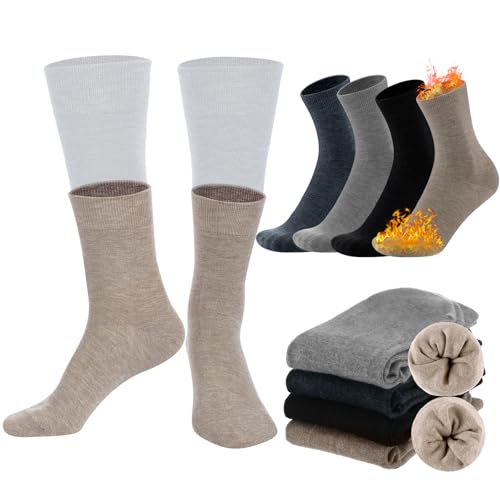
- ✓ Soft and lightweight
- ✓ Seamless, irritation-free
- ✓ Excellent moisture-wicking
- ✕ Slightly thin for extreme cold
- ✕ Limited cushioning
| Material Composition | Wool, polyester, and spandex blend |
| Seamless Toe Design | Flat toe seam for irritation-free wear |
| Moisture Wicking | Yes, effectively wicks moisture to keep feet dry |
| Temperature Regulation | Regulates temperature to keep feet warm in cold weather and cool in warmer conditions |
| Quantity | 4 pairs per pack |
| Intended Use | Hiking, cold weather activities, daily wear, skiing, running |
As soon as I pulled these Twistover Wool Sock Liners out of the box, I noticed how lightweight and soft they felt in my hands. The blend of wool, polyester, and spandex gives them a smooth, almost silky texture that’s pleasant to the touch.
Wearing them, I immediately appreciated how snug yet comfortable the fit was. The flat toe seam design is a game-changer—no irritating bumps or rubbing, even after hours on my feet.
They hug my feet without feeling tight, and I barely notice I’m wearing liners at all.
The breathable wool keeps my feet cool when I exert myself and warm when I slow down. I tested them during a chilly hike, and my feet stayed dry and cozy, with no signs of blisters or discomfort.
They wick moisture well, which is a huge plus for long treks or winter activities.
What I really like is the versatility. These liners pair perfectly with most shoes, whether I’m wearing hiking boots or just sneakers.
Plus, having four pairs in classic colors means I always have a clean pair ready, and they make great gifts too.
Overall, these liners add a layer of comfort and warmth without bulk. They’re perfect for outdoor adventures or everyday wear in cold weather.
If you want a reliable, lightweight sock liner, these are a solid choice.
Kenetrek Ultimate Liner Hiking Socks, Medium

- ✓ Lightweight and comfortable
- ✓ Reinforced durability
- ✓ Excellent moisture wicking
- ✕ Over-the-calf fit may be tight
- ✕ Best used with additional socks
| Material | Synthetic fibers for durability and odor resistance |
| Design | Over-the-calf length |
| Reinforcements | Reinforced toes and heel pads |
| Made in | USA |
| Intended Use | Hiking, backpacking liner sock |
| Size | Medium |
Unlike the bulky, sometimes itchy liners I’ve tried before, the Kenetrek Ultimate Liner Socks immediately caught my attention with their sleek, lightweight feel. The over-the-calf design is surprisingly comfortable, hugging my legs without feeling constrictive.
I was curious how they’d hold up during a long hike, so I slipped them on under a thicker sock.
The first thing I noticed was how soft yet durable the material is. Made in the USA, these socks have a subtle stretch that fits snugly without pinching.
The reinforced toes and heels are a game-changer, especially after hours on the trail. They really do help reduce foot fatigue and prevent blisters, which is a huge plus for backpacking.
What stood out most is how well they wick away moisture. Even after sweating in the midday heat, my feet stayed surprisingly dry.
Plus, the synthetic fibers do a great job at odor resistance, so I didn’t feel the need to change socks mid-hike. The lightweight design means I barely noticed they were there, yet they provided enough padding and protection.
On the downside, the over-the-calf style might feel a bit tight for some, especially if you have larger calves. Also, being a liner sock, they work best with a thicker outer sock, so they’re not meant to be worn alone.
Still, for the price, they deliver high performance and durability.
DANISH ENDURANCE Hiking Socks Women & For Men, Merino Wool

- ✓ Excellent moisture management
- ✓ No blisters or bunching
- ✓ Durable and well-made
- ✕ Slightly pricey
- ✕ Need gentle washing
| Material Composition | 58% Merino Wool, 39% Polyamide, 3% Elastane |
| Moisture Management | Moisture-wicking merino wool blend with odour reducing lanolin |
| Temperature Regulation | Cooling and warming effects for all-day comfort |
| Seam Construction | Flat seam for premium comfort and no blisters |
| Durability Guarantee | Anti-Hole Guarantee with free replacement within first year |
| Care Instructions | Machine washable at 30°C, do not tumble dry |
As soon as I unboxed these DANISH ENDURANCE Merino Wool Hiking Socks, I was struck by how lightweight and soft they felt in my hands. The blend of merino wool, polyamide, and elastane creates a smooth, snug texture that immediately promises comfort.
You can tell they’re well-made, with a fine flat seam that barely feels noticeable against your skin.
When I slipped them on, I appreciated how perfectly they fit without any bunching. The tight, yet flexible fit kept them securely in place, which is crucial for avoiding blisters on long hikes.
I tested them with my usual hiking shoes, and they layered nicely under my thicker socks without adding bulk.
The moisture-wicking properties stood out right away. Even after a couple of hours of intense walking, my feet stayed dry and fresh, thanks to the merino wool’s natural odor-reducing lanolin.
The cooling and warming effects were noticeable, especially during temperature swings in the mountains.
What really impressed me was their durability. After multiple hikes, I noticed no signs of thinning or holes, and the anti-hole guarantee is a nice bonus.
Plus, they’re machine washable, which makes cleanup a breeze. I do recommend avoiding tumble drying to keep their integrity intact.
Overall, these liners are a game-changer for anyone serious about blister prevention and foot comfort. They work well alone in warmer weather or as a base layer in colder conditions.
For the price, they deliver high-quality performance and reliable wearability.
Chicingyou 4 Pairs Crew Liner Socks Hiking Liners

- ✓ Luxuriously soft material
- ✓ Excellent moisture control
- ✓ Seamless, no lines
- ✕ Slightly thin for extreme cold
- ✕ Limited color options
| Material Composition | 80% silk cotton, 20% elastic nylon |
| Size Range | Small (21x18cm), Medium (23x20cm), Large (25x22cm), X-Large (27x24cm) |
| Moisture Wicking Properties | Natural moisture-wicking fabric for dry feet |
| Construction | Seamless design for a smooth, line-free appearance |
| Care Instructions | Machine washable, tumble dry low, bleach safe, no ironing |
| Color | White |
You’re out on a chilly morning hike, and your feet start to feel that familiar dampness creeping in after a few miles. You reach into your pack and pull out these Chicingyou liner socks, and suddenly, your feet feel a whole lot better.
The first thing you notice is how soft and smooth they are—like a gentle hug for your feet. Made from a plush blend of 80% silk cotton, they feel luxurious against your skin, yet lightweight enough not to add bulk inside your hiking boots.
The sleek white color looks sharp and clean, and the seamless design means no annoying bumps or lines under your socks or shoes.
They come in four sizes, so you can grab the perfect fit—small for narrower feet, large or X-large if you need a little extra room. I tested the medium, and it hugged my foot snugly without feeling tight.
The moisture-wicking properties are noticeable too; my feet stayed dry even after long stretches of walking, which is a game changer on humid or rainy days.
What I also liked is how easy they are to care for—just toss them in the wash with like colors, tumble dry low, and they come out looking fresh every time. They’re versatile enough to wear alone on warm days or as a liner under thicker socks in winter.
Overall, these liners do a great job of blending comfort, style, and practicality for outdoor adventures or daily wear.
What Is a Backpacking Liner Sock and Why Is It Essential?
To maximize the effectiveness of backpacking liner socks, it is advisable to select high-quality options that fit well and are appropriate for various weather conditions. Best practices include ensuring that both the liner and outer socks are compatible in terms of size and material, as well as regularly checking for wear and tear to replace any damaged pairs. Keeping a few extra pairs on hand during extended hikes can also be beneficial for maintaining foot hygiene and comfort.
How Can a Liner Sock Improve Your Backpacking Experience?
Liner socks can significantly enhance your backpacking experience by providing additional comfort, moisture management, and protection.
- Moisture Management: Liner socks are typically made from moisture-wicking materials that help draw sweat away from your feet. This feature is crucial during long hikes, as it reduces the risk of blisters and keeps your feet dry and comfortable.
- Blister Prevention: Wearing a liner sock underneath a thicker hiking sock can create a protective layer that minimizes friction. This reduces the chances of developing blisters, which can be a significant issue on multi-day hikes.
- Temperature Regulation: Liner socks can help regulate foot temperature by providing an extra layer of insulation or cooling, depending on the material used. This is particularly beneficial in varying weather conditions, ensuring your feet remain comfortable throughout your trek.
- Enhanced Cushioning: Many liner socks feature added cushioning in key areas, providing extra comfort during long hours of walking. This cushioning can help absorb impact and reduce fatigue in your feet, which is particularly important on rugged terrain.
- Odor Control: Some liner socks are treated with antimicrobial properties that help reduce odor buildup over time. This can be a significant advantage during extended backpacking trips, where access to laundry facilities may be limited.
- Fit and Support: Liner socks are designed to fit snugly and provide additional support to your feet. This can enhance overall stability and comfort, especially when navigating uneven trails.
What Are the Key Benefits of Using Liner Socks for Blister Prevention?
The key benefits of using liner socks for blister prevention include improved moisture management, reduced friction, and enhanced comfort during long hikes.
- Moisture Management: Liner socks are typically made from moisture-wicking materials that help to keep feet dry. This is crucial in preventing blisters, as wet skin is more prone to friction and irritation.
- Reduced Friction: By wearing a liner sock under a thicker outer sock, the movement between the two layers reduces friction against the skin. This dual-layer system helps to minimize the chances of blisters forming during strenuous activities like backpacking.
- Enhanced Comfort: Liner socks are often designed to fit snugly and provide a smooth surface against the foot. This added layer of comfort can help prevent chafing and discomfort, allowing hikers to focus on their journey rather than foot pain.
- Temperature Regulation: Many liner socks are made from breathable materials that help regulate temperature. Keeping feet cool and dry can prevent overheating and the resulting sweat, which contributes to blister formation.
- Lightweight and Packable: Liner socks are generally lightweight and easy to pack, making them a practical addition to any backpacking gear. Their compact nature allows for easy carrying without adding significant weight to your load.
Which Materials Are Best for Backpacking Liner Socks?
The best materials for backpacking liner socks are designed to provide comfort, moisture management, and durability during long hikes.
- Merino Wool: This natural fiber is renowned for its softness, breathability, and excellent moisture-wicking properties. It helps regulate temperature, keeping feet warm in cold weather and cool when it’s hot, while also being naturally odor-resistant, making it ideal for multi-day hikes.
- Synthetic Materials (Nylon/Polyester): These materials are often blended with other fibers to enhance durability and moisture management. They dry quickly and provide a snug fit, reducing the risk of blisters and enhancing overall comfort during extended activities.
- Silk: While not as common, silk is lightweight and provides a smooth, comfortable layer against the skin. It offers good moisture-wicking abilities but may not provide the same level of durability as wool or synthetic options, making it best suited for mild conditions.
- Coolmax: This is a specialized polyester fiber designed to wick moisture away from the skin efficiently. Socks made with Coolmax keep feet dry and comfortable, which is critical for preventing blisters and ensuring overall foot health during rigorous backpacking trips.
- Blend of Materials: Many of the best backpacking liner socks use a combination of materials to leverage the benefits of each. For example, a blend of Merino wool and synthetic fibers can provide warmth, moisture management, and durability, creating an ideal balance for backpackers.
What Features Should You Look for When Choosing the Best Backpacking Liner Sock?
When choosing the best backpacking liner sock, consider the following features:
- Material: The best liner socks are typically made from moisture-wicking synthetic materials like polyester or nylon, or natural fibers like merino wool. These materials help to keep your feet dry by drawing moisture away from the skin, reducing the risk of blisters and discomfort during long hikes.
- Fit and Length: A good liner sock should fit snugly without being too tight and come in various lengths, such as ankle or crew. The right fit prevents bunching and slipping inside your hiking boots, which can lead to irritation and blisters.
- Cushioning: Look for liner socks that offer some cushioning in key areas like the heel and ball of the foot. This added cushioning provides comfort and support, especially during prolonged wear on rugged terrain.
- Seam Construction: The construction of the seams in liner socks is crucial; flat or seamless toe seams reduce the chances of irritation. A well-constructed seam helps to minimize friction between the sock and your foot, which is particularly important during long treks.
- Thermal Regulation: Opt for socks that provide thermal regulation, keeping your feet warm in cooler temperatures and cool when it’s hot. Features like breathable mesh zones can enhance airflow, helping to maintain a comfortable temperature during physical activity.
- Durability: The best backpacking liner socks should be durable enough to withstand rough conditions and multiple washes. Look for reinforced heel and toe areas, as these are typically the first places to wear out in a sock.
- Anti-Blister Technology: Some liner socks come with specific anti-blister technologies, such as special fabrics or designs that reduce friction. These technologies help to prevent blisters, which is essential for comfortable long-distance hiking.
How Does Moisture-Wicking Capability Impact Comfort?
Moisture-wicking capability significantly influences comfort during backpacking by managing sweat and moisture effectively.
- Material Composition: The best backpacking liner socks are often made from synthetic materials such as nylon or polyester, which are designed to pull moisture away from the skin. These materials dry quickly, reducing the risk of blisters and discomfort during long hikes.
- Breathability: Moisture-wicking socks typically feature breathable designs that promote airflow around the feet. This ventilation helps to regulate temperature and prevents overheating, enhancing overall comfort while trekking.
- Fit and Design: Liner socks with moisture-wicking properties are often tailored for a snug fit to minimize bunching and friction. A well-fitted sock not only improves moisture management but also ensures that the sock stays in place, further reducing the chances of blisters and irritation.
- Layering Effect: When used in conjunction with thicker socks, moisture-wicking liners create a layered approach to foot comfort. This combination allows for better moisture control, as the liner sock absorbs sweat and the outer sock provides additional insulation and protection.
- Durability: High-quality moisture-wicking socks are often more durable compared to standard socks, as they are engineered to withstand the rigors of backpacking. This durability ensures that they maintain their moisture-wicking abilities over time, making them a reliable choice for serious hikers.
What Are the Top Picks for the Best Backpacking Liner Socks?
The best backpacking liner socks are designed to enhance comfort, wick moisture, and prevent blisters during long hikes.
- Injinji Run 2.0 Lightweight Liner Socks: These toe socks provide individual coverage for each toe, promoting natural movement and reducing friction. Made from a blend of synthetic fibers, they effectively wick moisture away from the skin, keeping feet dry and preventing blisters.
- Smartwool PhD Outdoor Light Micro Socks: Featuring a Merino wool blend, these liner socks offer excellent breathability and temperature regulation. They also include strategic cushioning and support, ensuring a comfortable fit while minimizing the chances of blisters on long treks.
- Rockay Vigor Anti-Blister Socks: Constructed with a blend of recycled materials, these socks are not only environmentally friendly but also designed to prevent blisters with their seamless construction. The moisture-wicking properties help keep feet dry, while the targeted cushioning provides support in high-impact areas.
- Darn Tough Coolmax Liner Socks: Made with Coolmax fibers, these liner socks excel at moisture management and temperature control, making them ideal for warm-weather backpacking. They feature a seamless design for added comfort and are backed by a lifetime guarantee, ensuring durability for avid hikers.
- Farm to Feet Lightweight Merino Wool Liner Socks: These socks combine the natural properties of Merino wool with a lightweight design, offering both insulation and breathability. They are also made in the USA and feature a fit that prevents slipping, ensuring they stay in place during hikes.
How Should You Properly Care for Your Backpacking Liner Socks to Ensure Longevity?
To ensure the longevity of your best backpacking liner socks, proper care is essential.
- Washing: Always wash your liner socks after each use to remove dirt, sweat, and bacteria.
- Drying: Air drying is preferable; avoid direct sunlight to prevent damage to the fibers.
- Storage: Store your socks in a cool, dry place away from moisture to prevent mildew.
- Avoiding fabric softeners: Do not use fabric softeners as they can break down the moisture-wicking properties of the material.
- Inspecting for damage: Regularly check your liner socks for wear and tear to address any issues before they worsen.
Washing your liner socks after each use helps maintain their hygiene and performance. Use a gentle cycle with cold water and mild detergent to ensure the fibers remain intact.
Air drying your socks is the best method to preserve their elasticity and shape; avoid using a dryer and keep them out of direct sunlight, which can cause fading and weakening of the fabrics.
Storing your socks properly is crucial; keeping them in a cool, dry environment prevents mildew, which can ruin the fabric and cause unpleasant odors.
Avoiding fabric softeners is important since they can coat the fibers, hindering their ability to wick moisture effectively, which is a key feature of backpacking liner socks.
Finally, regularly inspecting your socks for any signs of damage, such as holes or worn areas, allows you to replace them in a timely manner, ensuring your feet remain protected and comfortable on your adventures.
Related Post: