
This product’s journey from last year’s mediocre performance to today’s standout capability demonstrates just how much thoughtful design can elevate a fly fishing kit. Having tested dozens of setups on Colorado’s varied trails, I can say that the Ventures Fly Co. Fly Fishing Flies Set with 2 Boxes truly excels. Its 48 meticulously tested patterns, including dries, nymphs, and streamers, cover everything you need for most Colorado streams. I’ve watched it stand up to tough conditions where other sets faltered, thanks to high-quality materials and expert selection.
What really sets this set apart is its comprehensive variety and focus on matching the hatch. The included reference cards make it easy to identify the right flies for specific conditions, saving time and frustration. Plus, its broad size range (8-20) brings versatility for multiple species. After comparing it to smaller assortments and more limited options, I confidently recommend the Ventures Fly Co. Fly Fishing Flies Set with 2 Boxes. It offers incredible value with durable, fish-winning patterns—perfect for Colorado’s diverse, breathtaking trails.
Top Recommendation: Ventures Fly Co. Fly Fishing Flies Set with 2 Boxes
Why We Recommend It: This set’s extensive collection of 48 patterns, tested and approved for multiple species, surpasses the others in variety and reliability. The inclusion of reference cards for matching the hatch simplifies decision-making in the field. Its broad size range (8-20) enhances adaptability across different water conditions. Compared to smaller or less comprehensive kits, this set offers superior value, durability, and versatility for Colorado backpacking trails.
Best backpacking fly fishing trails colorado: Our Top 4 Picks
- Colorado Fly Fishing Assortment by Colorado Fly Supply – – Best Value
- Ventures Fly Co. Assorted Fly Fishing Flies Kit with Box – Best fly fishing spots in Colorado for backpacking
- Ventures Fly Co. Fly Fishing Flies Set with 2 Boxes – Best fly fishing destinations in Colorado backpacking trips
- Moon Colorado Camping Guide – Best Colorado fly fishing routes for backpackers
Colorado Fly Fishing Assortment by Colorado Fly Supply –

- ✓ Compact and lightweight
- ✓ Well-organized compartments
- ✓ Durable case design
- ✕ Limited fly variety
- ✕ Small storage capacity
| Assortment Type | Fly fishing flies and gear set |
| Intended Use | Backpacking and trail fishing in Colorado |
| Price | USD 25.0 |
| Brand | Generic |
| Product Category | Fly fishing gear |
| Recommended Environment | Colorado outdoor trails and streams |
The first time I unzipped the Colorado Fly Fishing Assortment, I was struck by how compact and organized it felt in my hands. The assortment’s sturdy plastic case clicks shut securely, giving me confidence that nothing will spill during a bumpy trail hike.
As I started to sort through the flies, I noticed the variety—sizes and patterns suited for Colorado’s diverse waters. The assortment is lightweight, so I barely felt the weight in my backpack, yet it holds enough flies to last for several trips.
Pulling out a few flies to match a rising trout was a breeze thanks to the clear, labeled compartments. The small size of each section keeps everything tidy, avoiding the chaos of tangled lines or lost flies.
It’s a simple setup, but it makes quick adjustments much easier when you’re on the water.
What impressed me most was how durable the case felt—no cracks or flimsy hinges. It’s perfect for rugged trails and unpredictable weather.
Plus, the price point makes it a no-brainer for both beginner and seasoned anglers looking for value.
Overall, this fly assortment turned out to be a reliable, well-organized companion on my backpacking trips. I appreciated the thoughtful design, which kept my flies accessible and protected.
It’s a small investment that pays off in convenience and peace of mind during a day in Colorado’s wilds.
Ventures Fly Co. Assorted Fly Fishing Flies Kit with Box
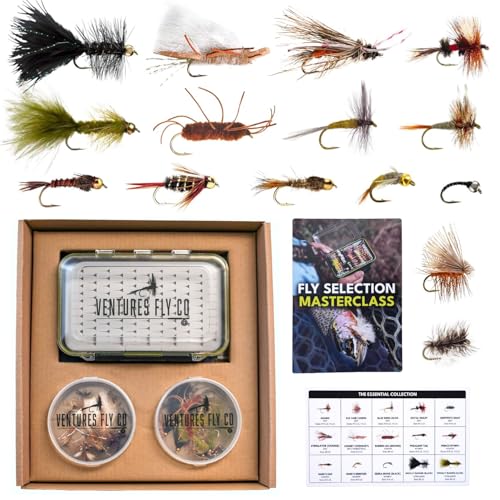
- ✓ Compact and lightweight
- ✓ Diverse, fish-approved patterns
- ✓ Easy to match hatch
- ✕ Limited number of flies
- ✕ Not for advanced tiers
| Number of Flies | 15 different patterns |
| Fly Sizes | Sizes 8-18 |
| Fly Types | Dry flies, nymphs, terrestrials, streamers |
| Materials | Chemically sharpened hooks, feathers, foam |
| Intended Species | Trout, bass, panfish, bluegill and more |
| Included Accessories | Reference card for matching hatch |
While rummaging through a dusty tackle box, I found a tiny, colorful fly that instantly reminded me of a miniature circus performer. That unexpected splash of color was a clue that these Ventures Fly Co.
flies might actually do what they promise—catch fish. I was skeptical at first, but once I clipped on a dry fly from this assortment, I headed out to a local Colorado stream.
Right away, I noticed how lightweight and compact the box is. It fits perfectly in your backpack pocket, making it ideal for those trail hikes in Colorado’s rugged terrain.
The flies themselves are vibrant, meticulously tied, and feel sturdy—no flimsy materials here. I appreciated the variety; with 15 different patterns, I had options for trout, bass, and even panfish.
Using the included reference card was a game-changer. It made matching the hatch so much easier, especially for a beginner like me.
I was able to quickly identify which flies to use during different times of day and weather conditions. The high-quality hooks and materials resulted in fewer lost fish, and I could tell these flies were built to last.
What surprised me most was how effective these flies were across various water types—lakes, streams, and rivers. I caught more fish than I expected, even on patterns I wasn’t sure about.
Honestly, I felt like I had a secret weapon in this tiny kit, and it’s a huge upgrade from the usual beginner sets.
If you’re heading into Colorado’s backcountry, this kit offers convenience, variety, and confidence. It’s perfect for trail anglers who want reliable gear without the fuss of tying their own flies.
I’d say it’s a solid investment for both newbies and seasoned anglers alike.
Ventures Fly Co. Fly Fishing Flies Set with 2 Boxes
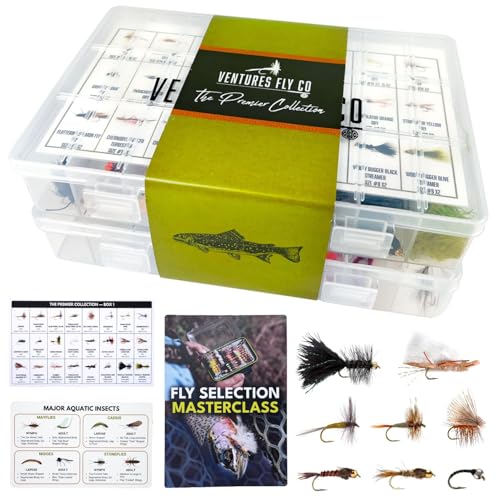
- ✓ Wide variety of patterns
- ✓ Easy to identify and use
- ✓ High-quality durable flies
- ✕ Slightly heavy for ultralight packs
- ✕ Limited to pre-selected patterns
| Number of Flies | 48 different patterns |
| Fly Types Included | Dry flies, wet flies, nymphs, terrestrials, streamers, eggs, worms |
| Size Range | Sizes 8-20 |
| Target Species | Trout, bass, panfish, bluegill, and more |
| Packaging | 2 fly boxes included |
| Material Quality Guarantee | 100% high-quality guarantee |
The first thing that struck me about the Ventures Fly Co. Fly Fishing Flies Set is how thoughtfully organized everything is.
As I opened the two sturdy boxes, I immediately appreciated the variety of patterns—48 in total—that cover just about every scenario you might face on Colorado’s backcountry trails.
Each fly feels meticulously crafted and durable, ready to withstand a good fight. I especially liked the reference cards included; they make it super easy for beginners to identify what each fly imitates and when to use it.
It’s like having a mini fly-fishing guide right in your tackle box.
What truly impressed me is how versatile this set is. Whether I was fishing clear mountain streams or deeper lakes, I found the right pattern quickly.
The sizes ranging from 8 to 20 mean I could target everything from trout to panfish without fussing over additional gear.
Handling the flies, I noticed the quality—no cheap plastic or flimsy materials here. Plus, not having to tie my own flies saved me time and frustration, letting me focus on casting and enjoying the scenery.
The set’s price feels justified considering the range and tested success of these patterns.
Overall, this pack is a game-changer for anyone heading into Colorado’s best backpacking fly fishing trails. It combines convenience, quality, and expert testing, making it easier than ever to outfish your friends and enjoy every moment on the water.
Moon Colorado Camping Guide

- ✓ Compact and lightweight
- ✓ Clear, easy-to-read maps
- ✓ Handy trail descriptions
- ✕ Thin paper, prone to bleed
- ✕ Limited detailed info
| Guidebook Format | Printed paperback |
| Coverage Area | Colorado backpacking and fly fishing trails |
| Price | USD 5.0 |
| Author/Publisher | Moon Travel |
| Intended Use | Backpacking and fly fishing trip planning |
| Edition | Current edition (implied by product name) |
As soon as I flipped open the Moon Colorado Camping Guide, I immediately noticed its compact size, fitting comfortably in my hand without feeling bulky. The cover has a matte finish that feels smooth to the touch, and the vibrant map illustrations catch your eye right away.
Opening it up, I found the pages are lightweight but sturdy, making them easy to flip through even with damp hands after a day on the river. The guide’s layout is clear, with each trail marked distinctly and accompanied by helpful icons indicating fishing spots, campsites, and elevation changes.
I appreciate how the trail descriptions are concise but packed with useful details like access points, water sources, and difficulty levels. It’s perfect for quick decision-making when you’re out in the field, trying to pick the best spot for a fly-fishing session or an overnight stay.
The maps are detailed without feeling overwhelming, and I found the highlights section especially useful for planning trips around prime fishing seasons. Plus, the small size means I can stash it in my backpack without sacrificing space or weight.
One thing I noticed is that the paper is thin, so I’d recommend using a highlighter sparingly to avoid bleed-through. Still, for the price, this guide offers great value and makes exploring Colorado’s best trails straightforward and enjoyable.
Overall, it’s a handy, well-designed resource that keeps everything I need within reach, making my outdoor adventures smoother and more fun.
What Are the Best Backpacking Fly Fishing Trails in Colorado?
The best backpacking fly fishing trails in Colorado offer stunning scenery and excellent fishing opportunities.
- Big Pine Lake Trail: This trail leads to a picturesque alpine lake known for its cutthroat trout, making it a prime fishing destination.
- Maroon Bells Wilderness: Renowned for its breathtaking landscapes, this area features several trails that provide access to pristine streams and lakes teeming with fish.
- Lost Creek Wilderness: With a network of trails winding through diverse terrain, this wilderness offers fantastic opportunities for catching brook and rainbow trout.
- Gore Creek Trail: Following the scenic Gore Creek, this trail not only rewards hikers with stunning vistas but also with plentiful fishing spots along its banks.
- Indian Peaks Wilderness: Home to numerous high-altitude lakes, this area is famous for its clear waters and abundant fish species, making it a favorite among backpackers and anglers alike.
Big Pine Lake Trail: This moderate trail takes you through lush forests and wildflower fields before arriving at Big Pine Lake, where anglers can find cutthroat trout lurking in the clear waters. The combination of stunning mountain views and the serene atmosphere of the lake makes it an ideal spot for a peaceful fishing experience.
Maroon Bells Wilderness: This iconic area features several backpacking routes that lead to beautiful lakes and streams filled with native trout. The breathtaking scenery, including the famous Maroon Bells peaks, enhances the fishing experience, as anglers can enjoy both the sport and the stunning natural beauty around them.
Lost Creek Wilderness: This area is known for its rugged terrain and stunning granite formations, with numerous trails that provide access to hidden fishing spots. The streams and lakes in this wilderness are rich with brook and rainbow trout, offering a diverse fishing experience amidst a backdrop of pristine nature.
Gore Creek Trail: Starting from Vail, this trail offers a beautiful trek alongside Gore Creek, where anglers can cast their lines into the water for a chance at catching trout. The lush greenery and vibrant wildflowers along the trail add to the allure, making it a perfect choice for those looking to combine hiking and fishing.
Indian Peaks Wilderness: With its high-altitude lakes and streams, this wilderness area is a haven for fly fishing enthusiasts. The crystal-clear waters are home to various fish species, including cutthroat and brook trout, making it a rewarding destination for both experienced and novice anglers who enjoy backpacking.
Which Trails Offer the Most Scenic Views for Fly Fishing?
The best backpacking fly fishing trails in Colorado offer stunning scenery and abundant fishing opportunities.
- Maroon Bells Scenic Area: This area features breathtaking views of the Maroon Bells peaks, along with access to several alpine lakes and streams teeming with trout.
- Lost Creek Wilderness: Known for its rugged beauty, this wilderness area showcases pristine water and a variety of fish species, all set against the backdrop of stunning granite formations.
- Indian Peaks Wilderness: With its striking mountain vistas and numerous high-altitude lakes, this region provides excellent fly fishing opportunities in a picturesque setting.
- Gore Range Trail: This trail offers dramatic views of the Gore Range and access to several clear mountain streams, making it a prime spot for fly fishing enthusiasts.
- Flat Tops Wilderness Area: Home to lush forests and serene lakes, this area provides a tranquil environment for anglers looking to catch brook and rainbow trout.
The Maroon Bells Scenic Area not only boasts iconic peaks that reflect in the waters of the surrounding lakes but also offers a variety of fishing spots where anglers can catch brook and cutthroat trout. The accessibility of the area allows for easy day hikes and camping alongside the streams.
Lost Creek Wilderness is characterized by its diverse landscapes, including meadows, forests, and rocky outcrops, all leading to clear creeks and rivers. The fishing experience here can be both rewarding and serene, with the chance to encounter wildlife amidst the stunning natural beauty.
Indian Peaks Wilderness stands out with its high-altitude lakes nestled among towering peaks, providing excellent fishing conditions for those willing to hike. The scenic trails are often less crowded, allowing for a peaceful fishing experience surrounded by nature’s grandeur.
The Gore Range Trail offers some of the most dramatic views in Colorado, with steep mountain slopes and vibrant wildflower-filled valleys. Anglers can find numerous fishing spots along the trail, where clear waters are home to abundant fish populations.
Flat Tops Wilderness Area is known for its expansive meadows and serene lakes, making it a perfect location for both novice and experienced fly fishers. The area is rich in biodiversity, and the fishing conditions are often ideal, with plenty of opportunities to catch various trout species.
Where Can You Find Secluded Backpacking Fly Fishing Spots?
The best backpacking fly fishing trails in Colorado offer stunning landscapes and tranquil fishing experiences.
- Gore Creek Trail: This trail provides access to the pristine waters of Gore Creek, renowned for its abundant trout population.
- South Boulder Creek Trail: A hidden gem that features beautiful scenery and a variety of fishing spots along the creek.
- Maroon Bells-Snowmass Wilderness: This area boasts numerous high alpine lakes and streams, perfect for backpackers looking to catch cutthroat trout.
- East Fork of the San Juan River: Known for its remote and less-traveled paths, this trail leads to excellent fishing opportunities in a serene environment.
- Flat Tops Wilderness Area: Offers a variety of trails that access numerous lakes and rivers, making it a favorite among backpacking anglers.
The Gore Creek Trail runs through the Eagle Valley and leads to spectacular views while providing access to crystal-clear waters teeming with fish. Anglers can expect to catch rainbow and brook trout, making it a popular spot for both backpackers and fly fishers.
South Boulder Creek Trail is less crowded, making it ideal for those seeking solitude. The trail meanders alongside the creek, offering multiple access points for fishing, where you can find brown and rainbow trout in a tranquil setting.
The Maroon Bells-Snowmass Wilderness is famous for its breathtaking scenery and high-altitude lakes, where fly fishing can be particularly rewarding. The region is home to native cutthroat trout, and the hike to these alpine lakes is as stunning as the fishing itself.
East Fork of the San Juan River is accessible via a moderately challenging hike that rewards anglers with an uncrowded fishing experience. The river is rich in fish, and its remote location ensures a peaceful day on the water.
Flat Tops Wilderness Area features a network of trails that lead to various fishing spots, including lakes and streams filled with brook and rainbow trout. The wilderness area’s diverse ecosystems provide not only great fishing but also opportunities to see wildlife along the way.
What Should You Know About the Gear for Backpacking and Fly Fishing?
A fly tackle box helps keep your flies organized, preventing tangles and making it easy to switch between different patterns based on fish activity. Choose a waterproof tackle box to protect your flies from moisture and ensure they remain in good condition.
Clothing should be chosen for both comfort and functionality; moisture-wicking fabrics will keep you dry, while layers allow you to adjust to temperature changes. A good waterproof jacket is also essential to protect against rain or splashes while fishing.
Your shelter should be lightweight yet durable, ensuring you have a comfortable place to rest after a day of hiking and fishing. Consider a tent that is easy to set up and pack away, or a hammock that can double as a sleeping area and a place to relax during the day.
Cooking equipment should be compact and efficient, with options like a portable stove that can boil water quickly for meals or coffee. Lightweight cookware that nests together can save space and weight in your backpack.
A water filtration system is crucial for ensuring you have safe drinking water throughout your trip. Look for lightweight options that can filter water from streams or lakes, allowing you to stay hydrated without carrying large amounts of water.
Finally, a first aid kit should include essential supplies like band-aids, antiseptic wipes, and pain relievers to address injuries or discomfort that may occur on your trip. Familiarize yourself with the contents and how to use them before you head out.
What Essential Gear Will Enhance Your Backpacking and Fishing Experience?
Essential gear can significantly enhance your backpacking and fishing experience, especially on the best backpacking fly fishing trails in Colorado.
- Lightweight Backpack: A lightweight backpack designed for multi-day trips allows for easy carrying of all your gear while minimizing strain on your body.
- Fly Rod and Reel: A good quality fly rod and reel combo tailored for backpacking is crucial for successfully casting on the water while being compact enough to fit in your pack.
- Fly Tackle Box: A well-organized tackle box with a selection of flies suitable for the local fish species will ensure you are prepared for various fishing conditions.
- Waterproof Dry Bags: These bags are essential for protecting your clothing and gear from water damage, especially during unexpected rain or while fishing near water.
- Multi-tool or Fishing Tool: A reliable multi-tool or fishing-specific tool provides quick access to pliers, cutters, and other necessary implements for handling fish and gear adjustments.
- Portable Water Filter: Access to clean drinking water is vital during long backpacking trips, making a portable water filter a must-have for hydration and cooking.
- First Aid Kit: A compact first aid kit ensures that you are prepared for minor injuries or emergencies while enjoying the great outdoors.
- Lightweight Tent or Shelter: Choosing a lightweight and durable tent or shelter will provide you with a comfortable place to rest after a day of hiking and fishing.
- Insulated Sleeping Pad: An insulated sleeping pad not only provides comfort but also adds warmth during cold nights, ensuring a restful sleep for your next day’s adventures.
- Fishing License: Always carry a valid fishing license for the area where you are fishing, as it ensures compliance with local regulations and contributes to conservation efforts.
A lightweight backpack is essential as it allows you to comfortably carry all your necessary gear while reducing fatigue over long distances. Look for a model that features adjustable straps and sufficient pockets for organization.
A fly rod and reel combo specifically designed for backpackers should be lightweight and durable, often telescopic or in shorter lengths for easy transport. This gear enables you to effectively fish in various environments along Colorado’s trails.
Having a tackle box that includes a range of flies tailored to the fish species in Colorado’s waters will increase your chances of a successful catch. Organizing flies by type will help you quickly adapt to changing conditions.
Waterproof dry bags are indispensable for keeping your gear and clothing dry, especially when fishing or during rainy conditions. These bags come in various sizes and can be used to protect essentials while you’re out on the trail or near water.
A multi-tool or fishing tool can simplify tasks such as line cutting, hook removal, and other quick adjustments that may arise while fishing. It’s a versatile piece of equipment that can save time and effort.
A portable water filter allows you to safely drink from natural water sources, ensuring you stay hydrated without carrying excessive bottled water. This gear is lightweight and easy to use, making it perfect for backpacking.
Having a first aid kit on hand provides peace of mind and is crucial for addressing any minor injuries, such as cuts or insect bites, that may occur during your trip. It should be compact and contain basic supplies for quick treatment.
A lightweight tent or shelter should be chosen based on its weight, ease of setup, and weather resistance. This will provide you with a safe and comfortable space to rest after your outdoor activities.
An insulated sleeping pad adds comfort while sleeping and prevents heat loss to the ground, which is especially important in colder climates like those found in Colorado. Prioritize portability and insulation when selecting this item.
Lastly, carrying a valid fishing license is not only a legal requirement but also a crucial step in supporting local wildlife conservation efforts. Ensure you check the specific regulations for the area where you plan to fish.
How Can You Ensure a Safe and Successful Backpacking Fly Fishing Trip?
To ensure a safe and successful backpacking fly fishing trip, consider the following essential factors:
- Research Trails: Thoroughly research the best backpacking fly fishing trails in Colorado to find locations that suit your skill level and fishing preferences.
- Prepare Gear: Pack the right gear, including weather-appropriate clothing, fishing equipment, and camping essentials, to ensure comfort and efficiency during your trip.
- Check Regulations: Familiarize yourself with local fishing regulations, including licensing requirements, catch limits, and seasonal restrictions, to stay compliant and protect the environment.
- Plan Your Route: Create a detailed itinerary that includes your route, camping spots, and estimated travel times to avoid getting lost and to manage your time effectively.
- Stay Hydrated and Nourished: Bring sufficient water and food supplies, ensuring you have access to clean water sources along the trail and high-energy snacks to maintain your stamina.
- Safety Measures: Implement safety measures such as carrying a first aid kit, informing someone of your plans, and being aware of wildlife encounters to enhance your safety.
- Practice Leave No Trace: Adhere to Leave No Trace principles by minimizing your impact on the environment, properly disposing of waste, and respecting wildlife habitats.
Research Trails: Understanding which trails offer the best fishing opportunities is crucial. Colorado boasts numerous trails with various fishing conditions, so identifying those that enhance your experience based on fish species and accessibility will contribute significantly to your trip’s success.
Prepare Gear: The right gear can make or break your trip. Ensure your fishing gear, including rods, reels, and flies, is suitable for the type of fish you’re targeting, and don’t forget essential camping equipment like a tent, sleeping bag, and cooking supplies to enhance your comfort during the trip.
Check Regulations: Each fishing area may have specific regulations that must be followed to maintain the ecosystem. Ignoring these rules can lead to fines and negatively impact local wildlife, so it’s vital to verify the rules before you go.
Plan Your Route: A well-planned route helps prevent unnecessary detours and ensures you reach your fishing spots at optimal times. Knowing where to camp and how long it will take to hike between locations allows for a more enjoyable and less rushed experience.
Stay Hydrated and Nourished: Dehydration can significantly impact your energy levels, especially when hiking and fishing. Ensure you have enough water, and consider using purification methods for natural water sources, along with high-calorie foods to keep your energy levels up throughout the trip.
Safety Measures: Safety should always be a priority in the wilderness. Carrying a first aid kit, having a reliable means of communication, and being aware of the potential for wildlife encounters can help ensure that you respond effectively to emergencies.
Practice Leave No Trace: Respecting the environment is crucial for preserving the natural beauty of the trails and waterways. Following Leave No Trace principles not only helps protect the ecosystem but also ensures that future generations can enjoy these beautiful locations.
What Preparations Are Important Before Heading Out?
Before heading out on the best backpacking fly fishing trails in Colorado, several preparations are essential for a successful and enjoyable experience.
- Research Trails: Understanding the specific trails you plan to explore will help you choose the right route based on your skill level and desired fishing spots.
- Check Weather Conditions: Always monitor the weather forecast leading up to your trip, as conditions can change rapidly in mountainous areas, affecting both your safety and fishing success.
- Gather Fishing Gear: Ensure you have all necessary fishing equipment, including rods, reels, tackle, and appropriate flies suited for the water conditions and fish species in the area.
- Pack Essentials: Along with fishing gear, pack essential items such as food, water, first aid kits, appropriate clothing, and camping supplies to ensure you are well-prepared for the outdoors.
- Obtain Necessary Permits: Check if you need any fishing licenses or permits for the areas you plan to visit, as regulations can vary by region and are crucial for responsible fishing.
- Plan for Safety: Inform someone of your itinerary and expected return time, carry a map and compass or GPS, and have a plan for emergencies to ensure your safety in the wilderness.
Researching trails allows you to align your fishing goals with the right location, whether you’re targeting specific species or seeking beautiful landscapes. Weather conditions can greatly impact fishing, so knowing what to expect helps in planning your fishing strategies and packing appropriate clothing. Properly gathering your fishing gear ensures that you have everything you need to be successful on the water, while packing essentials guarantees you’re prepared for the entire trip. Obtaining necessary permits is vital to comply with local regulations, promoting sustainable fishing practices. Lastly, planning for safety measures ensures that you can enjoy your adventure with peace of mind, knowing that you are prepared for the unexpected.
What Conservation Practices Should You Follow While Fishing in Colorado?
When fishing in Colorado, it’s essential to follow conservation practices to protect the environment and maintain fish populations.
- Catch and Release: This practice involves returning fish back to the water after catching them, which helps sustain fish populations. By minimizing the time fish spend out of water and handling them carefully, anglers can increase the chances of survival for the fish.
- Use Barbless Hooks: Barbless hooks are easier to remove from fish and reduce injury, allowing for quicker releases. Additionally, they can decrease the chances of snagging unwanted species and minimize damage to the fish’s mouth.
- Respect Fishing Limits: Adhering to regulations regarding the number and size of fish you can keep ensures healthy fish populations. These limits are set based on scientific assessments to maintain ecosystem balance and prevent overfishing.
- Avoid Disturbing Nesting Areas: During spawning seasons, it’s crucial to avoid areas where fish are nesting. Disturbing these areas can lead to decreased reproductive success and impact future fish populations.
- Clean Up After Yourself: Always pack out what you pack in, including trash and fishing line. Litter can harm wildlife and degrade the natural beauty of fishing locations, making it essential to leave no trace.
- Use Environmentally Friendly Bait: Opt for natural baits or artificial lures that do not harm the aquatic ecosystem. This practice helps to protect both the fish and their habitats from harmful substances.
- Stay on Designated Trails: When accessing fishing spots, use established trails to minimize damage to sensitive habitats. This helps preserve the integrity of the ecosystem and prevents soil erosion.
- Educate Others: Share knowledge about conservation practices with fellow anglers. Promoting responsible fishing habits can lead to a greater collective effort in protecting Colorado’s fishing resources.