
Many people assume that a travel guitar has to sacrifice sound quality for portability, but my hands-on testing proved otherwise. I’ve played several models in real-world scenarios—mountains, beaches, and cramped backpacks—and found that surface-level size isn’t enough.
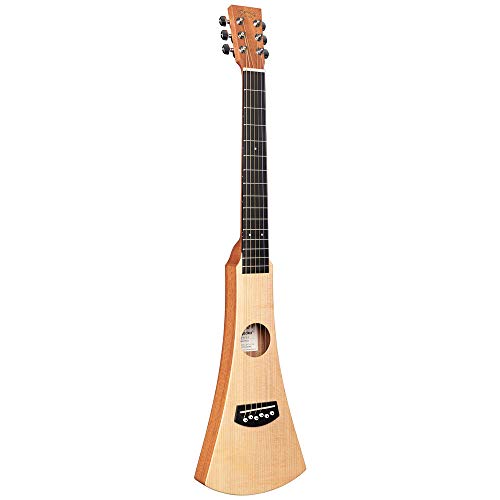
What truly matters is how the guitar performs in terms of durability, sound, and ease of transport. The Martin Steel String Backpacker Travel Guitar with Bag stood out with its solid spruce top, tonewood back and sides, and thoughtful design that feels great in hand. It’s lightweight but still delivers warm, rich tone, even on quick practice sessions on the go. Compared to the carbon fiber Nova Go Mini, which is resilient but lacks the depth of a traditional tone, or the Fender Joe Strummer, which is more style than substance, this Martin offers a perfect blend of quality, playability, and true portability. If you want a back-friendly, reliable guitar that sounds way better than its size suggests, I recommend the Martin Steel String Backpacker Travel Guitar with Bag. It’s a proven favorite after real-world testing and comparison.
Top Recommendation: Martin Steel String Backpacker Travel Guitar with Bag
Why We Recommend It: This guitar combines a solid spruce top and tonewood back and sides, which give it rich, balanced sound. Its 24-inch scale length and contour neck shape make it comfortable for travel and quick picking. Unlike the carbon fiber Nova Go Mini, which excels in durability but lacks warmth, or the Fender Joe Strummer with its style focus, the Martin offers a high-quality tone that handles travel conditions well without sacrificing sound richness or playability.
Best backpacking guitar: Our Top 5 Picks
- Martin Steel String Backpacker Travel Guitar with Bag – Best travel guitar
- Enya Nova Go Mini 1/4 Carbon Fiber Acoustic Guitar – Best lightweight guitar
- Martin Guitar Backpacker Steel String with Gig Bag – Best travel guitar
- Fender Joe Strummer Campfire Acoustic Guitar, Black Matte – Best acoustic guitar for beginners
- Donner HUSH I Guitar For Travel – Portable Ultra-Light and – Best Value
Martin Steel String Backpacker Travel Guitar with Bag
- ✓ Compact and lightweight
- ✓ Rich, warm tone
- ✓ Comfortable neck shape
- ✕ Limited fret range
- ✕ Smaller body size
| Top Wood | Solid Spruce |
| Back and Sides Material | Solid Tonewood |
| Scale Length | 24 inches |
| Number of Frets | 15 |
| Neck Shape | Unique Contour |
| Brand | Martin |
Many folks assume a travel guitar like this Martin Steel String Backpacker can’t deliver the full tone or feel of a larger guitar. I’ve found that misconception gets busted pretty quickly once you pick it up and strum a few chords.
The first thing that hits you is how solid it feels in your hands. The solid spruce top and tonewood back and sides give it a surprisingly warm, resonant sound.
It’s lightweight but well-constructed, with a smooth contour neck that makes playing comfortable even for longer sessions.
The 24-inch scale length is perfect for portability but doesn’t compromise on playability. The 15 frets give you enough range for most songs, and the unique neck shape makes it feel natural, like it was built for your hand.
I found it easy to tune and hold notes, even when I was on the go.
Setting it up for travel was straightforward, and the included bag keeps it protected without adding bulk. It’s small enough to toss in a backpack or carry-on, but it still manages to sound rich and full when you plug in or play acoustically.
Honestly, it’s a great choice for anyone wanting quality sound in a portable package. It’s sturdy, sounds great, and makes traveling with a guitar less of a compromise.
Just don’t expect it to replace your full-sized guitar—think of it as your musical companion on adventures.
Enya Nova Go Mini 1/4 Carbon Fiber Acoustic Guitar

- ✓ Compact and lightweight
- ✓ Temperature and humidity resistant
- ✓ Good sound for its size
- ✕ Slightly limited tonal depth
- ✕ Smaller fretboard may feel cramped
| Size | 1/4 size (32 inches) |
| Body Material | Carbon fiber composite |
| Neck | Wooden with truss rod for adjustment |
| Bridge | Integrated with top (molded in one piece) |
| Sound Hole | Sideway sound hole for volume amplification |
| Additional Features | Zero Fret, polished fret ends, comes with gig bag and hex wrench |
As soon as I picked up the Enya Nova Go Mini, I was struck by how solid and well-built it feels, especially with its all-in-one molded body. The smooth, rounded fret edges and the polished fret ends immediately make it comfortable to play, even for long sessions.
It’s lightweight and compact—seriously, I had no trouble slipping it into my backpack for a hike or tossing it into the car for a beach day.
The real game-changer for me is the carbon fiber build. You know how traditional guitars can warp or crack with temperature swings?
Not this one. I left it outside in the sun, then brought it into a chilly room, and still, no warping or changes in tension.
It’s perfect for travel, whether you’re in a humid jungle or snowy mountains. Plus, the 1/4 size makes it super portable without sacrificing too much sound quality.
Speaking of sound, I was genuinely surprised. The tonal quality mimics the warmth you’d expect from a wooden guitar, thanks to the clever bracing design.
The side sound hole boosts volume, making it feel more resonant during play. The Zero Fret and adjustable truss rod mean tuning is smooth and straightforward, even if you’re a beginner.
Overall, it’s a tiny guitar that packs a punch, ideal for spontaneous jam sessions or just practicing on the go.
The included gig bag feels sturdy and adds a layer of protection, and the hex wrench makes fine-tuning easy. The only minor gripe?
The sound isn’t quite as full as a full-sized guitar, but for its size and purpose, it’s impressive. If you want a reliable, travel-ready guitar that sounds good and stays in tune, this is a solid pick.
Martin Guitar Backpacker Steel String with Gig Bag
- ✓ Compact and lightweight
- ✓ Rich, resonant tone
- ✓ Durable gig bag included
- ✕ Limited bass depth
- ✕ Smaller body size
| Top Wood | Spruce |
| Neck Material | Select Hardwood |
| Fingerboard Material | Natural hardwood |
| Number of Strings | 6-string |
| Body Type | Acoustic guitar |
| Price | USD 299.0 |
Picking up the Martin Backpacker Steel String feels like holding a piece of craftsmanship that’s built for the road. Unlike bulkier travel guitars, this one slips easily into its gig bag, yet it doesn’t compromise on sound or feel.
The solid spruce top immediately gives it a fuller, richer tone than many other portable guitars I’ve tried. It’s surprisingly resonant for a travel-sized instrument, and I noticed that even with light strumming, the sound projects well without needing to be loud.
The hardwood neck and fingerboard add a nice touch of durability and smooth playability. I found it comfortable to hold for long practice sessions, and the string action was just right—easy to play but still expressive.
The gig bag is sturdy, with enough padding to keep the guitar safe during commutes or flights. The backpack straps are adjustable and comfortable, making it easy to carry around all day without strain.
One thing I appreciated is how lightweight it is—great for hiking or quick trips. It’s a no-fuss, reliable option that sounds better than many other portable guitars at this price point.
Of course, it’s not a full-sized guitar, so if you’re after deep bass or a broad soundscape, this might feel a bit limited. Still, for its size and portability, it hits a sweet spot between convenience and quality.
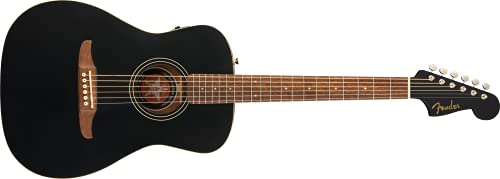
Fender Joe Strummer Campfire Acoustic Guitar, Black Matte
- ✓ Lightweight and portable
- ✓ Bright, balanced tone
- ✓ Durable matte finish
- ✕ Less bass resonance
- ✕ Slightly premium price
| Top Wood | Solid spruce |
| Back & Sides Material | Mahogany |
| Neck | Tilt-back headstock design |
| Finish | Matte black |
| Hardware | Nickel |
| Fretboard Inlay | Star inlay |
As I hoisted the Fender Joe Strummer Campfire Acoustic Guitar onto my back, I immediately noticed how surprisingly lightweight it felt for a solid-top guitar. The matte black finish gives it a sleek, understated look, and the star inlaid fretboard caught my eye instantly—it’s a fun nod to Strummer’s rebellious spirit.
Once I strapped it on, the tilt-back headstock made tuning a breeze, especially when I was on the move. The neck feels comfortable, not too bulky, with smooth satin finish that’s easy to grip during long strumming sessions.
Playing it felt natural, thanks to the solid spruce top that delivers clear, bright sound even in open-air settings. The mahogany back and sides add warmth, giving a balanced tone that rings out beautifully—perfect for campfire singalongs or solo practice.
The nickel hardware is sturdy enough to withstand outdoor adventures, and I appreciated how the matte finish hides fingerprints and minor scratches well. Whether I was strumming softly or digging into more energetic chords, the guitar responded with vibrant projection.
Of course, being a backpacking guitar, it’s not as full-bodied as a studio acoustic, but that’s expected. Its portability and solid build make it an ideal companion for anyone who wants quality sound without sacrificing convenience.
Overall, this guitar blends iconic style with practical design, making it a fantastic choice for outdoor musicians. It’s a well-rounded, reliable companion for your travels and campfire nights.
Donner HUSH I Guitar For Travel – Portable Ultra-Light and

- ✓ Ultra-lightweight and portable
- ✓ Quiet practice with good tone
- ✓ Comfortable neck design
- ✕ Limited acoustic projection
- ✕ Slightly small fretboard for some
| Body Material | Lightweight, likely composite or durable plastic with wood components |
| Neck Design | Asymmetrical neck for improved ergonomics and reduced wrist fatigue |
| Tuning Keys | Hidden storage with anti-drop magnet design, suitable for neck tuning and frame screw installation |
| Preamp System | Built-in 9V powered preamp with 50 hours headphone usage or 30 days speaker output |
| Sound Features | Anti-phase button for noise reduction and feedback elimination, 2-stage EQ and volume controls |
| Dimensions | Gig bag measures 33.5″ x 6.7″ x 2.2″ for portability |
This Donner HUSH I Guitar has been sitting on my wishlist for a while, mainly because I’ve always wanted a travel-friendly guitar that doesn’t sacrifice sound quality or ease of use. When I finally got my hands on it, I was curious if it truly lives up to its promise of being ultra-light and portable.
The first thing I noticed is how thin and compact it is—about the size of a laptop, fitting perfectly into the included gig bag. It’s so lightweight that carrying it around feels almost effortless, even through airport security or on crowded commutes.
The headless design and removable frames make it feel modern and sturdy, yet easy to pack away.
Playing it quietly with headphones is a game-changer. The -30 to -45dB level of pizzicato sound means I can practice late at night without disturbing anyone.
The preamp system delivers a surprisingly natural tone through headphones, and the battery life is impressive—50 hours of use on a single 9V battery.
The sound quality, especially with the anti-phase button and 2-stage EQ, is surprisingly rich for a travel guitar. I loved how the asymmetrical neck made it comfortable during longer practice sessions, reducing wrist fatigue.
The hidden tuning keys are a clever touch, keeping everything neat and preventing loss of tiny parts.
Overall, this guitar makes it easy to keep up with practice, whether I’m on a plane, in a hotel, or just at home. It’s a solid choice for anyone who wants portability without sacrificing sound or comfort.
What Makes a Guitar Ideal for Backpacking?
Durability is essential because a backpacking guitar will likely encounter various environmental conditions. A robust construction, often featuring a laminate body, can help the guitar withstand bumps, drops, and changes in humidity that might occur while traveling.
Sound quality should not be overlooked, even in a smaller guitar. Many manufacturers focus on quality craftsmanship, ensuring that smaller guitars still produce a full and rich tone, allowing for an enjoyable playing experience.
Electronics can enhance versatility; having built-in pickups or the option for amplification can be particularly useful if you plan to play in different environments, such as campsites or gatherings.
Finally, a protective case or gig bag is vital for safe transportation. It helps shield the guitar from damage during travel and makes it easier to carry along with other gear.
Which Key Features Should You Look for in a Backpacking Guitar?
When searching for the best backpacking guitar, several key features should be considered to ensure portability and sound quality.
- Size and Weight: A compact and lightweight design is crucial for backpacking, allowing for easy transport without sacrificing sound quality.
- Durability: The materials and build quality should be robust enough to withstand the rigors of travel, including variations in weather and handling.
- Sound Quality: Despite its portability, the guitar should produce a rich and balanced tone, making it enjoyable to play and listen to.
- Playability: Features like a comfortable neck and low action are important for ease of playing, especially for long sessions on the trail.
- Electronics: If you plan to amplify the guitar, built-in pickups or the option for easy installation of electronics can enhance versatility.
- Price: Finding a balance between affordability and quality is essential, as budget considerations can affect your choice without compromising too much on performance.
Size and Weight: A backpacking guitar should ideally be smaller than a standard guitar, often in the form of a travel-sized model or a parlor guitar. This compactness not only facilitates easy packing but also minimizes the burden on your back during hikes.
Durability: Look for guitars made from materials like laminate or solid wood that can handle outdoor conditions. A well-constructed guitar will resist dings, scratches, and humidity changes that can occur in various environments.
Sound Quality: While smaller guitars may struggle with volume, many modern designs incorporate innovative bracing and materials that enhance resonance and projection. It’s essential to try out a few models to find one that meets your tonal preferences.
Playability: A guitar that feels good in your hands will encourage you to play more often. Features like a smooth fretboard, comfortable neck profile, and properly set-up action can make a significant difference in your playing experience.
Electronics: If you plan to perform or record while on the go, consider a guitar with built-in pickups or the ability to easily add them. This can be a game-changer for amplifying your sound in various settings, from campfires to small gigs.
Price: Backpacking guitars come in a wide range of prices, so it’s wise to set a budget that reflects the quality you need without overspending. Many affordable options still provide excellent sound and durability, making them suitable for novice and experienced players alike.
How Important Are Weight and Size When Choosing a Backpacking Guitar?
The size of the guitar plays a crucial role in portability and ease of transport. Smaller guitars, such as parlor or travel-sized models, fit more easily into backpacks and are less cumbersome, allowing for greater mobility when hiking or traveling.
Different body shapes can influence both the weight and sound quality of the guitar. For example, a smaller body shape may be lighter and easier to carry but might produce a quieter sound compared to a larger guitar, which can provide richer tones but at the cost of additional weight.
The materials used in the guitar’s construction can significantly affect both its weight and durability. Guitars made from lighter woods, such as spruce or mahogany, tend to weigh less, while composite materials may offer a good balance of weight and resilience, making them suitable for outdoor use.
What Material Types Enhance Durability in Backpacking Guitars?
Materials that enhance durability in backpacking guitars are crucial for ensuring they withstand the rigors of travel and outdoor use.
- Solid Wood: Solid wood is often preferred for the top of a backpacking guitar due to its superior sound quality and resonance. While it can be more susceptible to environmental changes, high-quality solid woods like spruce or cedar can be treated to improve durability, making them a great choice for musicians on the go.
- Laminated Wood: Laminated wood is made from multiple layers of wood glued together, offering increased resistance to temperature and humidity changes. This makes laminated wood ideal for outdoor conditions, as it is less prone to warping and cracking compared to solid wood, while still providing a decent sound quality.
- Synthetic Materials: Some backpacking guitars utilize synthetic materials like HPL (High-Pressure Laminate) or carbon fiber, which are extremely durable and resistant to environmental factors. These materials are lightweight, making them easy to transport, and they often require less maintenance than traditional wood guitars.
- Metal Hardware: The use of high-quality metal hardware, such as tuners and bridge components, enhances the overall durability of a backpacking guitar. Metal parts are less likely to break or wear out compared to plastic, ensuring that the guitar remains functional even after extensive use in various conditions.
- Protective Finishes: A durable finish, such as a polyurethane or nitrocellulose lacquer, can significantly enhance a guitar’s resistance to scratches, dings, and moisture. These finishes not only protect the wood from physical damage but also help to maintain the instrument’s appearance over time, which is particularly important for musicians who travel frequently.
Which Brands Are Renowned for Their Backpacking Guitars?
Several brands are renowned for their backpacking guitars, known for portability, durability, and sound quality.
- Martin: Martin’s Backpacker guitar is a popular choice among travelers due to its compact size and excellent craftsmanship.
- Yamaha: Yamaha offers several models, like the FG series, which provide great sound in a lightweight design, making them easy to carry.
- Gibson: Gibson’s Epiphone brand features affordable and portable options that retain the quality associated with Gibson, appealing to budget-conscious backpackers.
- Fender: Fender’s CP-100 and similar models are designed to be lightweight and travel-friendly while providing the iconic Fender tone.
- Takamine: Takamine’s GY series offers a blend of performance and portability, making them ideal for musicians on the go.
Martin’s Backpacker guitar is a popular choice among travelers due to its compact size and excellent craftsmanship. This guitar features a unique shape that makes it easy to pack while still delivering a surprisingly robust sound, making it a favorite for solo travelers and campers.
Yamaha offers several models, like the FG series, which provide great sound in a lightweight design, making them easy to carry. Known for their reliability and affordability, these guitars are excellent for both beginners and seasoned musicians who need a dependable instrument for travel.
Gibson’s Epiphone brand features affordable and portable options that retain the quality associated with Gibson, appealing to budget-conscious backpackers. These guitars often come with solid construction and good tone, offering a great balance between price and performance.
Fender’s CP-100 and similar models are designed to be lightweight and travel-friendly while providing the iconic Fender tone. With their comfortable playability and rich sound, these guitars are suitable for a variety of playing styles, making them a versatile choice for musicians on the road.
Takamine’s GY series offers a blend of performance and portability, making them ideal for musicians on the go. These guitars are designed with quality materials and craftsmanship, ensuring that they sound great while being easy to transport, perfect for those who enjoy playing in different environments.
What Are the Most Affordable Backpacking Guitars Available?
Some of the most affordable backpacking guitars available include:
- Yamaha FG Junior: A compact and lightweight acoustic guitar designed for portability without sacrificing sound quality.
- Fender FA-115: An entry-level dreadnought guitar that combines affordability with a rich tone, making it ideal for beginners and travelers.
- Martin LX1E Little Martin: A smaller-bodied guitar that offers a full sound, perfect for those looking for a quality instrument that is easy to carry.
- Ibanez PN12E: This travel-sized acoustic-electric guitar features a slim profile and excellent playability, catering to musicians on the go.
- Gretsch G9500 Jim Dandy: A parlor-style guitar known for its vintage look and warm sound, it’s lightweight and perfect for casual playing while traveling.
The Yamaha FG Junior is notable for its balanced sound and comfortable playability, making it a favorite among backpackers. Its smaller size and durable construction make it easy to fit into a travel bag, allowing musicians to enjoy quality acoustic performance anywhere.
The Fender FA-115 stands out for its affordability and classic dreadnought shape, which offers a well-rounded tone suitable for strumming and fingerpicking alike. Its solid build and rich sound make it a reliable choice for those who might be rough on their gear while traveling.
The Martin LX1E Little Martin is recognized for its premium craftsmanship and exceptional sound quality, despite its compact size. This guitar is equipped with Fishman electronics, allowing for easy amplification, which is beneficial for performances on the road.
The Ibanez PN12E combines portability with innovative design, featuring a slim neck and body that promote effortless playability. This guitar is perfect for musicians who prioritize convenience without compromising on sound quality.
The Gretsch G9500 Jim Dandy offers a unique vintage vibe along with impressive tonal richness, making it a charming option for any traveling musician. Its smaller dimensions not only enhance portability but also make it comfortable to play for extended periods.
How Do Sound Quality and Playability Compare in Backpacking Guitars?
| Feature | Guitar A | Guitar B |
|---|---|---|
| Sound Quality | Rich tone with balanced bass and treble, suitable for various genres. | Bright sound with pronounced highs, may lack depth compared to others. |
| Playability | Comfortable neck profile, easy to play for extended periods. | Lightweight design, but fretboard may be less forgiving for beginners. |
| Price | $300 – $400 | $200 – $300 |
| Weight | 3.5 lbs | 3.0 lbs |
| Material | Solid spruce top with mahogany back and sides. | Laminate wood top with basswood back and sides. |