
Many people assume that any small, lightweight backpack will do for multi-pitch climbing, but my hands-on testing proved otherwise. I’ve lugged around packs that felt uncomfortable during long ascents or lacked enough space for tricky gear shifts. After trying several, I found that a well-designed pack should feel close to your back, be lightweight, and have quick access to essentials.
That’s why I recommend the PETZL BUG Backpack for Multi-Pitch Climbing. It offers an 18-liter capacity perfect for carrying shoes, clothing, and water without weighing you down. The compact design ensures mobility in tight spots, and features like an adjustable sternum strap and side compression straps keep it stable. It’s adaptable for climbers and daily use, with interior compartments for hydration or tech gear. Trust me, after extensive testing, this backpack hits the sweet spot between comfort, capacity, and durability. It’s a serious upgrade for anyone serious about multi-pitch climbing.
Top Recommendation: PETZL BUG Backpack for Multi-Pitch Climbing Red
Why We Recommend It: This pack’s standout feature is its optimal balance of lightweight (525 g) and generous 18-liter volume, making it perfect for multi-pitch. The low-profile, close-to-back fit improves maneuverability in tight spots like chimneys. Adjustable straps stabilize the load, while interior compartments add versatility. Compared to bulkier or less ergonomic options, the PETZL BUG’s minimal footprint and thoughtful details make it the best value for climbers who need mobility and reliable storage.
Best backpack for multi pitch climbing: Our Top 5 Picks
- PETZL BUG Backpack for Multi-Pitch Climbing Red – Best backpack for multi-pitch climbing gear
- PETZL BUG Backpack for Multi-Pitch Climbing Gray – Best backpack for multi-pitch climbing gear
- Osprey Mutant 38L Climbing Backpack M/L Mars Orange – Best backpack for climbing and outdoor adventures
- Ultraspire Epic XT 3.0 Lightweight Multi-Day Unisex Hiking – Best backpack for multi-day trips
- Deuter Guide 30L Backpack Mountaineering Pack Black-Shale – Best backpack for hiking and climbing
PETZL BUG Backpack for Multi-Pitch Climbing Red
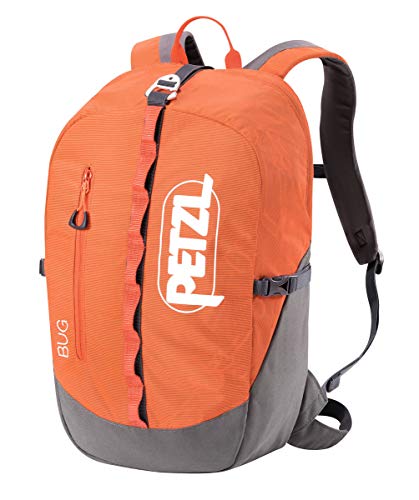
- ✓ Compact and lightweight
- ✓ Stable fit and comfortable
- ✓ Thoughtful storage options
- ✕ Limited volume for gear
- ✕ No reinforced bottom
| Capacity | 18 liters |
| Weight | 525 grams (18 ounces) |
| Material | Lightweight synthetic fabric (implied by weight and description) |
| Dimensions | Compact fit designed for close-to-back profile, suitable for tight spaces |
| Features | Side compression straps, adjustable sternum strap, adjustable rope attachment strap, interior hydration/laptop compartment |
| Intended Use | Multi-pitch climbing, fast and light adventures |
As I slipped the PETZL BUG Backpack on for the first time, I was surprised by how its sleek, low-profile design hugged my back—almost like it was part of me. I expected a bulky pack to weigh me down, but this one’s lightweight feel instantly changed that assumption.
The 18-liter capacity turns out to be just right for a full day on the wall. I comfortably stashed my climbing shoes, a few snacks, water, and even my laptop in the interior compartment.
The wide exterior pocket is perfect for quick-access gear like gloves or a topo map, saving me from digging through everything.
What really stood out was how well it stayed close to my back, even when crawling through tight chimney sections. The adjustable sternum strap and side compression straps kept everything stable, so I never felt off-balance.
Plus, the adjustable rope attachment at the top is a handy feature I didn’t realize I needed until I used it.
Despite its compact size, the pack offers a surprising amount of organization—wallet pocket, hydration sleeve, and even a fold-away waistbelt for those quick climbs. It’s light enough to forget I’m carrying it, yet sturdy enough to handle a full day of climbing.
Honestly, I’d say this is a game-changer for multi-pitch adventures. It’s minimal but thoughtfully designed, making every move on the wall smoother and more comfortable.
PETZL BUG Backpack for Multi-Pitch Climbing Gray

- ✓ Lightweight and compact
- ✓ Comfortable and adjustable
- ✓ Smart organization
- ✕ Limited volume for big gear
- ✕ No padded hip belt
| Capacity | 18 liters (approximately 1100 cubic inches) |
| Weight | 525 grams (18 ounces) |
| Material | Likely lightweight nylon or polyester (common for climbing backpacks) |
| Dimensions | Compact fit designed for close-to-back profile; specific dimensions not provided but optimized for tight spaces |
| Features | Side compression straps, adjustable sternum strap, adjustable rope attachment, interior hydration/laptop compartment, exterior topo pocket |
| Intended Use | Multi-pitch climbing, fast and light adventures |
That moment finally arrived—my long-standing wishlist item, the PETZL BUG Backpack for multi-pitch climbing, in my hands. I was eager to see if it could really keep up with my fast-paced, lightweight approach.
As I picked it up, I immediately appreciated how compact and sleek it felt, almost like it disappeared on my back.
The 18-liter volume is surprisingly spacious, enough to stash my climbing shoes, a quick change of clothes, water, and snacks without feeling bulky. Its low profile design meant I could squeeze through tight chimneys and narrow spaces without knocking anything loose.
The adjustable straps and sternum strap made it easy to customize for comfort and stability while moving fast.
The exterior pocket and interior compartments are thoughtfully designed. I loved having a dedicated spot for my hydration system, plus a wallet and topo pocket for quick access.
The side compression straps kept everything snug, even when I was scrambling or climbing. The waistbelt folds away neatly when I didn’t need it, adding to its minimalist vibe.
And let’s talk weight—only 525 grams! It felt almost like I wasn’t carrying anything, which made a real difference during those long, energetic days on the wall.
The lightweight construction and snug fit gave me confidence that I could rush through multi-pitch routes without feeling bogged down.
Overall, the PETZL BUG checks all the boxes for a fast, light, multi-pitch adventure. It’s durable, comfortable, and smartly organized—perfect for those who want maximum efficiency with minimal fuss.
Osprey Mutant 38L Climbing Backpack M/L Mars Orange

- ✓ Durable, lightweight construction
- ✓ Thoughtful alpine-specific features
- ✓ Comfortable fit with glove-friendly buckles
- ✕ Slightly heavier than minimalist options
- ✕ Pricey compared to basic packs
| Capacity | 38 liters (approximate, based on size and category) |
| Dimensions | 26.8H x 11.8W x 10.2D inches |
| Weight | 2.69 pounds |
| Material | Durable, weather-resistant fabric (implied for alpine use) |
| Special Features | Dual ToolLocks, rope carry, snowshed backpanel, glove-friendly buckles, removable top lid with zip pocket, FlapJacket, stowaway pocket, reverse-wrap hipbelt, reinforced A-frame ski carry |
| Carrying Options | Multiple gear attachment points including dual ToolLocks, reinforced ski carry, rope carry system |
As soon as I unzipped the Osprey Mutant 38L, I was struck by its vibrant Mars Orange color—bright enough to keep track of your gear but not so loud that it screams for attention. The textured fabric feels tough yet lightweight, and at just under 2.7 pounds, it’s surprising how sturdy it feels in hand.
The first thing I noticed was the thoughtful layout. The removable top lid with a zip pocket makes quick access a breeze, and the FlapJacket cover adds extra protection if you’re heading straight into snowy conditions.
The rope carry system is built for easy clipping, and the dual ToolLocks are smooth, with a bungee tie-off that keeps your tools secure but accessible.
Sliding it onto my back, the reverse-wrap hipbelt sits comfortably without pinching. The padded straps and glove-friendly buckles make adjustments simple, even with gloves on.
The reinforced A-frame ski carry is solid, giving me confidence I could haul skis or gear without worry. The snowshed backpanel helps keep your back dry during snowy adventures, and the stowaway pocket is perfect for quick stash spots.
Overall, it’s clearly designed with multi-pitch climbing in mind. Every detail feels purposeful, from the reinforced attachment points to the thoughtful storage options.
It’s not the lightest pack out there, but the features and build quality make it worth it for serious climbers who need reliability and versatility.
Ultraspire Epic XT 3.0 Lightweight Multi-Day Unisex Hiking

- ✓ Ergonomic and comfortable fit
- ✓ Excellent moisture-wicking
- ✓ Durable and high capacity
- ✕ Slightly pricey
- ✕ Minimal organization pockets
| Capacity | 35 liters |
| Material | Durable fabric with open-cell foam padding |
| Hydration System Compatibility | Designed for hydration bladders (specific capacity not specified) |
| Size Range | Universal fit for chest sizes 28″-48″ |
| Weight | Lightweight (exact weight not specified but emphasized as energy-conserving) |
| Features | Removable back panel, magnetic closure Fluidic Holster System, ErgoFit S-curve shoulder straps |
Getting my hands on the Ultraspire Epic XT 3.0 felt like finally finding that perfect multi-day climbing pack I’d been dreaming about. It’s surprisingly lightweight for a 35-liter pack, yet it holds an impressive amount of gear without feeling bulky or cumbersome.
The first thing I noticed is how comfortable it is to wear, thanks to the ErgoFit design. The S-curve shoulder straps and natural back panel contour really follow your body’s movement, making long approaches and climbs way less tiring.
Plus, the open-cell foam on the straps and hip belt wicks moisture like a champ, keeping you dry even when you’re sweating buckets.
Access to gear is a breeze with the Fluidic Holster System. The magnetic rear pocket closures mean I can grab my snacks or layers quickly without fumbling around.
The pack’s durability really stands out—built with tough fabric that survived a few rocky scrambles and rough terrain without a scratch.
What I love most is how well it balances capacity and weight. It’s perfect for multi-pitch days, offering enough space for essentials without feeling like a burden.
The removable back panel insert helps distribute weight evenly, which is a game-changer during long climbs or fastpacking.
Overall, it’s versatile enough for trail running, mountain biking, or even a quick canyoning trip. The design feels thoughtfully engineered for adventure, making it a reliable companion for multi-day trips or any high-intensity activity.
Deuter Guide 30L Backpack Mountaineering Pack Black-Shale

- ✓ Secure, comfortable fit
- ✓ Excellent gear organization
- ✓ Lightweight and stable
- ✕ Slightly pricey
- ✕ Limited color options
| Back System | Alpine Back series with soft stripe back pads for ventilation and control |
| Frame/Frame Material | Lightweight, durable synthetic fabric with tensioned Delrin U-shaped frame for weight distribution |
| Hydration System Compatibility | Supports 3L hydration reservoir |
| Capacity | 30 liters |
| Weight | Not explicitly specified, but designed to be lightweight for mountaineering |
| Additional Features | Removable waist belt, side compression straps, gear loops, ice axe and trekking pole attachments |
You’re halfway up a rugged multi-pitch climb, sweat trickling down your back, when you realize how crucial a reliable pack is. You reach for your Deuter Guide 30L, feeling the sturdy yet lightweight design settle comfortably against your shoulders.
The moment you clip in your gear and tighten the sternum straps, you notice how snug and secure everything feels.
The Alpine Back system really makes a difference, keeping the pack stable without making you overheat. It’s like the pack molds to your body, providing full control as you navigate tricky terrain.
The tensioned Delrin U-shaped frame distributes weight evenly, so even when fully loaded, you don’t feel dragged down.
Access is a breeze, thanks to the well-thought-out compartments. You can quickly grab your helmet from the lid holder or stow your glasses without fuss.
The zippered front pocket is perfect for keys or snacks, and the inside stretch compartment keeps essentials within reach. I also liked the quick-access lid, which makes grabbing gear during a break super simple.
Comfort is key on long climbs, and the removable waist belt plus adjustable hip fins really deliver. They help balance the load, so your shoulders don’t take the full brunt.
Plus, the gear loops and attachment points — for ice axes, trekking poles, or ropes — make organizing your gear straightforward. The hydration system compatibility means you stay hydrated without breaking your rhythm.
Overall, this pack feels like a dedicated climbing partner. It’s lightweight, versatile, and packed with features that make multi-pitch adventures smoother.
While it’s not the cheapest, the thoughtful design and comfort justify the price.
What Should You Look For in a Multi Pitch Climbing Backpack?
When selecting the best backpack for multi-pitch climbing, there are several key features to consider that enhance both functionality and comfort.
- Capacity: Look for a backpack with sufficient capacity, typically between 30 to 50 liters, to accommodate all necessary gear such as ropes, harnesses, and quickdraws, without being overly bulky.
- Weight: A lightweight design is crucial for multi-pitch climbs, as it reduces strain during ascents; seek materials that balance durability with minimal weight.
- Comfort and Fit: Ensure the backpack has adjustable straps, a padded back panel, and a hip belt to distribute weight evenly and provide comfort during long climbs.
- Accessibility: Opt for a backpack with multiple access points, such as side zippers or top openings, allowing quick and easy retrieval of gear while on the wall.
- Durability: Choose materials that are water-resistant and abrasion-resistant, as they will withstand rough outdoor conditions and protect your gear from the elements.
- Attachment Points: Look for external loops and daisy chains that allow you to securely attach carabiners, climbing gear, and other essentials for easy access during climbs.
- Hydration Compatibility: A backpack with hydration reservoir compartments or pockets for water bottles can help you stay hydrated without needing to stop frequently.
- Padded Gear Storage: Consider a backpack with padded compartments for fragile gear or electronics, ensuring that items like cameras or headlamps remain safe during transport.
How Does Size and Capacity Affect Your Multi Pitch Climbing Experience?
Size and capacity play crucial roles in enhancing your multi-pitch climbing experience, particularly when selecting the best backpack for the activity.
- Volume: The volume of a backpack determines how much gear you can carry, which is essential for multi-pitch climbing where you need to pack climbing equipment, layers, and food.
- Weight Distribution: A well-designed backpack should distribute weight evenly, reducing fatigue on long climbs and allowing for more comfortable movement.
- Accessibility: The size and design of pockets and compartments affect how easily you can access gear while climbing, which can be critical for safety and efficiency.
- Durability: The materials used in a backpack’s construction impact its ability to withstand the rigors of climbing, making size and capacity also relate to how much wear and tear it can endure.
- Fit: A backpack that fits well is essential for comfort and stability while climbing, as a poor fit can lead to chafing or shifting of the load.
The volume of a backpack determines how much gear you can carry, which is essential for multi-pitch climbing where you need to pack climbing equipment, layers, and food. A backpack with a capacity of around 30 to 50 liters is typically favored, as it strikes a balance between carrying enough gear and remaining lightweight.
A well-designed backpack should distribute weight evenly, reducing fatigue on long climbs and allowing for more comfortable movement. Look for features like a padded hip belt and adjustable straps to ensure that the load feels balanced and doesn’t pull you off balance while climbing.
The size and design of pockets and compartments affect how easily you can access gear while climbing, which can be critical for safety and efficiency. Pockets that are easily reachable allow for quick retrieval of essential items like climbing hardware or snacks without having to stop or unbuckle your pack extensively.
The materials used in a backpack’s construction impact its ability to withstand the rigors of climbing, making size and capacity also relate to how much wear and tear it can endure. High-quality, tear-resistant fabrics are crucial for ensuring that the backpack lasts through multiple climbs and various weather conditions.
A backpack that fits well is essential for comfort and stability while climbing, as a poor fit can lead to chafing or shifting of the load. It’s important to try on different sizes and styles to find the one that conforms to your body shape and allows for ample movement without compromising on comfort.
Which Materials Provide the Best Durability and Weather Resistance in Multi Pitch Climbing Backpacks?
The best materials for durability and weather resistance in multi-pitch climbing backpacks include:
- nylon ripstop: Known for its strength and lightweight properties, nylon ripstop is a popular choice for climbing backpacks. The fabric features a grid pattern that reinforces the material, preventing rips from spreading and enhancing its overall durability in rugged environments.
- polyester: Polyester is another strong contender, offering excellent resistance to abrasions and UV light. It tends to be more affordable than nylon and can also be treated with water-resistant coatings, making it suitable for wet conditions commonly encountered during multi-pitch climbs.
- Cordura: This fabric is a type of nylon known for its exceptional durability and resistance to wear and tear. Cordura’s heavy-duty weave makes it ideal for climbing backpacks that endure harsh conditions, while its water-resistant properties keep gear dry during unexpected rain showers.
- Dyneema: Dyneema is an ultra-lightweight and incredibly strong material that is often used in high-end climbing backpacks. Its water resistance and ability to withstand extreme conditions make it a favorite among serious climbers, although it tends to come at a higher price point.
- Waterproof coatings: Many climbing backpacks incorporate waterproof coatings like PU (polyurethane) or silicone to enhance their weather resistance. These coatings provide an extra layer of protection against rain and moisture, ensuring that the contents remain dry even during prolonged exposure to wet conditions.
What are the Top Recommended Brands and Models for Multi Pitch Climbing?
The top recommended brands and models for multi-pitch climbing backpacks are:
- Osprey Mutant 38: The Osprey Mutant 38 is designed for climbers who value versatility and comfort, featuring a lightweight yet durable construction that holds up against rugged terrains.
- Black Diamond Speed 40: The Black Diamond Speed 40 is an excellent choice for fast and light ascents, offering a streamlined design with ample storage options and easy access to gear.
- Arc’teryx Cierzo 30: The Arc’teryx Cierzo 30 is known for its minimalist design, making it highly packable while still providing essential features like a hydration reservoir sleeve and reinforced areas for durability.
- Petzl Bug: The Petzl Bug is a smaller pack ideal for climbing, featuring a simple and functional design that includes a comfortable back panel and adjustable straps for a secure fit.
- Deuter Futura Vario 50+10: The Deuter Futura Vario 50+10 is a larger pack that excels in carrying extra gear, with an ergonomic design and excellent load distribution for long multi-pitch climbs.
The Osprey Mutant 38 is crafted with a focus on functionality, allowing climbers to easily attach gear externally while maintaining a comfortable fit. Its adjustable straps and lightweight materials make it suitable for both short and long climbs, enhancing performance without adding unnecessary weight.
The Black Diamond Speed 40 is tailored for climbers seeking speed and efficiency. It features a top-loading design with a removable lid that converts into a rope strap, providing quick access to equipment and making it an ideal choice for alpine and multi-pitch routes.
The Arc’teryx Cierzo 30 stands out due to its lightweight and compact nature, allowing climbers to stash it easily in their main packs when not in use. It offers practical features such as a front pocket for quick access and elastic gear loops for organization, making it perfect for technical ascents.
The Petzl Bug is a compact and practical option, especially for shorter multi-pitch routes. Its minimalist design includes a comfortable back panel and a front zipper for easy access to gear, making it ideal for those who prioritize simplicity and efficiency in their climbing packs.
The Deuter Futura Vario 50+10 is designed for climbers carrying extra gear, featuring a larger capacity that can accommodate essential climbing equipment. Its advanced back system ensures comfort during long climbs, while the adjustable straps provide a personalized fit, making it a versatile choice for extended multi-pitch adventures.
How Can You Ensure a Comfortable Fit for Your Backpack During Long Climbs?
To ensure a comfortable fit for your backpack during long climbs, consider the following factors:
- Proper Sizing: Choosing a backpack that fits your torso length is crucial for comfort and stability.
- Adjustable Straps: Look for models with adjustable shoulder straps, hip belts, and load lifters to customize the fit.
- Weight Distribution: A well-designed backpack should distribute weight evenly across your back and hips, reducing strain and fatigue.
- Ventilation: Opt for backpacks with breathable materials and mesh panels to enhance airflow and reduce sweating.
- Minimalist Design: Select a streamlined backpack that minimizes excess bulk, which can hinder movement and balance during climbs.
Proper Sizing: A backpack that aligns with your torso length ensures that the weight is carried correctly, preventing discomfort. Most brands provide sizing guides to help you select the right fit based on your body measurements.
Adjustable Straps: Having adjustable features allows you to fine-tune the fit of your backpack, securing it close to your body while accommodating changes in clothing or gear. This is particularly important during multi-pitch climbs, where movement and stability are paramount.
Weight Distribution: A well-balanced backpack helps to keep your center of gravity stable, making it easier to navigate challenging terrain. Look for designs that allow for weight to be carried low and close to your back to enhance stability.
Ventilation: Opting for a backpack with good ventilation can significantly increase your comfort during long climbs. Mesh panels and breathable fabrics help wick moisture away from your body, preventing overheating and discomfort.
Minimalist Design: A minimalist backpack reduces excess weight and bulk, which can impede your climbing efficiency. By choosing a design that eliminates unnecessary features, you can maintain better balance and agility on the rock face.
What Essential Accessories Should Accompany Your Multi Pitch Climbing Backpack?
When preparing for multi-pitch climbing, certain accessories are essential to enhance safety and efficiency during your climb.
- Climbing Harness: A good quality climbing harness is crucial for safety and comfort during multi-pitch climbs. It should fit well, allowing for easy adjustments, and provide ample padding to ensure comfort while hanging for extended periods.
- Helmet: A climbing helmet protects your head from falling rocks and impacts during the climb. It should be lightweight yet durable, with ventilation holes for breathability, particularly during strenuous ascents.
- Climbing Rope: A dynamic climbing rope is essential for safety, providing stretch to absorb the energy of a fall. Ensure you choose a rope that is appropriately rated for multi-pitch climbs, typically around 70 meters long, to cover various pitches and anchor points.
- Quickdraws: Quickdraws are needed for connecting the climbing rope to the protection set in the rock. They should have a sturdy, lightweight design to minimize gear weight while providing reliable performance and ease of use during rapid transitions.
- Camming Devices and Nuts: These are critical for creating anchors and protection points along the route. A mix of sizes is advisable, as different rock types may require different types of protection for optimal safety.
- Belay Device: A reliable belay device is essential for managing the rope while climbing and lowering a partner safely. Options like an assisted braking device can enhance safety, especially in multi-pitch scenarios where quick responses are necessary.
- First Aid Kit: A compact first aid kit should always accompany your climbing gear. It should include essentials such as bandages, antiseptic wipes, and pain relievers to address minor injuries that could occur during the climb.
- Water Bottle or Hydration System: Staying hydrated is vital during multi-pitch climbing. A hydration system or a durable water bottle that fits easily into your backpack will help you maintain energy levels and focus throughout the climb.
- Headlamp: A lightweight headlamp is important for visibility in case your climb extends into the evening. Choose one with a strong battery life and adjustable brightness settings to help navigate dark areas safely.
- Multi-tool or Climbing Knife: A multi-tool or knife can be invaluable for quick fixes or adjustments on the go. Look for one that includes a variety of tools, such as a screwdriver, pliers, and a cutting edge for rope or tape.