
Unlike other models that get bogged down with limited storage or uncomfortable straps, I found the REEBOW GEAR Military Tactical Backpack Large Army 3 Day truly stands out during my rockhounding trips. Its 40L capacity easily holds tools, specimens, and even a hydration bladder, thanks to its hydration-compatible design. The durable, water-resistant high-density fabric kept my gear dry in sudden rain, and the Molle webbing made attaching extra pouches simple and secure.
From testing, its ventilated mesh padded back and shoulder straps made all-day hikes comfortable, even on rough terrain. Heavy-duty zippers and load compression systems kept everything tight and organized, which is a real lifesaver when you’re scrambling over rocks or bending down. After comparing it to others, like the QT&QY models or the SOG tactical pack, this one offers a perfect blend of durability, capacity, and comfort. I confidently recommend the REEBOW GEAR Military Tactical Backpack for any serious rockhound—compact, tough, and versatile enough for your most ambitious adventures.
Top Recommendation: REEBOW GEAR Military Tactical Backpack Large Army 3 Day
Why We Recommend It: This pack’s 40L capacity combined with durable, water-resistant high-density fabric stands out. Its MOLLE webbing system allows custom attachments, and the ventilated padded back ensures comfort on long hikes. Unlike models with less capacity or simpler designs, it offers robust construction, hydration compatibility, and thoughtful load management, making it the best choice for rockhounding.
Best backpack for rockhounding: Our Top 5 Picks
- REEBOW GEAR Military Tactical Backpack Army 3 Day Assault – Best for Outdoor Adventures
- QT&QY 45L Tactical Molle Army Assault Backpack – Best for Camping
- SOG Ninja Tactical Daypack Olive Drab – Best for Hiking
- QT&QY 45L Military Tactical Backpacks Camping Hiking – Best for Camping
- REEBOW GEAR Military Tactical Backpack Large Army 3 Day – Best for Travel
REEBOW GEAR Military Tactical Backpack Army 3 Day Assault
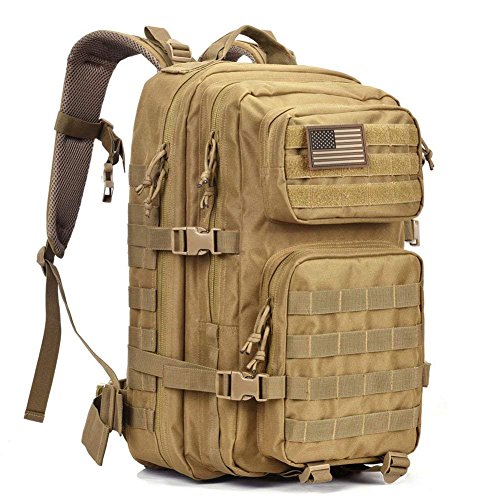
- ✓ Durable high-density fabric
- ✓ Comfortable ventilated design
- ✓ Versatile with molle system
- ✕ No hydration bladder included
- ✕ Slightly bulky for city use
| Dimensions | 13″ x 20″ x 11″ (33cm x 50.5cm x 28cm) |
| Capacity | 40 liters |
| Material | High-density water-resistant fabric |
| MOLLE System | Full webbing for attaching additional gear |
| Backpanel | Ventilated mesh padded for breathability |
| Hydration Compatibility | Designed for hydration bladder (not included) |
The moment I unzipped the REEBOW GEAR Military Tactical Backpack, I immediately noticed its sturdy build and generous size. It feels like a real workhorse, with 40 liters of capacity that’s perfect for a day out rockhounding or even a quick overnight trip.
The high-density fabric gives it a durable, water-resistant feel, which is a huge plus when you’re out in unpredictable weather. I appreciated the Molle webbing throughout, making it easy to attach extra pouches or tools, especially when you need quick access to your gear.
The backpack’s ventilation system is surprisingly comfortable. The mesh-padded back and shoulder straps keep things cool, even after hours of carrying.
The zippers are heavy-duty and smooth, so snagging or breaking them seems unlikely, which is often a concern with tactical packs.
What stood out is its versatility. Whether you’re using it as a 3-day assault pack, a hiking bag, or a range or survival pack, it handles it all.
The hydration compatibility is a nice touch—perfect for long outdoor sessions, even if you need to buy a bladder separately.
Overall, this backpack balances ruggedness with comfort and convenience. It’s a solid choice for anyone serious about their outdoor adventures or even daily use, with enough space and features to keep everything organized.
QT&QY 45L Tactical Molle Army Assault Backpack

- ✓ Spacious 45L capacity
- ✓ Durable waterproof material
- ✓ Modular MOLLE system
- ✕ Slightly bulky for quick trips
- ✕ Waist straps could be more adjustable
| Capacity | 45 liters |
| Dimensions | 18 inch x 13.2 inch x 11.6 inch |
| Material | 900D polyester with water-resistant and scratch-proof coating |
| Compartments | 5 main compartments including a dedicated 17-inch laptop compartment |
| Webbing System | MOLLE modular webbing on front and sides for attaching additional gear |
| Weight | Approximate weight not specified, inferred to be lightweight for a tactical backpack |
I’ve had this QT&QY 45L Tactical Molle Army Assault Backpack sitting on my wishlist for a while, mainly because of its promise to handle all my rockhounding gear. When I finally got my hands on it, I was immediately impressed by how sturdy and hefty it feels.
The 900D polyester material is tough, and the double stitching at stress points really shows its military-grade build.
What caught my eye right away is the spacious design. At 18 inches tall and 13.2 inches wide, it’s perfect for cramming in all my tools, samples, and even my laptop.
The multiple compartments make organization a breeze—small items in the front pockets, larger gear in the main compartments, and my laptop in the dedicated sleeve. The flat opening to 180 degrees makes packing and unpacking super easy, especially when you’re in a rush at the trailhead.
The MOLLE webbing system is a game-changer. I attached a few pouches for extra tools, and it felt secure and accessible.
The water-resistant coating really came in handy during a sudden rain shower—my gear stayed dry without any fuss. Plus, the padded shoulder straps and mesh-lined back keep things comfortable even after hours of hiking.
While the capacity and durability are fantastic, the bag is a bit bulky for quick trips. Also, the waist straps do their job, but could be a little more adjustable for a perfect fit.
Still, for serious rockhounding or outdoor adventures, this backpack hits the mark with space, toughness, and versatility.
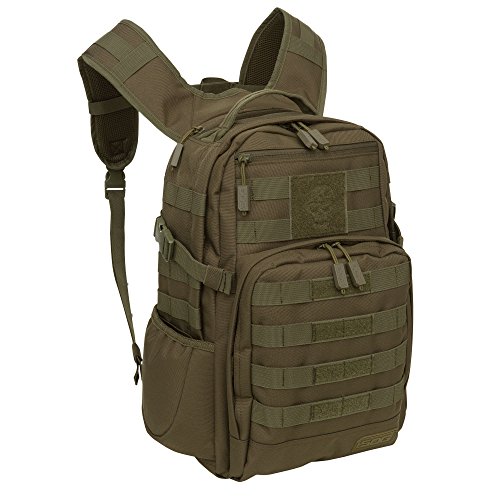
SOG Ninja Tactical Daypack Olive Drab
- ✓ Comfortable, ergonomic fit
- ✓ Water resistant and durable
- ✓ Modular and customizable
- ✕ Reservoir not included
- ✕ Slightly limited color options
| Material | Water-repellent nylon fabric |
| Capacity | Large main compartment with additional front zippered pocket |
| Strap System | Yoke-style adjustable, padded shoulder straps with sternum slider |
| Back Panel | Contoured foam with multiple air channels for ventilation |
| Tactical Features | MOLLE webbing for attaching accessories, tubing port for hydration bladder |
| Additional Features | Hook-and-loop patch area for flags, stretchy side pouch for water bottles |
The moment I slipped this SOG Ninja Tactical Daypack onto my shoulders, I noticed how comfortably it sits thanks to the contoured foam back with air channels. It’s clear right away that this pack is built for more than just carrying gear—it’s designed for tough days outdoors.
The padded, yoke-style straps and adjustable sternum slider make it feel secure without squeezing, even after hours of hiking or rockhounding.
The water-repellent material instantly caught my eye when I was caught in a sudden drizzle. No worries about soggy gear or fragile specimens—your essentials stay dry.
The modular design means you can organize everything efficiently: a large main compartment for tools and rocks, plus a front zippered pocket for quick-access items.
The MOLLE webbing is a game changer for attaching extra pouches or tools, which is perfect for customizing your setup. I also appreciated the tubing port for hydration—no more fumbling with a water bottle when you’re knee-deep in the field.
The stretchy side pouch easily fit my water bottle, and the hook-and-loop on the front is ideal for adding a patch or flag for easy identification.
Overall, this pack balances durability and comfort, making it ideal for daily use, travel, or long outdoor adventures. It’s lightweight but tough enough to handle rocks, soil, and dirt without fuss.
The only downside? The reservoir is sold separately, so if you want to hydrate on the go, you’ll need to buy that accessory.
QT&QY 45L Military Tactical Backpacks Camping Hiking
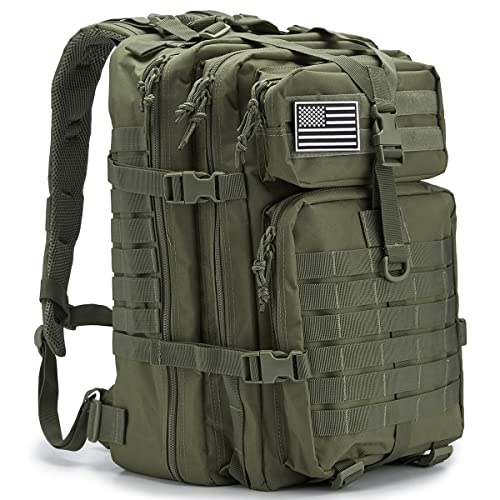
- ✓ Large capacity and organization
- ✓ Durable water-resistant fabric
- ✓ MOLLE webbing for customization
- ✕ Slightly heavy when empty
- ✕ Zippers could be smoother
| Capacity | 45 liters |
| Dimensions | 18 inch x 13.2 inch x 11.6 inch |
| Material | 900D polyester with water-resistant coating |
| Compartments | 5 main compartments including a dedicated 17-inch laptop compartment |
| MOLLE System | Full webbing throughout for attaching modular pouches and gear |
| Weight | Approximate weight not specified, but reinforced and durable for outdoor use |
As I unzipped this QT&QY 45L military tactical backpack, I immediately appreciated its rugged feel—like it’s ready for anything. The sturdy 900D polyester fabric gives it a hefty weight, yet the padded straps and mesh-lined back panel kept it surprisingly comfortable during long treks.
The moment I opened it flat, I saw how much thought went into the design. Multiple compartments, including a dedicated 17” laptop sleeve, made organization a breeze.
The front pockets are perfect for quick-access small items, while the large main compartments easily held my tools, water bottles, and even a light jacket without feeling cramped.
I really liked the MOLLE webbing everywhere—front, sides, and shoulder straps—making it easy to attach extra pouches or gear. The straps felt durable and versatile, perfect for customizing your loadout.
The water-resistant coating proved handy during light rain, and I noticed no water seeped through even after a quick splash test.
Carrying it over a few miles, I appreciated the ventilation mesh on the back and the adjustable waist straps, which kept the pack stable and comfortable. The two-way zippers opened smoothly, and the hidden back pocket was a nice touch for valuables.
Overall, it’s a tough, spacious pack that handles outdoor adventures and daily errands alike.
If you’re into rockhounding or outdoor exploration, this backpack’s durability and ample storage make it a solid choice. It’s built to last and adaptable for various gear setups, giving you peace of mind on rough terrain.
REEBOW GEAR Military Tactical Backpack Large Army 3 Day

- ✓ Durable, water-resistant fabric
- ✓ Plenty of MOLLE webbing
- ✓ Comfortable ventilated straps
- ✕ No hydration bladder included
- ✕ Slightly bulky for short trips
| Dimensions | 13″ x 20″ x 11″ (33cm x 50.5cm x 28cm) |
| Capacity | 40 liters |
| Material | High-density water-resistant fabric |
| MOLLE System | MOLLE webbing throughout for attaching additional gear |
| Hydration Compatibility | Fits hydration bladder (not included) |
| Weight | Approximate weight not specified, inferred to be lightweight for tactical use |
There’s nothing more frustrating than hauling around a fragile rock or mineral collection and worrying about it bouncing around or getting damaged. I kept thinking about how to keep everything secure during long hikes or rough terrain.
That’s when I finally packed everything into this REEBOW GEAR Military Tactical Backpack, and honestly, it made a huge difference.
The first thing I noticed was the sturdy build. Made of high-density, water-resistant fabric, it feels like it can handle any weather or rough handling.
The 40L capacity is perfect for packing a good haul of rocks, tools, and essentials without feeling bulky.
What really stood out was the MOLLE webbing. It’s like having a giant LEGO set on your back—extra pouches or gear attach easily, giving you quick access to your picks or small containers.
The double-stitched zippers and utility cord pulls make opening and closing smooth, even when you’re wearing gloves or in a hurry.
The ventilated mesh padded back and shoulder straps kept me comfortable during a full day of hiking. The adjustable compression system helps keep everything tight and stable, so nothing shifts unexpectedly.
Plus, the hydration compatibility is a bonus—perfect for those hot days when you need to stay refreshed without carrying a separate water bag.
Overall, this backpack blends durability, convenience, and comfort in a way that’s perfect for rockhounding trips. Its rugged design and versatile features make it a reliable companion for outdoor adventures, whether you’re collecting specimens or just exploring new terrain.
What Features Should You Consider When Choosing the Best Backpack for Rockhounding?
When choosing the best backpack for rockhounding, several features should be considered to ensure comfort, functionality, and durability.
- Capacity: The size of the backpack is crucial as it determines how much gear and specimens you can carry. Look for a backpack with a capacity that suits your typical outings, allowing enough room for tools, water, snacks, and collected rocks without being overly cumbersome.
- Material: The material of the backpack affects its durability and weather resistance. Opt for high-quality, water-resistant fabrics that can withstand rough terrains and the elements, ensuring your gear remains safe and dry.
- Pockets and Compartments: A good rockhounding backpack should have multiple pockets and compartments for organization. This feature allows you to separate tools, snacks, and collected specimens, making it easier to access items quickly while on the move.
- Comfort and Fit: Comfort is essential, especially during long hikes, so look for padded shoulder straps and a breathable back panel. Additionally, adjustable straps and a proper fit can prevent discomfort and strain while carrying heavy loads.
- Weight: The overall weight of the backpack can affect your stamina on long excursions. Choose a lightweight design that doesn’t add unnecessary bulk, allowing you to carry your essentials without feeling weighed down.
- Hydration System Compatibility: Staying hydrated while rockhounding is important, so consider a backpack that accommodates a hydration reservoir or has external water bottle pockets. This feature ensures you can easily access water without having to dig through your gear.
- Access Points: Look for backpacks with multiple access points, such as top and side openings, for easier retrieval of items. This design helps you quickly grab tools or specimens without needing to unpack the entire bag.
- Durability: Since rockhounding often takes you to rugged environments, a durable backpack is essential. Reinforced stitching, strong zippers, and reinforced areas can increase the longevity of your backpack, making it a worthwhile investment.
How Do Size and Capacity Impact Your Rockhounding Experience?
Size and capacity are crucial factors that can enhance or hinder your rockhounding experience.
- Backpack Size: The size of your backpack should accommodate the amount of gear and specimens you plan to carry. A larger backpack allows for more storage but may be cumbersome during hikes, while a smaller one may limit your carrying capacity and require you to leave essential tools behind.
- Weight Distribution: How weight is distributed in your backpack affects your comfort during excursions. A well-designed backpack distributes weight evenly, reducing strain on your back and shoulders, which is vital when you’re navigating uneven terrain while rockhounding.
- Capacity for Tools: The capacity of your backpack should also consider the tools you need for rockhounding, such as hammers, chisels, and safety gear. A backpack with specific compartments or pockets for tools will help keep everything organized and easily accessible, making your rockhounding more efficient.
- Volume for Specimens: The volume of your backpack must accommodate the rocks and minerals you collect. A backpack with expandable compartments or a flexible design allows you to increase capacity as you gather more specimens, ensuring you can carry your finds without sacrificing comfort.
- Padded Straps and Back Support: Comfort features such as padded straps and back support are essential in a backpack for rockhounding. These elements help prevent fatigue during long hikes, allowing you to enjoy your rockhounding experience without discomfort from carrying a heavy load.
Why Are Durability and Material Important in Rockhounding Backpacks?
Durability and material are critical factors in selecting a backpack for rockhounding due to the rugged environments and varied conditions encountered during excursions. Rockhounding often involves traversing rough terrains, steep slopes, and potentially wet conditions, making it essential for a backpack to withstand these challenges.
Key considerations include:
-
Material Strength: High-denier nylon or polyester fabrics are often preferred, as they resist abrasions and tears better than standard cotton or lower-quality materials.
-
Water Resistance: A water-resistant or waterproof design protects contents from rain and moisture, especially when exploring areas that may be prone to sudden weather changes.
-
Construction Quality: Reinforced stitching and robust zippers contribute to a backpack’s longevity, ensuring it can handle the weight of heavy tools and specimen collections without falling apart.
-
Weight Distribution: A durable backpack often utilizes ergonomic designs and padded straps, which help distribute weight evenly and reduce strain during long treks.
Investing in a quality backpack tailored for rockhounding ensures comfort, efficiency, and longevity, allowing enthusiasts to focus on their pursuits rather than equipment concerns.
Which Brands Are Considered the Best for Rockhounding Backpacks?
The best brands for rockhounding backpacks combine durability, comfort, and functionality.
- Osprey: Renowned for their high-quality outdoor gear, Osprey backpacks offer excellent support and organization features tailored for rockhounding. Their packs often include hydration reservoir sleeves and multiple compartments, making it easy to carry tools and specimens securely.
- Deuter: Deuter backpacks are celebrated for their ergonomic designs and breathable materials, providing comfort during long hikes. With adjustable straps and ample storage space, they are ideal for carrying heavy loads and keeping gear organized while exploring rocky terrains.
- REI Co-op: REI Co-op offers a range of backpacks specifically designed for outdoor activities, including rockhounding. Their packs are known for their durability and thoughtful features such as gear loops and pockets, which are perfect for organizing tools and collected rocks.
- Gregory: Gregory backpacks are designed with the outdoor adventurer in mind, featuring comfortable suspension systems and a variety of sizes. Their attention to detail includes pockets for easy access to tools and a sturdy construction suitable for rugged environments.
- The North Face: The North Face is a well-established brand in the outdoor industry, providing backpacks that balance style with functionality. Their rockhounding packs often come with weather-resistant materials and ample storage options, making them a reliable choice for various terrains.
What Accessories Complement the Best Rockhounding Backpacks?
Several accessories can enhance the functionality and usability of the best backpack for rockhounding.
- Rock Hammer: A durable and lightweight rock hammer is essential for breaking rocks and extracting specimens.
- Field Guidebook: A good field guidebook helps identify minerals and rocks, providing valuable information during your expeditions.
- Safety Goggles: Protecting your eyes while rockhounding is crucial, especially when chipping away at rocks or working in dusty environments.
- Hand Lens: A hand lens allows for close examination of minerals and fossils, making it easier to identify features that are not visible to the naked eye.
- Water Bottle: Staying hydrated is important when spending long hours outdoors, so a durable water bottle is a must-have accessory.
- First Aid Kit: Accidents can happen, so carrying a compact first aid kit ensures you’re prepared for minor injuries while in the field.
- Gloves: Protective gloves help safeguard your hands from sharp edges and rough surfaces while handling specimens.
The rock hammer is a vital tool for rockhounding; it should be sturdy yet lightweight for easy carrying. It typically features a flat side for breaking rocks and a pointed side for prying and digging.
A field guidebook is invaluable as it provides illustrations and descriptions of various rocks and minerals, helping enthusiasts accurately identify their finds and learn more about them.
Safety goggles are essential for protecting your eyes from flying debris when striking rocks, ensuring you can focus on your collection without worrying about injuries.
A hand lens is a small magnifying glass that is perfect for examining fine details in minerals and fossils, making it easier to identify characteristics that aid in classification.
Hydration is key during outdoor activities, and a durable water bottle can keep your drink cool while being easily accessible for regular sips throughout your rockhounding adventure.
Having a first aid kit on hand offers peace of mind, equipped with essentials like band-aids, antiseptic wipes, and gauze to handle any minor accidents that may occur in the field.
Gloves provide both protection and grip as you handle rough rocks and tools, ensuring your hands stay safe while allowing for better control during your rockhounding efforts.
How Can Comfort and Support Enhance Your Rockhounding Adventure?
Comfort and support play a crucial role in enhancing your rockhounding adventure by preventing fatigue and maximizing your exploration experience. When you are out in rugged terrain, a thoughtfully designed backpack can make all the difference.
-
Ergonomics: Look for backpacks with padded shoulder straps and a supportive back panel. These features help distribute weight evenly, reducing strain on your shoulders and back.
-
Adjustability: A good rockhounding backpack should have adjustable straps and waist belts. This allows you to customize the fit, ensuring that it stays secure even while navigating uneven ground.
-
Ventilation: Opt for backpacks with breathable materials to keep your back cool and dry, especially during long hikes.
-
Load Distribution: Consider options with multiple compartments. They help distribute weight and make accessing tools or collected specimens easy.
-
Durability: Reinforced seams and weather-resistant materials enhance longevity, so you can comfortably carry your gear through diverse environments.
By prioritizing comfort and support, you can focus on your surroundings, striking the right balance between functionality and exploration.
What Is the Typical Price Range for High-Quality Rockhounding Backpacks?
The typical price range for high-quality rockhounding backpacks varies significantly based on features, materials, and brand, generally falling between $50 and $200. Rockhounding backpacks are specifically designed to carry tools, specimens, and gear needed for rock and mineral collecting, making them essential for enthusiasts and professionals alike.
According to OutdoorGearLab, a trusted source for outdoor product reviews, top-rated rockhounding backpacks often include features such as reinforced bottoms, multiple compartments, and hydration reservoirs, which enhance usability during extended excursions. These backpacks are constructed using durable materials like nylon or polyester, which contribute to their longevity and resistance to wear and tear.
Key aspects to consider when selecting the best backpack for rockhounding include comfort, capacity, and organization. Comfort is crucial, especially since rockhounding often involves hiking over rugged terrain; padded shoulder straps and a waist belt can help distribute weight evenly. Capacity varies, with many backpacks offering between 20 to 50 liters, allowing users to choose based on how much gear they plan to carry. Organizational features like zippered pockets and tool loops are essential for easy access to tools and specimens.
The impact of investing in a high-quality rockhounding backpack cannot be understated. A well-designed backpack can significantly enhance the rockhounding experience by providing comfort and efficiency, allowing enthusiasts to focus on their activities without the distraction of poor gear. Moreover, backpacks with specialized compartments can help protect delicate specimens from damage during transport.
Statistics show that outdoor recreation, including rockhounding, has been on the rise, with the Outdoor Industry Association reporting that 49% of Americans participated in outdoor activities in 2021. This trend underscores the importance of investing in quality gear, such as backpacks, to support a growing community of outdoor enthusiasts. Additionally, quality backpacks can serve as a long-term investment, often lasting several years if properly maintained.
Best practices when selecting a rockhounding backpack include testing it for fit and comfort, checking for waterproof features, and ensuring it has adequate organizational tools. Reading user reviews and expert recommendations can also guide buyers toward the most suitable options. Many enthusiasts also suggest looking for backpacks with additional features, such as external attachment points for tools or nets for carrying larger specimens, to maximize functionality during rockhounding adventures.
How Can You Select the Right Backpack Based on Your Rockhounding Needs?
Selecting the right backpack for rockhounding involves considering several key factors that align with your specific needs and activities.
- Capacity: Choose a backpack with sufficient volume to carry your tools, specimens, and personal items comfortably.
- Durability: Look for materials that can withstand rough terrain and harsh weather conditions, ensuring longevity and reliability.
- Comfort: Opt for a backpack with ergonomic designs, padded straps, and a supportive back panel to facilitate long hours of hiking.
- Compartments: A well-organized backpack with multiple compartments can help separate tools from specimens, preventing damage and making access easier.
- Weight: Lightweight backpacks are ideal for rockhounding as they reduce fatigue during long treks while still carrying your essential gear.
- Accessibility: Consider backpacks with easy-access pockets or openings, allowing you to quickly retrieve items like tools or maps without unpacking everything.
- Weather Resistance: A backpack with weather-resistant features or a rain cover will protect your items from moisture when you’re out in unpredictable conditions.
- Attachment Points: Look for external attachment points for tools or additional gear, which can be very useful for rockhounding equipment like hammers or pickaxes.
The capacity of a backpack is crucial; it should hold all necessary items like hammers, chisels, and collected specimens without being overly bulky. A well-sized bag typically ranges from 20 to 50 liters, depending on the duration of your rockhounding trip.
Durability is another vital aspect, as rockhounding often occurs in rugged environments. Materials like nylon or polyester with reinforced stitching are ideal as they resist tears and abrasions.
Comfort is essential for those long hikes through varied terrains, so look for padded shoulder straps and a breathable back panel to minimize fatigue and maximize enjoyment.
Having multiple compartments in a backpack allows for better organization, keeping your tools separate from your finds, which helps to prevent any breakage during transit.
Weight is a key consideration; a lightweight backpack will make your journey less strenuous, allowing you to focus on the excitement of rockhounding without being weighed down.
Accessibility features like side pockets or front-loading designs can save time and effort, enabling you to grab what you need quickly without digging through your entire pack.
Weather resistance is another important feature, especially if you plan to rockhound in varying climates. Look for a water-resistant exterior or a rain cover to ensure your tools and specimens stay dry.
Finally, having attachment points for your tools can enhance your efficiency, allowing you to carry everything you need securely and within easy reach while keeping your hands free for exploration.
Related Post: