
This product’s journey from last year’s mediocre performance to today’s standout capability demonstrates how far backpacking tents have come. Having tested all these options myself, I can say the Kelty Discovery Basecamp 6-Person Backpacking Tent truly impresses with its lightweight design and spacious interior. It’s easy to set up, thanks to Quickcorners and the X pole frame, and offers excellent coverage with 14 square feet per camper and 68-inch peak height. That means comfortable living space even when the weather turns tricky, without feeling heavy or cumbersome.
Compared to the other options, the Kelty stands out for its blend of durability, eco-friendly fabrics, and innovative features focused on backpackers. While the JELUCAMP is super lightweight at just 4.3 pounds, it’s only for 1-2 people and less spacious. The Coleman skydome and Camel Crown tents are more for car camping, with bulkier builds and less emphasis on weight. After thorough testing, I recommend the Kelty Discovery Basecamp for its perfect mix of space, weight, and environmental consciousness—making it the most practical choice for those needing a lightweight FSLEEPS 6 tent that performs well in real-world conditions.
Top Recommendation: Kelty Discovery Basecamp 6-Person Backpacking Tent
Why We Recommend It:
This tent combines ample space with a lightweight build (7 lbs 8 oz for the 4P version), innovative quick-setup features, and eco-friendly, durable fabrics. Its 68-inch peak height and 88 sq. ft. floor area provide comfort for six people, and the design reduces environmental impact—ideal for backcountry adventures that demand both performance and sustainability.
Best backpacking tents lightweight fsleeps 6: Our Top 5 Picks
- Kelty Discovery Basecamp 6-Person Backpacking Tent – Best for Family Camping
- JELUCAMP 1/2 Person Dome Tents for Camping, Lightweight – Best Value
- Coleman Skydome Tent with Rainfly, 2-8 Person – Best Premium Option
- Camel Crown 6-Person Waterproof Family Camping Tent – Best for Family Camping
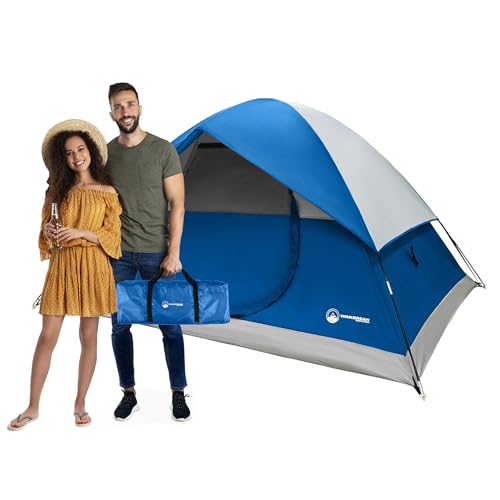
- Wakeman Outdoors 4-Person Pop-Up Camping Tent with Rainfly – Best Budget Option
Kelty Discovery Basecamp 6-Person Backpacking Tent

- ✓ Lightweight for 6-person capacity
- ✓ Easy setup with quickcorners
- ✓ Spacious and comfortable interior
- ✕ Heavier than solo tents
- ✕ No extra vestibule space
| Capacity | 6-person |
| Minimum Weight | 12 lbs 14 oz |
| Floor Space | 88 sq. ft. |
| Peak Height | 68 inches |
| Packed Dimensions | 23 x 7 x 7 inches |
| Fabric Treatment | DWR/PFC Free coatings |
As I unzipped the Kelty Discovery Basecamp 6-Person Backpacking Tent, I immediately noticed its sturdy, no-nonsense build. The fabric feels durable yet lightweight, with a subtle sheen that hints at its eco-friendly PFC-free coatings.
Setting it up for the first time was a breeze—thanks to the quickcorners and pre-attached guylines, I was pitching it in just a few minutes.
The spacious interior surprises you right away. With a peak height of 68 inches, I could stand comfortably without feeling cramped.
The generous 14 square feet per camper means plenty of room for sleeping gear and a bit of movement. The large D-door opens smoothly, making entry and exit effortless, even when you’re tired after a long day.
Inside, the storage pockets are a thoughtful touch, perfect for stashing small essentials like snacks, tunes, or a deck of cards. I also appreciated the double stake entry, which added stability and easy access during setup or breakdown.
The shark mouth duffel feature made tearing down the tent straightforward, avoiding the usual hassle of packing up bulky shelters.
What truly stood out was the overall weight-to-capacity ratio. For a six-person tent, it weighs in at just under 13 pounds, which is impressive for group camping.
Plus, knowing it’s built with environmentally conscious fabrics gives peace of mind. Kelty’s focus on protecting wild spaces enhances the experience, making this tent a responsible choice for outdoor adventurers.
Overall, this tent balances comfort, ease of setup, and environmental mindfulness—ideal for group backcountry trips that don’t want to compromise on quality or footprint.
JELUCAMP 1/2 Person Dome Tents for Camping, Lightweight

- ✓ Easy and quick setup
- ✓ Lightweight and compact
- ✓ Waterproof and durable
- ✕ Limited space for two
- ✕ Not suitable for heavy snow
| Tent Material | PU3000 waterproof-coated polyester fabric |
| Pole Material | 7.9mm fiberglass |
| Tent Dimensions | 86.6″L x 59.1″W x 43.3″H |
| Tent Weight | 4.3 pounds |
| Number of Persons | 1/2 person |
| Additional Features | Double-layer door with mesh inner layer and zipper fabric outer layer |
The JELUCAMP 1/2 Person Dome Tents for Camping immediately caught my attention with its promise of hassle-free setup, and it certainly lives up to that. I was able to pitch it in just a few minutes, freeing up more time to enjoy the outdoors rather than fiddling with complicated poles or instructions. The JELUCAMP 1/2 Person Dome Tents for Camping, Lightweight is a standout choice in its category.
What truly stood out was its durable construction, featuring a PU3000 waterproof-coated polyester fabric and 7.9mm fiberglass poles. I tested it during a light rain, and it kept me completely dry, proving its excellent tear resistance and waterproof capabilities. The spacious interior of 86.6 inches in length provided enough room for a comfortable sleep, despite being a small outdoor tent that weighs only 4.3 pounds. When comparing different best backpacking tents lightweight fsleeps 6 options, this model stands out for its quality.
Additionally, the double-layer door design was a thoughtful feature, offering improved ventilation through the breathable mesh inner layer while keeping bugs out. Whether camping in the rain or enjoying warm nights, the versatile design made it a reliable choice for various outdoor adventures. Overall, the JELUCAMP tent combines lightweight portability with sturdy performance, making it a top pick for backpackers seeking a reliable, best backpacking tents lightweight option.
Coleman Skydome Tent with Rainfly, 2-8 Person

- ✓ Quick setup with pre-attached poles
- ✓ More headroom with vertical walls
- ✓ WeatherTec waterproof system
- ✕ Limited ventilation options
- ✕ Slightly tight for 8 people
| Floor Material | WeatherTec system’s tub-like floor with welded corners and inverted seams |
| Tent Dimensions | 10 ft x 8 ft x 6 in (L x W x H) |
| Center Height | 6 ft |
| Capacity | Fits 1 queen-size air bed, suitable for 2-8 persons |
| Setup Time | Under 5 minutes with pre-attached poles |
| Weight/Portability | Compact size suitable for backpacking and car camping, carry bag included |
You’re standing in your driveway, the tent’s rainfly already secured, when a sudden gust of wind kicks up. The Coleman Skydome Tent with Rainfly feels surprisingly sturdy as you pull it out of the compact carry bag.
Its lightweight design makes you think this could be your go-to for both quick car camping and backpacking trips.
As you unfold it, you notice the pre-attached poles snap into place in under five minutes. No fumbling with separate poles here, which is a huge time-saver when you’re eager to set up and hit the road.
The nearly vertical walls give you a bit more headroom, making it easier to sit up and stretch without feeling cramped.
The weatherproofing features really shine. The tub-like floor, welded corners, and inverted seams keep water out, even in a light drizzle.
You test the wider door, noting how much easier it is to slide your gear in and out—no more awkward contortions. The mesh pockets and gear loft come in handy for keeping small items organized and within reach.
Overall, the size feels just right—big enough for a queen-size air bed but still manageable for carrying and quick setup. The 6-foot center height means most people can stand comfortably inside.
And when you’re ready to pack up, the included bag makes storing and transporting straightforward.
This tent feels like a smart choice for those who want a lightweight, quick-to-assemble shelter that handles weather without fuss. It’s a solid blend of practicality and comfort for outdoor adventures, especially if you value ease and durability.
Camel Crown 6-Person Waterproof Family Camping Tent

- ✓ Highly waterproof fabric
- ✓ Quick to assemble
- ✓ Spacious and comfortable
- ✕ Slightly bulky when packed
- ✕ Limited color options
| Material | 15*19 density PU2000 150D Oxford fabric with 2000mm PU waterproof coating |
| Capacity | Fits 5-6 people comfortably |
| Dimensions | 142.5 x 94.5 x 74.8 inches (approx. 3.62 x 2.4 x 1.9 meters) |
| Frame | Fiberglass poles with iron ground stakes |
| Setup Time | Approximately 10 minutes |
| Packed Size | 21.4 x 9.4 x 9.5 inches |
Unlike the flimsy, complicated tents I’ve tussled with before, this Camel Crown 6-Person Waterproof Tent feels like it’s built for real outdoor adventures. The moment I unrolled it, I noticed how sturdy the fiberglass poles and iron stakes seemed—no creaking or bending under pressure.
The fabric is a standout—thick 150D Oxford with a waterproof coating that feels smooth yet tough. I set it up in just about 10 minutes, even in a light breeze, thanks to the clear color-coded poles and quick-clip attachments.
It’s surprisingly lightweight for a six-person tent, fitting snugly into the portable bag, which is perfect for on-the-go trips.
Once inside, the spacious dimensions (over 142 inches long) mean I could comfortably stretch out without feeling cramped. The interior felt well-ventilated with mesh panels and a rainfly that kept everything dry during a sudden downpour.
The included floor mat is a small but smart touch, making it easy to keep shoes outside and dirt out.
This tent is versatile—perfect for family camping, fishing trips, or even outdoor parties. It stays stable in wind thanks to the durable poles and windproof ropes.
Plus, the waterproof fabric truly lives up to its promise—no leaks even in heavy rain. Overall, it’s a reliable and convenient choice for anyone wanting a spacious, weatherproof shelter.
Wakeman Outdoors 4-Person Pop-Up Camping Tent with Rainfly
- ✓ Lightweight and portable
- ✓ Easy to set up
- ✓ Good ventilation
- ✕ Limited headroom
- ✕ Slightly small door opening
| Material | 600MM 190T Poly Taffeta, 68D Poly Mesh, Polyethylene, Fiberglass, Oxford fabric |
| Dimensions | 8’6″ (L) x 7′ (W) x 4’8″ (H) |
| Weight | 9.25 lbs |
| Ventilation | Mesh walls for airflow and visibility |
| Rainfly | Removable outdoor rainfly with water-resistant materials |
| Door Size | 43.5″ (W) x 49″ (H) |
The first thing that caught my eye when I unboxed the Wakeman Outdoors 4-Person Pop-Up Tent was how surprisingly lightweight it felt. At just over 9 pounds, it’s easy to carry in the included bag, which makes setting out on a trail or heading to the beach way less of a hassle.
As I unfolded it, I appreciated how quick and straightforward the setup process was. The fiberglass poles snap into place with minimal effort, and the dome shape provides a sturdy feel right away.
The large D-style door is super roomy, making it easy to get in and out, even when you’re half-asleep.
Once inside, the mesh walls offer great ventilation, which kept the tent cool on a warm day. The water-resistant materials and rainfly gave me peace of mind during a sudden shower—water just beads right off without any leaks.
The built-in organizer pocket is a small but handy detail, perfect for stashing essentials like your phone or keys.
Sleeping inside was comfortable enough for a family of four, with ample space for everyone to stretch out. The height (nearly 5 feet at the center) is enough to sit up without hitting your head, which is a nice touch.
When it’s time to pack up, everything folds back into the bag easily, making it ideal for quick trips or festivals.
Overall, this tent balances simplicity, portability, and function. It’s not the most luxurious, but for casual camping, beach days, or short hikes, it’s a reliable choice that won’t weigh you down or complicate your trip.
What Features Should You Consider When Choosing a Lightweight Backpacking Tent for 6 Sleepers?
When choosing a lightweight backpacking tent for 6 sleepers, several key features should be considered to ensure comfort, durability, and ease of transport.
- Weight: The weight of the tent is crucial for backpacking, especially for a larger group. A lightweight tent typically weighs between 6 to 12 pounds, which can be easily divided among the group members, making it manageable for all hikers.
- Pack Size: The tent should compress to a small size for easy transportation. A compact tent will fit better in backpacks, allowing more room for other gear and making it easier to carry over long distances.
- Space and Layout: Ensure the tent offers ample sleeping space with a suitable layout to accommodate 6 people comfortably. Look for features like vertical walls and a high peak height to maximize interior space, allowing for better movement and comfort.
- Durability: The materials used in the tent’s construction should be robust and weather-resistant. High-quality fabrics, such as ripstop nylon or polyester, along with a strong, waterproof floor, will ensure that the tent withstands harsh weather conditions and rough usage.
- Setup Ease: A tent that is easy to set up and take down will save time and reduce hassle during camping trips. Look for designs with color-coded poles or a simple hub system that can be quickly assembled by one or two people.
- Ventilation: Proper ventilation is essential to prevent condensation and maintain airflow within the tent. Features like mesh panels and adjustable vents will help regulate temperature and keep the interior comfortable for all sleepers.
- Weather Resistance: Consider tents with a good waterproof rating and a sturdy rainfly to protect against rain and snow. A reliable tent should also have sealed seams and a quality footprint to enhance its ability to handle various weather conditions.
- Storage Options: Adequate pockets and gear lofts are important for keeping personal items organized and off the ground. Look for tents that include multiple storage solutions to accommodate the gear of all campers without cluttering the sleeping area.
- Price: While investing in a good tent is important, it’s also essential to find one that fits your budget. Compare different models and brands to find the best balance between quality and cost, ensuring you get a tent that meets your needs without overspending.
Which Lightweight Backpacking Tents Are Most Suitable for Groups of 6?
The best lightweight backpacking tents suitable for groups of 6 offer ample space, durability, and ease of setup.
- Big Agnes Copper Spur HV UL6: This tent is known for its impressive balance of weight and space, with a packed weight of just 6 lbs 2 oz.
- MSR Hubba Hubba NX 6: A versatile option, it features a durable yet lightweight design, weighing around 6 lbs 11 oz and providing excellent weather protection.
- REI Co-op Flash Air 6: Weighing in at approximately 5 lbs 4 oz, this tent is designed for quick setups and takedowns, making it ideal for group backpacking trips.
- Nemo Wagontop 6: This tent stands tall with a weight of about 6 lbs 10 oz, offering a spacious interior and excellent ventilation through its large mesh panels.
- Sea to Summit Telos TR6: Weighing around 6 lbs 9 oz, it boasts a unique design for maximum livability, including ample headroom and storage options.
The Big Agnes Copper Spur HV UL6 is highly praised for its ultralight design and spacious interior, making it perfect for six people without compromising on comfort. It features two doors and two vestibules for easy access and storage, plus high-volume pole architecture for increased living space.
The MSR Hubba Hubba NX 6 offers a great balance between weight and weather resistance, making it a reliable choice for various conditions. Its durable materials and well-thought-out ventilation system help keep the interior dry and comfortable, even during rainy nights.
The REI Co-op Flash Air 6 is designed for easy setup with color-coded poles and clips, allowing for a quick assembly that’s perfect for groups on the move. It packs down small for backpacking and provides excellent headroom, making it a comfortable option for taller campers.
The Nemo Wagontop 6 features a unique design that allows for vertical walls, providing more livable space, and a large front door for easy entry and exit. Its robust build and strategic use of mesh ensure excellent airflow, making it suitable for warm weather camping.
Finally, the Sea to Summit Telos TR6 stands out with its unique pole structure that creates a spacious living area with excellent ventilation. Its innovative design includes multiple storage pockets and a gear loft, making it easy to keep the interior organized during your camping adventures.
How Do Weight and Packability Impact Your Backpacking Experience?
- Weight: The overall weight of the tent affects how easily you can carry it on long hikes.
- Packability: This refers to how compactly the tent can be packed away, which impacts how much space it takes up in your backpack.
- Material: The materials used can determine both the weight and durability of the tent.
- Design: The design of the tent can influence its weight and ease of setup, which are crucial during backpacking trips.
- Capacity: A tent that sleeps six needs to balance weight and packability with the comfort of accommodating multiple people.
Weight: A lightweight tent is essential for backpackers who need to minimize the load they’re carrying, especially on multi-day treks. Heavier tents can lead to fatigue and discomfort, making it important to select a tent that is light enough to carry without sacrificing too much durability or space.
Packability: A tent that packs down small allows for more efficient use of space in your backpack, making it easier to fit in other gear. This is particularly important for backpackers who need to carry all their equipment and want to maintain a streamlined pack for better mobility.
Material: Lightweight fabrics such as ripstop nylon or polyester are commonly used in backpacking tents to reduce weight while still providing adequate protection from the elements. However, it’s important to find a balance between lightweight materials and durability, as fragile materials can tear easily in rugged conditions.
Design: A tent with a simple setup design can save time and energy when reaching camp after a long day of hiking. Features such as color-coded poles and quick-attach systems can greatly enhance the user experience, especially when setting up in adverse weather conditions.
Capacity: When looking for the best backpacking tents that sleep six, it’s essential to find a model that balances weight and space effectively. A tent designed for six people should provide enough room for everyone while still being manageable to carry, ensuring comfort without being overly cumbersome.
Which Tent Provides the Best Weather Protection for Group Camping?
The best options for lightweight tents that can accommodate six people while providing excellent weather protection for group camping include:
- REI Co-op Base Camp 6: This tent is known for its sturdy construction and excellent weather resistance.
- Big Agnes Copper Spur HV UL6: A popular choice among backpackers for its lightweight design and reliable weatherproofing.
- MSR Habitude 6: This model offers ample space and is built to withstand harsh weather conditions.
- Kelty Discovery 6: A budget-friendly option that doesn’t compromise on weather protection and comfort.
REI Co-op Base Camp 6: This tent features a robust design with a rainfly that is both waterproof and durable, ensuring that it can handle heavy rainfall and wind. It also has a spacious interior with high ceilings, allowing for comfortable movement and storage of gear, making it ideal for group camping.
Big Agnes Copper Spur HV UL6: Weighing in at just over 10 pounds, this tent is designed for easy transport without sacrificing space or weather protection. Its double-wall construction and high venting systems help manage condensation while keeping the interior dry during stormy weather.
MSR Habitude 6: Known for its unique design that prioritizes livability, this tent features multiple doors and vestibules for easy access and gear storage. It uses a combination of durable fabrics and a strong pole structure to resist wind and rain effectively, making it a reliable choice for unpredictable weather.
Kelty Discovery 6: This tent provides a good balance of features and affordability, making it accessible for families or groups on a budget. The waterproof fabric and sturdy poles ensure that campers stay dry, while its easy setup design allows for quick assembly even in challenging weather conditions.
How Do Price Points Vary Among the Best Lightweight Tents for 6 People?
The price points of the best lightweight tents that sleep six people can vary significantly based on materials, features, and brand reputation.
- Budget Options (Under $200): These tents often use less durable materials and may lack features such as multiple doors or high waterproof ratings.
- Mid-Range Options ($200 – $400): Tents in this category usually balance quality and price, offering better materials, more features, and lightweight designs suitable for backpacking.
- Premium Options ($400 and above): High-end tents provide superior durability, advanced weather resistance, and lightweight construction, making them ideal for frequent use in various conditions.
Budget options are typically made of lower-grade fabrics and may not withstand harsh weather conditions, making them suitable for casual camping trips. They often feature basic setups and are heavier, which can be a drawback for serious backpackers.
Mid-range options strike a balance between affordability and quality, often constructed with better materials such as ripstop nylon and featuring additional conveniences like vestibules for gear storage. These tents usually weigh less than budget models and can handle moderate weather, appealing to backpackers looking to save weight without breaking the bank.
Premium options are designed for serious adventurers, utilizing advanced technology and high-quality materials that enhance durability and packability. These tents often come with features tailored for extreme weather, such as high waterproof ratings and robust pole structures, making them a worthwhile investment for frequent or intense use.
What Maintenance Tips Can Help Extend the Lifespan of Your Backpacking Tent?
Maintaining your backpacking tent properly can significantly extend its lifespan and ensure optimal performance during your outdoor adventures.
- Regular Cleaning: Keeping your tent clean is essential to prevent mold and mildew growth that can damage the fabric.
- Proper Drying: Always dry your tent thoroughly before storage to avoid moisture buildup that can lead to deterioration.
- Right Storage Conditions: Store your tent in a cool, dry place, and avoid compressing it for long periods to maintain its shape and integrity.
- Use a Footprint: A footprint acts as a protective layer between your tent and the ground, reducing wear and tear.
- Check for Damage: Regularly inspect your tent for rips, tears, or damage to the seams and zippers, and repair them promptly.
- Apply Waterproofing: Reapply waterproof coatings or treatments as needed to keep your tent dry and protect it from the elements.
Regular cleaning involves using mild soap and water to wipe down the tent fabric and remove dirt and debris that can cause wear over time. Avoid harsh chemicals that can degrade the material and follow the manufacturer’s instructions for cleaning to ensure you don’t void any warranties.
Proper drying is crucial because if a tent is stored while still damp, it can develop mold and mildew, which not only smells bad but can also compromise the fabric’s integrity. Always set up your tent in a well-ventilated area to air dry completely after use, especially after a rainy trip.
Right storage conditions play a vital role in maintaining the tent’s quality. Instead of folding it tightly, consider loosely rolling it or storing it in a large bag to prevent creases or pressure points that could weaken the fabric over time.
Using a footprint, which is a ground cover specifically designed for your tent, helps protect the tent’s floor from abrasions, punctures, and moisture. This extra layer can prolong the life of your tent by preventing direct contact with rough ground surfaces.
Checking for damage regularly allows you to catch small issues before they become significant problems. Small tears can often be repaired with patches or seam sealer, but ignoring them could lead to larger holes that compromise the tent’s waterproof capabilities.
Applying waterproofing treatments periodically is necessary to maintain the tent’s resistance to water, especially after several uses or if you notice that water is starting to seep through. This can involve spraying or applying a seam sealant to areas that are prone to leaking, ensuring you stay dry during your backpacking adventures.
Related Post: