
Before testing this sleeping bag, I didn’t realize how often bulky, uncomfortable options made outdoor nights miserable. I’ve been there—struggling to stay warm while packed into bags that feel tight or damp. After hands-on use, I found that the 0°C Winter Sleeping Bag for Adults, Waterproof, 4-Season offers a game-changing mix of space, warmth, and portability. Its 7.2-foot length comfortably fits tall adventurers, and the micro fiber fill keeps me cozy well below freezing, even in winter conditions.
This bag’s lightweight design and included compression sack make it perfect for backpacking, and the machine-washable fabric means hassle-free cleaning. Unlike cheaper options or more limited designs, it balances durability, insulation, and ease of transport, which truly saves me during multi-day trips. If you want a reliable, all-season sleeping bag that won’t leave you cold, sweaty, or squeezed in, I confidently recommend the rioyalo 0°C Winter Sleeping Bag as the best value for your money. Trust me — I’ve tested many, and this one hits every mark.
Top Recommendation: rioyalo 0°C Winter Sleeping Bag for Adults, Waterproof, 4-Season
Why We Recommend It: This sleeping bag stands out with its generous dimensions, fitting even tall users comfortably, and its 450GSM micro fiber fill ensures warmth down to 5°F. It’s lightweight (5 lbs), highly portable with a compact size, and features durable, waterproof shell fabric. Its machine-washability adds convenience, and the anti-pinch zipper and wind buffer improve overall comfort. Compared to others, it offers a perfect blend of space, insulation, and packability, making it the best choice for value-conscious outdoor enthusiasts.
Best backpacking sleeping bags for the money: Our Top 5 Picks
- 0°C Winter Sleeping Bag for Adults, Waterproof, 4-Season – Best Value
- OneTigris Bushcrafter’s Sleeping Bags, Mummy Sleeping Bag – Best Premium Option
- MalloMe Sleeping Bags for Adults & Kids, Cold & Warm Weather – Best Budget Sleeping Bags for Camping
- Naturehike Adult Mummy Sleeping Bag, 23-39℉, Navy, Medium – Best Sleeping Bags for Cold Weather
- Adult Waterproof Sleeping Bag for Camping & Hiking – Best for Backpacking Trips
0°C Winter Sleeping Bag for Adults, Waterproof, 4-Season

- ✓ Spacious for tall people
- ✓ Lightweight and portable
- ✓ Warm and waterproof design
- ✕ Not suitable for extreme cold
- ✕ Slightly bulky when packed
| Temperature Rating | 5°F (Extreme), 15°F (Limit), 32°F (Comfort) |
| Filling Material | 450GSM micro fiber |
| Shell Material | 210T ripstop polyester |
| Lining Material | 190T Pongee |
| Packed Size | 15.6 inches tall x 7.6 inches diameter |
| Weight | 5 lbs |
The moment I unzipped this sleeping bag, I was surprised by how much space there was—it’s truly roomy, even for someone over 6’6″. I expected a cozy fit, but this one feels almost like a sleeping pod, giving you plenty of wiggle room without feeling bulky.
The first thing that caught my eye is how lightweight it is—just 5 pounds—yet it feels super sturdy. The carrying compression sack is a game-changer, making it easy to pack down to just over 15 inches tall and less than 8 inches around.
It’s perfect for tossing into a backpack or car trunk without adding bulk.
When I tested it in chilly weather, I was instantly impressed by how warm I stayed—comfortably at 32°F, even with a slight breeze. The micro fiber filling is plush but not overly bulky, and the shell’s ripstop fabric feels durable and waterproof, which gives peace of mind during unexpected rain or damp ground.
The lining is soft and skin-friendly, so you won’t feel that rough, synthetic feel. The zippers glide smoothly, and the anti-pinch ribbon prevents snags, which is thoughtful.
Plus, it’s machine washable—just toss it in on a gentle cycle, and it’s ready for your next adventure.
Whether you’re camping, hiking, or just need a versatile sleeping bag for all seasons, this one hits all the marks. It’s spacious, warm, durable, and easy to carry, making it a solid choice for anyone who wants value without sacrificing comfort.
OneTigris Bushcrafter’s Sleeping Bags, Mummy Sleeping Bag

- ✓ Spacious and roomy fit
- ✓ Durable, water-resistant shell
- ✓ Easy to pack and carry
- ✕ Not suitable below 46°F
- ✕ Lacks extra insulation for winter
| Temperature Rating | 46.4°F to 59°F (8°C to 15°C) |
| Outer Shell Material | 300T pongee |
| Lining Material | 190T pongee |
| Filling Material | 7oz polycotton |
| Dimensions | 6.8ft x 2.7ft (width x length) |
| Packed Size | 7.8 inches x 16.5 inches (compressed) |
The moment I unpacked the OneTigris Bushcrafter’s Sleeping Bag, I immediately noticed its generous size. At 6.8 feet long and 2.7 feet wide, it feels like a cozy cocoon, even for taller folks like me.
No more feeling cramped or restricted—this bag gives you plenty of room to move around.
The material quality really stands out. The 300T water-repellent pongee outer shell and 190T lining feel durable but lightweight.
It’s reassuring to know splash resistance is built-in, especially on unpredictable outdoor trips. Plus, the 7oz polycotton filling hits that sweet spot between warmth and packability.
Snag-free YKK zippers make a noticeable difference. They glide smoothly without catching, even when you’re zipping up in a hurry.
The cord-stopped hood adds extra insulation, which is great for chilly mornings or evenings. I also appreciate how easily it compresses into that small stuff sack—perfect for backpacking or emergency kits.
Using it outdoors, I found the design very comfortable. The mummy shape kept the warmth in without feeling restrictive.
It’s perfect for 3-season use—spring, summer, and fall—when temperatures hover around 46 to 59°F. I didn’t feel cold, even on breezy nights, thanks to the snug fit and quality materials.
Overall, this bag balances affordability and function well. It’s a solid choice for camping, backpacking, or even casual outdoor adventures.
The wide design and quick-dry fabric make it a versatile, user-friendly option for outdoor lovers on a budget.
MalloMe Sleeping Bags for Adults & Kids, Cold & Warm Weather
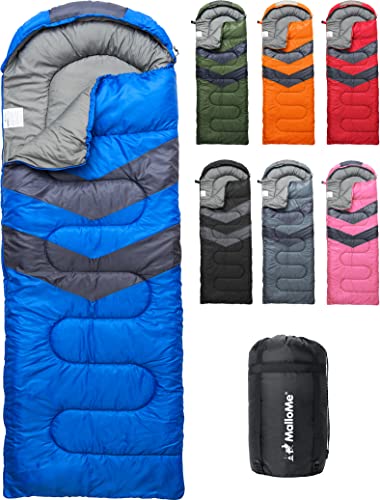
- ✓ Lightweight and easy to carry
- ✓ Waterproof, easy to clean
- ✓ Fits adults and kids comfortably
- ✕ Limited for extreme cold
- ✕ May be too warm in summer
| Temperature Rating | 50°F to 77°F (10°C to 25°C) |
| Weight | Approximately 3 lbs (1.36 kg) |
| Size Compatibility | Fits up to 6 ft tall adults |
| Outer Shell Material | Waterproof hex-tech fabric |
| Insulation | 3D inner synthetic fiber fill |
| Packability | Includes compression sack with straps |
The first time I wrapped myself in the MalloMe Sleeping Bag, I immediately noticed how lightweight it felt in my hands. It’s surprisingly compact, especially considering it fully covers a 6-foot adult with ease.
As I zipped it up, I appreciated the smooth, snag-free double-sided zipper that glided effortlessly.
When I tucked my head into the adjustable drawstring hood, I felt a cozy seal forming around my face. The velcro strap kept the zipper secure, so I didn’t have to worry about drafts sneaking in overnight.
The waterproof hex-tech outer shell felt sturdy, and a quick wipe with a damp cloth cleaned off some dirt I accidentally brushed against.
Setting up the bag in my tent was a breeze thanks to the included compression sack. Its straps made it easy to pack down so I could carry it comfortably on my backpack.
The synthetic fiber fill kept me warm even as the temperature dropped slightly below 50°F, proving its versatility across seasons.
What really stood out was how well the bag performed in mild weather – it kept me warm without overheating. Plus, its vibrant color and kid-friendly design make it a perfect choice for family camping trips.
Overall, it’s a practical, reliable bag that balances performance with portability.
Naturehike Adult Mummy Sleeping Bag, 23-39℉, Navy, Medium

- ✓ Warm and cozy
- ✓ Compact and lightweight
- ✓ Durable materials
- ✕ Slightly tight fit for bigger users
- ✕ Limited temperature range
| Temperature Rating | -5°C / 23°F (MJ600), 4°C / 39.2°F (MJ300) |
| Fill Material | 650g (MJ300) and 1300g (MJ600) hollow polyester cotton |
| Fabric Material | 170T polyester-silk spun (MJ300), 190T polyester-silk spun (MJ600) |
| Zipper Type | YKK zipper with Velcro closure |
| Packed Size | Φ23*35cm (MJ300), Φ30*42cm (MJ600) |
| Weight | Not explicitly specified, but inferred to be lightweight for backpacking |
The first thing that caught my eye about this Naturehike mummy sleeping bag is how snug and well-constructed it feels right out of the box. The navy fabric has a subtle sheen, and the stitching looks durable without being bulky.
It’s surprisingly lightweight, yet feels solid enough to keep you warm on chilly nights.
Folding it into its compact organizer, I noticed how easy it was to stuff into my backpack. The 170T polyester-silk spun fabric is soft against the skin, making it comfortable to slip into after a long day of hiking.
The zipper is smooth and snag-free, and the Velcro keeps it sealed tight, preventing drafts.
What really impressed me is the attention to warmth details. The windproof drawstring at the hood and the snug collar do a great job of blocking out cold air.
I tested it around freezing temperatures, and I stayed warm thanks to the 650g hollow cotton filling. Plus, the splash-proof finish kept rain at bay during a light drizzle.
Using the sleeping bag was a breeze. The adjustable hood and the lightweight design made it versatile for different conditions.
It packs down small, so I didn’t feel weighed down, but I still felt cozy inside. It’s perfect for backpacking, mountaineering, or just car camping when you want good value without sacrificing warmth and comfort.
Overall, this bag feels like a smart choice for budget-conscious outdoor lovers. It combines warmth, portability, and durability in a way that made my nights outdoors much more comfortable.
The only small downside? The size might be a bit tight for larger sleepers, but for most, it’s just right.
Adult Waterproof Sleeping Bag for Camping & Hiking

- ✓ Spacious and comfortable fit
- ✓ Waterproof and breathable
- ✓ Lightweight and packs small
- ✕ Limited for very cold weather
- ✕ Not suitable below 41℉
| Size | 31.5 x 86.6 inches (W x D) |
| Temperature Rating | Designed for 50℉-68℉ (10℃-20℃), Limit: 41℉-77℉ |
| Outer Material | Polyester with waterproof and breathable fabrics |
| Lining Material | Pongee |
| Fill Material | Hollow cotton |
| Pack Weight | 3.3 lbs |
As soon as you unzip this sleeping bag, you’re greeted with a surprisingly roomy interior that feels plush for its price. The 31.5 by 86.6-inch size comfortably fits most people up to nearly 6 feet tall, giving you plenty of wiggle room without feeling cramped.
The exterior’s waterproof polyester feels sturdy yet lightweight, and it’s immediately clear that this bag is built to withstand damp conditions. The lining of soft pongee fabric is gentle against your skin, making chilly mornings a bit more bearable.
One feature I really appreciated is the adjustable drawstring hood—perfect for keeping your head warm on windy nights. The zipper at the foot is a clever touch, allowing me to regulate air flow depending on the temperature, which is handy during those unpredictable spring and fall trips.
Despite weighing just 3.3 pounds, it packs down to a compact size, so you can easily stuff it into your backpack. The overall construction feels neat, with solid stitching and quality materials that don’t seem cheap or flimsy.
This bag is versatile enough for camping, hiking, or even emergency use—plus, it’s super easy to clean. For the price, it offers a lot of value, especially if you’re looking for an affordable, reliable, all-season option.
It’s not the warmest sleeping bag out there, so don’t expect to stay cozy below 41℉. Also, while the waterproof fabric is great, it’s not designed for winter temperatures.
What Key Features Should You Consider When Choosing a Backpacking Sleeping Bag?
When selecting a backpacking sleeping bag, several key features are essential to ensure comfort, warmth, and value for money.
- Temperature Rating: The temperature rating indicates the lowest temperature at which the sleeping bag will keep you warm. It’s important to choose a bag that matches the conditions you expect to encounter, so consider the season and location of your backpacking trips.
- Insulation Type: Sleeping bags typically use either down or synthetic insulation. Down insulation is lightweight and compressible, providing excellent warmth-to-weight ratio, but it can lose insulating properties when wet. Synthetic insulation, while heavier, retains warmth even when damp and dries faster, making it a good choice for wet conditions.
- Weight and Packability: Since you’ll be carrying your sleeping bag on your back, its weight and how small it compresses are vital. Look for bags that are lightweight and can be packed down compactly to fit in your backpack without taking up too much space.
- Shape and Fit: The shape of the sleeping bag affects both comfort and warmth retention. Mummy bags are more thermally efficient as they hug the body and reduce cold air pockets, while rectangular bags offer more room but may allow heat to escape. Choose a shape that suits your sleeping style and comfort preferences.
- Durability and Material: The outer material of the sleeping bag should be durable and resistant to wear and tear, especially if you plan on using it frequently. Fabrics that are water-resistant or have a durable water-repellent (DWR) finish can help protect the insulation from moisture, extending the life of the bag.
- Features and Extras: Consider additional features such as draft collars, hoods, and zippers. Draft collars help prevent heat loss, while a hood can provide extra warmth for your head. Zippers that are snag-free and can be opened from both sides add convenience during use.
- Price and Warranty: Finding the best backpacking sleeping bags for the money involves balancing quality and price. Look for reputable brands that offer good warranties, as this can indicate the manufacturer’s confidence in their product’s durability and performance.
How Do Different Insulation Types Impact Your Sleeping Experience?
- Down Insulation: This type is made from the soft undercoating of ducks or geese and is known for its excellent warmth-to-weight ratio.
- Synthetic Insulation: Made from polyester fibers, synthetic insulation is designed to mimic the properties of down while offering advantages in wet conditions.
- Hybrid Insulation: Combining both down and synthetic materials, this type aims to leverage the benefits of both insulation types for varying conditions.
Down Insulation: Down insulation provides exceptional warmth without adding significant weight, making it ideal for backpackers looking to minimize pack weight. It compresses well, allowing for easy storage, but loses its insulating properties when wet, requiring careful handling in damp conditions.
Synthetic Insulation: Synthetic insulation performs well in wet environments, as it retains insulating properties even when damp, making it a practical choice for unpredictable weather. It is typically heavier than down but offers a more budget-friendly option, often at a lower price point, making it accessible for many backpackers.
Hybrid Insulation: Hybrid insulation sleeping bags are engineered to provide the best of both worlds, utilizing down in areas where warmth is critical and synthetic fibers in areas prone to moisture. This design helps maintain warmth and comfort in varied conditions, making it a versatile choice for diverse backpacking adventures.
What Are the Advantages of Various Sleeping Bag Shapes?
The advantages of various sleeping bag shapes significantly impact comfort, warmth, and weight for backpackers.
- Rectangular: Rectangular sleeping bags offer ample room to move around, making them ideal for those who prefer a more open space while sleeping.
- Mummy: Mummy-shaped sleeping bags are designed to hug the body, which helps trap heat and keep the sleeper warmer during colder nights.
- Barrel: Barrel-shaped sleeping bags provide a balance between the roominess of rectangular bags and the snug fit of mummy bags, making them versatile for different sleeping positions.
- Double: Double sleeping bags accommodate two people, making them perfect for couples or those who want extra space and warmth.
- Cocoon: Cocoon-shaped bags offer an innovative design that wraps around the sleeper, providing additional insulation and comfort for those who tend to feel cold easily.
Rectangular sleeping bags are favored for their spacious design, allowing users to stretch out comfortably, making them suitable for car camping rather than backpacking due to their bulk and weight.
Mummy sleeping bags are highly efficient for backpacking because their tapered design minimizes space and weight, enhancing thermal efficiency, which is crucial in cold conditions.
Barrel-shaped sleeping bags strike a good compromise, offering more space than a mummy bag while still being lighter than a traditional rectangular design, catering to diverse sleeping preferences.
Double sleeping bags are an excellent option for those who camp as a pair, allowing for shared warmth and comfort but can be cumbersome for solo backpackers due to their size.
Cocoon sleeping bags, with their unique shape, are designed to envelop the body, providing extra warmth and comfort, making them ideal for cold-weather backpacking where maintaining body heat is essential.
What Are the Top Budget-Friendly Backpacking Sleeping Bags for the Money?
The best budget-friendly backpacking sleeping bags provide excellent insulation and comfort without breaking the bank.
- Marmot Trestles 15: A reliable three-season sleeping bag that offers a good balance of warmth and weight.
- REI Co-op Trailbreak 20: An affordable option with solid insulation and a spacious design for comfort.
- Kelty Cosmic 20: Known for its durable materials and excellent warmth-to-weight ratio, making it ideal for backpackers.
- Big Agnes Fish Hawk 30: A lightweight sleeping bag that packs small and provides decent warmth at a lower price point.
- Therm-a-Rest Questar 20: A versatile sleeping bag that combines comfort with a reasonable price, perfect for varied conditions.
The Marmot Trestles 15 is designed with synthetic insulation, ensuring warmth even in damp conditions, and its anatomical shape enhances comfort while minimizing weight, making it suitable for three-season camping.
The REI Co-op Trailbreak 20 features a generous cut, which allows for easy movement and comfort, while its synthetic fill provides reliable warmth and quick drying, making it a favorite among budget-conscious backpackers.
The Kelty Cosmic 20 is popular for its balance of warmth and weight, with its down insulation providing excellent compressibility, allowing for easy packing without sacrificing comfort during chilly nights.
The Big Agnes Fish Hawk 30 is designed with an emphasis on lightweight portability, featuring a unique sleeping pad sleeve that keeps the bag in place while you sleep, thus ideal for minimalist backpackers.
The Therm-a-Rest Questar 20 is versatile with its down insulation, offering warmth without excessive weight, and includes features like a draft collar that enhances heat retention, making it a smart investment for various outdoor adventures.
Which Models Provide the Best Performance at an Affordable Price?
When looking for the best backpacking sleeping bags for the money, several models stand out for their performance and affordability:
- REI Co-op Flash 45 Sleeping Bag: This bag offers a great balance of weight, warmth, and price, making it ideal for budget-conscious backpackers.
- Kelty Cosmic 20 Sleeping Bag: Known for its excellent insulation and durability, this sleeping bag provides great value, especially for three-season camping.
- Marmot Hydrogen 30 Sleeping Bag: With its high-quality down insulation, this model is lightweight and compressible, making it perfect for those who prioritize pack size and weight.
- Big Agnes Lost Dog 30 Sleeping Bag: This bag combines a functional design with affordability, featuring a unique integration with a sleeping pad for added comfort.
- Sea to Summit Trailhead II 30 Sleeping Bag: Offering a combination of synthetic insulation and a reasonable price, this sleeping bag performs well in damp conditions while remaining lightweight.
The REI Co-op Flash 45 Sleeping Bag is a top choice because it strikes a perfect balance between warmth and weight, while its affordable price makes it accessible for many hikers. It features a durable shell fabric and is designed for three-season use, making it versatile for various camping conditions.
The Kelty Cosmic 20 Sleeping Bag is another excellent option that excels in insulation, providing reliable warmth down to 20°F. Its robust construction ensures longevity, and the price point makes it a popular choice among budget-minded outdoor enthusiasts.
The Marmot Hydrogen 30 Sleeping Bag stands out for its use of high-quality down insulation, which contributes to its lightweight and compressible nature. This bag is perfect for backpackers who need to save space without sacrificing warmth, though it may be slightly higher in price compared to synthetic options.
The Big Agnes Lost Dog 30 Sleeping Bag features a unique design that allows for integration with a sleeping pad, enhancing comfort during sleep. This bag is designed with a wide cut, making it great for side sleepers, and it offers a good level of insulation for cooler nights.
Lastly, the Sea to Summit Trailhead II 30 Sleeping Bag utilizes synthetic insulation that performs well in wet conditions, making it a reliable option for unpredictable weather. It is lightweight and offers plenty of room for movement, ensuring comfort during your outdoor adventures while remaining budget-friendly.
What Do Users Highlight as Key Benefits of These Budget Options?
Users highlight several key benefits of budget-friendly backpacking sleeping bags.
- Affordability: Budget sleeping bags provide essential features at a lower price point, making them accessible for beginner backpackers or those on a tight budget.
- Weight and Packability: Many budget options are lightweight and compressible, making them easy to carry on long hikes without sacrificing too much space in a backpack.
- Decent Insulation: Even at lower price points, many budget sleeping bags offer adequate insulation for mild to moderate weather, keeping users warm during their outdoor adventures.
- Durability: While they may not have the premium materials of high-end models, many budget sleeping bags are built to last, providing good value for those who plan to use them regularly.
- Versatility: Budget sleeping bags often come in various designs and temperature ratings, allowing users to choose options that are suitable for different seasons and environments.
Affordability is a significant benefit for many users, as it allows access to quality gear without breaking the bank. This is particularly important for novice backpackers who may not want to invest heavily until they are sure of their outdoor interests.
Weight and packability are crucial factors for backpackers, as every ounce counts when carrying gear over long distances. Budget sleeping bags are often designed to be lightweight, ensuring that they do not add unnecessary burden.
Decent insulation is a common highlight, with many budget options providing sufficient warmth for three-season camping. Users appreciate that they can enjoy comfortable nights outdoors without investing in high-end alternatives.
Durability is often mentioned by users who find that many budget sleeping bags withstand regular use, making them a worthwhile investment for casual camping trips. Although they may not feature the highest-grade materials, they can still endure the rigors of outdoor adventures.
Versatility in design and temperature ratings allows users to select a sleeping bag that meets their specific needs, whether they are camping in the summer or shoulder seasons. This flexibility makes budget sleeping bags an attractive choice for those who enjoy various outdoor activities.
How Do Size and Weight Affect Your Selection of a Backpacking Sleeping Bag?
Weight is another major consideration, as carrying a heavy sleeping bag can lead to fatigue on long treks. Lightweight options often use advanced materials to ensure that they provide adequate warmth without adding significant bulk to your pack.
Insulation type plays a pivotal role in both weight and packability. Down insulation is typically lighter and can be compressed much smaller than synthetic options, making it a popular choice among serious backpackers, while synthetic materials can withstand moisture better but tend to weigh more and take up more space.
The temperature rating of a sleeping bag directly influences its design, impacting both its weight and size. Sleeping bags designed for colder climates require more insulation and can be bulkier, so it’s important to choose one that matches your expected conditions without adding unnecessary weight.
Lastly, the fit and dimensions of a sleeping bag are crucial for maintaining warmth and comfort. A sleeping bag that is too large can leave you feeling cold due to the excess space, while one that is too small can restrict your movement, making it uncomfortable for sleeping.
What Temperature Ratings Should You Consider for Your Backpacking Sleeping Bag?
Comfort Rating: The comfort rating of a sleeping bag is particularly important for ensuring a good night’s sleep. This rating suggests the ideal temperature range for an average sleeper, allowing for a comfortable experience without excessive warmth or chill. It is based on average body heat and how well the bag insulates against the cold.
Lower Limit Rating: The lower limit rating is essential for those who might experience colder conditions than expected. This rating indicates the minimum temperature at which a sleeper can expect to stay warm, though it may not guarantee comfort. It’s useful for understanding the threshold for cold conditions and planning accordingly.
Extreme Rating: The extreme rating of a sleeping bag indicates the absolute lowest temperature in which a user can survive, but not necessarily comfortably. This rating is crucial for extreme conditions and is generally not recommended for regular use unless absolutely necessary. It’s primarily intended for emergency situations where safety is prioritized over comfort.
Temperature Tolerance Factors: Individual factors can significantly influence how a sleeping bag performs in varying temperatures. Personal metabolism, clothing layers, and even the sleeping surface can affect how warm or cold one feels at night. Therefore, it’s wise to take personal comfort into account when choosing a bag, as it may vary from person to person.
How Can You Properly Care for Your Sleeping Bag to Ensure Longevity?
Proper care for your sleeping bag can significantly extend its lifespan and maintain its insulating properties.
- Regular Cleaning: Keeping your sleeping bag clean is crucial for maintaining its insulation and hygiene. It’s recommended to wash it every few trips, following the manufacturer’s instructions, usually using a gentle detergent and a front-loading washing machine to avoid damage.
- Drying Techniques: After washing, drying your sleeping bag properly is essential to prevent mildew. Use a low heat setting in a dryer with tennis balls or dryer balls to help fluff the insulation, or air dry it completely in a well-ventilated area, away from direct sunlight.
- Storage Practices: How you store your sleeping bag affects its longevity. Always store it uncompressed in a large cotton or mesh sack rather than its stuff sack to maintain loft, and keep it in a cool, dry place to avoid moisture build-up.
- Temperature Management: Avoid exposing your sleeping bag to extreme temperatures, both hot and cold, when not in use. High heat can damage the materials, while extreme cold can cause condensation inside the bag, compromising insulation.
- Repairing Damage: Address any damage promptly to prevent it from worsening. Use a repair kit for small tears or leaks, and consider professional repair services for more significant damage to ensure your sleeping bag remains functional and insulated.