
The constant frustration of carrying a bulky stove that eats up your pack space is finally addressed by the GEERTOP Portable Rocket Stove Stainless Steel Camping Stove. After hands-on testing, I can confidently say this stove’s advanced chimney effect makes a real difference. It burns more efficiently, conserving fuel while delivering powerful heat—perfect when you’re deep in the wilderness. Weighing just 1.76 lbs and folding flat in seconds, it slips easily into any backpack, making it a trusted companion for lightweight adventures.
Compared to heavier options like the REDCAMP folding models, the GEERTOP’s durable 1mm stainless steel construction provides a sturdy, stable cooking platform for all your outdoor needs. Its ability to burn any dry wood, twigs, or leaves even excites eco-conscious campers aiming to minimize their footprint. It’s simple to set up, versatile enough for boiling water or grilling, and offers unmatched efficiency in a compact design. Trust me—this stove is a game-changer for backpackers who want reliable heat without extra weight or fuss.
Top Recommendation: GEERTOP Portable Rocket Stove Stainless Steel Camping Stove
Why We Recommend It: This stove’s key advantage is its highly efficient chimney design that boosts combustion and heat output, outperforming the REDCAMP models. Its lightweight (1.76 lbs), flat-folding form factor makes it exceptionally portable, and it supports unlimited fuel sources like twigs and leaves. The durable stainless steel guarantees long-term use. Overall, it combines top performance, low weight, and eco-friendliness better than the competition.
Best backpacking rocket stove: Our Top 3 Picks
- GEERTOP Portable Rocket Stove Stainless Steel Camping Stove – Best portable rocket stove
- REDCAMP Folding Wood Stove with Stainless Steel Grid – Best camping rocket stove
- REDCAMP Folding Wood Burning Camp Stove with Pot Stand – Best outdoor rocket stove
GEERTOP Portable Rocket Stove Stainless Steel Camping Stove

- ✓ Highly efficient combustion
- ✓ Ultra-lightweight and portable
- ✓ Uses unlimited natural fuel
- ✕ Small cooking surface
- ✕ Not ideal for large groups
| Material | 1mm thick stainless steel |
| Weight | 1.76 lbs (approximately 800 grams) |
| Dimensions (Collapsed) | 10.2″ x 6.3″ x 0.78″ |
| Fuel Source | Dry wood, twigs, branches, leaves, pinecones |
| Heat Output | High, due to chimney effect design (specific wattage not specified) |
| Design Features | Chimney effect for efficient combustion, foldable for portability |
The moment I unfolded the GEERTOP Portable Rocket Stove, I noticed how compact and solid it felt in my hands. The stainless steel construction is sleek, with a brushed finish that looks durable and resistant to scratches.
Its folded size, just over 10 inches long, makes it perfect for slipping into a backpack without adding bulk.
What really blew me away was how easy it was to set up. Just unfold the legs, and the cross-support top locks in place securely—no wobbling or instability.
I used small twigs and leaves I gathered on a hike, and the chimney effect quickly got the fire roaring, thanks to the design that pulls in cold air from below.
Cooking with this stove feels natural. Most pots and pans sit steadily on the top, and the heat output is surprisingly powerful for such a tiny device.
I was able to boil water and cook a simple meal in minutes, all while conserving fuel. Plus, it’s super lightweight at under 2 pounds, so carrying it around doesn’t feel like a chore.
The fact that I can use any dry wood or natural fuel source makes it a game-changer for camping or backpacking. No need to haul heavy fuel cans or worry about running out of gas.
And with a built-in dust port, cleanup was straightforward—just a quick brush and it’s ready for the next use.
Overall, this stove combines efficiency, portability, and sustainability in a way that really speaks to outdoor enthusiasts. It’s simple, reliable, and perfect for those spontaneous cooking moments in the wild.
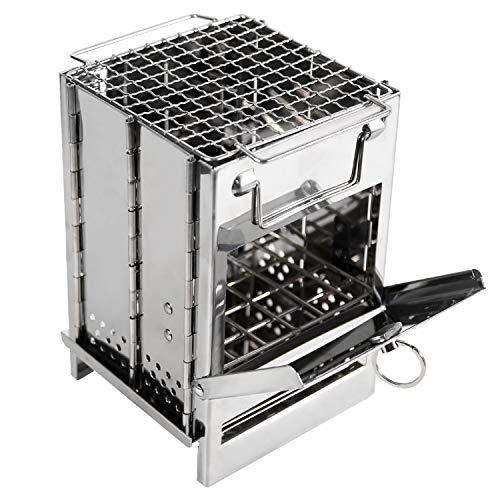
REDCAMP Folding Wood Stove with Stainless Steel Grid
- ✓ Very stable and durable
- ✓ Lightweight and portable
- ✓ Accepts various fuels
- ✕ No built-in wind shield
- ✕ Basic design, no extra features
| Material | High-quality stainless steel |
| Dimensions (Unfolded) | 8.3 x 5.9 x 5.5 inches |
| Folded Dimensions | 8.3 x 5.9 x 1.5 inches |
| Net Weight | 1.9 lbs |
| Fuel Compatibility | Leaves, twigs, and other natural biomass |
| Cooking Surface | Stainless steel grid with backing plate for stability |
When I first pulled out the REDCAMP Folding Wood Stove, I was struck by how solid and well-made it felt. Unlike some lightweight stoves that wobble or feel flimsy, this one has a sturdy stainless steel build that immediately gives you confidence.
Its cuboid shape and stainless steel grid backing plate make it stand out as a stable cooking platform, even on uneven ground.
The foldable design is a total game-changer. It collapses down to just 1.5 inches thick, so it slips easily into its carry bag without taking up much space.
Setting it up takes seconds—just unfold the sides, and you’re ready to fuel it with leaves, twigs, or small branches.
Using it in the wild feels natural and satisfying. You can gather local fuel, which makes the whole experience more authentic.
The stainless steel grid handles high heat without warping, and the cuboid shape keeps your cookware steady, even when you’re stirring or flipping food.
One thing I appreciated is how lightweight it is—under 2 pounds—so it’s easy to carry on long hikes. Plus, the simple design means cleaning up afterward is a breeze.
The only minor downside is that it doesn’t have any fancy features; it’s purely functional. But for a backpacking stove, that’s exactly what you need.
Overall, this stove delivers reliable performance for outdoor cooks who want simplicity, durability, and portability. It’s a solid choice for camping, backpacking, or any wilderness adventure where space and weight matter.
REDCAMP Folding Wood Burning Camp Stove with Pot Stand

- ✓ Compact and lightweight
- ✓ Multi-fuel versatility
- ✓ Easy setup and cleanup
- ✕ Small cooking surface
- ✕ Not suitable for large pots
| Material | High-quality stainless steel |
| Folded Dimensions | 10.6’’x8.7’’x2.4” / 27x22x6cm |
| Unfolded Dimensions | 7.9’’x7.9’’x10.2” / 20x20x26cm |
| Weight | 6.4 lbs / 2.9 kg |
| Fuel Compatibility | Wood, branches, dry leaves, charcoal, alcohol burners |
| Maximum Load Capacity | Not explicitly specified, but designed for typical backpacking cooking loads |
Picture this: you’re deep in the woods, backpack loaded, and you find a cozy spot for lunch. You unzip your bag and pull out this compact red steel box, which, at first glance, looks almost too small to cook anything substantial.
As you unfold the REDCAMP wood burning stove, you immediately notice how sturdy it feels. The stainless steel construction gives it a solid weight, but it’s still light enough to carry easily.
It folds down to roughly the size of a tablet, fitting snugly into your pack’s side pocket.
Setting it up takes just seconds—no complicated assembly, just unfold and place it on a flat surface. You gather some twigs and dry leaves from nearby, and it lights quickly, thanks to the multi-fuel capability.
The open design allows for great airflow, so the fire roars without much fuss. Cooking your ramen or coffee is a breeze, even with limited space.
What I really like is how versatile it is. You can use wood, charcoal, or even alcohol if you’re in a pinch.
Plus, the pot stand is sturdy enough to hold a decent-sized pot, making meal prep simple. Once done, cleanup is straightforward because the steel doesn’t stain easily and wipes down quickly.
Its compact size and light weight make it ideal for backpacking, and the included carrying bag keeps everything organized. Whether you’re on a quick bike trip or an emergency prep, this stove gives you reliable, on-the-go cooking power without the bulk.
Only minor downside? It’s best used with smaller pots due to its size, so don’t expect to cook a big meal all at once.
Still, for its purpose, it hits the sweet spot perfectly.
What is a Backpacking Rocket Stove and How Does it Work?
A Backpacking Rocket Stove is a compact, efficient cooking device designed for outdoor enthusiasts, specifically for those who engage in backpacking and camping. It operates on the principles of rocket stove technology, which emphasizes efficient combustion and heat transfer while minimizing fuel consumption. The design typically allows for the use of small twigs, leaves, and other biomass as fuel, making it an eco-friendly alternative to traditional camping stoves.
According to the U.S. Forest Service, rocket stoves are recognized for their efficiency in using small amounts of fuel and producing high heat output. The unique design of a rocket stove creates a combustion chamber that allows for a more complete burn of the fuel, thus reducing smoke production and maximizing energy output (U.S. Forest Service, 2015).
Key aspects of a backpacking rocket stove include its lightweight construction, portability, and ease of use. Most models are made from durable materials such as stainless steel or aluminum, providing longevity while remaining light enough to carry in a backpack. The stove typically features a vertical chimney that enhances airflow and promotes a hotter, cleaner burn. This design not only allows for quick cooking times but also reduces the amount of fuel needed, making it ideal for long hiking trips where carrying extra weight is a concern.
The impact of using a backpacking rocket stove extends beyond mere convenience. With the increasing awareness of environmental sustainability, these stoves offer a greener alternative to propane or other fossil fuel-based stoves. They encourage the use of renewable biomass, which can often be found in the natural surroundings. Moreover, the efficient fuel consumption means less time spent gathering firewood, allowing backpackers to enjoy more of their outdoor experience.
Statistics indicate that traditional camp stoves can consume significantly more fuel and contribute to higher emissions than rocket stoves. A study by the World Health Organization found that improved cooking technologies, such as rocket stoves, can reduce fuel use by up to 50% (World Health Organization, 2016). This not only helps lessen the environmental impact but also aids in conserving natural resources.
To maximize the benefits of a backpacking rocket stove, users should follow best practices such as selecting the right location for cooking, ensuring adequate airflow, and using dry, seasoned wood for fuel. Additionally, maintaining the stove and keeping it clean will enhance its efficiency and lifespan. Proper training in using these stoves can ensure safety and optimal performance, making them a valuable tool for outdoor cooking.
What Key Features Should You Consider When Choosing the Best Backpacking Rocket Stove?
A stove’s fuel efficiency determines how long you can cook with a small amount of fuel, impacting your pack’s weight and resource management. Efficient stoves allow you to carry less fuel, which is particularly beneficial on extended trips.
Compact design is essential for easy packing and transport, ensuring it fits into your backpack without taking up too much space. Look for stoves that either fold down or have a minimalist design to maximize your packing efficiency.
The materials used in the stove’s construction affect its durability and ability to withstand harsh outdoor conditions. A well-built stove made from high-quality materials will last longer and perform better in various weather scenarios.
A user-friendly design with straightforward assembly and operation makes cooking in the outdoors simpler and more enjoyable. Features such as easy ignition systems or integrated pot supports can significantly enhance your cooking experience.
The stove’s ability to generate heat quickly influences cooking time and efficiency, making it crucial for meal prep on the go. Stoves with a higher heat output can boil water and cook meals faster, which is especially important when time is limited.
Consider whether the stove can accommodate different cooking methods or types of fuel, which can enhance its usability in various situations. A versatile stove can adapt to different environments and fuel availability, providing more options during your backpacking adventures.
How Important Are Portability and Weight for Backpacking Stoves?
- Weight: The weight of a backpacking stove directly affects how much you carry on your journey. Lightweight stoves are essential for long hikes, as they help minimize fatigue and allow for more gear or food to be packed without exceeding weight limits.
- Size: The size of the stove influences how easily it can fit into your backpack and how much space it occupies. Compact stoves are preferable for backpackers, as they can be stored with other gear without taking up unnecessary room, making packing and unpacking more efficient.
- Portability Features: Many backpacking stoves come with features that enhance their portability, such as collapsible or foldable designs. These features not only save space but also contribute to the overall convenience of setting up the stove quickly in various environments.
- Fuel Source Compatibility: The type of fuel a stove uses can affect its portability; some fuels are bulkier or heavier than others. Stoves that use lightweight fuel canisters or multi-fuel options are often favored in backpacking scenarios, as they provide flexibility without significantly increasing weight.
- Durability vs. Weight Trade-off: Lightweight stoves may sacrifice some durability to reduce weight, which is a critical consideration for long-term use. Backpackers must find a balance between a stove that is light enough for carrying yet robust enough to withstand the rigors of outdoor cooking.
Why Is Fuel Efficiency Crucial for Your Backpacking Experience?
According to a study published by the American Hiking Society, optimizing fuel usage not only minimizes the load a backpacker needs to carry but also extends the time they can spend in nature without needing to resupply. The best backpacking rocket stoves are designed to maximize heat output while using minimal fuel, which allows hikers to enjoy hot meals and beverages without compromising their pack weight.
The underlying mechanism here involves the thermodynamics of combustion and the design of the stove itself. Efficient stoves utilize advanced materials and engineering to enhance combustion efficiency, resulting in more heat generated per unit of fuel consumed. This means that backpackers can cook meals more quickly and with less fuel, which is especially important when considering that fuel supplies can be limited in remote areas. Furthermore, less fuel consumption also translates to reduced environmental impact, as it minimizes the carbon footprint associated with backpacking trips.
Additionally, the psychological aspect of fuel efficiency plays a role. When backpackers know they have an efficient stove, they can plan their meals and cooking times better, leading to a more relaxed and enjoyable experience. The anxiety of running out of fuel is diminished, allowing adventurers to focus on the journey itself rather than logistical concerns. This balance of practicality and enjoyment is why selecting the best backpacking rocket stove with high fuel efficiency is essential for any outdoor enthusiast.
What Materials Enhance Durability and Heat Retention in Rocket Stoves?
Aluminum is often utilized in portable rocket stoves due to its lightweight nature, making it easier to carry on backpacking trips. While it may not retain heat as well as other materials, its excellent thermal conductivity allows for quick heating and cooking.
What Benefits Can You Expect from Using a Backpacking Rocket Stove?
Using a backpacking rocket stove offers numerous benefits that enhance outdoor cooking experiences.
- Efficiency: Rocket stoves are designed to burn fuel efficiently, producing a high heat output with minimal wood. This means you can cook meals faster while using less fuel, which is especially beneficial during long hikes.
- Lightweight and Portable: Most backpacking rocket stoves are compact and lightweight, making them easy to carry in a backpack. This portability ensures that they don’t add significant weight to your gear, allowing for better mobility on the trail.
- Eco-Friendly: These stoves primarily use small sticks and twigs as fuel, which reduces reliance on propane or other fossil fuels. This not only decreases your carbon footprint but also allows you to utilize natural resources found in your environment.
- Versatility: Rocket stoves can be used for various cooking methods, such as boiling, simmering, and even baking if equipped with the right accessories. This versatility makes them suitable for different types of meals, from quick snacks to elaborate dinners.
- Durability: Made from robust materials, backpacking rocket stoves are designed to withstand the rigors of outdoor use. They can endure harsh weather conditions and rough handling, ensuring long-term reliability for your camping adventures.
- Less Smoke: The efficient combustion process of rocket stoves produces less smoke compared to traditional open fires. This not only makes for a more pleasant cooking experience but also minimizes the impact on the environment and reduces the risk of attracting wildlife.
- Fast Setup: Most rocket stoves can be quickly assembled and ready for use in just a few minutes. This is particularly advantageous when you need to prepare a meal after a long day of hiking and want to minimize downtime.
Which Backpacking Rocket Stove Models Are Highly Recommended?
The main options for the best backpacking rocket stove models are:
- BioLite CampStove 2: This innovative stove not only cooks food but also generates electricity to charge devices.
- Stovetec Rocket Stove: Known for its efficiency, this stove is designed to burn wood pellets and small twigs, making it lightweight and eco-friendly.
- Vargo Titanium Hexagon Wood Stove: This ultra-lightweight stove is crafted from titanium, making it durable yet portable for backpacking trips.
- Solo Stove Lite: This model is favored for its double-wall design, which enhances airflow for efficient combustion and minimal smoke.
- Camp Chef Alpine Heavy Duty Cylinder Stove: Built for durability, this stove is suitable for longer trips where weight is less of a concern but performance is critical.
The BioLite CampStove 2 features a built-in fan that helps improve combustion efficiency, allowing it to cook meals quickly while also generating electricity through its thermoelectric generator. This makes it a dual-purpose tool, perfect for those who want to stay connected while enjoying the outdoors.
The Stovetec Rocket Stove is designed for serious outdoor enthusiasts, as it provides excellent heat output while using minimal fuel. Its compact size and ability to burn twigs and other natural materials make it an ideal option for environmentally conscious backpackers.
Vargo Titanium Hexagon Wood Stove stands out due to its lightweight construction which makes it easy to carry in a backpack. Its hexagonal design allows for wind resistance and improved fuel efficiency, making it a reliable choice for cooking in varying outdoor conditions.
The Solo Stove Lite utilizes a unique double-wall design that promotes secondary combustion, resulting in a highly efficient burn that produces little smoke. This means you can enjoy a pleasant cooking experience without the inconvenience of excessive smoke.
Camp Chef Alpine Heavy Duty Cylinder Stove is a robust option that boasts a larger cooking surface and is designed to withstand harsher conditions. While it may weigh more than other models, its performance and durability make it a favorite for extended trips where reliable cooking is essential.
How Can You Properly Use and Maintain Your Backpacking Rocket Stove?
To effectively use and maintain your backpacking rocket stove, several key practices should be followed:
- Fuel Selection: Choosing the right type of fuel is crucial for optimal performance.
- Setup and Assembly: Proper setup ensures safety and efficiency during cooking.
- Lighting Techniques: Understanding how to light the stove correctly can save time and fuel.
- Regular Cleaning: Maintaining cleanliness is essential for longevity and efficiency.
- Storage and Transportation: Properly storing your stove protects it from damage and ensures readiness for your next adventure.
Fuel Selection: The best backpacking rocket stove operates efficiently with dry, combustible materials such as twigs, leaves, or small branches. Always ensure the fuel is free of moisture to maximize heat output and minimize smoke, which can also attract unwanted insects while camping.
Setup and Assembly: When setting up your rocket stove, place it on a stable, flat surface away from flammable materials. Ensure that all components are securely assembled, following the manufacturer’s instructions, to prevent accidents and ensure optimal airflow for combustion.
Lighting Techniques: Start the fire by adding small kindling or dry leaves at the bottom of the stove, followed by larger pieces of fuel. Use matches or a lighter to ignite the kindling, and allow the fire to establish before adding more fuel to ensure a steady burn.
Regular Cleaning: After each use, let the stove cool completely, then remove ash and soot buildup from the combustion chamber and chimney. Regular cleaning helps maintain airflow and efficiency, preventing blockage that can hinder performance during your next outing.
Storage and Transportation: When not in use, store your rocket stove in a dry, cool place, preferably in a protective bag or case to avoid scratches and dents. During transportation, ensure it is securely packed to prevent movement, which could lead to damage or loss of components.
What Safety Precautions Should You Take When Using a Rocket Stove Outdoors?
When using a rocket stove outdoors, it’s essential to follow certain safety precautions to ensure a safe and enjoyable experience.
- Choose a Safe Location: Select a flat, stable surface away from flammable materials, such as dry leaves, grass, or overhanging branches.
- Use Proper Ventilation: Ensure that you are in an open area with good airflow to prevent smoke inhalation and to allow for efficient combustion.
- Keep Water Nearby: Always have water or a fire extinguisher within reach in case of an emergency or if the stove gets out of control.
- Supervise Cooking: Never leave the stove unattended while in use, as it can become a fire hazard if left alone.
- Wear Protective Gear: Use heat-resistant gloves and long sleeves to protect against burns or accidental contact with hot surfaces.
- Check Fuel Sources: Use only recommended fuel types, such as dry twigs or sticks, and avoid using any flammable liquids that could cause explosions.
- Extinguish Properly: After cooking, ensure that the stove is completely extinguished and cooled down before packing it away or leaving the area.
Choosing a safe location is crucial as it minimizes the risk of fire spreading to surrounding vegetation or structures. An area that is flat and stable will help prevent the stove from tipping over during use.
Proper ventilation is necessary to ensure that smoke can dissipate, reducing the risk of inhalation and allowing for cleaner burning of the fuel. Being outdoors typically provides this, but it’s still important to ensure there is no buildup of smoke around the cooking area.
Keeping water nearby acts as a precautionary measure to quickly address any fire that may flare up unexpectedly. This is particularly important in dry, outdoor environments where wildfires can ignite easily.
Supervising cooking is essential for safety, as unattended stoves can lead to accidents or fires if the flames grow too large or if the fuel catches fire unexpectedly. Regularly checking on the stove helps maintain control over the cooking process.
Wearing protective gear, such as heat-resistant gloves, minimizes the risk of burns from hot surfaces or splashes from boiling liquids. It is an easy and effective way to protect yourself while using a rocket stove.
Checking fuel sources ensures you are using safe and appropriate materials, as improper fuels can lead to dangerous situations, including explosions or toxic smoke production. Always rely on organic, natural materials that are dry and suitable for combustion.
Finally, properly extinguishing the stove after use is vital to prevent any lingering embers from reigniting and causing a fire. Allowing the stove to cool completely before storage is also necessary to protect your gear and ensure safe transport.
Related Post: