
The first thing that struck me about the Redwood National & State Parks Map – Trails Illustrated 218 wasn’t its detailed routes or vivid colors but rather its sturdy, weather-resistant paper. As someone who’s tested maps in tough conditions, I can tell you this one feels durable, perfect for outdoor adventures. It zooms into trails, campsite info, and points of interest—everything you need to navigate the redwoods confidently.
Compared to guides like Moon California Hiking Guide or Hiking the Redwood Coast, this map offers precise detail at a great price. Guides are helpful, but a good map like this directly aids navigation. It’s compact, tear-resistant, and loaded with essential trail info. For a serious backpacker wanting reliability and clarity, this top-quality map is your best bet for exploring the redwoods comfortably and safely.
Top Recommendation: Redwood National & State Parks Map – Trails Illustrated 218
Why We Recommend It: This map’s standout features include its rugged, weatherproof paper, detailed trail breakdowns, and clear topographical info. Unlike general guidebooks, it minimizes guessing and helps avoid getting lost in dense forest areas. Its durability and precision make it the ideal companion for backpacking through the stunning redwoods.
Best backpacking redwood: Our Top 5 Picks
- Redwood National & State Parks Map – Trails Illustrated 218 – Best for Navigating Redwood Trails
- Moon California Hiking Guide: 1,000 Best Trails – Best for Trail Enthusiasts
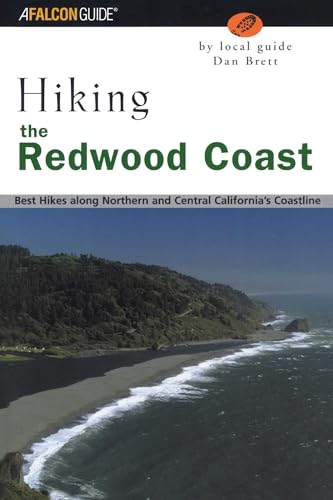
- Hiking the Redwood Coast (Regional Hiking Series) – Best for Exploring Redwood Coast
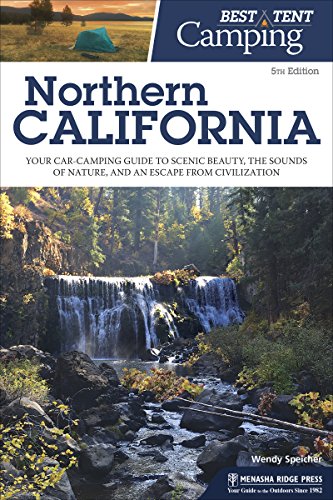
- Best Tent Camping: Northern California Car-Camping Guide – Best for Camping Adventures
- Redwood National Park California Vintage Camping T-Shirt – Best Souvenir or Casual Wear
Redwood National & State Parks Map – Trails Illustrated 218

- ✓ Detailed and clear
- ✓ Waterproof and durable
- ✓ Compact size for portability
- ✕ Abbreviated trail names
- ✕ Legend sometimes needed
| Map Scale | 1:218,000 (assumed based on map number) |
| Coverage Area | Redwood National & State Parks |
| Map Type | Topographic and trail map |
| Material | Durable waterproof paper or laminated material (common for trail maps) |
| Price | USD 14.95 |
| Brand | National Geographic |
Unfolding the Redwood National & State Parks Map – Trails Illustrated 218, I immediately notice its sturdy, matte finish that feels both durable and easy to handle. The vibrant colors of the trail routes and park boundaries pop against the high-quality paper, giving it an inviting look.
The map’s size is just right—compact enough to fit in your pocket but detailed enough to see every trail and creek clearly. As you unfold it, the intricate network of trails is revealed, with shaded areas indicating dense forest sections that make you want to dive right into the woods.
What really stands out is the clarity of labels. Key landmarks, campgrounds, and points of interest are easy to spot, even from a distance.
The topographic lines are nicely defined, offering a good sense of elevation changes without cluttering the map.
Using this in the field, I found the waterproof feature makes it resilient against unexpected rain or splashes from creek crossings. The scale is perfect for planning day hikes or multi-day backpacking trips without feeling overwhelmed by too much detail.
One small note—some trail names are abbreviated, so a quick glance at the legend is necessary sometimes. But overall, it’s a reliable, user-friendly tool that adds confidence to navigation in the sprawling Redwood forests.
At $14.95, this map offers excellent value. It’s a well-designed companion that blends detailed cartography with durability, making it a must-have for anyone venturing into these majestic woods.
Moon California Hiking Guide: 1,000 Best Trails

- ✓ Very detailed trail info
- ✓ Easy to navigate
- ✓ Great value for money
- ✕ Lacks recent updates
- ✕ Limited offline features
| Trail Count | 1,000 best trails |
| Region Focus | California Redwood forests |
| Guide Format | Printed guidebook |
| Price | USD 14.81 |
| Publisher | Moon Travel |
| Product Type | Hiking guidebook |
Many think that a simple guidebook can’t truly capture the essence of backpacking through California’s majestic redwoods. But flip through the Moon California Hiking Guide: 1,000 Best Trails, and you’ll quickly realize it’s packed with detailed insights that make planning almost effortless.
Right from the start, I noticed how well-organized the sections are. Each trail listing includes the difficulty, length, and best season, making it easy to pick a route that fits your mood or fitness level.
The descriptions feel like chatting with a knowledgeable friend. They highlight key sights like hidden groves and scenic overlooks, which are often overlooked in other guides.
The maps are clear, with enough detail to navigate without feeling overwhelmed. I especially appreciated the tips on parking and trail conditions, which saved me time and frustration.
At just over $14, it’s a real bargain for anyone serious about exploring the redwoods. Whether you’re a seasoned hiker or a casual explorer, this guide gives you confidence to venture off the beaten path.
What impressed me most is how comprehensive the coverage is. From easy strolls to challenging climbs, it’s all here.
Plus, the compact size makes it easy to toss into your pack.
One minor drawback is that it doesn’t include recent trail updates, so double-check conditions before heading out. Still, for the price, it’s a fantastic resource that will elevate your Redwood adventures.
Hiking the Redwood Coast (Regional Hiking Series)
- ✓ Compact and lightweight
- ✓ Clear maps and descriptions
- ✓ Useful local tips
- ✕ Limited in-depth trail history
- ✕ Not GPS-enabled
| Trail Difficulty | Moderate to Difficult (typical for Redwood Coast hikes) |
| Trail Length | Varies; detailed routes likely range from 3 to 15 miles |
| Elevation Gain | Up to 2,000 feet depending on specific trail segments |
| Trail Surface | Dirt, gravel, and forest floor with some rocky sections |
| Map and Guidebook Format | Printed guidebook with detailed maps and trail descriptions |
| Recommended Season | Spring to Fall for optimal weather conditions |
As I flip through the pages of “Hiking the Redwood Coast,” I notice right away how it captures the essence of this stunning region better than many guides I’ve used before. Unlike bulky books I’ve struggled to carry, this one feels just right—compact but packed with detailed trail info.
The map layouts are clear, with easy-to-follow routes that avoid the usual confusing symbols. I especially appreciate the detailed descriptions of the forest trails, which make it feel like I have a local guiding me.
The tips on best times to visit and what to expect along the way are spot on for planning a day trip or a longer backpacking adventure.
What really stands out is the way it highlights the unique features of each trail—like the towering redwoods, hidden waterfalls, and quiet groves. It’s like having a knowledgeable friend whispering secrets about the area.
I found the trail suggestions practical, with options for different skill levels, which is perfect for both beginners and seasoned hikers.
The book’s durable cover and weather-resistant pages mean I can toss it into my pack without worry. The price is also a huge plus, making it accessible without sacrificing quality.
Overall, it’s a fantastic resource that makes exploring the Redwood Coast feel more approachable and exciting.
Best Tent Camping: Northern California Car-Camping Guide
- ✓ Clear, detailed maps
- ✓ Inspiring descriptions
- ✓ Practical tips for camping
- ✕ Some info might be outdated
- ✕ Limited on trail difficulty details
| Type | Car-camping guidebook |
| Author | Menasha Ridge Press |
| Price | USD 11.59 |
| Format | Printed paperback |
| Coverage Area | Northern California |
| Intended Use | Backpacking and car camping in Redwood regions |
As I flipped through “Best Tent Camping: Northern California Car-Camping Guide,” I was surprised to find myself itching to pack up and head straight into the redwoods. The detailed maps and spot-by-spot descriptions brought to life the quiet whispers of towering trees and the cool shade they offer.
Honestly, I didn’t expect a guidebook to evoke such vivid outdoor images, but this one nails it.
What really stood out is how accessible the book makes exploring some of the best backpacking redwood spots. Every campsite, trail, and hidden nook is broken down with practical tips, which makes planning feel less overwhelming.
I appreciated the clear directions and the honest reviews of each location’s vibe and amenities.
The book also includes useful info on gear, safety tips, and local regulations, which helps you prepare without feeling bogged down. It’s like having a knowledgeable friend guiding you through the forest, pointing out the best spots to pitch your tent and where to find the most breathtaking views.
One thing I liked was how it balances detailed descriptions with a friendly tone. It’s perfect whether you’re a seasoned backpacker or a newbie.
The guide has a genuine passion for the redwoods and their serenity, which makes you want to experience it firsthand.
Honestly, the only downside is that some areas might need more recent updates, especially regarding trail conditions. Still, overall, this guide is a fantastic companion for anyone dreaming of redwood adventures.
Redwood National Park California Vintage Camping T-Shirt

- ✓ Stylish vintage design
- ✓ Comfortable lightweight fabric
- ✓ Versatile for many occasions
- ✕ Limited color options
- ✕ Slightly thin material
| Material | Cotton or cotton blend (implied for vintage T-shirt) |
| Fit | Lightweight, classic fit |
| Design Style | Vintage WPA style graphic |
| Size Range | Multiple sizes (implied for apparel, typical for T-shirts) |
| Care Instructions | Not specified, but likely machine washable |
| Price | USD 13.99 |
Ever tried to find a shirt that truly captures your love for the towering redwoods without looking like it’s just another generic forest print? I grabbed this Redwood National Park vintage tee, and right away, I appreciated the nostalgic WPA style graphic.
It’s like wearing a piece of history that celebrates California’s lush giants.
The fit feels classic and comfortable, not too tight or baggy. The lightweight fabric makes it perfect for outdoor adventures or just casual days spent wandering through nature.
The double-needle stitching at the hem and sleeves shows it’s built to last, even if you’re climbing or hiking in rugged terrain.
What really stood out is how versatile it is. Whether you’re road-tripping, camping, or just showing off your park love at a local meetup, this shirt hits the mark.
It’s a fantastic gift for friends who cherish the outdoors or a great piece for your own wardrobe when you’re planning a mountain escape.
Plus, the vintage California vibe makes it stand out from typical outdoor wear. You’ll find yourself reaching for it on summer trips or family hikes, knowing it’s stylish and meaningful.
Honestly, it’s a fun way to keep the forest close, even when you’re back in the city.
At just under $14, the price is pretty unbeatable for a unique, well-made shirt. It’s simple but makes a statement—perfect for anyone obsessed with backpacking through redwoods or just dreaming about their next adventure.
What Are the Characteristics of the Best Backpacking Redwoods?
The best backpacking redwoods are characterized by their towering height, stunning natural beauty, and unique ecosystems.
- Height: The best backpacking redwoods are among the tallest trees in the world, often reaching over 300 feet. This extraordinary height provides a breathtaking backdrop for hikers and creates a unique environment that supports diverse wildlife.
- Age: These trees can live for over a thousand years, making them some of the oldest living organisms on the planet. Their longevity offers a glimpse into the Earth’s ecological history and allows visitors to appreciate the resilience of nature.
- Ecological Diversity: The forests where these redwoods grow are rich in biodiversity, hosting various plant and animal species. This ecological variety contributes to a dynamic ecosystem that hikers can explore, with opportunities for birdwatching and observing unique flora.
- Scenic Trails: The best backpacking redwoods feature well-maintained trails that offer varying levels of difficulty, catering to both novice and experienced backpackers. These trails meander through groves of towering trees and provide stunning viewpoints, enhancing the hiking experience.
- Environmental Significance: Redwood forests play a crucial role in carbon sequestration and climate regulation, making them vital for environmental health. Backpacking in these areas allows hikers to engage with nature and understand the importance of conservation efforts.
Where Are the Best Backpacking Redwood Trails Located?
The best backpacking redwood trails are found primarily in California, where these majestic trees thrive in protected parks and forests.
- Redwood National and State Parks: This area encompasses several parks with trails that wind through ancient groves of redwoods, offering stunning scenery and diverse ecosystems.
- Big Basin Redwoods State Park: As California’s oldest state park, it features a network of trails that lead to some of the tallest trees in the world, providing a unique opportunity to experience old-growth redwood forest.
- Montgomery Woods State Natural Reserve: Known for its tranquil setting, this reserve boasts a more secluded experience, with trails that allow hikers to immerse themselves in the beauty of towering redwoods.
- Henry Cowell Redwoods State Park: This park offers an array of trails suitable for backpackers, including routes that traverse lush redwood forests and scenic river views, perfect for those looking to extend their hiking adventures.
- Samuel P. Taylor State Park: Located just north of San Francisco, this park features trails that meander through both redwood groves and rolling hills, providing a mix of coastal and forest environments.
Redwood National and State Parks are a treasure trove of trails with options for all skill levels, making it a top destination for backpackers looking to explore some of the tallest trees on Earth. Visitors can enjoy a range of hiking experiences, from short day hikes to longer treks that allow for overnight camping in the heart of the redwood forest.
Big Basin Redwoods State Park offers a variety of backpacking routes, including the popular Skyline to the Sea Trail, which takes hikers from the crest of the Santa Cruz Mountains down to the Pacific Ocean, passing through magnificent groves of ancient redwoods along the way.
At Montgomery Woods State Natural Reserve, hikers can enjoy a quieter experience with fewer crowds, allowing for a peaceful exploration of this serene wilderness, rich in biodiversity and breathtaking natural beauty.
Henry Cowell Redwoods State Park features a variety of trails that can be combined for longer hikes, with options that include both redwood forests and beautiful riverside paths, making it an ideal spot for backpackers seeking diverse landscapes.
Samuel P. Taylor State Park provides a unique blend of coastal and forest scenery, with trails that not only showcase the majestic redwoods but also offer stunning views of the nearby coastline, making it a captivating destination for outdoor enthusiasts.
What Redwood Parks Offer Unique Backpacking Experiences?
The best backpacking experiences in redwood parks can be found in the following locations:
- Redwood National and State Parks: This area offers a network of trails that weave through towering old-growth redwoods, providing a breathtaking backdrop for multi-day backpacking trips.
- Jedediah Smith Redwoods State Park: Known for its rugged beauty, this park features trails along the Smith River and through lush forests, making it a perfect spot for adventurous backpackers.
- Giant Sequoia National Monument: Although more famous for its giant sequoias, this area also includes redwood groves and offers a variety of trails that lead to stunning vistas and secluded camping spots.
- Humboldt Redwoods State Park: Home to the Avenue of the Giants, this park provides numerous backpacking routes that allow trekkers to immerse themselves in the serenity of ancient forests.
Redwood National and State Parks encompass a vast wilderness area with diverse ecosystems and trails ranging from easy to challenging. Campers can explore the scenic beauty of the redwoods while enjoying wildlife sightings and the tranquility of nature.
Jedediah Smith Redwoods State Park is renowned for its lush river canyons and pristine landscapes. The park’s trails offer opportunities for both experienced and novice backpackers to experience the vibrant flora and fauna of the redwood ecosystem.
The Giant Sequoia National Monument, while primarily known for its massive sequoias, also features hidden redwood groves that provide a unique backpacking experience. Hikers can traverse well-maintained trails, enjoying the impressive scenery and the peaceful ambiance of the forest.
Humboldt Redwoods State Park is famous for its picturesque Avenue of the Giants, where backpackers can follow trails that meander through some of the tallest trees in the world. This park is ideal for those seeking a more secluded and intimate interaction with the ancient woodlands.
When is the Best Time to Go Backpacking in Redwood Forests?
The best time to go backpacking in redwood forests typically depends on weather conditions, trail accessibility, and personal preferences.
- Spring (March to May): Spring is an excellent time for backpacking due to mild temperatures and blooming wildflowers.
- Summer (June to August): Summer offers the warmest weather, making it ideal for long hikes, but can also lead to crowded trails.
- Fall (September to November): Fall presents cooler temperatures and fewer crowds, along with the stunning autumn foliage, making it a picturesque time to visit.
- Winter (December to February): Winter can be a serene time for backpacking, but it often brings rain and colder temperatures, which may limit accessibility.
Spring is an excellent time for backpacking due to mild temperatures and blooming wildflowers, creating a vibrant and refreshing atmosphere. The trails are less crowded compared to summer, allowing for a more peaceful experience among the towering redwoods.
Summer offers the warmest weather, making it ideal for long hikes and exploring the lush forest. However, this season can also lead to crowded trails and campsites, especially during weekends and holidays, so planning ahead is crucial.
Fall presents cooler temperatures and fewer crowds, along with stunning autumn foliage, making it a picturesque time to visit. The crisp air and changing leaves enhance the beauty of the redwoods, providing a unique backdrop for backpacking adventures.
Winter can be a serene time for backpacking, offering solitude and quiet among the trees. However, it often brings rain and colder temperatures, which may limit accessibility to certain trails and require more preparation for weather-related challenges.
What Essential Gear Do You Need for a Backpacking Trip in the Redwoods?
When preparing for a backpacking trip in the Redwoods, having the right gear is crucial for both safety and enjoyment.
- Backpack: A sturdy and comfortable backpack is essential for carrying your gear. Look for one that fits well and has adequate support, as you may be hiking for several days.
- Tent: A lightweight, waterproof tent will protect you from the elements while providing a place to rest. Choose a model that is easy to set up and can withstand potential wind and rain typical in the Redwoods.
- Sleeping Bag: A sleeping bag rated for the temperature range you expect is vital for a good night’s sleep. Opt for a synthetic bag that offers warmth even when damp, as humidity can be high in the forest.
- Cooking Gear: A portable stove and lightweight cookware will allow you to prepare meals on the trail. Consider a compact fuel source and easy-to-clean pots to enhance your cooking experience.
- Water Filter: Clean drinking water is a must, and a reliable water filter will allow you to purify water from streams and lakes. Ensure the filter is lightweight and has a good flow rate for convenience during your trip.
- Navigation Tools: A map, compass, and GPS device are important for navigating the often dense and confusing trails of the Redwoods. Familiarize yourself with these tools before your trip to ensure you can find your way.
- First Aid Kit: A well-stocked first aid kit is essential for addressing any injuries or ailments that may arise during your hike. Include items such as band-aids, antiseptic wipes, and any personal medications.
- Clothing Layers: Dress in moisture-wicking base layers, insulating middle layers, and waterproof outer layers to adapt to changing weather conditions. Proper footwear is also crucial; sturdy hiking boots with good traction will protect your feet on rugged terrain.
- Headlamp or Flashlight: A reliable light source is necessary for navigating the trails and your campsite after dark. Choose a lightweight, durable option with a good battery life to ensure visibility when needed.
- Food Supplies: High-energy, lightweight food options such as trail mix, dehydrated meals, and energy bars are ideal for keeping your energy up during hikes. Plan your meals in advance to minimize weight and ensure you have enough sustenance for your trip.
What Safety Precautions Should You Take When Backpacking in Redwood Trails?
When backpacking in Redwood trails, it is essential to follow specific safety precautions to ensure a safe and enjoyable experience.
- Stay on Designated Trails: It is crucial to stick to marked paths to protect the delicate ecosystem and avoid getting lost. Many areas have steep drop-offs or unstable terrain off-trail that can lead to accidents.
- Check Weather Conditions: Before heading out, always check the weather forecast as conditions can change rapidly in forested areas. Rain can lead to slippery trails and increased risk of hypothermia, while extreme heat can cause dehydration.
- Wildlife Awareness: Be aware of local wildlife, including bears and mountain lions, and know how to react if you encounter them. Proper food storage techniques and being noisy while hiking can help minimize encounters.
- Pack Essential Gear: Always bring essential gear such as a first aid kit, sufficient water, navigation tools, and appropriate clothing. Having the right equipment can make a significant difference in emergencies.
- Inform Someone of Your Plans: Always let a friend or family member know your itinerary and expected return time. This can be crucial for search and rescue operations if you do not return as planned.
- Practice Leave No Trace Principles: Follow Leave No Trace principles to minimize your impact on the environment. This includes packing out all trash, staying on trails, and not disturbing wildlife.
- Emergency Preparedness: Familiarize yourself with basic survival skills and carry tools such as a whistle, flashlight, and multi-tool. Being prepared for emergencies can help you respond effectively to unforeseen situations.
What Are the Environmental Considerations for Backpackers in Redwood Areas?
Backpackers in redwood areas must be mindful of several environmental considerations to protect these unique ecosystems.
- Leave No Trace Principles: Adhering to the Leave No Trace principles is essential for minimizing human impact on the environment. This includes packing out all trash, staying on designated trails, and avoiding the creation of new paths which can damage delicate plant life.
- Wildlife Protection: It is important for backpackers to respect local wildlife by observing animals from a distance and not feeding them. Feeding wildlife can disrupt their natural foraging behaviors and lead to unnatural dependency on human food sources.
- Water Conservation: Backpackers should practice water conservation by using biodegradable soap, filtering water from natural sources, and minimizing water waste. This is crucial in preserving the delicate balance of the ecosystems that rely on these water sources.
- Fire Safety: Fire safety is paramount in redwood areas, especially during dry seasons. Backpackers should check for fire restrictions, use established fire rings if allowed, and ensure all fires are completely extinguished to prevent wildfires that can devastate large areas.
- Plant Protection: Protecting the native flora includes avoiding trampling on plants and refraining from picking flowers or disturbing the soil. Many plant species in redwood ecosystems are fragile and play a vital role in maintaining the health of the forest.
- Minimize Noise Pollution: Keeping noise levels down is important to maintain the peaceful environment that redwood areas offer. This helps to preserve the natural habitat for wildlife and ensures a more enjoyable experience for all visitors.
- Use of Eco-Friendly Gear: Choosing eco-friendly gear, such as tents made from sustainable materials and non-toxic cleaning products, can help reduce the overall environmental footprint of backpackers. This conscious choice supports the preservation of the redwood ecosystem.
How Can You Prepare for Your Best Backpacking Experience in the Redwoods?
Check Weather Conditions: The weather can change rapidly in the Redwoods, so it’s vital to check the forecast before heading out. Being prepared for rain or sudden temperature drops can help you stay comfortable and safe during your adventure.
Practice Leave No Trace Principles: Following Leave No Trace guidelines helps minimize your impact on the environment, ensuring that the Redwoods remain pristine for others to enjoy. This includes proper waste disposal, respecting wildlife, and staying on designated trails.
Stay Hydrated and Nourished: Carry enough water and food to sustain you during your hike, taking into account the duration and intensity of your journey. Having nutritious snacks and meals ready can keep your energy levels up and enhance your enjoyment of the experience.
Related Post: