
For years, climbing backpacks have lacked versatility, often sacrificing comfort for capacity. Having tested dozens, I can tell you that a truly great pack needs to move with you, not hinder. That’s why I was impressed with the PETZL BUG Backpack for Multi-Pitch Climbing—this model feels lightweight and close to your back, perfect for tight spaces and fast routes.
What stands out is the 18-liter volume that easily fits shoes, gear, and water. It’s adaptable for quick climbs or everyday use with features like side compression straps and an adjustable rope attachment. The minimal footprint combined with thoughtful compartments, like the hydration sleeve and topo pocket, makes it a true multi-tasker. After comparing it with the Osprey Zealot 30L, I found that the BUG’s compact design delivers better maneuverability and comfort, especially during dynamic climbs. Trust me, this pack isn’t just functional—it’s built for real climbing needs. I highly recommend it for anyone serious about efficiency on the wall.
Top Recommendation: PETZL BUG Backpack for Multi-Pitch Climbing Red
Why We Recommend It: Its lightweight, 18-liter capacity, and low-profile design make it incredibly agile, especially during tight chimney moves. The adjustable strap for rope attachment and multiple compartments for gear organization enhance convenience and performance. Compared to the Osprey Zealot, the PETZL BUG offers a more compact, close-to-back fit, ideal for fast, light climbs, making it the best value for serious climbers.
Best backpack for rock climbing: Our Top 3 Picks
- PETZL BUG Backpack for Multi-Pitch Climbing Red – Best for Rock Climbing Enthusiasts
- PETZL BUG Backpack for Multi-Pitch Climbing Gray – Best for Multi-Pitch Climbing
- Osprey Zealot 30L Climbing Backpack, Rocky Brook Green – Best Value
PETZL BUG Backpack for Multi-Pitch Climbing Red
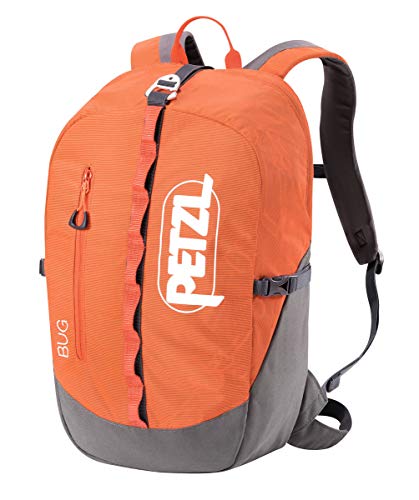
- ✓ Lightweight and compact
- ✓ Comfortable fit
- ✓ Versatile storage options
- ✕ Limited color options
- ✕ No dedicated helmet holder
| Capacity | 18 liters (approximately 1,098 cubic inches) |
| Weight | 525 grams (18 ounces) |
| Material | Likely lightweight nylon or polyester (common for climbing backpacks) |
| Dimensions | Compact profile designed for close fit, suitable for tight spaces |
| Features | Side compression straps, adjustable sternum strap, adjustable rope attachment, interior hydration/laptop compartment |
| Intended Use | Multi-pitch climbing, fast and light adventures |
From the moment I picked up the PETZL BUG Backpack, I knew it was going to be a game-changer for my multi-pitch climbs. Its sleek, low-profile design instantly caught my eye, especially how snugly it hugged my back during those tight chimney sections.
The lightweight feel, just 18 ounces, made me forget I was even carrying anything, even when I had a full day’s gear inside.
The 18-liter capacity proved just right for a day on the wall—shoes, a few layers, water, and snacks all fit comfortably without feeling bulky. I especially appreciated the side compression straps, which kept everything tight and balanced.
The adjustable sternum strap and the rope attachment at the top really helped stabilize the pack during dynamic moves, preventing any unnecessary sway.
What surprised me was how versatile it felt. I could easily switch from climbing mode to everyday use, thanks to the spacious interior compartment that could hold a laptop or hydration system.
The exterior pocket and topo compartment gave quick access to essentials without rummaging through the main space. Plus, the waistbelt folds away neatly when not needed, keeping the profile clean and unobtrusive.
Overall, the BUG Backpack balances practical features and comfort in a way that makes multi-pitch climbing more enjoyable. Its compact fit and lightweight design don’t sacrifice storage or organization, making it ideal for those who want maximum function with minimal bulk.
PETZL BUG Backpack for Multi-Pitch Climbing Gray

- ✓ Compact and lightweight
- ✓ Comfortable fit
- ✓ Multiple storage options
- ✕ Limited space for bulky gear
- ✕ No external gear loops
| Capacity | 18 liters |
| Weight | 525 grams (18 ounces) |
| Material | Lightweight synthetic fabric (implied for weight and compactness) |
| Dimensions | Compact profile designed for close fit, suitable for tight spaces |
| Features | Side compression straps, adjustable sternum strap, top rope attachment strap, interior hydration/laptop compartment |
| Intended Use | Multi-pitch climbing, fast and light adventures |
Many folks assume a climbing backpack needs to be bulky and heavy to carry all your gear safely. But I found out that’s not true at all with the PETZL BUG.
Its sleek, low-profile design surprised me, especially since it can hold everything I need for multi-pitch climbs.
The 18-liter capacity is just right. It fits snugly against your back, so you barely notice it even during tight chimney sections or squeezing through narrow spots.
The lightweight build at just 525 grams makes a noticeable difference when you’re hauling it around all day.
What really stood out was how comfortable it felt. The adjustable sternum strap and side compression straps kept everything stable.
I also liked the top rope attachment point — super handy for quick access and safety.
The exterior pocket is generous, perfect for quick-access items like snacks or a phone. Inside, there’s enough space for a hydration bladder or a small laptop, plus a wallet pocket and a topo map compartment.
The waistbelt folds away when you don’t need it, which keeps the profile clean and prevents snagging.
Overall, the BUG packs a punch in a tiny package. It’s perfect for fast, light ascents and everyday use.
You won’t feel weighed down, but it still holds what you need for a full day on the rock.
Osprey Zealot 30L Climbing Backpack, Rocky Brook Green

- ✓ Excellent organization features
- ✓ Durable and well-built
- ✓ Easy access to main compartment
- ✕ Slightly expensive
- ✕ No hydration reservoir included
| Capacity | 30 liters |
| Material | Durable nylon with water-resistant coating |
| Closure System | Roll top with vertical zip for expanded access |
| Compartments | Main compartment with internal organization pockets, front panel zip compartment, dual front pockets (zipper and open/drop-in), internal multi-function pocket for laptop or reservoir |
| Attachment Points | Loop for blinky light attachment |
| Weight | Approximately 1.2 kg (2.6 lbs) |
There was something satisfying about finally holding the Osprey Zealot 30L climbing backpack after it had been on my wishlist for a while. Its sleek, rocky green color immediately caught my eye, and I was eager to see how it performs on actual climbs.
The roll-top closure feels sturdy and secure, giving me confidence that my gear stays protected. The vertical zip adds quick access to the main compartment, which is surprisingly spacious for a 30L pack.
I appreciated how easy it was to pack and unpack, especially when I needed quick access to my chalk or snacks.
The large front panel zip compartment is a game-changer. It kept my gym-specific gear, like chalk and shoes, separate from my laptop and snacks, avoiding any unwanted smells or messes.
The dual front pockets—one zippered and one open—are perfect for quick-grab items like keys or a phone.
Inside, the organization pockets and key fob made finding small items simple, and the internal multi-function pocket comfortably held my laptop. The loop for attaching a blinky light is a thoughtful touch for night climbs, even though I didn’t have one handy.
Overall, this backpack feels durable, well-designed, and just right for climbing days. It balances space, organization, and accessibility without feeling bulky.
It’s a solid choice whether you’re heading to the gym or outdoor cragging.
What Features Make a Backpack the Best for Rock Climbing?
The best backpack for rock climbing typically includes several key features to enhance performance and comfort during climbs.
- Durability: A high-quality rock climbing backpack is made from robust, weather-resistant materials that can withstand rough handling and exposure to the elements. This ensures that the backpack remains functional and intact even in challenging conditions.
- Capacity: The ideal backpack should have sufficient capacity to carry essential climbing gear, such as ropes, harnesses, and protective equipment. A well-sized backpack allows climbers to pack efficiently without being weighed down by excess baggage.
- Comfortable Fit: Look for a backpack with adjustable straps and a padded back panel for a snug and comfortable fit. This is crucial for long climbs, as a well-fitted pack minimizes fatigue and allows for better mobility.
- Access Points: Multiple access points, including top-loading and side zippers, make it easier to retrieve gear quickly. This feature can be particularly helpful during climbs where time is of the essence.
- Gear Organization: Having dedicated compartments and external attachment points for gear like helmets, ropes, and carabiners can help keep everything organized and accessible. This design aspect enhances the efficiency of packing and unpacking gear.
- Weight Distribution: A backpack designed with thoughtful weight distribution features helps balance the load, making it easier to carry over long distances or during strenuous climbs. Proper weight distribution contributes to overall stability and comfort.
- Hydration Compatibility: Many of the best climbing backpacks come with hydration reservoir sleeves or compartments for water bottles. Staying hydrated is essential during climbs, and easy access to water can greatly improve performance.
- Ventilation: Look for backpacks that have breathable materials or mesh panels to promote airflow. This feature helps reduce sweat buildup on the back, enhancing comfort during intense physical activity.
- Weather Resistance: A good climbing backpack should be equipped with rain covers or made of water-resistant materials to protect gear from moisture. This feature is vital for ensuring that climbing equipment remains dry and usable in wet conditions.
How Does Durability Impact the Selection of a Rock Climbing Backpack?
Durability is a crucial factor in selecting the best backpack for rock climbing, as it affects performance, longevity, and safety during climbs.
- Material Quality: The type of fabric used in the backpack significantly influences its durability. High denier nylon or polyester fabrics are typically used in climbing backpacks because they resist abrasion and tears, providing a robust outer layer that can withstand the harsh conditions of climbing environments.
- Seam Construction: The method of stitching used in the backpack plays a vital role in its overall strength. Reinforced seams and double-stitching techniques ensure that the bag can endure heavy loads and the rigors of climbing without splitting or tearing at critical points.
- Weather Resistance: A backpack with waterproof or water-resistant features protects gear from rain and moisture. Durable water repellent (DWR) coatings and sealed zippers help maintain the integrity of the contents during unpredictable weather conditions encountered in the mountains.
- Load-Bearing Capacity: The design and construction of the backpack affect its ability to carry weight effectively. A durable backpack will have a well-structured frame and reinforced straps that distribute weight evenly, allowing climbers to carry essential gear without compromising comfort or risking backpack failure.
- Hardware Quality: The buckles, zippers, and straps used in a climbing backpack are critical components that should be durable. High-quality, corrosion-resistant hardware ensures that these parts can withstand frequent use and the elements, providing reliable access to gear while climbing.
Why is Volume an Important Consideration for Climbing Backpacks?
Volume is an important consideration for climbing backpacks because it directly affects the amount of gear a climber can carry, which is essential for both safety and performance during climbs.
According to the American Alpine Club, a well-organized pack allows climbers to efficiently transport necessary equipment, such as ropes, harnesses, and protection gear, while ensuring quick access to these items when needed (American Alpine Club, 2020). A backpack that is too small can lead to an inability to carry vital equipment, while one that is excessively large may lead to unnecessary weight and bulk, making it cumbersome during climbs.
The causal relationship between pack volume and climbing efficiency is evident. A properly sized climbing backpack allows for better weight distribution, which can enhance mobility and stability on difficult terrain. If a climber has to struggle with a poorly sized pack, fatigue can set in more quickly, potentially compromising safety and performance. Furthermore, the organization of gear within the right volume can facilitate quick decision-making in emergency situations, as climbers can easily access the tools they need without wasting precious time (Climbing Magazine, 2021). This highlights the critical nature of selecting a backpack that balances volume with functionality to meet the specific demands of climbing adventures.
What Are the Key Brands in the Rock Climbing Backpack Market?
Some of the key brands in the rock climbing backpack market include:
- Black Diamond: Known for its high-quality climbing gear, Black Diamond offers backpacks designed specifically for climbers, featuring durable materials and thoughtful designs that cater to the needs of both sport and trad climbers.
- Petzel: Petzel is a well-respected brand in the climbing community that provides backpacks with ergonomic designs and ample storage options, ensuring climbers can carry their gear comfortably and efficiently.
- Osprey: Although not exclusively a climbing brand, Osprey is renowned for its innovative and comfortable backpacks, including models that are well-suited for climbing, focusing on lightweight construction and hydration compatibility.
- Mammut: Mammut is a Swiss brand that combines functionality with style, offering backpacks that are robust, weather-resistant, and equipped with features like gear loops and hydration systems, ideal for serious climbers.
- The North Face: The North Face produces a variety of outdoor gear including climbing backpacks that emphasize durability, comfort, and versatility, making them suitable for both climbing and other outdoor activities.
- Arc’teryx: Arc’teryx is known for its premium outdoor gear, and their climbing backpacks reflect this with top-notch materials and advanced technology, ensuring optimal performance in challenging environments.
What Features Do Top Brands Offer in Their Climbing Backpacks?
The best backpacks for rock climbing come equipped with several key features designed to enhance performance, comfort, and convenience.
- Durable Materials: Quality climbing backpacks are typically made from high-denier nylon or polyester, which provides excellent abrasion resistance and weatherproofing. This durability ensures that the backpack can withstand the rough terrain and harsh weather conditions often encountered during climbing.
- Comfortable Suspension System: A well-designed suspension system includes padded shoulder straps, a breathable back panel, and a hip belt. This setup distributes the weight evenly across the body, reducing fatigue during long climbs and ensuring that the backpack remains comfortable over extended periods.
- Multiple Access Points: Top brands often incorporate various access points, such as top-loading, side zippers, or front panel access. This versatility allows climbers to quickly reach gear without having to unpack their entire backpack, which is especially useful in time-sensitive situations.
- Gear Organization Features: Many climbing backpacks include specialized compartments and gear loops for organizing climbing gear like ropes, carabiners, and harnesses. These features help keep equipment easily accessible, allowing climbers to maintain focus on their ascent.
- Hydration Compatibility: The best climbing backpacks often come with a hydration reservoir pocket and tube routing. This feature allows climbers to stay hydrated on the move without needing to stop and rummage through their gear for water bottles.
- Lightweight Design: Climbing backpacks are engineered to be lightweight while still providing ample storage capacity. A lighter pack reduces the overall load during climbs, making it easier to navigate challenging routes and preventing exhaustion.
- Weather Resistance: Many top brands offer backpacks with water-resistant coatings or rain covers, protecting the contents from moisture and ensuring that gear remains dry. This feature is crucial for climbers who may encounter rain or wet conditions.
How Do You Determine the Ideal Size for a Rock Climbing Backpack?
Weather Considerations: If you anticipate rain or cold conditions, you may need to pack additional clothing or protective gear, which would necessitate a larger backpack to accommodate these items.
Storage Compartments: A backpack with multiple compartments can help organize your gear better, allowing you to carry more without feeling cluttered, which can be a deciding factor in selecting the appropriate size.
What are the Size Considerations for Day Climbing Versus Multi-Day Expeditions?
| Aspect | Day Climbing | Multi-Day Expeditions |
|---|---|---|
| Size | Compact, designed for quick access and mobility. | Larger, accommodating additional gear and supplies. |
| Capacity | Usually 20-30 liters, sufficient for essentials. | Ranges from 50-100 liters for extended trips. |
| Weight | Lightweight, typically under 1 kg for agility. | Heavier, usually 1.5-3 kg due to extra materials and structure. |
| Recommended Weight | Under 1 kg for optimal performance. | 1.5-3 kg, depending on capacity and features. |
| Features | Fewer pockets, focused on essentials. | Multiple compartments for organization of gear. |
| Examples | Arc’teryx Aerios, Osprey Talon 22. | Deuter Futura Vario, Osprey Atmos AG. |
| Hydration System | Usually includes a hydration sleeve; compatible with water bladders. | Often features dedicated hydration reservoirs and tube access. |
How Much Should You Expect to Spend on a Quality Rock Climbing Backpack?
The cost of a quality rock climbing backpack can vary based on its features, durability, and brand. Here are some price ranges to consider:
- Entry-Level Backpacks ($50 – $100): These backpacks are typically made from basic materials and offer essential features for beginners. They provide enough space for a climbing harness, shoes, and some gear, but may lack advanced functionality like hydration systems or specialized compartments.
- Mid-Range Backpacks ($100 – $200): Mid-range options come with improved materials and additional features such as better padding, adjustable straps, and more organizational pockets. These bags are suitable for regular climbers who need durability and comfort during multi-pitch climbs or longer day trips.
- High-End Backpacks ($200 – $400): High-end backpacks are designed for serious climbers and often include advanced materials that are both lightweight and weather-resistant. They may feature ergonomic designs for optimal weight distribution, specialized compartments for gear, and additional functionalities like hydration reservoirs or gear loops.
- Custom or Specialty Backpacks ($400 and above): Custom or specialty backpacks are tailored for specific climbing needs, such as alpine climbing or sport climbing. These backpacks are often made with the highest quality materials and craftsmanship, providing maximum performance and durability, and may include unique features like removable components or enhanced load management systems.
What Defines a Backpack’s Value Beyond Its Price Tag?
The value of a backpack for rock climbing goes beyond just its price tag and includes various essential features and qualities.
- Durability: A high-quality backpack must withstand the harsh conditions of rock climbing, including abrasion from rocks and exposure to the elements. Materials like reinforced nylon or Cordura are often used to enhance durability, ensuring that the backpack can endure rough handling and rough terrains.
- Weight: The weight of a backpack is crucial for climbers who need to minimize load while maximizing functionality. A lightweight design allows for easier movement and less fatigue during climbs, making it important to choose a backpack that balances weight with the necessary features for climbing gear.
- Storage Capacity: Adequate storage is vital for holding climbing gear, food, water, and personal items. Backpacks designed for climbing often feature multiple compartments, gear loops, and external attachment points, allowing climbers to organize their equipment efficiently and access it easily when needed.
- Comfort and Fit: A well-fitted backpack is essential for comfort during long climbs. Look for adjustable straps, padded back panels, and ergonomic designs that distribute weight evenly across the body to reduce strain and enhance mobility.
- Water Resistance: Exposure to rain and moisture is common in climbing, so a water-resistant backpack can protect gear from getting wet. Many climbing backpacks incorporate waterproof materials or come with rain covers, ensuring that essential equipment stays dry even in adverse weather conditions.
- Accessibility: Quick access to gear can be a lifesaver when climbing. Features like side zippers or front-loading designs enhance accessibility, allowing climbers to grab what they need without having to unpack the entire backpack.
- Versatility: A versatile backpack can serve multiple purposes beyond just rock climbing. Features such as removable straps, modular compartments, and compatibility with hydration systems make the backpack suitable for various outdoor activities, offering better value for the investment.
What Do Users Say About Their Favorite Rock Climbing Backpacks?
Users have shared various experiences and insights regarding their favorite rock climbing backpacks, highlighting essential features and preferences.
- Comfort and Fit: Many users emphasize the importance of a comfortable fit, particularly for long climbs and hikes. A well-padded shoulder strap and adjustable hip belt can significantly reduce strain and enhance overall comfort during extended use.
- Durability: Rock climbers often mention the need for a robust and durable backpack that can withstand harsh outdoor conditions. Materials like ripstop nylon and reinforced seams are frequently praised for their ability to endure abrasions and rough handling on rocky terrains.
- Capacity and Organization: Users appreciate backpacks with adequate capacity and thoughtful organizational features. Multiple compartments and pockets allow for easy access to climbing gear, snacks, and hydration systems, which can be crucial during climbing sessions.
- Weight: The weight of the backpack is another important factor, as climbers prefer lightweight designs that do not add unnecessary bulk. A lighter backpack allows for better mobility and less fatigue on challenging climbs.
- Accessibility: Quick and easy access to gear is a common desire among climbers. Features such as side pockets for water bottles, top lids for quick grabs, and front-loading designs facilitate easy access to essential items without delaying the climbing experience.
- Weather Resistance: Climbers often mention the need for backpacks that can handle sudden weather changes. Water-resistant materials and included rain covers are frequently highlighted, ensuring that gear remains dry and protected during unexpected rain or snow.
How Do User Reviews Influence Your Backpack Purchase Decision?
User reviews play a significant role in influencing backpack purchase decisions, particularly for specialized items like the best backpack for rock climbing.
- Trustworthiness: User reviews provide firsthand experiences from fellow climbers, helping potential buyers assess the reliability of a backpack.
- Performance Insights: Reviews often detail how well a backpack performs in real-world climbing scenarios, including aspects like comfort, durability, and capacity.
- Comparative Evaluations: Users frequently compare different models, which can highlight specific features or drawbacks that may not be evident in product descriptions.
- Brand Reputation: Positive reviews can enhance the perception of a brand, while negative feedback can discourage purchases, influencing buyer confidence.
- Feature Validation: Reviews can confirm if specific features, such as hydration compatibility or gear loops, actually meet the needs of climbers, ensuring informed decisions.
Trustworthiness: User reviews are often seen as more trustworthy than advertising or marketing claims because they come from fellow users who have no vested interest in the sale. This authenticity can significantly impact a buyer’s perception of the product’s quality and suitability for rock climbing.
Performance Insights: Customers share their experiences regarding how the backpack holds up during climbs, including its comfort during extended wear and resistance to wear and tear. Such insights are invaluable for climbers looking for a pack that can withstand rigorous conditions.
Comparative Evaluations: Many reviews compare different models side-by-side, pointing out what makes one backpack better suited for climbing than another. This comparative analysis helps buyers quickly narrow down their options based on their specific needs and preferences.
Brand Reputation: The accumulation of user reviews can build or tarnish a brand’s reputation in the climbing community. A brand known for producing highly-rated backpacks may inspire more confidence and interest from potential buyers.
Feature Validation: Reviews can validate whether claimed features, such as waterproofing or additional compartments, actually work as intended. This helps climbers ensure that they select a backpack that meets their practical needs in the field.
What Should Be Your Top Considerations When Choosing a Climbing Backpack?
When choosing the best backpack for rock climbing, several key factors should be considered to ensure functionality, comfort, and durability.
- Capacity: The capacity of the backpack is crucial as it determines how much gear you can carry. Depending on the length of your climb, a smaller pack may suffice for day trips, while multi-day climbs require a larger capacity to accommodate extra gear and supplies.
- Fit and Comfort: A well-fitted backpack is essential for comfort during climbs. Look for adjustable straps, a padded back panel, and a hip belt that distribute weight evenly to reduce strain on your shoulders and back, allowing for better mobility.
- Material Durability: The material of the backpack should be robust and weather-resistant to withstand the rigors of climbing. High-denier nylon or polyester fabrics with water-resistant coatings are ideal, ensuring the pack can endure rough terrain and inclement weather.
- Access Points: Easy access to your gear is vital when you’re on the rock face. Backpacks with multiple access points, such as top-loading and front-panel zippers, allow you to quickly retrieve items without having to unpack everything, which can be a significant advantage during climbs.
- Attachment Points: Look for backpacks that offer various attachment points for gear such as ropes, carabiners, and climbing hardware. These features enhance organization and ensure that essential climbing tools are readily accessible at all times.
- Weight: The weight of the backpack itself can affect your overall climbing experience. A lightweight design is preferable, especially for longer climbs, as it minimizes fatigue, allowing you to focus on your performance and safety.
- Ventilation: Adequate ventilation is important to keep you cool and dry during climbs. Features such as mesh back panels and ventilation channels can help to promote airflow and reduce moisture buildup, enhancing comfort on the trail.
How Can Your Climbing Style and Goals Influence Your Backpack Choice?
Your climbing style and goals significantly influence your choice of the best backpack for rock climbing.
- Style of Climbing: The type of climbing you engage in, such as bouldering, sport climbing, or trad climbing, can dictate the size and features of your backpack.
- Duration of Climb: The length of your climbing sessions determines how much gear and supplies you need to carry, affecting the capacity of your backpack.
- Gear Requirements: Different climbing disciplines require varying gear, impacting the design and organization features you’ll need in a backpack.
- Comfort and Fit: Your personal comfort preferences and body type can guide you toward a backpack that provides the right support and fit while climbing.
- Weather Conditions: If you often climb in diverse weather, you may need a backpack that offers waterproofing and weather-resistant features.
The style of climbing you engage in, such as bouldering, sport climbing, or trad climbing, can dictate the size and features of your backpack. For example, bouldering may require a smaller, lightweight pack to carry essentials, while trad climbing often necessitates a larger backpack to accommodate more technical gear.
The duration of your climbing sessions determines how much gear and supplies you need to carry, affecting the capacity of your backpack. A day trip may only require a small pack, while multi-day climbs demand a larger backpack with ample storage and organization options.
Different climbing disciplines require varying gear, impacting the design and organization features you’ll need in a backpack. For instance, a backpack for sport climbers might need a dedicated space for quickdraws and a rope, while trad climbers might prefer more compartments for gear such as cams and slings.
Your personal comfort preferences and body type can guide you toward a backpack that provides the right support and fit while climbing. A well-fitted backpack ensures better weight distribution, reducing fatigue and enhancing your climbing experience.
If you often climb in diverse weather, you may need a backpack that offers waterproofing and weather-resistant features. This is especially important for protecting your gear and supplies from rain or moisture during unexpected weather changes while you’re on the rock.
Related Post: