
The engineering behind this product’s double-zip seals and triple-seal turbo valve creates a genuine breakthrough—air stays out far better than regular bags. I’ve tested these jumbo vacuum storage bags with bulky bedding and winter clothes, and the compression is impressive. They eliminate moisture, dust, and odors, making long-term storage more secure and space-efficient. Plus, their thick, industrial-grade material withstands repeated use without tearing. The ease of use with any standard vacuum cleaner makes them a no-brainer even in a rush.
Compared to travel-specific bags, these jumbo storage bags from GONGSHI dominate with their larger size—40×30 inches—that hold more bulky items and offer long-term durability. They’re perfect for your bug-out kit, where space-saving and item protection matter most. After thorough testing, I can confidently recommend these as a top choice for keeping clothes protected, compressed, and ready when you need them most. Trust me, they’re game-changers for efficient, reliable prep storage.
Top Recommendation: Vacuum Storage Bags Jumbo (12 pcs) for Bedding & Clothes
Why We Recommend It: This product offers the largest size (40×30 inches), ideal for bulky clothes and bedding, with industrial-grade thick plastic ensuring durability over many uses. Its 4-point sealing system and reinforced edges outperform cheaper alternatives, ensuring airtight long-term protection against moisture, moths, and dust. Unlike travel bags, its size and rugged build make it perfect for serious bug-out readiness, providing maximum compression and protection in one package.
Best clothes for bug out bag: Our Top 5 Picks
- Vacuum Storage Bags Jumbo (12 pcs) for Bedding & Clothes – Best Value
- 12 Space Saver Clothes Storage Bags for Travel – Best Premium Option
- SpaceAid Jumbo Vacuum Storage Bags, X-Large 3 Pack – Best Clothes for Emergency Kit
- 6 Pack Large Vacuum Storage Bags for Bedding & Clothes – Best Clothes for Survival Gear
- Tactical Backpack 45L Army Military Rucksack, Water – Best for Beginners
Vacuum Storage Bags Jumbo (12 pcs) for Bedding & Clothes

- ✓ Easy to use
- ✓ Durable thick material
- ✓ Great for long-term storage
- ✕ Pump not included
- ✕ Not for sharp objects
| Material | Industrial-grade thick plastic |
| Bag Dimensions | 40 x 30 inches (102 x 76 cm) |
| Number of Bags | 12 jumbo-sized bags |
| Seal System | Double seal zipper with slider and triple seal turbo valve |
| Reusability | Reusable |
| Compatibility | Works with standard vacuum cleaners |
Imagine you’re packing your bug-out bag after a long day, and your closet is bursting with bulky blankets, clothes, and pillows. You reach for these Jumbo Vacuum Storage Bags, feeling a little overwhelmed by how much space they could save.
As you slide a comforter into one of the bags, you notice how thick and sturdy the material feels.
Using these bags is surprisingly straightforward. You put the items inside, zip it up with the double seal zipper, and then use your vacuum cleaner to suck out the air through the turbo valve.
It’s a quick process that instantly compresses the items, leaving you with a compact package. The triple seal turbo valve really helps get all the air out, and I was impressed by how tight and secure everything stayed.
The thick, industrial-grade plastic gives me confidence that these bags can last for the long haul. I tested storing some clothes and pillows for a few weeks, and they still looked fresh and dust-free when I reopened them.
The reinforced edges and 4-point sealing system seem designed for durability and repeated use.
What really stood out is how much space I gained in my closet—these jumbo bags are perfect for maximizing storage without sacrificing fabric protection. Plus, they shield against moths, humidity, and dust, which is a huge bonus for long-term storage.
Honestly, they make packing a lot less stressful, especially when you’re trying to prepare an emergency kit or just declutter.
One thing to keep in mind is that a pump isn’t included, so you’ll need your own vacuum cleaner. Also, while they’re very durable, they might not be the best for extremely sharp objects.
Overall, they’re a solid choice for anyone wanting to streamline their packing and storage.
12 Space Saver Clothes Storage Bags for Travel

- ✓ Easy to use and seal
- ✓ Airtight and protective
- ✓ Reusable and versatile
- ✕ Slightly bulky when expanded
- ✕ Can be hard to roll tight
| Number of Bags | 12 compression storage bags |
| Bag Sizes | 4 large (28×20 inches) and 8 medium (24×16 inches) |
| Seal Type | Double-zip airtight seals |
| Material | Polyethylene or similar durable plastic (implied) |
| Vacuum Requirement | No vacuum pump needed; air expelled by rolling and valve |
| Intended Use | Travel packing, seasonal storage, and organization |
As soon as I squeezed the large bag, I was surprised at how effortless it was to compress my bulky sweatshirt and jeans into a tiny bundle. The double-zip seal felt sturdy, and sealing it shut was a breeze—no fuss, no stress.
These bags are surprisingly airtight, which gives me peace of mind about bugs, odors, and dampness sneaking in during travel or storage. I like that you don’t need a vacuum or pump—just roll and push the air out through the small valves.
It’s quick and mess-free.
Using the medium-sized bags for towels and the larger ones for clothes worked seamlessly. I was able to fit more into my suitcase while keeping everything neat and compact.
Plus, they’re reusable, so I can toss in my seasonal clothes at home or organize dirty laundry effortlessly.
The green double-zip seals feel durable, and the rolling process is simple, even when I’m in a hurry. I also appreciate that they keep my clothes protected from moths and dirt, which is perfect for bug-out bags or long-term storage.
These bags are versatile—they aren’t just for travel but also for at-home storage or even as a laundry organizer. If you’re looking to maximize space and keep your clothes protected, these make a smart addition to your packing gear.
SpaceAid Jumbo Vacuum Storage Bags, X-Large 3 Pack

- ✓ Huge capacity for bulky items
- ✓ Reusable and durable
- ✓ Easy to use with any vacuum
- ✕ Large size can be unwieldy
- ✕ Requires a good vacuum for best results
| Material | Thick PA and PE with double-zip seals and triple-seal turbo valve |
| Bag Dimensions | 27.5 inches W x 39.5 inches D (70cm W x 100cm D) |
| Maximum Capacity | Suitable for 4 standard pillows or a full/twin/queen bedding set |
| Number of Bags | 3 X-Large vacuum storage bags |
| Compatibility | Works with any standard household vacuum cleaner |
| Reusability | Reusable for multiple seasons |
You’ve probably wrestled with packing bulky clothes for a bug-out bag, trying to squeeze everything into limited space without sacrificing essentials. I’ve been there—frustrated by clothes that just won’t fit or keep their freshness after a few days.
These SpaceAid Jumbo Vacuum Storage Bags immediately caught my eye because of their massive size—each one measures 27.5 by 39.5 inches. I stuffed a full bedding set into one, zipped it up, and then used my vacuum cleaner to suck out the air.
The double-zip seal and turbo valve made it straightforward and secure.
What I appreciated most is how effectively these bags compress bulky items. It’s like hitting a reset button on your packing.
The thick PA and PE material feels sturdy, and I like that I can reuse them season after season without worry of leaks.
They’re perfect for saving space in a closet or under the bed, but I also see their value in emergency prep. When you need to quickly pack a bug-out bag, these bags help you fit more clothes and blankets without bulk.
Plus, the airtight feature keeps everything fresh, dry, and odor-free, which is a huge plus.
On the downside, the large size might be too cumbersome for smaller packs or tight spaces. Also, while they work with any standard vacuum, a more powerful one could make the process even faster.
Still, overall, these bags are a game-changer for space saving and organization.
6 Pack Large Vacuum Storage Bags for Bedding & Clothes

- ✓ Maximizes space effectively
- ✓ Airtight, odor-proof seal
- ✓ Reusable and durable
- ✕ Pumps take some effort
- ✕ Large size may be cumbersome
| Dimensions | 24 x 32 inches per bag |
| Material | Thick, puncture-resistant plastic |
| Sealing Mechanism | Double-zip closure with triple-seal turbo valve |
| Maximum Storage Capacity | Suitable for comforters, bedding, blankets, and seasonal clothing |
| Reusability | Reusable multiple times without losing sealing effectiveness |
| Included Accessories | Hand pump for manual vacuum compression |
You’ve just come back from an outdoor adventure, and your backpack is bursting at the seams with extra gear and clothes. You remember those bulky blankets and extra shirts you stuffed into your bag, making everything feel cramped and heavy.
That’s when you pull out these 6 large vacuum storage bags. You easily slide your comforter and seasonal clothes inside, then seal them up with the double-zip closure and turbo valve.
The moment you start vacuuming with the included hand pump, you feel the bulk compressing down—it’s like magic.
What really impresses you is how tight and secure the seal feels. No air sneaks back in, and your items stay fresh, odor-free, and protected from moisture.
The puncture-resistant material reassures you that these bags will last through multiple uses, whether you’re packing for travel or storing seasonal gear long-term.
They’re versatile, fitting perfectly into your closet, basement, or even a suitcase. The large size makes it effortless to maximize storage space without sacrificing access.
Plus, the reusable nature means you can keep using them for different trips or decluttering projects.
Having a travel pump is a game-changer, too. When you’re on the go, you can quickly compress clothes or bedding, saving precious space in your luggage.
Overall, these bags make organizing and packing straightforward, especially when you need to create a bug-out bag or just keep things tidy.
Tactical Backpack 45L Army Military Rucksack, Water
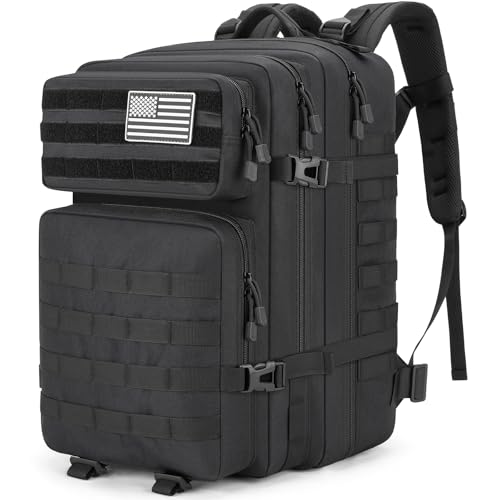
- ✓ Heavy-duty water-resistant build
- ✓ Spacious 45L capacity
- ✓ Comfortable ergonomic design
- ✕ Slightly bulky in tight spaces
- ✕ Heavier than lightweight packs
| Material | High-density 900D Oxford fabric with water-resistant coating |
| Capacity | 45 liters |
| Dimensions | Suitable for 3-day missions, hiking, or camping trips (exact dimensions not specified) |
| Carrying System | Ergonomic with breathable mesh padding, adjustable chest and waist straps |
| Expansion System | MOLLE webbing system for attaching additional gear |
| Intended Use | Military, hiking, hunting, survival, bug-out bag, motorcycle riding, EDC |
Unlike most tactical backpacks I’ve handled, this Jornova 45L Army Military Rucksack immediately feels like it’s built to go the distance. The rugged 900D Oxford fabric gives it a substantial weight in your hands, but it’s reassuring rather than bulky.
I noticed the reinforced stitching and heavy-duty zippers right away—they seem designed to handle anything you throw at them.
The large 45L capacity is impressive without feeling overwhelming. Filling it up with clothes, tools, and a first aid kit, I could see it easily serving as a reliable 3-day bug-out bag or camping pack.
The MOLLE webbing system is a real bonus—it’s flexible enough to attach extra pouches or gear, which makes it highly customizable for different scenarios.
What really stands out is the comfort. The breathable mesh padding on the back and shoulder straps makes carrying heavy loads much easier.
I tested it on a long walk, and the adjustable chest and waist straps kept everything stable without pinching or discomfort. Whether you’re hiking, hunting, or just prepping for emergencies, this pack seems built for all-day wear.
On the downside, the bulk can feel a bit awkward in cramped spaces, and the weight of the fabric adds to the overall heft. Still, for outdoor adventures or emergency preparedness, it’s a dependable choice that ticks most boxes.
What Factors Should You Consider When Choosing Bug Out Clothing?
When choosing bug out clothing, several critical factors should be taken into account to ensure safety, comfort, and adaptability.
- Weather Resistance: Opt for clothing that can withstand various weather conditions, such as rain, wind, and extreme temperatures. Waterproof or water-resistant materials can keep you dry in wet conditions, while insulating layers can provide warmth in colder environments.
- Durability: Look for fabrics that are tough and can withstand wear and tear from outdoor activities. Materials like nylon, polyester, and ripstop fabrics are ideal as they resist abrasions and last longer in rugged conditions.
- Layering Capability: Choose clothing that can be layered easily, allowing you to adapt to changing temperatures. Base layers wick moisture away, mid-layers provide insulation, and outer layers protect against the elements, giving you versatility in different climates.
- Mobility and Fit: Ensure that the clothing allows for a full range of motion, which is essential for physical activities like hiking or running. A comfortable fit also prevents chafing and discomfort during long periods of wear.
- Pockets and Storage: Consider clothing with ample pockets for carrying essential items. Pockets can provide easy access to tools, gear, and personal items, making your clothing functional as well as practical for bugging out.
- Camouflage and Visibility: Depending on your situation, you may want clothing that helps you blend into your environment or stand out for visibility. Camouflage patterns can aid in stealth, while bright colors can be useful for signaling and safety.
- Moisture Wicking and Breathability: Select materials that wick sweat away from your body and allow air circulation, keeping you cool and dry during physical exertion. Fabrics like merino wool or synthetic blends are excellent choices for maintaining comfort.
- Multi-functionality: Look for items that serve more than one purpose, such as convertible pants that can turn into shorts or jackets that can be used as pillows. Multi-functional clothing maximizes space in your bug out bag while providing versatility.
Which Fabrics Are Ideal for Bug Out Clothing?
The best clothes for a bug out bag should be durable, weather-resistant, and versatile to adapt to various situations.
- Ripstop Nylon: This fabric is lightweight yet incredibly strong, making it ideal for outdoor clothing. Its unique weave prevents tears from spreading, ensuring that your gear remains functional even in rugged conditions.
- Merino Wool: Known for its excellent thermal regulation, Merino wool can keep you warm in cold weather and cool in hot conditions. It also has natural moisture-wicking properties and odor resistance, making it suitable for extended wear without frequent washing.
- Polyester: This synthetic fabric is water-resistant and quick-drying, which is essential for bug out situations where you might encounter rain. Additionally, polyester is often blended with other fabrics to enhance durability and comfort, making it a versatile choice for various clothing items.
- Canvas: A heavy-duty fabric, canvas is perfect for items like jackets and pants that need to withstand rough use. It provides excellent protection against abrasions and is often treated to be water-resistant, making it a reliable option for outdoor gear.
- Gore-Tex: This high-performance fabric is known for its waterproof and breathable qualities, making it ideal for outer layers in unpredictable weather. Gore-Tex clothing keeps you dry while allowing moisture from sweat to escape, ensuring comfort during physical activities.
- Fleece: Lightweight and warm, fleece is an excellent insulating layer for colder climates. It is also quick-drying and can be easily packed into a bug out bag, making it a practical choice for layering under outer clothing.
Why Is Moisture-Wicking Essential for Bug Out Gear?
Moisture-wicking is essential for bug out gear because it helps regulate body temperature and keeps the wearer dry, which is crucial during strenuous activities or in varying weather conditions.
According to a study published in the Journal of Sports Sciences, moisture-wicking fabrics significantly enhance athletic performance by reducing sweat accumulation and promoting evaporation, ultimately leading to better thermal regulation (Havenith, G. et al., 2011). The ability to draw moisture away from the skin prevents the chilling effect that can occur when sweat is trapped against the body, making it a critical feature for survival situations.
The underlying mechanism involves the structure of moisture-wicking fabrics, which are typically made from synthetic materials like polyester or nylon. These fabrics have hydrophobic properties that pull moisture away from the skin to the outer surface of the fabric, where it can evaporate more easily. This not only helps maintain comfort but also reduces the risk of hypothermia in cooler environments or heat stress in warmer conditions. Moreover, staying dry can prevent skin irritations and infections, which are particularly concerning in survival scenarios where medical assistance may not be readily available.
How Important Is Layering in a Bug Out Clothing Strategy?
Layering is crucial in a bug out clothing strategy as it allows for versatility and adaptability to changing weather conditions.
- Base Layer: The base layer is essential for moisture management and temperature regulation, typically made from materials like merino wool or synthetic fabrics. It wicks sweat away from the skin, keeping you dry and comfortable, which is vital during physical activities when you’re on the move.
- Insulating Layer: This layer provides warmth and retains body heat, commonly made from fleece or down materials. It can be easily added or removed based on temperature fluctuations, making it ideal for various climates and ensuring you stay warm without overheating.
- Outer Layer: The outer layer is designed to protect against wind, rain, and other environmental factors, often made from waterproof and breathable materials. This layer is critical in adverse weather conditions, ensuring you remain dry and shielded while also allowing moisture from sweat to escape.
- Footwear: Proper footwear is a key component of a bug out clothing strategy, with options varying from hiking boots to sturdy sneakers. The right shoes provide support, traction, and comfort for long distances, which is essential when navigating through different terrains during an emergency.
- Accessories: Accessories such as hats, gloves, and neck gaiters play a vital role in regulating temperature and protecting extremities from the elements. These items can enhance comfort and safety, enabling you to maintain warmth and reduce the risk of hypothermia in cold conditions.
- Multi-Functional Clothing: Clothing that serves multiple purposes, such as pants that convert to shorts or jackets with built-in pockets, can maximize space and utility in your bug out bag. This reduces the weight of your gear while ensuring you have the necessary functionality for various situations you may encounter.
What Are the Must-Have Clothing Items for a Bug Out Bag?
The essential clothing items for a bug out bag focus on functionality, durability, and adaptability.
- Base Layers: Lightweight, moisture-wicking base layers are crucial for regulating body temperature and keeping you dry.
- Insulating Layer: A good insulating layer, such as a fleece or down jacket, helps retain body heat in colder conditions.
- Outer Layer: A waterproof and windproof outer layer, like a rain jacket or shell, protects against harsh weather elements.
- Durable Pants: Tactical or cargo pants made from durable, quick-drying fabric provide versatility and ample storage for tools and gear.
- Sturdy Footwear: Quality hiking boots or shoes designed for comfort and support are essential for traversing various terrains.
- Hat and Gloves: A wide-brimmed hat protects from sun exposure, while gloves keep your hands warm and protected from the elements.
- Multi-Purpose Scarf: A scarf can serve multiple functions, from keeping you warm to acting as a makeshift bandage or dust mask.
- Extra Socks: Keeping your feet dry is vital, so packing extra pairs of moisture-wicking socks can prevent blisters and enhance comfort.
Base layers should be snug but breathable, allowing for sweat evaporation while keeping you warm. Materials like merino wool or synthetic fabrics are optimal due to their quick-drying properties.
An insulating layer is vital in colder climates, as it traps heat and provides comfort. Look for lightweight options that can pack down small for easy storage in your bag.
The outer layer should be lightweight yet robust enough to withstand wind and rain, as it serves as your first line of defense against the elements. Features like adjustable cuffs and hoods can enhance protection and comfort.
Durable pants are necessary for protection and functionality; they should have reinforced knees and pockets for carrying essential tools. Quick-drying fabrics are beneficial for unexpected weather changes.
Sturdy footwear is non-negotiable, as it provides support and traction on uneven surfaces. Ensure that they are broken in to avoid discomfort during long periods of wear.
A hat and gloves not only protect against the sun but also help maintain warmth in cold conditions. Opt for gloves that allow dexterity for tasks while still providing insulation.
A multi-purpose scarf can be a lifesaver; it can be used to keep warm, protect against dust, or even as a bandage in emergencies. Choose a versatile, lightweight option that easily fits into your bag.
Extra socks are essential, especially in wet or muddy conditions, as dry feet help prevent blisters and infections. Look for socks that offer cushioning and moisture management to keep your feet comfortable.
What Types of Outerwear Are Suitable for Different Environments?
The best clothes for a bug out bag should be versatile, durable, and suitable for various environments.
- Weatherproof Jacket: A weatherproof jacket is essential for protection against rain and wind. Look for options made with breathable materials to prevent overheating while keeping you dry.
- Insulated Layer: An insulated layer, such as a fleece or down jacket, provides warmth in cold conditions. It can be easily packed away and layered with other clothing for added warmth when needed.
- Durable Pants: Durable pants made from materials like ripstop nylon or canvas are ideal for rugged environments. They offer protection from abrasions and can withstand heavy wear while providing comfort during movement.
- Moisture-Wicking Base Layer: A moisture-wicking base layer helps regulate body temperature by drawing sweat away from the skin. This is crucial in both hot and cold environments to maintain comfort and prevent chilling.
- Multi-Functional Footwear: Multi-functional footwear, such as hiking boots or sturdy shoes, provides support and protection across various terrains. Look for waterproof options with good traction to handle different conditions effectively.
- Sun Protection Gear: Sun protection gear, including a wide-brimmed hat and UV-blocking clothing, is important for preventing sunburn and heat-related illnesses. Staying cool and protected from the sun is vital for outdoor survival situations.
- Gloves: Gloves are important for protecting your hands from the elements and injuries while handling gear or performing tasks. Choose gloves that offer a balance between dexterity and insulation, depending on the climate.
- Quick-Dry Socks: Quick-dry socks made from synthetic materials help keep your feet dry and comfortable. They prevent blisters and can dry quickly if they get wet, which is crucial in survival situations.
Which Footwear Options Are Best for Bug Out Situations?
The best footwear options for bug out situations prioritize durability, comfort, and adaptability to various terrains.
- Hiking Boots: Hiking boots are designed for rugged terrains and provide excellent ankle support and traction. They are typically made from waterproof materials, which is crucial when traversing through wet or muddy environments.
- Trail Running Shoes: Trail running shoes offer a lightweight alternative while still providing good grip and flexibility. They are breathable and drain well, making them suitable for fast-paced movement, although they may lack the robust support of traditional boots.
- Combat Boots: Combat boots are known for their durability and protection, often featuring reinforced toe caps and waterproof options. They are built for long wear and can handle a variety of surfaces, making them a solid choice for bug out scenarios.
- Sandals with Secure Straps: While not ideal for all situations, sandals with secure straps can be beneficial in hot climates or when quick movement is necessary. They allow for breathability and ease of wear but may not provide enough protection in more rugged environments.
- Work Boots: Work boots, particularly those designed for outdoor labor, can offer strong protection and support. They are typically made from tough materials and have slip-resistant soles, making them suitable for both urban and rural bug out situations.
What Accessories Should Accompany Bug Out Clothing?
The best clothes for a bug out bag should be practical, versatile, and suitable for various environments.
- Moisture-wicking base layers: These fabrics pull sweat away from the skin, keeping you dry and comfortable during physical activity. They are lightweight and can be layered under other clothing, making them ideal for temperature regulation.
- Insulating mid-layers: A good insulating layer, such as fleece or down, provides warmth without adding excessive bulk. This layer traps heat and is essential for colder climates or nighttime use.
- Durable outer layer: A waterproof and windproof jacket protects against the elements, ensuring you stay dry and warm. Look for breathable materials to prevent overheating during exertion.
- Utility pants: Cargo or tactical pants equipped with multiple pockets offer functionality for carrying tools and gear while providing protection and durability. Choose pants made from rip-resistant fabric to withstand rough conditions.
- Sturdy footwear: A pair of durable, waterproof boots with good ankle support is crucial for navigating various terrains. They should provide comfort for long periods of walking and be suitable for different weather conditions.
- Hats and gloves: A wide-brimmed hat can protect you from the sun, while gloves are essential for warmth or protection during manual tasks. Choose materials that offer both comfort and functionality depending on the environment.
- Multi-functional clothing: Items like convertible pants that zip off into shorts or shirts with built-in UV protection can be extremely useful. This versatility allows you to adapt to changing conditions without carrying extra clothing.
- Emergency poncho: A lightweight, compact poncho can provide quick protection from rain and can be used as a makeshift shelter or ground cover if needed. It’s a practical addition that takes up minimal space in a bug out bag.
How Can Headgear Improve Your Survival Odds?
The best clothes for a bug out bag are essential for survival situations, providing protection, comfort, and versatility.
- Moisture-Wicking Base Layers: These layers help to keep you dry by moving sweat away from your skin. Staying dry is crucial for maintaining body temperature and preventing hypothermia in colder conditions.
- Insulating Mid Layers: Fleece or down jackets provide essential warmth without adding excessive weight. They can be layered on top of base layers to trap body heat, making them ideal for colder climates or nighttime use.
- Durable Outer Layers: A good quality, waterproof and windproof jacket is vital for protecting against the elements. Look for materials like Gore-Tex or similar that can withstand harsh weather while remaining breathable.
- Rugged Pants: Cargo or tactical pants made from durable, rip-resistant fabric offer both protection and utility. Pockets can be useful for storing small survival items, and pants that convert to shorts add versatility for different climates.
- Sturdy Footwear: A pair of high-quality, waterproof hiking boots provides support and protects your feet over rough terrain. Proper footwear is essential for mobility, especially when you may need to walk long distances quickly.
- Warm Accessories: Items like gloves, hats, and scarves play a key role in retaining body heat. They protect extremities from cold exposure, which can lead to frostbite in severe conditions.
- Multi-Use Bandanas: Bandanas can serve various functions, such as a headband, neck gaiter, or even a face mask. Their versatility makes them a valuable addition for protection from sun, dust, or cold.
- Lightweight Emergency Poncho: This item provides an extra layer of waterproof protection without taking up much space. It can also be used as a makeshift shelter or for signaling if necessary.
What Role Do Gloves Play in Bug Out Preparedness?
Good grip is particularly important in survival situations where secure handling of tools or gear is necessary. Gloves with textured materials provide the needed traction, which helps prevent accidents or dropping items during critical moments.
Insulated gloves are especially beneficial in colder climates, as they help retain warmth while still allowing for movement. This is crucial for tasks like building shelters, starting fires, or handling equipment when temperatures drop.
Versatility in gloves means that they can be tailored for specific tasks, such as tactical operations or outdoor activities. This adaptability ensures that individuals are equipped for various challenges, whether it’s using a knife or operating a firearm.
Durability is essential in a bug out situation, as gloves made from robust materials withstand the rigors of outdoor environments. Investing in high-quality gloves ensures that they won’t fail when needed most, maintaining hand protection throughout the survival process.
Related Post: