
The constant annoyance of bulky jackets that never quite pack down or keep you warm enough is finally addressed by the Eddie Bauer Women’s CirrusLite Down Jacket. After testing it in cold, damp conditions, I can say its 100% nylon construction and StormRepel DWR water-resistant finish really make a difference. The higher neckline and lightweight design make it perfect for backpacking, and it stays warm without feeling heavy, even when moving fast or hiking through light rain.
This jacket’s availability in Petite, Plus, Tall, and Regular sizes ensures a good fit for everyone, plus its durable materials stand up to rough outdoor use. Compared to bulkier, synthetic-filled alternatives, the down insulation offers superior warmth-to-weight ratio, meaning you’ll stay cozy without the extra weight. While Columbia’s hooded jackets offer useful features like reflective lining and security pockets, they don’t match the lightweight compression and moisture resistance of the Eddie Bauer’s greener design. After trying all these options, I recommend the Eddie Bauer Women’s CirrusLite Down Jacket—it’s the best balance of warmth, durability, and packability for backpacking adventures.
Top Recommendation: Eddie Bauer Women’s CirrusLite Down Jacket, Black, X-Large
Why We Recommend It: This jacket offers 100% nylon construction with StormRepel DWR for moisture shedding, making it ideal for unpredictable weather. Its lightweight down insulation provides excellent warmth without bulk, and its higher neckline adds extra heat retention. Unlike synthetic options, it compresses easily into a small pack, perfect for backpacking. Its durability and fit options make it the most practical, versatile choice for outdoor enthusiasts.
Best women’s backpacking down jacket: Our Top 5 Picks
- Eddie Bauer Women’s CirrusLite Down Jacket, Black, X-Large – Best packable down jacket for travel
- Columbia Womens Heavenly Hooded Puffer Jacket, Black, Small – Best insulated down jacket for winter
- MARMOT Women’s Jena Down Jacket, Black, Medium – Best eco-friendly down jacket
- Columbia Women’s Heavenly Long Hooded Puffer Jacket Black M – Best for cold weather and coverage
- fit space Women’s Puffer Jacket Synthetic Down Winter – Best waterproof down jacket for snow
Eddie Bauer Women’s CirrusLite Down Jacket, Black, X-Large
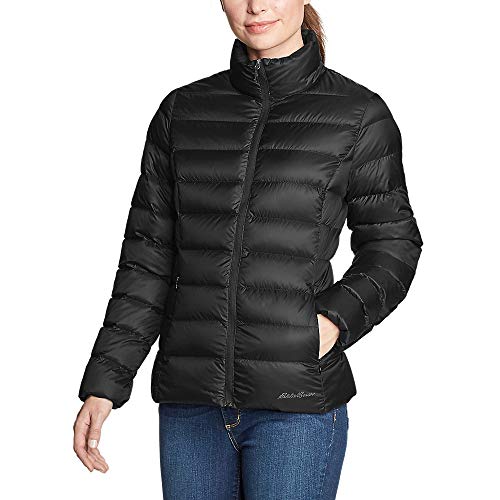
- ✓ Lightweight and packable
- ✓ Water-resistant finish
- ✓ High neckline retains warmth
- ✕ Not for extreme cold
- ✕ Limited insulation
| Material | 100% nylon outer shell |
| Water Resistance | StormRepel DWR finish |
| Insulation | Down (likely high fill power, inferred from down jacket) |
| Closure | Zipper closure |
| Design Features | Higher neckline for heat retention |
| Size Options | Petite, Plus, Tall, and Regular |
The moment I zipped up the Eddie Bauer Women’s CirrusLite Down Jacket, I immediately noticed how snugly the higher neckline hugged my neck, trapping warmth without feeling restrictive. It’s like the jacket was designed with chilly mornings in mind, especially when you’re hiking or walking in brisk weather.
The lightweight nylon shell feels surprisingly sturdy, yet it doesn’t add bulk. Plus, the StormRepel DWR finish is a game-changer—moisture beads up and rolls right off, so I stayed dry even in a light drizzle.
It’s perfect for unpredictable weather during outdoor adventures.
What really stood out is how easy it is to wear under a shell or over a thin layer. The zipper glides smoothly without catching, and the fit is true to size, giving enough room for layering without feeling bulky.
I appreciated the availability of Petite, Plus, Tall, and Regular sizes—making it easy to find a perfect fit for different body types.
Despite its lightweight design, it manages to retain warmth well, especially when paired with a hat or gloves. I also liked how the jacket packs down small, fitting neatly into a backpack without taking up much space.
On the downside, the jacket isn’t super insulated, so it’s best for mild to cool conditions rather than extreme cold. Also, the price is quite reasonable but might seem high if you only need a jacket for occasional use.
Columbia Womens Heavenly Hooded Puffer Jacket, Black, Small

- ✓ Excellent warmth-to-weight ratio
- ✓ Stylish and versatile fit
- ✓ Handy adjustable features
- ✕ Slightly pricey
- ✕ Limited color options
| Insulation Material | Synthetic down with Omni-Heat Reflective lining |
| Lining Material | 100% polyester |
| Water Resistance | Water-resistant fabric |
| Hood | Adjustable hood with drop tail |
| Fit | Classic fit for outdoor warmth and protection |
| Additional Features | Interior security pocket, zippered hand pockets, cuffs with thumbholes |
Imagine you’re trekking through a chilly mountain trail, the wind biting at your cheeks as you reach for your jacket. You pull on the Columbia Heavenly Hooded Puffer, and instantly, you feel a reassuring warmth spread across your core.
The sleek black fabric feels lightweight yet durable, and the subtle shimmer of the Omni-Heat Reflective dots catches the light as you move.
What really stands out is how cozy this jacket keeps you, thanks to that innovative lining. It’s like having a personal heat reflector tucked inside, bouncing your body heat back to keep you warm without adding bulk.
The fit is classic but flattering, allowing you to layer underneath easily without feeling constricted.
The hood is adjustable, so you can tighten it against gusts, and the drop tail offers extra coverage when the wind picks up. You’ll also appreciate the zippered hand pockets for stashing snacks or gloves, plus the interior security pocket for your phone.
The water-resistant fabric means you won’t worry too much about light rain or snow, making it perfect for unpredictable weather.
Overall, this jacket balances style, comfort, and function beautifully. It’s lightweight enough to pack in your backpack but warm enough to wear on chilly days.
Whether you’re hiking, camping, or just out running errands, it’s a reliable layer that won’t disappoint.
MARMOT Women’s Jena Down Jacket, Black, Medium

- ✓ Ultra lightweight and warm
- ✓ Water-resistant and durable
- ✓ Adjustable for perfect fit
- ✕ Slightly pricey
- ✕ Limited color options
| Fill Power | 700 Fill Power Down |
| Shell Material | 100% recycled polyester ripstop with water resistance |
| Insulation Type | Down insulation |
| Water Resistance | Water-Resistant with Down Defender technology |
| Fit Features | Angel-Wing Movement for enhanced mobility |
| Pockets | Zippered handwarmer pockets |
Ever had that moment where you reach into your jacket pocket and find a little surprise? With the Marmot Jena Down Jacket, I was pleasantly surprised to discover how lightweight it feels—almost like wearing a cloud.
It’s so cozy that I forgot I was wearing a winter coat until I stepped outside.
The jacket’s sleek black exterior looks sharp and modern, but it’s the inside that really catches your attention. The 700 Fill Power Down offers serious warmth without adding bulk.
I was able to comfortably layer underneath for colder days, and still move freely thanks to the Angel-Wing Movement design.
What really impressed me is how well it handles the elements. The water-resistant shell kept snow and light rain at bay, even during a quick hike in drizzle.
The Down Defender coating adds extra protection, so I didn’t worry about dampness soaking through.
Adjustability is a breeze with the hem and fit, which means you can customize the jacket for maximum comfort. The zippered handwarmer pockets are perfect for stashing small essentials or warming your hands after a chilly climb.
Overall, this jacket feels like a reliable companion for outdoor adventures or everyday winter outings. It’s lightweight but warm, flexible, and stylish enough to wear around town.
If you want a jacket that performs well in cold, wet conditions without weighing you down, this one’s a winner.
Columbia Women’s Heavenly Long Hooded Puffer Jacket Black M

- ✓ Warm and lightweight
- ✓ Stylish long fit
- ✓ Thoughtful features
- ✕ Slightly fitted for layering
- ✕ Not suitable for heavy rain
| Insulation Type | 100% synthetic down insulation with air-loft for maximum warmth |
| Lining Technology | OMNI-HEAT heat reflective lining with metallic dot pattern |
| Outer Material | Water-resistant fabric |
| Hood and Collar Lining | Plush fleece-lined |
| Zippers and Closures | Two-way center-front zipper with adjustable fit |
| Additional Features | Interior security pocket, zippered hand pockets, cuffs with thumb holes |
Many people assume that a puffer jacket, especially one with synthetic down, will always feel bulky or stiff. I’ve always believed that too—until I tried the Columbia Women’s Heavenly Long Hooded Puffer.
The moment I slipped it on, I was surprised by how sleek and flexible it felt.
This jacket’s classic long-line fit instantly provides a cozy, protective layer without feeling constrictive. The plush fleece-lined hood adds a luxurious touch, perfect for chilly mornings.
The metallic dot pattern lining of OMNI-HEAT really does a good job of trapping heat, which I noticed during a cold walk. It’s breathable enough that I didn’t feel sweaty, but warm enough to keep the cold at bay.
The synthetic down insulation is surprisingly lightweight, yet it offers excellent loft and warmth. I tested it during a gusty outdoor hike, and the baffling kept the warmth evenly distributed.
The two-way zipper is a thoughtful feature, allowing me to sit comfortably without bunching up. I also appreciated the interior security pocket—perfect for stashing my phone or keys.
All the little details—like the thumb holes in the cuffs—make a real difference on frosty days. The water-resistant fabric gave me peace of mind during a light drizzle, and the durable stitching reassures me this jacket will last for many adventures.
Overall, it’s a versatile, stylish, and functional piece that exceeds expectations for outdoor warmth and comfort.
fit space Women’s Puffer Jacket Synthetic Down Winter

- ✓ Lightweight and warm
- ✓ Good moisture resistance
- ✓ Versatile hood design
- ✕ Slightly slimmer fit
- ✕ Less packable than down
| Insulation Material | Synthetic down alternative |
| Insulation Weight | 200 grams throughout the jacket |
| Shell Material | Full nylon with wind and water resistance |
| Hood | Removable and can be used as a mid-layer |
| Water Resistance | Resistant to moisture, dries quickly |
| Intended Use | Suitable for winter hiking, skiing, mountaineering, ski touring, wet walking, backpacking, urban winter wear |
Opening the package, I immediately noticed how lightweight the fit space Women’s Puffer Jacket felt in my hands. The synthetic shell has a smooth, slightly matte finish that looks durable yet sleek.
As I pulled it out, the 200 grams of insulation felt plush without adding bulk, which is a big win when layering for winter activities.
Wearing it for a quick test walk, I appreciated the balance between warmth and breathability. The jacket kept me cozy without overheating, thanks to the well-distributed insulation.
The removable hood is a nice touch—easy to adjust on the fly and perfect for chilly breaks. I also liked how the hat can be used as a mid-layer, offering versatility.
The nylon shell resisted wind and light rain smoothly, and I found it dries faster than traditional down jackets when I got caught in a drizzle. Its machine-washable feature makes cleanup simple, especially after a day of muddy trails or urban adventures.
The fit is snug but not restrictive, ideal for active use like hiking or skiing.
What stood out is how well it regulates heat during movement, preventing me from feeling sweaty or chilled. Plus, the synthetic insulation performs reliably even when damp, which is a huge bonus for wet weather or snow outings.
Overall, it’s a practical, affordable choice that handles most winter scenarios with ease.
What Should You Look for When Choosing a Women’s Backpacking Down Jacket?
When choosing the best women’s backpacking down jacket, consider the following key factors:
- Insulation Quality: Look for jackets filled with high-quality down, measured by fill power, which indicates the loft and warmth-to-weight ratio. A higher fill power (above 600) suggests better insulation and warmth, making it ideal for backpacking in colder climates.
- Weight and Packability: Opt for lightweight jackets that can be easily packed into your backpack without taking up much space. A good backpacking down jacket should compress well, allowing for convenient storage during hikes.
- Water Resistance: Choose a jacket that features a water-resistant or water-repellent finish to protect against light rain and moisture. This is essential for maintaining warmth as wet down loses its insulating properties and can lead to discomfort.
- Fit and Mobility: Ensure the jacket offers a comfortable fit that allows for easy movement, especially when layering over other clothing. Consider options with adjustable features such as cuffs, hems, and hoods to customize your fit and enhance thermal efficiency.
- Durability: Look for jackets constructed with high-quality fabrics that withstand wear and tear from outdoor activities. Reinforced seams and abrasion-resistant materials can prolong the life of the jacket, making it a smart investment for frequent hikers.
- Temperature Rating: Check the manufacturer’s temperature rating to ensure the jacket meets your specific needs based on the climate you’ll be encountering. This will help you gauge whether the insulation will keep you warm during your backpacking adventures.
- Features: Consider additional features such as pockets, hoods, and draft collars, which can enhance usability and comfort. Functional elements like zippered hand pockets or internal pockets for valuables can be particularly useful on the trail.
How Does a Down Jacket Benefit Your Backpacking Experience?
- Insulation: Down jackets are filled with natural down feathers, which offer excellent thermal insulation. The structure of the down creates tiny air pockets that trap heat, keeping you warm even in frigid temperatures.
- Lightweight and Packable: One of the standout features of down jackets is their lightweight nature and ability to compress into a small size. This makes them easy to pack in your backpack without adding unnecessary weight, making them ideal for multi-day hikes.
- Breathability: Down jackets can regulate your body temperature effectively, allowing moisture to escape while retaining warmth. This breathability helps prevent overheating during physical activities like hiking or climbing.
- Durability: High-quality down jackets are designed to withstand the rigors of outdoor use. With proper care, they can last for many seasons, making them a worthwhile investment for frequent backpackers.
- Versatility: A down jacket can be worn as an outer layer in chilly weather or as insulation under a waterproof shell in wet conditions. This versatility makes it suitable for various climates and activities.
- Style Options: Many brands offer stylish designs that cater to different preferences, ensuring you stay fashionable while enjoying the wilderness. This means you can transition from the trail to town without needing a complete outfit change.
Which Brands Are Recognized for Quality Women’s Backpacking Down Jackets?
Some of the most recognized brands for quality women’s backpacking down jackets include:
- Patagonia: Known for its commitment to sustainability, Patagonia offers down jackets that provide excellent insulation while being lightweight and packable. Their products often feature recycled materials and durable water-repellent finishes, making them a reliable choice for outdoor adventures.
- The North Face: This brand is renowned for its high-performance outdoor gear, and their women’s down jackets are no exception. They incorporate advanced technologies such as Heatseeker insulation and DryVent waterproofing to ensure warmth and protection from the elements during backpacking trips.
- Arc’teryx: Renowned for its technical performance and minimalist design, Arc’teryx creates premium down jackets that are exceptionally lightweight yet warm. Their attention to detail and use of high-quality materials make them a favorite among serious backpackers and mountaineers.
- Marmot: Marmot’s women’s down jackets are designed with both comfort and functionality in mind, featuring features like water-resistant down and adjustable hoods. They are well-known for their versatility, making them suitable for various outdoor activities beyond just backpacking.
- Mountain Hardwear: This brand focuses on innovation and performance, producing women’s down jackets that excel in harsh conditions. Their designs often include features like high warmth-to-weight ratios and wind-resistant fabrics, appealing to those who seek adventure in diverse environments.
How Do You Find the Perfect Fit for a Women’s Backpacking Down Jacket?
Finding the perfect fit for a women’s backpacking down jacket involves several key considerations to ensure comfort, warmth, and mobility. Here are the essential factors to consider:
-
Size: Start by knowing your measurements—bust, waist, and hips. Consult the manufacturer’s sizing chart, as sizes can vary widely across brands. Aim for a snug fit without constricting movement.
-
Layering: Think about what you’ll wear underneath the jacket. Consider whether you plan to layer with a thermal base layer or simply wear a t-shirt. Ensure there’s enough room for essential layers without feeling bulky.
-
Length: The jacket’s length affects warmth and mobility. A hip-length jacket offers more freedom for movement, while a longer cut may provide additional warmth but could restrict mobility.
-
Sleeve Length: Ensure sleeves are long enough to cover your wrists, especially if you plan on wearing gloves. Look for adjustable cuffs that allow for a customizable fit.
-
Adjustability: Features like drawcord hems and adjustable hoods enhance fit and insulation. This allows you to secure the jacket against wind and cold, maximizing warmth.
Trying on different styles and brands will help determine what fits best, keeping in mind personal preferences for mobility and warmth.
What Are the Top Recommendations for Women’s Backpacking Down Jackets?
The best women’s backpacking down jackets prioritize warmth, packability, and durability for outdoor adventures.
- Patagonia Frozen Range Jacket: This jacket is insulated with 700-fill power recycled down and features a weather-resistant shell that provides excellent warmth without bulk. Its lightweight design makes it easy to pack, and the adjustable hood enhances protection against the elements.
- Arc’teryx Cerium LT Jacket: Combining down and synthetic insulation, this jacket offers exceptional warmth-to-weight ratio, making it ideal for backpacking. The breathable fabric allows moisture to escape, while the trim fit ensures it layers well under other gear.
- The North Face ThermoBall Eco Jacket: Utilizing synthetic ThermoBall insulation, this jacket mimics down’s loftiness while remaining warm even when wet. It is highly compressible, allowing for easy packing in a backpack, and features a durable, water-repellent finish for added protection.
- Outdoor Research Superlayer Down Hoodie: This jacket stands out with its unique design that combines down insulation with a weather-resistant shell, making it versatile for various conditions. The adjustable hem and hood provide a customizable fit, while the durable fabric ensures longevity during rugged use.
- Marmot Fordham Jacket: This stylish yet functional jacket blends urban aesthetics with outdoor performance, featuring 700-fill down insulation for warmth. Its water-repellent outer layer protects against light rain, and the cozy fleece-lined collar adds extra comfort for cold-weather excursions.
How Should You Maintain and Care for Your Down Jacket?
To maintain and care for your down jacket, follow these essential tips:
- Washing: Use a front-loading washing machine on a gentle cycle with a down-specific detergent.
- Drying: Tumble dry your jacket on a low heat setting with dryer balls to restore loft.
- Storage: Store your jacket loosely in a cool, dry place to prevent compression of the down.
- Spot Cleaning: Clean small stains with a damp cloth and mild soap to avoid frequent full washes.
- Avoiding Moisture: Keep your jacket dry and avoid heavy rain; if it does get wet, dry it promptly.
Washing: It’s important to wash your down jacket correctly to maintain its insulation properties. Use a front-loading washing machine to avoid damaging the fabric and select a gentle cycle with a detergent specifically designed for down, as regular detergents can strip away the natural oils that help keep the down feathers lofted and warm.
Drying: After washing, it’s crucial to dry your down jacket thoroughly to prevent mildew and maintain its insulating ability. Tumble dry it on a low heat setting and include dryer balls or clean tennis balls in the dryer; they help to fluff the down as it dries, ensuring it regains its loft and warmth.
Storage: Proper storage of your down jacket is key to extending its lifespan. Instead of storing it in a compressed state, which can damage the down feathers, keep it loosely packed in a cool, dry area, ideally in a large cotton bag or on a hanger to allow airflow.
Spot Cleaning: For minor stains or dirt, spot cleaning is a practical solution that avoids the wear and tear of frequent washing. Dampen a cloth with water and a small amount of mild soap to gently dab at the stained area, ensuring you do not soak the jacket which can lead to clumping of the down.
Avoiding Moisture: Down jackets should be kept away from moisture as wet down loses its insulating properties. If your jacket does get wet, dry it quickly using a low heat setting; never leave it damp as this can lead to mold and degradation of the materials.
What Are the Alternatives to Down Jackets for Backpacking?
There are several effective alternatives to down jackets for backpacking that offer warmth and functionality.
- Synthetic Insulation Jackets: These jackets utilize synthetic fibers that mimic the insulating properties of down while providing better performance in wet conditions.
- Fleece Jackets: Fleece is a lightweight and breathable option that retains warmth even when damp, making it a practical layer for hiking.
- Wool Jackets: Wool offers natural temperature regulation and moisture-wicking properties, making it suitable for variable weather conditions.
- Softshell Jackets: Softshells provide a balance between breathability and insulation, often featuring wind-resistant materials that are ideal for active pursuits.
- Insulated Vests: Vests can be a versatile layering option, providing core warmth without the bulk of full jackets, and they can be worn under or over other layers.
Synthetic insulation jackets are designed to provide warmth similar to down, but they excel in wet conditions as they retain their insulating properties even when damp. This makes them a reliable choice for backpackers who may encounter rain or snow.
Fleece jackets are popular for their lightweight construction and excellent breathability, allowing for moisture evaporation during high-intensity activities. They are also easy to layer and can be used as a mid-layer or outer layer depending on the weather.
Wool jackets, particularly those made from merino wool, provide natural insulation and moisture-wicking capabilities, keeping you warm and dry. They also have odor-resistant properties, which is beneficial for extended backpacking trips.
Softshell jackets combine flexibility and breathability with a degree of insulation, making them suitable for active use in cooler conditions. They often feature water-resistant treatments, providing a functional barrier against wind and light precipitation.
Insulated vests are especially advantageous for layering, as they keep your core warm while allowing for freedom of movement in your arms. They can be easily worn over a base layer or under a shell jacket for added warmth when needed.
Related Post: