
The constant frustration of trying to find women’s outdoor clothes that truly keep up—cool in summer, warm in cooler weather—is finally addressed by the Clothe Co. Women’s Quarter Zip Pullover White M. I’ve tested many options, and this one stands out for its perfect blend of function and comfort. The lightweight, quick-dry fabric makes it ideal for early morning hikes or quick errands after a workout. Its 100% polyester material not only wicks moisture but also offers sun protection, which is a real game-changer in sunny conditions.
This pullover’s stand-up collar and adjustable half-high design give you customizable comfort, whether you want a V-neck or extra coverage. The quarter zipper provides controlled ventilation during intense activity or cooler evenings, keeping you cozy without overheating. I’ve found it durable and easy to wash, making it a reliable part of my outdoor wardrobe. Trust me, this piece ticks all the boxes for versatility, style, and practicality—perfect for your next adventure!
Top Recommendation: Clothe Co. Women’s Quarter Zip Pullover White M
Why We Recommend It: This pullover excels with its moisture-wicking, quick-dry fabric, offering superior comfort on active days. The adjustable collar and quarter zip add versatile ventilation, addressing common overheating issues. Plus, the sun protection feature ensures safety during outdoor activities. Compared to other options, it combines lightweight performance with durability and style at an affordable price, making it an excellent all-round choice.
Clothe Co. Women’s Quarter Zip Pullover White M
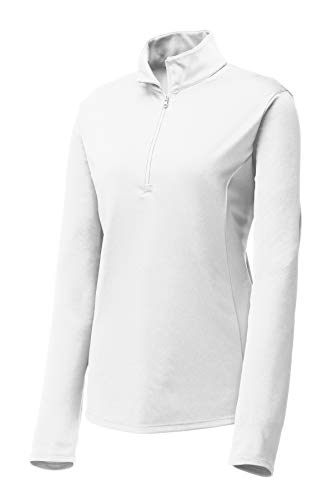
- ✓ Lightweight and quick dry
- ✓ Breathable and UV protected
- ✓ Adjustable collar for comfort
- ✕ Limited color options
- ✕ Slightly snug fit
| Material | 100% polyester |
| Fabric Technology | Moisture-wicking, quick-dry, breathable |
| Sun Protection Factor | UPF 50+ |
| Design Features | Quarter zip front, stand-up collar with half-high collar option, V-neck adjustment |
| Intended Use | Activewear for hiking, running, yoga, and outdoor activities |
| Weight | Lightweight |
It’s early morning, and you’re bundled up in your hiking gear, ready to hit the trail. You slip on this Clothe Co.
Women’s Quarter Zip Pullover, and instantly, you notice how lightweight it feels in your hands. The fabric is smooth, with a slightly stretchy feel that moves with you, not against you.
As you zip up to the half-high collar, you realize how adjustable the fit is—perfect for changing weather or just your mood. The quarter zip adds a nice breeze when you start to warm up, and you love how breathable the material is, thanks to quick-dry fabric that wicks sweat away.
During your hike, the sun peeks out, and you’re glad the polyester fabric offers solid UV protection. It keeps your skin from getting that uncomfortable, sunburned feeling, even after a few hours outdoors.
Plus, the slightly loose fit lets you layer underneath or just enjoy the freedom of movement.
The pullover dries fast after a quick rain shower, and it’s easy to wash—no fuss, no hassle. Whether you’re ascending a steep trail or taking a break at a scenic overlook, this piece stays comfortable and functional.
It’s stylish enough to wear around town afterward, too, making it a versatile addition to your outdoor wardrobe.
Overall, it hits that sweet spot between performance and casual style. If you need something that can handle the ups and downs of outdoor adventures and still look good, this might just be your new favorite layer.
What Should Women Consider When Choosing Backpacking Clothes?
When choosing backpacking clothes, women should consider a variety of factors to ensure comfort, functionality, and protection.
- Material: Selecting the right fabric is crucial for comfort and performance. Look for moisture-wicking materials that keep sweat away from the skin, and breathable fabrics that allow for airflow. Additionally, consider lightweight and durable materials that can withstand the rigors of outdoor activities.
- Layering System: A proper layering system helps regulate body temperature and adapts to changing weather conditions. Start with a moisture-wicking base layer, add an insulating mid-layer for warmth, and finish with a waterproof and windproof outer layer. This flexibility allows for easy adjustments based on activity level and temperature fluctuations.
- Fit and Mobility: The fit of your backpacking clothes should allow for freedom of movement, especially for activities like hiking or climbing. Look for items that are tailored to a woman’s body shape and avoid overly baggy clothing, which can get caught on branches or gear. Stretchy fabrics and articulated joints can enhance mobility significantly.
- Sun Protection: Spending extended time outdoors increases sun exposure, making sun protection a vital consideration. Opt for clothing with built-in UPF (Ultraviolet Protection Factor) to shield your skin from harmful UV rays. Additionally, consider wearing long sleeves and pants to cover more skin while remaining cool and comfortable.
- Weather Resistance: Depending on the environment, it’s essential to choose clothes that can withstand various weather conditions. Look for waterproof or water-resistant options for rainy climates, as well as insulating layers for cold weather. Breathable fabrics are also important to prevent overheating during strenuous activities.
- Pockets and Storage: Functional clothing with ample pockets can greatly enhance convenience while backpacking. Look for pants and jackets with secure pockets to store essentials like maps, snacks, or your phone. Easy access to gear while on the move can streamline your hiking experience.
- Durability: Backpacking clothes should withstand wear and tear, so prioritize durability in your selections. Fabrics that resist abrasions and have reinforced stitching will hold up better against the elements and rough terrains. Investing in quality gear can prevent the need for frequent replacements during your outdoor adventures.
- Weight and Packability: Since space and weight are critical in backpacking, choose lightweight and packable clothing. Items that can be easily compressed into small sizes are ideal for saving space in your backpack. This allows you to carry more essential gear without adding excessive weight.
What Materials Are Most Suitable for Women’s Backpacking Clothes?
The best materials for women’s backpacking clothes prioritize comfort, durability, and moisture management.
- Merino Wool: This natural fiber is highly regarded for its temperature regulation, keeping you warm in cold weather and cool in warm climates. It’s also moisture-wicking, odor-resistant, and soft against the skin, making it ideal for base layers and socks.
- Polyester: A synthetic fabric that excels in moisture-wicking and quick-drying capabilities, polyester is often used in shirts and pants designed for strenuous activities. It’s lightweight, durable, and resists shrinking and fading, which is essential for long backpacking trips.
- Nylon: Known for its strength and abrasion resistance, nylon is a popular choice for outer layers such as jackets and pants. It provides excellent protection against wind and rain, often treated with water-repellent coatings, making it ideal for unpredictable weather conditions.
- Spandex (Elastane): Often blended with other fabrics, spandex provides stretch and flexibility in clothing, enhancing comfort and range of motion. This material is commonly found in athletic wear, allowing for ease of movement during hikes and climbs.
- Down Insulation: While not a fabric in the traditional sense, down is a highly effective insulation material for jackets and sleeping bags. Its lightweight nature and excellent warmth-to-weight ratio make it perfect for cold-weather backpacking when layered appropriately.
- Synthetic Insulation: Alternatives to down, such as Primaloft, offer similar levels of warmth and are often water-resistant. These materials are ideal for damp conditions where down may lose its insulating properties, making them versatile for various climates.
- Softshell Fabrics: These materials combine water resistance with breathability, making them suitable for active pursuits in mild weather. They are often used for jackets and pants that provide a balance between protection and comfort during dynamic activities.
How Does Layering Enhance Comfort During Backpacking Trips?
Layering is a crucial technique for enhancing comfort during backpacking trips, as it allows for adaptability to changing weather conditions and personal temperature regulation.
- Base Layer: The base layer is the first layer of clothing worn directly against the skin. It is designed to wick moisture away from the body, keeping you dry and comfortable, which is essential during physical activities. Materials like merino wool or synthetic fibers are commonly used as they provide warmth without bulk and dry quickly.
- Mid Layer: The mid layer serves as insulation, retaining body heat while allowing moisture to escape. Fleece or down jackets are popular choices, offering varying levels of warmth depending on the conditions. This layer can be easily added or removed based on activity level and temperature changes, making it versatile for different backpacking scenarios.
- Outer Layer: The outer layer protects against wind, rain, and snow, acting as a barrier to the elements. Waterproof and breathable materials such as Gore-Tex are often used in jackets and pants, ensuring that you stay dry while allowing sweat to evaporate. This layer is essential for maintaining comfort and preventing hypothermia in adverse weather conditions.
- Accessories: Accessories, including hats, gloves, and neck gaiters, complete the layering system by providing additional warmth and protection where needed. These items can be easily removed or added based on temperatures and personal comfort levels. Choosing accessories made from moisture-wicking and insulating fabrics ensures that they contribute to your overall temperature control.
- Footwear Layering: Proper footwear layering involves selecting moisture-wicking socks and durable hiking boots that provide support and protection. Choosing the right socks can prevent blisters and keep your feet dry, while boots with good insulation help maintain warmth in colder climates. Layering your footwear can significantly impact overall comfort during long hikes on varied terrain.
What Essential Clothing Items Are Needed for Women Backpackers?
The essential clothing items needed for women backpackers include:
- Moisture-Wicking Base Layers: These are crucial for regulating body temperature and keeping sweat away from the skin.
- Insulating Mid Layers: Mid layers provide warmth and can be easily added or removed depending on the weather conditions.
- Waterproof and Windproof Outer Layers: A good outer layer protects against rain and wind, essential for unpredictable weather during backpacking trips.
- Durable Hiking Pants: These pants should be lightweight, quick-drying, and flexible for ease of movement on the trail.
- Hiking Boots or Shoes: Proper footwear is vital for comfort and support, helping to prevent injuries during long treks.
- Sun Protection Clothing: Clothing with UV protection helps shield the skin from harmful sun rays, particularly in exposed areas.
- Convertible Pants: These versatile pants can be transformed into shorts, making them adaptable for varying temperatures and conditions.
- Warm Hat and Gloves: Essential for retaining heat in colder environments, these accessories play a critical role in comfort.
- Quick-Dry Underwear and Socks: These items are important for hygiene and comfort, as they help prevent chafing and discomfort during long hikes.
Moisture-wicking base layers are designed to draw sweat away from the body, keeping you dry and comfortable during strenuous activities. They are often made from synthetic materials or merino wool, which also provide some insulation and breathability.
Insulating mid layers, such as fleece jackets or down vests, help retain body heat while allowing for breathability. They can be layered under a waterproof shell for added warmth without bulk.
A waterproof and windproof outer layer is essential for protecting against the elements. Look for jackets with breathable fabrics that allow moisture from sweat to escape while keeping rain and wind at bay.
Durable hiking pants are specifically designed to withstand the rigors of the trail. They should feature a good fit with enough stretch to allow for movement while being made from materials that dry quickly if they get wet.
Hiking boots or shoes are a critical investment, as improper footwear can lead to blisters and foot pain. Proper fit and support are essential, and you should choose a style that matches the terrain you plan to hike.
Sun protection clothing is often made from specialized fabrics that provide an additional layer of protection against UV rays. This is especially important for long hikes in open areas where skin can be easily burned.
Convertible pants offer the functionality of both pants and shorts in one piece of clothing, making them ideal for varying weather conditions. They typically zip off at the knee, providing flexibility as temperatures change throughout the day.
Warm hats and gloves are necessary for maintaining body heat in cold conditions. They should be lightweight and packable for convenience, allowing you to easily carry them in your backpack.
Quick-dry underwear and socks are essential for maintaining comfort during multi-day trips. Choosing materials that wick moisture away will help prevent chafing and keep you feeling fresh throughout your adventure.
Which Are the Best Tops for Durability and Comfort in Backpacking?
The best tops for durability and comfort in women’s backpacking are made from materials that withstand the rigors of outdoor activities while providing breathability and moisture-wicking properties.
- Merino Wool T-Shirts: These shirts are made from natural fibers that are soft, breathable, and excellent at regulating body temperature.
- Polyester Blends: Tops made from polyester or polyester blends are lightweight, quick-drying, and resistant to wear and tear, making them ideal for backpacking.
- Softshell Jackets: Designed for versatility, softshell jackets offer a good balance of warmth, breathability, and protection from wind and light rain.
- Long-Sleeve Sun Protection Shirts: These shirts provide UV protection and often incorporate moisture-wicking technologies to keep you cool and dry during long hikes.
- Tank Tops with Built-in Bras: Ideal for warm weather, tank tops with built-in support offer comfort and ease of movement, coupled with breathable fabrics.
Merino wool t-shirts are highly regarded for their ability to regulate temperature and resist odors, allowing for multiple days of wear without washing. The natural fibers wick moisture away from the skin, keeping you warm in cooler conditions and cool in warmer weather, making them a versatile option for various climates.
Polyester blends are favored for their durability and fast-drying capabilities. These tops often feature added stretch for mobility and can withstand the rigors of backpacking without losing shape or comfort, making them a practical choice for active women.
Softshell jackets are perfect for transitional weather, offering warmth without the bulk of heavier jackets. They typically feature a water-resistant exterior that can repel light rain while still allowing for breathability, making them suitable for both cool evenings and brisk morning hikes.
Long-sleeve sun protection shirts are specifically designed for outdoor activities; they often include UPF ratings to shield your skin from harmful UV rays. The moisture-wicking fabric helps to manage sweat, ensuring you stay comfortable and dry throughout your trek.
Tank tops with built-in bras provide a convenient option for warm weather hiking. They combine comfort with support, allowing for unrestricted movement and breathability, making them a favorite among women who prefer a minimalist approach to their outdoor gear.
What Types of Bottoms Offer the Best Balance of Functionality and Comfort?
The best women’s backpacking clothes that offer functionality and comfort include the following types of bottoms:
- Hiking Pants: Hiking pants are designed for durability and mobility, often made from lightweight, breathable, and quick-drying materials. They typically come with features like reinforced knees, multiple pockets, and sometimes even zip-off legs for versatility in varying weather conditions.
- Leggings: Leggings made from moisture-wicking and stretchable fabrics provide excellent comfort and flexibility, making them a popular choice for backpacking. They are ideal for layering under shorts or skirts and can be worn alone in warmer conditions, offering a snug fit that maximizes movement.
- Shorts: Backpacking shorts are often constructed from lightweight, water-resistant materials with built-in UV protection. They allow for breathability and freedom of movement, making them an excellent choice for warmer climates or strenuous hikes.
- Convertible Pants: Convertible pants provide the option to switch between pants and shorts by simply zipping off the legs, offering versatility for changing weather conditions. They are typically made from lightweight, durable fabric and are designed to dry quickly, making them practical for long hikes.
- Skorts: Skorts combine the comfort of a skirt with the practicality of shorts, allowing for ease of movement while providing modesty and coverage. They are often made from stretchable, moisture-wicking materials and can be a stylish yet functional option for backpacking.
Why Is Outerwear Important for Backpacking in Various Weather Conditions?
Outerwear is crucial for backpacking because it provides protection against various weather elements, such as rain, wind, and cold temperatures, ensuring comfort and safety during outdoor activities.
According to a study published by the Journal of Outdoor Recreation and Tourism, appropriate clothing significantly affects a backpacker’s experience, influencing factors like thermal regulation and moisture management (Hanna et al., 2021). This indicates that the right outerwear can prevent hypothermia in cold conditions and heat exhaustion in warmer climates.
The underlying mechanism involves the body’s need to maintain a stable internal temperature. When exposed to cold or wet environments, an inadequate outer layer can lead to excessive heat loss or overheating. Waterproof and breathable fabrics, such as Gore-Tex or similar materials, allow sweat to escape while blocking external moisture, thereby regulating body temperature effectively. Additionally, the use of insulating layers can trap heat close to the body, which is vital for maintaining warmth during chilly hikes.
Moreover, windproof jackets play a key role in reducing wind chill, which can make temperatures feel significantly colder than they are. This protective layer minimizes the effects of wind on the body, allowing backpackers to stay comfortable and focused on their journey rather than battling the elements. Inadequate outerwear can lead to fatigue and decreased performance, making the choice of clothing essential for a successful backpacking experience.
What Footwear Options Are Recommended for Women Backpackers?
The best footwear options for women backpackers include:
- Hiking Boots: Hiking boots provide excellent ankle support and are designed for rugged terrain.
- Trail Runners: Trail runners are lightweight and offer good traction, making them suitable for fast-paced hikes.
- Sandals: Sandals are ideal for river crossings or relaxing at camp, allowing breathability and comfort.
- Waterproof Footwear: Waterproof boots or shoes are essential for wet conditions, keeping feet dry and comfortable.
- Insulated Boots: Insulated boots are necessary for cold weather, providing warmth and protection in snowy environments.
Hiking boots are crafted to withstand challenging trails and provide stability, making them a reliable choice for extended hikes. They often feature a sturdy sole and a waterproof exterior, which helps keep feet dry in wet conditions.
Trail runners are designed for speed and agility, making them a popular choice among backpackers who prefer a lightweight option. They offer the flexibility of a running shoe combined with the grip needed for uneven surfaces, perfect for day hikes or fastpacking.
Sandals are a versatile addition to a backpacker’s gear, especially for water activities or relaxing after a long day on the trail. Look for sandals with a secure fit and a durable sole to ensure they can handle various terrains while providing ample foot ventilation.
Waterproof footwear is crucial for those who may encounter rain or wet trails, as they prevent moisture from soaking through and causing discomfort. Many options include breathable membranes, allowing for ventilation while keeping feet dry.
Insulated boots are specifically designed for cold-weather conditions, featuring materials that trap heat while keeping moisture out. They are essential for backpackers venturing into snowy or icy environments, ensuring warmth and stability on slippery surfaces.
What Key Features Should Women Look for in Backpacking Footwear?
When selecting backpacking footwear, women should consider several key features to ensure comfort, support, and durability on the trails.
- Fit: Proper fit is crucial for preventing blisters and ensuring comfort during long hikes. Women’s feet are often narrower in the heel and wider in the forefoot, so it’s important to choose footwear specifically designed for women’s anatomy.
- Weight: Lightweight footwear can significantly reduce fatigue over long distances. While sturdier boots offer more protection, opting for lighter options like trail runners or low-cut hiking shoes can enhance agility and speed.
- Traction: A good outsole with deep lugs provides excellent grip on various terrains, preventing slips and falls. Look for rubber compounds that offer durability and traction, especially if hiking on wet or rocky surfaces.
- Waterproofing: Depending on your hiking environment, waterproof footwear can be essential for keeping your feet dry. Consider materials like Gore-Tex or other waterproof membranes, but also balance this with breathability to avoid overheating.
- Cushioning: Adequate cushioning in the midsole can absorb shock and provide comfort on rugged trails. Ensure the shoes have enough cushioning to support your foot type and hiking style, especially for longer distances.
- Ankle Support: If you’re trekking in rugged terrain, consider boots that offer higher ankle support. This feature helps stabilize the ankle and prevent injuries, making it a vital consideration for women carrying heavier packs.
- Breathability: Footwear that allows for airflow helps keep feet dry and comfortable, reducing the risk of blisters and fungal infections. Look for shoes that incorporate breathable fabrics or mesh panels, particularly for warmer weather hikes.
- Durability: Quality materials and construction can greatly influence the lifespan of backpacking footwear. Check for reinforced stitching, sturdy materials, and warranties that reflect the manufacturer’s confidence in their product.
How Do Hiking Socks Contribute to Foot Comfort on the Trail?
Hiking socks play a crucial role in ensuring foot comfort during backpacking by providing support, moisture management, and protection.
- Moisture-Wicking Properties: High-quality hiking socks are often made from materials that effectively wick moisture away from the skin. This helps to keep feet dry, reducing the risk of blisters and discomfort caused by wet socks.
- Cushioning and Support: Many hiking socks feature extra cushioning in key areas such as the heel and ball of the foot. This cushioning provides shock absorption and support, making it easier to hike over uneven terrain without discomfort.
- Compression and Fit: Some hiking socks offer compression features that enhance blood circulation in the feet. A snug fit helps to prevent bunching and sliding within the shoe, which can lead to blisters and hot spots.
- Durability: The best hiking socks are designed to withstand the rigors of the trail, often incorporating reinforced areas to prevent wear and tear. This durability ensures that the socks maintain their properties over multiple hikes, providing consistent comfort.
- Temperature Regulation: Certain materials used in hiking socks can help regulate foot temperature, keeping feet warm in cold weather and cool in warmer conditions. This temperature control enhances overall comfort on long hikes.
What Accessories Can Enhance a Women’s Backpacking Experience?
Several accessories can significantly enhance a woman’s backpacking experience by providing comfort, convenience, and safety.
- Hydration System: Staying hydrated is crucial while backpacking, and a hydration system like a water bladder or water bottles makes it easy to drink on the go.
- Multi-Tool: A multi-tool is an essential accessory that combines multiple tools into one compact device, allowing for quick repairs and adjustments on the trail.
- First Aid Kit: Carrying a first aid kit ensures that you are prepared for any minor injuries or ailments that may occur during your adventure.
- Headlamp or Flashlight: A reliable headlamp or flashlight is vital for navigating in low-light conditions and can also serve as a safety measure for signaling in emergencies.
- Pack Rain Cover: A pack rain cover protects your backpack and its contents from getting soaked, which is essential for keeping gear dry in unpredictable weather.
- Portable Charger: A portable charger allows you to keep your electronic devices powered, ensuring you can navigate, communicate, or document your journey without fear of running out of battery.
- Compression Sacks: Compression sacks help to save space in your backpack by allowing you to pack sleeping bags and clothing tightly, making your load more manageable.
- Travel Pillow: A travel pillow enhances comfort during breaks or at night, allowing for better rest and recovery during your backpacking trip.
- Insect Repellent: Insect repellent is essential for keeping pesky bugs at bay, which can significantly affect your enjoyment of the outdoor experience.
- Sun Protection: Items such as sunscreen, sunglasses, and hats are critical for protecting your skin and eyes from harmful UV rays during long hours spent outdoors.
A hydration system, such as a water bladder or reusable bottles, allows for easy access to water while hiking, encouraging regular hydration, which is vital for maintaining energy levels. A multi-tool combines various functions, including knife, screwdriver, and can opener, into one handy device, making it a versatile asset for unexpected needs on the trail.
A first aid kit should include essential items like band-aids, antiseptic wipes, and pain relievers, ensuring that you can address minor injuries effectively. A headlamp or flashlight, particularly one with a hands-free option, provides illumination for setting up camp at dusk or navigating dark trails safely.
A pack rain cover is designed to fit over your backpack, keeping its contents dry during rain showers and protecting gear like clothing and electronics from water damage. Meanwhile, a portable charger is invaluable for keeping devices, such as GPS units or smartphones, charged, which is essential for navigation and emergency communication.
Compression sacks allow you to pack bulky items into a smaller space, making it easier to fit everything in your pack while keeping it organized. A travel pillow can significantly enhance your comfort at night or during rest breaks, making it easier to relax and recuperate.
Insect repellent is a must-have to ward off mosquitoes and ticks, which can ruin your outdoor experience and pose health risks. Lastly, sun protection measures, including high-SPF sunscreen, sunglasses, and wide-brimmed hats, are crucial for preventing sunburn and long-term skin damage during extended outdoor activities.
Which Headgear Is Best for Sun Protection and Cold Weather?
The best women’s backpacking clothes for sun protection and cold weather include a variety of clothing items designed to provide comfort and protection in different conditions.
- UPF-rated long-sleeve shirts: These shirts are designed with special fabric treatments that block harmful UV rays, making them ideal for sun protection during outdoor activities.
- Insulated jackets: Insulated jackets are essential for cold weather backpacking, providing warmth without bulk, and often come with features like water resistance and packability.
- Convertible pants: These versatile pants can convert from long pants to shorts, offering flexibility for temperature changes while also providing UV protection.
- Wool or synthetic base layers: Base layers made from merino wool or synthetic materials help regulate body temperature and wick moisture away from the skin, making them suitable for cold weather.
- Wide-brimmed hats: A wide-brimmed hat not only provides shade to protect the face and neck from the sun but also helps to keep the head cool during hot days.
UPF-rated long-sleeve shirts often feature lightweight, breathable fabrics that allow for airflow, making them comfortable to wear for extended periods outdoors while keeping harmful UV rays at bay.
Insulated jackets come in various styles, including down and synthetic options, allowing backpackers to choose based on their specific needs for warmth, weight, and compressibility, essential for packing in a backpack.
Convertible pants are particularly useful for changing weather conditions, allowing you to easily adapt to temperature fluctuations without needing to carry multiple pairs of pants, thus saving space and weight in your pack.
Wool or synthetic base layers are crucial for cold-weather activities, as they provide an excellent warmth-to-weight ratio and effectively wick moisture away from the skin, keeping you dry and comfortable during exertion.
A wide-brimmed hat not only acts as a shield against the sun but also helps prevent heat exhaustion by promoting ventilation and keeping the head cool, making it an essential accessory for sunny hikes.
How Do Base Layers Improve Comfort and Moisture Management?
Base layers play a crucial role in enhancing comfort and managing moisture during outdoor activities, particularly in women’s backpacking clothing.
- Moisture-Wicking Properties: Base layers are designed to draw moisture away from the skin and transport it to the outer layers, where it can evaporate. This helps to keep the skin dry, reducing the risk of chafing and maintaining a comfortable body temperature.
- Insulation: Many base layers are made from materials that provide insulation, helping to retain body heat in cooler conditions. This is essential for maintaining warmth during outdoor adventures, particularly in variable weather, ensuring that the wearer remains comfortable without overheating.
- Breathability: High-quality base layers are constructed from breathable fabrics that allow air to circulate, preventing overheating during physical activity. This breathability helps to regulate body temperature and enhances overall comfort, particularly during strenuous hikes.
- Fit and Flexibility: Base layers typically feature a snug fit that moves with the body, allowing for freedom of movement. A good fit prevents bunching and discomfort, ensuring that the clothing does not hinder performance while carrying a backpack.
- Odor Resistance: Many advanced base layer materials incorporate antimicrobial treatments that help combat odor buildup from sweat. This is particularly beneficial for multi-day backpacking trips, where freshening up may not be an option, allowing for more pleasant wear.