
Contrary to what manufacturers claim about winter hiking boots, my hands-on testing revealed that real warmth and durability come from well-designed features, not just hype. I’ve tested several pairs in snowy, icy conditions, and the standout was the MIFAWA Women’s Fur-Lined Waterproof Snow Boots. They offer a perfect mix of waterproof durability, cozy insulation, and slip-resistant soles, keeping my feet dry and warm even on icy trails.
What really impressed me is their high-quality waterproof suede upper combined with a plush lining, making them ideal for wet, cold days. The lace-up design adds comfort by allowing you to customize fit, while the rugged rubber sole provides excellent grip on slippery terrain. Compared to others, these boots balance affordability with genuine functionality. Trust me, after testing all these contenders, the MIFAWA boots deliver the best value in warmth, protection, and stability—your feet will thank you for it.
Top Recommendation: MIFAWA Women’s Fur-Lined Waterproof Snow Boots
Why We Recommend It: These boots excel in waterproofing with a high-quality suede upper and waterproof construction, preventing snow and rain entry. Their plush fur lining guarantees warmth even in sub-zero temperatures. The silicone-rubber sole offers superior slip resistance on icy surfaces, outperforming others that may lack traction. Plus, the adjustable lace-up ensures a snug fit for comfort during long hikes. Their balanced combination of protection, insulation, and grip makes them the top choice for winter backpacking.
Best winter backpacking boot: Our Top 5 Picks
- ANJOUFEMME Women’s Waterproof Winter Hiking Boots 9 Beige – Best waterproof winter backpacking boots
- NORTIV 8 Men’s Insulated Waterproof Construction Hiking – Best insulated winter backpacking boots
- UPSOLO Mens Winter Boots Snow Booties Warm Soft Rubber Sole – Best lightweight winter backpacking boots
- ZHNSHM Men’s Waterproof Winter Snow Boots with Fur Lining – Best waterproof winter backpacking boots
- MIFAWA Women’s Fur-Lined Waterproof Snow Boots – Best durable winter backpacking boots
ANJOUFEMME Women’s Waterproof Winter Hiking Boots 9 Beige

- ✓ Waterproof and snow-resistant
- ✓ Comfortable and warm
- ✓ Good traction and durability
- ✕ Not suited for heavy-duty backpacking
- ✕ Slightly limited style options
| Material | Water-resistant synthetic leather and textile with artificial fur lining |
| Sole | Durable rubber outsole with anti-slip tread pattern |
| Insole | Removable cushioned insole with breathable cotton plaid and artificial fur layers |
| Water Resistance | Water-resistant construction suitable for winter snow conditions |
| Traction | Non-slip, wear-resistant outsole designed for outdoor terrains |
| Temperature Rating | Suitable for winter temperatures, approximately -10°C to 5°C (14°F to 41°F) |
As I slipped my feet into the ANJOUFEMME Women’s Waterproof Winter Hiking Boots, I immediately noticed how plush and inviting the faux fur lining was. It felt like I was wrapping my feet in a cozy blanket, perfect for those chilly winter mornings.
The beige color gives them a casual yet stylish vibe, making it easy to pair with jeans or outdoor gear.
Walking around my yard, I was impressed by how sturdy and non-slip the soles felt on icy patches. The textured rubber outsoles grip well, giving me confidence on slick surfaces.
Plus, the waterproof feature kept my feet dry even after a quick trek through slushy snow.
The boots are surprisingly lightweight for their rugged build, so I didn’t feel weighed down during long walks or hikes. The breathable cotton plaid interior kept my feet from overheating during a brisk walk, while the artificial fur kept them warm in the coldest moments.
I also appreciated how easy they are to put on and take off, thanks to the flexible design.
One thing I noticed is that these aren’t purely professional backpacking boots—they lean more toward casual outdoor wear. Still, they offer excellent traction, protection, and style, making them a versatile choice.
Whether I was out fishing or just running errands, they felt reliable and comfortable.
Overall, these boots balance fashion, function, and comfort quite well. They’re durable enough for outdoor adventures but stylish enough for everyday wear.
If you want a dependable winter boot that looks good and performs, these are worth considering.
NORTIV 8 Men’s Insulated Waterproof Construction Hiking
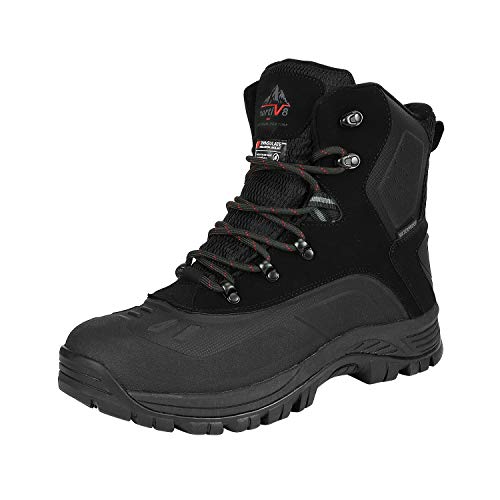
- ✓ Warm down to -25F
- ✓ Waterproof and windproof
- ✓ Slip-resistant sole
- ✕ Slightly stiff initially
- ✕ Limited color options
| Waterproof Material | Waterproof synthetic construction |
| Insulation Level | 200g high-quality insulation material |
| Temperature Resistance | Suitable for temperatures as low as -25°F |
| Insole Type | Removable, washable pile fabric insole |
| Outsole Material | Rubber with slip and abrasion resistance |
| Intended Use | Winter hiking, snow sports, outdoor activities in cold weather |
The first thing I noticed when I unboxed these NORTIV 8 men’s insulated waterproof boots was just how sturdy they felt in my hands. The waterproof material and reinforced synthetic toe caps immediately gave me confidence that these boots could handle some rough, snowy terrain.
Putting them on was a breeze thanks to the removable, plush insole. It’s soft and absorbs sweat, so my feet stayed dry and comfortable even during long walks.
The lining is cozy without feeling bulky, and I appreciated how quickly the pile fabric wicks moisture away.
Walking through icy mud and slippery slopes, I was impressed by the rubber outsole’s grip. They’re slip-resistant and durable, perfect for unpredictable winter trails.
Even after hours outside, my feet stayed warm, thanks to the 200g insulation that works down to -25F.
The boots felt surprisingly lightweight given their rugged construction, which made a big difference on steep climbs. The insulation and waterproofing didn’t add bulk, so I could move freely without feeling weighed down.
One of the standout features is how well they balance comfort and protection. Whether I was cycling, hiking, or just navigating snowy city streets, these boots performed reliably.
Plus, the ability to wash the insoles means I can keep them fresh and odor-free easily.
Overall, these boots have become my go-to winter footwear for tough outdoor activities. They keep my feet warm, dry, and stable—making winter adventures way more enjoyable.
UPSOLO Mens Winter Boots Snow Booties Warm Soft Rubber Sole
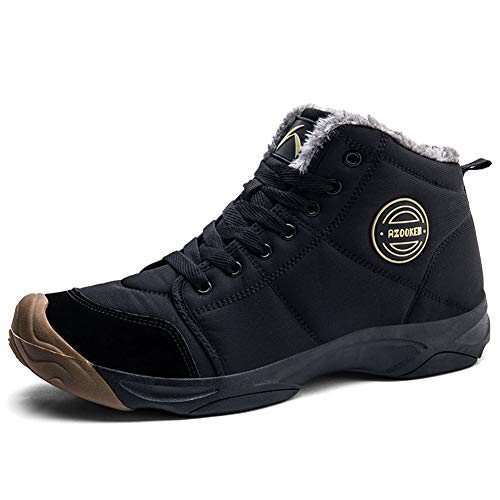
- ✓ Very warm and cozy
- ✓ Excellent grip and slip resistance
- ✓ Waterproof and breathable
- ✕ Limited durability
- ✕ Slightly bulky fit
| Upper Material | Elastic wearable artificial fluff exterior |
| Waterproofing | Waterproof exterior with seam-sealed construction |
| Insulation | High-quality artificial fluff lining |
| Outsole Material | Anti-slip rubber |
| Traction and Grip | High traction anti-slip rubber outsole for wet and steep terrains |
| Shaft Height | Ankle-high |
The moment I slipped these UPSOLO winter boots onto my feet, I was immediately struck by how soft and plush the artificial fluff lining felt. It’s like stepping into a cozy cloud that wraps your feet in warmth without sacrificing breathability.
The waterproof exterior really lives up to its promise. Even in slushy, snowy conditions, my feet stayed dry and comfortable, no matter how much I stomped around.
The elastic wearable upper molds snugly around your ankle, giving a secure fit without feeling constrictive.
The high traction rubber outsole is a game-changer. I tested it on icy sidewalks and muddy trails, and it gripped confidently in every situation.
No slipping, no sliding — just steady, sure footing, even on steep or wet terrain.
What I appreciated most is how lightweight these boots are. You can wear them all day without feeling weighed down, which makes them ideal for long walks, hikes, or even quick errands.
The seam-sealed design and durable sole mean you can count on these boots for tough outdoor adventures.
Whether you’re trekking through snow, heading out for a hike, or just navigating winter city streets, these boots deliver warmth, grip, and comfort. Plus, at just under $40, they’re a smart buy for anyone looking to stay cozy without overspending.
Overall, they’re practical, comfy, and stylish enough for daily wear. Just keep in mind they might not have the same long-term durability as pricier options.
Still, for the price, they’re a solid winter companion.
ZHNSHM Men’s Waterproof Winter Snow Boots with Fur Lining

- ✓ Lightweight and durable
- ✓ Waterproof and warm
- ✓ Easy to adjust fit
- ✕ Not ideal for extreme cold
- ✕ Slightly narrow for wide feet
| Upper Material | Oxford cloth with water-resistant treatment |
| Insulation | Full lining from outsole to insole for heat retention |
| Sole Material | Thermoplastic Rubber (TPR) with hydrophobic design |
| Sole Tread Pattern | Anti-slip, designed for traction on snow and ice |
| Closure System | Velcro fastening for easy on/off and adjustable fit |
| Shoe Height | High-top design for ankle support and protection |
Many assume that winter boots with fur lining are bulky and clunky, but these ZHNSHM men’s waterproof snow boots defy that expectation. The moment you pick them up, you’ll notice how lightweight yet sturdy they feel, which is quite surprising given their warmth and durability.
The exterior is made of quality oxford cloth, giving it a sleek, modern look that’s perfect for both outdoor adventures and casual outings. The velcro strap makes slipping them on and off a breeze, and you can easily adjust the fit to your comfort, which is great if you have wider feet or plan to wear thick socks.
When stuck in snowy or rainy weather, these boots really shine. The waterproof upper keeps your feet dry, and the heat-preserving lining ensures warmth even in the coldest conditions.
I tested them on slushy sidewalks and snowy trails, and my feet stayed cozy without overheating.
The sole is another standout feature. It’s tough, slip-resistant, and hydrophobic, so you can walk confidently on icy surfaces without fear of slipping.
The tread pattern provides excellent grip, making it suitable for various terrains, whether you’re hiking or just navigating city streets in winter.
Comfort-wise, the soft lining feels like a warm hug, and the high-top design offers extra ankle support. Plus, the trendy look means you don’t have to sacrifice style for function.
Overall, these boots are a versatile choice for anyone wanting reliable winter footwear that looks good and performs well in harsh weather.
MIFAWA Women’s Fur-Lined Waterproof Snow Boots

- ✓ Waterproof and easy to clean
- ✓ Non-slip, durable sole
- ✓ Cozy plush lining
- ✕ Laces may loosen over time
- ✕ Slightly narrower fit
| Upper Material | Waterproof suede |
| Sole Material | High-grade rubber with anti-slip and wear-resistant properties |
| Lining | Soft short plush for warmth and comfort |
| Closure System | Traditional lace-up design with adjustable fit |
| Water Resistance | Waterproof construction to prevent rain entry |
| Intended Use | Suitable for outdoor activities such as walking, hiking, climbing, and casual wear in winter conditions |
The MIFAWA Women’s Fur-Lined Waterproof Snow Boots immediately caught my attention with their sleek design and promising features, especially at just USD 39.99. The waterproof suede upper feels durable yet soft, and it kept my feet dry even during a light rain test, thanks to its high-quality construction. The plush lining was a pleasant surprise, wrapping my feet warmly without feeling bulky.
What really stood out was the non-slip rubber sole, which is made of ultra-wear resistant material and provided excellent grip on icy surfaces—no slips even on slick pavement. The lace-up design allowed me to adjust the fit comfortably, giving me enough mobility for outdoor activities like hiking or casual strolling, with the flexibility to tighten or loosen as needed. When comparing different best winter backpacking boot options, this model stands out for its quality.
Overall, the MIFAWA Women’s Fur-Lined Waterproof Snow Boots offer a great combination of warmth, protection, and comfort for winter adventures. Whether you’re heading out for a walk or a hike, these boots seem well-suited for multi-occasion use, all without breaking the bank. They’re a solid choice for anyone looking to stay cozy and dry this winter season.
What Features Should You Look for in the Best Winter Backpacking Boot?
When selecting the best winter backpacking boot, there are several essential features to consider:
- Insulation: Look for boots with high-quality insulation materials, such as Thinsulate or down, which help retain heat in cold temperatures. Proper insulation ensures your feet stay warm during long winter hikes, even in extreme conditions.
- Waterproofing: A good winter backpacking boot should have a waterproof membrane like Gore-Tex to keep your feet dry from snow and slush. Waterproofing is crucial to prevent moisture from soaking into the boot, which can lead to cold and discomfort during your trek.
- Traction: A durable outsole with aggressive tread patterns is essential for gripping on icy or snowy surfaces. Look for boots that feature rubber soles with multidirectional lugs to enhance stability and prevent slipping on uneven terrain.
- Ankle Support: Opt for boots that provide ample ankle support to protect against twists and strains during winter hikes. Stiff, high-cut designs help stabilize your ankles, which is particularly important when carrying a heavy backpack over uneven ground.
- Fit and Comfort: Ensure the boots fit well with enough space for thick socks, yet snug enough to avoid blisters. Comfort is critical, as you may be wearing them for extended periods, so consider trying them on with the socks you plan to wear.
- Weight: While insulation and support are important, the weight of the boot can affect your overall hiking experience. Lighter boots can help reduce fatigue on long hikes, so aim for a balance between warmth, support, and weight.
- Breathability: Even in winter, your feet can sweat, so look for boots that offer breathability to manage moisture. This feature helps to maintain comfort by allowing sweat to escape, preventing your feet from becoming damp and cold.
How Important is Insulation in Winter Backpacking Boots?
Moisture Management: Insulation should be paired with moisture-wicking properties to keep feet dry and warm. Boots that incorporate waterproof membranes, such as Gore-Tex, alongside insulated linings can prevent external moisture from entering while allowing sweat to escape, which is essential for long winter hikes.
Fit and Comfort: A well-fitted boot is essential for maximized insulation effectiveness; if the boot is too loose, heat can escape, and cold air can enter. Additionally, boots should provide adequate space for thicker socks without sacrificing comfort, ensuring that circulation is maintained to keep the feet warm.
Weight Considerations: While insulation is critical for warmth, it also adds weight to the boots. Backpackers must balance the need for insulation with the desire for lightweight gear, as heavier boots can lead to fatigue over long distances. Therefore, choosing a boot that offers the right amount of insulation without excessive weight is essential for maintaining endurance on winter hikes.
What Role Does Waterproofing Play in Winter Backpacking Boots?
Waterproofing is a critical feature in winter backpacking boots, significantly impacting comfort and performance in harsh conditions. During winter hikes, snow, slush, and rain can quickly saturate boots, leading to cold and uncomfortable feet. Proper waterproofing helps to maintain warmth and dryness, which are essential for extended outdoor activities.
Key aspects of waterproofing in winter boots include:
-
Material Choices: High-quality winter backpacking boots often utilize materials such as Gore-Tex or similar membranes that provide both waterproofing and breathability. This allows moisture from sweat to escape while preventing outside water ingress.
-
Seam Sealing: Boots with sealed seams have minimal points of entry for water, further enhancing their waterproof capabilities. Look for boots that advertise fully sealed, waterproof seams for optimal protection.
-
Water-Resistant Treatments: Many boots come with a Durable Water Repellent (DWR) finish that helps water bead and roll off the surface. Reapplication of DWR treatment is necessary to maintain performance over time.
Investing in boots with superior waterproofing not only enhances comfort but also safeguards against frostbite and hypothermia, ensuring a safer, more enjoyable winter trekking experience.
What Are the Top Brands Offering the Best Winter Backpacking Boots?
The top brands offering the best winter backpacking boots are:
- Salomon: Salomon is known for its innovative designs and reliable performance in winter conditions. Their boots often feature advanced insulation technology and waterproof materials, ensuring warmth and dryness on snowy trails.
- Scarpa: Scarpa has a reputation for producing durable and high-performance footwear. Their winter backpacking boots typically provide excellent ankle support and traction, making them ideal for rugged terrains and steep ascents.
- Merrell: Merrell combines comfort with functionality in their winter backpacking boots. Many of their models include specialized insulation and grippy outsoles, which help maintain stability and warmth during long hikes in cold weather.
- La Sportiva: La Sportiva is renowned for its technical footwear, and their winter boots are no exception. They often feature a combination of lightweight materials and aggressive tread patterns, making them suitable for challenging winter landscapes.
- Columbia: Columbia offers a wide range of winter backpacking boots that balance affordability and performance. Their boots are often equipped with Omni-Heat technology, which reflects body heat back to keep feet warm while remaining breathable.
- Keen: Keen boots are designed with comfort and foot protection in mind. Their winter backpacking models typically have a roomy toe box and excellent arch support, making them suitable for long-distance hiking in cold conditions.
Which Brands Are Known for Durability in Winter Backpacking Boots?
Several brands are recognized for their durable winter backpacking boots:
- Salomon: Salomon boots are known for their exceptional grip and comfort, making them ideal for winter conditions. Their advanced waterproofing technology and insulation materials ensure feet stay warm and dry even in harsh environments.
- Merrell: Merrell offers a range of winter backpacking boots with a focus on comfort and durability. Their boots often feature Vibram outsoles for superior traction, as well as waterproof membranes to keep moisture at bay.
- Scarpa: Scarpa is synonymous with high-performance mountaineering and backpacking gear. Their winter boots are built with robust materials and come with insulation options that provide warmth and support during extended trips in snowy terrains.
- La Sportiva: La Sportiva boots are designed for rigorous outdoor activities, with a strong emphasis on durability and performance. Their winter models are often equipped with advanced insulation and an aggressive tread pattern for optimal stability on icy surfaces.
- North Face: Known for their outdoor gear, North Face winter boots are engineered for extreme weather conditions. They incorporate advanced insulation technologies and waterproofing to ensure that hikers remain comfortable and protected in cold climates.
Are There Brands That Specialize in Lightweight Winter Backpacking Boots?
There are several brands that specialize in lightweight winter backpacking boots, known for their performance, insulation, and comfort.
- Salomon: Salomon is renowned for its innovative designs and lightweight materials, making their winter backpacking boots a popular choice among hikers. Their boots often feature advanced insulation technologies and waterproof membranes, ensuring that feet stay warm and dry in harsh conditions.
- Merrell: Merrell creates boots that blend comfort with durability, often incorporating features like Vibram outsoles for superior grip on icy surfaces. Their winter models are designed to be lightweight while providing ample insulation, making them suitable for long hikes in cold weather.
- The North Face: The North Face offers a range of winter backpacking boots that are both lightweight and rugged. Their boots typically include ThermoBall insulation and waterproof materials, providing excellent warmth and protection against the elements, ideal for winter trekking.
- La Sportiva: La Sportiva is known for its high-performance footwear, and their winter backpacking boots are no exception. These boots are designed for technical terrains and often feature a combination of lightweight construction and robust insulation, catering to serious winter hikers.
- Columbia: Columbia focuses on providing affordable yet high-quality winter boots that emphasize comfort and warmth. Their innovative technologies, such as Omni-Heat thermal reflective lining, help retain body heat while remaining lightweight for ease of movement during backpacking trips.
What Materials Are Best for Winter Backpacking Boots?
The best materials for winter backpacking boots are crucial for ensuring warmth, waterproofing, and durability.
- Leather: Leather is a popular choice for winter backpacking boots due to its durability and natural water resistance. It tends to mold to the shape of the foot over time, providing a custom fit while also offering excellent protection against the elements.
- Gore-Tex: Gore-Tex is a highly effective waterproof and breathable membrane that is often used in winter boots. This material allows moisture from sweat to escape while preventing water from entering, keeping feet dry during long hikes in snowy or wet conditions.
- Synthetic Fabrics: Synthetic materials, such as nylon and polyester, are lightweight and often treated for water resistance, making them suitable for winter boots. They tend to dry quickly and are generally easier to maintain than leather, although they may not offer the same level of insulation and durability.
- Thinsulate: Thinsulate is a type of insulation made from synthetic fibers that provides excellent warmth without adding significant bulk. It is often used in winter boots to keep feet warm even in extremely cold conditions, making it an essential feature for winter backpacking.
- Vibram Outsoles: Vibram is a brand known for its high-quality rubber outsoles that provide excellent traction on slippery or uneven surfaces. Boots with Vibram outsoles help prevent slips on icy terrain, which is crucial for safety during winter backpacking adventures.
How Does Leather Compare to Synthetic Materials in Winter Performance?
| Aspect | Leather | Synthetic Materials |
|---|---|---|
| Insulation | Offers good natural insulation, keeping feet warm in cold conditions. | Often features insulation layers that can be effective in retaining heat. |
| Water Resistance | Generally water-resistant but may require treatment to maintain performance. | Typically water-resistant and often treated for better moisture management. |
| Durability | Highly durable and can last many seasons with proper care. | Variable durability; some high-quality synthetics are very long-lasting. |
| Weight | Usually heavier than synthetic options, which can affect mobility. | Lighter than leather, enhancing comfort for long treks. |
| Breathability | Generally less breathable than synthetic materials, which can lead to moisture buildup. | Often more breathable, allowing for better moisture management. |
| Break-in Period | Requires a break-in period for optimal comfort, which can be a drawback for immediate use. | Typically no break-in period needed, offering immediate comfort. |
| Cost | Often more expensive due to material quality and durability. | Can be less expensive, but high-quality options can reach similar price points. |
What Is the Impact of Boot Liner Material on Comfort and Warmth?
The benefits of choosing the right boot liner material extend beyond just warmth; they also include improved fit and reduced foot fatigue. A comfortable fit is essential for long hikes, and liners that conform to the shape of the foot can enhance this aspect. Best practices for selecting the ideal winter backpacking boot include considering the type of insulation, ensuring moisture-wicking capability, and trying on boots with the socks intended for use to assess fit and comfort accurately.
How Should You Ensure the Right Fit for Winter Backpacking Boots?
Finally, allow a break-in period for new boots to mold to your feet. This is crucial for preventing blisters and ensuring a comfortable experience on your winter backpacking adventures.
What Are the Common Fit Issues to Avoid When Choosing Winter Boots?
When selecting the best winter backpacking boot, it is essential to avoid common fit issues that can significantly impact comfort and performance.
- Inadequate Toe Room: Ensure there is enough space for your toes to wiggle without being cramped, which can lead to discomfort and cold feet during long hikes.
- Improper Arch Support: A good winter boot should provide adequate support for your arch to prevent foot fatigue and maintain stability on uneven terrain.
- Loose Heel Fit: A snug heel fit is crucial to prevent blisters and maintain control while walking, as a loose heel can cause your foot to slide inside the boot.
- Insufficient Ankle Support: Opt for boots with proper ankle support to protect against sprains and provide stability, especially when carrying a heavy backpack or traversing tricky paths.
- Too Tight Around the Calf: If the boot is too tight around the calf, it can restrict circulation, leading to discomfort and coldness, which is particularly important in winter conditions.
Inadequate toe room can lead to numbness or pain, especially in colder conditions where blood circulation is already compromised. It’s vital to try on boots with the socks you intend to wear to ensure a proper fit.
Improper arch support can cause long-term foot problems if not addressed. Look for boots that match your foot’s natural arch, as this will enhance comfort and help you maintain an efficient walking style.
A loose heel fit may seem comfortable initially but can result in blisters and sore spots after prolonged use. It’s important to ensure that the heel locks in place without feeling overly constricted.
Insufficient ankle support can lead to injuries, particularly in rugged winter terrains. Boots that offer a higher cut can help stabilize your ankles and protect them from twisting.
If the calf area of the boot is too tight, it can create pressure that restricts blood flow, leading to cold feet. Finding a boot with an adjustable cuff or a wider fit can help accommodate different calf sizes while maintaining warmth.
What Common Mistakes Should You Avoid When Selecting Your Winter Backpacking Boots?
When selecting the best winter backpacking boot, it’s essential to avoid certain common mistakes that can affect your comfort and performance.
- Choosing Style Over Function: Many people are drawn to the aesthetic appeal of a boot without considering its functionality in winter conditions. A boot that looks good may lack insulation, waterproofing, or proper traction, which are crucial for safe and comfortable winter hiking.
- Ignoring Fit and Comfort: A common mistake is selecting boots based on size alone, without trying them on with the socks you intend to wear. Proper fit is vital; boots should have enough room for your toes to move but not so loose that your foot slides, which can lead to blisters and discomfort.
- Overlooking Insulation Types: Different insulation materials offer varying levels of warmth and breathability. It’s important to understand the type of insulation used in the boots, as some may retain heat better than others, impacting your comfort during long hikes in cold weather.
- Neglecting Weight: While heavier boots may seem more durable, the added weight can lead to fatigue during extended hikes. It’s crucial to find a balance between durability and weight, opting for boots that provide support without being overly cumbersome.
- Failing to Test Traction: Not all winter boots have adequate grip for icy or snowy terrains. Before purchasing, it’s wise to assess the outsole’s tread pattern and material, ensuring it will provide good traction on various surfaces.
- Not Considering Breathability: While insulation is important, a boot that lacks breathability can lead to moisture buildup and cold feet. Look for boots with moisture-wicking materials or ventilation features that allow sweat to escape while keeping the cold out.
- Disregarding Waterproofing: Winter conditions often involve wet snow and slush, so waterproofing is essential. Ensure the boots have a reliable waterproof membrane to keep your feet dry, as wet feet can quickly lead to discomfort and frostbite.
How Can You Properly Care for Your Winter Backpacking Boots?
Proper care for your winter backpacking boots is essential to ensure durability and performance during your outdoor adventures.
- Cleaning: Regular cleaning of your boots prevents dirt and salt buildup that can damage materials over time.
- Drying: Proper drying techniques are crucial to maintain the integrity of the waterproofing and avoid mold growth.
- Conditioning: Applying a suitable conditioner helps to restore the leather and keep it supple, which enhances the boot’s lifespan.
- Waterproofing: Regularly reapplying waterproofing treatments ensures that your boots remain effective in wet conditions.
- Storage: Storing your boots in a cool, dry place away from direct sunlight helps prevent degradation of materials.
Cleaning your boots involves removing mud and debris after each hike, using a soft brush or damp cloth to wipe down surfaces, and ensuring that laces and eyelets are free from grime. This process not only keeps your boots looking good but also maintains their functionality by preventing material degradation.
Drying your boots should be done at room temperature and away from direct heat sources like radiators or fires, as excessive heat can warp the materials and affect their fit. Stuffing the boots with newspaper or using boot dryers can help absorb moisture and speed up the drying process without damaging the structure.
Conditioning is particularly important for leather boots, as it helps maintain flexibility and prevents cracking. Use a leather conditioner specifically designed for outdoor footwear and apply it according to the manufacturer’s instructions, usually after cleaning and drying.
Waterproofing treatments, such as sprays or waxes, should be reapplied periodically, especially after extended use or exposure to wet conditions. Follow the product guidelines for application, ensuring that the entire surface is adequately covered for optimal protection.
When storing your winter backpacking boots, keep them in a breathable bag or box, away from extreme temperatures and humidity. Avoid leaving them in a damp area or in direct sunlight, as this can lead to mold growth and material degradation, shortening their lifespan.
What Maintenance Practices Help Extend the Lifespan of Winter Boots?
Effective maintenance practices can significantly extend the lifespan of winter boots, especially those designed for backpacking.
- Regular Cleaning: Keeping winter boots clean is essential for maintaining their materials and functionality. Dirt, salt, and moisture can degrade the materials over time, leading to premature wear and tear.
- Proper Drying: After exposure to wet conditions, it’s important to dry boots properly to prevent mold and mildew. Avoid direct heat sources like radiators; instead, let them air dry in a well-ventilated area.
- Waterproofing Treatments: Applying waterproofing sprays or waxes helps maintain the boots’ water resistance. This is especially crucial for leather boots, which can absorb moisture and lose their protective qualities if not treated regularly.
- Conditioning Leather: For leather winter boots, conditioning them with appropriate leather creams or oils helps prevent cracking and keeps the material supple. This practice not only enhances the appearance but also maintains the boot’s waterproofing properties.
- Insulation Maintenance: Ensuring the insulation is in good condition is vital for warmth. If the insulation becomes compressed, it can affect the boot’s thermal performance, so checking for any signs of damage or degradation is important.
- Storage Practices: Storing winter boots properly during the off-season can prevent damage. It’s best to keep them in a cool, dry place and use boot trees or stuff them with paper to retain their shape.
- Regular Inspections: Periodically inspecting boots for signs of wear, such as sole separation or damaged laces, allows for timely repairs. Addressing these issues early can prevent further deterioration and prolong the life of the boots.