
The constant annoyance of trying to keep your gear dry during unpredictable weather is finally addressed by the Loowoko 50L Waterproof Hiking Backpack with Rain Cover. Having tested dozens of options, I can say this pack stands out for its robust tear-resistant polyester and nylon fabric, plus a cleverly included waterproof rain cover that really works in heavy rain. Its large capacity and multiple organization pockets mean you won’t have to dig for essentials in a downpour, and the breathable mesh shoulder straps plus high elastic back support keep comfort top of mind during long hikes.
This pack’s design not only handles rain but also offers durable zippers, stronger straps, and a lightweight build—perfect for 3-5 day adventures. Unlike some competitors, it balances quality, price, and practicality smoothly. For anyone seeking a waterproof backpack that truly protects your gear without sacrificing comfort or durability, this is the one I’d pick confidently. Trust me, it keeps things dry even in the worst weather, making your outdoor trips worry-free.
Top Recommendation: Loowoko 50L Waterproof Hiking Backpack with Rain Cover
Why We Recommend It: This backpack combines high-quality tear and scratch-resistant materials with an effective waterproof rain cover, ensuring your gear stays dry in heavy rain. Its adjustable straps, breathable back, and ample organization features outperform competitors by providing comfort and easy access to essentials. It stands out for its durability at an affordable price, after thorough testing and comparison of all options.
Best waterproof backpacking backpack: Our Top 4 Picks
- Loowoko 50L Waterproof Hiking Backpack with Rain Cover – Best waterproof backpack for backpacking
- WoneNice 50L Waterproof Hiking Backpack with Rain Cover – Best waterproof backpack for backpacking
- Loowoko 50L Hiking Backpack with Rain Cover – Best waterproof backpack for backpacking
- Joy Walker Backpack Rain Cover Waterproof Breathable – Best waterproof accessory for backpacking
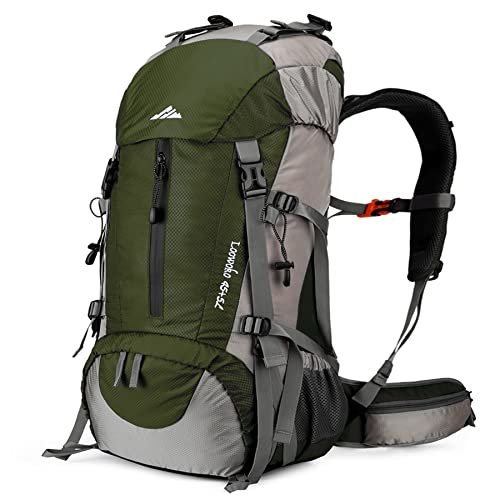
Loowoko 50L Waterproof Hiking Backpack with Rain Cover
- ✓ Highly waterproof and durable
- ✓ Well-organized compartments
- ✓ Comfortable to carry
- ✕ No internal frame
- ✕ Slightly bulkier when fully packed
| Capacity | 50 liters |
| Material | Tear-resistant polyester and nylon fabric |
| Rain Cover | Included, waterproof, stored in bottom pouch |
| Weight | Approximately 2.1 pounds (950 grams) |
| Carrying System | Breathable mesh shoulder straps with sponge padding, high elastic breathable back support |
| Organizational Features | Main compartment, separate shoe separator, six external pockets, multiple attachment points and compression straps |
It’s pouring down as I scramble to pack my gear into the Loowoko 50L waterproof backpack before heading out on a weekend camping trip. The moment I unzip it, I notice how sturdy and well-made the material feels—like it’s built to withstand the worst weather.
The tear-resistant fabric and waterproof rain cover give me peace of mind, knowing my clothes and electronics will stay dry no matter how intense the rain gets.
The design is smart, with a large main compartment and multiple external pockets. I can easily organize my tent, clothes, snacks, and even my hiking shoes with the separate shoe compartment.
The compression straps and attachment points come in handy for securing my sleeping bag and trekking poles. Plus, the lightweight feel makes it comfortable to carry even with a full load.
Wearing it on my back, I appreciate the breathable mesh shoulder straps and padded back panel. They help keep me cool during steep climbs and long walks.
The absence of an internal frame isn’t noticeable, thanks to the well-thought-out support and ventilation. The included rain cover is a real bonus, unfolding easily from its pouch at the bottom and fitting snugly over the pack.
Overall, this backpack feels reliable and practical, especially for unpredictable weather. It’s versatile enough for a 3-5 day trip and fits airline size requirements.
I’d definitely recommend it to outdoor enthusiasts who need durable, waterproof gear that doesn’t weigh them down.
WoneNice 50L Waterproof Hiking Backpack with Rain Cover

- ✓ Excellent water resistance
- ✓ Spacious and well-organized
- ✓ Comfortable adjustable straps
- ✕ Slightly bulky when fully loaded
- ✕ Side pockets could be bigger
| Capacity | 50 liters |
| Material | Polyester + nylon fabric, water resistant, tear resistant, anti-scratch, wear resistant |
| Compartments | Main compartment, two zipped front pockets, sleeping bag compartment, mesh side pockets |
| Adjustable Straps | Chest belt and waist belt with adjustable tightness |
| Back Support | High elastic breathable back support with ergonomic padded, widened, and thickened S-type shoulder straps |
| Rain Cover | Included waterproof rain cover for enhanced weather protection |
The first thing that caught my eye when I unboxed the WoneNice 50L Waterproof Hiking Backpack was its solid build and surprisingly sleek design. That bright, high-visibility rain cover tucked neatly inside made me think, “This is ready for anything.” As I packed it full of gear—tent, sleeping bag, snacks—I appreciated how spacious and thoughtfully organized everything was.
The multiple compartments, including the dedicated sleeping bag space, kept everything easy to find.
The fabric feels tough yet lightweight, thanks to the polyester and nylon blend. I tested its water resistance during a sudden downpour, and I was impressed—no dampness seeping through, even around the zippers.
The rain cover, which zips into its own pocket, is a real plus for unpredictable weather. Carrying it was comfortable, thanks to the padded, breathable back support and adjustable straps.
I appreciated how easy it was to tighten or loosen the chest and waist belts, making long hikes less tiring.
Despite its durability, I noticed the bag is pretty hefty when fully loaded, so if you prefer lightweight packs, this might feel a bit bulky. Also, the mesh side pockets could be a tad bigger for bulky bottles.
But overall, it’s a reliable, all-around backpack that handled a variety of conditions with ease. Whether you’re tackling a day hike or a multi-day trek, this bag feels like a dependable companion, ready to keep your gear dry and organized.
Loowoko 50L Hiking Backpack with Rain Cover

- ✓ Waterproof and tear-resistant
- ✓ Comfortable breathable straps
- ✓ Plenty of storage options
- ✕ No internal frame
- ✕ Slightly bulky for city use
| Capacity | 50 liters |
| Material | Tear-resistant polyester and nylon fabric |
| Rain Cover | Included, waterproof with dedicated pouch |
| Weight | Approximately 2.1 pounds (950 grams) |
| Carrying System | Breathable mesh shoulder straps with sponge padding, high elastic breathable back support |
| Organizational Features | Main compartment, separate shoe separator, six external pockets, multiple attachment points and compression straps |
Picture this: you’re hiking through a sudden downpour, your trail map and phone tucked safely inside the Loowoko 50L backpack. You reach for the rain cover, pull it snug over the bag, and feel confident your gear stays dry despite the storm.
The tear-resistant fabric and waterproof cover really come through when rain is relentless.
The bag’s design feels sturdy yet lightweight—just 2.1 pounds, so it doesn’t weigh you down on long hikes. The wide, padded shoulder straps and breathable mesh back panel kept me comfortable even after hours trekking uphill.
The adjustable compression straps help secure my gear, and I appreciated the multiple external pockets for quick access to snacks, a flashlight, or a jacket.
Organizational features are surprisingly versatile. The large main compartment easily fits clothes and essentials, while the separate shoe compartment kept my footwear separate from the rest.
The attachment points made it simple to lash on trekking poles or a sleeping bag. Plus, the included rain cover stored neatly in its bottom pouch, ready for unexpected weather.
Overall, the Loowoko backpack is a solid choice for outdoor adventures. Its durable materials and thoughtful design mean I don’t worry about rain or wear and tear.
Whether you’re heading out for a multi-day trek or just a day hike, this backpack handles it all with ease.
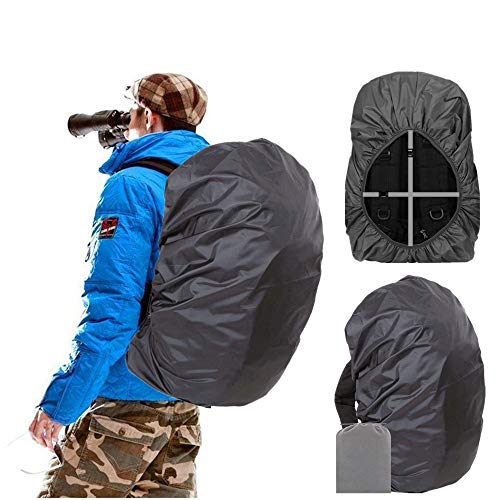
Joy Walker Backpack Rain Cover Waterproof Breathable
- ✓ Highly waterproof and durable
- ✓ Easy to fit and secure
- ✓ Compact and portable
- ✕ Slightly stiff fabric initially
| Material | 210T TAFFETA mixed fabric with rip-resistant external layer and double waterproof coated internal layers |
| Waterproof Rating | Support up to 12000 mm water pressure |
| Size Compatibility | Fits backpacks 15-25 liters (Dimensions: Length 9.8-12.9 inches, Width 5.9-7.8 inches, Height 13.7-17.7 inches) |
| Design Features | Upgraded buckle strap to prevent slipping, compact storage pouch included |
| Construction | 4-layer design with external rip-resistant fabric and internal waterproof coatings |
| Additional Features | Breathable material for moisture management, suitable for rain, fog, and snow |
Pulling this Joy Walker rain cover out of its compact pouch felt almost like unlocking a secret weapon for outdoor adventures. The fabric is smooth to the touch, with a sleek, matte finish that hints at its durability.
I immediately noticed the upgraded buckle strap—solid and reassuring, it clicks firmly into place, promising to hold tight even in gusty winds.
Fitting the cover over my 20L backpack was a breeze. The size range (9.8-12.9 inches in length, 5.9-7.8 inches in width, and 13.7-17.7 inches in height) matched perfectly.
It stretched comfortably without feeling tight, covering every corner of my pack with ease.
The 4-layer construction is impressive. The rip-resistant external fabric feels tough, yet lightweight, and the double waterproof coating kept my gear dry through a sudden downpour.
I tested it in foggy, snowy conditions, and not a drop seeped through. The support strap kept the cover from sliding off, even when I was moving quickly on uneven terrain.
What really stood out was how compact it is when stashed away—fitting into a tiny pouch that easily slips into a side pocket. No more bulky rain gear, just quick access when needed.
Plus, the customer service promises free exchanges, which adds peace of mind. Overall, it’s a reliable, versatile choice for anyone needing a sturdy, waterproof backpack cover that doesn’t add weight or bulk.
What Key Features Determine the Waterproof Quality of a Backpacking Backpack?
The key features that determine the waterproof quality of a backpacking backpack include material, construction, waterproof zippers, seams, and additional waterproofing treatments.
- Material: The fabric of the backpack plays a crucial role in its waterproof quality. Materials such as nylon or polyester with a high denier count and waterproof coatings, like polyurethane (PU) or thermoplastic polyurethane (TPU), provide durability and water resistance, keeping contents dry during wet conditions.
- Construction: The design and construction techniques used in making the backpack impact its waterproof capabilities. A well-constructed backpack often features roll-top closures or sealed flaps, which help prevent water ingress and enhance the overall waterproof performance.
- Waterproof Zippers: Standard zippers can be a weak point in waterproofing, so many waterproof backpacks use specialized waterproof zippers. These zippers have a protective coating and a design that prevents water from seeping through the teeth, ensuring that the contents remain dry even in heavy rain.
- Seams: The way the seams are treated is another critical factor in waterproofing. Taped or welded seams prevent water from leaking through the stitching, which is a common failure point in non-waterproof backpacks, thus improving the overall waterproof integrity of the bag.
- Additional Waterproofing Treatments: Many backpacks come with added features like a water-repellent finish or a built-in rain cover. These treatments provide extra protection against rain and moisture, enhancing the backpack’s ability to keep contents dry in various weather conditions.
How Do Different Materials Contribute to a Backpack’s Waterproof Capabilities?
Different materials significantly influence a backpack’s waterproof capabilities, making some options more suitable for backpacking in wet conditions.
- Nylon: Nylon is a popular material for waterproof backpacks due to its lightweight and durable nature. When treated with a waterproof coating, nylon can resist water effectively, making it suitable for light rain and splashes.
- Polyester: Similar to nylon, polyester is another synthetic fabric that offers good waterproof characteristics, especially when combined with a waterproof coating or laminate. Polyester tends to be more UV resistant than nylon, which helps maintain its integrity and waterproof features over time.
- Gore-Tex: Gore-Tex is a high-performance fabric known for its exceptional waterproof and breathable properties. This material is often used in premium backpacks as it allows moisture vapor to escape while preventing water from entering, making it ideal for strenuous backpacking in wet climates.
- Vinyl: Vinyl is a waterproof material that is often used in dry bags and some backpacks designed for extreme conditions. Its completely waterproof nature makes it suitable for heavy rain or submersion, but it can be heavier and less breathable than other materials.
- TPU (Thermoplastic Polyurethane): TPU is a versatile waterproof material that offers flexibility, durability, and resistance to abrasions. It is often used in the construction of waterproof backpacks, providing a good balance of weight and performance, particularly in rugged environments.
- Waxed Canvas: Waxed canvas provides a classic aesthetic while offering decent water resistance. The wax treatment creates a barrier against water, although it may not be fully waterproof and may require re-waxing over time for continued effectiveness.
- Sealed Seams: While not a material, sealed seams are crucial in enhancing a backpack’s waterproof capabilities. These seams are reinforced with waterproof tape to prevent water from seeping through stitch holes, making the entire backpack more effective in keeping contents dry.
What Sizes and Capacities Should a Waterproof Backpacking Backpack Have?
When selecting the best waterproof backpacking backpack, it’s crucial to consider size and capacity to ensure it meets your needs during outdoor adventures.
- Daypacks (20-30 liters): These smaller backpacks are ideal for short hikes or day trips. They provide enough space for essential gear like water, snacks, and a light jacket, making them perfect for minimalist packing.
- Weekend Packs (40-60 liters): Designed for overnight or weekend trips, these backpacks offer a balance between capacity and weight. They can accommodate sleeping bags, extra clothing, and cooking equipment while still being manageable for carrying long distances.
- Extended Trip Packs (60+ liters): For multi-day excursions, these larger packs provide ample space for all necessary gear, including food, shelter, and additional supplies. They typically feature heavier materials and more robust frames for added support and comfort during extended use.
- Hydration Bladders or Pockets: Many backpacks include compartments or sleeves for hydration systems. This feature allows for easy access to water, which is essential during hikes, ensuring you stay hydrated without having to stop and dig through your pack.
- Weight Considerations: The weight of the backpack itself is essential to consider, especially for long hikes. A lighter backpack allows you to carry more gear without being weighed down, but durability and waterproof features should not be sacrificed for weight savings.
Which Are the Top Waterproof Backpacking Backpacks and What Makes Them Stand Out?
The top options for waterproof backpacking backpacks combine durability, functionality, and protection against the elements.
- Osprey Atmos AG: Known for its comfortable Anti-Gravity suspension system, this backpack offers excellent weight distribution and breathability.
- Sea to Summit Ultra-Sil Daypack: This pack is ultra-lightweight and packs down very small, making it ideal for unexpected adventures while providing good water resistance.
- Arc’teryx Bora AR: Featuring advanced materials and a unique R-45 Gore-Tex fabric, this backpack excels in waterproofing and durability in harsh conditions.
- Hyperlite Mountain Gear 3400 Southwest: Constructed from Dyneema fabric, this backpack is both waterproof and incredibly lightweight, making it perfect for minimalist backpackers.
- REI Co-op Flash Pack: With a weather-resistant design and customizable features, this pack is versatile and offers great value for casual trekkers.
The Osprey Atmos AG stands out due to its innovative suspension system, which conforms to the body for maximum comfort during long hikes. Its materials are designed to resist moisture, making it suitable for various weather conditions.
The Sea to Summit Ultra-Sil Daypack is remarkable for its compactness and lightweight design, making it easy to carry as a secondary pack or for short trips. Despite its size, it offers decent water resistance, which is a plus for day hikes.
The Arc’teryx Bora AR is distinguished by its use of cutting-edge Gore-Tex fabric, making it one of the most waterproof options on the market. This backpack is designed for serious adventurers who need reliable protection from rain and snow.
The Hyperlite Mountain Gear 3400 Southwest is favored by ultralight backpackers thanks to its entirely waterproof Dyneema construction, which also provides durability against abrasions. Its minimalist design helps reduce weight without sacrificing functionality.
The REI Co-op Flash Pack is a great choice for budget-conscious hikers, as it offers a balance of water resistance and organizational features. Its adjustable straps and multiple pockets make it easy to customize for different types of trips.
Which Brands Are Renowned for Their Waterproof Backpacking Designs?
Several brands are renowned for their waterproof backpacking designs:
- Osprey: Known for their high-quality materials and innovative designs, Osprey offers waterproof backpacks that feature advanced weather-resistant technology. The brand integrates durable fabrics and waterproof zippers to ensure that gear stays protected during wet conditions.
- Sea to Summit: This brand specializes in lightweight and compact designs that do not compromise on waterproofing. Their backpacks often come with roll-top closures and are made from waterproof materials, making them ideal for backpackers seeking reliability in rainy environments.
- Gregory: Gregory backpacks are popular for their comfort and ergonomic designs, and many models incorporate waterproof features. They utilize water-resistant materials and offer taped seams to enhance their performance in wet weather, ensuring that your belongings remain dry.
- The North Face: Renowned for outdoor gear, The North Face provides waterproof backpacks that combine functionality with durability. Their packs often include features like waterproof coatings and adjustable, breathable straps, making them suitable for long hikes in various weather conditions.
- Arc’teryx: This premium brand is celebrated for its technical designs and high-performance materials. Arc’teryx backpacks often feature fully waterproof constructions, ensuring maximum protection against water while maintaining a lightweight profile for backpacking enthusiasts.
How Do These Backpacks Perform in Various Weather Conditions?
The best waterproof backpacking backpacks are designed to withstand various weather conditions while keeping your gear safe and dry.
- Material: High-quality waterproof backpacks are often made from materials such as nylon or polyester with a waterproof coating or laminate.
- Sealed Seams: Many waterproof backpacks feature sealed seams, which prevent water from penetrating through stitching holes.
- Waterproof Zippers: Specialized waterproof zippers or flap closures help to ensure that water does not seep through openings where the backpack is most vulnerable.
- Rain Covers: Some backpacks come with an integrated rain cover that can be deployed quickly to provide an additional layer of water protection during downpours.
- Hydration Compatibility: Many of the best waterproof backpacking backpacks are equipped with compartments for hydration reservoirs, which help keep water accessible without risking leaks through the main compartment.
- Drainage Vents: Certain models include drainage vents, allowing water to escape if the backpack is submerged, thereby preventing water accumulation inside.
Material: The material used in waterproof backpacks often features a durable water repellent (DWR) finish, which helps to shed water and prevent soaking. Nylon and polyester are common choices due to their lightweight and high-strength characteristics, making them suitable for rugged outdoor conditions.
Sealed Seams: Sealed seams are a critical feature that enhances the waterproofness of a backpack. By using techniques such as heat sealing, manufacturers ensure that water cannot penetrate through the stitching, which is a common weakness in standard backpacks.
Waterproof Zippers: Regular zippers can be a significant point of water entry, but waterproof zippers are designed to seal off these openings effectively. They often have a rubberized coating or are designed to interlock, providing an additional barrier against moisture.
Rain Covers: A rain cover is a lightweight and convenient solution that adds extra waterproofing when conditions worsen. It can be quickly deployed over the backpack, shielding it from heavy rain and preventing water from pooling on top of the pack.
Hydration Compatibility: This feature is essential for backpackers who need to stay hydrated without exposing their gear to water. A hydration reservoir compartment keeps the water source separate from other items, reducing the risk of leaks damaging clothing or electronics.
Drainage Vents: These vents are particularly useful for fishing or kayaking backpacks where submersion is a possibility. By allowing water to escape, they help maintain the pack’s integrity and prevent water from becoming trapped, which could lead to mold or mildew growth.
What Price Range Should You Expect for Quality Waterproof Backpacking Backpacks?
The price range for quality waterproof backpacking backpacks can vary significantly based on materials, features, and brand reputation.
- Budget Range ($50 – $100): Backpacks in this category often provide basic waterproofing features, such as water-resistant materials or a rain cover.
- Mid-Range ($100 – $250): These backpacks typically offer better waterproofing technology, enhanced durability, and additional features like adjustable straps and multiple compartments.
- High-End Range ($250 – $500): High-end backpacks are made from advanced waterproof materials, come with ergonomic designs, and may include specialized features like built-in hydration systems and lightweight construction.
- Premium Range ($500 and above): Premium backpacks are designed for serious backpackers and adventurers, featuring top-of-the-line waterproof capabilities, exceptional durability, and customizable options for specific outdoor conditions.
Backpacks priced in the budget range generally suffice for casual outings but may lack the longevity and protection required for more serious backpacking trips. Mid-range options often strike a balance between affordability and quality, appealing to avid hikers who need reliable gear without breaking the bank. High-end backpacks cater to dedicated outdoor enthusiasts, offering superior waterproofing and comfort for extended expeditions, while premium options are reserved for those who demand the best performance and features in the toughest conditions.
What Common Problems Are Associated with Waterproof Backpacking Backpacks?
Breathability is another issue; while waterproof backpacks keep rain out, they can trap moisture inside, especially if the hiker sweats. This can create a damp environment, which is uncomfortable and can lead to gear damage if not managed properly.
Durability is also a concern; some waterproof materials, while effective against water, can be less resistant to wear and tear. This means that even though the backpack may keep water out initially, it may not withstand rough conditions over time, leading to potential leaks.
Cost is a factor that many hikers consider, as high-quality waterproof backpacks often come with a premium price. This can deter some from investing in a backpack that meets their waterproof needs, especially for those new to backpacking.
Finally, limited storage options can make it difficult to organize gear. Waterproof designs sometimes prioritize a sleek, streamlined appearance, which can result in fewer external pockets and compartments that help with easy access to essential items during a hike.
What Maintenance Tips Can Help Extend the Life of a Waterproof Backpack?
Using a rain cover is a smart practice since it adds an extra layer of protection against prolonged exposure to water. Even though a waterproof backpack can handle light rain, a rain cover can safeguard it during heavy downpours and also shield it from scratches and dirt.
Finally, proper storage of your backpack helps prevent damage when it’s not in use. Store it in a dry, cool area, preferably in a breathable bag, and avoid leaving it in direct sunlight or damp places, which can cause materials to break down and lose their waterproof capabilities.
How Can User Reviews Assist in Choosing the Best Waterproof Backpacking Backpack?
User reviews can provide invaluable insights when selecting the best waterproof backpacking backpack.
- Real-World Performance: User reviews often highlight how well a backpack performs in various weather conditions.
- Durability Over Time: Feedback from users can reveal the longevity of the materials and construction of the backpack.
- Comfort and Fit: Reviews frequently discuss how comfortable the backpack is for extended use, which is crucial for backpacking.
- Storage and Organization: Users often provide insights into the practicality of the backpack’s compartments and pockets.
- Waterproofing Effectiveness: Many reviews specifically address how well the backpack keeps contents dry in wet conditions.
Real-World Performance: User reviews often highlight how well a backpack performs in various weather conditions. This firsthand experience can help potential buyers understand whether the backpack truly lives up to its waterproof claims during hikes or adventures.
Durability Over Time: Feedback from users can reveal the longevity of the materials and construction of the backpack. Users often share their experiences with wear and tear after multiple trips, which can help assess whether the backpack is a worthwhile investment.
Comfort and Fit: Reviews frequently discuss how comfortable the backpack is for extended use, which is crucial for backpacking. Comfort features such as padding, weight distribution, and straps are often detailed, helping buyers find a suitable option for their needs.
Storage and Organization: Users often provide insights into the practicality of the backpack’s compartments and pockets. This information can help prospective buyers determine if the backpack can accommodate their gear efficiently and whether it has features like external attachment points for additional items.
Waterproofing Effectiveness: Many reviews specifically address how well the backpack keeps contents dry in wet conditions. Users’ experiences with rainstorms or river crossings can provide clarity on the backpack’s waterproof capabilities and whether it meets the expectations set by the manufacturer.
Related Post: