
Unlike other models that struggle with cleaning and quick access, the KUREIDA Hydration Bladder 2 Liter Leak Proof Water impressed me with its large, 3.5-inch opening. After hands-on testing, I found it super easy to fill, pour, and scrub—no awkward corners or crevices. The wide mouth makes adding ice and cleaning a breeze, which is a huge plus on hot days or after muddy hikes.
From the durable, premium material to the leak-proof bite valve and pressure-tolerant design, this bladder keeps hydration reliable even in extreme weather. Its smooth, taste-free inner surface and double-sealed sides boost durability, while the flexible tubing and secure ON/OFF valve enhance convenience. I especially appreciated how it holds up in freezing or scorching conditions, making it perfect for all your backpacking adventures. Trust me, this one stands out for its combination of ease, durability, and value—an essential for anyone serious about staying hydrated on the trail.
Top Recommendation: KUREIDA Hydration Bladder 2 Liter Leak Proof Water
Why We Recommend It: This bladder offers the largest opening among competitors, making cleaning and filling effortless. Its premium, pressure-tolerant material ensures safety across a wide temperature range from -20°C to 50°C. The taste-free, BPA-free inner surface prevents bad flavors, and the double sealing side technology enhances durability. The soft bite valve with ON/OFF control prevents leaks, and the detachable tube simplifies storage and transport. Compared to others, its combination of easy maintenance, reliable sealing, and excellent temperature resilience makes it the top pick for serious backpackers.
Best water reservoir for backpacking: Our Top 5 Picks
- 2L Hydration Bladder for Hiking, Camping, Cycling, Running – Best for Outdoor Activities
- Osprey Hydraulics LT 2.5L Water Reservoir with Bite Valve – Best for Hiking
- Platypus Hoser 3L Ultralight Taste-Free Water Reservoir – Best for Trekking
- Gregory 3D Hydro 3L Hydration Bladder Ocean/Orange – Best for Camping
- KUREIDA Hydration Bladder 2 Liter Leak Proof Water – Best for Travel
2L Hydration Bladder for Hiking, Camping, Cycling, Running
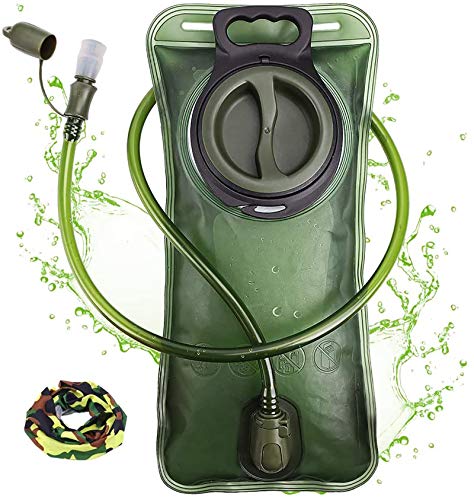
- ✓ Large easy-clean opening
- ✓ Leakproof and durable
- ✓ Quick-flow bite valve
- ✕ Slightly bulky for small packs
- ✕ No insulation for hot drinks
| Capacity | 2 liters (L) |
| Material | Premium, food-grade, BPA-free material |
| Tube Diameter | 0.4 inches (10 mm) |
| Tube Length | 40 inches (101.6 cm) |
| Temperature Tolerance | 20°C to 50°C |
| Opening Size | Large opening for easy cleaning and filling |
Ever struggled to clean your hydration bladder after a long hike or ride? The CHERAINTI 2L hydration bladder makes that task way easier with its large opening.
You can easily pour in water, add ice cubes, or scrub the interior with a brush without fuss.
Handling the cap is a breeze—screwing it on and off feels smooth and secure. I loved how I could slip ice directly from my fridge or scoop without worrying about leaks or spills.
When I was on the trail, the wide mouth made refilling quick, saving me time and frustration.
The material feels premium—no weird plastic taste, and it’s clearly built to last. It passed pressure tests, so I didn’t worry about it bursting under pressure.
Plus, the double sealing and sturdy construction mean it’s durable enough for regular outdoor use.
The tube is just the right length—40 inches—giving me enough slack to drink comfortably without tugging. The high-flow bite valve is a game-changer, allowing quick sips without struggling.
I also appreciated the ON/OFF feature, which kept the water from leaking when I wasn’t drinking.
Temperature resistance is solid, handling both hot and cold weather without issues. The soft mouthpiece stays comfortable, and the cover keeps dirt out.
When I needed to store it in the fridge, the detachable tube made it simple to keep everything neat and tangle-free.
Overall, this hydration bladder is a reliable, user-friendly option that keeps you hydrated without the hassle. It’s lightweight, leakproof, and easy to clean—an ideal companion for outdoor adventures of all kinds.
Osprey Hydraulics LT 2.5L Water Reservoir with Bite Valve

- ✓ Easy slide-seal top
- ✓ QuickConnect system
- ✓ Reliable bite valve
- ✕ Slightly pricey
- ✕ Bulky for small packs
| Capacity | 2.5 liters |
| Material | BPA-free, phthalate-free, lead-free, food-safe plastic |
| Opening Mechanism | Easy Slide-Seal top with wide access |
| Valve Type | Hydrapak Blaster bite valve with ¼ twist on/off switch |
| Additional Features | QuickConnect system, magnet clip for hose management, pour shield for easy filling |
| Compatibility | Suitable for backpacking hydration systems |
Imagine hiking up a steep trail, backpack loaded, sweat dripping, and needing a quick sip without slowing your pace. You reach for the Osprey Hydraulics LT 2.5L Water Reservoir, and that wide, easy slide-seal top greets you with a reassuring click.
Filling it at a campground sink is a breeze, thanks to the generous opening that lets you pour in water with minimal fuss.
The pour shield proves super handy, especially when trying to fill it without spilling in shallow sinks or pouring into a pot over the campfire. The wide access makes cleaning after a long day simple—no stubborn spots or mold buildup.
When you’re on the move, the quick Connect system means you can detach the reservoir easily for refilling or cleaning without wrestling with complicated parts.
The Hydrapak Blaster bite valve feels smooth and delivers water quickly when you need it most. The ¼ twist on/off switch is reliable, preventing leaks and wasting water.
Plus, the magnet clip keeps the hose neatly out of your way, attaching securely to the sternum strap magnet. It’s a thoughtful touch that keeps water accessible but out of your face while hiking.
All parts are BPA-free and food-safe, giving peace of mind during those long trips. The 2.5-liter size strikes a nice balance—big enough for hydration without weighing you down.
The carry handle adds extra convenience for filling or hanging it up to dry.
Overall, this reservoir feels sturdy, smartly designed, and ready for rugged outdoor use. Whether you’re trekking, camping, or just enjoying the wilderness, it keeps hydration simple and accessible.
The only minor downside is that it’s a bit pricier than some competitors, but the features make up for it in everyday use.
Platypus Hoser 3L Ultralight Taste-Free Water Reservoir

- ✓ Lightweight and minimalist
- ✓ Fast, reliable flow
- ✓ Taste-free and safe
- ✕ Slightly bulky when full
- ✕ Limited color options
| Capacity | 3.0 liters (measures 7 x 16.5 inches) |
| Material | BPA-free, BPS-free, phthalate-free, taste-free plastic |
| Weight | 3.8 ounces (107.7 grams) |
| Flow Rate | 30% increased flow rate with HyFLO bite valve |
| Compatibility | Works with all threaded Platypus drink tubes and closure caps |
| Additional Features | Self-sealing bite valve, hang/carry loop, ultralight design |
Many folks think all water reservoirs are basically the same, just different sizes or brands. But once I filled up the Platypus Hoser 3L and felt how lightweight and sleek it is, I knew it was a game-changer.
It’s so minimalist you forget you’re carrying it, yet it still feels sturdy in your hand.
The first thing I noticed is the self-sealing HyFLO bite valve. It’s one of those small features that makes a big difference—no leaks, no fuss, just quick sips.
The flow rate is noticeably faster than other reservoirs I’ve used, which means fewer pauses on the trail. Plus, the 30% increase in flow really helps when you’re trying to hydrate in a hurry.
The hang/carry loop is solid and easy to clip onto a pack or hang from a tree. I like that it works with all Platypus drink tubes and caps, giving me flexibility.
The 3-liter size is perfect for long hikes without constantly refilling, and the dimensions—7 x 16.5 inches—fit comfortably in most backpacks’ hydration sleeves.
It’s taste-free, BPA-free, BPS-free, and phthalate-free, so I never worry about strange flavors or harmful chemicals. The weight of just 3.8 ounces is impressive for such a large capacity.
It feels durable enough to last through many adventures, yet light enough to forget it’s there.
Overall, the Hoser feels like a smart, simple upgrade to my gear. It solves the common hassle of slow flow and leaks, making hydration effortless.
The only minor downside? It’s not the most compact when full, but for most backpacking trips, that’s a small trade-off.
Gregory 3D Hydro 3L Hydration Bladder Ocean/Orange
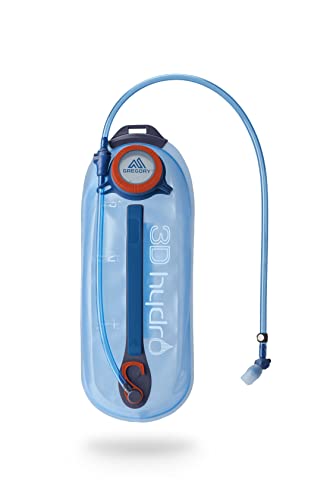
- ✓ Fast drying design
- ✓ Secure, easy mounting
- ✓ Comfortable bite valve
- ✕ Pricey
- ✕ Slightly bulky shape
| Capacity | 3 liters |
| Material | Flexible, BPA-free polyethylene with 3D QuickDry mold |
| Hydration System Compatibility | Compatible with Gregory SpeedClip mounting system |
| Hose and Valve | Inline quick-disconnect hose with soft bite valve and magnetic clip |
| Drying and Maintenance Features | Integrated QuickDry hanger and 3D QuickDry design for rapid drying and bacteria prevention |
| Additional Features | Anatomical fit with full-length baffle, spine co-molded handle for easy filling, and easy-grip fill port |
People often think that a hydration bladder is just a simple bag with a hose, but this Gregory 3D Hydro 3L really shatters that misconception. From the moment I handled it, I noticed how the unique 3D QuickDry design keeps the layers separate, which makes drying so much faster and helps prevent that musty smell everyone dreads.
The soft-molded quick-dry hanger is a game-changer, especially when you’re on the trail and need to pack or hang it quickly without fuss. The integrated system means you can hang or store it easily, and it stays secure thanks to the SpeedClip Mounting System.
I appreciated how smoothly it locks into Gregory packs, making setup and refilling seamless.
The shape fits your back like a glove, thanks to its anatomical design and full-length baffle. It distributes weight evenly, so you don’t feel any bulky or awkward pressure.
Filling it is a breeze with the rubberized easy-grip port, and the quick-disconnect hose means no more awkward threading when you need a refill mid-hike.
The soft spout bite valve is surprisingly comfortable, and the magnetic clip keeps it out of the way when not in use. I found the lever action on/off feature to be reliable and leak-proof, even when bouncing around in my pack.
Overall, this reservoir combines smart features with solid construction, making it ideal for serious backpackers who want convenience and durability.
KUREIDA Hydration Bladder 2 Liter Leak Proof Water

- ✓ Leak-proof and secure
- ✓ Large, easy-clean opening
- ✓ Durable and pressure-tolerant
- ✕ Slightly bulky for small packs
- ✕ Slightly higher price than basic models
| Capacity | 2 liters |
| Material | Premium, BPA-free, taste-free plastic |
| Temperature Resistance | -20°C to 50°C |
| Tube Diameter | 0.4 inches |
| Tube Length | 40 inches |
| Closure and Leak Prevention | Leak-proof soft mouthpiece with ON/OFF valve, quick-release detachable tube |
From the moment I unboxed the KUREIDA Hydration Bladder, I noticed how sturdy and well-made it feels. Unlike some lightweight options that feel flimsy, this one has a solid construction with a leak-proof design that immediately caught my attention.
The large 3.5-inch opening is a game changer—filling and cleaning it is almost effortless, even with ice cubes or a bottle brush.
The material feels premium—taste-free, BPA-free, and smooth inside, which makes drinking and cleaning a breeze. The soft mouthpiece with the ON/OFF valve is super convenient, allowing me to sip without worrying about leaks or accidental drips.
The bite valve is responsive, and I love that the auto shut-off engages when I stop biting, saving water and messes.
Its 2-liter capacity is perfect for day hikes or longer outdoor adventures. The tube is long enough to comfortably reach from my backpack, and I can detach it easily for cleaning or storage.
Plus, the durable double sealing side technique and pneumatic pressure test give me confidence it won’t burst or leak during rough use.
What really stands out is the design theme. The “youth has no age” motif makes it feel modern and fun, a nice touch for outdoor enthusiasts of all ages.
The reservoir handles temperatures from -20 to 50°C, so I’ve used it in cold and hot weather without issues. Overall, it’s a reliable, high-quality hydration option that fits most backpacks seamlessly.
What Should You Look for in the Best Water Reservoir for Backpacking?
When searching for the best water reservoir for backpacking, consider several key features to ensure convenience and performance on your trips.
- Capacity: Choose a reservoir that meets your hydration needs without adding excessive weight. Common capacities range from 1 to 3 liters, and selecting the right size depends on the length of your hikes and personal hydration preferences.
- Material: Look for durable, BPA-free materials that can withstand rugged conditions. Many reservoirs are made from TPU or nylon, which are both flexible and resistant to punctures while ensuring that the water remains safe to drink.
- Compatibility: Ensure the reservoir fits your backpack’s hydration system or is easy to carry. Some reservoirs come with universal fittings or specific designs that integrate seamlessly with certain brands, making it essential to check compatibility before purchasing.
- Ease of Cleaning: A reservoir that is easy to clean will help maintain water quality and hygiene. Look for reservoirs with wide openings or those that are dishwasher-safe, as this will simplify the cleaning process after each trip.
- Hydration Tube Features: Consider the design of the hydration tube, including length, bite valve, and insulation. A longer tube allows for more flexibility in accessing water while on the move, and an insulated tube can prevent freezing in cold conditions.
- Weight: Lightweight options are preferable for backpacking to keep your pack manageable. Weigh each reservoir option, as some may offer the same capacity but vary significantly in weight, impacting your overall load during hikes.
- Durability: Look for features like reinforced seams or abrasion-resistant surfaces that enhance the reservoir’s lifespan. A durable reservoir can withstand the rigors of backpacking, including rough terrain and potential impacts from other gear.
- Price: Determine your budget before exploring options, as prices can vary widely. While investing in a higher-quality reservoir may cost more upfront, it often pays off in terms of durability and functionality over time.
How Do Durability and Material Impact Your Choice?
When selecting the best water reservoir for backpacking, durability and material are crucial factors to consider:
- TPU (Thermoplastic Polyurethane): This material is highly flexible and resistant to abrasion, making it ideal for outdoor use. TPU reservoirs are lightweight and can handle a range of temperatures, ensuring that the water inside remains safe and fresh during long hikes.
- Nylon with a Hydration Bladder: Nylon is known for its strength and tear resistance, which is beneficial for rugged terrains. These bladders often come with reinforced seams and are often insulated, keeping water cool and minimizing exposure to UV rays.
- Polyethylene: While not as durable as TPU or nylon, polyethylene is still a common choice due to its affordability and lightweight nature. It is less flexible and can be prone to cracking over time, especially if exposed to extreme temperatures, but it is easy to clean and maintain.
- Silicone Coating: Some reservoirs feature a silicone coating that enhances their durability and resistance to punctures. This coating also helps in making the reservoir easier to clean and prevents algae buildup, which is important for long-term use.
- Reinforced Seams: The construction of the reservoir, particularly the seams, plays a significant role in its durability. Reservoirs with reinforced seams are less likely to leak and can withstand the stresses of being packed in a backpack, making them a reliable choice for serious backpackers.
What Features Improve Ease of Use in Water Reservoirs?
Insulated options help keep water cool in hot weather and prevent freezing in cold conditions, making them versatile for various climates. This feature can enhance hydration experience, ensuring that water remains pleasant to drink regardless of external temperatures.
Which Size and Capacity Suit Different Backpacking Needs?
The best water reservoirs for backpacking vary in size and capacity to meet different hydration needs during outdoor adventures.
- 1. 1-2 Liter Reservoirs: Ideal for lightweight backpackers on short day hikes.
- 2. 2-3 Liter Reservoirs: Perfect for weekend trips where weight is a concern but enough water is needed.
- 3. 3-5 Liter Reservoirs: Best for longer treks or group outings where multiple people share water supplies.
- 4. Specialized Hydration Packs: Designed for specific activities like running or biking, often with integrated reservoirs.
1-2 liter reservoirs are excellent for those who prioritize minimal weight and compact gear; they provide enough hydration for a few hours of activity but may require frequent refills on longer journeys. Conversely, 2-3 liter reservoirs offer a balance between hydration capacity and weight, making them suitable for weekend backpacking trips where you may be away from water sources for a while.
3-5 liter reservoirs are advantageous for extended hikes or when traveling in a group, as they can significantly reduce the number of water stops needed, ensuring everyone stays hydrated without the need for constant refilling. Specialized hydration packs cater to specific activities, incorporating features like additional pockets and lightweight materials, allowing for easy access and management of hydration while on the move, particularly during high-intensity activities.
What Are the Top Water Reservoirs Recommended by Backpackers?
The best water reservoirs for backpacking are essential for staying hydrated on the trail.
- Platypus Big Zip EVO: This reservoir is known for its durability and ease of use, featuring a wide-mouth opening for quick filling and cleaning.
- CamelBak Crux Reservoir: The Crux is designed for efficient water delivery, making it ideal for fast-paced hiking, and it has an on/off bite valve to prevent leaks.
- Osprey Hydraulics LT Reservoir: Lightweight and compact, this reservoir is perfect for minimalist backpackers who still want a high-capacity option, complemented by a smooth, high-flow hose.
- MSR Dromedary Bag: This versatile reservoir is made from durable materials and can be used for both hydration and as a collapsible water storage option for camp.
- Source Outdoor Wader Hydration System: Featuring a unique Grunge-Guard technology to prevent algae growth, this reservoir is ideal for extended trips in varying conditions.
The Platypus Big Zip EVO is favored for its robust construction and user-friendly design. The wide opening allows easy filling from various water sources, and the material is resistant to punctures, ensuring reliability during rugged hikes.
The CamelBak Crux Reservoir stands out for its intuitive design aimed at outdoor enthusiasts who need swift hydration. The innovative bite valve enhances flow while minimizing spills, making it a popular choice for those who prioritize speed on the trail.
The Osprey Hydraulics LT Reservoir is the go-to for backpackers who value lightweight gear without sacrificing capacity. Its streamlined shape fits seamlessly into packs, and the hose attachment allows for effortless sipping while on the move.
For those seeking versatility, the MSR Dromedary Bag serves dual purposes as both a hydration reservoir and a portable water container for campsite use. Its robust build can handle rough treatment, and it includes a variety of attachment options for easy carrying.
The Source Outdoor Wader Hydration System addresses the needs of long-term backpackers with its Grunge-Guard technology that inhibits bacterial growth, ensuring clean water for extended journeys. Its ergonomic design and durable materials make it a reliable companion for any adventure.
How Do Popular Brands Compare in Performance and Value?
| Brand | Performance | Value |
|---|---|---|
| Brand A | High durability and excellent water flow rate, suitable for long hikes. | Moderate price, offering good features for the quality. |
| Brand B | Lightweight with average performance, best for short trips. | Affordable, great for beginners but lacks advanced features. |
| Brand C | Top performance in extreme conditions, highly recommended by experts. | Premium pricing, but offers exceptional quality and longevity. |
| Brand D | Reliable performance with a balance of weight and capacity, ideal for weekend trips. | Reasonably priced, offers good value for casual hikers. |
| Brand E | Excellent thermal insulation and durability, perfect for cold weather conditions. | Higher price point, but justified by superior materials and design. |
What Specific Models Are Highly Rated for Backpacking?
The best water reservoirs for backpacking are designed to be lightweight, durable, and easy to use while ensuring a reliable water supply. Here are some highly rated models:
- CamelBak Crux Reservoir: This reservoir features an ergonomic design that maximizes water flow and reduces the effort needed to drink, making it a favorite among backpackers.
- Osprey Hydraulics LT Reservoir: Known for its unique shape that fits comfortably in most packs, this reservoir includes a quick-connect hose for easy access and filling.
- Platypus Big Zip EVO: This model is praised for its durability and ease of cleaning, thanks to its wide opening and robust materials that can handle rugged conditions.
- Source Outdoor Widepac: With its innovative wide opening and integrated water filter options, this reservoir is perfect for those who want versatility and convenience on the trail.
The CamelBak Crux Reservoir is equipped with a 20% more water flow than previous models, allowing for quicker hydration during intense hikes. It also features a patented Big Bite Valve that ensures no leaks and is easy to sip while on the go.
The Osprey Hydraulics LT Reservoir is designed with a low-profile shape that minimizes bulk and fits securely within your backpack without shifting. Its quick-connect hose makes it simple to refill without removing the reservoir from your pack.
The Platypus Big Zip EVO is renowned for its durable construction, which includes a tough, puncture-resistant material that stands up to abrasive conditions. The reservoir’s wide zippered opening allows for easy filling and cleaning, making it a practical choice for multi-day trips.
The Source Outdoor Widepac combines functionality with innovation, featuring a wide opening for easy filling and cleaning, along with an optional integrated water filter that allows users to drink from natural water sources safely. Its lightweight design and flexible material make it easy to pack and carry.
What Are the Benefits and Drawbacks of Using a Water Reservoir for Backpacking?
The benefits and drawbacks of using a water reservoir for backpacking are important to consider for an efficient and enjoyable hiking experience.
- Convenience: Water reservoirs, often integrated into hydration packs, allow for hands-free drinking through a tube, which is especially useful while on the move.
- Weight Distribution: A reservoir can help distribute weight more evenly across your back compared to carrying multiple water bottles, making it easier to balance your load.
- Capacity: Many water reservoirs offer a larger capacity compared to standard bottles, enabling you to carry more water without the need for frequent refills during long hikes.
- Insulation: Some reservoirs come with insulation features that help keep your water cool during hot weather, enhancing your hydration experience.
- Cleaning and Maintenance: Reservoirs can sometimes be more challenging to clean and dry adequately compared to bottles, which may lead to concerns about mold and bacteria growth.
- Potential for Leaks: There is a risk of leaks or punctures in the reservoir, which can lead to wet gear and loss of water supply while on the trail.
- Initial Cost: High-quality hydration reservoirs can be more expensive upfront compared to traditional water bottles, which may be a consideration for budget-conscious hikers.
Water reservoirs, often integrated into hydration packs, allow for hands-free drinking through a tube, which is especially useful while on the move. This convenience lets backpackers maintain their pace and focus on their surroundings without stopping to retrieve a water bottle.
A reservoir can help distribute weight more evenly across your back compared to carrying multiple water bottles, making it easier to balance your load. This can lead to increased comfort on long treks, reducing fatigue and strain on your body.
Many water reservoirs offer a larger capacity compared to standard bottles, enabling you to carry more water without the need for frequent refills during long hikes. This is particularly beneficial in remote areas where water sources may be scarce.
Some reservoirs come with insulation features that help keep your water cool during hot weather, enhancing your hydration experience. This can be a refreshing advantage on strenuous hikes under the sun.
However, reservoirs can sometimes be more challenging to clean and dry adequately compared to bottles, which may lead to concerns about mold and bacteria growth. Proper maintenance is essential to ensure safe drinking water.
There is a risk of leaks or punctures in the reservoir, which can lead to wet gear and loss of water supply while on the trail. Backpackers need to ensure they are using high-quality products and checking for damage regularly.
High-quality hydration reservoirs can be more expensive upfront compared to traditional water bottles, which may be a consideration for budget-conscious hikers. Weighing the initial investment against the benefits is important when deciding on the best option for your backpacking needs.
How Do Water Reservoirs Compare to Traditional Water Bottles?
| Aspect | Water Reservoirs | Traditional Water Bottles |
|---|---|---|
| Capacity | Typically holds 2-3 liters, ideal for long hikes without frequent refills. | Usually holds 0.5-1 liter, requiring more frequent refills during long outings. |
| Portability | Flexible and can fit in a backpack’s hydration compartment, saving space. | Rigid structure may take up more space in a pack and can be less comfortable to carry. |
| Ease of Use | Can be used hands-free with a drinking tube, allowing for easy hydration on the go. | Requires stopping to unscrew the cap, which can be less convenient during activities. |
| Price | Generally ranges from $20 to $50, depending on features and material quality. | Typically ranges from $5 to $25, making them a more budget-friendly option. |
| Weight | Generally lightweight, but can vary based on material and design. | Can be heavier, especially if made of glass or thicker plastic. |
| Durability | Often made from flexible materials that can be prone to punctures but are designed for outdoor use. | More rigid and can withstand drops, but may crack or shatter. |
| Cleaning and Maintenance | Requires regular cleaning to prevent mold; some models have wide openings for easy access. | Easier to clean but may have narrow openings that are hard to reach. |
| Environmental Impact | Reusability reduces plastic waste; designed for long-term use. | Single-use bottles contribute to waste unless reusable; some are recyclable. |
What Considerations Ensure Proper Maintenance of Your Reservoir?
When maintaining a reservoir for backpacking, there are several key considerations to ensure its effective use and longevity:
- Material Quality: The materials used in the construction of the reservoir are crucial for durability and functionality. High-quality, BPA-free plastics or durable TPU (thermoplastic polyurethane) are preferred as they resist punctures, abrasions, and UV damage, ensuring that the reservoir can withstand outdoor conditions while maintaining the purity of the water.
- Cleaning and Hygiene: Regular cleaning is essential to prevent the buildup of bacteria and mold. Using a reservoir-specific cleaning kit that includes brushes and cleaning tablets can help maintain hygiene, while it is also advisable to rinse and dry the reservoir thoroughly after each use to avoid any residual moisture that could promote microbial growth.
- Storage Practices: Proper storage of the reservoir when not in use can drastically extend its lifespan. It is recommended to store the reservoir in a cool, dry place away from direct sunlight, and to ensure it is empty and dry to prevent any lingering moisture that could lead to mold or mildew development.
- Regular Inspections: Frequent inspections for leaks, punctures, or wear and tear are vital for maintaining the functionality of the reservoir. Identifying and addressing small issues early on can prevent larger problems and ensure that the reservoir remains reliable during backpacking trips.
- Compatibility with Gear: Ensuring that the reservoir is compatible with your backpacking gear is critical for efficiency. Look for reservoirs that fit well within hydration sleeves of backpacks and have hoses that can be easily accessed, as this will facilitate hydration on the go, especially during strenuous activities.
What Do User Reviews Say About Their Experiences with Water Reservoirs?
Compatibility: Many reviews highlight the compatibility of reservoirs with various backpacks and hydration systems, which is a key consideration for seamless usage. Users tend to prefer reservoirs that fit well with standard hydration packs and have universal connectors, ensuring versatility across different gear setups.
Related Post: