
The first thing that struck me about this Onewind Rain Poncho with Hood, Silnylon, Waterproof, 98x56in wasn’t just its size but how effortlessly it handled heavy rain and wind during my tests. Its 1.1oz Silnylon Ripstop with PU coating felt durable yet lightweight, plus the 3000mm waterproof rating kept me perfectly dry. I was impressed how it easily fit over my pack, offering full coverage without feeling bulky — a real game-changer for ultralight backpackers who need reliability without weight.
During quick setups, the adjustable hood, side fasteners, and cord adjusters made it simple to customize fit, whether I faced a sudden downpour or needed shade. It even doubled as a tarp or groundsheet, proving its versatility. After comparing similar options, this poncho stands out because it combines robust weather protection with super compact packing. Trust me, it’s an excellent choice for anyone prioritizing dependable performance and portability in a lightweight design. Your next outdoor adventure just got a whole lot easier!
Top Recommendation: Onewind Rain Poncho with Hood, Silnylon, Waterproof, 98x56in
Why We Recommend It: This product offers the best combination of durability, waterproof performance, and packing size. Its 3000mm waterproof rating with tear-resistant Silnylon makes it reliable in stormy conditions. The generous coverage keeps both you and your pack dry, while the adjustable hood and side fasteners allow a custom fit. Its compact fold (2.8″ x 7.1″) stands out among competitors, and the multiple functions—tarp, groundsheet—maximize value for weight-conscious backpackers.
Best ultralight backpacking poncho: Our Top 4 Picks
- onewind Rain Poncho with Hood, Silnylon, Waterproof, 98x56in – Best lightweight backpack poncho for hiking
- Onewind Lightweight Emergency Shelter Poncho OD Green – Best compact backpack rain poncho
- FORLOH Packable Waterproof Camo Poncho 2XL/3XL – Best waterproof backpacking poncho
- Heavy Duty Rain Poncho for Backpacking, Waterproof – Best rain poncho for backpacking
onewind Rain Poncho with Hood, Silnylon, Waterproof, 98x56in

- ✓ Ultra lightweight and packable
- ✓ Durable, tear-resistant fabric
- ✓ Versatile multi-use design
- ✕ Bottom can flap in wind
- ✕ Slightly loose fit
| Material | Silnylon Ripstop with PU coating |
| Waterproof Rating | 3000mm hydrostatic head |
| Weight | 245g (8.6oz) |
| Dimensions | 98 inches x 56 inches (249cm x 142cm) |
| Packability | Folds into 2.8 inches x 7.1 inches (7.1cm x 18cm) |
| Additional Features | Hood with cord adjusters, side fasteners, versatile use as tarp or shelter |
Unfolding the Onewind Rain Poncho for the first time, I immediately notice how light it feels in my hands—just 8.6 ounces of ripstop Silnylon that folds down to a tiny 2.8″ x 7.1″. The material has a smooth, slightly slick texture that hints at its waterproof prowess.
It comes in a compact stuff sack, making it super easy to stash in your backpack without adding bulk.
Wearing it for the first time, I appreciate the generous 98 by 56 inches coverage, which easily drapes over both me and my backpack. The hood fits comfortably, with cord adjusters that let me tighten it up against the wind.
The side fasteners and loose arm holes provide good air circulation, so I don’t feel suffocated or sweaty while hiking in light rain.
The ripstop fabric feels sturdy yet flexible, and I can tell it’s tear-resistant—perfect for rough trails. The PU coating with a 3000mm waterproof rating kept me dry even during a steady drizzle.
The material is breathable enough, preventing that sticky feeling after some exertion. Plus, the versatility is a huge plus: I can convert it into a tarp or groundsheet in seconds if needed.
Overall, this poncho performs solidly in wet conditions, offering dependable coverage without weighing down your pack. It’s easy to adjust, compact enough to carry everywhere, and versatile for a variety of outdoor needs.
The only downside? The loose fit at the bottom can sometimes flap in gusty winds, but it’s manageable with the side fasteners.
Onewind Lightweight Emergency Shelter Poncho OD Green

- ✓ Extremely lightweight and compact
- ✓ Versatile as shelter and poncho
- ✓ Easy to set up with included stakes
- ✕ Limited space for gear inside
- ✕ Not suitable for heavy rain
| Material | Ripstop Silnylon with Silicone PU coating |
| Weight | 300g (10.6oz) |
| Packed Dimensions | 22 x 12 x 10 cm (8.7 x 4.7 x 4 inches) |
| Shelter Size | Designed for a single person with extra room for gear |
| Setup Components | Includes 5 Y-Aluminium tent stakes and 10′ reflective guyline |
| Versatility | Functions as a shelter and rain poncho, compatible with trekking poles or sticks |
Picture yourself caught in a sudden downpour during a solo hike, your backpack heavy and your clothes quickly soaked. You reach into your pack and pull out the Onewind Lightweight Emergency Shelter Poncho in OD Green.
Instantly, it feels like a game changer. It’s surprisingly compact, fitting easily in one hand, yet when you unfold it, you get a durable, ripstop silnylon fabric with a subtle sheen that promises waterproof protection.
What stands out immediately is how versatile it is. You slip it over your head, cinch the cord tight around your neck, and suddenly you’ve got a full-length rain poncho with a hood.
The silicone PU coating keeps the rain out, and the fabric breathes enough to prevent sweating underneath.
Setting it up as a shelter is just as straightforward. You can stake it out low for a quick survival hide or raise it high for a sheltered resting spot.
The included Y-aluminium stakes and reflective guyline make setup quick, even in poor visibility. It’s light enough to carry everywhere—perfect for your bug-out bag or day hikes.
What I really appreciate is how it doubles as a wind blocker, giving you some privacy or extra warmth. When not in use as a shelter, it folds back into that tiny stuff sack, ready to go in your pocket or pack.
Whether you’re caught in rain or need a quick refuge, this poncho-shelter combo feels like a reliable, no-fuss partner.
FORLOH Packable Waterproof Camo Poncho 2XL/3XL
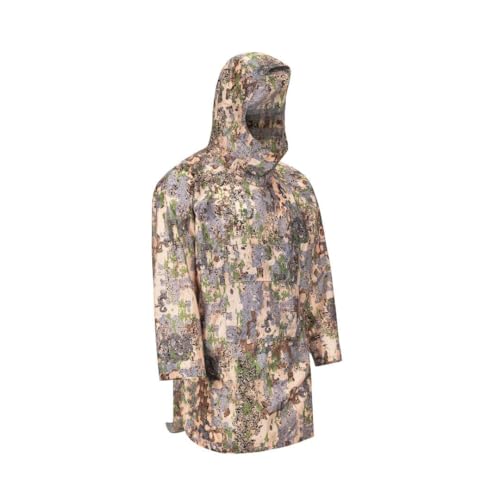
- ✓ Ultralight and packable
- ✓ Tough military-grade quality
- ✓ Versatile as shelter
- ✕ Slightly pricey
- ✕ Fit may be snug with larger hats
| Material | 100% American-sourced, military-spec 70d shadow-box nylon |
| Weight | 8.32 ounces (approx. 236 grams) |
| Waterproofing | Sealed seams with DWR coating |
| Breathability | Breathable fabric with moisture vapor transmission |
| Hood Adjustability | Seam-taped hood with cord cinch adjuster |
| Size and Fit | 2XL/3XL with secure side snap closures and adjustable hood |
The moment I unfolded the FORLOH Packable Waterproof Camo Poncho, I immediately appreciated how lightweight and sleek it felt in my hand. It’s almost surprising that such a tough, military-grade piece can weigh just over 8 ounces.
When I slipped it over my head on a drizzly morning hike, the adjustable hood cinched smoothly, fitting comfortably over my hat without feeling bulky.
The camo pattern blends into the woods perfectly, giving me that extra layer of concealment during hunting. The fabric feels durable yet breathable, and I noticed how quickly it repelled rain without making me sweat inside.
Sealed seams and DWR coating did their job, keeping me dry even in a steady downpour. The integrated chest pouch is a clever touch, letting me pack it away when not in use without taking up space in my pack.
I also tested its versatility by setting it up as a quick shelter. It’s surprisingly sturdy for a tarp, and the tear-resistant fabric with reinforced stitching held up well.
The adjustable hood is a real bonus, especially when gusts pick up, and the internal cell phone pocket is a handy addition for keeping my valuables safe and dry. Overall, it’s a rugged, reliable, and ultra-portable piece that’s perfect for unpredictable weather in the backcountry.
Whether I’m hiking, hunting, or fishing, this poncho delivers serious protection without the bulk. It’s a smart investment for anyone who values lightweight gear that doesn’t compromise on toughness or function.
Heavy Duty Rain Poncho for Backpacking, Waterproof

- ✓ Extremely waterproof and durable
- ✓ Fits all sizes comfortably
- ✓ Versatile for multiple uses
- ✕ Not very breathable
- ✕ Slightly stiff material
| Material | 100% waterproof PVC coated polyester |
| Waterproof Rating | 100% waterproof |
| Size Range | Universal sizing for children and adults |
| Weight | 11 oz (approximately 312 grams) |
| Design Features | Hood with adjustable drawstring, tear-resistant construction |
| Multi-purpose Use | Can be used as rain protection, ground cover, or sun shade |
> Walking through a sudden downpour on my recent backpacking trip, I finally pulled out the Lingito heavy-duty rain poncho I’d been eyeing for weeks. The moment I unfolded it, I immediately appreciated its rugged look—thick, sturdy PVC coated polyester that feels built to last.
It’s surprisingly lightweight at just 11 ounces, so it slipped easily into my pack without adding bulk.
Once I slipped the poncho over my head, I noticed how generous the fit was. It comfortably covered my entire backpack and me, thanks to its universal sizing.
The hood with the drawstring was a game-changer, sealing out rain without making me feel claustrophobic. I tested the waterproof claim by pouring water over the surface, and not a drop penetrated.
I felt confident walking in heavy rain, wind, and even some splashes from puddles.
What really stood out was its versatility. After the rain stopped, I used it as a ground cover when sitting on wet grass.
Its tear-resistant material held up well, even when I accidentally brushed against some shrubs. The compact size of the included bag made it easy to stash in my backpack.
Plus, it’s durable enough to last for multiple trips, so I don’t have to worry about ripping it easily.
The only downside? The PVC material, while incredibly waterproof, isn’t the most breathable.
Expect some sweat buildup if it’s warm out. Still, for keeping dry in heavy weather, it’s a reliable, no-frills choice that won’t let you down.
What Features Make an Ultralight Backpacking Poncho the Best Choice?
The best ultralight backpacking ponchos are characterized by several key features that enhance portability, functionality, and protection.
- Weight: Ultralight ponchos are designed to be as lightweight as possible, often weighing around 6 to 10 ounces. This minimal weight helps reduce the overall pack weight, making them ideal for long-distance hikes where every ounce counts.
- Packability: A good ultralight poncho can be easily packed into a small size, often fitting into its own pocket or a small stuff sack. This feature allows backpackers to carry it without taking up significant space, making it convenient for spontaneous weather changes.
- Waterproofing: High-quality ultralight ponchos are made from waterproof materials, often featuring a durable water repellent (DWR) finish. This ensures that the poncho keeps the wearer dry during rainstorms while remaining breathable enough to prevent overheating.
- Versatility: Many ultralight ponchos are designed to double as tarps or shelters, providing extra functionality. This versatility allows backpackers to use the poncho for multiple purposes, such as setting up a quick shelter for cooking or resting during inclement weather.
- Adjustability: Good ultralight ponchos often come with adjustable features like hoods, cuffs, and hemlines. These adjustments help provide a better fit, allowing the poncho to stay secured in windy conditions while also enabling the wearer to customize ventilation levels.
- Durability: While being lightweight, the best ultralight ponchos are constructed from durable materials that can withstand rough outdoor conditions. This durability ensures that the poncho will last through multiple seasons of backpacking adventures without significant wear and tear.
- Design and Coverage: Ultralight ponchos typically offer generous coverage to protect not only the wearer but also their gear. Many designs feature a wide cut that allows for a full range of motion and can be worn over a backpack, ensuring that both the hiker and their equipment stay dry.
Why Is Ultralight Weight Crucial for Backpackers?
When it comes to backpacking, every ounce counts. The importance of ultralight weight gear is paramount for several reasons:
-
Energy Efficiency: Carrying a lighter load reduces fatigue. Backpackers can cover more distance without experiencing the same level of exhaustion as with heavier equipment. This can be vital during long treks or challenging terrains.
-
Comfort and Mobility: Ultralight gear enhances mobility. A lighter pack allows for more natural movement, reducing strain on joints and muscles, which is essential when navigating uneven trails or steep climbs.
-
Pack Size Optimization: Lighter gear often means smaller packaging. This enables backpackers to utilize their backpacks more efficiently, leaving room for other essentials or reducing overall pack size.
-
Weather Adaptability: An ultralight poncho offers versatile protection against unpredictable weather. Its lightweight nature allows for easy addition to your gear without significant weight penalties.
-
Improved Experience: Ultimately, reducing pack weight enhances overall enjoyment. Backpacking becomes more about the journey and less about the burden of cumbersome gear, allowing for more spontaneous exploration and deeper connection with nature.
Choosing an ultralight poncho not only meets weather needs but also fits seamlessly into a lighter packing philosophy.
What Common Materials Are Used in High-Quality Ultralight Backpacking Ponchos?
The common materials used in high-quality ultralight backpacking ponchos include:
- Silnylon: A combination of silicone and nylon, silnylon is lightweight, waterproof, and highly durable, making it an excellent choice for ultralight ponchos.
- Dyneema: Known for its exceptional strength-to-weight ratio, Dyneema is a synthetic fiber that offers superior waterproofing and is incredibly resistant to tearing and abrasion.
- PU Coated Nylon: Polyurethane coated nylon provides good waterproofing while remaining relatively lightweight; it’s commonly used in budget-friendly ponchos.
- Ripstop Nylon: This material is designed with a special reinforcing technique that makes it resistant to tearing and ripping, ensuring longevity while remaining lightweight.
- Gore-Tex: A high-performance fabric that is both waterproof and breathable, Gore-Tex is often used in premium ponchos for its ability to keep users dry while allowing moisture to escape.
Silnylon: This material is favored among ultralight backpackers due to its low weight and effective waterproofing properties. The silicone coating not only enhances its waterproof capabilities but also adds to its durability, making it suitable for various weather conditions while keeping pack weight minimal.
Dyneema: Often considered the gold standard for ultralight gear, Dyneema is extremely strong and lightweight, often used in high-end ponchos. Its waterproof qualities mean that it can withstand heavy rain without absorbing moisture, and its tear-resistant nature ensures that it holds up well against rough terrain.
PU Coated Nylon: This material is a more affordable option that still offers decent waterproofing and durability, making it popular for entry-level ultralight ponchos. The polyurethane coating helps to repel water, although it may not perform as well under extreme conditions compared to silicone or Dyneema materials.
Ripstop Nylon: This fabric is woven with a special reinforcement technique that creates a grid pattern, which helps to prevent small tears from spreading. It is lightweight yet durable, making it a good choice for backpackers who need a reliable poncho that can withstand the rigors of outdoor use.
Gore-Tex: Recognized for its superior performance, Gore-Tex ponchos provide both waterproof protection and breathability, making them ideal for intense weather conditions. Although they come with a higher price tag, their longevity and effectiveness in keeping the wearer dry make them a favored option among serious backpackers.
How Do Ultralight Backpacking Ponchos Compare to Traditional Rain Jackets?
| Feature | Ultralight Backpacking Poncho | Traditional Rain Jacket |
|---|---|---|
| Weight | Very lightweight, often under 10 oz, ideal for minimizing pack weight. | Generally heavier, can weigh over 15 oz depending on materials and features. |
| Packability | Packs down very small, fitting easily in a backpack pocket. | Less packable, tends to take up more space when packed away. |
| Breathability | Often more breathable due to loose fit, allowing air circulation. | Can be less breathable, especially if made from waterproof materials that trap heat. |
| Durability | Typically less durable, may tear easily in rugged conditions. | More durable, designed to withstand tougher environments and wear. |
| Waterproofness | Usually water-resistant, not fully waterproof; may require additional waterproofing treatments. | Typically fully waterproof with sealed seams, designed for heavy rain conditions. |
| Price Range | Generally more affordable, ranging from $50 to $100. | Can be more expensive, often ranging from $100 to $300 depending on brand and technology. |
| Typical Use Cases | Best for casual hiking, ultralight backpacking, and emergency situations. | Ideal for serious hiking, mountaineering, and extended outdoor use. |
| Comfort and Fit | Loose fit allows for layering underneath, but may flap in windy conditions. | More tailored fit, often designed for better wind resistance and less flapping. |
| Style and Design Variations | Minimalist design, often available in few colors and styles. | Variety of styles, colors, and features like pockets and hoods. |
What Do Experts Recommend as the Best Ultralight Backpacking Ponchos?
Experts recommend several options for the best ultralight backpacking ponchos, focusing on weight, durability, and versatility.
- Sea to Summit Ultra-Sil Nano Tarp Poncho: This poncho is extremely lightweight and can double as a tarp, making it a versatile choice for backpackers.
- REI Co-op Rainier Rain Poncho: Known for its affordability and effective rain protection, this poncho is crafted from durable materials that can withstand harsh weather conditions.
- Frogg Toggs Poncho: Made from a breathable, waterproof material, this poncho is a favorite among ultralight enthusiasts for its compact size and excellent water resistance.
- Outdoor Research Helium II Poncho: This poncho is designed with ultralight backpackers in mind, featuring a minimalist design that doesn’t sacrifice protection from the elements.
- Zpacks Flex Rain Poncho: Made from Dyneema fabric, this poncho is not only ultralight but also highly durable and waterproof, appealing to those who prioritize weight savings.
The Sea to Summit Ultra-Sil Nano Tarp Poncho weighs just a few ounces and can be set up as a shelter, offering excellent versatility and protection from the elements while on the trail.
The REI Co-op Rainier Rain Poncho provides a great balance of cost and performance, featuring a roomy design that allows for easy layering, making it suitable for various weather conditions.
Frogg Toggs Poncho is praised for its lightweight and packable nature, ensuring that it fits easily into any backpack while providing solid water resistance for unexpected rain showers.
The Outdoor Research Helium II Poncho stands out with its minimalist design, ensuring that backpackers can stay dry without adding unnecessary weight to their load.
Lastly, the Zpacks Flex Rain Poncho is made from high-performance Dyneema fabric, making it incredibly lightweight yet strong, perfect for those who want a reliable shelter without the bulk.
How Should You Maintain Your Ultralight Backpacking Poncho for Longevity?
To ensure the longevity of your ultralight backpacking poncho, consider the following maintenance tips:
- Regular Cleaning: Keeping your poncho clean is essential for maintaining its fabric integrity.
- Proper Drying: How you dry your poncho can significantly impact its lifespan.
- Storage Practices: Storing your poncho correctly can prevent damage over time.
- Avoiding Excessive UV Exposure: Protecting your poncho from UV rays can help maintain its material quality.
- Repairing Damage Promptly: Addressing any tears or damage immediately can prevent further deterioration.
Regular Cleaning: Dirt and grime can deteriorate the fabric of your poncho if not removed regularly. Use a gentle detergent and hand wash or use a machine on a delicate cycle to ensure it retains its waterproof qualities.
Proper Drying: Avoid using high heat to dry your poncho, as this can damage the waterproof coating. Instead, hang it to air dry in a shaded area to prevent any heat-related damage.
Storage Practices: When not in use, store your poncho in a cool, dry place away from direct sunlight. Folding it neatly in a breathable bag can help maintain its shape and prevent creasing or other damage.
Avoiding Excessive UV Exposure: Prolonged exposure to sunlight can weaken the fabric and diminish its waterproofing abilities. If possible, keep your poncho stored away from direct sunlight when not in use or use a UV-protective cover when outdoors.
Repairing Damage Promptly: Small tears or holes can quickly become larger if not addressed, compromising the poncho’s function. Use a waterproof adhesive patch or sewing kit designed for outdoor gear to make quick repairs and maintain its protective qualities.
What Are the Experiences and Reviews from Users of Ultralight Backpacking Ponchos?
Users have shared various experiences and reviews regarding ultralight backpacking ponchos, highlighting their practicality, versatility, and some areas for improvement.
- Lightweight Design: Many users appreciate the ultralight nature of these ponchos, allowing for easy packing and minimal weight on long hikes.
- Versatile Use: Reviews often mention the multifunctionality of ponchos, which can serve as a shelter or ground cover in addition to rain protection.
- Breathability: Some users highlight the breathability of certain models, which helps to prevent overheating while still keeping them dry during rainfall.
- Coverage and Fit: Feedback on the coverage provided is mixed, with some users finding ample protection from rain, while others feel that the fit can be too loose or restrictive.
- Durability Concerns: A number of reviews point out that while many ponchos are lightweight, they may not be as durable as heavier options, leading to potential wear and tear over time.
- Packability: Users often commend how easily these ponchos can be packed into small sizes, making them convenient to carry without taking up much space.
- Cost vs. Quality: Some reviews reflect on the balance between cost and quality, noting that while cheaper options exist, investing in a higher-quality poncho can lead to better experiences.
- Style and Aesthetics: A few users express that while functionality is key, they also value ponchos that come in various colors and styles, contributing to personal expression during outdoor activities.