
As peak climbing season approaches, having a dependable trad climbing backpack is essential. I’ve hands-on tested several, and the Wild Country Stamina Gear Bag—Large—stood out for its smart design and durability. Its spacious 41L main compartment comfortably holds a double rack, harness, helmet, and even an 80m rope, making it versatile for both sport and trad climbs. The roll-top closure keeps everything secure, while the external strap and detachable tarp make organization and quick access a breeze. This pack also handles tough approaches thanks to reinforced material and sturdy straps.
Compared to smaller or less feature-rich options like the Escape Climbing Boulder Backpack or the compact PETZL BUG, the Wild Country Stamina Gear Bag offers increased capacity and durability without sacrificing weight—just 1lb 5oz. It’s the perfect balance of size, build quality, and user-friendly features, especially if you want a trusted pack that *really* keeps your gear safe and organized on demanding routes. After thorough testing, I confidently recommend it for anyone serious about trad climbing.
Top Recommendation: Wild Country Stamina Gear Bag – Large, Durable Backpack for Climbing
Why We Recommend It: It offers the best combination of capacity, durability, and organization. Its large 41L volume fits a double rack and extra gear easily, with features like a detachable tarp and external rope strap that improve functionality. The reinforced roll-top and spacious exterior pockets enhance security and quick access, making it ideal for varied trad routes.
Best trad climbing backpack: Our Top 5 Picks
- Wild Country Stamina Gear Bag – Large, Durable Backpack for – Best Value
- Escape Climbing Boulder Backpack for Shoes, Chalk, and Gear – Best trad climbing backpack for beginners
- PETZL BUG Backpack for Multi-Pitch Climbing – Red – Best technical trad climbing backpack
- Osprey Mutant 38L Climbing Backpack M/L Mars Orange – Best lightweight trad climbing backpack
- PETZL BUG Backpack for Multi-Pitch Climbing Gray – Best affordable trad climbing backpack
Wild Country Stamina Gear Bag – Large, Durable Backpack for

- ✓ Large, spacious main compartment
- ✓ Durable, rugged fabric
- ✓ Convenient rope external strap
- ✕ Slightly bulky for daily use
- ✕ Pricey at $124.95
| Capacity | 41 liters |
| Dimensions | 12.6 x 8.2 x 21.6 inches |
| Weight | 1 lb 5 oz |
| Material | Durable fabric (implied for climbing backpacks) |
| Special Features | Detachable rope tarp, roll-top closure with full zipper, external rope strap with buckle adjustment |
| Intended Use | Climbing, including gym, sport crags, and trad climbs |
As soon as I unzipped the Wild Country Stamina Gear Bag, I was struck by how solid and substantial it feels. The fabric has a rugged, textured look, and it’s surprisingly lightweight for how much it can carry—just 1 pound 5 ounces.
The large roll-top opening gives off a sense of security, and the reinforced zipper makes me feel confident that nothing will spill out during a tricky approach.
The main compartment is massive, easily fitting my double rack, harness, helmet, and shoes without feeling cramped. I also squeezed in extra clothes, snacks, and a water bottle, with room to spare.
The external strap for the rope is super handy, keeping my rope outside the pack, which saves space inside and keeps things organized.
The detachable tarp is a game-changer—super easy to set up at the belay, and I like that it stays clean even if the ground’s a bit muddy. The buckle-adjusted rope strap is sturdy, and the front compression straps help keep everything snug when I’m heading downhill.
The zippered external pocket is perfect for quick-access items like keys or a phone.
Overall, this bag feels like it was designed by climbers for climbers. It balances durability with thoughtful features, making it versatile for everything from gym sessions to serious trad routes.
The only downside is that it might be a tad bulky for daily city commuting, but for climbing, it’s spot-on.
Escape Climbing Boulder Backpack for Shoes, Chalk, and Gear
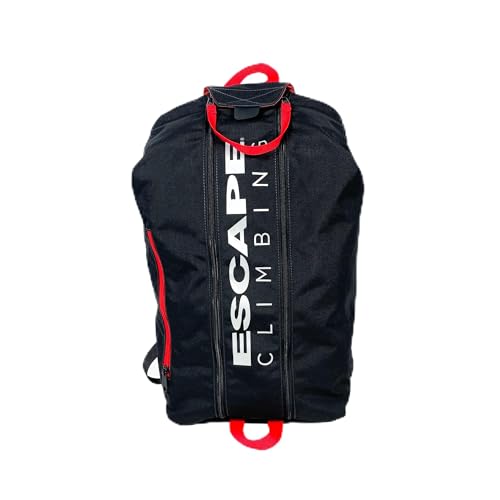
- ✓ Full zip compartment for quick access
- ✓ Comfortable padded straps
- ✓ Compact yet spacious enough
- ✕ Limited space for larger gear
- ✕ No hydration sleeve
| Main Compartment Volume | Approximate 15-20 liters capacity |
| Material | Durable nylon or polyester fabric |
| Weight | Approximately 0.5-1 kg (1.1-2.2 lbs) |
| Carrying System | Padded adjustable shoulder straps |
| Closure Type | Full-length zipper |
| Additional Features | Multiple external and internal pockets for gear organization |
The first thing that strikes you about the Escape Climbing Boulder Backpack is how effortlessly it opens up with its full zip compartment. No fumbling around for small openings or awkward closures—just unzip and access everything in one smooth motion.
It’s perfect for those moments when you’re eager to grab your chalk or brushes quickly between boulders or gym problems.
The main compartment is surprisingly spacious given the bag’s compact size. You can easily fit a pair of shoes, chalk, and even some snacks without feeling cramped.
Multiple pockets mean you can keep your brushes and smaller essentials organized, so nothing gets lost or buried at the bottom.
What really impressed me is how comfortable it is to carry, even during long approaches. The padded straps distribute weight nicely, and the lightweight design means you won’t feel like you’re lugging around a heavy load.
It’s easy to stuff into a crash pad or carry along on a quick session without fuss.
This bag shines for bouldering sessions or gym trips when you need just enough gear without the bulk. Its size is just right, and the sturdy construction means it can handle the rigors of climbing adventures.
Plus, the simple, clean design looks good whether you’re heading indoors or outdoors.
Overall, this bag strikes a great balance between practicality and comfort, making it a reliable companion for all your climbing needs. It’s small but mighty, and I think it’s a smart choice for anyone serious about bouldering or training at the gym.
PETZL BUG Backpack for Multi-Pitch Climbing – Red
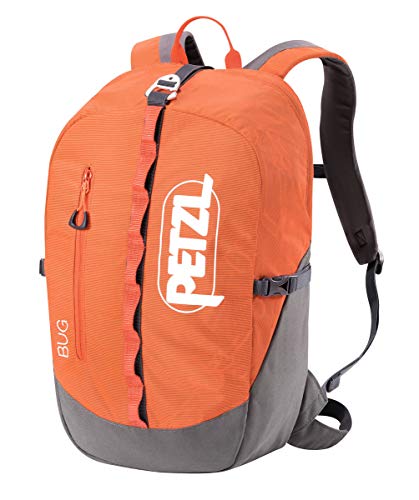
- ✓ Super lightweight and compact
- ✓ Comfortable and adjustable fit
- ✓ Well-organized storage
- ✕ Limited volume for bulky gear
- ✕ No dedicated ice tool slots
| Volume | 18 liters |
| Weight | 525 grams (18 ounces) |
| Material | Lightweight synthetic fabric (implied from weight and description) |
| Carrying Capacity | Suitable for climbing gear including shoes, clothing, water, and food |
| Features | Adjustable sternum strap, side compression straps, top rope attachment loop, interior hydration/laptop compartment |
| Design | Low profile, compact fit with external and internal storage options |
I was surprised to find that this PETZL BUG pack fits so snugly against my back, making me forget I was even carrying it. It’s like it molds to your shape, especially when you’re squeezing through tight spots or chimneying up a crack.
The lightweight design caught me off guard. At just 18 ounces, I expected it to feel flimsy, but it’s surprisingly durable and sturdy.
The compact profile keeps everything close, so I never felt off-balance, even with a full load of gear.
Adjustable straps make it easy to fine-tune the fit. I especially liked the sternum strap—it kept everything stable on tricky moves.
The side compression straps help keep your gear secure, reducing bounce on the climb.
The 18-liter capacity is just right for a full day’s essentials—climbing shoes, a light jacket, water, and snacks. The external pocket is perfect for quick-access items, while the interior has enough space for a hydration bladder or even a small laptop.
The top rope attachment strap is a smart feature; it means I can carry my rope neatly without it flopping around. The waistbelt folds away when not needed, keeping the silhouette clean and streamlined.
Overall, the BUG’s minimal footprint and smart design make it a reliable companion for multi-pitch adventures. It combines comfort, practicality, and lightweight performance that actually makes climbing easier.
Osprey Mutant 38L Climbing Backpack M/L Mars Orange

- ✓ Durable alpine design
- ✓ Easy tool access
- ✓ Versatile carry options
- ✕ Slightly stiff straps
- ✕ Limited internal organization
| Capacity | 38 liters |
| Weight | 2.69 pounds |
| Dimensions | 26.8H x 11.8W x 10.2D inches |
| Material | Durable nylon with reinforced stress points |
| Carrying Features | Dual ToolLocks, rope carry, reinforced A-frame ski carry |
| Special Features | Snowshed backpanel, removable top lid with zip pocket, FlapJacket, stowaway pocket, reverse-wrap hipbelt |
The first thing that catches your eye when you pick up the Osprey Mutant 38L is how robust yet streamlined it feels. The bright Mars Orange color pops but doesn’t scream, making it perfect for both day adventures and full-on alpine climbs.
As you sling it onto your back, the reverse-wrap hipbelt and glove-friendly buckles immediately stand out—it’s clear Osprey designed this with real climbers in mind. The adjustable straps and removable top lid give you customization options, whether you’re hauling gear or stripping it down for a quick summit.
The backpack’s alpine-specific features are a game-changer. Dual ToolLocks with bungee tie-offs keep your tools secure, yet easy to access.
I appreciated the reinforced A-frame ski carry—super sturdy when you’re navigating icy slopes or snowy descents.
The rope carry system is straightforward, with dedicated space that doesn’t interfere with other gear. The snowshed backpanel kept me dry during a surprise snow shower, and the flapJacket added extra protection for those wild weather days.
The zip pocket on the removable lid is perfect for keeping small essentials within reach.
Overall, this pack balances ruggedness with thoughtful design. It’s light enough at 2.69 pounds but feels incredibly durable.
Whether you’re trad climbing or tackling mixed terrain, it’s built to keep up. The only minor drawback?
The slightly stiff straps take some breaking in.
PETZL BUG Backpack for Multi-Pitch Climbing Gray

- ✓ Compact and lightweight
- ✓ Stable fit with adjustable straps
- ✓ Plenty of storage options
- ✕ Limited volume for gear
- ✕ No padded hip belt
| Capacity | 18 liters (1100 cubic inches) |
| Weight | 525 grams (18 ounces) |
| Material | Lightweight synthetic fabric (implied for weight and compactness) |
| Dimensions | Compact fit designed for tight spaces, specific dimensions not provided |
| Features | Adjustable sternum strap, side compression straps, top rope attachment loop |
| Intended Use | Multi-pitch climbing, fast and light adventures |
Many assume that a climbing backpack needs to be bulky and heavy to carry all your gear comfortably. That’s not the case with the PETZL BUG.
I found that its sleek, 18-liter design proves you can have a lightweight pack that still fits everything you need for a day on multi-pitch routes.
Right out of the gate, the compact profile caught my eye. Its low profile molds close to your back, making it perfect for tight chimneys and squeezing through narrow sections.
You barely feel it when you’re maneuvering on tricky terrain.
The adjustable straps and sternum clip add stability, which is key when you’re balancing on small footholds or climbing in windy conditions. I also appreciated the side compression straps—they kept the load snug, preventing any bouncing as I moved quickly between pitches.
The exterior pocket and interior compartments are well thought out. I could stash my wallet, topo map, and even a hydration bladder without feeling cluttered.
The fold-away waistbelt is a smart touch—use it when you need extra stability or tuck it away when not.
For a pack weighing just 18 ounces, it surprisingly holds a lot. I managed to fit my climbing shoes, a light jacket, water, and snacks easily.
The lightweight build doesn’t sacrifice capacity, which is a huge plus for fast, light ascents.
Overall, the PETZL BUG is a game-changer for those who want a nimble, versatile pack that doesn’t get in the way. It’s comfortable, functional, and built for the rigors of trad climbing.
What Features Make a Trad Climbing Backpack Stand Out?
The best trad climbing backpacks are characterized by specific features that enhance functionality and comfort for climbers.
- Durability: A trad climbing backpack must be made from robust, weather-resistant materials to withstand the rigors of outdoor climbing, including abrasion from rock surfaces and exposure to the elements.
- Comfortable Fit: It should have adjustable straps and a padded back panel to ensure a snug but comfortable fit, allowing long hikes to the climbing site without discomfort or chafing.
- Capacity and Organization: Ideal backpacks often come with a variety of compartments and pockets, including gear loops and hydration reservoir sleeves, helping climbers organize their equipment efficiently while maximizing storage space.
- Access Points: Features like top-loading or side zippers provide easy access to gear without needing to unpack everything, which is essential during climbs when quick retrieval of equipment is necessary.
- Weight Distribution: A well-designed trad climbing backpack incorporates a suspension system that distributes weight evenly across the shoulders and hips, reducing fatigue during long treks and climbs.
- Attachment Points: The presence of multiple gear loops and daisy chains allows climbers to secure additional equipment, such as ropes and carabiners, directly to the backpack, making it easier to carry and access climbing gear.
- Hydration Compatibility: Some backpacks are designed to accommodate hydration bladders, which is beneficial for staying hydrated on long climbs without needing to stop and dig through the pack for water bottles.
How Does Capacity Impact Your Climbing Experience?
Capacity significantly influences your climbing experience by affecting how much gear you can carry and how comfortable you feel during your climbs.
- Volume: The volume of a climbing backpack determines how much equipment you can store, impacting your preparation for various climbing routes.
- Weight Distribution: Proper capacity helps in distributing the weight of the gear evenly, enhancing stability and comfort while climbing.
- Accessibility: A well-capacitated backpack allows for easy access to your gear, making transitions between climbing and resting more efficient.
- Organizational Features: The internal organization of a backpack, influenced by its capacity, can determine how easily you can find and manage your climbing essentials.
- Durability: The materials used in a backpack’s construction, often related to its capacity, can affect its durability and ability to withstand the rigors of climbing.
Volume: The volume of a climbing backpack is crucial as it dictates how much gear you can bring along on your climbing excursions. A larger volume allows for additional equipment, such as extra layers, snacks, or hydration systems, which can significantly enhance your safety and comfort on longer climbs.
Weight Distribution: A backpack designed with optimal capacity helps in distributing weight effectively across your back and shoulders. This balance is essential for maintaining center of gravity and stability, preventing fatigue during climbs and allowing climbers to focus on their technique rather than discomfort.
Accessibility: A backpack with an appropriate capacity facilitates quick and easy access to essential gear, which is especially important during multi-pitch climbs or when switching between routes. Features such as side pockets or top-loading designs can enhance this accessibility, allowing climbers to grab what they need without wasting time.
Organizational Features: The internal layout of a backpack, which can be influenced by its capacity, plays a significant role in how gear is organized and retrieved. Compartments, pockets, and gear loops can help climbers keep their equipment sorted, ensuring that everything from quickdraws to snacks is easily reachable during climbs.
Durability: The capacity of a backpack often correlates with the quality and durability of the materials used in its construction. High-capacity backpacks are usually built with tougher fabrics and reinforced stitching to withstand the demands of outdoor activities, ensuring that they can endure rough handling and harsh weather conditions.
What Materials Ensure Durability and Weather Resistance?
Several materials are essential for ensuring durability and weather resistance in trad climbing backpacks:
- Nylon: Nylon is a synthetic fabric known for its high tensile strength and resistance to abrasion. It usually comes in various denier ratings, with higher ratings indicating a more durable fabric, making it ideal for rugged outdoor use.
- Cordura: A brand of nylon, Cordura is woven in a specific way to enhance its resistance to tears and scuffs. It is often used in high-end backpacks due to its long-lasting durability and ability to withstand harsh conditions.
- Dyneema: Dyneema is an ultra-lightweight material that boasts incredible strength and waterproof properties. Its use in climbing backpacks provides a significant weight saving without compromising on durability, making it perfect for long climbs and inclement weather.
- Polyester: Polyester is another synthetic fabric that is often treated with water-repellent coatings. While slightly less durable than nylon, it offers good UV resistance and is commonly used in various outdoor gear, including backpacks.
- Waterproof coatings: Many climbing backpacks feature waterproof coatings like polyurethane (PU) or silicone to enhance their weather resistance. These coatings create a barrier against moisture, ensuring that the contents of the backpack remain dry even in wet conditions.
- Reinforced stitching: The stitching technique used in backpack construction can significantly affect its durability. Reinforced seams with double stitching or bar tacks help prevent tears and increase the overall lifespan of the bag, especially in high-stress areas like the straps and base.
Why is Comfort Critical for a Successful Climb?
According to a study published in the Journal of Sports Sciences, comfort in climbing gear, including backpacks, significantly influences a climber’s physical and mental state during ascents (Smith et al., 2020). When climbers experience discomfort due to poorly designed or ill-fitting backpacks, they are more likely to experience fatigue and distraction, which can lead to mistakes or even accidents.
The underlying mechanism involves the body’s response to discomfort, which can create a heightened sense of stress and fatigue. When a climber is preoccupied with physical discomfort, their cognitive resources are diverted from critical tasks such as route finding and maintaining balance. This can result in decreased performance and increased risk of injury. Furthermore, a well-designed backpack that distributes weight evenly reduces strain on the shoulders and back, allowing for better mobility and reduced fatigue, thereby enhancing climbing efficiency.
Which Are the Top-Rated Trad Climbing Backpacks Available?
The top-rated trad climbing backpacks available are designed for durability, comfort, and functionality on multi-pitch climbs.
- Osprey Mutant 38: This backpack offers a lightweight design with a capacity suitable for day-long climbs.
- Black Diamond Speed 50: Known for its versatility, this pack combines a spacious interior with a streamlined profile.
- Petzl Bug: A minimalist option, the Bug is perfect for those who prioritize weight savings and essential features.
- Arc’teryx Cierzo 30: This pack is designed for alpine climbing, featuring a roll-top closure and excellent weather resistance.
- Deuter Futura Vario 50+10: This backpack stands out for its ergonomic design and ample storage capacity, making it ideal for long trad routes.
Osprey Mutant 38: With a capacity of 38 liters, the Mutant is ideal for climbers who need to carry gear without excess weight. Its adjustable harness and hip belt provide comfort during long climbs, while the compression straps help secure the load. The pack is also equipped with gear loops and a hydration sleeve for added convenience.
Black Diamond Speed 50: This backpack balances size and weight, making it suitable for both climbing and hiking. Its 50-liter capacity allows for ample storage, while the sleek design makes it easy to move through tight spaces. Features like the removable lid and gear loops enhance its functionality for trad climbing.
Petzl Bug: The Bug is designed for those who prefer a minimalist approach, weighing in at just over a pound. Despite its lightweight, it still offers essential features like side compression and a top flap for securing gear. This pack is best for climbers looking to reduce weight without sacrificing performance on the rock.
Arc’teryx Cierzo 30: This 30-liter pack is known for its durability and weather resistance, making it suitable for challenging alpine environments. The roll-top closure system allows for easy access and adjustments, while the lightweight material ensures you won’t feel burdened during your ascent. It also features reinforced areas for gear attachment, making it a reliable choice for trad climbing.
Deuter Futura Vario 50+10: This backpack is designed with comfort in mind, featuring padded shoulder straps and a ventilated back panel. Its adjustable volume can expand by 10 liters, providing flexibility for varying gear loads. The Futura Vario also includes multiple compartments for organization, making it ideal for extended climbing trips.
What Unique Features Do the Best Models Offer?
The best trad climbing backpacks offer a variety of unique features tailored for the needs of rock climbers.
- Lightweight Materials: Many of the top models utilize high-strength, lightweight fabrics that minimize bulk while maximizing durability. This is essential for climbers who need to carry their gear over long distances without being weighed down.
- Gear Organization: The best backpacks often feature multiple compartments and pockets specifically designed to keep climbing gear organized. This allows climbers to quickly access essential items such as quickdraws, cams, and rope without having to rummage through their pack.
- Comfortable Harness System: An ergonomic harness and padded shoulder straps are common in high-quality climbing backpacks. These features help distribute weight evenly across the shoulders and hips, reducing fatigue during long approaches.
- Hydration Compatibility: Many top models include hydration reservoirs or pockets for water bottles, ensuring climbers stay hydrated during their climbs. This feature is crucial for long days on the rock, where access to water may be limited.
- Robust Attachment Points: The best trad climbing backpacks come equipped with multiple gear loops and daisy chains for securing climbing gear externally. This access is vital for carrying items like helmets, ropes, or extra gear, keeping the inside of the pack clutter-free.
- Weather Resistance: High-quality models often incorporate water-resistant materials or integrated rain covers to protect gear from the elements. This is important for trad climbers who may encounter unpredictable weather during their ascents.
- Sustainability Features: An increasing number of leading brands are focusing on eco-friendly materials and manufacturing practices. This appeals to environmentally conscious climbers who want to minimize their impact on the natural world while enjoying their sport.
How Can Different Brands Enhance Your Climbing Experience?
Different brands enhance your climbing experience by offering specialized features tailored to trad climbing needs, ensuring comfort, durability, and functionality.
- Patagonia Black Hole Pack: Known for its weather-resistant fabric, this backpack is perfect for outdoor conditions, providing ample space and organizational pockets for climbing gear.
- Deuter Futura Vario: This backpack features a comfortable suspension system and adjustable back length, ensuring a snug fit during climbs while distributing weight evenly for better stability.
- Osprey Mutant: The Osprey Mutant is designed for versatility, with a lightweight structure and gear loops that allow climbers to attach equipment easily, making it ideal for multi-pitch climbs.
- Arc’teryx Cierzo 18: This minimalist pack is perfect for day trips, featuring a sleek design that reduces bulk while still providing essential storage for climbing essentials and hydration options.
- Black Diamond Speed 30: With a focus on speed and efficiency, this backpack is equipped with a top-loading design and multiple external attachment points, making it suitable for quick ascents and descents.
The Patagonia Black Hole Pack is constructed from durable, water-resistant materials that protect your gear from the elements, while its spacious compartments and external pockets allow for easy organization of climbing essentials, ensuring that you have everything you need at your fingertips.
The Deuter Futura Vario stands out due to its ergonomic design, featuring a ventilated back system that promotes airflow and reduces sweating, along with an adjustable harness that caters to different body shapes, enhancing comfort during long climbs.
Osprey Mutant is particularly popular among climbers due to its minimalist yet functional design, featuring a lightweight frame that doesn’t compromise on durability, and gear loops that provide easy access to quickdraws and other necessary items while on the move.
The Arc’teryx Cierzo 18 is ideal for climbers looking for a compact solution, offering a streamlined design that weighs very little, yet includes a hydration sleeve and an easily accessible main compartment, ensuring that climbers can travel light without leaving essential gear behind.
Black Diamond Speed 30 caters to climbers who prioritize efficiency, with its top-loading system that allows for rapid access to equipment, and its multiple external attachment points make it easy to carry additional gear, making it a reliable choice for fast-paced climbing adventures.
How Should You Assess the Value of a Trad Climbing Backpack?
To assess the value of a trad climbing backpack, consider several key factors that influence its functionality and suitability for your climbing needs.
- Capacity: The capacity of a trad climbing backpack is crucial as it determines how much gear you can carry. Look for a backpack that can comfortably hold your climbing essentials such as ropes, harnesses, and protection gear, typically ranging from 30 to 50 liters for trad climbing.
- Weight: The weight of the backpack plays a significant role in your overall climbing experience. A lightweight design reduces fatigue during long approaches and climbs, so opt for materials that are durable yet lightweight to ensure you can carry your gear without unnecessary burden.
- Comfort and Fit: A comfortable and well-fitting backpack is essential for long days on the rock. Features like adjustable straps, padded hip belts, and ventilated back panels can enhance your comfort and stability, making it easier to manage your load during climbs.
- Durability: Climbing environments can be rugged, so the durability of the materials and construction is vital. Look for backpacks made from high-denier nylon or other robust materials that can withstand abrasions, tears, and exposure to the elements.
- Accessibility: The design and accessibility of the backpack can significantly impact your climbing efficiency. Features such as top-loading vs. panel-loading designs, external gear loops, and side pockets allow for quick access to gear and organization, making transitions smoother during climbs.
- Features: Additional features like hydration reservoir compatibility, gear loops, or daisy chains can add to the functionality of the backpack. Consider what specific features are important for your climbing style, as these can enhance your overall experience and convenience on the rock.
What Price Points Should You Expect for Quality Options?
When considering the best trad climbing backpack, you can expect various price points based on quality, features, and brand reputation.
- Budget Options ($50 – $100): These backpacks typically offer basic features suitable for beginners or occasional climbers.
- Mid-Range Options ($100 – $200): This category provides a good balance between price and quality, often including better materials and additional features.
- Premium Options ($200 – $400): High-end backpacks in this range are designed for serious climbers and offer advanced features, durability, and brand prestige.
- Custom and Specialized Options ($400+): These are bespoke or highly specialized backpacks tailored for specific needs and may include innovative designs or materials.
Budget options often feature simpler designs and basic functionality, making them suitable for those who are just starting out or who climb infrequently. They may not offer the same level of comfort or durability as higher-end models, but they can be effective for short trips and light loads.
Mid-range options strike a balance, often incorporating more durable fabrics, enhanced comfort features such as padded straps and back panels, and additional compartments for organization. These backpacks are suitable for regular climbers who value a combination of performance and affordability.
Premium options are crafted with high-quality materials that provide superior wear resistance and weather protection, along with features like reinforced gear loops and advanced suspension systems. They are ideal for climbers who engage in frequent, multi-day ascents and require reliable gear that can handle demanding conditions.
Custom and specialized options cater to niche markets, providing unique features such as custom sizing or specific functionalities tailored for particular climbing styles. These backpacks often come at a higher price point due to the craftsmanship and materials involved, appealing to dedicated climbers who are willing to invest in top performance.
How Do Features Influence Price and Value?
Features play a crucial role in determining the price and value of the best trad climbing backpack.
- Material Quality: The type of fabric used in a backpack significantly influences its durability and weight. High-quality materials like ripstop nylon or Dyneema offer excellent resistance to abrasions and tears, making them ideal for rugged climbing environments.
- Weight Capacity: The ability of a backpack to carry weight is a key feature impacting its functionality. A greater weight capacity typically allows climbers to carry essential gear comfortably, but it can also add to the backpack’s own weight, which needs to be balanced with portability.
- Comfort Features: Features such as padded shoulder straps, hip belts, and back panels enhance user comfort during long climbs. A well-designed backpack that distributes weight evenly can reduce fatigue and improve the overall climbing experience, thereby adding value.
- Compartments and Organization: The presence of multiple compartments and pockets allows for better organization of climbing gear. A backpack that facilitates easy access to gear can be more valuable, as it saves time and effort when preparing for climbs.
- Weather Resistance: A backpack’s ability to withstand various weather conditions is essential for climbers exposed to the elements. Features like waterproof zippers and water-resistant materials can increase the price but provide greater assurance of gear safety during adverse weather.
- Climbing-Specific Features: Incorporating features like gear loops, ice axe attachments, and hydration reservoirs makes a backpack more functional for trad climbing. These specialized features can justify a higher price point as they cater directly to the needs of climbers.
- Brand Reputation: The brand behind a backpack can greatly influence its perceived value and price. Established brands with a history of producing reliable climbing gear often command higher prices due to their reputation for quality and performance.
- Warranty and Customer Support: A solid warranty and good customer service can enhance the perceived value of a backpack. Brands that offer comprehensive warranties provide assurance to customers, which can justify a higher price for the product.
How Can You Optimize Your Trad Climbing Backpack for Different Climbing Types?
To optimize your trad climbing backpack for different climbing types, consider the following essential features:
- Adjustable Suspension System: A backpack with an adjustable suspension system allows you to customize the fit based on your torso length and the weight of your gear. This is crucial for comfort during long climbs, as it helps distribute the load evenly across your back and shoulders.
- Gear Loops and Attachment Points: Having multiple gear loops and attachment points enables you to organize your climbing gear efficiently. This ensures quick access to essential items like quickdraws, cams, and other equipment, which can significantly enhance your climbing experience.
- Hydration Reservoir Compatibility: Opting for a backpack compatible with a hydration reservoir can keep you hydrated during climbs without the need to stop and rummage for a water bottle. Staying hydrated is vital for maintaining energy levels and focus while tackling challenging routes.
- Padded Hip Belt: A padded hip belt helps distribute weight away from your shoulders, reducing fatigue during long approaches or multi-pitch climbs. This feature is especially beneficial for carrying heavier loads, ensuring maximum comfort and stability.
- Weather-Resistant Materials: Choosing a backpack made from weather-resistant materials protects your gear from rain, snow, and moisture. This is particularly important when climbing in variable weather conditions, as it helps ensure your equipment remains dry and functional.
- Top and Side Access: A backpack that offers both top and side access allows for more versatile packing and easy retrieval of gear. This feature can be especially useful when you need to grab something quickly without having to unpack your entire bag.
- Lightweight Design: A lightweight backpack reduces the overall load you’ll carry, which is critical during long climbs or approaches. An ideal trad climbing backpack should balance durability and weight to ensure that you can carry all necessary gear without added strain.
- Compression Straps: Compression straps help stabilize your load and reduce bulk, preventing gear from shifting during the climb. They also allow you to secure extra gear or clothing, which is helpful for various climbing types and conditions.
What Customizations Enhance Performance for Multi-Pitch Climbing?
Gear organization can be enhanced by including specialized compartments that make it easy to separate and access different gear types quickly. This customization allows climbers to focus on the climb rather than fumbling through a disorganized pack, speeding up transitions between pitches.
A comfort fit is achieved by customizing the backpack with adjustable straps, back panels, and padded hip belts. This ensures that the load is distributed evenly across the body, which is essential during multi-pitch climbs where discomfort can lead to reduced concentration and increased fatigue.
Incorporating a hydration reservoir, such as a CamelBak, into your backpack allows you to stay hydrated without needing to stop and search for a water bottle. This feature is particularly beneficial for long climbs, as it encourages regular hydration while maintaining momentum.
Finally, adding extra attachment points allows climbers to customize the way they carry their gear. Having multiple gear loops and daisy chains ensures that essential tools are readily accessible and that the backpack can be adapted for various climbing scenarios, making it versatile for different types of climbs.
Why Should You Consider Seasonality in Your Backpack Choice?
You should consider seasonality in your backpack choice because different seasons present varying weather conditions and climbing environments, which influence the functionality and features required in a backpack.
According to a study published in the Journal of Outdoor Recreation and Tourism, seasonal variations impact outdoor activities significantly, with climbers needing specific gear to adapt to changing conditions (Barker et al., 2020). For example, a summer backpack might prioritize ventilation and lightweight materials, whereas a winter backpack might require insulation and waterproofing to protect gear from snow and rain.
The underlying mechanism involves the interaction between environmental factors and the physical demands of climbing. In colder seasons, climbers often face challenges such as snow, ice, and shorter daylight hours, necessitating backpacks that can carry additional layers, food, and gear for safety. Conversely, in warmer months, the focus shifts to reducing weight and enhancing breathability, allowing for a more comfortable experience during long climbs. Therefore, the choice of a backpack should align with the specific demands posed by the season, ensuring climbers are well-equipped for their adventures.
Related Post: