
Many folks think a summer backpacking trip means sacrificing comfort for light gear, but my hands-on experience shows you don’t have to settle. I’ve tested everything from sleeping liners to portable tables, and I’ve found that durability and multi-functionality make all the difference. When a lightweight sleeping bag liner, like the JAICOM Ultralight Sleeping Bag Liner & Sleep Sack, can boost comfort, hygiene, and even extend your sleeping bag’s life, you realize how smart choices elevate your trip. It’s compact, breathable, and quick-drying—perfect for those hot summer nights in the woods or a quick hotel stop. It’s not just about sleeping, though. A sturdy, portable table like the TREKOLOGY Small Folding Camping & Beach Table offers stable workspace for cooking or socializing, but it’s heavier and more expensive. The enamel pin adds style and personalization but doesn’t solve core camping needs. Based on my extensive testing, the JAICOM sleep liner provides the most essential value—comfort, cleanliness, and practicality—making it an all-around star for summer adventures.
Top Recommendation: JAICOM Ultralight Sleeping Bag Liner & Sleep Sack
Why We Recommend It: This product stands out because of its ultra-light 1.2 lbs weight, compact size, and breathability, perfect for hot summer nights. The back pillow compartment keeps hygiene in check, and the full zipper allows versatile use. It’s made of durable, tear-resistant fibers that dry quickly and are machine washable—an advantage over bulkier alternatives. While the folding table offers a different function, it’s heavier and less portable, and the enamel pin, though stylish, doesn’t directly improve comfort or practicality. After thorough comparison and testing, this sleep liner’s combination of comfort, hygiene features, and portability makes it the best choice for a summer backpacking trip.
Best summer backpacking trip: Our Top 3 Picks
- Exploring Enamel Pin, Camping & Travel Badge for Hikers – Best Value
- JAICOM Ultralight Sleeping Bag Liner & Sleep Sack – Best Backpacking Trip Gear
- TREKOLOGY Small Folding Camping & Beach Table – Best for Convenience and Comfort
Exploring Enamel Pin, Camping & Travel Badge for Hikers

- ✓ Vibrant outdoor design
- ✓ Secure metal backing
- ✓ Versatile for gear and clothing
- ✕ Difficult to clean if dirty
- ✕ Less detailed than pricier pins
| Material | High-quality enamel and metal |
| Design Theme | Nature-inspired with mountain landscape, evergreen trees, and sun |
| Size | Compact and lightweight (specific dimensions not provided) |
| Attachment Mechanism | Metal pin backing system |
| Durability | Vivid color retention and long-lasting wear |
| Intended Use | Personalizing backpacks, jackets, hats, or bags |
You’re halfway through setting up your backpack for a weekend camping trip when you reach into your gear and grab this enamel pin. Its vivid mountain scene catches your eye immediately, with a bright yellow sun and lush green trees that seem to whisper adventure.
You clip it onto your backpack strap, and instantly, your bag feels a little more personal, a little more your style.
The pin’s size is perfect—not too bulky, yet just enough to stand out. Its sturdy metal backing clicks securely into place, so you don’t worry about losing it as you hike through rocky trails.
The enamel’s vivid colors really pop, even after a few brush-ups against branches and backpacks. It’s clear this pin was built for outdoors, with high-quality materials that feel durable enough to last multiple adventures.
What I love most is how versatile it is. You can pin it onto a jacket, hat, or your favorite bag—adding that outdoor-inspired touch wherever you want.
The design captures the wilderness vibe beautifully without looking cheesy. Plus, it’s lightweight, so it won’t weigh down your gear or cause discomfort during long hikes.
On the downside, the pin’s detailed design might be tricky to clean if dirt or mud gets on it. Also, at just under four dollars, it’s an affordable accessory—though that means it might not be as intricate or detailed as pricier options.
Still, for the price, it’s a charming little badge that’s worth packing for your summer adventures.
JAICOM Ultralight Sleeping Bag Liner & Sleep Sack

- ✓ Ultra-lightweight and compact
- ✓ Breathable and skin-friendly
- ✓ Hygienic pillow pocket
- ✕ Limited insulation for cold weather
- ✕ Zipper quality could improve
| Material | 100% ultra-thin fibers, durable and tear-resistant |
| Dimensions | 86.6 x 35.4 inches (sleeping bag liner), 86.8 x 70.8 inches (full travel sheet) |
| Weight | 1.2 pounds |
| Pack Size | 7.8 x 3.9 inches |
| Breathability | Highly breathable due to mesh design and ultra-thin fibers |
| Additional Features | Back pillow compartment, machine washable, quick-drying fabric |
Pulling this sleeping bag liner out of my pack, I was surprised at how compact and lightweight it felt — just 1.2 pounds, yet it seemed durable enough to handle a few rough nights. The moment I unfolded it, I noticed how incredibly soft and breathable the fabric was, almost like a second skin.
I didn’t expect such a thin material to feel so sturdy and tear-resistant.
The size is generous — 86.6 inches long and 35.4 inches wide — perfect for tossing and turning without feeling cramped. The quick-drying fabric and mesh exterior make it ideal for summer trips, especially in humid climates where staying fresh is key.
I especially loved the back pillow pocket; it kept my pillow in place and away from any dirt or sweat, making hygiene a breeze.
One feature I didn’t think I’d use much but ended up loving was the full zipper. It opens wide, turning the liner into a spacious travel sheet.
Whether I used it inside a hostel bed or as a standalone sleeping solution in a warm climate, it kept me feeling clean and comfortable. Plus, it’s machine washable, so cleanup after a sweaty night was effortless.
Overall, this liner exceeded my expectations for summer backpacking. It’s lightweight, easy to carry, and thoughtfully designed for comfort and hygiene.
It’s become my go-to for trips where pack weight and cleanliness matter most, especially when staying in less-than-pristine accommodations.
TREKOLOGY Small Folding Camping & Beach Table
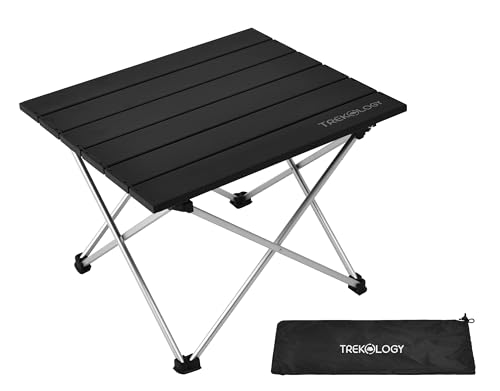
- ✓ Extremely portable and lightweight
- ✓ Easy to set up without tools
- ✓ Durable waterproof surface
- ✕ Limited weight capacity
- ✕ Slightly small for bigger groups
| Material | Aerospace-grade aluminum alloy |
| Maximum Load Capacity | 50 lbs (23 kg) |
| Table Dimensions (Folded) | Compact size fitting in carry bag (exact dimensions not specified) |
| Tabletop Surface | Weather-resistant, waterproof aluminum |
| Weight | Lightweight (exact weight not specified, inferred to be portable) |
| Legs and Frame | Edge-hinged design with anti-slip rubber feet |
The moment I unfolded this TREKOLOGY Small Folding Camping & Beach Table, I was struck by how effortlessly it snapped into place. Its aerospace-grade aluminum frame felt sturdy right out of the bag, yet it was incredibly lightweight—perfect for tossing into a backpack.
The tabletop’s sleek, waterproof surface is a game-changer. No matter if I was setting up on damp grass or sandy beach mats, it stayed steady and dry.
I loved how quickly it set up—no tools, no fuss, just a quick pop-up that’s ready for anything.
The anti-slip rubber feet kept it stable on uneven terrain, which is a huge plus when you’re out in the wild or on rocky ground. It supported my heavy-duty tasks like chopping vegetables or holding drinks without wobbling or slipping.
What really impressed me is how compact it becomes when folded. It fits neatly into the included carry bag, making it a breeze to carry on long hikes or beach trips.
Plus, the hinge design feels super durable, promising long-term use.
Whether you’re using it at a picnic, as a side table for camping, or a beachside snack station, this little table handles it all. It’s sturdy, lightweight, and smartly designed, making it a reliable companion for all your outdoor adventures.
What Makes a Summer Backpacking Trip the Best Choice for Adventurers?
Camping Amenities: Popular campgrounds tend to be more developed and equipped in the summer, with amenities such as restrooms, showers, and communal areas for cooking and socializing. These facilities can significantly enhance the camping experience, making it more comfortable and convenient for backpackers.
What Are the Top Summer Backpacking Destinations You Should Consider?
The top summer backpacking destinations you should consider include:
- Yosemite National Park, California: Known for its stunning granite cliffs and diverse ecosystems, Yosemite offers a range of trails suitable for all skill levels. Backpackers can explore iconic landmarks like Half Dome and El Capitan while enjoying breathtaking views and the unique flora and fauna of the region.
- Glacier National Park, Montana: This park features rugged mountains, pristine lakes, and abundant wildlife, making it a paradise for backpackers. The scenic Going-to-the-Sun Road provides access to numerous trails, and the park’s backcountry campsites allow for immersive experiences in nature.
- Banff National Park, Alberta: With its turquoise lakes, towering peaks, and rich wildlife, Banff is a top destination for summer backpacking in Canada. The extensive trail system offers options for multi-day treks, and the breathtaking landscapes provide ample opportunities for photography and adventure.
- Great Smoky Mountains National Park, Tennessee/North Carolina: This park is renowned for its biodiversity and offers a variety of trails that range from easy to challenging. Backpackers can enjoy a mix of lush forests, cascading waterfalls, and stunning mountain vistas while experiencing the rich history of the area.
- John Muir Trail, California: Stretching through the Sierra Nevada, the John Muir Trail is a bucket-list backpacking route that encompasses some of California’s most spectacular scenery. This 211-mile trail passes through Yosemite, Kings Canyon, and Sequoia National Parks, allowing hikers to witness the beauty of high alpine lakes and towering granite peaks.
- Zion National Park, Utah: Famous for its dramatic canyons and striking rock formations, Zion offers unique backpacking experiences along its trails. The challenging terrain and stunning views attract adventurers looking to explore slot canyons and rugged cliffs, making it a memorable summer destination.
What Gear Is Essential for a Successful Summer Backpacking Trip?
The essential gear for a successful summer backpacking trip includes:
- Backpack: A comfortable and well-fitted backpack is crucial for carrying all your gear. It should have enough capacity to hold your essentials while distributing weight evenly to minimize strain on your back and shoulders.
- Sleeping Bag: A lightweight, compressible sleeping bag rated for summer temperatures is important for a good night’s sleep. Look for one that offers a balance of warmth and breathability, ensuring comfort during warm nights and cool mornings.
- Tent: A lightweight, weather-resistant tent is vital to provide shelter from the elements. Choose a tent that is easy to set up and take down, and ensure it has good ventilation to prevent condensation buildup during humid summer nights.
- Clothing: Lightweight, moisture-wicking clothing layers are essential to keep you comfortable in varying temperatures. Include a good base layer, an insulating layer, and a waterproof outer layer to adapt to changing weather conditions.
- Cooking Equipment: A portable stove and lightweight cookware are necessary for preparing meals on the trail. Opt for a compact stove that uses easily available fuel canisters, and consider bringing a multi-tool for various cooking tasks.
- Water Filtration System: Staying hydrated is critical, so a reliable water filtration system is a must-have. Look for a lightweight filter or purification tablets to ensure you have access to clean drinking water from natural sources along your route.
- Navigation Tools: A map, compass, or GPS device is essential for navigating unfamiliar terrain. Familiarize yourself with the area and know how to use these tools to avoid getting lost and ensure a safe trip.
- First Aid Kit: A well-stocked first aid kit is vital for treating minor injuries and ailments. Include items like adhesive bandages, antiseptic wipes, pain relievers, and any personal medications to prepare for emergencies.
- Headlamp or Flashlight: A lightweight headlamp or flashlight is necessary for navigating in the dark. Make sure to bring extra batteries, as good visibility can help avoid accidents at night.
- Food: High-energy, lightweight food options like trail mix, energy bars, and dehydrated meals are ideal for summer backpacking. Plan your meals to ensure you have enough calories to sustain your energy levels throughout the trip.
How Do You Choose the Right Backpack for Summer Conditions?
Choosing the right backpack for summer conditions involves considering several key factors to enhance your outdoor experience.
- Capacity: The size of the backpack should match the length of your trip and the amount of gear you need to carry.
- Weight: A lightweight backpack is essential for summer trips to reduce fatigue and make hiking more enjoyable.
- Ventilation: Look for backpacks with mesh back panels or ventilation systems to keep your back cool and dry in hot weather.
- Durability: The material of the backpack should be strong enough to withstand rough conditions, yet lightweight for easy carrying.
- Accessibility: Choose a backpack with easy access points such as side pockets or a front panel opening to quickly retrieve gear without unpacking everything.
- Hydration Compatibility: Many summer backpacks come with hydration reservoirs or pockets for water bottles, ensuring you stay hydrated on your trek.
The capacity of the backpack should align with your trip’s duration; a day pack with 20-30 liters is suitable for short hikes, while longer trips might require 50-70 liters to accommodate extra gear and supplies.
Weight is particularly important in summer backpacking, as a lighter pack can significantly enhance your comfort and energy levels, allowing you to enjoy the scenery without being weighed down.
Ventilation features, such as a mesh back panel, help prevent overheating and sweating by allowing air to circulate between your back and the pack, making your hike more comfortable in warm weather.
Durability is key, as summer hiking can involve rough terrain; look for high-denier nylon or polyester fabrics that can withstand abrasions while still being lightweight enough for summer use.
Accessibility is crucial for quick stops; backpacks that offer multiple access points allow you to grab snacks, maps, or gear without having to unload everything, making your hike more efficient.
Hydration compatibility is vital for summer trips, as staying hydrated is essential; look for backpacks with built-in hydration systems or external pockets designed for water bottles, ensuring you have easy access to water throughout your hike.
What Clothing Is Best for Summer Backpacking?
The best clothing for summer backpacking should be lightweight, breathable, and moisture-wicking to ensure comfort during your adventures.
- Moisture-Wicking Base Layers: These layers are designed to pull sweat away from your skin, keeping you dry and comfortable. Look for materials like merino wool or synthetic fabrics that dry quickly and regulate temperature effectively.
- Lightweight Hiking Pants: Opt for pants made of breathable, quick-drying fabrics that offer protection against sun and insects. Many styles come with zip-off legs, allowing you to convert them into shorts for added versatility.
- Short-Sleeve or Long-Sleeve Shirts: Choose shirts made from lightweight, breathable materials that protect against UV rays. Long-sleeve options can help shield your arms from the sun, while short sleeves provide more ventilation in hot conditions.
- Insulating Layer: Even in summer, temperatures can drop at night or in higher altitudes, so pack a lightweight fleece or down jacket. This layer should be packable and provide enough warmth without adding much weight to your backpack.
- Sun Protection Hat: A wide-brimmed hat can protect your face, neck, and ears from harmful UV rays. Look for hats with moisture-wicking properties and ventilation to keep you cool during hot days.
- Lightweight Rain Jacket: Weather can be unpredictable, so a packable rain jacket is essential. Choose one that is breathable and offers good ventilation to prevent overheating while protecting you from rain and wind.
- Hiking Socks: Invest in moisture-wicking, cushioned hiking socks to prevent blisters and keep your feet dry. Look for socks made from merino wool or synthetic blends that offer both comfort and durability.
- Appropriate Footwear: Choose breathable hiking shoes or boots that provide good grip and support. Lightweight trail runners can be a great option for summer backpacking, offering flexibility and comfort over various terrains.
How Can You Plan Your Summer Backpacking Route Effectively?
Planning for emergencies means being proactive about safety, including carrying a map, compass, or GPS device, and ensuring you have the necessary supplies to address common outdoor mishaps. Informing a friend or family member about your itinerary provides an added safety net in case of an unexpected situation.
What Safety Precautions Should You Take for Summer Backpacking?
For a successful and safe summer backpacking trip, it’s essential to take several important safety precautions.
- Stay Hydrated: Proper hydration is vital during summer backpacking due to higher temperatures and physical exertion. Carry enough water and consider using water filtration systems or purification tablets to ensure access to safe drinking water along your route.
- Sun Protection: Prolonged exposure to the sun can lead to sunburn and heat-related illnesses. Utilize sunscreen with a high SPF, wear a wide-brimmed hat, and don UV-protective clothing to shield your skin while hiking.
- Wildlife Awareness: Being aware of wildlife in the area is crucial for safety. Learn about local animals, how to store food properly to avoid attracting them, and what to do in case of an encounter with potentially dangerous wildlife.
- Proper Gear: Ensure you have the right gear for summer conditions, including a lightweight tent, breathable clothing, and good hiking shoes. This not only enhances comfort but also contributes to safety by preventing injuries or heat exhaustion.
- Emergency Preparedness: Always have a first aid kit, a map and compass (or GPS), and knowledge of basic first-aid procedures. Being prepared for emergencies can make a significant difference in critical situations.
- Weather Awareness: Check weather forecasts regularly and be prepared for sudden changes. Knowing when to turn back or seek shelter can prevent dangerous situations such as thunderstorms or heat waves.
- Travel in Groups: Hiking with a partner or group enhances safety by providing support in case of emergencies. It also makes navigation easier and can deter wildlife encounters.
- Know Your Limits: Be honest about your physical abilities and the challenges of the trail. Pushing beyond your limits can lead to injuries or exhaustion, so choose routes that match your skill level.
How Do Weather Conditions Influence Your Summer Backpacking Experience?
Weather conditions play a critical role in determining the quality and safety of your summer backpacking trip.
- Temperature: The warmth of summer can provide comfortable hiking conditions, but extreme heat can lead to dehydration and heat exhaustion.
- Precipitation: Rain can enhance the beauty of nature but also presents challenges such as muddy trails and increased risk of hypothermia.
- Wind: Strong winds can affect the stability of your tent and make hiking strenuous, particularly at higher elevations.
- Humidity: High humidity can make temperatures feel hotter and increase sweat loss, affecting hydration levels during your trek.
- Wildlife Activity: Weather influences animal behavior, which can enhance or hinder wildlife encounters during your expedition.
Temperature is a crucial factor; while warm weather generally makes for pleasant hiking, extreme heat can pose serious health risks. It’s important to monitor the forecast and plan your hikes for cooler parts of the day, especially in desert or lowland areas.
Precipitation can add a beautiful dimension to the landscape, but it can also create treacherous conditions. Rain can lead to slippery trails and flash floods in certain areas, so ensuring you have waterproof gear and planning alternate routes is essential.
Wind can be a double-edged sword; while it can provide cooling relief on hot days, it can also create dangerous situations, especially when setting up camp or navigating exposed ridges. Being aware of wind forecasts can help you choose safer camping locations and plan your day’s hikes accordingly.
Humidity levels can significantly affect your summer backpacking experience. High humidity can lead to faster dehydration and exhaustion, so it’s vital to drink plenty of water and take regular breaks in shaded areas to cool down.
Wildlife activity is often influenced by weather; for instance, animals may be more active during cooler parts of the day. Weather plays a role in their feeding patterns and reproductive activities, enhancing the chances of wildlife sightings, which can enrich your backpacking experience.
What Activities Can Enhance Your Enjoyment on a Summer Backpacking Trip?
Engaging in various activities can significantly enhance your enjoyment on the best summer backpacking trip:
- Photography: Capturing the stunning landscapes, wildlife, and moments with friends can create lasting memories. The golden hour during sunrise and sunset provides perfect lighting for breathtaking shots, making your trip more memorable.
- Wildlife Watching: Observing animals in their natural habitat adds an exciting element to your adventure. Whether it’s spotting birds, deer, or even bears from a distance, being in tune with nature can deepen your appreciation for the environment.
- Cooking and Sharing Meals: Preparing meals over a campfire or portable stove can be a fun and rewarding experience. Sharing these meals with fellow hikers fosters camaraderie and creates a sense of community amidst the wilderness.
- Stargazing: The absence of city lights allows for spectacular views of the night sky. Taking time to lie back and observe constellations can be a peaceful and awe-inspiring way to end a day of hiking.
- Swimming in Natural Water Bodies: Finding a lake or river to cool off in can be refreshing and invigorating after a long day of hiking. It also provides a great opportunity for relaxation and enjoying the natural environment.
- Reading and Journaling: Taking time to unwind with a good book or writing in a journal can enhance your overall experience. Reflecting on your journey and the beauty around you can lead to personal insights and a deeper connection with nature.
- Group Games: Engaging in games or activities with fellow hikers can lighten the mood and build friendships. Whether it’s card games, frisbee, or storytelling around the campfire, these moments can add fun and laughter to your trip.
- Exploring Side Trails: Venturing off the main path to discover hidden spots can lead to breathtaking views or secluded areas. This exploration can make your trip feel more adventurous and allow you to experience lesser-known natural beauty.