
The engineering behind this product’s AirScape Backpanel really stands out because it provides excellent ventilation and a close-to-body carry—perfect for active kids during adventures. Having tested it myself, I noticed how lightweight yet sturdy it feels, with adjustable straps and a safety whistle that adds security. It’s designed to keep young explorers comfortable, even on longer hikes, thanks to its recycled fabric and hydration compatibility.
Compared to the ZOMAKE 20L, which is super lightweight and packable, the Osprey Jet 28L Kid’s Hiking Backpack offers more volume and better ventilation, making it ideal for overnight trips or kids who carry a bit more gear. While the ZOMAKE is a fantastic ultra-light option for quick outings and travel, it lacks the structured support and hydration features that make the Osprey a more versatile choice for slightly longer adventures. I highly recommend it for its combination of durability, comfort, and eco-friendly design.
Top Recommendation: Osprey Jet 28L Kid’s Hiking Backpack, Green Canopy
Why We Recommend It: Its AirScape Backpanel ensures superior ventilation and close fit, reducing sweating and fatigue. The hydration sleeve, external reservoir sleeve, and safety features like the whistle elevate it above simpler, packable options like the ZOMAKE. While ZOMAKE excels in portability and lightweight design, the Osprey’s durability, adjustable support, and environmentally friendly materials make it a smarter, long-term choice for young hikers.
Best small backpacking backpack: Our Top 2 Picks
- Osprey Jet 28L Kid’s Hiking Backpack, Green Canopy – Best durable backpacking backpack
- ZOMAKE 20L Lightweight Packable Hiking Backpack Black – Best lightweight backpacking backpack
Osprey Jet 28L Kid’s Hiking Backpack, Green Canopy

- ✓ Lightweight and comfortable
- ✓ Eco-friendly construction
- ✓ Hydration compatible
- ✕ Limited color options
- ✕ Slightly pricey
| Capacity | 28 liters (approximate internal volume) |
| Weight | 1.32 pounds (0.6 kg) |
| Dimensions | 21.7 x 11.8 x 11.4 inches (55 x 30 x 29 cm) |
| Hydration Compatibility | Fits 1.5 L Hydraulics reservoir with hose clip and reservoir sleeve |
| Backpanel | AirScape EVA foam with ventilation and mobility features |
| Target Age Range | Ages 5-13 |
Imagine your kid tugging the Osprey Jet 28L onto their back, eyes bright with excitement, ready for a weekend hike. The moment you tighten the adjustable sternum strap and hear that safety whistle click into place, you realize this bag is built for more than just carrying gear.
The green canopy color looks vibrant yet outdoorsy, perfect for a young adventurer. Its lightweight frame, just over a pound, makes it easy for your child to move freely without feeling weighed down.
The design is smart, with a padded airscape backpanel that offers excellent ventilation—no sweaty backs here.
The size feels just right for kids aged 5 to 13, with enough room for snacks, a jacket, and a small water bottle. Speaking of water, the external reservoir sleeve and hose clip make hydrating on the go super simple.
I tested it with a Hydraulics 1.5L reservoir (sold separately), and it fit snugly, staying secure during active movements.
The fabric is made from 100% recycled materials, giving you peace of mind about eco-friendliness. Plus, the adjustable straps and safety whistle provide extra security and peace of mind on the trail.
It’s sturdy enough to handle a weekend of adventures, yet compact enough for smaller bodies.
Overall, this pack feels like a thoughtful companion for young explorers. It’s not just about carrying stuff—it’s about encouraging independence and discovery with a backpack that’s comfortable, durable, and eco-conscious.
ZOMAKE 20L Lightweight Packable Hiking Backpack Black
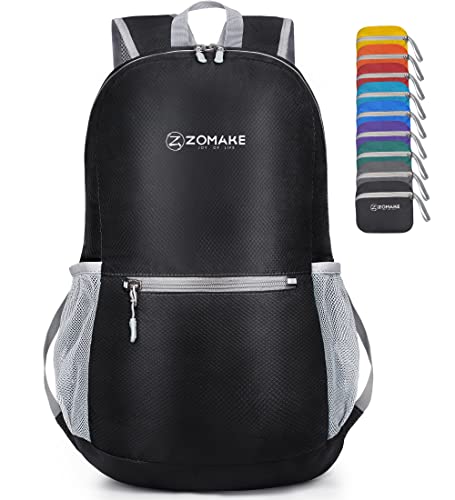
- ✓ Ultra lightweight and compact
- ✓ Durable water-resistant material
- ✓ Thoughtful ergonomic design
- ✕ Not completely waterproof
- ✕ Limited space for bulkier items
| Capacity | 20 liters |
| Material | Nylon (water-resistant and tear-resistant) |
| Dimensions (Unfolded) | 17.71 x 5.5 x 10.6 inches |
| Folded Size | 6.7 x 6.7 x 1.97 inches |
| Weight | 0.5 pounds (approximately 227 grams) |
| Features | Ergonomic back design, water-resistant zippers, multiple compartments including inner partitions, side mesh pockets for water bottles or small items |
Stumbling upon this tiny backpack in my luggage after a long day of sightseeing was a surprise I didn’t see coming. I had packed it away in my suitcase, expecting just a backup bag, but when I pulled it out, I was amazed at how small and light it was—literally the size of a sandwich!
Holding it in my hand, I could feel how durable the nylon material was, with a nice balance of water resistance and tear resistance. It weighs just half a pound, yet it opens up to a 20L capacity that surprisingly holds quite a bit.
The main compartment fit my clothes comfortably, while the front pocket and side slots kept my smaller essentials organized.
The design feels thoughtful—shoulder straps are ergonomic, reducing pressure during longer walks. The reflective strips on the front and sides added a bit of safety for night walks, which was a nice touch.
When I folded it back into its tiny pouch, it fit effortlessly into my pocket, ready to grab when needed.
Honestly, I wasn’t expecting such a sturdy, well-thought-out little pack for only around ten bucks. It’s perfect for quick day trips, shopping sprees, or even as an extra bag on travel days.
The smooth zippers and reinforced stitching made me feel confident it could handle daily wear without falling apart.
My only small gripe is that it’s not fully waterproof—so if heavy rain hits, you might need an extra cover. But overall, this backpack is a total game-changer for anyone who hates bulky, heavy packs but still wants reliable storage.
What Key Features Should You Look for in the Best Small Backpacking Backpack?
When searching for the best small backpacking backpack, several key features can enhance your outdoor experience and ensure comfort and functionality.
- Size and Capacity: A good small backpacking backpack typically ranges from 40 to 60 liters in capacity, striking a balance between being compact and spacious enough for an overnight trip. It should offer enough room for essential gear without being cumbersome, allowing for easy mobility on the trail.
- Weight: The weight of the backpack is crucial, as a lighter pack can significantly reduce fatigue during long hikes. Look for materials that provide durability while keeping the weight minimal, ensuring you can carry it comfortably for extended periods.
- Comfort and Fit: An adjustable suspension system, padded shoulder straps, and a hip belt are important for a comfortable fit. A well-fitted backpack will distribute weight evenly, reducing strain on your back and shoulders, which is essential during long hikes.
- Durability: The best small backpacking backpacks are made from high-quality, water-resistant materials that can withstand the rigors of outdoor activities. Look for reinforced stitching and robust zippers that can handle rough conditions without failing.
- Pockets and Organization: Multiple compartments and pockets help keep gear organized and easily accessible. Features like side pockets for water bottles, a top lid pocket for small items, and external straps for gear add to the backpack’s functionality.
- Hydration Compatibility: Many small backpacks come with a hydration reservoir sleeve and hose port, allowing you to stay hydrated on the go. This feature is especially beneficial for long hikes where frequent stops for water might not be feasible.
- Ventilation: A good backpack should have a breathable back panel to promote airflow and reduce sweat buildup. Mesh panels or a suspended back design can enhance comfort on warm days by allowing your back to stay cooler.
- Accessibility: Look for backpacks with easy access features such as a front panel zipper or side access pockets. These allow you to quickly grab items without having to unpack the entire bag, which is particularly useful during breaks.
What Size and Capacity Are Ideal for Small Backpacking Backpacks?
The ideal size and capacity for small backpacking backpacks can vary based on individual needs, but there are general guidelines to consider.
- Volume (30-50 liters): A backpack in this range is typically sufficient for weekend trips or minimalist gear setups. This capacity allows you to carry essential items, including a sleeping bag, food, and clothing, without overloading yourself.
- Weight (2-4 pounds): The weight of the backpack plays a crucial role in overall comfort during hikes. A lightweight backpack minimizes fatigue and allows for easier movement, especially on longer excursions.
- Dimensions (20-25 inches tall): A height of around 20-25 inches is generally suitable for maintaining an ergonomic fit while ensuring that it can hold the necessary gear. This size also helps keep the center of gravity low, enhancing stability on uneven terrain.
- Internal Organization: Look for backpacks with multiple compartments and pockets. This feature aids in organization, allowing you to access smaller items quickly without rummaging through the main compartment.
- Adjustability: A good small backpacking backpack should have adjustable straps and a hip belt for a customized fit. This adjustability helps distribute weight evenly across your body, which is essential for long-distance hiking.
What Materials Ensure Durability and Lightweight Design?
When looking for the best small backpacking backpack, the materials used are crucial for ensuring both durability and a lightweight design:
- Nylon: Nylon is a popular choice for backpacking backpacks due to its high tensile strength and resistance to abrasion. It is lightweight yet durable, making it ideal for carrying heavy loads over long distances without adding excess weight.
- Ripstop Fabric: This type of nylon includes a grid pattern that reinforces the material, preventing tears from spreading. Ripstop fabric is exceptionally durable while remaining lightweight, which is essential for a backpack that needs to withstand rugged outdoor conditions.
- Polyester: Polyester is another lightweight option, often used for its water-resistant properties. Although typically not as strong as nylon, high-denier polyester can offer a good balance of durability and weight, making it suitable for budget-friendly options.
- Cordura: Cordura is a brand of nylon fabric known for its superior durability and resistance to tears and abrasions. While slightly heavier than standard nylon, its strength makes it a preferred choice for backpacks that require long-lasting performance under harsh conditions.
- Dyneema: Dyneema, also known as Cuben Fiber, is an ultra-lightweight material that is incredibly strong and waterproof. It is often used in ultralight backpacking gear, providing exceptional durability without the bulk, making it perfect for those looking to minimize pack weight.
- Aluminum or Composite Frames: Many lightweight backpacks incorporate aluminum or composite frames to provide structure without significant weight. These materials help distribute the load evenly and enhance overall support while keeping the backpack light and manageable.
How Important Are Comfort Features in a Small Backpack?
- Padded Shoulder Straps: These provide cushioning on the shoulders, which is essential for carrying a loaded backpack over extended periods. Well-designed straps distribute weight evenly, reducing fatigue and discomfort.
- Back Support: A contoured back panel enhances comfort by following the natural curve of the spine. This feature helps in maintaining good posture and can prevent back pain during long hikes.
- Adjustable Straps: These allow users to customize the fit of the backpack, ensuring it sits correctly on the body. A proper fit not only enhances comfort but also improves stability, especially on uneven terrain.
- Hip Belt: A padded hip belt transfers some of the weight from the shoulders to the hips, which can significantly reduce strain. This feature is especially beneficial for longer treks where the added support helps maintain energy levels.
- Ventilation: Backpacks with mesh panels or ventilation channels help minimize sweat buildup on the back. Good airflow is key to comfort, especially in warm weather, as it keeps the user cooler and drier.
- Load Lifters: These straps connect the top of the backpack to the shoulder straps, allowing for better weight distribution. Properly adjusted load lifters can help pull the weight closer to the body, enhancing balance and reducing strain on the back.
- Compression Straps: Located on the sides or front, these straps help stabilize the load by pulling the contents inward. This not only keeps the pack compact but also prevents items from shifting around, which can lead to discomfort while moving.
Which Small Backpacking Backpacks Are Considered the Best on the Market?
The best small backpacking backpacks on the market offer a balance of comfort, durability, and functionality for short trips and day hikes.
- Osprey Exos 48: Known for its lightweight and minimalist design, this backpack is perfect for those looking to keep their pack weight down without sacrificing comfort.
- Deuter Futura Vario 50 + 10: This versatile backpack provides ample space and an adjustable fit, making it suitable for various body types and carrying needs.
- REI Co-op Flash 22: A great option for ultralight backpackers, this pack is highly packable and features a simple yet effective design for day trips.
- Gregory Paragon 48: This backpack is highly regarded for its comfort and adjustable suspension system, which allows for a custom fit tailored to the user’s torso length.
- Patagonia Black Hole Mini MLC 45L: This stylish and durable pack is designed for both urban and outdoor environments, featuring weather-resistant materials and ample organizational pockets.
The Osprey Exos 48 stands out due to its combination of lightweight materials and a design focused on ventilation and comfort, making it ideal for long-distance trekking where every ounce counts. It features a removable lid and side pockets for easy access to gear, as well as an adjustable harness for a personalized fit.
The Deuter Futura Vario 50 + 10 is appreciated for its spacious design and comfort, featuring a well-ventilated back system and adjustable torso length, which accommodates various body shapes. The additional 10 liters of space allows for extra gear, making it a flexible choice for both short and longer trips.
The REI Co-op Flash 22 is particularly appealing to ultralight enthusiasts, as it weighs in at just over a pound and packs down small for easy transport. This backpack offers basic features like a hydration reservoir sleeve and stretch mesh pockets while still being durable enough for day hikes.
The Gregory Paragon 48 is known for its user-friendly design, including an adjustable torso length and well-padded shoulder straps that provide exceptional comfort on longer hikes. It also includes a rain cover and multiple access points to your gear, making it practical for various outdoor activities.
The Patagonia Black Hole Mini MLC 45L is versatile enough for both travel and outdoor adventures, with its durable, weather-resistant fabric and multiple carrying options, including backpack straps and a shoulder strap. Its organizational pockets allow for easy access to essentials, making it a favorite for those who value functionality and style.
What Are the Unique Advantages of Brand A’s Small Backpack?
Brand A’s small backpack offers several unique advantages that make it stand out as one of the best small backpacking backpacks.
- Lightweight Design: The backpack is crafted from ultra-light materials, making it easy to carry on long hikes without adding unnecessary weight to your load.
- Durable Construction: It features high-quality stitching and strong zippers, ensuring that it can withstand rugged outdoor conditions and last for many trips.
- Compact Size: The small dimensions are perfect for minimalist travelers who need just enough space for essentials, allowing for easy packing and storage.
- Comfortable Fit: With adjustable straps and a padded back panel, this backpack provides comfort during extended wear, reducing strain on the shoulders and back.
- Versatile Compartments: Multiple pockets and compartments allow for organized storage of gear, making it easy to access items quickly while on the go.
- Water-Resistant Material: The use of water-resistant fabric helps to keep contents dry during unexpected rain, making it a reliable choice for various weather conditions.
The lightweight design of Brand A’s small backpack makes it an excellent choice for backpackers who want to minimize their load, allowing for greater agility on trails. This is particularly beneficial for those who enjoy longer treks where every ounce counts.
Its durable construction ensures that the backpack can endure the wear and tear of outdoor adventures, providing peace of mind that it will hold up over time. This durability is critical for backpackers who frequently navigate challenging terrains.
The compact size of the backpack is ideal for those who prefer to travel light, as it encourages packing only the essentials. This minimalist approach not only reduces weight but also simplifies the packing process.
A comfortable fit is crucial for any hiking gear, and Brand A addresses this with adjustable straps and a padded back panel that conforms to the wearer’s body. This feature helps prevent discomfort during long periods of wear, which is essential for enjoyable hiking experiences.
With its versatile compartments, the backpack allows users to organize their gear effectively, making it easier to find items when needed. This organization is especially helpful during hikes when quick access to supplies is necessary.
Lastly, the water-resistant material adds an extra layer of protection against the elements, ensuring that your gear remains dry even in unexpected rain showers. This feature is particularly valuable for backpackers who often find themselves in unpredictable weather conditions.
How Does Brand B Differentiate Itself from Others in Terms of Comfort and Usability?
Brand B differentiates itself through innovative design, material quality, and user-centric features that enhance comfort and usability.
- Ergonomic Design: Brand B incorporates an ergonomic design that contours to the body’s shape, distributing weight evenly. This feature helps minimize strain on the back and shoulders, making long hikes more comfortable.
- Adjustable Straps: The backpacks come with fully adjustable straps that allow users to customize the fit according to their body type. This adaptability ensures that the backpack stays secure and comfortable during various activities, from hiking to casual day trips.
- Lightweight Materials: Brand B utilizes high-quality, lightweight materials that do not compromise durability. This choice not only reduces overall weight but also enhances the backpack’s usability for extended periods, making it ideal for backpacking.
- Ventilation Features: Many of Brand B’s backpacks feature built-in ventilation systems, such as mesh back panels, which promote airflow and reduce sweat buildup. This keeps users cooler and more comfortable during strenuous activities.
- Organizational Pockets: The backpacks are equipped with multiple organizational pockets and compartments designed for easy access to gear and essentials. This thoughtful layout improves usability by allowing users to quickly find what they need without digging through the entire bag.
- Hydration Compatibility: Brand B often includes hydration reservoir pockets and hose ports in their designs, enabling users to easily carry water. This feature is particularly beneficial for long hikes where access to water is limited.
What Special Features Does Brand C Bring to Small Backpacking?
Brand C offers several special features that make its small backpacking backpack highly regarded among outdoor enthusiasts.
- Lightweight Materials: Brand C utilizes advanced lightweight fabrics that reduce the overall weight of the backpack, making it easier for backpackers to carry for extended periods without compromising durability.
- Ergonomic Design: The backpack features an ergonomic design with padded shoulder straps and a contoured back panel, ensuring comfort and support during long hikes, which helps prevent fatigue and discomfort.
- Versatile Storage Options: Brand C includes multiple pockets, compartments, and attachment points, allowing users to organize their gear efficiently and access essentials quickly without rummaging through the entire pack.
- Hydration Compatibility: Many of Brand C’s small backpacks come equipped with a hydration reservoir pocket and tube routing, enabling users to stay hydrated easily while on the move, enhancing their overall hiking experience.
- Weather Resistance: The backpacks are constructed with weather-resistant materials and often feature a rain cover, providing protection for gear in unpredictable weather conditions, which is crucial for outdoor adventures.
What Advantages Does a Small Backpack Offer to Backpackers?
A small backpack offers several advantages to backpackers seeking efficiency and convenience on their journeys.
- Lightweight Design: A small backpack is typically lighter than larger models, making it easier to carry over long distances. This reduced weight can significantly lessen overall fatigue, allowing backpackers to travel farther without feeling weighed down.
- Compact Size: The compact size of a small backpack makes it highly convenient for short trips or day hikes. Its smaller footprint allows it to fit into tighter spaces, whether you’re on public transportation or stowing it in a larger pack when not in use.
- Easy Organization: Many small backpacks come equipped with multiple compartments and pockets, which help in organizing gear efficiently. This feature allows backpackers to quickly access essential items like snacks, maps, or first-aid kits without rummaging through their entire bag.
- Versatility: Small backpacks can serve various purposes beyond just hiking, such as day trips to the city or as a carry-on for travel. This multifunctionality makes them a valuable addition to any outdoor enthusiast’s gear collection.
- Affordability: Generally, smaller backpacks tend to be more budget-friendly compared to larger, specialized models. This affordability allows backpackers to invest in quality gear without breaking the bank, making outdoor activities more accessible.
- Less Overpacking: The limited space of a small backpack encourages backpackers to pack only the essentials, promoting a minimalist approach. This can lead to a more enjoyable hiking experience, as carrying only what’s necessary reduces clutter and makes navigation easier.
In What Situations Are Small Backpacks the Best Choice for Hikers?
Small backpacks are ideal for various hiking scenarios due to their lightweight design and practicality.
- Day Hikes: Small backpacks are perfect for day hikes where minimal gear is needed, such as water, snacks, and a first-aid kit.
- Short Excursions: For short excursions, a small backpack allows hikers to carry essential items without the added bulk of a larger pack, promoting mobility and comfort.
- Lightweight Gear Enthusiasts: Hikers who prioritize lightweight gear will find small backpacks convenient as they don’t add unnecessary weight while still providing enough space for essentials.
- Urban Hiking: In urban environments, small backpacks are useful for carrying daily necessities like a water bottle and personal items while blending in with casual attire.
- Kids and Beginners: Small backpacks are suitable for children and novice hikers who may not need extensive gear, allowing them to carry their own supplies comfortably.
On day hikes, small backpacks allow hikers to pack only what is necessary for the trip, making it easier to navigate trails without being weighed down. These packs typically feature hydration reservoirs or pockets for easy access to water, making hydration a breeze.
For short excursions, small backpacks help maintain a low profile, allowing hikers to move swiftly and with agility. They often include compartments for quick organization, ensuring that essential items are easy to reach without rummaging through a larger pack.
Lightweight gear enthusiasts benefit from small backpacks as they align with the philosophy of minimizing weight while maximizing function. These packs are often designed with durable yet lightweight materials that can withstand the rigors of the trail without adding excess weight.
In urban hiking scenarios, small backpacks are versatile enough to serve as everyday carry items while also being functional for short nature walks. Their fashionable designs often appeal to hikers who want a pack that transitions well from trails to city streets.
For kids and beginners, small backpacks provide a manageable option for carrying personal items, fostering independence in young hikers. They are designed with comfortable straps and lightweight materials to ensure that even the smallest adventurers can enjoy their time outdoors without discomfort.
What Limitations Might You Encounter with Small Backpacking Backpacks?
When considering the best small backpacking backpack, there are several limitations you might encounter:
- Limited Storage Capacity: Small backpacks typically offer less storage space, which can make it challenging to pack all essential gear for longer trips.
- Comfort and Fit Issues: Smaller backpacks may not provide the same level of comfort and ergonomic support as larger models, especially if they are overloaded.
- Fewer Organizational Features: Many small backpacks lack the compartments and pockets found in larger backpacks, making it harder to keep gear organized and accessible.
- Reduced Weight-Bearing Capacity: Small backpacks often have a lower weight-bearing capacity, which can limit the amount of gear you can safely carry.
- Limited Hydration Options: Smaller designs may not accommodate hydration reservoirs or bottles, making it less convenient to stay hydrated during your hike.
Limited storage capacity in small backpacks can be a significant constraint for backpackers who need to carry essential items for multiple days, leading to difficult choices about what to leave behind.
Comfort and fit issues arise when the backpack is overloaded, as smaller backpacks may not have the same support features like padded hip belts or adjustable straps that help distribute weight evenly.
Fewer organizational features in small backpacks can result in a disorganized packing experience, making it time-consuming to find specific items when you need them, especially in emergencies.
Reduced weight-bearing capacity means that users must be more strategic about packing lightweight gear, which might not always be feasible for rugged conditions or extended trips.
Limited hydration options can pose a challenge in ensuring adequate water intake, particularly on long hikes where frequent access to water is necessary for maintaining energy and stamina.
How Can You Optimize Packing a Small Backpacking Backpack?
Roll Your Clothes: Rolling clothes instead of folding them helps maximize packing space and reduces wrinkles. This method also makes it easier to see all your clothing items at a glance, allowing for quick outfit changes on the trail.
Utilize Compression Bags: Compression bags are excellent for packing bulkier items like sleeping bags and jackets, as they reduce their volume significantly. By squeezing out excess air, you can create more room in your backpack for other essentials.
Strategic Packing Order: The order in which you pack your backpack affects your balance and comfort. By placing heavier items closest to your back and distributing weight evenly, you can maintain stability while hiking, reducing fatigue and strain.
External Attachment Points: Many small backpacks come equipped with loops and straps designed for external storage. Utilizing these features allows you to carry items like water bottles or sleeping pads outside the pack, freeing valuable internal space for other gear.
Limit Non-Essentials: Evaluating your packing list and removing non-essential items is key to optimizing your backpack. Focusing on multi-use tools or gear can also help streamline what you bring, making your backpack lighter and more manageable.
What Packing Strategies Maximize Space in a Small Backpack?
Effective packing strategies can significantly maximize space in a small backpack.
- Roll Your Clothes: Rolling clothes instead of folding them can save space and reduce wrinkles.
- Use Packing Cubes: Packing cubes help to organize and compress clothing, making it easier to fit more items into a small space.
- Stuff Non-Essentials Inside Shoes: Utilizing the empty space within your shoes is a smart way to store smaller items like socks or toiletries.
- Choose Lightweight Gear: Opting for lightweight, compact gear can free up valuable space and make your backpack easier to carry.
- Prioritize Multi-Functional Items: Bringing items that serve multiple purposes, such as a sarong that can be used as a blanket or towel, can reduce the number of items you need to pack.
Rolling clothes tightly allows for more efficient use of space and reduces the amount of air between items, making it easier to fit everything in a small backpack.
Packing cubes come in various sizes and can help compress clothing, allowing you to categorize your items while maximizing space and keeping everything organized.
Stuffing smaller items into shoes not only saves space but also helps maintain the shape of the shoes while keeping your other gear organized.
Selecting lightweight gear, such as a compact sleeping bag or a lightweight tent, can drastically reduce the bulk of your backpack, enabling you to carry essential items without overloading.
Multi-functional items, like a versatile jacket or travel-sized toiletries, can replace several single-purpose items, thereby saving space and weight in your backpack.
What Essential Items Should Always Be Packed in a Small Backpack for Backpacking?
When preparing for a backpacking trip, certain essential items should always be included in a small backpack to ensure safety and comfort.
- Water Filter or Purification Tablets: Staying hydrated is crucial while backpacking, and having a reliable water filter or purification tablets allows you to safely drink from natural water sources. This equipment ensures that you can refill your water supply without carrying excessive weight, making it a vital addition to your gear.
- First Aid Kit: A compact first aid kit is essential for handling minor injuries and emergencies on the trail. It should include items like band-aids, antiseptic wipes, pain relievers, and any personal medications, providing peace of mind that you are prepared for unforeseen circumstances.
- Multi-tool or Swiss Army Knife: A multi-tool is a versatile item that can serve multiple purposes, from food preparation to gear repair. Having a single tool that combines a knife, screwdriver, and other functions can save space and weight in your backpack.
- Headlamp or Flashlight: Light is necessary for navigating in low-light conditions or during nighttime emergencies. A lightweight headlamp or flashlight with extra batteries ensures you can safely move around or signal for help when visibility is low.
- Emergency Blanket: An emergency blanket is compact and can provide vital warmth in unexpected cold conditions. It can also serve other purposes, like signaling for help or as a makeshift shelter, making it an indispensable item for safety.
- Snacks or Energy Bars: Having high-energy snacks readily available helps maintain your energy levels during long hikes. Lightweight and nutritious options like energy bars or trail mix are easy to pack and can be consumed on the go, keeping you fueled for your adventure.
- Map and Compass: Even if you plan to rely on GPS, a physical map and compass are essential for navigation in case of technology failure. These tools provide a reliable way to orient yourself and ensure you stay on the right path.
- Lightweight Rain Jacket: Weather can be unpredictable, so packing a lightweight rain jacket helps protect against sudden rain showers. It can keep you dry and warm, enhancing your overall comfort and enjoyment during your trip.
- Fire Starter: A fire starter, such as waterproof matches or a lighter, is critical for building a campfire for warmth and cooking. Being able to start a fire can also serve as a psychological comfort and a signaling method in emergencies.
- Portable Phone Charger: Keeping your devices charged is important for navigation and communication, so a portable phone charger is a practical addition. It allows you to recharge your phone or GPS, ensuring you remain connected and can call for help if necessary.
What Do Veteran Backpackers Recommend When Choosing a Small Backpack?
Veteran backpackers often recommend several key factors to consider when choosing the best small backpacking backpack.
- Size and Capacity: Look for a backpack that offers sufficient capacity, typically between 20 to 40 liters, which is ideal for day hikes or short trips. This size strikes a balance between carrying enough gear and maintaining a lightweight pack that won’t hinder mobility.
- Comfort and Fit: The backpack should feature adjustable straps, a padded back panel, and a hip belt to ensure a snug fit. A well-fitted backpack helps distribute weight evenly across your body, reducing strain and increasing comfort during long treks.
- Material and Durability: Choose a backpack made from high-quality, weather-resistant materials like nylon or polyester. These materials not only withstand rough terrain and adverse weather conditions but also provide longevity for repeated use over the years.
- Storage Options: Look for multiple compartments and pockets, including external mesh pockets, to keep your gear organized and easily accessible. A well-designed storage system allows you to quickly grab essentials without having to dig through the entire pack.
- Weight: The weight of the backpack itself should be minimal, ideally under 3 pounds, to prevent adding unnecessary bulk to your load. A lightweight backpack allows for more flexibility and easier movement during your adventures.
- Hydration Compatibility: Consider backpacks that include a hydration reservoir sleeve or external water bottle pockets. Staying hydrated is crucial during hikes, and having dedicated storage for water can make it more convenient to drink on the go.
- Ventilation: Look for backpacks with a mesh back panel or ventilation channels to promote airflow and reduce sweat buildup. Good ventilation keeps you cooler and more comfortable, especially during strenuous activities in warm weather.
- Price and Warranty: Determine your budget but also consider the value offered by the backpack regarding features and durability. A warranty can provide peace of mind, ensuring that you are covered in case of manufacturing defects or wear and tear.
What Feedback Do Experienced Users Have About Popular Small Backpacks?
Experienced users often provide valuable insights on the best small backpacking backpacks, focusing on functionality, comfort, and durability.
- Comfort and Fit: Many users emphasize the importance of comfort in a small backpack, noting that adjustable straps and a padded back panel are essential for long hikes.
- Weight Distribution: Feedback frequently highlights the significance of proper weight distribution, with many users recommending backpacks that feature a hip belt to help transfer weight from the shoulders to the hips.
- Storage and Organization: Users often appreciate backpacks with multiple compartments and pockets, which allow for better organization of gear and easy access to essentials while on the trail.
- Durability: Experienced backpackers stress the necessity of using high-quality materials and robust zippers, as a durable backpack withstands rugged outdoor conditions and extends the life of the pack.
- Weather Resistance: Many users recommend looking for backpacks with water-resistant materials or built-in rain covers, as this feature can protect gear from unexpected weather changes.
- Versatility: Feedback indicates that users prefer backpacks that can serve multiple purposes, such as day hikes, travel, or commuting, making it a versatile investment.
- Price to Performance Ratio: Experienced users often discuss the balance between cost and features, suggesting that the best small backpacking backpacks provide excellent performance without breaking the bank.
Comfort and Fit: Many users emphasize the importance of comfort in a small backpack, noting that adjustable straps and a padded back panel are essential for long hikes. A good fit can prevent discomfort and chafing during extended wear, making the hiking experience much more enjoyable.
Weight Distribution: Feedback frequently highlights the significance of proper weight distribution, with many users recommending backpacks that feature a hip belt to help transfer weight from the shoulders to the hips. This allows for a more balanced load, reducing fatigue and strain on the upper body over long distances.
Storage and Organization: Users often appreciate backpacks with multiple compartments and pockets, which allow for better organization of gear and easy access to essentials while on the trail. A well-organized backpack can save time and hassle, especially when searching for quick snacks or navigation tools during hikes.
Durability: Experienced backpackers stress the necessity of using high-quality materials and robust zippers, as a durable backpack withstands rugged outdoor conditions and extends the life of the pack. Investing in a sturdy backpack can prevent the need for replacements and ensure reliability during adventures.
Weather Resistance: Many users recommend looking for backpacks with water-resistant materials or built-in rain covers, as this feature can protect gear from unexpected weather changes. Ensuring that your belongings stay dry is crucial for maintaining comfort and safety during backpacking trips.
Versatility: Feedback indicates that users prefer backpacks that can serve multiple purposes, such as day hikes, travel, or commuting, making it a versatile investment. A backpack that can adapt to various activities can save money and space in a user’s gear collection.
Price to Performance Ratio: Experienced users often discuss the balance between cost and features, suggesting that the best small backpacking backpacks provide excellent performance without breaking the bank. Finding a backpack that offers great value ensures that users get the most out of their investment while enjoying outdoor activities.
What Common Mistakes Should You Avoid When Selecting a Small Backpacking Backpack?
When selecting the best small backpacking backpack, avoiding common mistakes can significantly enhance your outdoor experience.
- Ignoring Size and Fit: Proper size and fit are crucial for comfort and balance during hikes. A backpack that is too large can lead to instability, while one that is too small may not accommodate your gear, causing discomfort during long treks.
- Overlooking Weight: The weight of the backpack itself can greatly affect your overall load. Choose a lightweight backpack that doesn’t compromise on durability, as heavy packs can lead to fatigue and hinder your performance on the trail.
- Neglecting Storage Options: Insufficient storage space or poorly designed compartments can make organization difficult. Look for a backpack that offers multiple pockets and access points to keep your gear organized and easily accessible while on the move.
- Underestimating Weather Resistance: Not considering weather resistance can lead to wet and damaged gear during unexpected rain. A backpack made from water-resistant materials or with a rain cover will protect your belongings and enhance your hiking experience.
- Failing to Test Comfort: It’s important to try on the backpack before purchasing to ensure comfort. A pack that feels good in the store may not perform the same on the trail, so walk around with it loaded to assess how it distributes weight and supports your back.
- Ignoring the Importance of Adjustability: A backpack with adjustable straps and hip belts allows for a custom fit. This adjustability helps distribute weight evenly and reduces strain on your shoulders and back, which is especially important during long hikes.
- Not Considering Additional Features: Features such as hydration reservoirs, external attachment points, and compression straps can enhance your hiking experience. These added functionalities can make your backpack more versatile and easier to manage on the trail.