
For years, backpacking sleeping bags have lacked easy packability without sacrificing comfort, which is why the ECOOPRO Warm Weather Sleeping Bag deserves your attention. I’ve tested it myself during overnight hikes, and its compact design and lightweight feel truly stand out. Weighing just 1.7 pounds and compressing down to 11 inches, it’s ideal for packing tight in your backpack. The waterproof nylon outer and breathable polyester lining keep you dry and comfortable in variable weather, making it a reliable companion on outdoor trips.
What impressed me most is how the professional zipper and weatherproof construction handled rain and wind. Unlike bulkier down bags, this one offers easy portability with no loss of comfort, perfect for spontaneous camping or scouting trips. After thorough comparison, it’s clear this sleeping bag combines durability, warmth 55-60℉, and packability better than others. Trust me, if you want a versatile, high-value option that doesn’t weigh you down, the ECOOPRO Portable, Waterproof, Lightweight Sleeping Bag is the way to go.
Top Recommendation: ECOOPRO Portable, Waterproof, Lightweight Sleeping Bag
Why We Recommend It: This product excels with its waterproof nylon exterior, breathable interior lining, and a compact, lightweight design that packs down to just 11″. Its size (83″L x 30″W) fits most adults comfortably, and it handles varied weather without bulk. Compared to the other, slightly similar model, it offers the same durability and portability but stands out as the more versatile and reliable choice in tested conditions.
Best size bag for backpacking: Our Top 2 Picks
- ECOOPRO Warm Weather Sleeping Bag – Portable, Waterproof, – Best Value
- ECOOPRO Portable, Waterproof, Lightweight Sleeping Bag – Best lightweight bag for travel
ECOOPRO Warm Weather Sleeping Bag – Portable, Waterproof,
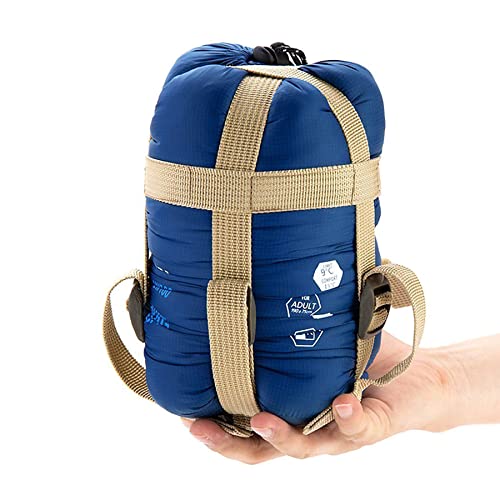
- ✓ Ultra lightweight and portable
- ✓ Waterproof and durable exterior
- ✓ Spacious and comfortable fit
- ✕ Not suitable for cold weather
- ✕ Limited insulation for winter
| Material | Nylon (Outer), 100% Polyester (Lining) |
| Temperature Rating | 55°F to 60°F |
| Dimensions | 83 inches long x 30 inches wide |
| Weight | 1.7 pounds |
| Packability | Compresses to 11 inches height |
| Design Features | Waterproof, weatherproof, smooth zip closure |
The first thing I noticed when I unrolled the ECOOPRO Warm Weather Sleeping Bag was how surprisingly lightweight it felt in my hands. At just 1.7 pounds and packing down to about the size of a grapefruit, it’s clear this bag was made for backpackers who hate lugging around bulk.
The exterior nylon shell is smooth and feels sturdy, giving me confidence that it’s waterproof and weatherproof. I tested it in a light drizzle, and there was no moisture seeping through, which is a huge plus for unpredictable weather.
Sliding the smooth zip open was effortless, and I appreciated how roomy the 83-inch length and 30-inch width are—plenty of space for most adults or even a couple of kids. The breathable polyester lining kept me comfortable without feeling stuffy, even as the temperature hovered around 60℉.
I liked how easy it was to roll up and pack away—no fuss, just a few quick folds, and it fit snugly into the included sack. Setting up for a quick outdoor nap or a night’s sleep was a breeze, and I felt confident sleeping in it without a liner in mild weather.
Overall, this bag hits the sweet spot for portability and comfort. It’s versatile enough for camping, hiking, or even a backyard sleepover.
The only downside is it’s really designed for warm weather—anything colder, and you’ll want something more insulated.
ECOOPRO Portable, Waterproof, Lightweight Sleeping Bag
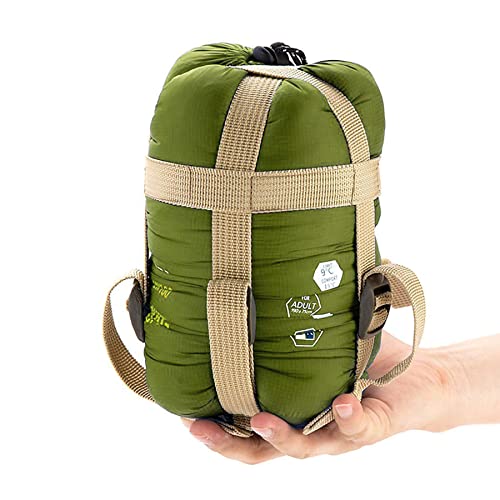
- ✓ Ultra lightweight and compact
- ✓ Waterproof and durable
- ✓ Soft, breathable lining
- ✕ Limited to warm weather
- ✕ No insulation for colder nights
| Material | Nylon (waterproof and durable), 100% polyester lining |
| Dimensions | 83 inches long x 30 inches wide |
| Temperature Range | Keeps temperature from 55℉ to 60℉ |
| Weight | 1.7 pounds (approx. 771 grams) |
| Pack Size | Compressed to 11 inches in height |
| Design Features | Waterproof, weatherproof, smooth zipper closure |
Right out of the pack, the ECOOPRO Sleeping Bag immediately feels like a game-changer for backpackers who want comfort without the bulk. Unlike bulky down options I’ve tried, this one is impressively lightweight and folds down to just 11 inches, fitting perfectly into my pack without adding weight.
The waterproof nylon exterior is a real highlight; it keeps you dry even in unexpected rain. I tested it in damp conditions, and it held up without any leaks or moisture seeping through.
The smooth zipper is easy to operate, which is a relief after a long day of hiking.
Inside, the breathable polyester lining feels soft against your skin, making it comfortable for a good night’s sleep. The size is generous—at 83 inches long, it easily fits most adults and can even accommodate two kids if needed.
I found it versatile enough to use as a camping comforter or a warm-weather sleeping solution.
What makes this stand out is how simple it is to pack up. Rolling it into the included sack takes seconds, and the lightweight design means you won’t even notice it in your pack.
It’s perfect for warm-weather trips, especially when you want to travel light but still sleep comfortably.
Overall, the ECOOPRO sleeping bag strikes a great balance between durability, portability, and comfort. It’s a solid choice for backpackers who refuse to compromise on sleep quality while keeping their gear lightweight.
What Size Backpack is Recommended for Backpacking?
The recommended sizes for backpacks in backpacking vary based on the duration of the trip and the amount of gear needed.
- Daypacks (15-30 liters): Ideal for short day hikes or excursions, daypacks are compact and lightweight, designed to carry essentials such as water, snacks, and a first aid kit.
- Weekend Packs (30-50 liters): Suitable for 1-3 day trips, these backpacks offer enough space for a sleeping bag, food, and extra clothing while remaining manageable in terms of weight and bulk.
- Multi-Day Packs (50-70 liters): Designed for longer trips of multiple days, these packs provide ample room for all necessary gear, including a tent and cooking supplies, and often come with additional compartments for organization.
- Expedition Packs (70+ liters): For serious adventurers embarking on extended excursions, expedition packs can accommodate more than a week’s worth of gear, featuring robust construction and advanced carrying systems to support heavier loads.
Daypacks are perfect for those who prefer to travel light and only need to carry essentials, making them popular among casual hikers. Weekend packs strike a balance between size and weight, allowing for a comfortable overnight experience without overpacking.
Multi-day packs cater to backpackers who require comprehensive gear for longer journeys, providing the necessary volume and support for carrying heavier loads over extended periods. Expedition packs, while the largest, are specifically engineered for durability and comfort during long-term travel, featuring advanced suspension systems to help manage weight effectively.
What Factors Influence the Ideal Backpack Size?
The ideal backpack size for backpacking is influenced by various factors that cater to the needs of the hiker and the type of trip being taken.
- Trip Duration: The length of your backpacking trip significantly impacts the size of the backpack needed. For day hikes, a smaller backpack (20-30 liters) is typically sufficient to carry water, snacks, and a first-aid kit, while multi-day trips may require larger packs (50-70 liters) to accommodate camping gear, food, and changes of clothing.
- Carrying Capacity: Consider how much weight you are comfortable carrying, as this will dictate the backpack’s size. A smaller backpack may be easier to maneuver, but if it’s too cramped, it can lead to discomfort and inefficiency; hence, finding a balance based on your physical capability and gear is crucial.
- Gear Type: The type of gear you plan to carry also affects the backpack size. If you are using bulky equipment like a tent, sleeping bag, and cooking gear, you will need a larger pack compared to carrying lightweight or compact gear specifically designed for backpacking.
- Weather and Terrain: Different weather conditions and terrains may require additional gear, which influences the size of your backpack. For instance, if you anticipate needing extra clothing layers or specialized equipment for challenging terrains, such as climbing gear or additional water supplies, a larger backpack will be necessary to fit all the essentials.
- Personal Comfort: Individual preferences for personal items can also dictate the size of a backpack. Some backpackers prefer to carry personal comforts like a book or a hammock, which may require extra space, thus influencing the decision on the best size bag for their backpacking adventures.
How Long Will You Be Backpacking?
The best size bag for backpacking largely depends on the duration of your trip and your packing needs.
- Daypack (15-30 liters): Ideal for short day hikes or excursions, a daypack offers enough space for essentials like water, snacks, and a first-aid kit. It’s lightweight and designed for comfort, allowing for easy maneuverability during day trips.
- Weekend Backpack (30-50 liters): Suitable for 1-3 day trips, this size provides ample room for clothing, a sleeping bag, and a small tent or shelter. It balances carrying capacity with weight, making it versatile for short backpacking adventures.
- Multi-day Backpack (50-70 liters): Perfect for trips lasting several days, this bag size accommodates more gear, including food supplies and additional layers for changing weather. It typically features multiple compartments for organization and is designed to distribute weight evenly for comfort during longer treks.
- Expedition Backpack (70 liters and above): Designed for extended trips or those requiring more gear, these backpacks can carry heavy loads necessary for long-term survival in the wilderness. They often come with advanced features like hydration reservoirs and extensive adjustability for a custom fit.
What Gear Will You Be Packing in Your Backpack?
The best size bag for backpacking is essential for an enjoyable experience, as it should accommodate all necessary gear while remaining comfortable to carry.
- Daypack (20-30 liters): A daypack is perfect for short hikes or day trips, providing enough space for water, snacks, and a light jacket. Its compact size ensures that it remains lightweight, making it easy to maneuver on various terrains.
- Weekend Backpack (40-60 liters): Ideal for weekend trips, this size offers enough room for extra clothing, a sleeping bag, and food supplies without being overly bulky. It typically features multiple compartments for organized packing and often includes a hydration reservoir sleeve for convenience.
- Multi-Day Backpack (60-80 liters): Designed for longer excursions, these backpacks can hold all necessary gear for several days, including a tent, cooking equipment, and personal items. They usually come with adjustable straps and a frame for better weight distribution, allowing for comfortable long-distance travel.
- Technical Backpack (30-50 liters): This type is specifically built for activities such as climbing or skiing, often featuring gear loops, ice axe attachments, and a streamlined design. Their size is sufficient to carry essential gear without the bulk that might hinder performance during technical activities.
- Hydration Pack (1.5-3 liters): While not a traditional backpack, hydration packs are great for staying hydrated during shorter hikes, offering a built-in water reservoir and minimal storage for essentials like keys and snacks. They are lightweight and designed for high mobility, making them an excellent choice for active outings.
What Are the Standard Backpack Sizes for Backpacking?
The standard backpack sizes for backpacking vary based on the duration of the trip and the amount of gear needed.
- Daypacks (20-30 liters): Ideal for short hikes or day trips, these backpacks offer enough space for essentials like water, snacks, and a first aid kit.
- Weekend Packs (30-50 liters): Perfect for 1-3 day trips, these bags can carry more gear including a sleeping bag and extra clothing, making them suitable for light overnight excursions.
- Multi-Day Packs (50-70 liters): Designed for longer adventures lasting several days, these packs provide ample space for all necessary gear including food, cooking equipment, and a tent.
- Expedition Packs (70+ liters): Built for extended trips or when carrying bulky equipment, these backpacks have a significant capacity, allowing for the transport of heavy loads over long distances.
Daypacks, ranging from 20 to 30 liters, are compact and lightweight, making them functional for carrying essentials without the added bulk, which is perfect for short treks or urban exploring.
Weekend packs, with a capacity of 30 to 50 liters, strike a balance between space and weight, accommodating enough supplies for a couple of nights away while still allowing for easy maneuverability.
Multi-day packs typically range from 50 to 70 liters and are essential for longer hikes, providing enough room for a comprehensive set of gear, ensuring you’re prepared for various conditions.
Expedition packs, exceeding 70 liters, are for serious backpackers who need to carry substantial gear for extended periods, often incorporating specialized features for comfort and load distribution during lengthy treks.
How Do Small, Medium, and Large Backpacks Differ?
The differences between small, medium, and large backpacks are primarily based on their size, capacity, and intended use during backpacking trips.
- Small Backpacks: Ideal for short day hikes or minimal gear, these backpacks typically have a capacity ranging from 20 to 30 liters.
- Medium Backpacks: These packs, usually between 30 to 50 liters, are suitable for weekend trips, allowing for a bit more gear without being overly cumbersome.
- Large Backpacks: With capacities exceeding 50 liters, large backpacks are designed for extended trips, accommodating all the necessary equipment for multi-day adventures.
Small backpacks are perfect for carrying essentials like water, snacks, and a first-aid kit, making them great for minimalist day trips or urban exploration. They often feature streamlined designs and lightweight materials, ensuring comfort without excessive bulk.
Medium backpacks strike a balance between capacity and portability, making them versatile for both day hikes and weekend camping trips. They generally include additional compartments for organization and can carry sleeping bags and cooking gear, providing more room for essentials without overwhelming the user.
Large backpacks are built for serious backpackers and long expeditions, featuring ample space for sleeping bags, tents, cooking equipment, and extra clothing. These packs often come with advanced suspension systems for weight distribution, making them more comfortable to carry over extended distances, especially when fully loaded.
Which Sizes Are Best for Weekend Backpacking vs. Extended Trips?
| Size | Typical Capacity | Best For |
|---|---|---|
| Weekend Backpack | 20-40 liters – Enough for essentials for a short trip. Can fit a sleeping bag, food, and a small tent. | Ideal for 1-3 day trips. Recommended weight limit is around 10-15% of body weight. |
| Extended Trip Backpack | 40-70 liters – More space for gear and supplies. Can accommodate a full camping setup including a tent, stove, and clothing. | Suitable for multi-day or week-long excursions. Recommended weight limit is around 15-20% of body weight. |
What Are the Advantages and Disadvantages of Different Backpack Sizes?
| Size | Advantages | Disadvantages |
|---|---|---|
| Small (20-30L) | Lightweight, easy to carry, ideal for day trips. | Limited space for gear, may not be suitable for long trips. |
| Recommended Activities: Day hikes, city exploration Weight Capacity: Up to 10 kg Examples of Trips: Local nature walks, short urban outings |
||
| Medium (30-50L) | Versatile for weekend trips, good balance of size and weight. | Can be bulky if overpacked, may not fit in overhead bins. |
| Recommended Activities: Weekend camping, short backpacking trips Weight Capacity: Up to 15 kg Examples of Trips: Two-day camping trips, short wilderness excursions |
||
| Large (50-70L) | Ample space for extended trips, can carry more gear comfortably. | Heavy when fully loaded, may be cumbersome on short hikes. |
| Recommended Activities: Extended backpacking, multi-day hikes Weight Capacity: Up to 25 kg Examples of Trips: Week-long hiking trips, long-distance trails |
||
| Extra Large (70L+) | Great for long expeditions, can accommodate all necessary equipment. | Very heavy and difficult to maneuver, not suitable for short hikes. |
| Recommended Activities: Long expeditions, mountaineering Weight Capacity: 30 kg and above Examples of Trips: Month-long treks, extensive camping adventures |
||
How Can You Choose the Right Size Backpack for Your Body Type?
Choosing the right size backpack for your body type is crucial for comfort and efficiency during your backpacking adventures.
- Torso Length: Measure the distance from the C7 vertebra (the prominent bone at the base of your neck) to the top of your iliac crest (the top of your hip bone). This measurement helps determine if a backpack’s torso length matches your body, ensuring that the pack sits securely on your back without straining your shoulders or hips.
- Hip Size: Your hip measurement is essential for selecting a backpack with a well-fitting hip belt. A properly fitted hip belt helps distribute the weight of the backpack evenly across your hips, reducing strain on your shoulders and providing better stability while hiking.
- Volume Capacity: Consider the volume capacity of the backpack, typically measured in liters, based on the length of your trip. For day hikes, a pack around 20-30 liters is adequate, while multi-day trips might require 50-70 liters, ensuring that your body type can comfortably carry the weight without feeling overburdened.
- Frame Type: Backpacks come with different frame types, such as internal, external, and frameless. Internal frames provide better support and fit for most body types, while external frames are generally bulkier and may not conform as well to your shape, affecting comfort and stability during long treks.
- Adjustment Features: Look for backpacks with adjustable straps and load-lifting features that allow you to customize the fit. These adjustments help accommodate your body shape, ensuring that the pack remains snug and secure as you navigate various terrains.