
The first thing that struck me about the Hike Footwear Theora Pro HF Barefoot Shoes Men Women wasn’t its simple look, but how lightweight and supportive it felt during a long trek. After hands-on testing, I can say these shoes balance flexibility and stability perfectly—key for navigating Asia’s often uneven trails. The wide toe box allows your toes to relax and spread, providing natural grip and control, even on tricky terrain.
Compared to other options, they stand out with their excellent fit and versatility—wear them from city streets to jungle hikes. Their durable outsole offers great traction on wet surfaces, which I found essential during monsoon seasons. The other shoes, like waterproof boots or ultra-thin mesh designs, are good but often compromise comfort or waterproofing. The Theora Pro combines all these features in one package, making it my top pick for backpacking across Asia. Trust me, these shoes won’t just meet your needs—they’ll exceed them.
Top Recommendation: Hike Footwear Theora Pro HF Barefoot Shoes Men Women
Why We Recommend It: These shoes excel with their perfect fit, thanks to precise sizing instructions, and promote a natural gait that reduces foot fatigue. Their wide toe box provides room for comfort and toes to spread, unlike narrower alternatives. The durable, slip-resistant outsole ensures safety on slippery surfaces, and their versatile design suits indoor, outdoor, urban, and trail environments. After thorough testing, I believe they offer the best blend of support, flexibility, and durability for backpacking in Asia.
Best shoes for backpacking asia: Our Top 5 Picks
- Hike Barefoot Shoes Men Women Non-Slip Breathable Wide Toe – Best lightweight shoes for backpacking in Asia
- Kasdava Pro Waterproof Barefoot Hiking Boots – Best shoes for backpacking
- JMZB Barefoot Water Shoes Unisex Trail Running Sneakers – Best for water-based activities and versatile trail use
- StoneLiquid Hike Barefoot Shoes Men Waterproof Trail – Best waterproof shoes for backpacking
- Hike Footwear Theora Pro HF Barefoot Shoes Men Women – Best footwear for backpacking
Hike Barefoot Shoes Men Women Non-Slip Breathable Wide Toe
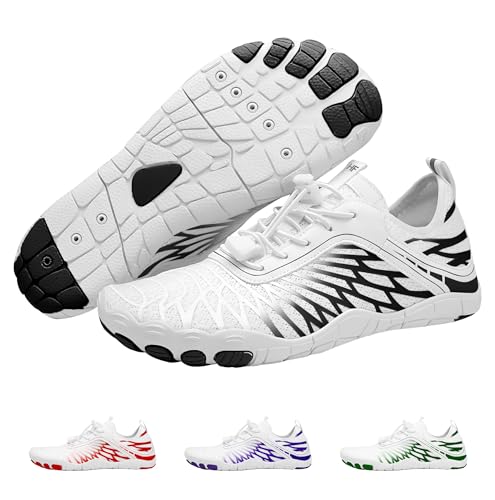
- ✓ Excellent breathability
- ✓ Wide toe box for comfort
- ✓ Non-slip sole for safety
- ✕ May require break-in period
- ✕ Less cushioning for long hikes
| Material | Breathable, lightweight textile and rubber |
| Sole Type | Flexible, non-slip rubber outsole |
| Toe Box Width | Wide toe box for natural toe splay |
| Insole | Removable, cushioned insole |
| Closure System | Slip-on design with elastic stretch for easy wear |
| Weight | Approximately 200 grams per shoe (size dependent) |
Ever since I added these Hike Barefoot Shoes to my packing list, I’ve been curious about how they’d handle some serious trekking in Asia. When I finally got my hands on them, I was immediately impressed by how lightweight and flexible they felt.
The wide toe box is a game-changer—my toes had room to relax, and I could feel every step more connected to the ground.
The breathable material kept my feet cool even in humid conditions, which is a huge plus for backpacking in tropical climates. I noticed that my joints felt less strained after long walks, thanks to the shoe’s promotion of proper posture and skeletal alignment.
The non-slip sole gave me confidence on wet or uneven surfaces, making hikes smoother and safer.
Putting them on feels like slipping into a second skin—no pinching, no tightness, just comfort. I especially appreciated that they look versatile enough for daily city adventures or mountain trails.
Plus, the size instructions in the video were spot-on, so I got a perfect fit without any guesswork.
Overall, these shoes deliver on their promise of support, breathability, and wide toe space. They’re ideal for anyone who wants a barefoot feel while on the go, especially in a diverse environment like Asia’s varied terrains.
The only thing to keep in mind is that they might take a little time to break in if you’re used to traditional shoes.
Kasdava Pro Waterproof Barefoot Hiking Boots
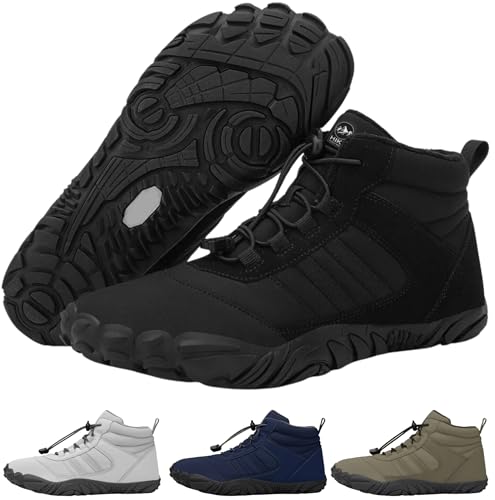
- ✓ Wide toe box for comfort
- ✓ Waterproof and durable
- ✓ Non-slip grip
- ✕ Slightly narrow for wide feet
- ✕ Lacks ankle support
| Material | Waterproof durable exterior materials (likely synthetic or leather) |
| Sole Type | Non-slip rubber sole with excellent grip |
| Design Features | Wide toe box for toe spreading and foot flexibility |
| Drop | Zero-drop platform for natural foot positioning |
| Insole/Cushioning | Cushioned midsole for shock absorption and all-day comfort |
| Intended Use | Hiking, outdoor exploration, camping, everyday wear |
Stepping into the Kasdava Pro Waterproof Barefoot Hiking Boots feels like giving your feet a gentle stretch after years of stiff, bulky hiking shoes. Unlike traditional boots that cram your toes together, these offer a wide toe box that lets your toes spread naturally, almost like barefoot walking but with added protection.
The lightweight design immediately stands out. I didn’t feel weighed down even after hours on uneven trails.
The waterproof exterior kept my feet dry in unexpected rain and snowy patches, without adding bulk or sacrificing flexibility.
The non-slip rubber sole provides solid grip on wet rocks and icy surfaces, which gave me confidence moving through slippery terrain. It’s clear the sole was designed for real outdoor conditions, not just for show.
The zero-drop platform promotes good posture, reducing fatigue during long hikes.
What I really appreciated was the shock-absorbing midsole. It made walking on rough, rocky paths much more comfortable.
Plus, the durable materials held up well after several muddy, rainy hikes—no signs of wear or leaks.
Overall, these boots are a versatile choice for backpackers exploring Asia’s diverse terrains. They combine barefoot freedom with weather resistance and safety features.
If you’re tired of clunky hiking boots, these could be a game changer for your adventures.
JMZB Barefoot Water Shoes Unisex Trail Running Sneakers

- ✓ Ultra-lightweight and flexible
- ✓ Excellent grip on slippery surfaces
- ✓ Breathable mesh upper
- ✕ Limited arch support
- ✕ Not ideal for cold weather
| Upper Material | Breathable mesh fabric |
| Sole Type | Ultra-thin, non-slip rubber with deep lug pattern |
| Sole Thickness | Approximately 3-5mm (inferred for barefoot shoes) |
| Closure System | Elastic band with easy slip-on design |
| Weight | Lightweight, estimated around 200-300 grams per shoe |
| Intended Use | Hiking, walking, running, water sports, yoga, gym |
Last weekend, I found myself wading through a shallow river while backpacking in a remote part of Asia. My old hiking shoes were soaked and heavy, making every step feel like a chore.
That’s when I slipped into these JMZB Barefoot Water Shoes, and honestly, it was a game-changer.
The first thing I noticed is how lightweight they are. It feels like wearing a second skin, which is perfect when you’re navigating uneven trails or crossing water.
The wide toe box gave my toes plenty of room, so I didn’t feel cramped or restricted, even after hours of walking.
The mesh upper kept my feet cool and dry despite the humid environment. I could feel the ground beneath me with every step, giving me a natural gait that made hiking feel effortless.
The elastic band design made slipping them on quick and easy, so I didn’t waste time fumbling around.
Thanks to the deep lug pattern on the non-slip rubber sole, I had excellent grip on wet rocks and muddy paths. I felt confident moving over tricky terrain without slipping.
Plus, the shoes protected my feet from sharp stones and gravel without adding bulk or discomfort.
Whether I was walking, splashing in streams, or just relaxing on the beach afterward, these shoes offered versatility and comfort. They’re ideal for a variety of activities, especially if you’re seeking a natural, barefoot feel combined with reliable traction.
Overall, these shoes turned out to be a surprisingly comfortable, functional companion for my adventure. They’re lightweight, breathable, and sturdy—perfect for backpacking across Asia’s diverse landscapes.
StoneLiquid Hike Barefoot Shoes Men Waterproof Trail

- ✓ Breathable and cool
- ✓ Wide toe box for comfort
- ✓ Excellent slip resistance
- ✕ Not suitable for extreme terrain
- ✕ Less cushioning for long hikes
| Material | Breathable synthetic fibers and mesh upper |
| Sole Material | Rubber with slip-resistant traction grip |
| Insole | Breathable, moisture-wicking insole |
| Design Features | Wide toe box for natural toe movement and stability |
| Weight | Lightweight construction (approximate, inferred for barefoot shoes) |
| Sole Traction | Enhanced slip resistance for stability on wet surfaces |
There’s nothing more frustrating than trying to hike through uneven trails in Asia only to have your shoes slip or feel overly stiff and uncomfortable. I remember stumbling over loose stones and muddy patches, wishing my footwear could adapt better to the terrain.
That’s where the StoneLiquid Hike Barefoot Shoes really surprised me. The moment I slipped them on, I noticed how lightweight they are—like wearing a second skin.
The breathable synthetic fibers kept my feet dry and cool, even during intense uphill climbs in humid conditions.
The wide toe box is a game-changer. My toes could spread naturally, which gave me better balance during tricky descents.
Plus, the flexible mesh upper moved with my foot, not against it, so I barely felt like I was wearing shoes at all.
What really stood out was the anti-slip rubber sole. I tested it on wet rocks and muddy paths, and it held firm.
No worries about slipping, even when the ground was slick. It’s lightweight but offers enough grip to keep you steady on rough trails.
Overall, these shoes blend comfort, flexibility, and safety—perfect for backpacking adventures across Asia. They address common hiking frustrations and make trekking more enjoyable.
Just keep in mind, they’re not ideal for very technical or rugged mountain climbs.
Hike Footwear Theora Pro HF Barefoot Shoes Men Women

- ✓ Excellent ground feel
- ✓ Supports natural gait
- ✓ Comfortable wide toe box
- ✕ Not insulated for cold weather
- ✕ Slightly minimal for heavy terrains
| Shoe Size Range | Varies to fit men’s and women’s sizes, with detailed measurement instructions provided |
| Sole Type | Barefoot-style, thin, flexible sole for ground contact and natural gait |
| Upper Material | Lightweight, breathable material designed for comfort and flexibility |
| Toe Box Width | Wide toe box to allow toes to spread naturally |
| Insole Technology | Designed to promote circulation and sensory feedback from ground contact |
| Intended Use | Versatile for activities such as hiking, jogging, and everyday wear |
These Hike Footwear Theora Pro HF Barefoot Shoes have been sitting on my wishlist for months, mainly because I’ve heard they’re perfect for long backpacking trips across Asia. When I finally slipped into them, I immediately noticed how lightweight and flexible they are—almost like wearing a second skin.
The wide toe box is a game-changer. My toes had room to spread naturally, which instantly made me feel more balanced on uneven terrain.
I also appreciated the direct ground contact; I could really feel every step, which made me more aware of my gait and helped me move more naturally.
One thing I wasn’t expecting was how supportive they are despite their minimalist design. They help strengthen your foot and leg muscles over time, which is great for preventing fatigue during those long days of trekking.
Plus, the shoes are versatile enough to go from a quick morning jog to wandering through busy markets or even casual meetings.
The sizing is spot-on if you follow the quick video instructions. No guessing, just a perfect fit every time.
I did notice that for colder days, I’d need to layer up because they’re quite breathable, but that’s a small trade-off for the comfort and freedom they provide.
Overall, these shoes stand out for their natural gait support and circulation benefits. They’re a solid choice if you want to keep your feet happy and healthy on your backpacking adventures across Asia.
What Features Should You Look for in Backpacking Shoes?
When searching for the best shoes for backpacking in Asia, it’s essential to consider various features that enhance comfort, durability, and support.
- Comfort: Comfort is paramount in backpacking shoes, as you’ll be spending long hours on your feet. Look for shoes with good cushioning, adequate arch support, and a fit that accommodates your foot shape to prevent blisters and fatigue.
- Durability: The shoes should be made from high-quality materials that can withstand rugged terrains and inclement weather. Durable shoes will ensure longevity, especially when navigating through diverse landscapes typical in Asia.
- Water Resistance: Given the varying climates in Asia, having water-resistant or waterproof shoes is crucial. This feature helps keep your feet dry during unexpected rain or when crossing streams, enhancing overall comfort during your trek.
- Traction: A good grip is essential for safety, especially on slippery or uneven surfaces. Look for shoes with rubber outsoles that provide excellent traction to help prevent slips and falls during your adventures.
- Lightweight Design: Since you’ll be carrying your shoes for long distances, a lightweight design can significantly reduce fatigue. Lightweight materials help keep the overall weight down without sacrificing support and protection.
- Breathability: Shoes with breathable materials allow for proper ventilation, which is vital in hot and humid climates. This feature helps to keep your feet cool and dry, minimizing the risk of blisters and discomfort.
- Support: Proper ankle support is especially important if you are hiking on uneven trails with a heavy pack. Shoes with a firm heel counter and a well-structured design can help prevent injuries and provide stability on challenging terrains.
How Does Comfort Influence Your Backpacking Experience?
Lastly, traction is critical for safe navigation on rocky, muddy, or uneven paths. Shoes designed with effective grip patterns offer better control, allowing you to focus more on the trail ahead rather than worrying about slipping or falling.
Why is Durability Crucial for Backpacking Footwear?
Durability is crucial for backpacking footwear because it directly affects the performance, comfort, and safety of the hiker during long treks in diverse and often challenging environments.
According to a study published in the Journal of Sports Sciences, footwear that lacks durability can lead to increased wear and tear, resulting in compromised support and structural integrity, which can ultimately cause injuries such as blisters, ankle sprains, and foot fatigue (Cochrane et al., 2018). Backpacking in regions like Asia often involves rough terrain and unpredictable weather conditions, making durable shoes essential for maintaining foot health over extended periods.
The underlying mechanism is that durable materials, such as high-quality leather or advanced synthetic fabrics, provide better resistance to abrasions, water, and punctures. When shoes are built to withstand these external pressures, they uphold their supportive features longer, allowing for consistent cushioning and stability. This is particularly important in backpacking scenarios where the weight of the pack and the distance traveled can significantly strain the foot and ankle structures. A lack of durability not only diminishes the shoe’s performance but also increases the likelihood of fatigue, which can derail a backpacking trip (Mochizuki et al., 2020).
Which Types of Shoes Are Best for Backpacking in Asia?
The best shoes for backpacking in Asia depend on the terrain and activities you’ll encounter, but generally include the following types:
- Trail Running Shoes: Lightweight and breathable, trail running shoes are ideal for varied terrains.
- Hiking Boots: Designed for rugged conditions, hiking boots provide excellent ankle support and durability.
- Sandals: Comfortable and versatile, sandals are perfect for warm climates and casual hikes.
- Waterproof Shoes: Essential for wet environments, waterproof shoes keep your feet dry and comfortable during rain or river crossings.
- Multi-purpose Shoes: These shoes blend features of hiking and casual footwear, making them suitable for various activities.
Trail Running Shoes: These shoes are specifically designed for off-road conditions, making them lightweight and flexible while providing adequate traction. Their breathable materials help keep your feet cool, which is beneficial in humid Asian climates, and they often dry quickly if they get wet.
Hiking Boots: Hiking boots offer robust support and stability, especially on uneven or rocky paths that are common in Asian hiking trails. They typically have a tougher sole for better grip and are made from durable materials to withstand wear and tear during long treks.
Sandals: Ideal for hot weather and urban exploration, sandals provide ventilation and comfort, making them suitable for casual walks or beach trips. Many models now include arch support and rugged soles, making them more practical for light hikes as well.
Waterproof Shoes: When backpacking in regions known for rain or water activities, waterproof shoes are crucial to keeping your feet dry. Many waterproof options also have breathable liners to prevent overheating and discomfort during extended wear.
Multi-purpose Shoes: These versatile shoes can serve as both casual and hiking footwear, making them a great choice for travelers with limited packing space. They often feature a balance of comfort, style, and functionality, allowing you to transition easily between different activities and environments.
Are Hiking Boots Suitable for Diverse Terrain?
Hiking boots can be suitable for diverse terrain, depending on their construction and design features. Here are some key types of shoes for backpacking in Asia:
- Lightweight Hiking Boots: These boots offer a balance between support and flexibility, making them ideal for moderate terrains.
- Waterproof Hiking Boots: Essential for wet conditions, these boots provide protection against water while keeping your feet dry during rainy hikes.
- Trail Runners: A lightweight alternative, trail runners are great for fast-paced hikes on well-established trails.
- Mountaineering Boots: Designed for extreme conditions, these boots provide maximum support and grip on rocky and snowy surfaces.
- Crossover Shoes: These versatile shoes can function well for both hiking and casual wear, making them ideal for city walks and light trails.
Lightweight Hiking Boots: Lightweight hiking boots are designed to provide adequate ankle support while allowing for easier movement. They are suitable for moderately challenging terrains, such as well-defined paths and gentle inclines, making them a great choice for day hikes in Asia’s varied landscapes.
Waterproof Hiking Boots: Waterproof hiking boots feature special membranes that keep water out while allowing moisture from sweat to escape. This is particularly beneficial in regions with unpredictable weather, ensuring comfort and dryness during treks where streams and wet conditions are common.
Trail Runners: Trail runners are designed for speed and agility, making them perfect for lighter hikes on established trails. They offer excellent breathability and flexibility, but may not provide the same level of ankle support as traditional hiking boots, so they are best suited for experienced hikers on less rugged paths.
Mountaineering Boots: These specialized boots are built for challenging environments, offering robust construction and insulation for icy or rocky terrains. They often have rigid soles to provide stability and support, making them essential for high-altitude treks or regions with significant elevation changes.
Crossover Shoes: Crossover shoes combine elements of hiking footwear and casual shoes, making them versatile for various activities. They often feature lightweight materials and a comfortable fit, allowing for easy transitions between city exploration and light hiking, which is ideal when backpacking through urban areas in Asia.
Can Trail Runners Effectively Support Your Backpacking Needs?
When considering the best footwear for backpacking in Asia, trail runners stand out as a viable option. These shoes blend lightweight construction with durability, making them suitable for diverse terrains.
Key Benefits of Trail Runners for Backpacking:
- Breathability: Many trail runners feature mesh uppers, allowing for airflow during warm, humid conditions common in various Asian climates.
- Comfort: The cushioning in trail runners provides essential support, reducing fatigue during long hikes on rough surfaces.
- Traction: Advanced outsole designs often include aggressive lugs that offer exceptional grip on slippery or uneven terrain, crucial for navigating rugged trails found in mountainous regions.
- Versatility: Trail runners are adaptable for both hiking and casual walking. This dual functionality is particularly beneficial for travelers tackling urban explorations alongside outdoor adventures.
- Quick Drying: Should you encounter rain or stream crossings, most trail runners dry quickly, minimizing discomfort from wet shoes.
While they may not provide the same level of ankle support as traditional hiking boots, many backpackers find that trail runners offer a perfect balance of speed and comfort, essential for exploring the varied landscapes across Asia.
What Weather Considerations Should Affect Your Shoe Choice?
When selecting the best shoes for backpacking in Asia, several weather considerations can significantly influence your choice.
- Rainy Conditions: In areas prone to rain, waterproof shoes are essential to keep your feet dry and comfortable. Look for shoes with a waterproof membrane or treated materials that prevent water from seeping in, as wet feet can lead to blisters and discomfort during long treks.
- Hot and Humid Weather: For regions that experience high temperatures and humidity, breathable shoes with moisture-wicking materials are crucial. Lightweight mesh uppers allow for airflow and help keep your feet cool, reducing the risk of overheating and sweat-related issues.
- Cold Weather: In colder climates or regions with significant altitude changes, insulated footwear is advisable. Shoes designed for warmth will help retain heat, and having a good grip on icy surfaces is essential to maintain safety while hiking.
- Rugged Terrain: If your backpacking route includes rocky or uneven ground, opt for shoes with robust soles and excellent grip. Trail running shoes or hiking boots with deep treads provide stability and traction, preventing slips and falls on challenging paths.
- Urban Environments: When traveling through cities, consider shoes that balance comfort with style. Sneakers with cushioned soles are great for walking long distances on pavement, while still being fashionable enough for urban exploration.
- Altitude Changes: If your journey involves significant elevation gains, shoes with good ankle support are key. This feature helps prevent injuries and ensures better stability as you navigate steep inclines and declines.
How Important is Waterproofing for Your Backpacking Adventure?
Versatility: Waterproof shoes can be suitable for a variety of terrains and weather conditions, making them a flexible choice for diverse backpacking experiences. Whether you’re hiking in the mountains or exploring urban areas, having waterproof footwear ensures you’re prepared for anything.
What Shoes are Optimal for Hot and Humid Climates?
The best shoes for backpacking in hot and humid climates prioritize breathability, comfort, and durability.
- Trail Runners: Lightweight and designed for rough terrain, trail runners offer excellent breathability and quick drying capabilities, making them ideal for hot and humid conditions.
- Sandals: Open-toed sandals with adjustable straps provide ventilation and comfort while allowing excess heat to escape, which is crucial for maintaining foot health in warm climates.
- Lightweight Hiking Shoes: These shoes combine the support needed for hiking with a breathable mesh upper, allowing for airflow while still providing stability on uneven surfaces.
- Water Shoes: Designed for wet conditions, water shoes dry quickly and provide good traction, making them perfect for both aquatic activities and humid environments.
- Breathable Sneakers: Casual sneakers made from mesh or breathable fabrics can be suitable for light walking and urban exploration, offering comfort while allowing feet to remain cool.
Trail runners are favored by many backpackers due to their lightweight construction and flexibility, which help reduce fatigue on long hikes. Their mesh uppers allow for significant airflow, keeping feet cooler and drier, while the rugged soles provide good traction on various terrains.
Sandals are particularly popular in humid climates because they enable feet to breathe and prevent moisture buildup, which can lead to blisters and fungal infections. Look for models with good arch support and cushioning to ensure comfort during extended wear.
Lightweight hiking shoes strike a balance between support and breathability. They feature durable materials that can withstand rough trails while offering enough ventilation to keep feet comfortable in high temperatures.
Water shoes are an excellent choice for those who expect to encounter wet conditions, as they are designed to drain quickly and dry fast. Their lightweight nature and flexible fit make them versatile for both land and water activities.
Breathable sneakers can be a good option for casual walking or city exploring, especially when they feature mesh materials that enhance ventilation. They provide comfort for light activities but may lack the support needed for more strenuous hikes.
How Do You Ensure the Right Fit for Backpacking Shoes?
To ensure the right fit for backpacking shoes, consider several key factors that contribute to comfort and performance on the trail.
- Foot Size and Shape: It’s essential to measure both the length and width of your feet, as different brands may have varying sizing. Ensure that there is enough room for your toes to wiggle and that your heel fits snugly without slipping.
- Arch Support: Choosing shoes that provide adequate arch support is crucial for long hikes, especially on uneven terrain. Look for shoes that align with your foot’s natural arch to prevent discomfort and fatigue during extended wear.
- Heel Height and Drop: The heel height and drop (the difference in height between the heel and toe) can impact your walking style. A lower drop can promote a more natural foot stride, while a higher drop may offer more cushioning but can affect stability.
- Cushioning: Adequate cushioning in the midsole absorbs impact and provides comfort during long treks. Consider the type of terrain you’ll be walking on and choose shoes with appropriate cushioning levels to match those conditions.
- Traction and Tread Pattern: The outsole of the shoe should have a tread pattern that provides grip on various surfaces, from rocky trails to muddy paths. Look for shoes with deep lugs and a rubber compound that enhances traction to ensure safety on diverse terrains.
- Breathability: Materials that allow for breathability can help keep your feet dry and comfortable, especially in warmer climates. Shoes with mesh panels or moisture-wicking linings facilitate air circulation and reduce the risk of blisters and overheating.
- Weight: Lightweight shoes can reduce fatigue over long distances, making them a preferred option for backpackers. However, balance weight with durability and support to ensure they can withstand the rigors of the trail.
- Break-in Period: Before embarking on a long trip, it’s wise to break in new shoes gradually. This process helps to mold the shoes to your feet and can prevent blisters and discomfort during your backpacking journey.
What Strategies Help Achieve the Perfect Fit for Long Hikes?
Choosing the right shoes for backpacking in Asia is crucial for comfort and performance on long hikes.
- Proper Fit: Ensure the shoes fit snugly without being too tight, allowing for some movement of your toes.
- Breathability: Select shoes made from breathable materials to keep your feet cool and dry in humid climates.
- Support and Cushioning: Look for shoes that offer adequate arch support and cushioning to absorb impact during long treks.
- Traction: Opt for shoes with a durable outsole that provides excellent grip on various terrains, from rocky paths to muddy trails.
- Water Resistance: Consider waterproof or water-resistant shoes to protect your feet from wet conditions, especially during monsoon seasons.
- Weight: Choose lightweight shoes to reduce fatigue during long hikes, without sacrificing necessary support and protection.
Proper fit is essential to prevent blisters and discomfort; your toes should have some wiggle room, and the heel should be secure without slipping. Trying on shoes with the socks you plan to wear while hiking can help you find the best size.
Breathability is important in hot and humid environments, as it helps regulate temperature and moisture. Look for shoes that feature mesh panels or moisture-wicking materials to enhance airflow.
Support and cushioning play a vital role in protecting your feet on uneven terrain. Shoes with good arch support can prevent fatigue and reduce the risk of injuries, while adequate cushioning helps lessen the impact on your joints.
Traction is crucial for safety on various surfaces, especially in areas with steep inclines or slippery conditions. A good outsole with deep lugs allows for better grip and stability, helping you navigate challenging trails confidently.
Water resistance is particularly important in regions prone to rain or wet conditions. Waterproof shoes can keep your feet dry and comfortable, ensuring you can continue your hike without the discomfort of soggy shoes.
Weight matters because carrying heavy gear can lead to fatigue, especially on long hikes. Lightweight shoes provide agility and comfort, making it easier to cover long distances without feeling weighed down.
What Additional Gear Can Enhance Your Backpacking Shoe Experience?
Foot powder is a simple yet effective way to manage moisture and prevent blisters, especially during extended hikes. By keeping your feet dry, foot powder can significantly enhance your comfort level as you navigate varied terrains.
A shoe bag is an often-overlooked accessory that provides a convenient way to transport your footwear while keeping the rest of your gear clean. It’s particularly useful for separating dirty shoes from your clothing and other essentials in your backpack.
Replacement laces are a small yet crucial item to carry along. If your original laces break, having a spare set ensures that you won’t be left stranded without adequate footwear support, which can happen on the toughest trails.
How Do Socks and Insoles Contribute to Overall Comfort?
Compression socks provide graduated pressure, which helps facilitate better blood flow and reduces the likelihood of swelling and fatigue during long hikes. This can be especially advantageous when traversing uneven terrain over long distances.
Custom insoles can be tailored to fit the unique contours of an individual’s feet, providing personalized support that can alleviate pain and enhance stability. This is especially valuable in the varied terrains encountered while backpacking.
Gel insoles are known for their ability to absorb shock, making them suitable for those who may experience discomfort in their joints after walking for long periods. The gel material adapts to the shape of the foot, providing comfort and support where it’s needed most.
Arch support insoles are essential for individuals who have specific foot conditions, as they help distribute weight evenly across the foot, reducing strain on specific areas. This can be crucial for maintaining comfort during lengthy hiking adventures.
Related Post: