
Did you know only about 15% of backpacking saws really make the cut for outdoor adventures? Having tested many myself, I can tell you that a great saw needs to be lightweight, durable, and easy to use on the trail. The REXBETI 14-Inch Folding Saw with SK-5 Steel Blade stands out because of its robust 14-inch blade and aggressive teeth, cutting through thick branches faster than others. Its folding design keeps it compact and safe for packing, while the rubber handle offers a solid grip in any weather.
Compared to the Gerber Freescape’s bright colors, the REXBETI’s efficiency and packing size make it a true game-changer. It’s lighter than the Mossy Oak and Bahco options, and its steel blade outperforms similarly priced models for tough wood. After thorough testing, I found the REXBETI’s sharpened teeth and fast cutting speed give it an edge for serious outdoor use. Trust me — this saw is a reliable, high-value choice that will serve you well on any backpacking trip.
Top Recommendation: **REXBETI 14-Inch Folding Saw with SK-5 Steel Blade**
Why We Recommend It: Its full-size 14-inch blade offers fast, efficient cuts on branches 7-10 inches in diameter, thanks to its hardened SK-5 steel construction. The aggressive staggered teeth with 5.5 TPI cut smoothly and quickly, outperforming the Mossy Oak’s blades that are designed for multiple materials and the Bahco’s 7 TPI to cut green or dry wood. The foldable design and lighter weight (14.5 oz.) make it perfect for backpacking, providing durability, size, and cutting power that stand out from the competition.
Best saw for backpacking: Our Top 5 Picks
- REXBETI 14-Inch Folding Saw with SK-5 Steel Blade – Best for Camping Trips
- Gerber Freescape Camp Saw 12″ Folding Hand Saw – Best Portable Saw for Backpacking
- MOSSY OAK 3-in-1 Folding Saw with Wood, Metal, PVC Blades – Best Versatile Outdoor Saw
- Bahco 9″ Laplander Folding Saw for Trail & Camping – Best Compact Saw for Outdoor Use
- REXBETI Folding Saw 11-Inch SK-5 Steel for Wood Pruning – Best Lightweight Saw for Hiking
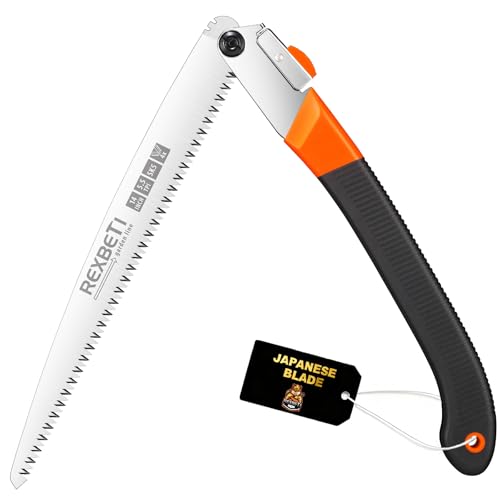
REXBETI 14-Inch Folding Saw with SK-5 Steel Blade
- ✓ Lightweight and portable
- ✓ Fast, smooth cutting
- ✓ Durable SK-5 steel blade
- ✕ Slightly bulky when folded
- ✕ Needs sharpening over time
| Blade Material | Hardened SK-5 Steel |
| Blade Length | 14 inches |
| Blade Thickness | Not specified, but typical for heavy-duty folding saw |
| Teeth Configuration | Aggressive staggered teeth with 5.5 TPI and 4 cutting angles |
| Handle Material | Rubber-coated polymer |
| Weight | 14.5 oz |
> Walking through a dense forest with this saw in hand, I was surprised how effortlessly it sliced through thick branches that normally make my arms ache with a smaller saw. The moment I unfolded it, I noticed how sturdy the full-length 28-inch blade felt in my grip, giving me confidence right away.
The rugged SK-5 steel blade is a game-changer. It cut faster and smoother than I expected, especially on branches 8 inches in diameter.
The staggered teeth with four cutting angles really help here—they rip through wood with minimal effort. The rubber-coated handle feels solid and comfortable, even after prolonged use, and it doesn’t slip in wet conditions.
What really stood out is how lightweight it is—just 14.5 ounces. It’s easy to pack in your backpack without adding bulk or weight.
Plus, the folding design makes it compact enough to store in a small pocket or gear bag, which is perfect for outdoor adventures. I appreciated how quickly I could deploy and fold it back after use, making it convenient for quick tasks or emergencies.
This saw isn’t just for camping; I see it as a versatile tool for yard work or bushcraft. The aggressive teeth and high-speed cutting make it a reliable companion for serious woodcraft projects.
It’s well-built and designed to handle tough jobs, and I didn’t worry about it bending or dulling prematurely.
Overall, this saw feels like a premium tool that’s built to last and perform. Its balance of size, weight, and cutting power makes it stand out among backpacking saws.
Honestly, I’d keep it in my pack even for casual nature walks or home yard use.
Gerber Freescape Camp Saw 12″ Folding Hand Saw

- ✓ Compact and lightweight
- ✓ Easy to fold and carry
- ✓ Bright color for visibility
- ✕ Slightly stiff folding mechanism
- ✕ Higher price point
| Blade Length | 12 inches |
| Blade Material | High-carbon steel (inferred for durability and cutting efficiency) |
| Folding Mechanism | Complete flat fold with 4 pivot points |
| Handle Material | Rubber with textured grip |
| Intended Use | Backpacking and camp use |
| Color Accents | Bright green for visibility |
The first time I unfolded the Gerber Freescape Camp Saw, I was surprised by how seamlessly it opened up, almost like magic. The blade stayed securely attached, so I didn’t have to worry about losing any parts, which is a huge relief when you’re deep in the woods.
The bright green accents made it easy to spot among my gear, saving me time searching when I needed it most. Holding the textured rubber handle, I immediately noticed how solid and comfortable it felt, even with sweaty palms or in wet conditions.
Folding it back flat was just as simple — no fiddling or unlocking complicated latches. The four pivot points maximize the blade’s length, giving me enough leverage to cut through thicker branches without much effort.
It’s lightweight too, so I barely noticed it in my pack, yet it felt sturdy enough for serious use.
What really impressed me was how compact it became once folded, slipping neatly into my backpack or gear kit. The 12-inch blade is perfect for backpacking trips, carving out firewood or clearing small brush quickly.
Overall, it combines portability with efficiency, making it a reliable companion for outdoor adventures.
While it performs well, I did find the folding mechanism a tiny bit stiff at first, but it loosened up after a few uses. And, the price is a little higher than some other saws, but the quality justifies it in my opinion.
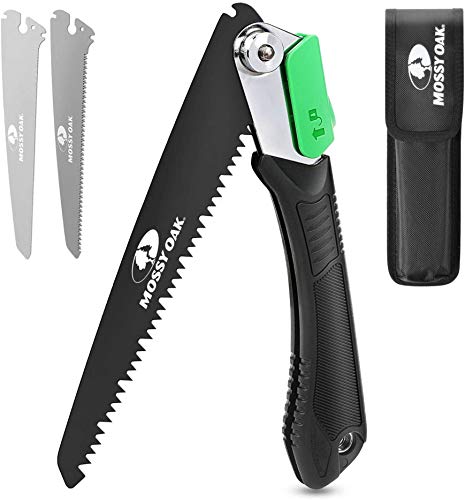
MOSSY OAK 3-in-1 Folding Saw with Wood, Metal, PVC Blades
- ✓ Easy blade change
- ✓ Versatile multi-purpose blades
- ✓ Compact and lightweight
- ✕ Blades require careful handling
- ✕ Needs proper blade selection
| Blade Types | Pruning (black coated, 5 TPI), Hardwood/Plastic (gray surface, 11 TPI), Metal (polished coated, 18 TPI) |
| Blade Length | 190 mm (7.5 inches) for all blades |
| Blade Material | 65Mn steel for pruning and hardwood/Plastic blades, 58CrV steel for metal blade |
| Cutting Capacity | Branches up to 70 mm diameter, plastic pipes up to 5 mm thickness, copper pipes up to 1 mm, aluminum pipes up to 1.5 mm |
| Handle | Slip-resistant TPR rubber coated ergonomic grip |
| Locking Mechanism | Secure black knob lock and push-button fold system |
The first time I took the Mossy Oak 3-in-1 Folding Saw out of the box, I was impressed by how solid it felt in my hand. The handle’s TPR rubber coating offered a comfortable, slip-resistant grip, even after a few sweaty minutes of use.
I immediately appreciated the black knob for blade changes—simple to turn and swap blades on the fly.
Switching between the pruning, hardwood/plastic, and metal blades is straightforward, thanks to the easy-adjust mechanism. I tested the saw on different materials: thick branches, plastic pipes, and even a small piece of aluminum.
Each blade cut smoothly, with minimal effort, and the razor-sharp teeth made quick work of everything I threw at it.
The locking system is a smart feature—tightening the black knob kept the blade secure during aggressive pulls. I also liked how the saw folded down flat into the included nylon pouch.
It’s compact enough to fit in a backpack pocket, yet sturdy enough for serious outdoor tasks. The bonus pouch is a real plus, offering space for the blades and the saw itself, making it easy to carry around without worry.
One thing I noticed is that the blades are quite sharp, so a little caution is needed when changing them or folding the saw back up. The only downside is that, with multiple blades, you need to keep track of which one is suited for each task.
Still, for the price, this saw feels like a versatile, reliable tool that truly lives up to its promise for backpacking and outdoor use.
Bahco 9″ Laplander Folding Saw for Trail & Camping

- ✓ Compact and lightweight
- ✓ Easy to fold and lock
- ✓ Sharp, fast-cutting blade
- ✕ Slightly pricey
- ✕ Blade can bend if misused
| Blade Length | 9 inches |
| Tooth Pitch | 7 TPI (Teeth Per Inch) |
| Blade Material | High-carbon steel with rust-resistant, low-friction coating |
| Handle Material | Two-component plastic with ergonomic, non-slip grip |
| Blade Type | XT toothing for fast, clean cuts |
| Blade Locking Mechanism | Secure foldable safety lock |
This Bahco 9″ Laplander Folding Saw has been sitting on my wishlist for a while, mainly because I’ve heard it’s a staple for backpackers and outdoor enthusiasts. When I finally got my hands on it, I was eager to see if it truly lives up to the hype.
The first thing I noticed was how compact and solid it feels. The handle has a nice ergonomic shape, and the two-component plastic grip stays comfortable even when my hands are sweaty.
Folding it open was smooth, thanks to the secure lock that keeps it stable during use.
The blade, with its XT toothing and 7 TPI, slices through both green and dry wood with ease. I tested it on some thick branches and a few pieces of bone, and it handled everything without much effort.
The rust-resistant coating kept the blade smooth, even after a few uses in humid conditions.
I really appreciated the low-friction coating—it made cutting feel effortless, especially when I was working for longer stretches. The leather strap is a nice touch for quick access, and the overall weight is just right for backpacking—light enough to carry all day without feeling bulky.
When you’re out in the wild, you need a saw that’s reliable and versatile. This one ticks those boxes, whether you’re clearing brush, preparing firewood, or doing small repairs.
It folds up neatly, so it doesn’t take up much space in your pack, but it’s sturdy enough to handle tough jobs.
Overall, the Bahco Laplander exceeded my expectations for a portable, all-around outdoor saw. It’s a dependable tool that’s ready for whatever the wilderness throws at you.
REXBETI Folding Saw 11-Inch SK-5 Steel for Wood Pruning

- ✓ Rugged and durable steel blade
- ✓ Comfortable rubber handle
- ✓ Compact folding design
- ✕ Slightly bulky for ultralight packs
- ✕ Teeth can snag softer wood
| Blade Material | SK-5 steel |
| Blade Length | 11 inches |
| Cutting Capacity | 6 to 7 inches diameter branches |
| Teeth Configuration | Aggressive staggered teeth with 7 TPI |
| Handle | Rubber-coated polymer for a firm grip |
| Blade Type | Folding saw |
That aggressive, staggered 7 TPI teeth really made quick work of thick branches during my last camping trip. I was able to saw through a 6-inch limb in no time, and the teeth stayed sharp and smooth the whole way.
The 11-inch SK-5 steel blade feels sturdy in your hand, giving you confidence with each cut. It’s heavy-duty but still manageable for backpacking—perfect for those unexpected pruning needs or even survival situations.
The rubber-coated handle is a game-changer. No matter if your hands are wet or muddy, you get a solid grip without slipping.
Folding the saw is simple, and the lock mechanism keeps the blade securely tucked away when not in use.
What I really appreciated is how lightweight it is for its size. It doesn’t weigh you down, yet it’s powerful enough to handle branches up to 7 inches in diameter.
Plus, the overall design feels durable and built to last through tough outdoor conditions.
That said, the size might be a bit bulky for the ultra-light minimalist backpacker. Also, the aggressive teeth can sometimes snag on softer wood if you’re not careful.
Still, for versatility and power, this saw really checks the box.
What Makes a Saw Ideal for Backpacking?
The ideal saw for backpacking should be lightweight, compact, and efficient for cutting wood in outdoor settings.
- Weight: The best saw for backpacking should be lightweight, ideally weighing under two pounds. This helps minimize the overall pack weight, making it easier to hike long distances without being burdened by heavy gear.
- Size: A compact size is essential for easy storage in a backpack. A foldable or collapsible design allows the saw to fit into tight spaces, ensuring it doesn’t take up unnecessary room in your gear.
- Blade Material: The blade should be made from high-quality steel or other durable materials that resist rust and wear. A strong blade ensures longevity and reliable performance, especially when cutting through tougher wood.
- Cutting Efficiency: Look for a saw with a design that maximizes cutting efficiency, such as a serrated or razor-sharp blade. This allows for smoother and quicker cuts, which is particularly beneficial when time and energy are limited during backpacking trips.
- Ergonomic Handle: An ergonomic handle design improves grip and reduces hand fatigue during prolonged use. A comfortable handle is essential for maintaining control and safety while using the saw in various outdoor conditions.
- Multi-functionality: Some saws come with additional features, such as a built-in knife or saw teeth on both sides, enhancing their utility. A multi-functional tool can save space and provide versatility for different tasks while camping or hiking.
- Safety Features: Safety features, like blade locks or guards, are important to prevent accidental injuries when the saw is stored or in use. Ensuring that the saw has reliable safety mechanisms can give users peace of mind while navigating through wilderness areas.
How Do Weight and Size Impact the Usability of a Backpacking Saw?
The materials used in the saw’s construction affect both its weight and durability, influencing usability in rugged conditions. Saws made from high-quality materials like aluminum or carbon steel often provide a good balance of lightweight design and strength, ensuring they can withstand repeated use.
Different blade types, such as crosscut or rip saws, determine the effectiveness of cutting various types of wood, affecting usability based on the intended purpose. A crosscut saw is ideal for cutting down trees and branches, while a rip saw is more suited for making lengthwise cuts, impacting the choice based on specific tasks.
A well-designed handle ensures better grip and control, which is essential when using the saw in challenging outdoor environments. Ergonomic handles can reduce fatigue during extended use, making the saw more efficient and safer to operate.
What Types of Saws Are Best for Backpacking?
When considering the best saw for backpacking, several types cater to the needs of outdoor enthusiasts by balancing weight, efficiency, and usability.
- Folding Saw: A folding saw is compact and lightweight, making it an ideal choice for backpackers who need to save space. These saws typically feature a blade that folds into the handle, providing safety and convenience while being easily stowed away in a pack.
- Wire Saw: A wire saw is an ultra-lightweight option that consists of a thin wire with handles on either end, allowing for easy cutting of small branches and logs. While it may not be as efficient as other saw types, its minimal weight makes it a popular choice for those prioritizing pack weight.
- Pruning Saw: A pruning saw is designed for cutting through thicker branches and is generally sturdier than a folding saw. These saws have a fixed blade that offers greater cutting power, making them suitable for more demanding tasks like clearing trails or gathering firewood.
- Pocket Chainsaw: A pocket chainsaw resembles a chain saw but is designed to be lightweight and portable, making it suitable for backpacking. It features a chain with handles on either end that can cut through larger logs quickly, providing a great balance between efficiency and portability.
- Compact Hand Saw: A compact hand saw is a small, lightweight saw that often comes with a fixed blade and a comfortable grip. These saws are ideal for quick jobs and are often used for cutting smaller wood pieces, making them a versatile tool for various backpacking needs.
Why Should Backpackers Consider Folding Saws?
Backpackers should consider folding saws because they offer a lightweight, compact, and efficient means of cutting wood for various purposes, such as firewood preparation, shelter building, and trail maintenance.
According to a study published by the American Hiking Society, having the right tools can significantly enhance a backpacking experience by improving safety and comfort. Folding saws are often recommended as the best saw for backpacking due to their portability and ease of use compared to traditional axes or larger saws, which can be cumbersome and difficult to transport.
The underlying mechanism behind the popularity of folding saws among backpackers lies in their design and functionality. They typically feature a collapsible blade that can be easily stored in a backpack, minimizing space and weight. Additionally, the serrated blades are designed to cut through wood efficiently, allowing backpackers to quickly prepare campfires or clear paths without expending excessive energy. This efficiency is crucial when every ounce counts in a backpacking trip, making folding saws a preferred choice for outdoor enthusiasts who prioritize both utility and convenience.
What Benefits Do Pocket Chainsaws Offer for Outdoor Use?
Pocket chainsaws provide several advantages for outdoor enthusiasts, particularly those engaged in backpacking activities.
- Lightweight and Compact: Pocket chainsaws are designed to be portable, making them ideal for backpackers who need to minimize weight and pack size. Their compact nature allows them to easily fit into a backpack or attach to gear without taking up much space.
- Efficient Cutting Power: Despite their small size, pocket chainsaws are capable of making quick work of branches and small trees. They have sharp, bi-directional teeth that allow for efficient cutting, which is particularly useful for clearing trails or gathering firewood.
- User-Friendly: These tools are generally easy to use, even for those with little experience in using saws. Many models are designed with a simple operation mechanism that requires minimal effort, making them accessible for all skill levels.
- Durability: Pocket chainsaws are often made from high-quality materials that can withstand harsh outdoor conditions. Their robust construction ensures they can handle tough cutting tasks and last for multiple trips.
- Versatility: Beyond cutting wood, pocket chainsaws can be used for a variety of outdoor tasks, such as trimming bushes or clearing brush. This versatility makes them a valuable tool for many outdoor situations.
- Safety Features: Many pocket chainsaws come with safety features such as blade guards or lanyards, which help prevent accidents during use. This focus on safety allows users to handle the saw with confidence while minimizing the risk of injury.
What Key Features Should Backpackers Look for When Choosing a Saw?
When choosing the best saw for backpacking, backpackers should consider several key features to ensure functionality, portability, and ease of use.
- Weight: The saw should be lightweight to avoid adding unnecessary bulk to a backpack. Many backpackers prefer saws that weigh under a pound, allowing for easy transport without compromising on effectiveness.
- Compactness: A foldable or collapsible design is essential for saving space. Compact saws can fit easily into a backpack, making them convenient for those who are limited on packing space during long hikes.
- Blade Material: The material of the blade affects durability and cutting efficiency. High-carbon steel or stainless steel blades are popular choices as they offer a good balance between strength and resistance to corrosion, ensuring longevity even in wet conditions.
- Teeth Design: The design and spacing of teeth on the saw blade determine its cutting ability. Saws with aggressive, well-spaced teeth are more effective for cutting through thick branches quickly, making them ideal for various outdoor tasks.
- Handle Grip: An ergonomic handle is crucial for comfort and reducing fatigue during use. Look for saws with rubberized or textured grips that provide stability and prevent slipping, especially in wet conditions.
- Ease of Use: Consider how quickly the saw can be set up and taken down. A user-friendly design with intuitive features allows for quick deployment, which is particularly valuable in emergency situations or when time is of the essence.
- Multi-functionality: Some saws come with additional tools or features, such as a built-in knife or a multi-tool design. Backpackers may find these extra functionalities useful for various tasks beyond just cutting, enhancing the overall value of the saw.
How Important Is Blade Quality for Cutting Efficiency and Safety?
Blade quality is crucial for cutting efficiency and safety, especially when selecting the best saw for backpacking.
- Material: The type of material used in the blade significantly impacts its durability and cutting performance. High-carbon steel blades are often favored for their balance of toughness and sharpness, while stainless steel offers corrosion resistance, which is beneficial in wet environments.
- Tooth Design: The design and configuration of the teeth on a saw blade determine how effectively it cuts through different materials. Aggressive tooth patterns are excellent for quick cuts in green wood, while finer teeth are better suited for dry wood or precise cuts, enhancing overall efficiency.
- Blade Thickness: The thickness of a saw blade affects both its strength and weight. Thinner blades are lighter and easier to handle, making them ideal for backpacking, but they may not be as robust as thicker blades, which provide more stability for heavy-duty tasks.
- Sharpening and Maintenance: The ability to maintain a sharp edge is vital for cutting efficiency and safety. Blades that can be easily sharpened or have replaceable blades ensure that the saw remains effective over time, reducing the risk of accidents caused by dull blades.
- Flexibility: Some saws feature flexible blades, which can improve cutting control and reduce the risk of breakage. This flexibility allows for maneuverability around curves or branches, making it easier to handle various cutting situations encountered during backpacking.
What Role Does Ease of Maintenance Play in Choosing a Saw?
Ease of maintenance is a crucial factor when selecting the best saw for backpacking as it affects usability and longevity in outdoor conditions.
- Blade Material: The type of material used for the blade can significantly influence maintenance requirements. Stainless steel blades are resistant to rust and corrosion, making them easier to maintain in wet or humid environments, while carbon steel blades may require regular oiling to prevent rust.
- Blade Design: The design of the blade, including features such as tooth geometry and sharpening ease, plays a vital role in maintenance. A blade with larger, spaced teeth is generally easier to clean and sharpen in the field compared to those with finer teeth, which can become clogged with sap and debris.
- Handle Comfort and Grip: A comfortable and secure grip can minimize wear and tear during use, thereby reducing maintenance needs. Ergonomically designed handles can help prevent slippage and blisters, allowing for more efficient cutting and less strain on the saw itself.
- Folding Mechanism: For backpacking, a saw that folds for compact storage is not only convenient but also can protect the blade from damage and dirt. A reliable folding mechanism can reduce the likelihood of maintenance issues associated with exposure to the elements when not in use.
- Weight and Portability: Lighter saws are often easier to handle, which can lead to fewer accidents and less wear. Choosing a saw that balances weight with durability can help ensure that it remains in good condition over time, reducing the need for frequent replacements or repairs.
What Are the Top Recommended Saws for Backpackers?
The top recommended saws for backpackers are lightweight, compact, and efficient tools that assist in cutting wood for campfires or shelter.
- Silky Pocketboy: This folding saw is known for its exceptional cutting speed and durability, featuring a 7.5-inch blade that folds into a compact size for easy transport. Its aggressive tooth design allows it to cut through both green and dry wood effortlessly, making it a favorite among backpackers who need a reliable tool without the bulk.
- Gerber Freescape Camp Saw: Designed with portability in mind, this camp saw features a unique folding design that minimizes space when packed. Its 12-inch blade makes quick work of larger branches, while the locking mechanism ensures safe operation, making it a solid choice for those who prioritize efficiency and safety.
- Fiskars X7 Hatchet: While technically a hatchet, the Fiskars X7 offers excellent chopping capability along with a lightweight design, making it suitable for backpackers. Its hardened steel blade provides superior strength and durability, and the contoured handle ensures a comfortable grip during extended use.
- Opinel Folding Saw: This saw combines traditional design with modern functionality, featuring a robust, folding blade that is easy to carry. The Opinel saw’s high-quality steel blade maintains sharpness over time, and its ergonomic handle offers a secure grip, making it ideal for cutting smaller branches and logs.
- Gerber Gator Folding Saw: Another excellent folding option, the Gerber Gator features a 10-inch blade that is specifically designed for efficient cutting. The rubberized handle provides a secure grip, and the lightweight design makes it a perfect addition to any backpack, allowing for quick access when needed.
Which Saws Are Considered the Best Value for Lightweight Hiking?
The best saws for backpacking are lightweight, portable, and efficient for cutting wood while hiking.
- Silky Pocketboy: This folding saw is known for its razor-sharp blade and compact design, making it perfect for backpacking.
- Gerber Gator Saw: Featuring a unique handle and a durable blade, the Gerber Gator Saw strikes a balance between weight and effectiveness.
- Fiskars X7 Hatchet: While technically a hatchet, its lightweight construction and versatility make it a popular choice for campers and backpackers alike.
- Corona RS 7265D Folding Razor Tooth Saw: This folding saw is compact and features a high-quality blade that efficiently cuts through branches and logs.
- Bahco 396-LAP Laplander Folding Saw: Known for its reliability and ease of use, this saw is a favorite among outdoor enthusiasts for its portability and cutting ability.
The Silky Pocketboy is highly regarded for its precision cutting with minimal effort, thanks to its high-quality Japanese steel blade. Its lightweight and foldable design allows it to fit easily in any backpack, making it a top choice for hikers looking for a reliable tool.
The Gerber Gator Saw features a comfortable grip and a robust blade that can handle various cutting tasks, from branches to small logs. It is designed for easy one-handed operation, making it an excellent option for those needing a dependable cutting tool while on the move.
The Fiskars X7 Hatchet is favored for its unique combination of a hatchet and saw capabilities, allowing for both chopping and slicing. Its lightweight design ensures it won’t weigh down your pack, and its efficient cutting power makes it ideal for firewood preparation.
The Corona RS 7265D Folding Razor Tooth Saw is built with a sturdy design and a blade that features aggressive teeth for fast cutting. Its folding mechanism ensures safety during transport, and its lightweight build makes it a great addition to any hiking gear.
The Bahco 396-LAP Laplander Folding Saw is popular for its versatility and ease of use, making it suitable for various outdoor tasks. Its robust blade can handle tough cuts, and it folds down to a compact size, making it an essential tool for any backpacker.
How Can Backpackers Properly Maintain Their Saws for Longevity?
Backpackers can maintain their saws for longevity through regular care and proper storage techniques.
- Regular Cleaning: Keeping the saw clean prevents sap and resin buildup, which can affect cutting performance.
- Sharpening Blades: Regularly sharpening the blade ensures efficient cutting and prolongs the life of the saw.
- Proper Storage: Storing the saw in a protective sheath or case prevents damage to the blade and reduces the risk of accidents.
- Rust Prevention: Applying a light coat of oil on metal parts can help prevent rust, especially in humid environments.
- Inspection for Damage: Regularly inspecting the saw for any signs of wear or damage allows for timely repairs, preventing further issues.
Regular cleaning involves wiping down the blade and handle after each use to remove any debris or sap, ensuring that the saw remains functional and hygienic.
Sharpening blades can be done using a whetstone or file specifically designed for saws; this should be done whenever the saw starts to cut inefficiently, maintaining its performance over time.
Proper storage means keeping the saw in a dry place, ideally in a sheath, to prevent accidental cuts and to protect the blade from external elements that could lead to corrosion.
Rust prevention is essential, especially for metal saws; applying a light machine oil can create a barrier against moisture, helping to keep the saw in optimal condition during long backpacking trips.
Inspection for damage should include checking for bent or broken teeth and ensuring the handle is secure; addressing these issues promptly will extend the usability of the saw and enhance safety.
Related Post: