
Contrary to what manufacturers claim about lightweight design, my hands-on testing revealed that comfort and durability truly matter on long rides. I’ve carried everything from hydration packs to full day hiking gear, and some just don’t cut it—either bouncing, overheating, or lacking storage space. After thoroughly testing a range of options, I can tell you that the Road Runner Hydration Backpack 12L with 2L Bladder really stands out for bikers.
This pack offers a perfect balance of multiple secure compartments, a 2-liter leakproof bladder, and breathable padding that keeps you comfortable even during intense rides. Its durable, weather-resistant fabric ensures it stands up to tough conditions, while the adjustable straps give a snug, stable fit—no bouncing around. Compared to slimmer or less feature-rich models, this backpack’s capacity and rugged construction give it a clear edge for serious road bikers seeking practicality and comfort on every trip.
Top Recommendation: Road Runner Hydration Backpack 12L with 2L Bladder
Why We Recommend It: This backpack combines a generous 12L capacity with a premium 2-liter leakproof water bladder, making it ideal for hydration and essentials. Its rugged, water-resistant fabric and multiple zippered compartments address durability and organization, outperforming slimmer or less versatile options. The adjustable, padded straps and breathable back panel enhance comfort, especially on long rides. Its well-rounded feature set, built-in safety reflectors, and high-quality construction make it the best choice for road bikers who demand performance and reliability.
Best road bike backpack: Our Top 3 Picks
- Arvano 6L Mountain Bike Backpack for MTB, Hiking, Skiing – Best Budget Road Bike Backpack
- Lemuvlt 15L Waterproof Hiking & Cycling Daypack – Best Waterproof Road Bike Backpack
- Road Runner Hydration Backpack 12L with 2L Bladder – Best for Commuting and Hydration
Arvano 6L Mountain Bike Backpack for MTB, Hiking, Skiing
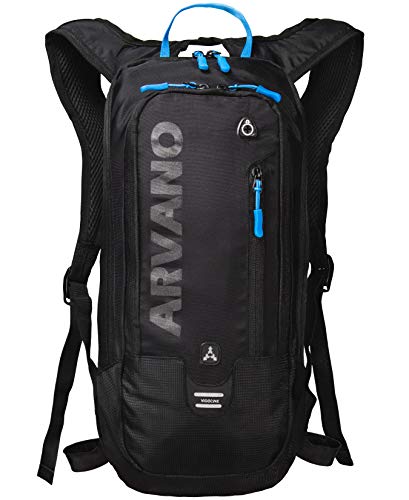
- ✓ Slim, lightweight design
- ✓ Comfortable, adjustable fit
- ✓ Reflective safety strips
- ✕ Water reservoir not included
- ✕ Limited storage space
| Capacity | 6 liters (approximate, based on dimensions) |
| Hydration Bladder Compatibility | Fits up to 2.0L/70 oz hydration bladder (water reservoir not included) |
| Dimensions | 45 cm x 21.8 cm x 5 cm (18″ x 8.6″ x 2″) |
| Weight | 0.5 kg (1.1 lbs) |
| Material | Likely lightweight, durable synthetic fabric (specific material not specified) |
| Features | Reflective strips for visibility, headphone line output, ergonomic design with adjustable straps |
Right out of the box, I was impressed by how sleek and slim the Arvano 6L mountain bike backpack feels. It’s surprisingly compact, just 18 inches long but packed with features that hint at serious practicality.
The first thing I noticed was how lightweight it is—only about a pound—making it easy to slide on without feeling bulky. The adjustable straps on the shoulders, chest, and waist really help lock it in place, so I didn’t have to worry about bouncing around during rough terrain rides.
The ergonomic design shows it’s built for comfort. The padded back and straps kept me dry and comfortable even during longer rides.
Plus, the reflective strips increased my visibility at dusk, which is a huge plus for early morning or late evening rides.
I love the hydration system compatibility—fitting a 2-liter bladder easily. Even though the reservoir isn’t included, the sleeve and opening make it super simple to use.
The small front compartment with a zipper is perfect for storing my phone, and the headphone output means I can jam to tunes without worrying about the cord getting caught.
Overall, this backpack is versatile enough for mountain biking, hiking, or even skiing. It’s a great size—big enough to carry essentials but still unobtrusive.
The design feels durable, and the price point makes it a smart buy for anyone serious about outdoor adventures.
Lemuvlt 15L Waterproof Hiking & Cycling Daypack

- ✓ Spacious with many pockets
- ✓ Keeps water cool
- ✓ Comfortable fit
- ✕ Not fully waterproof
- ✕ Slightly small for bigger gear
| Capacity | 15 liters |
| Hydration Bladder Capacity | up to 3 liters (bladder not included) |
| Insulated Pocket | Yes, keeps water cool for 2-4 hours |
| Material | Water-resistant ripstop fabric |
| Weight | Lightweight (exact weight not specified) |
| Adjustable Straps | Shoulder, chest, and waist straps fully adjustable |
This Lemuvlt 15L waterproof daypack has been sitting on my wishlist for a while, mainly because I needed something compact yet versatile for both cycling and quick hikes. When I finally got my hands on it, I immediately appreciated how well-thought-out the design is.
The 15L capacity feels just right—not too bulky, but plenty of space for essentials.
The multiple zippered pockets are a real game-changer. I was able to keep my phone, keys, snacks, and even a small first aid kit separate and easily accessible.
The open pocket for a helmet is perfect for quick stops, and the mesh side pockets hold my water bottles securely. Filling up the hydration bladder (not included) was straightforward, and I liked that it still left room for a light jacket.
The insulation pocket is a welcome feature, keeping my water cool for a few hours—super handy on hot days. The padded straps and breathable honeycomb back panel made long rides and hikes comfortable without any chafing or excessive sweating.
Plus, the reflective details and luminous logo give me peace of mind during early morning or late evening rides.
It’s lightweight but feels sturdy enough to handle a little rain, thanks to the water-resistant ripstop fabric. I did notice it’s splash-proof, so I wouldn’t submerge it in water, but that’s enough for sudden showers.
Overall, this pack hits a sweet spot between size, comfort, and functionality—perfect for day adventures on foot or bike.
Road Runner Hydration Backpack 12L with 2L Bladder

- ✓ Comfortable, secure fit
- ✓ Easy to refill and clean
- ✓ Multiple storage compartments
- ✕ Slightly bulky for ultra-light rides
- ✕ Limited color options
| Water Capacity | 2 liters (BPA-free water bladder) |
| Backpack Capacity | 12 liters |
| Material | Rugged, water-resistant fabric |
| Hydration System Features | Leakproof bite valve, wide opening for refills and cleaning |
| Strap and Back Panel | Ventilated mesh shoulder straps with padded back panel |
| Storage Compartments | Multiple zippered pockets for gear and essentials |
Ever been on a long ride and suddenly realized your water bottle’s too awkward to reach or keep in place? I’ve been there, fumbling with bottles that bounce around or leak at the worst moment.
That’s where the Road Runner Hydration Backpack 12L stepped in and changed my game.
This backpack fits snugly and stays put, thanks to its adjustable straps and breathable mesh shoulder pads. I took it on a sweaty mountain ride, and I barely noticed it was there—no chafing, no slipping.
The padded back panel offers a nice cushion, especially during extended periods of riding or hiking.
The 2-liter BPA-free bladder is a highlight. It’s leakproof with a bite valve that’s easy to sip from, even when you’re zipping along.
The wide opening makes refilling quick and cleanup simple—no more wrestling with stubborn caps or leftover residue.
Storage isn’t compromised either. The 12L capacity gives plenty of space for snacks, keys, a phone, and even a lightweight jacket.
Multiple zippered compartments keep everything organized and within arm’s reach, so you don’t have to stop and dig around.
Built tough and weather-resistant, I threw it on during a light rain, and everything inside stayed dry. Plus, the rugged fabric held up well without adding unnecessary weight.
It’s a versatile pack that feels equally at home on a trail or a quick city ride.
Overall, it’s a reliable, comfortable hydration solution that keeps your essentials handy without slowing you down. Whether you’re out for an hour or a full day, this backpack has your back—literally.
What Features Are Essential in the Best Road Bike Backpack?
When choosing the best road bike backpack, several features are essential for comfort, functionality, and safety.
- Capacity: A good road bike backpack should have an adequate capacity to hold your essentials without being overly bulky. Look for options that typically range from 15 to 30 liters, allowing enough space for items like tools, snacks, and a hydration system while keeping the weight manageable.
- Hydration System: Many top road bike backpacks include a hydration reservoir or compatible space for a water bladder. This feature allows for easy access to water through a tube, promoting hydration without the need to stop frequently during rides.
- Comfortable Straps: The best road bike backpacks come with padded, adjustable shoulder straps that help distribute weight evenly and reduce strain on your back. Look for ergonomic designs that also include a chest or waist strap for added stability, especially during long rides.
- Ventilation: A well-ventilated backpack design is critical for comfort during intense rides. Features such as mesh back panels or airflow channels help wick moisture away and keep your back cool, preventing overheating and excessive sweating.
- Reflective Elements: Safety is paramount, and having reflective materials on your backpack increases visibility in low-light conditions. Opt for backpacks with built-in reflective strips or bright colors to ensure you are seen by motorists and other cyclists, especially during early morning or evening rides.
- Durability and Weather Resistance: The best road bike backpacks are made from durable, weather-resistant materials to withstand the elements. Look for waterproof or water-repellent fabrics and robust stitching that can endure the rigors of cycling, ensuring your belongings stay dry and protected.
- Organizer Pockets: An effective organizational system within the backpack is essential for easy access to your gear. Features like multiple compartments, zippered pockets, and dedicated sleeves for devices or tools can help keep your items neatly arranged and readily available.
How Do You Determine the Right Size and Capacity for a Road Bike Backpack?
Determining the right size and capacity for a road bike backpack involves considering various factors related to your riding needs and personal preferences.
- Capacity: The capacity of a backpack is typically measured in liters, which indicates how much gear it can hold. For short rides, a smaller capacity (10-15 liters) is usually sufficient, while longer rides may require 20-30 liters or more to accommodate extra clothing, food, and hydration.
- Fit and Adjustability: A good road bike backpack should fit comfortably and securely on your back without shifting during rides. Look for adjustable straps, a well-designed harness system, and padded areas that contour to your body, which can help distribute weight evenly and reduce fatigue.
- Weight: The weight of the backpack itself is an important consideration, as a heavy backpack can add unnecessary strain during rides. Aim for a lightweight design that doesn’t compromise on durability or features; ideally, the backpack should weigh no more than a couple of pounds.
- Compartments and Organization: Consider how many compartments you need for organizing your gear. Multiple pockets can help separate tools, snacks, and personal items, making it easier to access what you need without rummaging through the entire bag.
- Hydration Compatibility: Many road cyclists prefer to stay hydrated while riding, so look for backpacks that either come with a hydration reservoir or have space for a water bottle. This feature ensures you can easily drink water without having to stop or fumble with a separate bottle.
- Weather Resistance: Since road biking often exposes you to various weather conditions, a backpack made from weather-resistant materials can protect your gear from rain and moisture. Features like water-resistant zippers and external rain covers can further enhance the backpack’s durability and functionality in inclement weather.
- Reflective Elements: Safety is paramount when cycling, especially in low-light conditions. A backpack with reflective strips or patches can enhance your visibility to other road users, making it a crucial feature for any road cyclist.
What Materials Offer the Best Durability and Weather Resistance in Road Bike Backpacks?
The materials that offer the best durability and weather resistance in road bike backpacks include:
- Nylon: Nylon is a synthetic fabric known for its strength and resilience, making it a popular choice for road bike backpacks. It is resistant to tearing and abrasion, which is essential for withstanding the wear and tear of cycling. Additionally, many nylon fabrics are treated with water-resistant coatings to repel moisture, ensuring that your belongings stay dry during unexpected rain.
- Polyester: Polyester is another durable fabric that offers excellent weather resistance and is often more affordable than nylon. It has a good resistance to fading, moisture, and mildew, making it suitable for outdoor use. Many polyester backpacks are also treated with water-repellent finishes, enhancing their ability to protect contents from light rain and splashes.
- Cordura: Cordura is a high-performance nylon fabric known for its superior durability and resistance to wear. It is often used in heavy-duty backpacks and is ideal for cyclists who frequently ride in rugged conditions. The fabric is also treated to be water-resistant, ensuring that it can withstand harsh weather while maintaining structural integrity.
- Ripstop Fabric: Ripstop fabric features a unique weaving technique that incorporates stronger threads at regular intervals, making it highly resistant to tearing and ripping. This makes it an excellent choice for road bike backpacks that may encounter sharp objects or rough handling. Additionally, many ripstop materials are coated with waterproof layers, enhancing their protective capabilities against rain and moisture.
- TPU Coated Fabrics: Thermoplastic Polyurethane (TPU) coated fabrics provide an excellent balance of flexibility and durability while being completely waterproof. This material is often used in high-end backpacks designed for extreme weather conditions. TPU is also resistant to UV damage and abrasion, ensuring the longevity of the backpack’s performance over time.
- Waxed Canvas: While not as common as synthetic materials, waxed canvas offers a timeless aesthetic along with impressive durability and water resistance. The wax coating creates a barrier against moisture while allowing the fabric to breathe. This material is particularly appreciated by cyclists who value both style and functionality in their road bike backpacks.
Why Is Hydration Considered Important in Choosing a Road Bike Backpack?
Hydration plays a crucial role in choosing the best road bike backpack, primarily for enhancing performance and ensuring rider safety. When on long rides, staying adequately hydrated is essential, as even mild dehydration can lead to fatigue, decreased concentration, and impaired physical capabilities.
Key factors to consider regarding hydration in road bike backpacks include:
-
Hydration Reservoir Compatibility: Many quality backpacks come equipped with hydration reservoirs or bladders, allowing for easy access to water while riding. Look for backpacks with dedicated compartments for these reservoirs.
-
Tube Accessibility: A good backpack should feature a tube routing system that allows you to drink hands-free while cycling. This design helps riders stay focused on the road without needing to stop for hydration.
-
Storage for Water Bottles: In addition to hydration bladders, some backpacks include external pockets or sleeves specifically designed for water bottles. This versatility is advantageous for those who prefer traditional bottle usage.
-
Insulation Features: Consider backpacks with insulated compartments to keep your fluids cool during hot weather, promoting better hydration.
Incorporating effective hydration solutions into your road biking gear is vital, as it can significantly enhance your overall riding experience.
How Do Road Bike Backpacks Compare to Traditional Cycling Storage Solutions?
| Feature | Road Bike Backpack | Traditional Cycling Storage |
|---|---|---|
| Storage Capacity | Varies; typically 15-30L, suitable for essentials. | Usually fixed; specialized bags may offer more space. |
| Comfort | Designed to distribute weight, reducing strain. | Can be bulky; may affect bike handling. |
| Accessibility | Quick access to items while riding; hands-free. | Requires stopping to reach for items; less convenient. |
| Weight | Lightweight options available, minimizing extra load. | Can be heavier due to structure and materials. |
| Durability | Generally made from lightweight, durable materials, often with reinforced stitching. | Typically made from robust materials but can be bulkier. |
| Weather Resistance | Often includes water-resistant materials and rain covers. | Varies; may require additional waterproof covers. |
| Price Range | Typically ranges from $50 to $200 depending on brand and features. | Varies widely; can range from $20 for basic bags to over $300 for specialized options. |
| Versatility | Can be used for hiking, commuting, and other activities beyond cycling. | Primarily designed for cycling, limited use for other activities. |
What Are the Benefits of Different Brands of Road Bike Backpacks?
The benefits of different brands of road bike backpacks can greatly enhance a cyclist’s experience by providing various features tailored to specific needs.
- CamelBak: Renowned for their hydration systems, CamelBak backpacks often include built-in reservoirs, allowing cyclists to stay hydrated without needing to stop. Their ergonomic designs and lightweight materials also ensure that the load is comfortably distributed, making long rides more enjoyable.
- Osprey: Known for their durable construction and thoughtful design, Osprey backpacks often feature ample storage space and multiple compartments for organization. Many models also offer ventilation systems that reduce sweating on long rides, keeping the rider comfortable and focused.
- Deuter: Deuter backpacks often emphasize comfort and functionality, with adjustable straps and padded back panels that enhance fit during rides. They frequently include reflective elements for improved visibility, which is essential for safety during early morning or late evening rides.
- Ortlieb: Ortlieb is famous for its waterproof designs, making their backpacks ideal for cyclists who face unpredictable weather conditions. The durability of the materials used also means these backpacks can withstand rough handling, ensuring long-term reliability.
- Thule: Thule backpacks often combine stylish design with practical features, including easy access pockets and attachment points for additional gear. Their robust construction is suited for both urban commuting and longer rides, providing versatility for different cycling environments.
What User Experiences Should You Consider When Choosing the Best Road Bike Backpack?
When choosing the best road bike backpack, several user experiences should be considered to ensure comfort, functionality, and safety.
- Fit and Comfort: A well-fitting backpack should have adjustable straps and a design that conforms to the body to prevent bouncing while cycling. Comfort is crucial, especially during long rides, so look for padded shoulder straps and back panels that promote airflow to reduce sweating.
- Storage Capacity: The backpack should offer enough space to carry essential items without being overly bulky. Consider the layout of pockets and compartments for organizing items like tools, snacks, and hydration systems efficiently.
- Material and Durability: Opt for a backpack made of lightweight yet durable materials that can withstand the rigors of cycling. Waterproof or water-resistant fabrics are also important to protect your belongings from rain and splashes while on the road.
- Visibility and Safety Features: Look for backpacks that incorporate reflective materials or bright colors to enhance visibility during low-light conditions. Some models also include safety features like LED lights or attachment points for additional visibility accessories.
- Hydration Options: Many road bike backpacks come with hydration reservoirs or compartments for water bottles. This feature is essential for keeping hydrated on long rides without needing to stop frequently.
- Weight: The overall weight of the backpack can significantly impact your riding experience, so choose a lightweight model that still meets your requirements. A heavy backpack can become cumbersome and affect your balance and speed.
- Ease of Access: Consider how quickly you can access your items while riding. Features like front-loading designs or easy-to-reach pockets can allow for quick retrieval of tools or snacks without stopping.